

REPORT
UNAIDS Special Report for #AIDS2026
New report with latest data on HIV
NEWS
Highlights
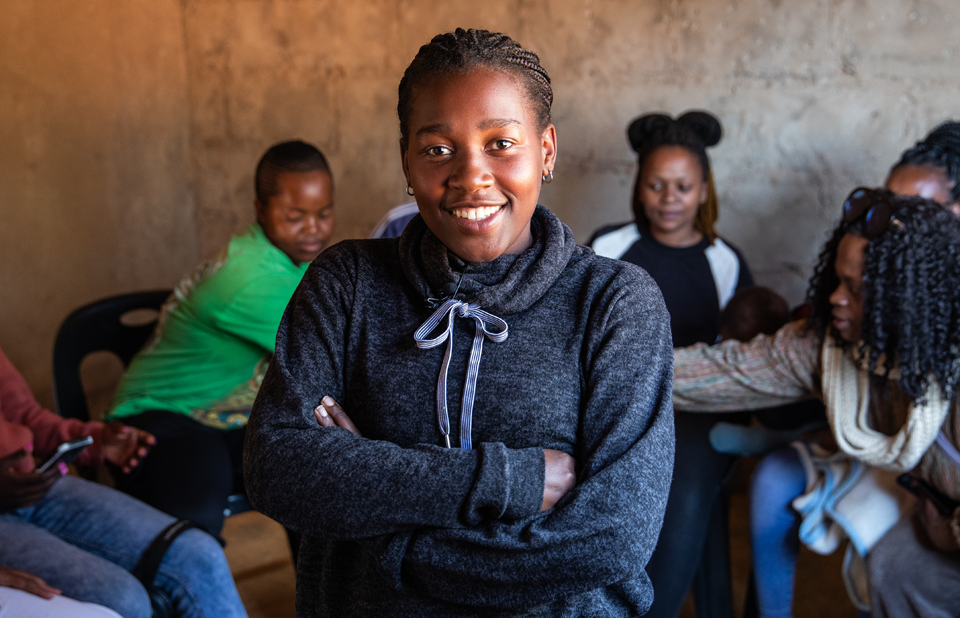

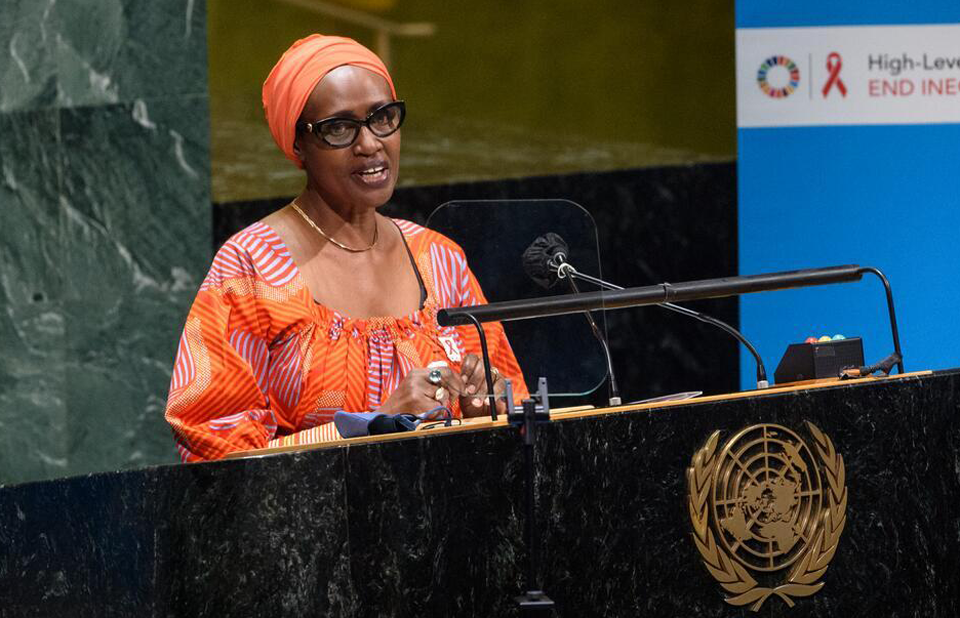
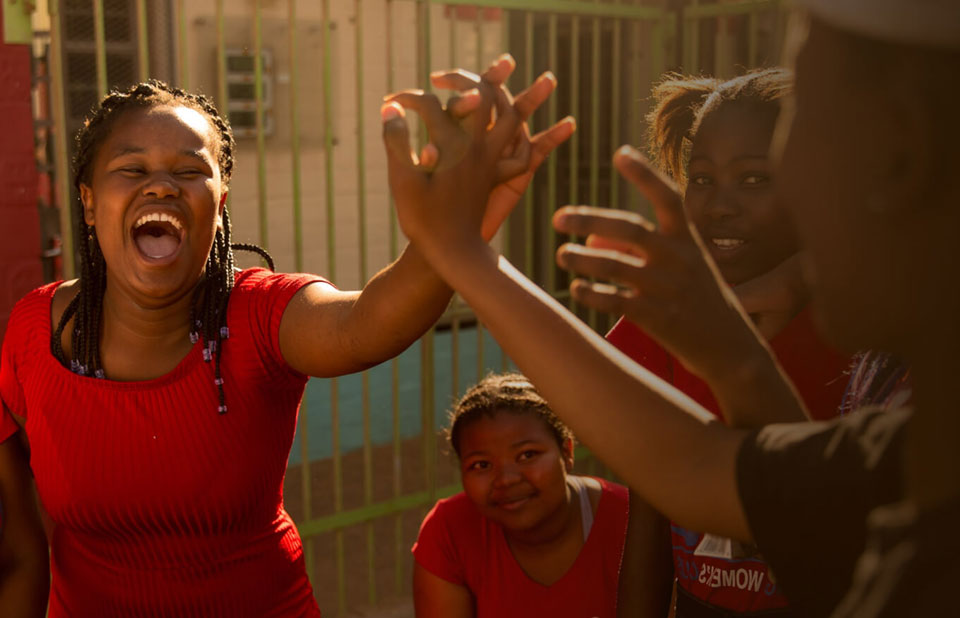
New HIV Response Sustainability Approach
UNAIDS has proposed a new approach to ensure the sustainability of the HIV response.
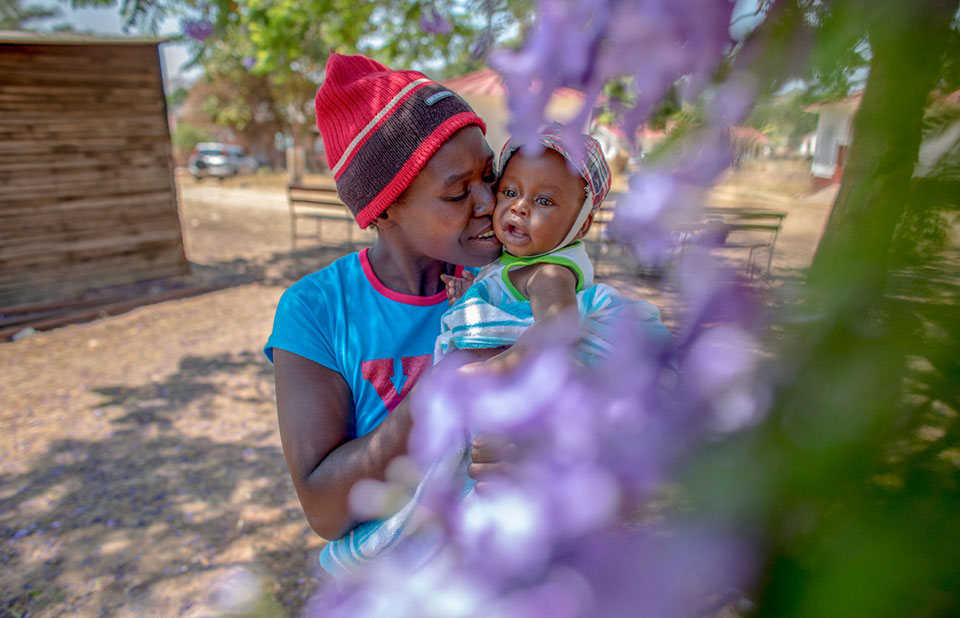
Initiative
Global Council on Inequality, AIDS and Pandemics
Social and economic inequalities within countries and between them are exacerbating and prolonging pandemics and amplifying their impact amongst the poorest and the most vulnerable.
Cosponsors
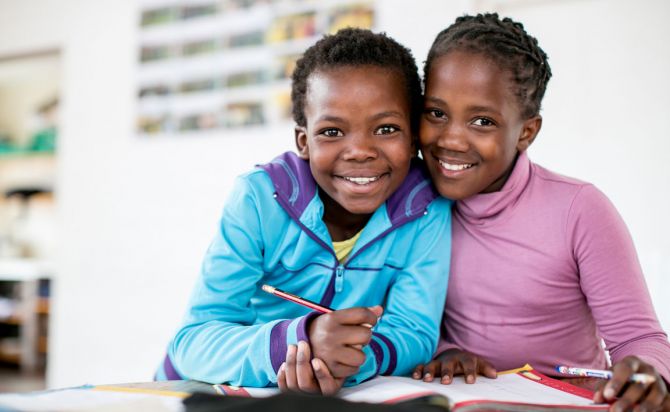
The Joint United Nations Programme on HIV/AIDS (UNAIDS) unites the efforts of 11 UN organizations—UNHCR, UNICEF, WFP, UNDP, UNFPA, UNODC, UN Women, ILO, UNESCO, WHO and the World Bank
UNAIDS Board

UNAIDS is guided by a Programme Coordinating Board (PCB) comprising representatives of 22 governments from all geographic regions, the UNAIDS Cosponsors and five representatives of nongovernmental organizations, including associations of people living with HIV.
Upcoming meeting: 30 June - 02 july 2026 | Past meetings | NGO/Civil society participation
Results and transparency
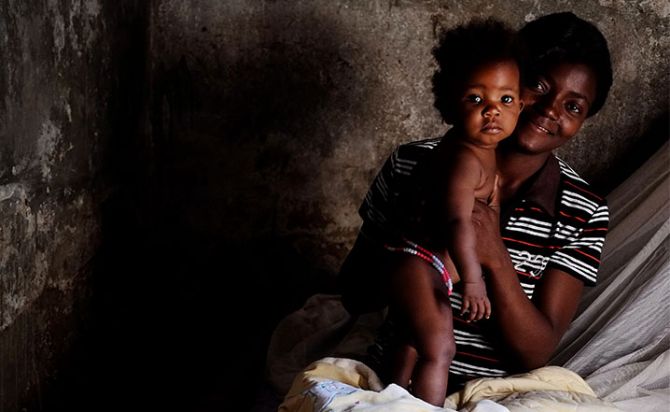
The UNAIDS Results and Transparency Portal aims to increase transparency and accountability around the work we do, the results we achieve and UNAIDS financing.
UNAIDS FOCUS
Discover the work that UNAIDS does to end the AIDS epidemic as a public health threat by 2030.
Read more
DATA
AIDSinfo
http://aidsinfo.unaids.org/
Key populations atlas
http://www.aidsinfoonline.org/kpatlas/#/home
Global AIDS Update
resources/documents/2022/in-danger-global-aids-update
Fact sheet
resources/fact-sheet
Data page
topic/data
TOPICS
HIV treatment
topic/treatment
Children
topic/children
Young people
topic/young-people
Key populations
topic/key-populations
Gender
topic/gender
Human rights
topic/rights
Community mobilization
topic/community
HIV prevention
topic/prevention
Resources and financing
topic/resources
TB/HIV
topic/tuberculosis
Security and humanitarian affairs
topic/security
Social protection
topic/social-protection
Data
topic/data
Fast-Track cities
cities
Countries
Africa - east and southern
Asia and Pacific
Eastern Europe and central Asia
The Former Yugoslav Republic of Macedonia
Latin America and the Caribbean
Domminica
Western and Central Europe and North America
Filter
Filter
Explore
Discover more about UNAIDS’ work. Click here to access a collection of stories, videos, publications, infographics and more
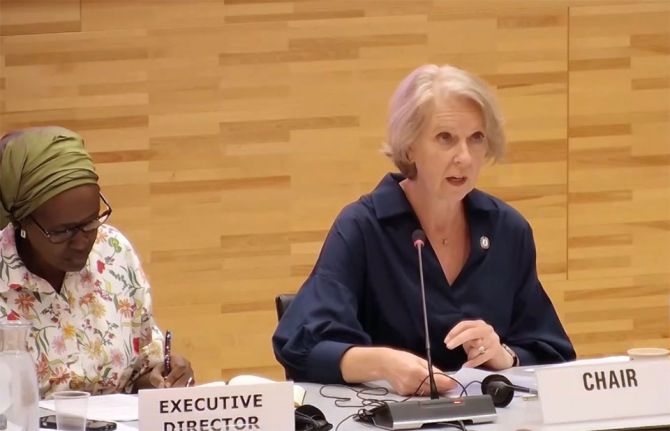
Stakeholders chart a people-centred path for the future of the Joint United Nations Programme on HIV/AIDS (UNAIDS)
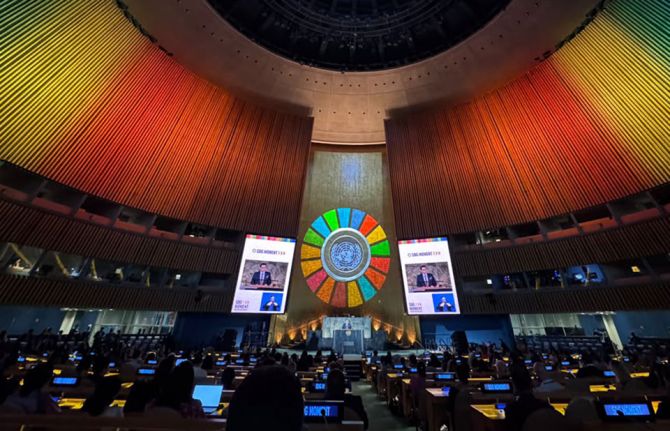
Countries, communities and partners underscore UNAIDS’ vital role in advancing the HIV response and health sovereignty at UNGA81
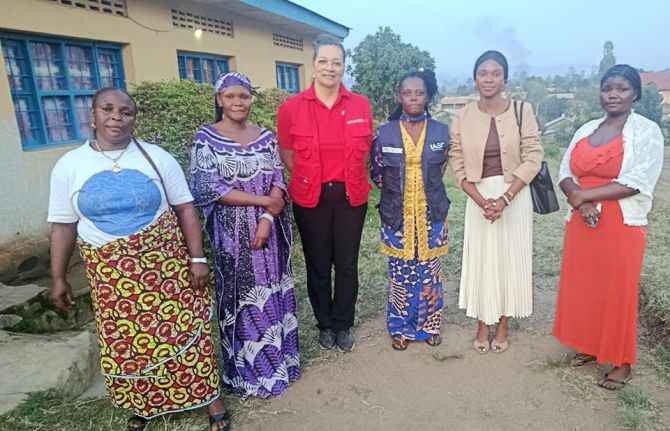
When survivors speak: How Esther's story is helping fight Ebola and protect HIV care in the DRC
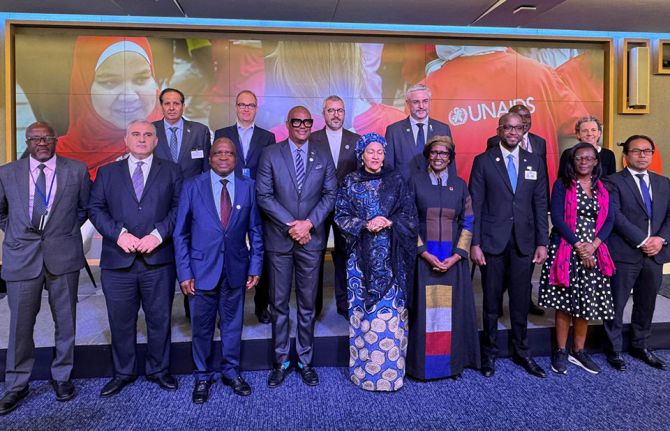
From forerunner to future-maker: partners affirm the value of a transformed UNAIDS Joint Programme
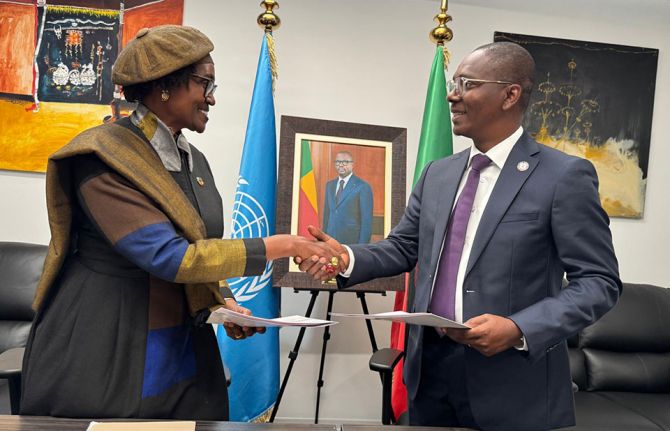
UNAIDS welcomes a new € 544,000 contribution from Benin to support UNAIDS work in the country
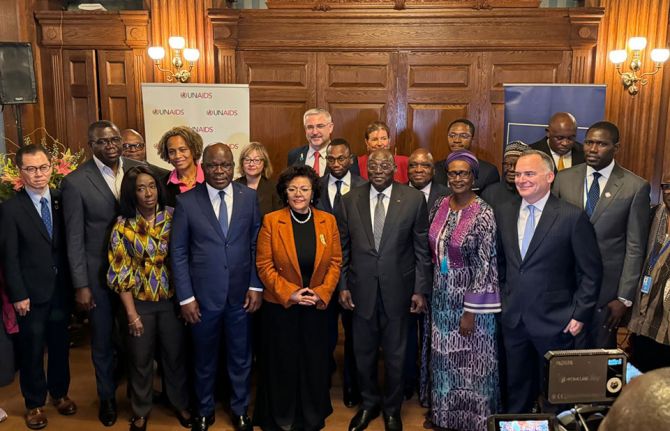
UNAIDS convenes African leaders to build health sovereignty and regional production of essential medicines
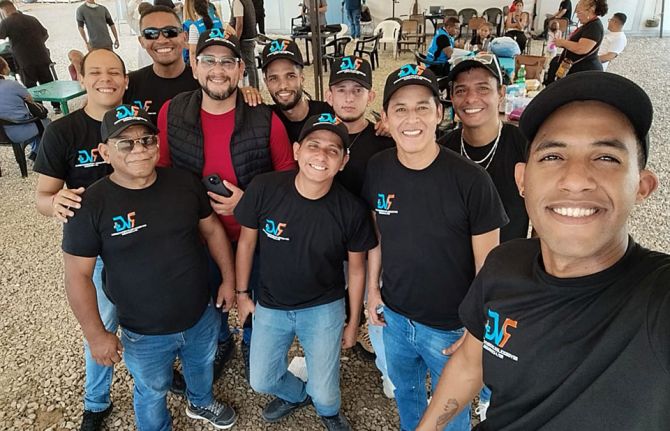
Communities, authorities and UNAIDS coordinate to maintain HIV care during emergencies in Colombia and Venezuela
