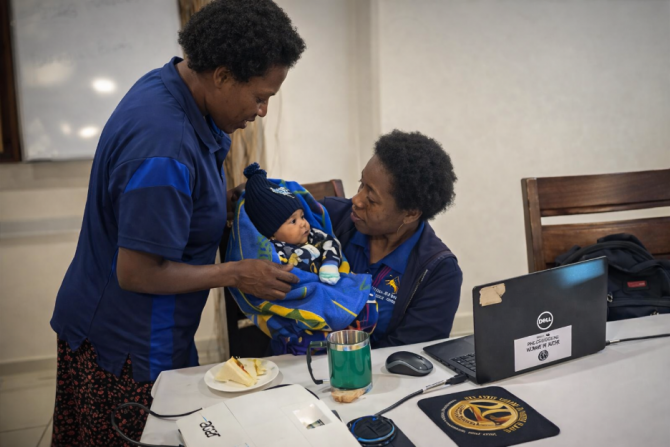
Papua New Guinea advances national ownership of HIV response as crisis deepens
April 17, 2026 — Papua New Guinea has long relied on international funding for its HIV response. The island country north of Australia covers only 30% of its HIV spending, with the rest funded by international donors. As global HIV financing declines, critical gaps in HIV prevention, testing and treatment have crept in.
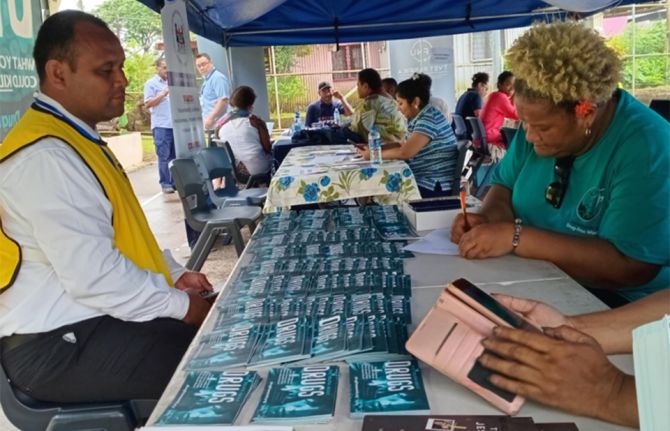
As HIV infections soar due to injecting drug use, harm reduction should be a priority in Fiji
Since 2014, number of new HIV infections in Fiji has risen by an alarming 10-fold. UNAIDS estimates that in 2014, there were fewer than 500 people living with HIV in Fiji. Just 10 years later, that number was 5900 [4500–8900]. In 2024, only 36% [27–54%] of people living with HIV in Fiji were aware of their HIV status, and only 24% [18–36%] were receiving treatment.
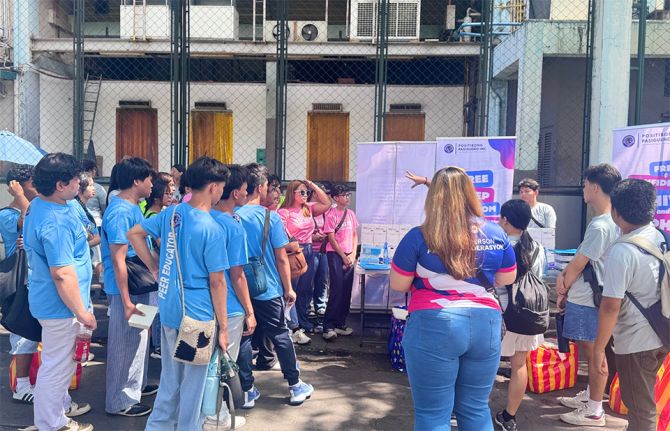
Funding cuts undermine community-led innovations in the Philippines
“We will focus on treatment!” This is the reassurance HIV advocates say they have received from the Government of the Philippines in the aftermath of United States funding cuts to the Philippines HIV response.
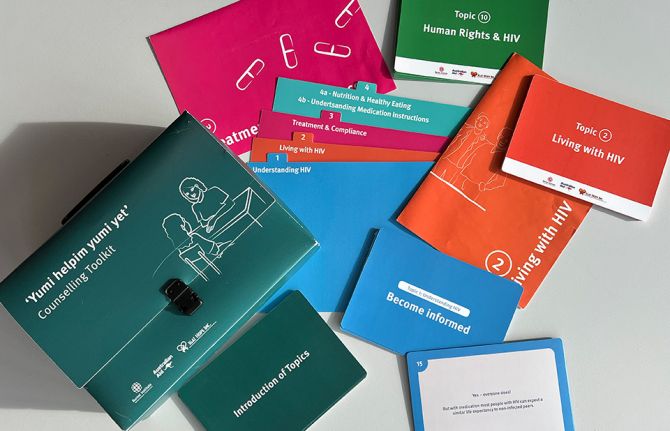
Crowdfunding for community-led services in Fiji’s fast growing HIV epidemic
“There is no such thing as peer support here,” says Mark Shaheel Lal, founder of Living Positive Fiji. “We are starting from zero.”When other parts of the world were wrestling with soaring HIV rates during the 1990s and early 2000s, Fiji was hardly affected. With a population of under one million, HIV remained under the radar in the South Pacific island chain.
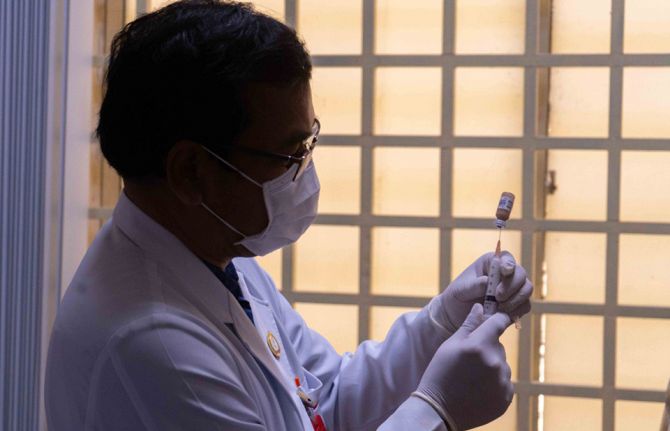
Cambodia becomes the second country in the Asia Pacific to offer long-acting PrEP
Borey and Sophia are among the first clients in Cambodia to begin long-acting injectable Cabotegravir (CAB-LA), a PrEP formulation administered every two months. With this initiative, Cambodia has become a frontrunner in the Asia Pacific region to roll out long-acting PrEP.
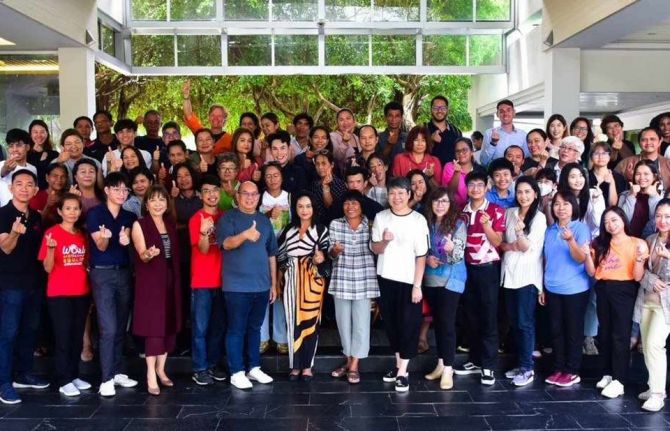
Despite progress, HIV stigma and discrimination continue to bubble beneath the surface in Thailand
The Thailand Stigma Index 2.0 study was launched in early March to commemorate Zero Discrimination Day. It shows that despite a strong national HIV response, challenges continue to simmer below the surface.
Impact of US funding cuts on HIV programmes in Vietnam
Impact of US funding cuts on HIV programmes in Vietnam

Status of HIV Programmes in Indonesia
Indonesia has had to pause many programmes due to the U.S. funding freeze. All community led activities funded through USAID have been paused and prevention and linkages to treatment for around 30% of men who have sex with men (MSM) in Jakarta have been affected. In addition, the expansion of PrEP programmes and a test pilot of long-acting HIV pre-exposure prophylaxis (PrEP) have been halted for now.
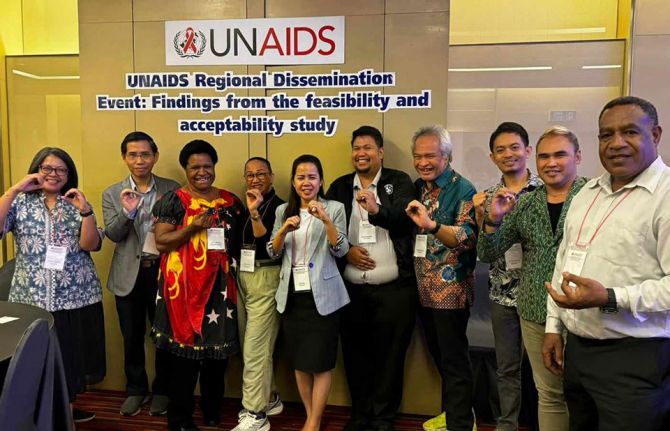
PrEP for her: Cambodia, Indonesia, Papua New Guinea and the Philippines prepare to introduce the Dapivirine ring to help prevent HIV
The Dapivirine Vaginal Ring or DVR was given the green light by the World Health Organization for women at high risk of contracting HIV in 2021. Unlike other types of pre-exposure prophylaxis (PrEP), this one is exclusively for women. It is a silicone vaginal ring that is inserted and worn for 28 days before being replaced. It releases an antiretroviral drug locally, reducing the risk of HIV infection through vaginal sex by half.
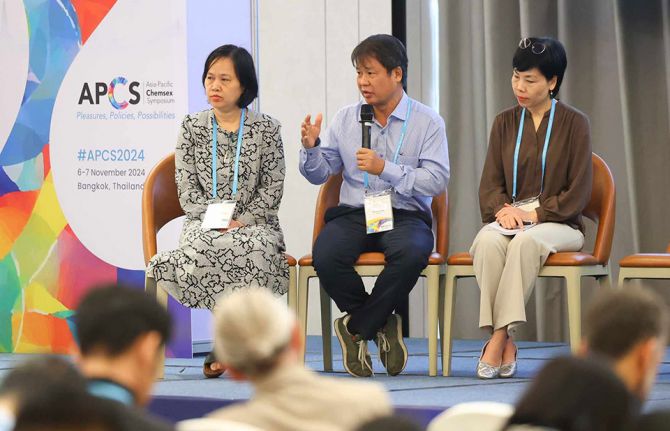
New Asia Pacific healthcare provider toolkit serves people having chemsex
Several countries in the region are facing an HIV prevention crisis with new infections among MSM either increasing or decreasing far too slowly. In 2023, 43% of new infections in Asia-Pacific were among MSM. At the same time, there is evidence that the practice of chemsex in this community ranges from 3% to 31% depending on the country. But although chemsex is most visible in the MSM community, it is practiced by people from all populations.