Home
Menu Close
  • Search
  • English
  • Français
  • Русский
  • Español
  • Who we are
    • About UNAIDS
    • Global AIDS Strategy 2021-2026
    • United Nations declarations and goals
    • UNAIDS governance
    • UNAIDS Programme Coordinating Board
    • Results and transparency portal
    • UNAIDS Cosponsors
    • UNAIDS ambassadors and global advocates
    • UNAIDS leadership
    • UNAIDS evaluation office
    • UNAIDS ethics office
    • UN Plus
  • Focus areas
    • Global AIDS Strategy 2026-2031
    • Recommended 2030 targets for HIV
    • Sustainability of the HIV response
    • Community pandemic response
    • Education Plus Initiative
    • Global alliance to end AIDS in children
    • Equal access to cutting edge HIV technologies
    • Save lives: Decriminalize
    • Global council on inequality, AIDS and pandemics
    • Resources and financing
    • Global HIV Prevention Coalition
    • Global Partnership to Eliminate Stigma and Discrimination
    • Global parliamentary platform on HIV and AIDS
  • Programme areas
    • 2025 AIDS targets
    • AIDS and SDGs
    • Community mobilization
    • Data
    • Fast-Track cities
    • Gender
    • HIV prevention
    • HIV treatment
    • Human rights
    • Key populations
    • Private sector and the AIDS response
    • Security and humanitarian affairs
    • Social protection
    • TB/HIV
    • Universal health coverage
    • Young people
  • Where we work
    • Regions
    • Countries
  • Resources
    • Press centre
    • News
    • Publications
    • Fact sheet
    • Campaigns
    • Speeches
    • Infographics
    • FAQ on HIV and AIDS
    • World AIDS Day
    • Zero Discrimination Day
    • Latest data on HIV
    • Data on key populations
    • Laws and policies
    • HIV financial resources
    • Podcast
    • Videos
    • Technical Support Mechanism
  • Take action
    • Learn about HIV and AIDS
    • Take action
    • Become a donor
    • Investment Book
    • Contact us
    • Work for us
  • Donate
    • Search
  • Languages
  • Donate
  • Who we are
    • About UNAIDS
    • Global AIDS Strategy 2021-2026
    • United Nations declarations and goals
    • UNAIDS governance
    • UNAIDS Programme Coordinating Board
    • Results and transparency portal
    • UNAIDS Cosponsors
    • UNAIDS ambassadors and global advocates
    • UNAIDS leadership
    • UNAIDS evaluation office
    • UNAIDS ethics office
    • UN Plus
  • Focus areas
    • Global AIDS Strategy 2026-2031
    • Recommended 2030 targets for HIV
    • Sustainability of the HIV response
    • Community pandemic response
    • Education Plus Initiative
    • Global alliance to end AIDS in children
    • Equal access to cutting edge HIV technologies
    • Save lives: Decriminalize
    • Global council on inequality, AIDS and pandemics
    • Resources and financing
    • Global HIV Prevention Coalition
    • Global Partnership to Eliminate Stigma and Discrimination
    • Global parliamentary platform on HIV and AIDS
  • Programme areas
    • 2025 AIDS targets
    • AIDS and SDGs
    • Community mobilization
    • Data
    • Fast-Track cities
    • Gender
    • HIV prevention
    • HIV treatment
    • Human rights
    • Key populations
    • Private sector and the AIDS response
    • Security and humanitarian affairs
    • Social protection
    • TB/HIV
    • Universal health coverage
    • Young people
  • Where we work
    • Regions
    • Countries
  • Resources
    • Press centre
    • News
    • Publications
    • Fact sheet
    • Campaigns
    • Speeches
    • Infographics
    • FAQ on HIV and AIDS
    • World AIDS Day
    • Zero Discrimination Day
    • Latest data on HIV
    • Data on key populations
    • Laws and policies
    • HIV financial resources
    • Podcast
    • Videos
    • Technical Support Mechanism
  • Take action
    • Learn about HIV and AIDS
    • Take action
    • Become a donor
    • Investment Book
    • Contact us
    • Work for us
  • Donate
  • English
  • Français
  • Русский
  • Español

Rights, Gender, Prevention & Community Mobilization Department

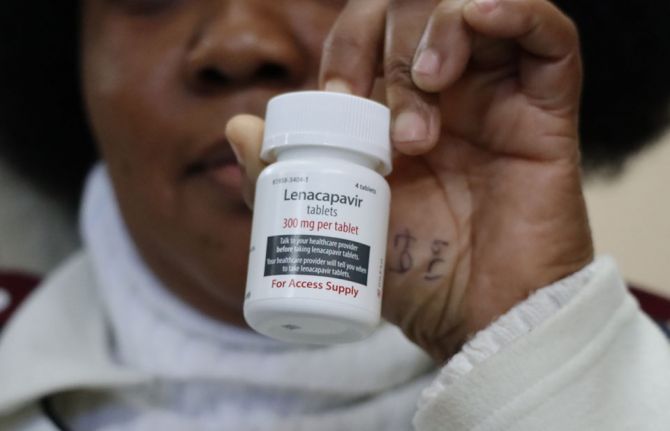
"I am excited": 21-year-old Jane Mndebele becomes the first South African to receive lenacapavir
History was made in the Mpumalanga province of South Africa on Friday, 5 June, as 21-year-old Jane Mndebele became the first person to receive lenacapavir, the twice-yearly HIV prevention injectable, as part of the country's new national prevention programme. 
Read more >
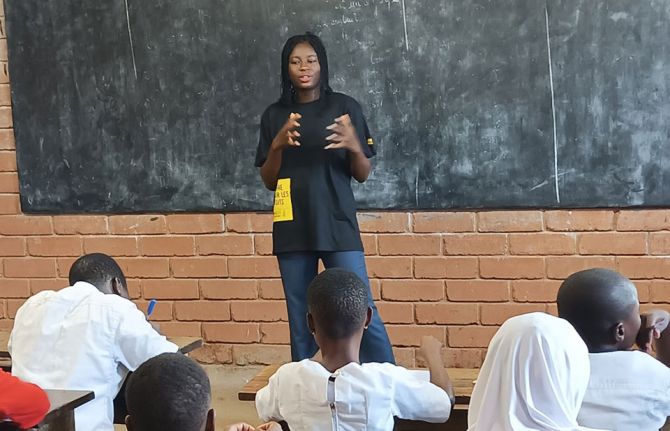
Western African youth living with HIV network hitting major roadblocks
Three years ago, Adjovi Husunukpe co-founded the Western and Central African HIV+ Youth Network (RAJ+AOC) to connect with her peers and strengthen youth-led advocacy in the HIV response. “We wanted to be heard at a national and international level as one,” she said.  
Read more >
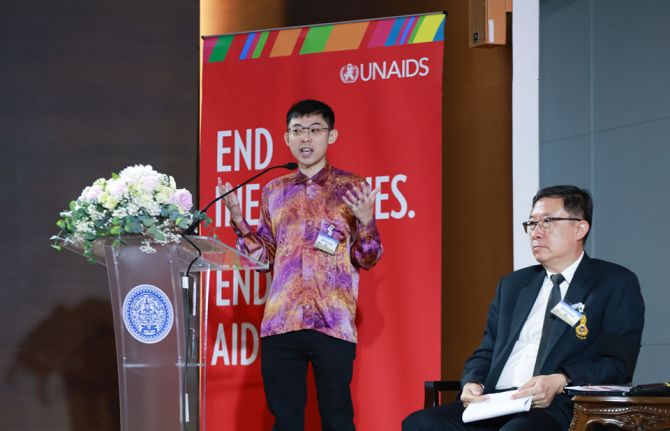
Young people in Asia and the Pacific are helping shape a Prevention Revolution 2.0
When Jeremy Tan from Youth LEAD talks about HIV prevention among young people, he starts with where you can actually find them: online, in private messages, on dating apps and in community spaces. 

Read more >
UNAIDS applauds Botswana on fully repealing anti-LGBTQ+ law
More than six years after Botswana’s courts struck down a ban on same-sex intimacy, the government has now formally removed the discriminatory provisions from the law.

Read more >
Achieving and sustaining viral suppression among people living with HIV in Trinidad & Tobago
Civil society organisations play a critical role in the AIDS response, including facilitating access to HIV prevention and treatment services. The Medical Research Foundation (MRF), based in Trinidad & Tobago, is a perfect example of this.
Read more >
UNAIDS uses Brazilian funk music to promote HIV prevention among young people in Brazil
Read more >
UNAIDS welcomes expanded rollout of HIV prevention medicine and calls for urgent action to ensure equitable and affordable global access
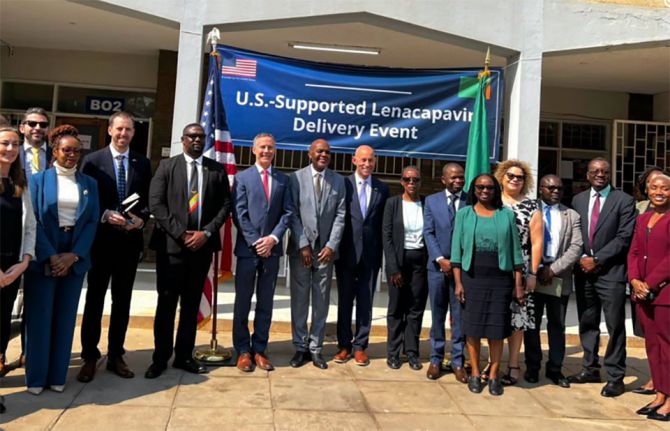
GENEVA, 15 April 2026—UNAIDS commends the Global Fund to Fight AIDS, TB and Malaria and the United States for their commitment to further increase access to long-acting HIV prevention medication. In a recent statement they pledged to increase their initial ambition of reaching 2 million with lenacapavir, twice yearly injections which prevent HIV, to reach 3 million people by 2028. 
Read more >
New Access Framework for the new era of HIV prevention calls for scaled-up investments, expanded choice and sustainability to achieve 2030 targets
The HIV response is at a tipping point. If HIV prevention is deprioritized and defunded, gains made in stopping new HIV infections could be reversed. 
Read more >
Unlocking community actions in Uzbekistan
Civil society organizations in Uzbekistan help deliver peer-to-peer outreach, HIV testing, awareness-raising and prevention. As external funding for HIV declines in the land-locked country in Central Asia, it now faces a critical task: ensuring that prevention and community-led services are sustained.
Read more >
HIV ‘Prevention Hangout’ expands information and HIV services at Brazil’s 2026 Salvador Carnival
During the 2026 Carnival in Salvador de Bahia—one of the largest street festivals in Brazil, which gathered around 12 million people—UNAIDS, the Municipal Health Secretariat of Salvador, Bahia, and the non-governmental organization Motirô BA provided HIV information, testing and prevention services to its participants through the “Rolê da Prevenção” initiative.  
Read more >

Office of Security and Humanitarian Affairs

Office of Community Mobilization

Prevention Division

Human Rights Division

Gender Division

Youth Programme

Publications

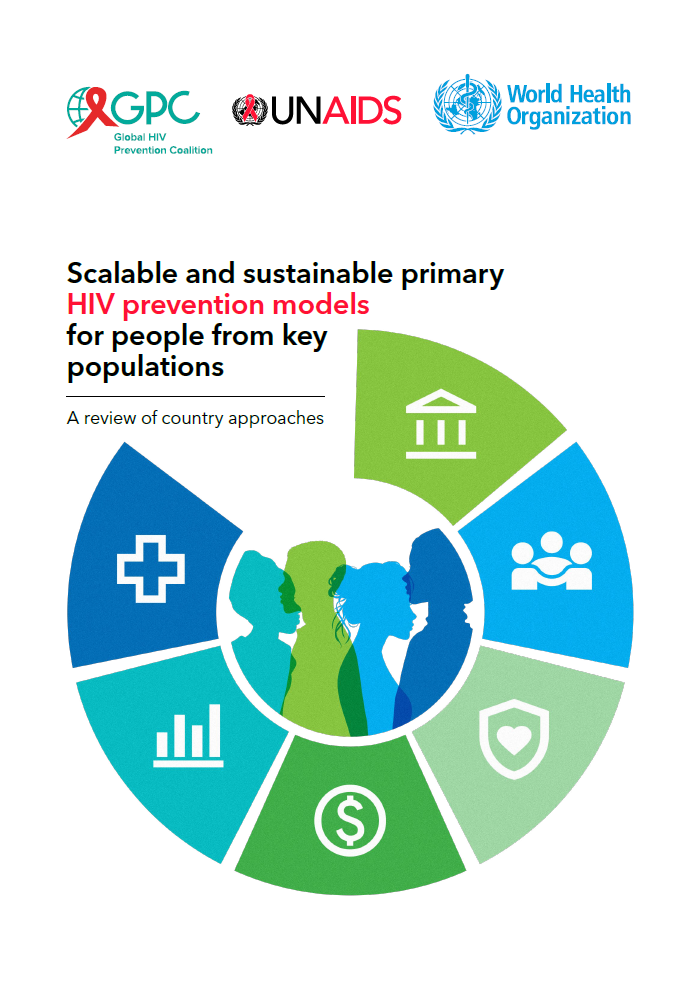
Scalable and sustainable primary HIV prevention models for people from key populations

Sustaining HIV Community-led Responses: Technical guidelines for costing and budgeting

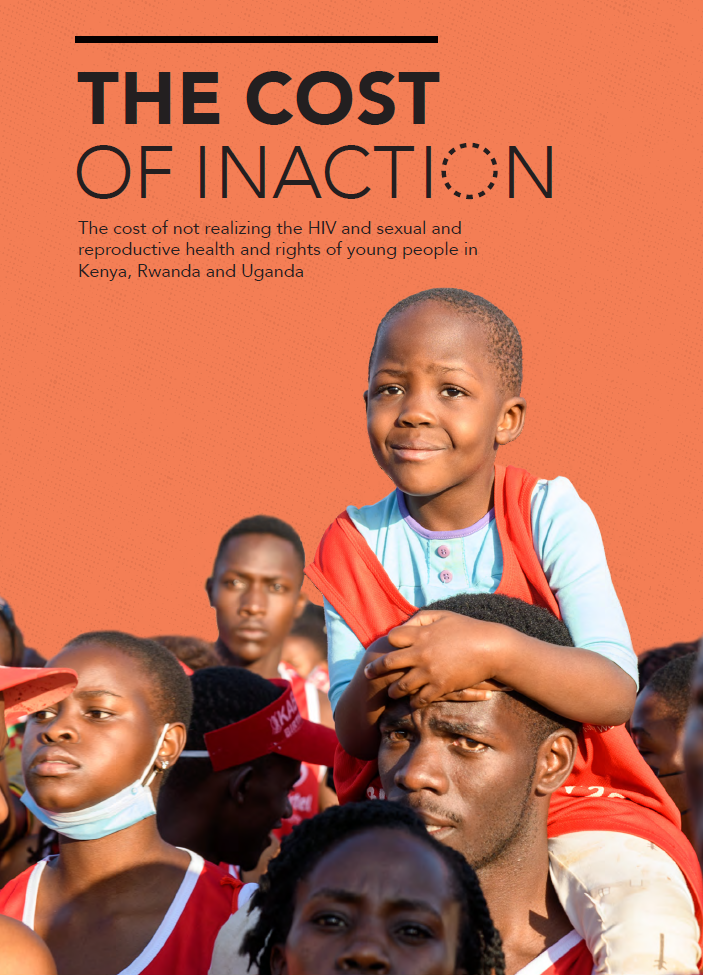
THE COST OF INACTION: The cost of not realizing the HIV and sexual and reproductive health and rights of young people in Kenya, Rwanda and Uganda

HIV Prevention 2030 Global Access Framework

UNAIDS Gender Assessment Tool - Towards a gender-transformative HIV response

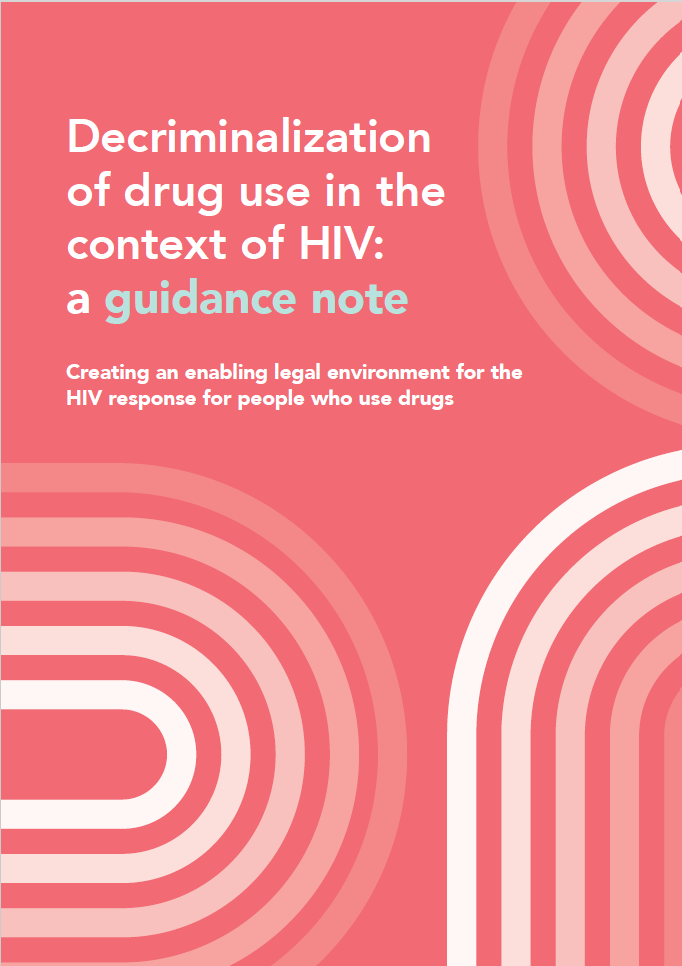
Decriminalization of drug use in the context of HIV: a guidance note

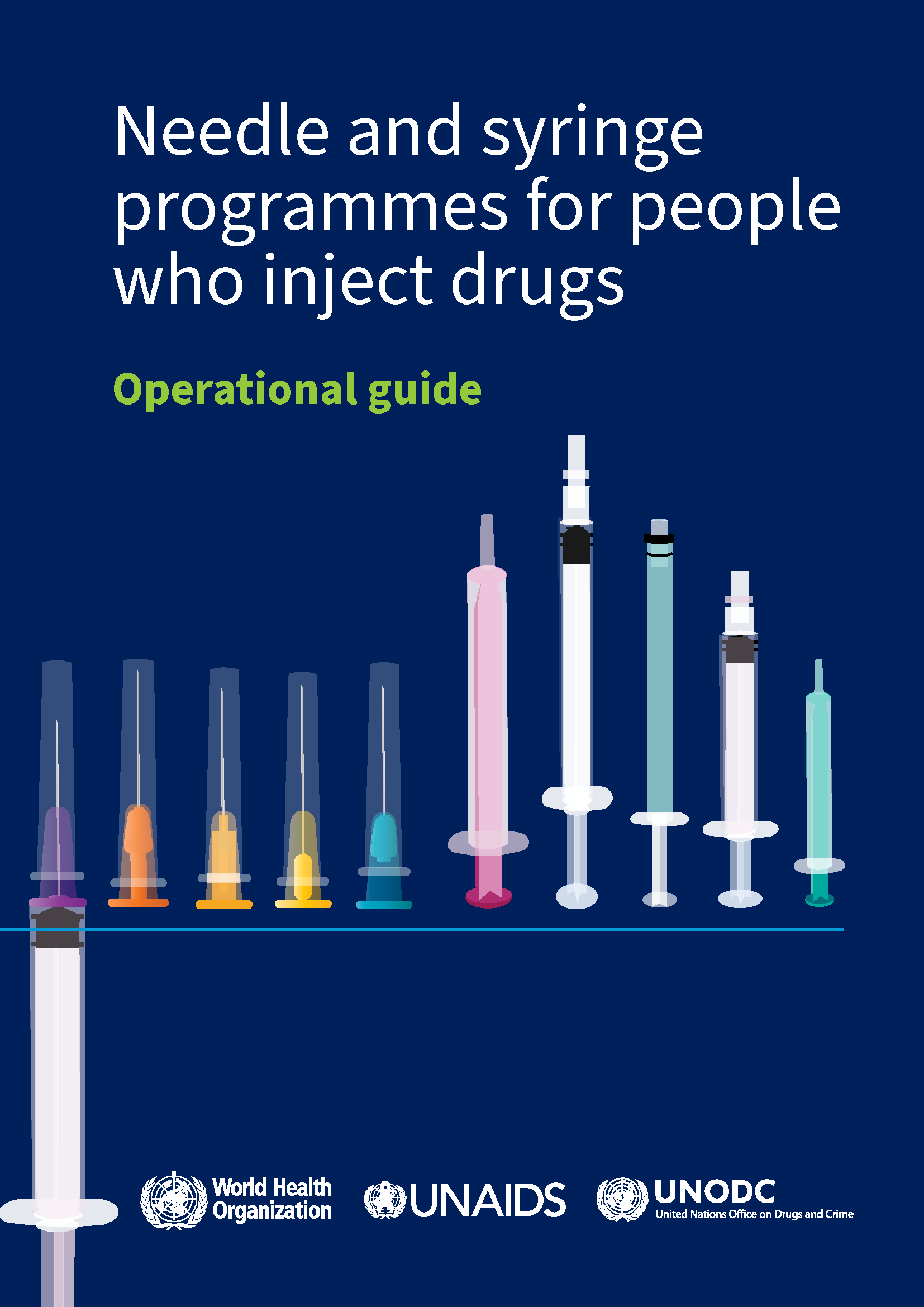
Needle and syringe programmes for people who inject drugs — Operational guide

What can modelling tell us about the scale-up of lenacapavir for pre-exposure prophylaxis?

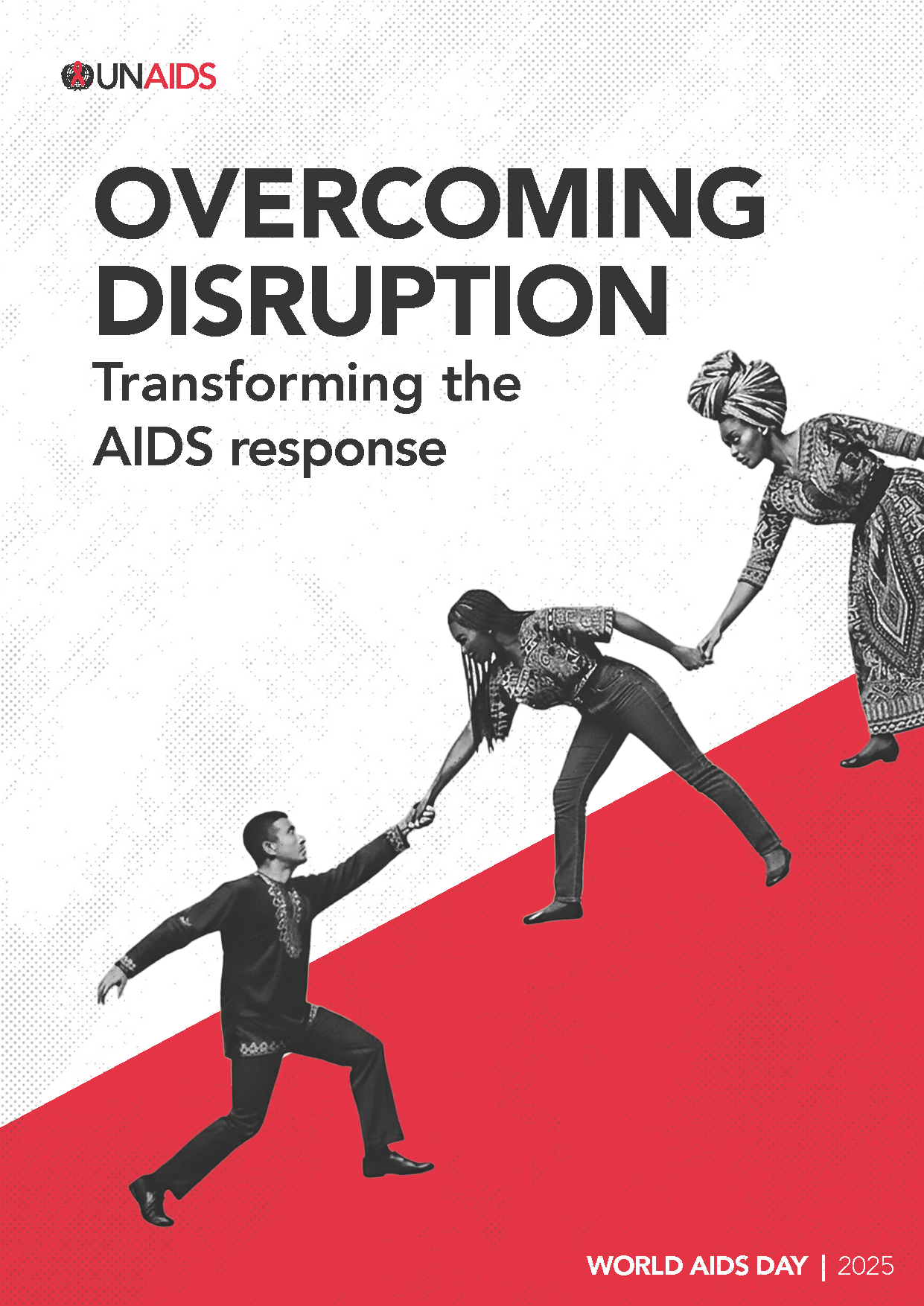
Overcoming disruption, transforming the AIDS response — World AIDS Day 2025 report

What can modelling tell us about the scale-up of lenacapavir for pre-exposure prophylaxis?

Home Our work Rights, Gender, Prevention & Community Mobilization Department
Home
  • Vacancies
  • Contact UNAIDS
  • X
  • Bluesky
  • TikTok
  • facebook
  • instagram
  • youtube
Copyright © 2026    UNAIDS
  • Report fraud, abuse, misconduct
  • Scam alert
  • Terms of use