A lifeline interrupted in Uganda— why community health systems matter
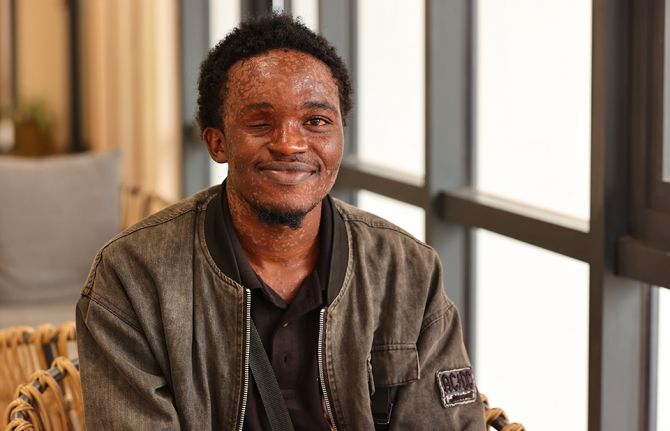
In early 2025, 22-year-old Jokpee Emmanuel arrived at Reach Out Mbuya in Kampala, Uganda, expecting to attend the Friends Forum—a safe space for young people to gather, share and support each other. Instead, he was met with a sign on the gate: “Due to the suspension of United States funding, Reach Out Mbuya will be closed for 90 days. We regret the inconvenience caused.”
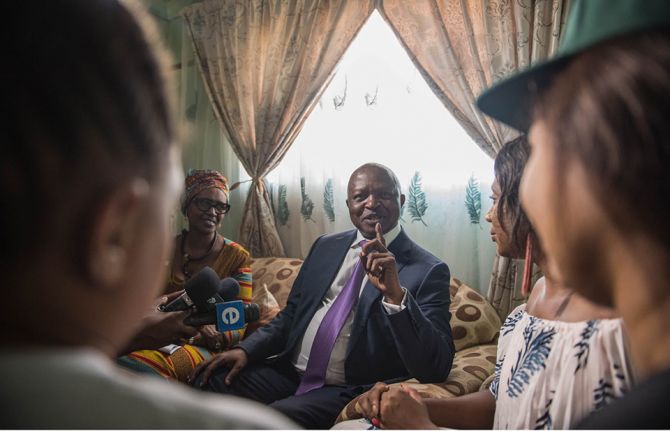
Statement by Winnie Byanyima, Executive Director of UNAIDS, on the Passing of Former Deputy President David Mabuza of the Republic of South Africa
Statement by Winnie Byanyima, Executive Director of UNAIDS, on the Passing of Former Deputy President David Mabuza of the Republic of South Africa

“Who will protect our young people?”
Noncedo Khumalo grew up in a country with one of the highest HIV prevalence rates in the world, Eswatini—a country landlocked between South Africa and Mozambique. The 24-year-old has overcome her fair share of difficult times to make ends meet. The recent US funding cuts have now put her future in question.
Impact of US funding cuts on HIV programmes in East and Southern Africa
Impact of US funding cuts on HIV programmes in East and Southern Africa
Impact of US funding cuts on HIV programmes in Uganda
Impact of US funding cuts on HIV programmes in Uganda
Impact of US funding cuts on HIV programmes in Rwanda
Impact of US funding cuts on HIV programmes in Rwanda
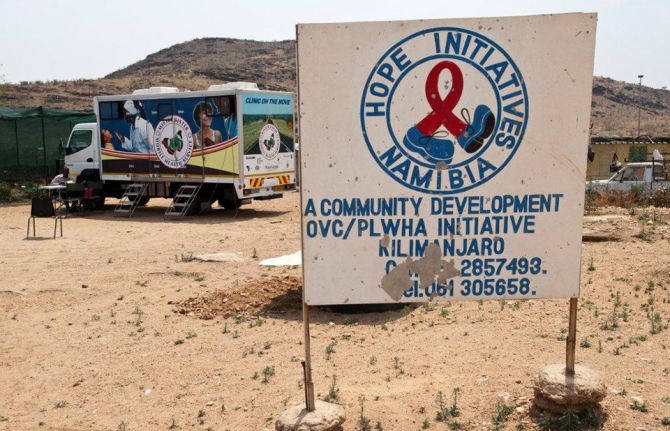
The impact of the US funding freeze and cuts on Namibia’s civil society: A struggle for survival
For years, Namibia’s HIV response has been supported by US funding, particularly through the United States President's Emergency Plan for AIDS Relief (PEPFAR). These programmes have provided lifesaving drugs for HIV treatment, prevention services, and essential socio-economic empowerment initiatives, especially for adolescent girls and young women and the most marginalized and at-risk groups.
Impact of US funding freeze on HIV programmes in Namibia
The freeze has exacerbated chronic supply chain challenges, leading to more prominent condom stock-outs.
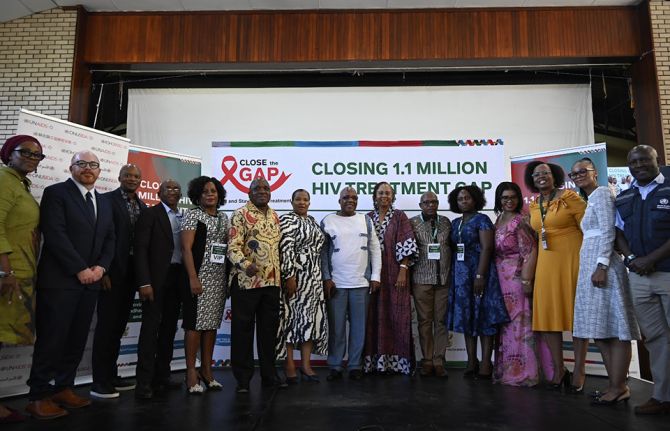
Bold new initiative to put an additional 1.1 million people living with HIV on treatment puts South Africa on the path to end AIDS as a public health threat by 2030
JOHANNESBURG/GENEVA, 25 February 2025—UNAIDS welcomes South Africa’s plan to put an additional 1.1 million people living with HIV on life-saving treatment by the end of 2025 as a significant step towards ending AIDS as a public health threat by 2030. At the launch of the Close The Gap campaign in Soweto South Africa’s Minister of Health, Aaron Motsoaledi, said, “We should not accept that AIDS is here forever. It is not. We want to end it. It’s all in our hands and it depends on our will. We can…

Zambia - an HIV response at a crossroads
The United States Government (USG) support to Zambia is estimated at $600 million annually, of which $367 million was committed for the national HIV response for 2025 under the Presidential Emergency Plan For AIDS Relief (PEPFAR).