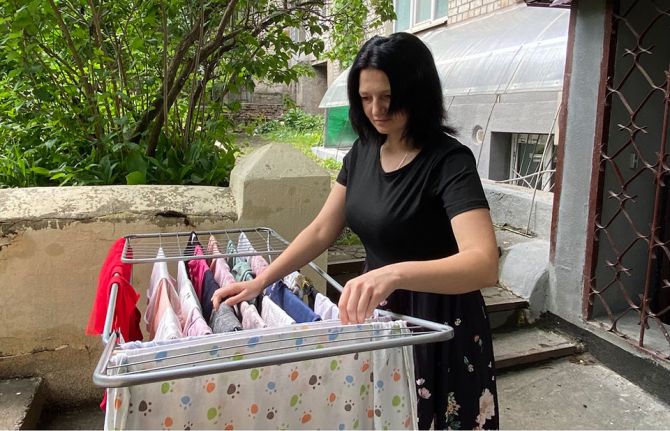
Women, HIV, and war: a triple burden
Lidiia comes from the Zaporizhzhia region, just steps away from Ukraine’s front line. After the full-scale invasion in 2022, her village fell under occupation. She lived in uncertainty for several long months.
Displacement and HIV: doubly vulnerable in Ukraine
The health system in Ukraine, supported by humanitarian organizations and international donors, has made extraordinary efforts to ensure continued access to HIV treatment. From the first days of the invasion, the Public Health Center quickly distributed antiretroviral medicines to central and western regions, where most internally displaced people fled. Emergency stocks were concentrated in leading health facilities and, with the help of nongovernmental organizations, volunteers and partners,…
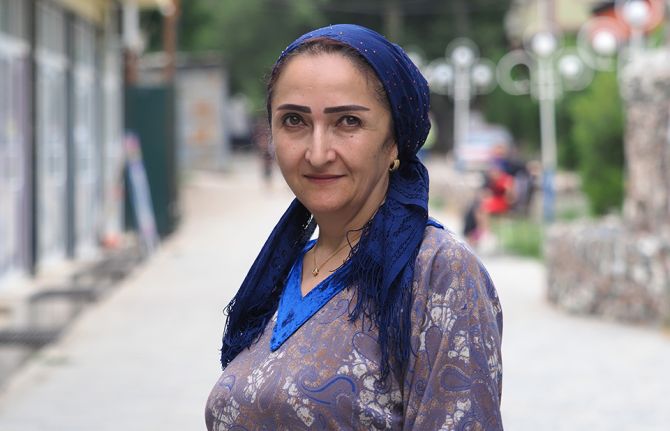
Power to earn and live—overcoming inequalities and supporting women living with HIV in Tajikistan
Progress in supporting HIV services for women is fragile. Funding cuts as small as 10–20% could reverse years of gains. More than 60% of the HIV response in Tajikistan is funded by the Global Fund and PEPFAR with the United States Government, and only 37% is funded domestically. UNAIDS and partners are worried that funding cuts may deepen deprivation and perpetuate stigma, leaving women living with HIV to bear the burden of survival and exclusion. “Investing in women’s health, safety and…
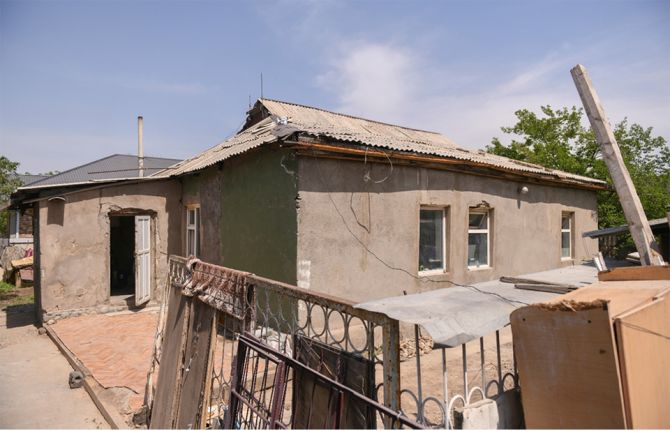
HIV services and social reintegration programmes for prisoners and newly released detainees in Kyrgyzstan at risk of collapse
As of April 1, 2025, Kyrgyzstan has reported 14,609 cases of HIV. Of these, 61.8% were transmitted sexually and 27.8% through injection drug use. HIV is increasingly being detected among people outside of traditional key populations — a sign of the epidemic’s broader spread in the country.
Communities in crisis: The collapse of HIV lifelines in Eastern Europe and Central Asia
Communities in crisis: The collapse of HIV lifelines in Eastern Europe and Central Asia
Impact of US funding cuts on HIV programmes in Tajikistan
Impact of US funding cuts on HIV programmes in Tajikistan
Impact of US funding cuts on HIV programmes in Uzbekistan
Impact of US funding cuts on HIV programmes in Uzbekistan
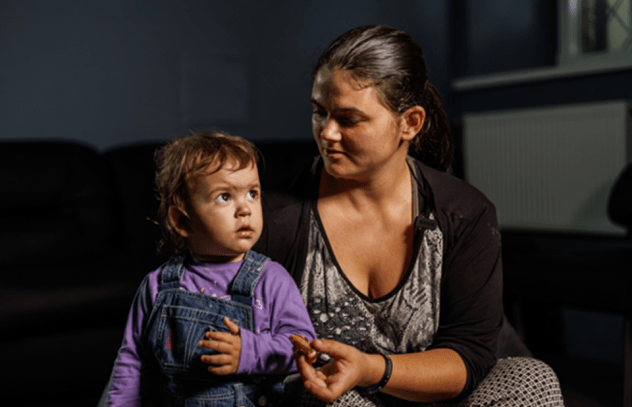
Three Years On: From crisis to prospective recovery
Ukraine has been reeling from three years of war since 24 February 2022. One out of two Ukrainians have been affected by the conflict and more than 12 million people need humanitarian assistance and protection while another 6 million have still not been able to return to their homes.
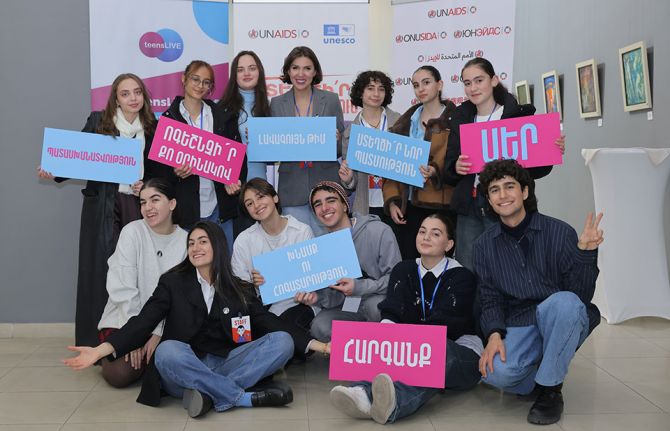
Promoting positive masculinity to end gender-based violence in Armenia
A new initiative in Armenia is redefining perceptions of gender roles to end gender-based violence in the country.
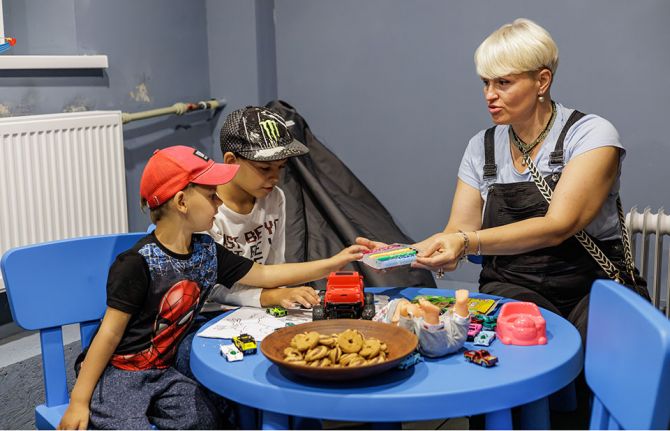
Club Eney: a safe place for those left behind
Club Eney began as a community-based organization offering HIV prevention services to people who use drugs and other HIV affected communities in Kyiv.