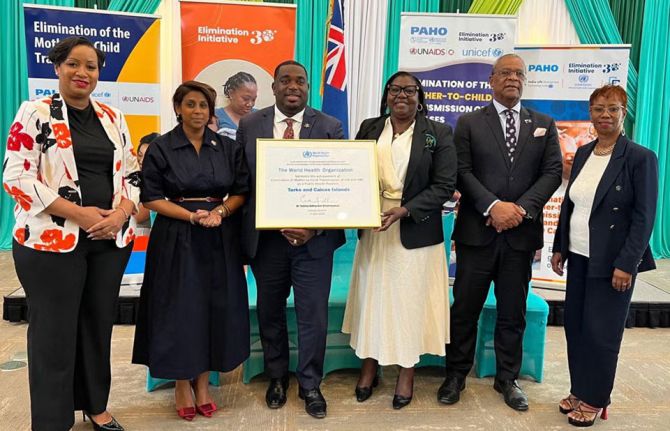
UNAIDS congratulates the Turks and Caicos Islands for eliminating both mother-to-child transmission of HIV and hepatitis B
UNAIDS congratulates the Turks and Caicos Islands on certification from the World Health Organization (WHO) and the Pan American Health Organization (PAHO) for eliminating both mother-to-child transmission of HIV and hepatitis B.
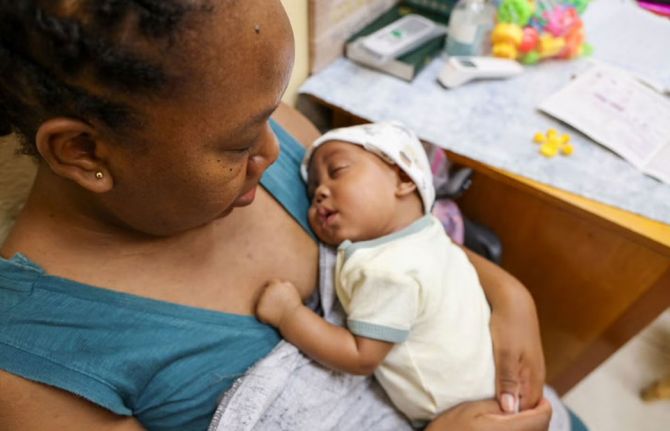
UNAIDS congratulates the Bahamas on WHO certification of eliminating mother-to-child transmission of HIV and hepatitis B
UNAIDS congratulates the Bahamas on eliminating both mother-to-child transmission of HIV and hepatitis B. The certifications, awarded by the World Health Organization (WHO), with the Pan American Health Organization (PAHO), recognize sustained progress to ensure that pregnant women have access to quality antenatal care, get tested on time and start treatment early. The result has been that babies have been born free of preventable infections.

Women living with HIV in China unite to confront discrimination
There are around 1.4 million people living with HIV in China and women make up around 23.7% of them, according to the latest data from Chinese health authorities. Among those living with HIV are pregnant women who are in a particularly vulnerable position due to the stigma surrounding the disease
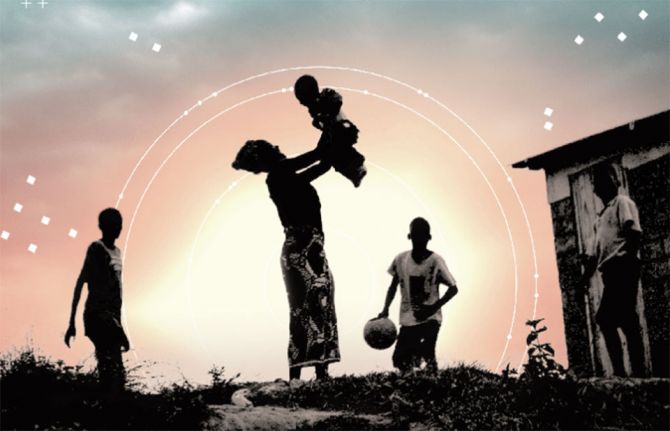
Unfinished business: only the urgent and accelerated delivery of HIV services will keep the promise of ending AIDS in children by 2030
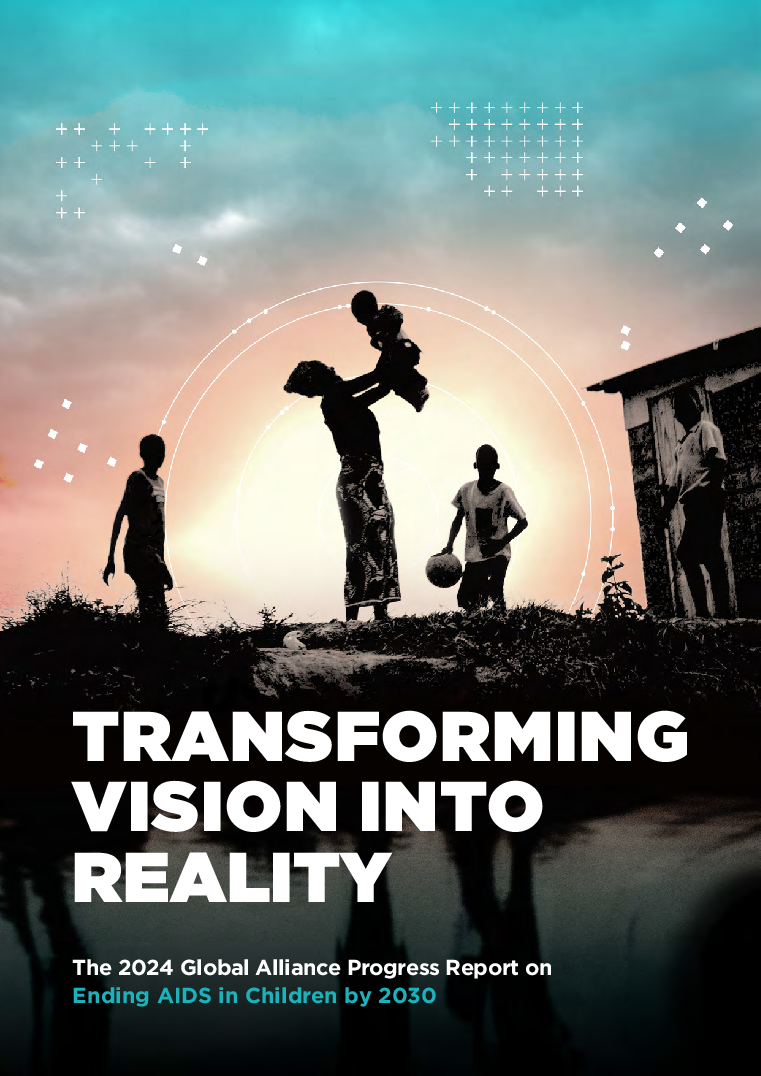
GENEVA/MUNICH, 22 July 2024—Despite progress made in reducing HIV infections and AIDS-related deaths among children, a new report released today by the Global Alliance for Ending AIDS in Children by 2030 shows that an urgent scale up of HIV services in countries worst affected by the pandemic is required to end AIDS by 2030.
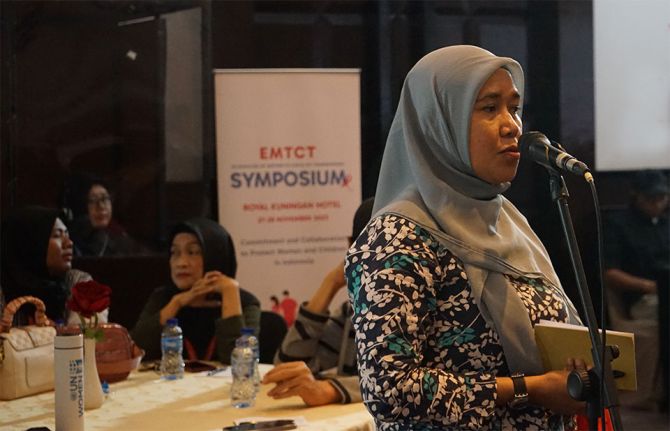
Community leadership driving progress to eliminate mother-to-child HIV transmission in Indonesia
In June 2023 Indonesia established the National Alliance to End AIDS in Children. This partnership between government, civil society and international organizations seeks to provide access to health services and support for women and children living with HIV. It has committed to three main priorities. The first is advocacy for the needs of adolescent girls and children living with HIV. Second is promotion and dissemination of information on Prevention of Mother-to-Child Transmission (PMTCT),…
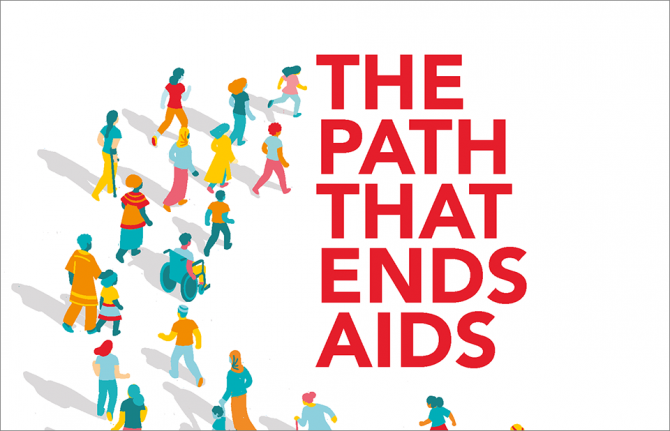
New report from UNAIDS shows that AIDS can be ended by 2030 and outlines the path to get there
A new report released today by UNAIDS shows that there is a clear path that ends AIDS. This path will also help prepare for and tackle future pandemics and advance progress towards achieving the Sustainable Development Goals. The report, ‘The Path that Ends AIDS’, contains data and case studies which highlight that ending AIDS is a political and financial choice, and that the countries and leaders who are already following the path are achieving extraordinary results.

African leaders unite in pledge to end AIDS in children
Ministers and representatives from twelve African countries have committed themselves, and laid out their plans, to end AIDS in children by 2030. International partners have set out how they would support countries in delivering on those plans, which were issued at the first ministerial meeting of the Global Alliance to end AIDS in children.
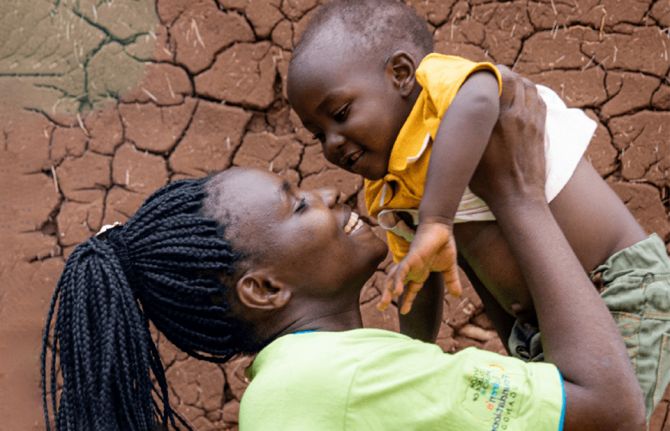
It is time to end AIDS in children once and for all: Global Alliance launched
On the sidelines of this year’s IAS conference in Montreal, UNAIDS, networks of people living with HIV, UNICEF and WHO, together with technical partners, PEPFAR and The Global Fund are launching a new Global Alliance to End AIDS in children by 2030. The Alliance will be co-created with the broad participation of stakeholders, national governments, implementing agencies, regional and country-based organizations, faith-based and community partners including women, children and youth living with…

Botswana leads the way for high HIV burden country certification on the path to eliminate vertical HIV transmission
Botswana is the first high HIV burden country to be certified for achieving the required indicators for the Silver Tier on the “Path to Elimination of HIV” criteria that were introduced in 2017. The Silver Tier requires an HIV case rate of fewer than 500 per 100 000 live births, a vertical HIV transmission rate of under 5% and the provision of antenatal care and antiretroviral treatment to more than 90% of pregnant women.

One hundred and fifty thousand preventable new HIV infections among children in 2020
Most of the 150 000 new HIV infections among children in 2020 could have been prevented. A strong start would be to better engage women and girls at significant risk of acquiring HIV infection in integrated antenatal care and HIV services, including HIV prevention and testing, delivered at the local level, and to ensure that those who are HIV-positive receive treatment before pregnancy. Nearly 65 000 child infections occurred in 2020 because women already living with HIV were not diagnosed…