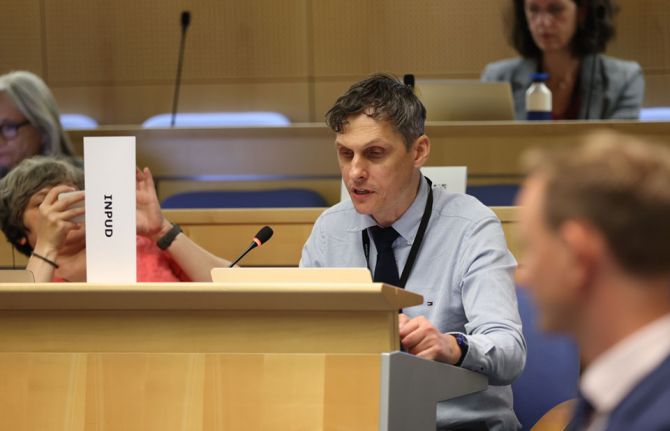
"Funding Community-led harm reduction is not optional to end AIDS” - An interview with Anton Basenko
UNAIDS sat down with Anton Basenko, Executive Director of International Network for People who Use Drugs (INPUD) during the latest coordinating board meeting where Member States and partners discussed how people who inject drugs are disproportionately impacted by the HIV epidemic worldwide.
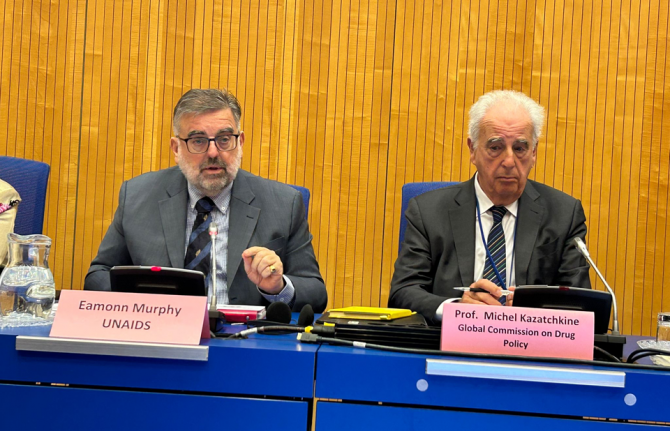
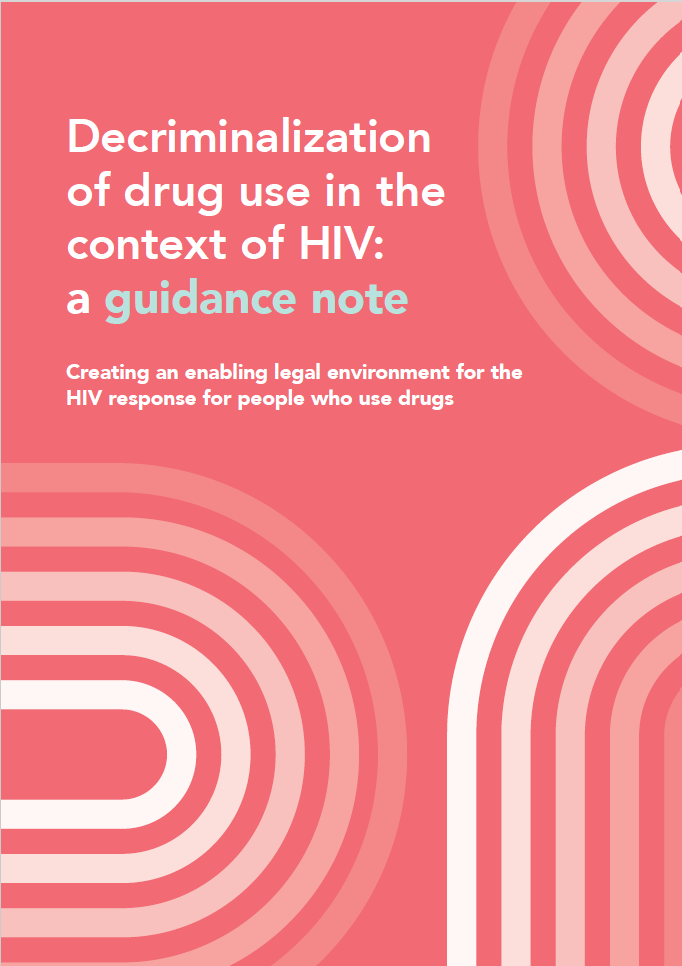
New guidance note on decriminalizing drug use in the context of HIV
At the 69th session of the Commission on Narcotic Drugs (CND), UNAIDS, the United Nations Development Programme (UNDP) and the International Network of People who Use Drugs (INPUD), together with partners, launched a new joint guidance note titled Decriminalization of drug use in the context of HIV.
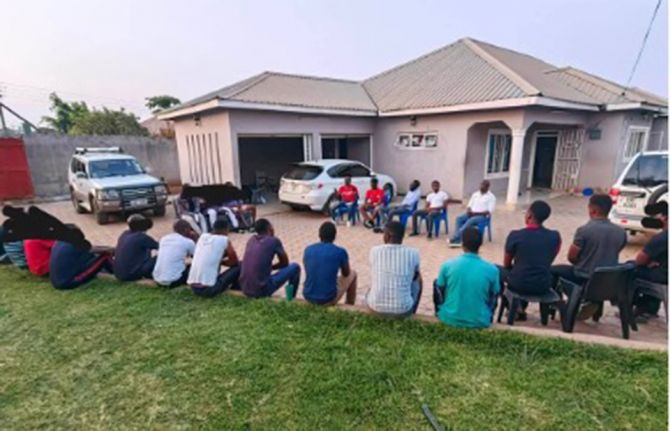
Rebuilding lives, one day at a time: A journey from addiction to recovery in Zambia
Located in Lusaka, Sanity House is a rehabilitation and harm reduction centre offering a safe space for people who use drugs. Through medical, psychosocial, and vocational services, the centre builds a family-like community that helps clients heal and re-enter society with dignity and purpose. Many of the staff, including Daniel Mbazima, House Manager, are in recovery themselves and serve as mentors and role models.
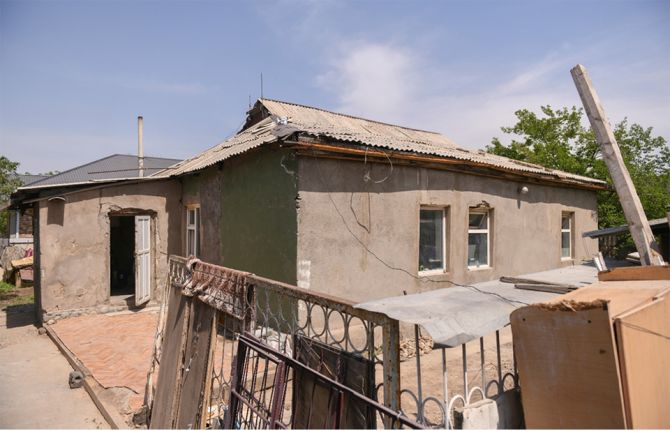
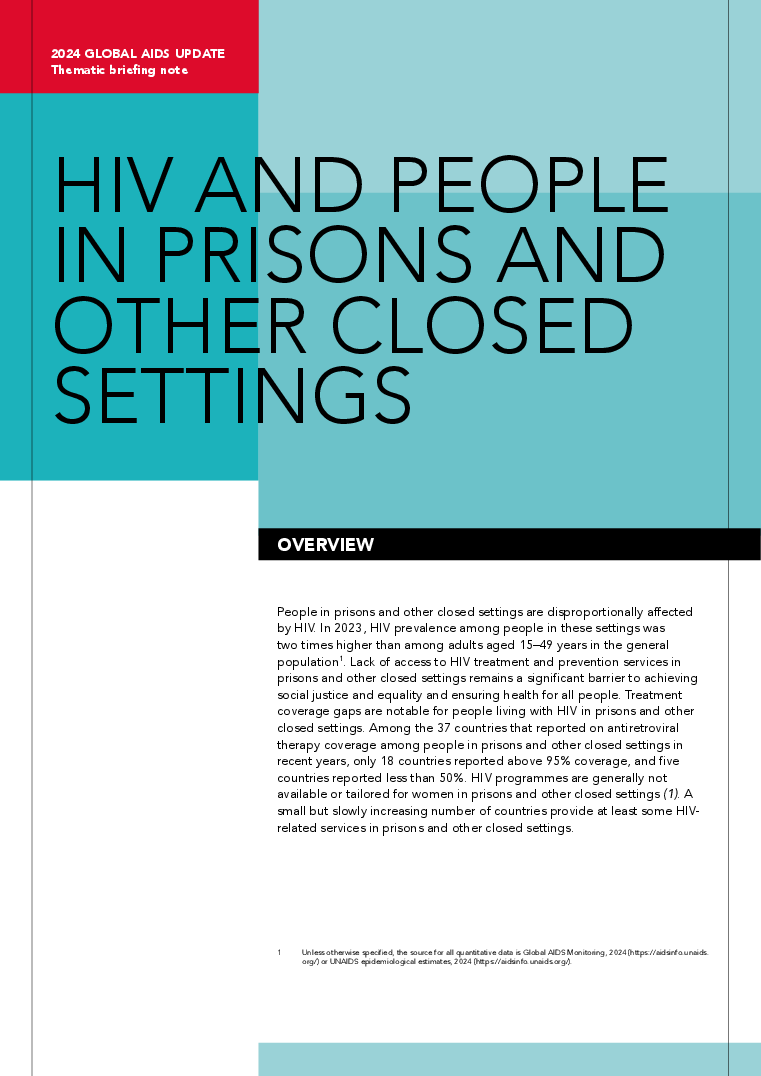
HIV services and social reintegration programmes for prisoners and newly released detainees in Kyrgyzstan at risk of collapse
As of April 1, 2025, Kyrgyzstan has reported 14,609 cases of HIV. Of these, 61.8% were transmitted sexually and 27.8% through injection drug use. HIV is increasingly being detected among people outside of traditional key populations — a sign of the epidemic’s broader spread in the country.
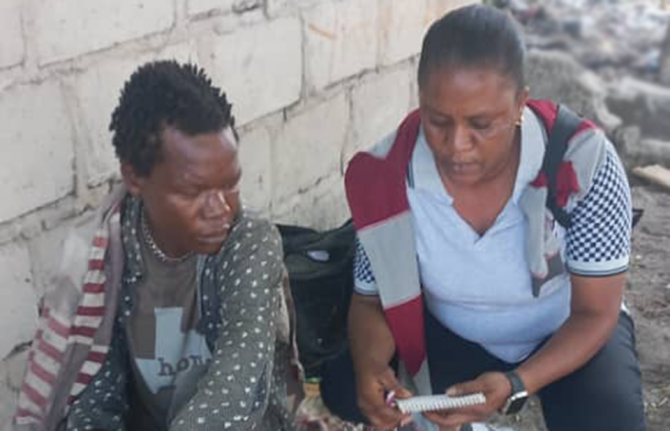
US foreign aid cuts puts the lives of people who use drugs at risk
Godfrey Swai is shaken. Since the end of January, the US aid funding cuts have meant that he can only afford for his staff to work a couple of hours twice a week compared to a full five days.

Club Eney: a safe place for those left behind
Club Eney began as a community-based organization offering HIV prevention services to people who use drugs and other HIV affected communities in Kyiv.

To help ensure the end of AIDS, leaders need to move away from punitive approaches to people who use drugs
GENEVA, 26 June 2024—UNAIDS welcomes the recent report by Dr Tlaleng Mofokeng, Special Rapporteur on the Highest Attainable Standard of Physical and Mental Health, which was presented to the 56th session of the UN Human Rights Council. The report, on Drug Use, Harm Reduction and the Right to Health, demonstrates the public health necessity of moving away from punitive approaches to people who use drugs.
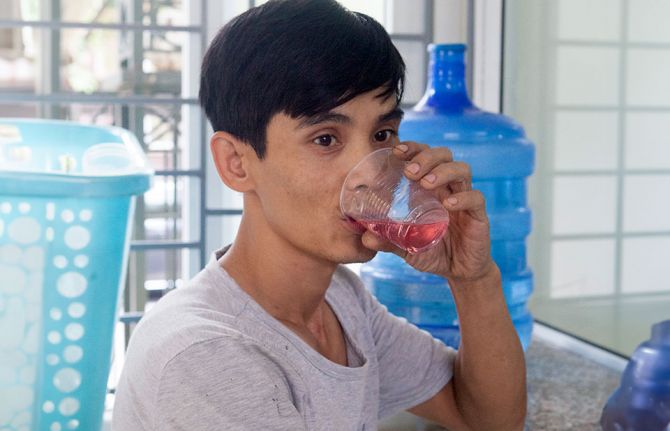
UNAIDS welcomes the adoption of a crucial resolution recognizing harm reduction measures at the UN Commission on Narcotic Drugs
UNAIDS welcomes the adoption of a key resolution today at the 67th session of the United Nations Commission on Narcotic Drugs (CND), recognizing harm reduction for the first time as an important part of an effective public health response. The resolution encourages member states to develop and implement harm reduction measures to minimize the adverse public health and social consequences of the non-medical use of illicit drugs. UNAIDS congratulates the CND and the CND Chair for this historic…
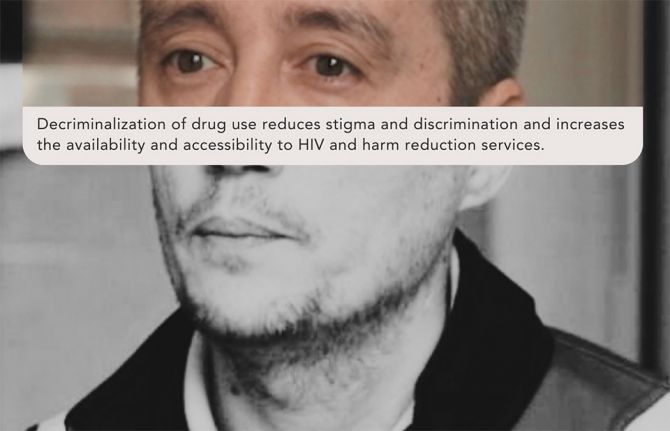
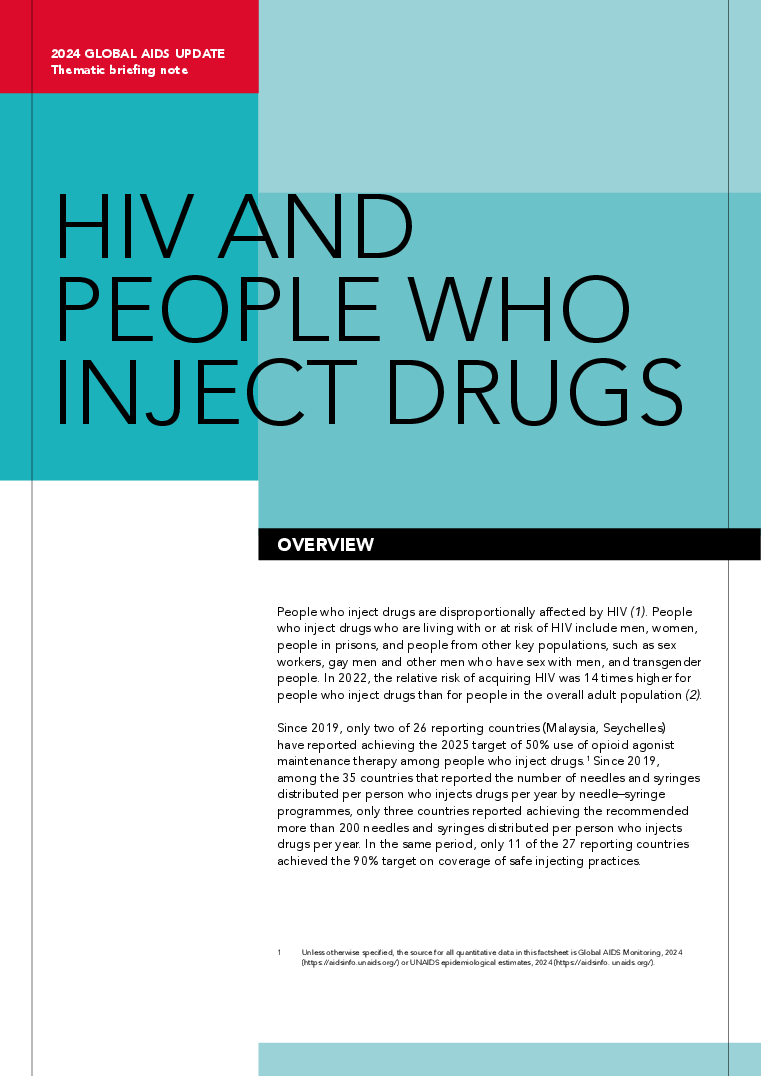
UNAIDS urges scaling up of evidence-based services to address the transmission of HIV and viral hepatitis among people who use drugs
At the 67th meeting of the United Nations Commission on Narcotic Drugs taking place in Vienna, UNAIDS has called for the urgent scaling up of services to prevent new HIV and viral hepatitis infections among people who use drugs. Addressing delegates in her video message, UNAIDS Executive Director, Winnie Byanyima, commended some countries for making progress in implementing evidence-based programmes but called for bolder action.
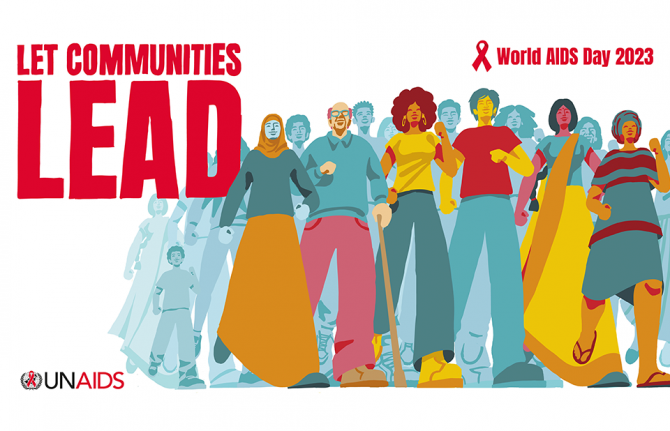
Ahead of World AIDS Day UNAIDS is calling for urgent support to Let Communities Lead in the fight to end AIDS
A new report by UNAIDS demonstrates the critical role communities play, and how underfunding and harmful barriers are holding back their lifesaving work and obstructing the end of AIDS. As World AIDS Day (1 December) approaches, UNAIDS is urging governments across the world to unleash the power of grassroots communities across the world to lead the fight to end AIDS. A new report launched today by UNAIDS, Let Communities Lead, shows that AIDS can be ended as a public health threat by 2030, but…