Feature Story
Built on trust - Community-led HIV responses in Thailand
26 août 2026
26 août 2026 26 août 2026Before the doors of SWING Thailand clinics open each morning, Siripong “Arm” Srichau has already reached hundreds of people.
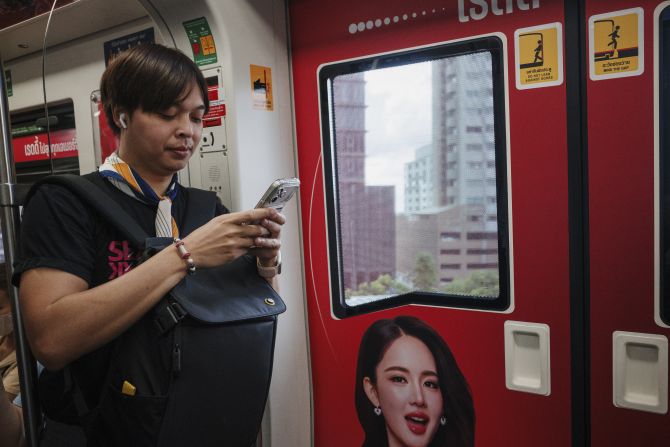
Some have watched one of his videos on social media. Others have sent private messages asking where they can get an HIV test or whether they should start PrEP - a preventive HIV medicine for people at risk of HIV.
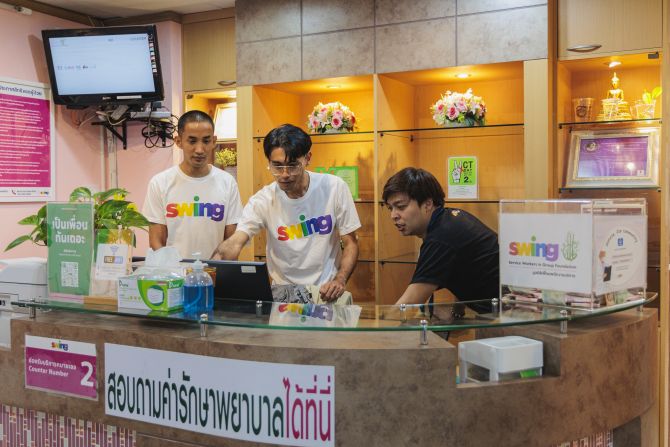
Sitting in front of his computer, Arm, communications lead at SWING, a community-led organization providing HIV and sexual health services for gay men, transgender people and sex workers in Thailand, scrolls through the digital campaigns he has created to make accessing HIV prevention more engaging.
In one interactive game, users match themselves with a virtual boyfriend based on their lifestyle, then recommends the PrEP option that best suits them. Another uses a fortune teller to predict their future need for PrEP. A third turns the hunt for misplaced PrEP pills into an online game.
They are playful by design with a purpose.
"If you want to reach people online, you have to understand them," he said. "You have to know what they are interested in, what is trending, and make our message relatable."
Berry is one of SWING’s regular clients who first discovered SWING through social media while searching for information about PrEP.
"I didn't really know what PrEP was initially," he said. "The staff here explained everything to me."
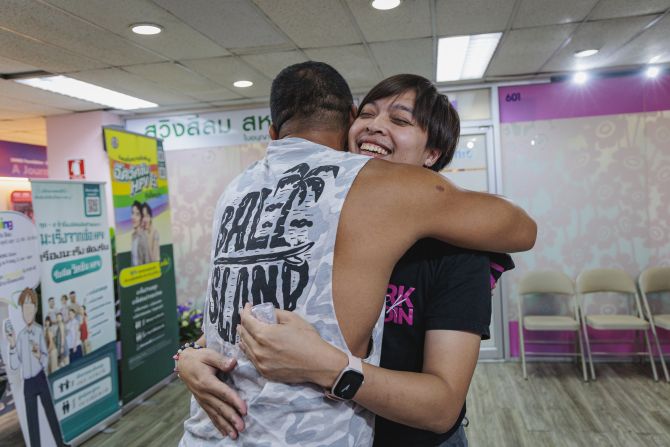
Nearly ten years later, he keeps returning for HIV prevention services. For him, the difference is not only the medical care. "Here, nobody looks at you like you're a weird person," he said. "Even though Thailand is quite open for LGBTQ people, discrimination still exists. Here, we feel comfortable."
Arm's works extends beyond the virtual space and the clinic walls.
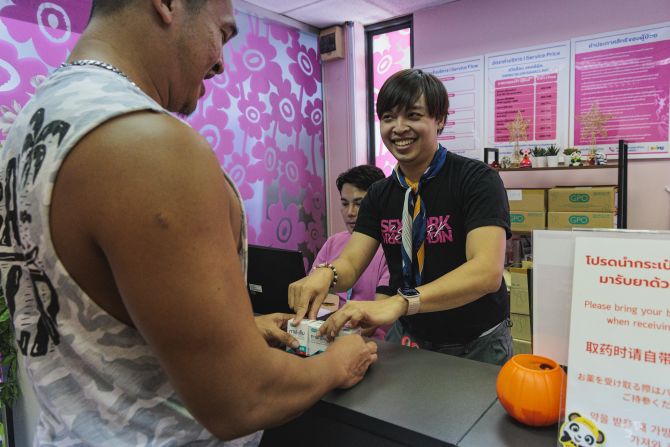
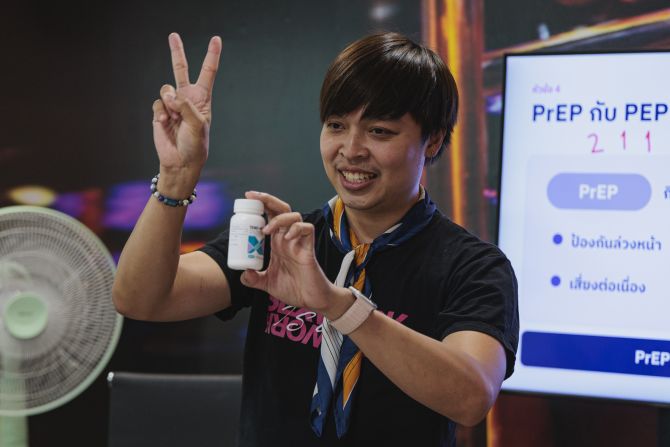
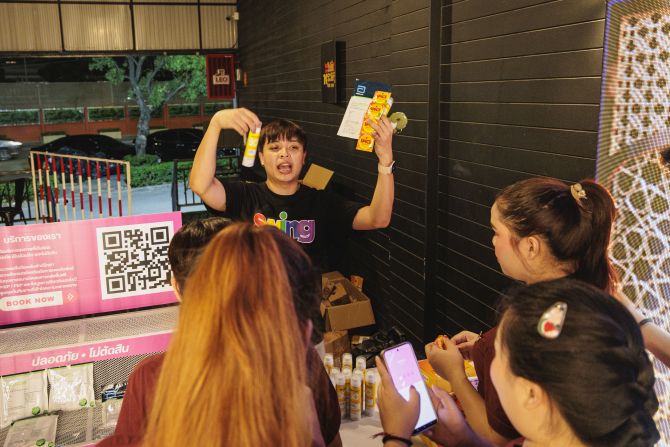
In the afternoon, Arm is presenting HIV prevention and sexual health options to a group of young deaf transgender women, with every word translated into sign language. And the evening finds him standing outside a nightclub, handing out condoms, answering questions and helping people register for HIV services on their phones.
A former teacher with a background in dramatic arts, Arm never expected to build a career in the HIV response.
“Every day I see proof that this work matters, in the messages people send us and in the clients who keep coming back. What people do not see is the cost. We are still here because we believe in this. But belief does not pay for a clinic or a salary. Communities need resources, not just recognition,” said Arm.
Thailand’s investment in community-led programmes is a key part of Thailand’s remarkable progress in the HIV response, with 82% of people living with HIV on treatment in 2025 and a 66% reduction in new HIV infections since 2010.
This progress comes at a time when community-led organizations around the world are facing growing uncertainty. Global development assistance fell by 23% in 2025 and HIV programmes have been among the hardest hit. Globally, community-led organizations are seeing critical funding disappear, putting essential HIV services at risk.
Meanwhile in Thailand, over 100 community-led organizations, including SWING, are formally recognized as HIV service providers under Thailand's Universal Health Coverage system, delivering HIV testing and counselling, PrEP and other essential services with domestic funding. These organizations now reach 75% of key populations with HIV prevention services.
"Our priority now is ensuring community-led organizations are truly an integral part of the national health system. With UNAIDS support, Thailand is developing a Community-Led Response Sustainability Roadmap to help make that happen," said Patchara Benjarattanaporn, UNAIDS Country Director for Thailand.
Community leadership has helped make Thailand's HIV response one of the strongest in the region. Sustaining it will require more than dedication from people like Arm. It will require commitment from governments, health systems, donors and partners to ensure community-led organizations have the recognition, resources and support they need to continue their work.