





Home
Menu Close
  • Search
  • English
  • Français
  • Русский
  • Español
  • Who we are
    • About UNAIDS
    • Global AIDS Strategy 2021-2026
    • United Nations declarations and goals
    • UNAIDS governance
    • UNAIDS Programme Coordinating Board
    • Results and transparency portal
    • UNAIDS Cosponsors
    • UNAIDS ambassadors and global advocates
    • UNAIDS leadership
    • UNAIDS evaluation office
    • UNAIDS ethics office
    • UN Plus
  • Focus areas
    • Global AIDS Strategy 2026-2031
    • Recommended 2030 targets for HIV
    • Sustainability of the HIV response
    • Community pandemic response
    • Education Plus Initiative
    • Global alliance to end AIDS in children
    • Equal access to cutting edge HIV technologies
    • Save lives: Decriminalize
    • Global council on inequality, AIDS and pandemics
    • Resources and financing
    • Global HIV Prevention Coalition
    • Global Partnership to Eliminate Stigma and Discrimination
    • Global parliamentary platform on HIV and AIDS
  • Programme areas
    • 2025 AIDS targets
    • AIDS and SDGs
    • Community mobilization
    • Data
    • Fast-Track cities
    • Gender
    • HIV prevention
    • HIV treatment
    • Human rights
    • Key populations
    • Private sector and the AIDS response
    • Security and humanitarian affairs
    • Social protection
    • TB/HIV
    • Universal health coverage
    • Young people
  • Where we work
    • Regions
    • Countries
  • Resources
    • Press centre
    • News
    • Publications
    • Fact sheet
    • Campaigns
    • Speeches
    • Infographics
    • FAQ on HIV and AIDS
    • World AIDS Day
    • Zero Discrimination Day
    • Latest data on HIV
    • Data on key populations
    • Laws and policies
    • HIV financial resources
    • Podcast
    • Videos
    • Technical Support Mechanism
  • Take action
    • Learn about HIV and AIDS
    • Take action
    • Become a donor
    • Investment Book
    • Contact us
    • Work for us
  • Donate
    • Search
  • Languages
  • Donate
  • Who we are
    • About UNAIDS
    • Global AIDS Strategy 2021-2026
    • United Nations declarations and goals
    • UNAIDS governance
    • UNAIDS Programme Coordinating Board
    • Results and transparency portal
    • UNAIDS Cosponsors
    • UNAIDS ambassadors and global advocates
    • UNAIDS leadership
    • UNAIDS evaluation office
    • UNAIDS ethics office
    • UN Plus
  • Focus areas
    • Global AIDS Strategy 2026-2031
    • Recommended 2030 targets for HIV
    • Sustainability of the HIV response
    • Community pandemic response
    • Education Plus Initiative
    • Global alliance to end AIDS in children
    • Equal access to cutting edge HIV technologies
    • Save lives: Decriminalize
    • Global council on inequality, AIDS and pandemics
    • Resources and financing
    • Global HIV Prevention Coalition
    • Global Partnership to Eliminate Stigma and Discrimination
    • Global parliamentary platform on HIV and AIDS
  • Programme areas
    • 2025 AIDS targets
    • AIDS and SDGs
    • Community mobilization
    • Data
    • Fast-Track cities
    • Gender
    • HIV prevention
    • HIV treatment
    • Human rights
    • Key populations
    • Private sector and the AIDS response
    • Security and humanitarian affairs
    • Social protection
    • TB/HIV
    • Universal health coverage
    • Young people
  • Where we work
    • Regions
    • Countries
  • Resources
    • Press centre
    • News
    • Publications
    • Fact sheet
    • Campaigns
    • Speeches
    • Infographics
    • FAQ on HIV and AIDS
    • World AIDS Day
    • Zero Discrimination Day
    • Latest data on HIV
    • Data on key populations
    • Laws and policies
    • HIV financial resources
    • Podcast
    • Videos
    • Technical Support Mechanism
  • Take action
    • Learn about HIV and AIDS
    • Take action
    • Become a donor
    • Investment Book
    • Contact us
    • Work for us
  • Donate
  • English
  • Français
  • Русский
  • Español

Stories Archive

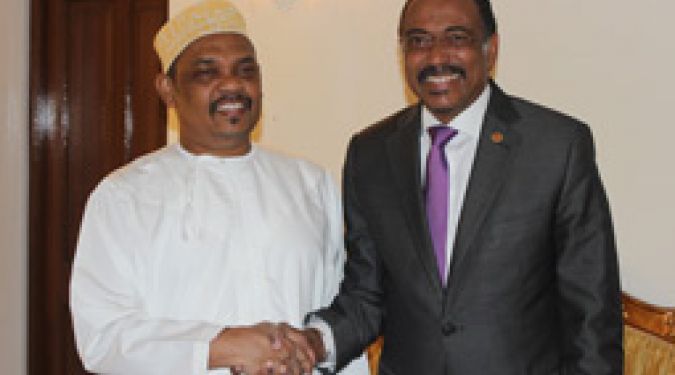
UNAIDS Executive Director Michel Sidibé recently visited a centre in Moroni that primarily provides antenatal care for pregnant women and prevention of mother-to-child transmission of HIV. It is run by the Association comorienne pour le bien-être familial
30 July 2014
Civil society provides essential services in the Comoros
Read
25 July 2014
AIDS 2014 closes in Melbourne
Read
23 July 2014
Challenging parental consent laws to increase young people’s access to vital HIV services
Read
23 July 2014
Much more support needed in the AIDS response for sex workers
Read
23 July 2014
Countries stepping up
Read
22 July 2014
UNICEF and Katy Perry launch video against stigma and discrimination
Read
22 July 2014
AIDS 2014: addressing the needs of people who have lived with HIV for more than 20 years
Read
21 July 2014
AIDS 2014: galvanizing a movement for ending the AIDS epidemic by 2030
Read
21 July 2014
Public–private partnerships making a real difference in Papua New Guinea
Read
21 July 2014
AIDS 2014: members of parliament commit to greater involvement in the HIV response
Read
21 July 2014
Stepping up the pace on the removal of punitive laws to advance human rights and gender equality
Read
21 July 2014
Journalists putting the dual crisis of HIV and human rights firmly on the agenda
Read
20 July 2014
Opening ceremony honours missing delegates and calls for ending AIDS by 2030
Read
20 July 2014
All In: ending the epidemic among adolescents
Read
20 July 2014
Global Partners Forum: a holistic approach needed to keep children and young people safe from HIV
Read
20 July 2014
Eliminating tuberculosis deaths: time to step up the HIV response
Read
20 July 2014
Ending the AIDS epidemic: a new target for HIV treatment
Read
20 July 2014
Taking the pulse: WHO global update on the HIV health sector response
Read
  • Load More
Home
Home
  • Vacancies
  • Contact UNAIDS
  • X
  • Bluesky
  • TikTok
  • facebook
  • instagram
  • youtube
Copyright © 2026    UNAIDS
  • Report fraud, abuse, misconduct
  • Scam alert
  • Terms of use