Home
Menu Close
  • Search
  • English
  • Français
  • Русский
  • Español
  • Who we are
    • About UNAIDS
    • Global AIDS Strategy 2021-2026
    • United Nations declarations and goals
    • UNAIDS governance
    • UNAIDS Programme Coordinating Board
    • Results and transparency portal
    • UNAIDS Cosponsors
    • UNAIDS ambassadors and global advocates
    • UNAIDS leadership
    • UNAIDS evaluation office
    • UNAIDS ethics office
    • UN Plus
  • Focus areas
    • Global AIDS Strategy 2026-2031
    • Recommended 2030 targets for HIV
    • Sustainability of the HIV response
    • Community pandemic response
    • Education Plus Initiative
    • Global alliance to end AIDS in children
    • Equal access to cutting edge HIV technologies
    • Save lives: Decriminalize
    • Global council on inequality, AIDS and pandemics
    • Resources and financing
    • Global HIV Prevention Coalition
    • Global Partnership to Eliminate Stigma and Discrimination
    • Global parliamentary platform on HIV and AIDS
  • Programme areas
    • 2025 AIDS targets
    • AIDS and SDGs
    • Community mobilization
    • Data
    • Fast-Track cities
    • Gender
    • HIV prevention
    • HIV treatment
    • Human rights
    • Key populations
    • Private sector and the AIDS response
    • Security and humanitarian affairs
    • Social protection
    • TB/HIV
    • Universal health coverage
    • Young people
  • Where we work
    • Regions
    • Countries
  • Resources
    • Press centre
    • News
    • Publications
    • Fact sheet
    • Campaigns
    • Speeches
    • Infographics
    • FAQ on HIV and AIDS
    • World AIDS Day
    • Zero Discrimination Day
    • Latest data on HIV
    • Data on key populations
    • Laws and policies
    • HIV financial resources
    • Podcast
    • Videos
  • Take action
    • Learn about HIV and AIDS
    • Take action
    • Become a donor
    • Investment Book
    • Contact us
    • Work for us
  • Donate
    • Search
  • Languages
  • Donate
  • Who we are
    • About UNAIDS
    • Global AIDS Strategy 2021-2026
    • United Nations declarations and goals
    • UNAIDS governance
    • UNAIDS Programme Coordinating Board
    • Results and transparency portal
    • UNAIDS Cosponsors
    • UNAIDS ambassadors and global advocates
    • UNAIDS leadership
    • UNAIDS evaluation office
    • UNAIDS ethics office
    • UN Plus
  • Focus areas
    • Global AIDS Strategy 2026-2031
    • Recommended 2030 targets for HIV
    • Sustainability of the HIV response
    • Community pandemic response
    • Education Plus Initiative
    • Global alliance to end AIDS in children
    • Equal access to cutting edge HIV technologies
    • Save lives: Decriminalize
    • Global council on inequality, AIDS and pandemics
    • Resources and financing
    • Global HIV Prevention Coalition
    • Global Partnership to Eliminate Stigma and Discrimination
    • Global parliamentary platform on HIV and AIDS
  • Programme areas
    • 2025 AIDS targets
    • AIDS and SDGs
    • Community mobilization
    • Data
    • Fast-Track cities
    • Gender
    • HIV prevention
    • HIV treatment
    • Human rights
    • Key populations
    • Private sector and the AIDS response
    • Security and humanitarian affairs
    • Social protection
    • TB/HIV
    • Universal health coverage
    • Young people
  • Where we work
    • Regions
    • Countries
  • Resources
    • Press centre
    • News
    • Publications
    • Fact sheet
    • Campaigns
    • Speeches
    • Infographics
    • FAQ on HIV and AIDS
    • World AIDS Day
    • Zero Discrimination Day
    • Latest data on HIV
    • Data on key populations
    • Laws and policies
    • HIV financial resources
    • Podcast
    • Videos
  • Take action
    • Learn about HIV and AIDS
    • Take action
    • Become a donor
    • Investment Book
    • Contact us
    • Work for us
  • Donate
  • English
  • Français
  • Русский
  • Español

Country Programme Gap Analysis and Accountability Division

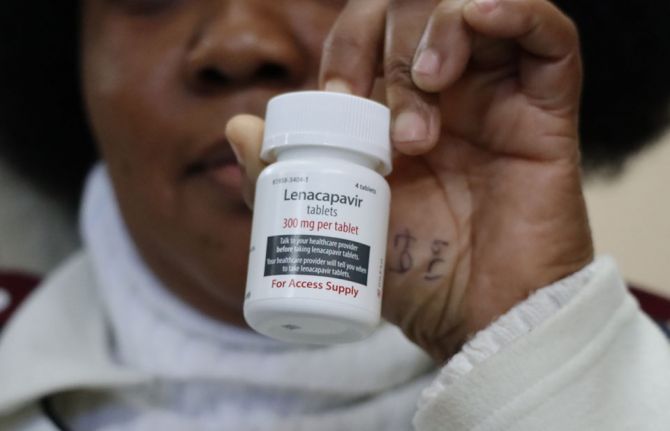
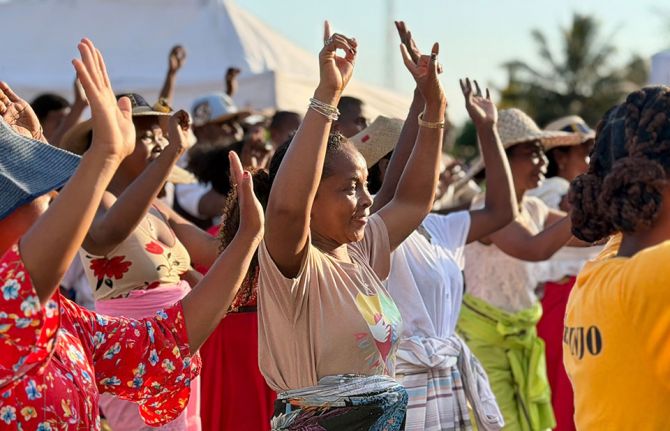
"I am excited": 21-year-old Jane Mndebele becomes the first South African to receive lenacapavir
History was made in the Mpumalanga province of South Africa on Friday, 5 June, as 21-year-old Jane Mndebele became the first person to receive lenacapavir, the twice-yearly HIV prevention injectable, as part of the country's new national prevention programme. 
Read more >
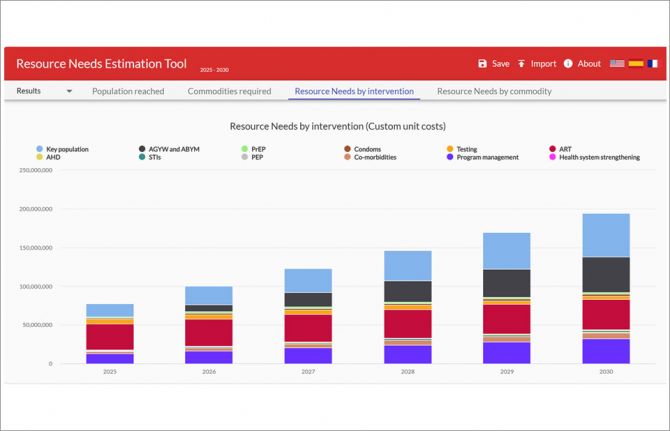
UNAIDS launches a new online tool to support country-led HIV resource needs estimation
UNAIDS, in collaboration with Avenir Health, has launched a new online tool to support countries to estimate the financial resources required to achieve the objectives set in their national AIDS plans. 
Read more >
UNAIDS strongly welcomes bold, new US funding package for HIV
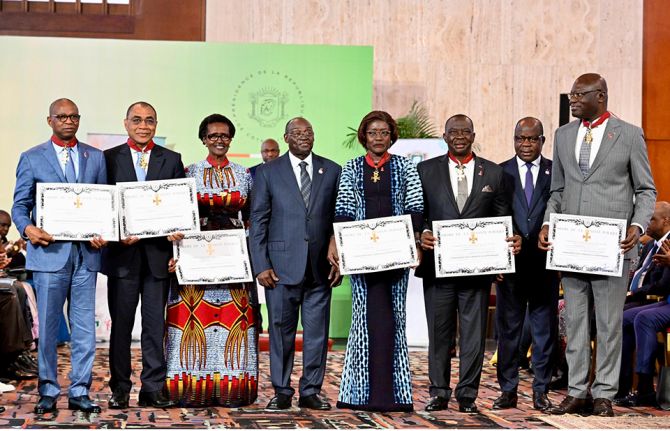
UNAIDS welcomes the signing into law of a bipartisan US$ 5.88 billion spending package that reinforces the continued commitment and leadership of the United States in the global response to HIV.
Read more >
UNAIDS commends Côte d’Ivoire’s commitment to increase domestic funding for HIV
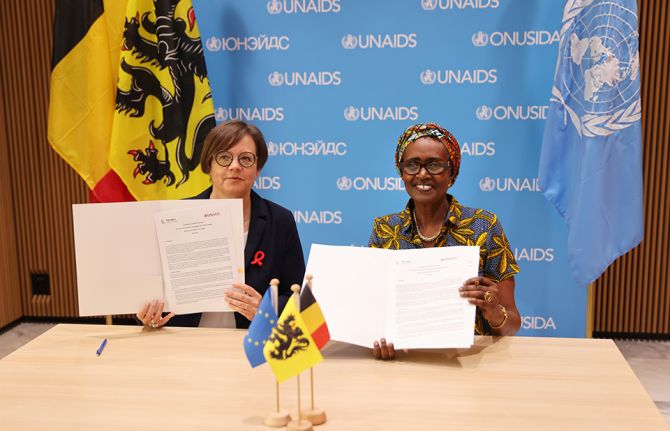
GENEVA/ABIDJAN, 24 July 2025—UNAIDS welcomes the announcement by the government of Côte d’Ivoire to close the funding gap for HIV following cuts from international donors. The Government has committed to invest US$ 60 to 65 million in 2025 and US$ 80 to 85 million from 2026 onwards to maintain critical lifesaving HIV services. These funds are essential to sustain and strengthen the quality of HIV services as part of a nationally owned and led effort to end AIDS in Côte d’Ivoire.
Read more >
Flanders signs new two-year agreement with UNAIDS including €1.5 million contribution to help end AIDS in Africa
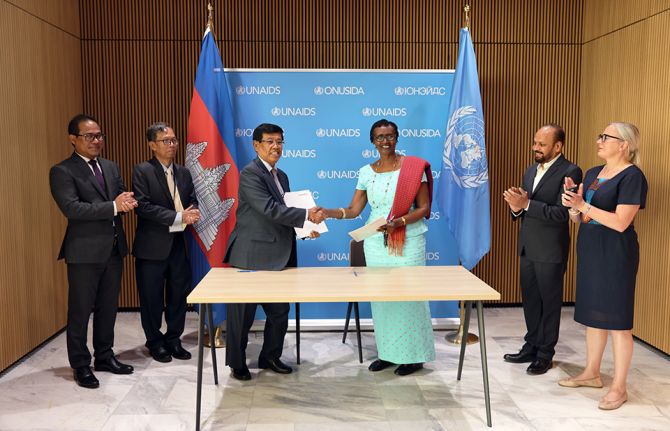
GENEVA, 25 June 2025—UNAIDS and Flanders have strengthened their joint efforts to combat the AIDS pandemic in Africa by signing a new cooperation agreement covering the period 2025—2026. “I want to thank Flanders for their reliable and continued support to UNAIDS and for their strong leadership during this critical phase of the AIDS response,” said UNAIDS Executive Director, Winnie Byanyima. “In these uncertain times, the consistency of Flanders’ engagement is highly appreciated and greatly…
Read more >
GENEVA, 24 June 2025—Cambodia has strengthened their joint efforts to combat the AIDS pandemic by signing a new cooperation agreement with UNAIDS for a year and pledging US$ 100,000.
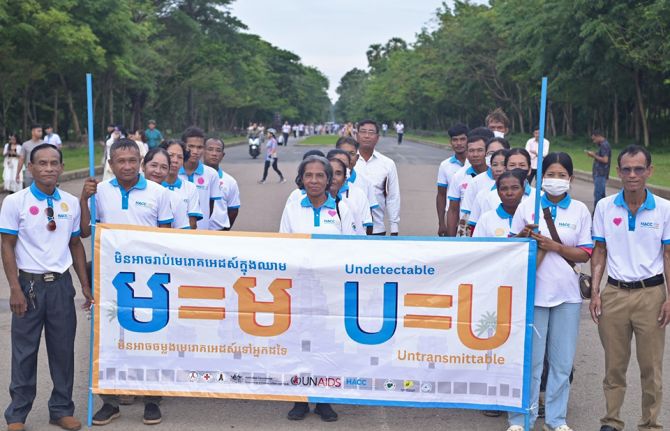
Cambodia signs new cooperation agreement with UNAIDS and pledges US$ 100,000 in funding
GENEVA, 24 June 2025—Cambodia has strengthened their joint efforts to combat the AIDS pandemic by signing a new cooperation agreement with UNAIDS for a year and pledging US$ 100,000. 
Read more >
Cambodia showcases huge progress towards ending AIDS, announces a financial contribution to UNAIDS
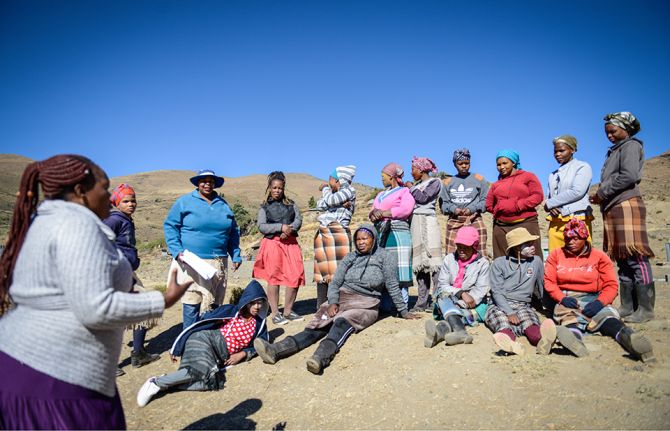
UNAIDS Executive Director, Winnie Byanyima, saw firsthand Cambodia’s strong progress towards ending AIDS as a public health threat during her 12-16 May mission. Among other achievements, the country treats 100% of people who are aware of their HIV status. Key approaches include national roll-out of modern HIV prevention and treatment tools, community-led service delivery and social protection. During the visit she discussed the sustainability of the response with the Royal Government and…
Read more >
How the shift in US funding is threatening both the lives of people affected by HIV and the community groups supporting them
Community organizations have been particularly impacted by the freeze in funding. Community healthcare workers are losing their jobs, clinics are having to be shut down and, as a result, people in need of HIV testing or prevention or who are living with HIV and dependent on daily antiretroviral medicine are unable to access the life-saving HIV services they need.
Read more >
HIV Epidemic in Mozambique and US Government Contribution (PEPFAR)
Read more >
UNAIDS urges that all essential HIV services must continue while U.S. pauses its funding for foreign aid
While continuity of HIV treatment is essential,  services must continue to be monitored, and oversight provided for quality.  Other critical HIV services for people, especially marginalized people including children, women, and key populations, must continue. Last year, PEPFAR provided over 83.8 million people with critical HIV testing services; reached 2.3 million adolescent girls and young women with HIV prevention services; 6.6 million orphans, vulnerable children, and their…
Read more >

Publications

Global AIDS Monitoring 2026 — Indicators and questions to monitor progress towards the Global AIDS Strategy 2026-2031 targets

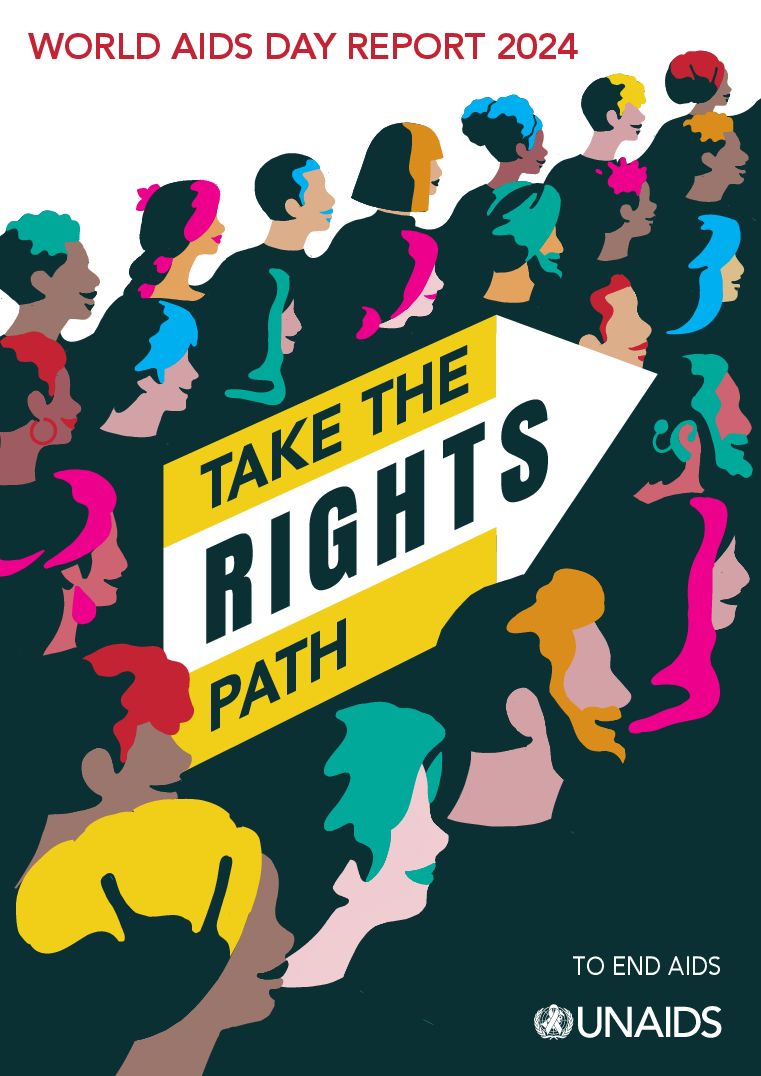
Take the rights path to end AIDS — World AIDS Day report 2024

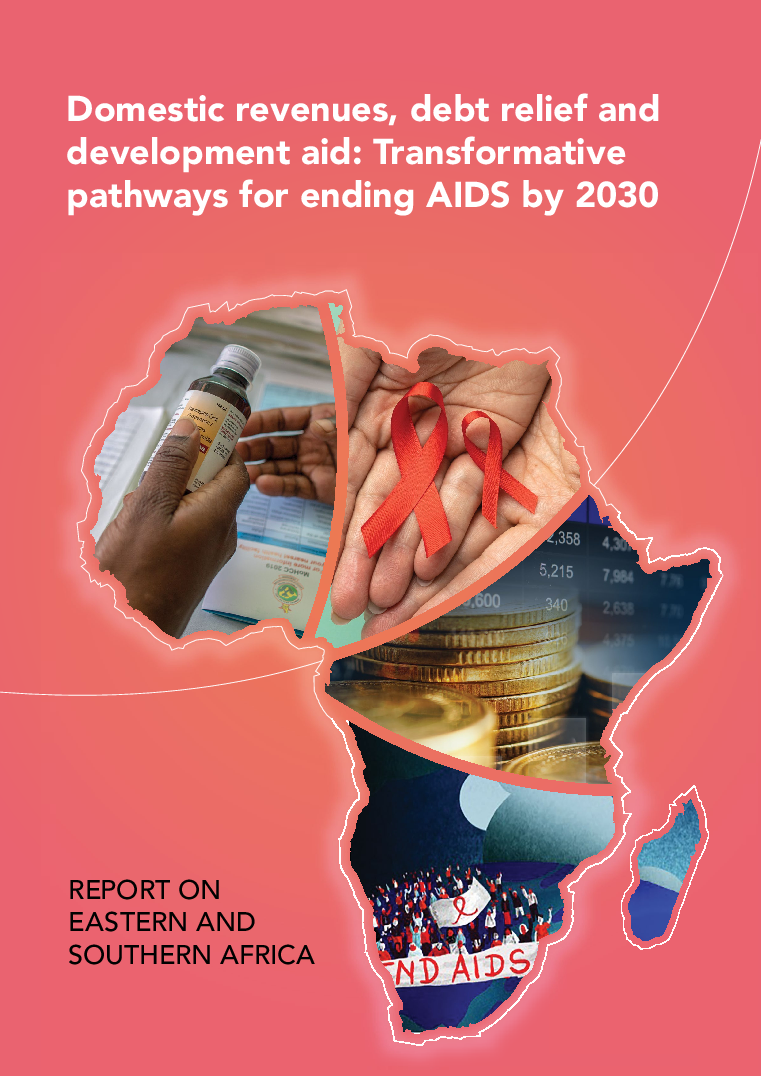
Domestic revenues, debt relief and development aid: Transformative pathways for ending AIDS by 2030, Report on Eastern and Southern Africa

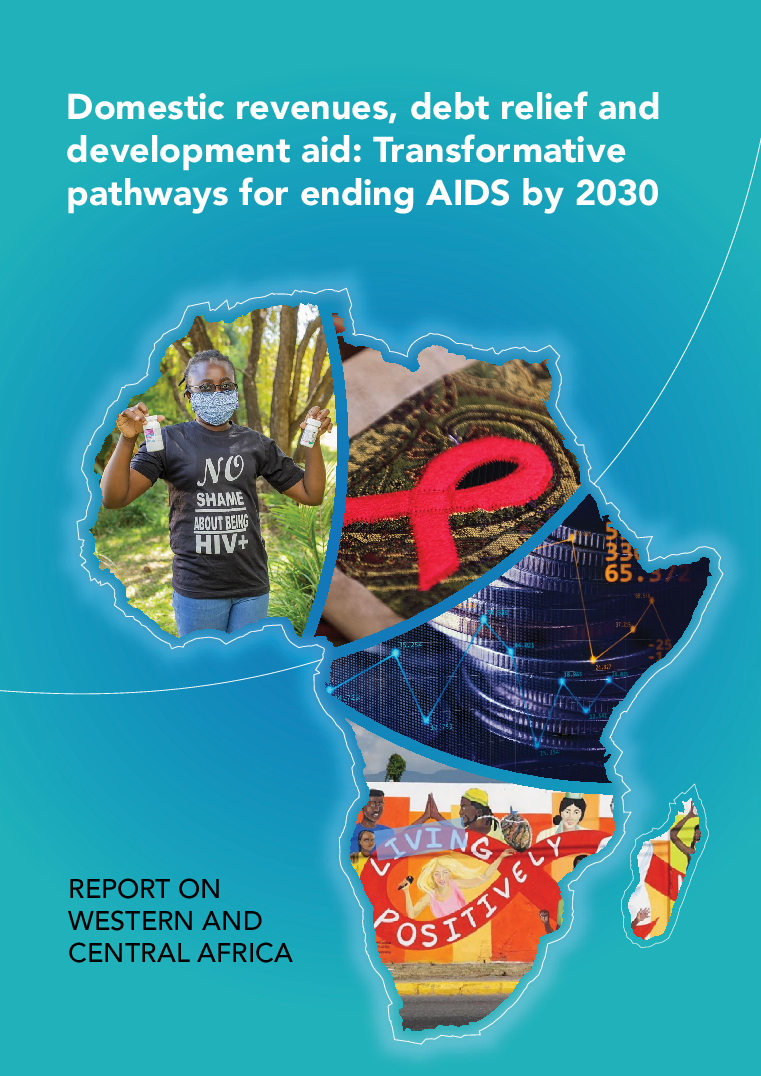
Domestic revenues, debt relief and development aid: Transformative pathways for ending AIDS by 2030, Report on Western and Central Africa

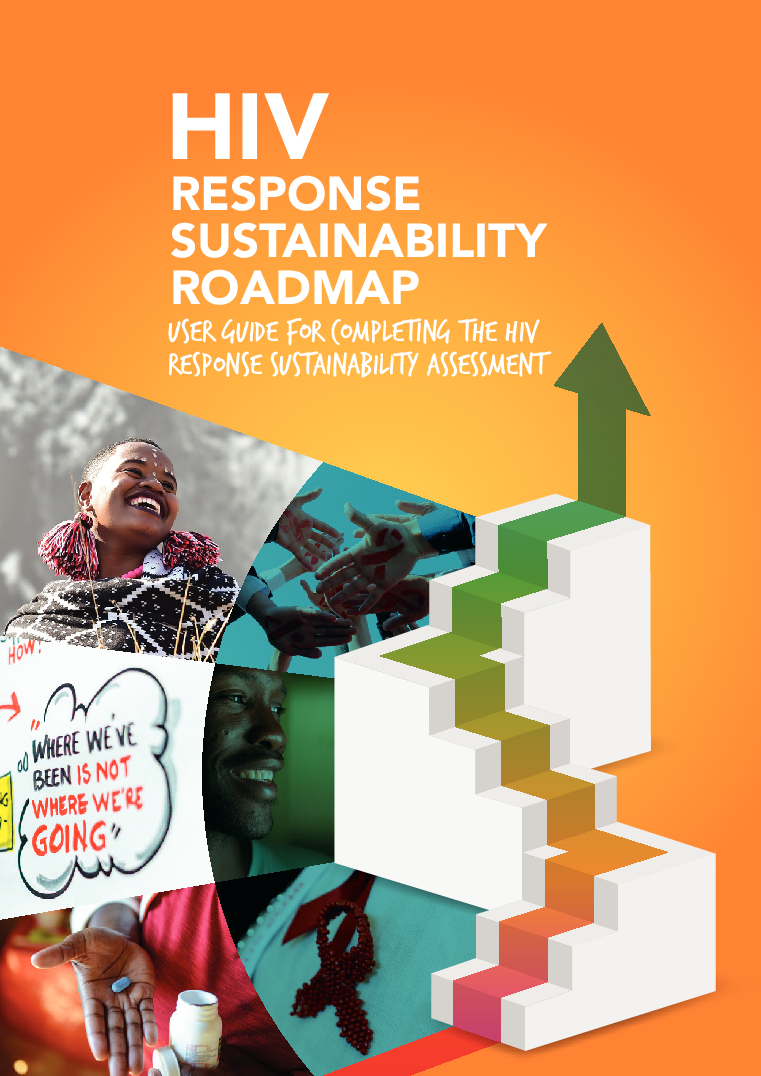
User guide for completing the HIV Response Sustainability Assessment

UNAIDS Terminology Guidelines

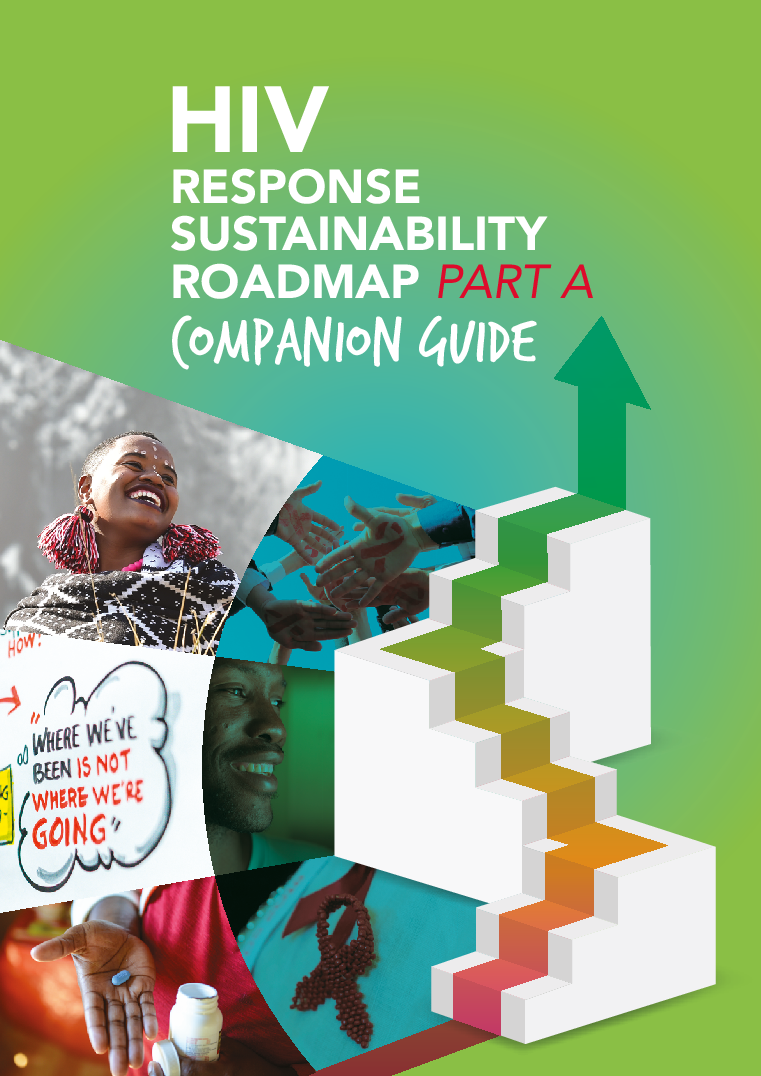
HIV Response Sustainability Roadmap — Part A — Companion Guide

Invest to end AIDS, fight inequalities, and save lives — UNAIDS appeal for 2024-2025

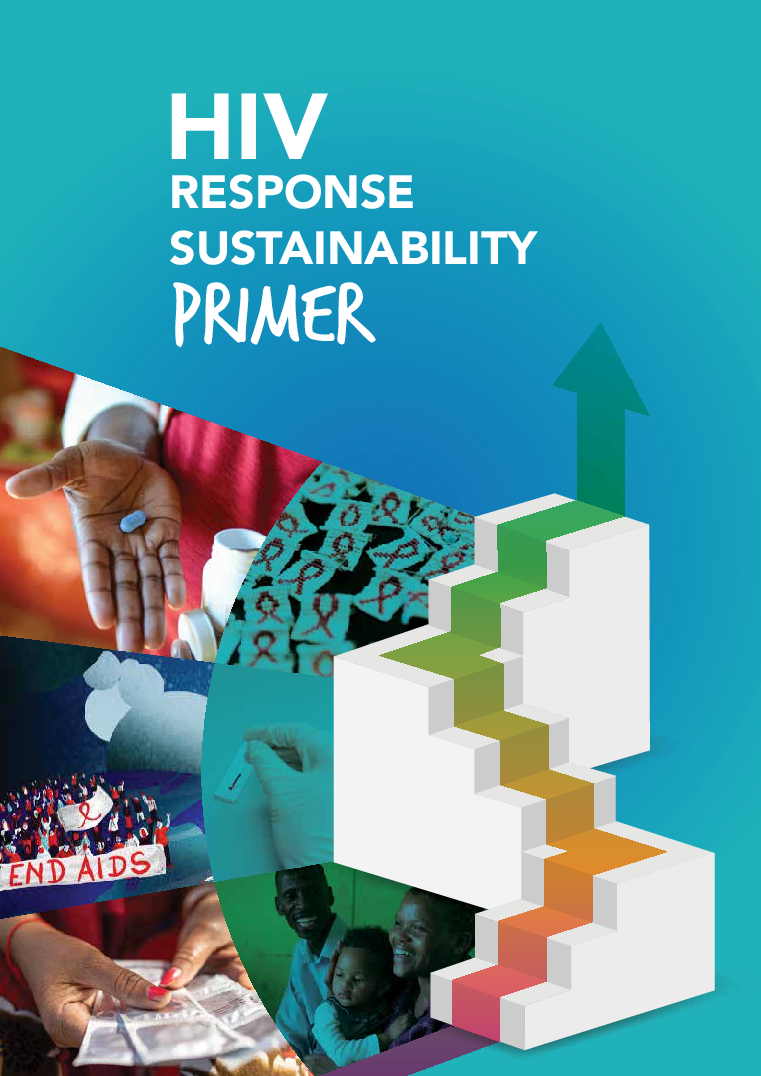
HIV response sustainability primer

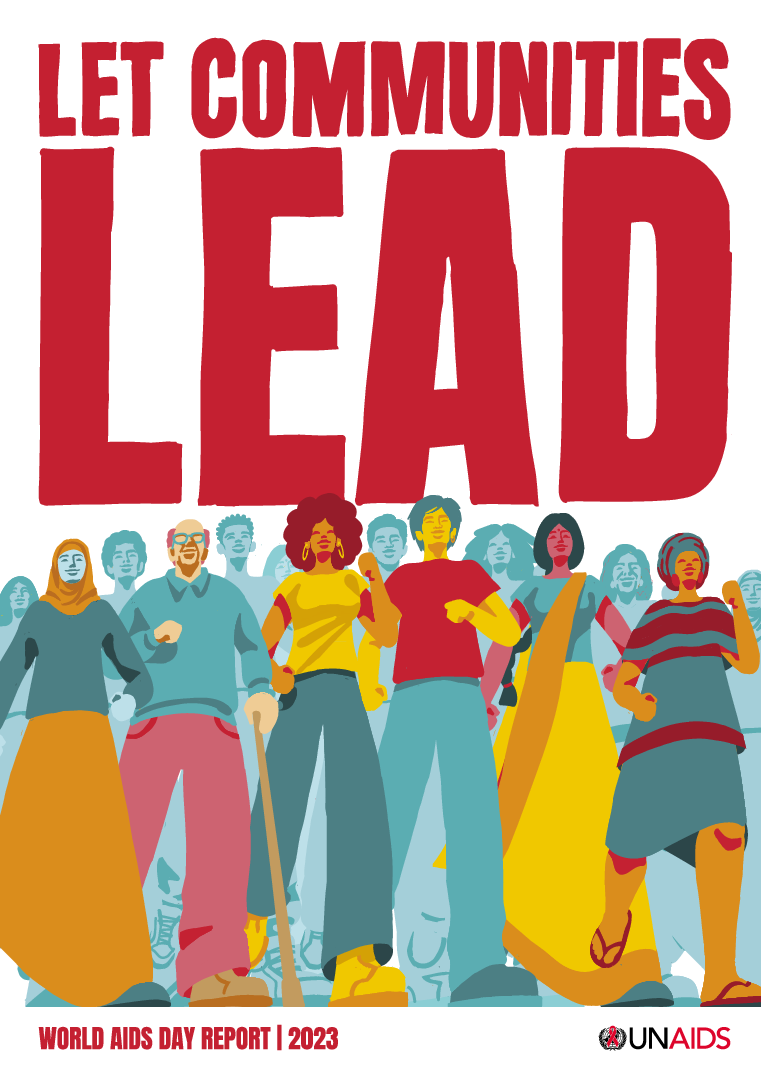
Let Communities Lead — UNAIDS World AIDS Day report 2023

Home Our work Country Impact and Sustainability Department Country Programme Gap Analysis and Accountability Division
Home
  • Vacancies
  • Contact UNAIDS
  • X
  • Bluesky
  • TikTok
  • facebook
  • instagram
  • youtube
Copyright © 2026    UNAIDS
  • Report fraud, abuse, misconduct
  • Scam alert
  • Terms of use