Feature Story
UNAIDS recognizes progress in West and Central Africa and urges continued commitment to end AIDS
12 March 2026
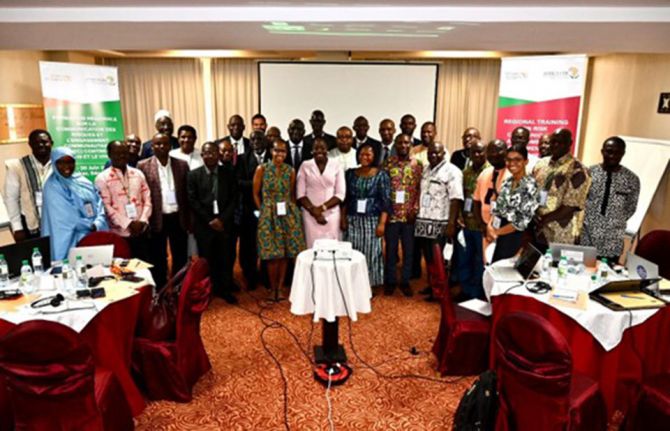
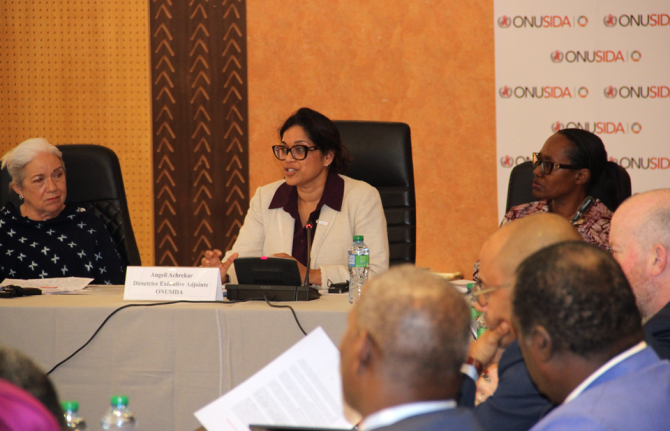
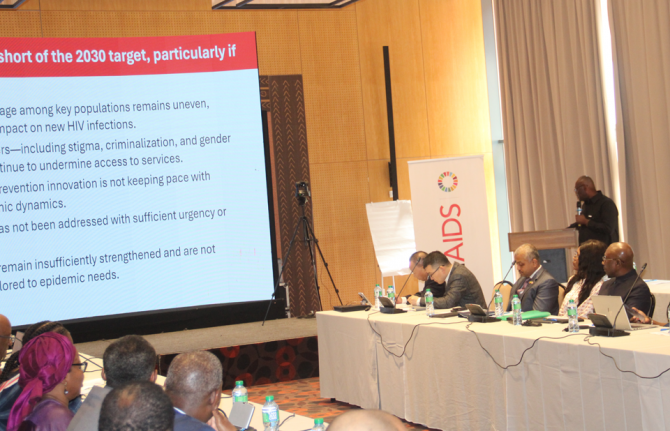
12 March 2026 12 March 2026UNAIDS has convened a Regional Dialogue on the Status of the Epidemic and the AIDS Response in West and Central Africa as part of efforts to strengthen strategic engagement for a more effective, sustainable and integrated response to HIV across the region. Addressing the meeting in her opening remarks, UNAIDS Deputy Executive Director, Angeli Achrekar highlighted the unique opportunity the year presents for global partners in the HIV response.
“This Regional Dialogue comes at a time of substantial progress towards development, for example, life expectancy has increased by 20 years in Africa since 2000. We have a unique political opportunity this year to mobilize action guided by the new 2026 – 2031 Global AIDS Strategy to end AIDS. And we have exceptional capacity for impact that can be leveraged through the power of country, regional and global partnerships,” said Ms Achrekar.
The West and Central African region has made notable progress in the AIDS response in recent years. UNAIDS data show that in 2024, 81% of people living with HIV knew their status, 76% were accessing antiretroviral therapy, and 70% had suppressed viral loads, preventing onward transmission of the virus.
Between 2010 and 2024 there was a 55% reduction in new HIV infections across the region and a 60% decline in AIDS-related deaths. However, these gains remain insufficient to meet global targets and end AIDS as a public health threat by 2030.
“The HIV epidemic is not over. It took the lives of 124,000 people in the region last year and in at least five countries in west, central and north Africa, new HIV infections continue to grow. So even as we celebrate progress, let’s remember that the job is not yet done," said Susan Kasedde, UNAIDS Regional Director, West and Central Africa.
Data from Eastern and Southern Africa show that faster progress is possible—93% of people living with HIV in the region know their HIV status, 84% are on treatment and 80% have suppressed viral loads. These results show that reaching the 2030 targets (95% of people living with HIV knowing their status, 90% receiving treatment, and 86% being virally suppressed) is achievable. The participants underscored the importance therefore of political will and engagement to accelerate progress, close gaps and end AIDS in the region.
"Behind the figures, there are still too many vulnerabilities, too many gaps in prevention, screening, and treatment services, and too many people still lack access to essential services. An even more massive remobilization of all institutional, community, and political partners and actors is necessary to meet these challenges,” said Saffiatou Thiam, Executive Direction, National AIDS Commission of Senegal.
In West and Central Africa progress is being hindered by significant inequalities which continue to persist. Disparities exist between countries and within countries, including differences across regions, districts, sexes, age groups and population groups. These inequalities limit the overall impact of interventions and threaten progress towards ending AIDS.
“To get to 2030, countries must take decisive action to protect the populations most vulnerable to HIV infection, illness and death and all those working with them. Countries must ensure that the fundamental rights of these people to life, inclusion, safety and health are not violated,” noted Magatte Mbodj, from the Alliance Nationale Contre le SIDA in Senegal.
The Regional Dialogue comes at a pivotal moment for the global HIV response. The Global AIDS Strategy 2026–2031 has recently been developed, outlining three strategic priorities:
- Sustaining the response through country-led, resilient and future-ready systems
- Putting people at the centre, ensuring equity, dignity and access to services
- Empowering communities to lead and shape the HIV response
The meeting also takes place ahead of the United Nations General Assembly High-Level Meeting on HIV/AIDS, scheduled for June 2026, which will mobilize global commitment and establish a new political declaration to guide the AIDS response for the next five years.
"In Africa, we must seize this opportunity, mobilize political leadership of the region and support and defend a strong common African position that transforms the way we think about public policy and integration, helps develop resilient systems and advances realistic, financed, achievable sub-regional targets," said Adama Bocar Soko, Deputy Resident Representative (Operations) at UNDP.