

Press Statement
UNAIDS supports efforts to protect the continuity of the HIV response during the emergency in Venezuela
02 July 2026 02 July 2026CARACAS/PANAMA CITY, 2 July 2026—UNAIDS mourns the tragic loss of life and expresses solidarity with the people and communities affected by the devastating earthquakes that struck Venezuela on 24 June. UNAIDS reaffirms its commitment to supporting efforts to ensure the continuity of HIV-related services during the emergency.
“The disruption of health services and population displacement caused by the disaster have created significant challenges for people living with HIV and other vulnerable populations,” said Luisa Cabal, UNAIDS Regional Director for Latin America and the Caribbean. “UNAIDS is working alongside national authorities, United Nations agencies, community organizations and development partners to help ensure support and continued access to HIV treatment, care and information.”
According to the latest update from the United Nations Office for the Coordination of Humanitarian Affairs (OCHA), at least 2,295 people have lost their lives, more than 11,200 have been injured and over 26,000 have been directly affected. At least 38 hospitals have sustained damage, posing significant challenges to the continuity of health services.
As part of these efforts, the UNAIDS office in Venezuela activated an Emergency Registry to identify and support people living with HIV affected by the crisis. As of 30 June, 69% of registered individuals reported having interrupted their antiretroviral treatment and 28% reported needing psychological support as a result of the emergency, highlighting the urgent need to adopt measures to ensure continuity of care and access to essential medicines.
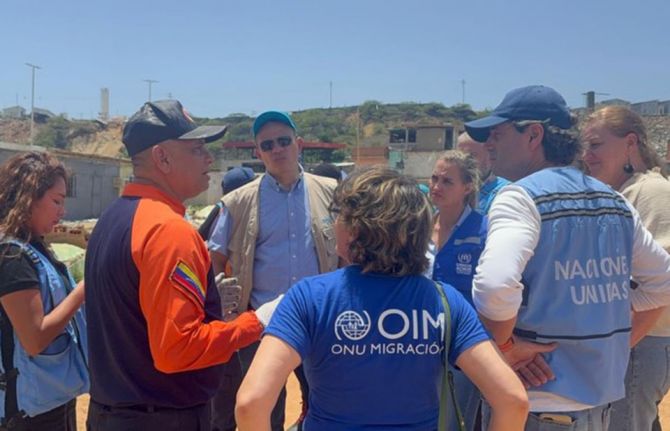
The United Nations system, in coordination with national authorities, is providing a multisectoral response in three strategic locations across La Guaira state, the area hardest hit by the earthquakes, to address the population’s most urgent needs.
UNAIDS is working with multiple partners to protect the continuity of HIV-related services, in coordination with the United Nations Development Programme. In addition, in collaboration with the Venezuelan Network of Positive People (Red Venezolana de Gente Positiva), UNAIDS is strengthening community-based mechanisms to facilitate access to antiretroviral treatment and provide timely information to people affected.
During the first week of the humanitarian response, UNAIDS adapted existing guidance for HIV in emergencies to be applied in the specific context of Venezuela for the support to people living with HIV during emergencies and disasters. The guidance is intended for the Health Cluster and partner organizations within the Humanitarian Country Team that lead interventions in the initial shelters and reception sites established, to support continuity of care and protect the rights of affected people.
UNAIDS
The Joint United Nations Programme on HIV/AIDS (UNAIDS) leads and inspires the world to achieve its shared vision of zero new HIV infections, zero discrimination and zero AIDS-related deaths. UNAIDS unites the efforts of 11 UN organizations—UNHCR, UNICEF, WFP, UNDP, UNFPA, UNODC, UN Women, ILO, UNESCO, WHO and the World Bank—and works closely with global and national partners towards ending the AIDS epidemic by 2030 as part of the Sustainable Development Goals. Learn more at unaids.org and connect with us on Facebook, Twitter, Instagram and YouTube.