

Press Release
Countries, communities and partners underscore UNAIDS’ vital role in advancing the HIV response and health sovereignty at UNGA81
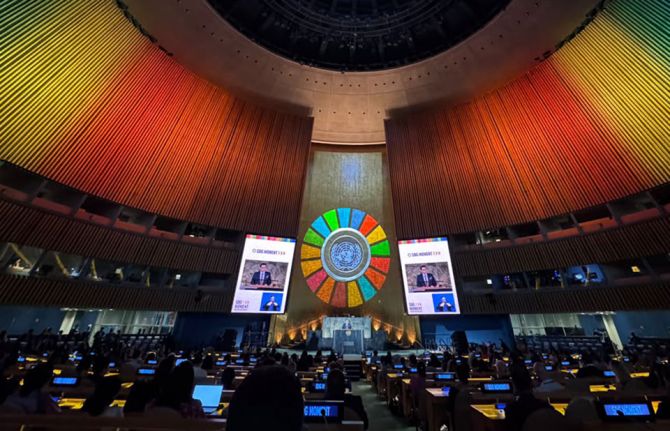
25 September 2026 25 September 2026NEW YORK/GENEVA, 25 September 2026—At the 81st session of the United Nations General Assembly (UNGA81) in New York, the global community made it clear: ending AIDS remains a shared responsibility. From countries and community leaders to international partners, a powerful united front stepped up to bolster UNAIDS’ critical mission to advance the end of AIDS as a public health threat by 2030.
This coalition was anchored by high-level dialogues on African health sovereignty, equitable access to medicines and the transformation of the Joint United Nations Programme on HIV/AIDS (UNAIDS), demonstrating that UNAIDS’ agenda is sustained by renewed by global solidarity.
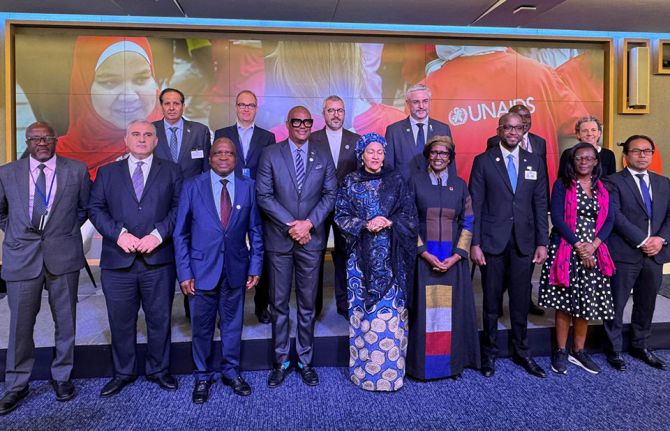
Joining one of UNAIDS’ high-level events, United Nations Deputy Secretary-General Amina Mohammed highlighted the Joint Programme’s contribution over more than three decades, saying the global HIV response is “among the finest achievements of the UN.”
Strong backing from countries
A recurring message throughout UNGA81 was the value countries and partners place on UNAIDS’ unique platform for driving action and supporting countries and communities to advance progress towards ending AIDS by 2030 while strengthening preparedness for future health threats.
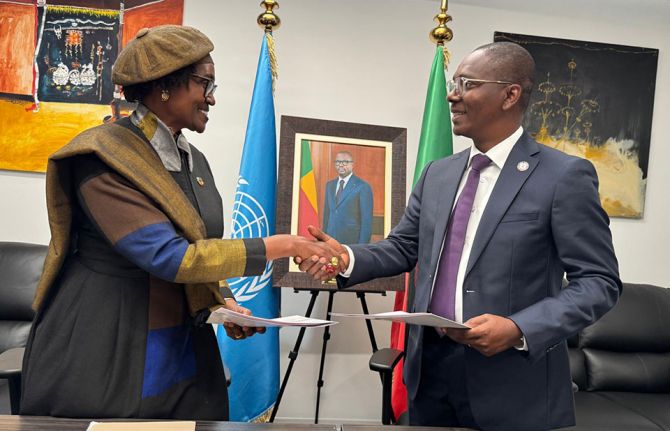
The Government of Benin stepped forward to sign a new agreement with UNAIDS, providing over €500,000 to support UNAIDS' work in Benin over 2026-2027.
President Duma Boko of Botswana reaffirmed his country's confidence in UNAIDS and the support it has provided throughout Botswana's HIV response. He also offered additional support for UNAIDS' presence in the country and sub-regionally and recognized UNAIDS in his plenary remarks to the UN General Assembly.
Benin and Botswana are among a growing number of programme countries making new or enhanced commitments to UNAIDS. Recent financial contributions and commitments from countries including Algeria, China, Côte d'Ivoire, Kazakhstan, the Lao People's Democratic Republic, the Philippines, South Africa and Thailand demonstrate broad recognition of the continuing value of the Joint United Nations Programme on HIV/AIDS.
"Countries are telling us: stay with us, we need you," said Ms Byanyima. "Their support speaks volumes about the impact UNAIDS has had over decades and about the value of maintaining our partnership and support during this time of transformation and change."
Mobilizing action on African health sovereignty
One of UNAIDS’ flagship event during UNGA81 brought together ministers, policymakers, local pharmaceutical manufacturers, civil society representatives, people living with HIV and regional and international institutions to accelerate African local production of medicines and health technologies.
Convened jointly with the African Union Development Agency (AU NEPAD), the event focused on advancing health sovereignty by expanding production of lifesaving HIV medicines and other critical health technologies across the continent.
Participants explored practical steps to accelerate local manufacturing of cutting-edge HIV prevention and treatment technologies, strengthen regulatory systems and create sustainable markets that can expand access to essential medicines. The high-level participants underscored a shared conviction that achieving health sovereignty requires Africa to become a producer, not simply a consumer, of critical health products.
Building confidence in the future of UNAIDS
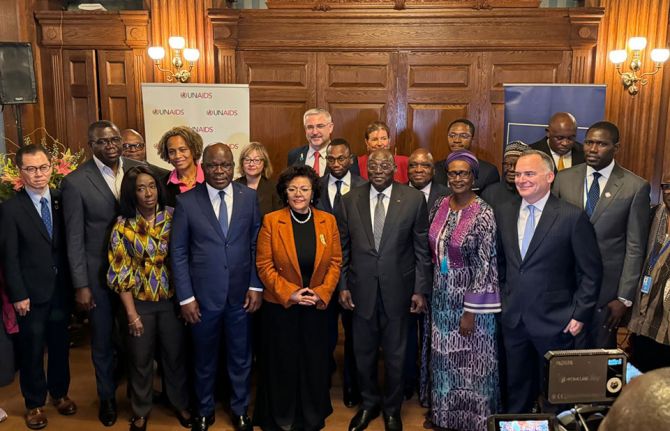
In partnership with the Governments of Botswana and the Netherlands, UNAIDS also convened a high-level discussion on the transformation of the Joint Programme and its future role in the global HIV response.
The event attracted strong interest and participation from over 16 ministers, with additional senior government representatives and representatives of civil society, highlighting that ending AIDS requires the UN to maintain a strong, coordinated global HIV response, led by the Joint Programme on HIV/AIDS.
Participants welcomed the progress UNAIDS has already made in its transformation process and underscored the importance for the UN to maintain its unique mandate to unite governments, communities, multilateral organizations and development partners through the Joint Programme on HIV/AIDS.
From commitment to action
At UNGA81, UNAIDS came with a clear mission to carry forward the momentum generated by the United Nations General Assembly 2026 Political Declaration on HIV/AIDS adopted in June this year, and the Global AIDS Strategy 2026-2031, engaging governments, communities and partners around the actions needed to end AIDS as a public health threat by 2030.
"What we heard throughout this week was a powerful affirmation from countries and partners that UNAIDS remains essential not only to ending AIDS, but also to advancing UN reform, health sovereignty, expanding access to medicines and addressing the inequalities that continue to drive disease,” said Ms Byanyima.
UNAIDS
The Joint United Nations Programme on HIV/AIDS (UNAIDS) leads and inspires the world to achieve its shared vision of zero new HIV infections, zero discrimination and zero AIDS-related deaths. UNAIDS unites the efforts of 11 UN organizations—UNHCR, UNICEF, WFP, UNDP, UNFPA, UNODC, UN Women, ILO, UNESCO, WHO and the World Bank—and works closely with global and national partners towards ending the AIDS epidemic by 2030 as part of the Sustainable Development Goals. Learn more at unaids.org and connect with us on Facebook, Twitter, Instagram and YouTube.
Press Release
UNAIDS welcomes a new € 544,000 contribution from Benin to support UNAIDS work in the country
24 September 2026 24 September 2026NEW YORK/GENEVA, 24 September 2026—The Joint United Nations Programme on HIV/AIDS (UNAIDS) warmly welcomes a new contribution of € 544,042 from the Government of Benin to support UNAIDS' work in the country over the period 2026-2027.
The funding agreement, signed in New York during the United Nations General Assembly, reflects Benin's strong commitment to sustaining progress against HIV and ensuring that lifesaving prevention, treatment and support services continue to reach the people who need them most. The contribution will help strengthen UNAIDS' presence in Benin and support efforts to build a more sustainable and resilient HIV response at a time when many countries and organizations are facing reduced international financing for health and development programmes.
“This signing is not a simple administrative act; it is a mark of loyalty. Since 2001, UNAIDS has stood by our side,” said the Minister of Health of Benin Benjamin Hounkpatin. “It is more than a financing agreement; it is proof that a steadfast partnership, sustained over time, saves lives: 72% fewer new infections and 51% fewer deaths since 2010. These are lives saved and families protected.”
UNAIDS has been supporting Benin's HIV response since 2001, working alongside government institutions, communities, civil society organizations and development partners to expand access to HIV services, reduce stigma and discrimination, and advance health equity. Over the past decade, Benin has made significant progress in the HIV response.
"This contribution from the Government of Benin is a powerful demonstration of national leadership and shared responsibility in the fight against HIV," said Winnie Byanyima, Executive Director of UNAIDS. "At a time when global health financing is under pressure, Benin is sending a clear message: the fight against AIDS is not over. We are deeply grateful for this partnership, which will help protect hard-won gains, accelerate progress towards ending AIDS and ensure that no one is left behind."
Benin’s support will strengthen UNAIDS' strategic capacity to provide policy advice, data and analysis, community engagement, resource mobilization, and efforts to reach populations most affected by HIV. It will also help reinforce coordination across sectors to ensure that Benin remains on track to achieve national and global HIV targets.
“At a time when multilateral funding is faltering across the world, Benin has chosen not to look away,” added Minister Hounkpatin. “By mobilizing €544,042 for the next two years, our country is sending a clear signal: that it is taking full ownership of, and responsibility for, its response to HIV. Today, we honour this partnership, and we renew our commitment to it for the future.”
Benin joins a growing group of countries investing directly in UNAIDS' work, alongside Algeria, Brazil, Cambodia, China, Côte d'Ivoire, Kazakhstan, Lao PDR, the Philippines and Thailand. These contributions reflect the strong confidence that countries place in UNAIDS' role and their determination to sustain a robust HIV response by ensuring UNAIDS remains present and actively engaged on the ground.
UNAIDS commends the Government of Benin for its leadership and commitment to investing in a healthier and more equitable future and looks forward to continuing its close collaboration with all national partners to end AIDS as a public health threat by 2030.
UNAIDS
The Joint United Nations Programme on HIV/AIDS (UNAIDS) leads and inspires the world to achieve its shared vision of zero new HIV infections, zero discrimination and zero AIDS-related deaths. UNAIDS unites the efforts of 11 UN organizations—UNHCR, UNICEF, WFP, UNDP, UNFPA, UNODC, UN Women, ILO, UNESCO, WHO and the World Bank—and works closely with global and national partners towards ending the AIDS epidemic by 2030 as part of the Sustainable Development Goals. Learn more at unaids.org and connect with us on Facebook, Twitter, Instagram and YouTube.
Region/country
Press Release
UNAIDS convenes African leaders to build health sovereignty and regional production of essential medicines
24 September 2026 24 September 2026NEW YORK/GENEVA, 24 September 2026—The Joint United Programme on HIV/AIDS (UNAIDS), the African Union Development Agency (NEPAD) and partners have convened African ministers, government leaders, private sector, and international organizations to drive a shared agenda for health sovereignty and speed-up African production of cutting-edge medicines and health technologies for HIV and other pandemics.
The event, held on the sidelines of the 81st United Nations General Assembly in New York, focused on how Africa can accelerate access to life-saving health technologies through stronger regional manufacturing, regulatory cooperation and political leadership.
As well as UNAIDS and AUDA-NEPAD, partners included the Government of Côte d'Ivoire, Perry World House at the University of Pennsylvania and the Global Council on AIDS, Inequality and Pandemics.
Participants pointed to scientific breakthroughs, such as long-acting HIV prevention medicines, mRNA vaccine technologies and new shorter TB treatments as they laid out ways to better translate science into access for all.
“Africa cannot remain at the back of the line when life-saving medicines exist,” said the Executive Director of UNAIDS Winnie Byanyima.
Tiémoko Meyliet Kone, Vice President of Cote D’Iovire told participants, “Health sovereignty involves strengthening our ability to secure our supplies, consolidate our production capacity, innovate and contribute fully to global health solutions.”
Ministers and agency heads identified actions across a number of priorities for advancing health sovereignty across the continent.
Discussing actions to harmonize markets and build a more coordinated regulatory environment, Zambia’s Health Minister Roma Chilengi said, “Technical know-how on the continent has grown, political will is now a given…we must move beyond colonial era dependence.”
In a discussion on expanding production capacity, South Africa’s Joe Phaahlaa, Deputy Minister of Health, reflected on lessons from Biovac’s experience during COVID-19. “Local Manufacturing needs predictable demand, pooled procurement and investment to be sustainable.”
The Director General of NEPAD, Nardos Bekele-Thomas, called for greater alignment between political ambition and implementation, noting that fragmented markets continue to limit the scale and predictability needed for African manufacturers to invest in advanced production.
Government leaders from Europe and Latin America outlined actions to build a new model of global cooperation, based on equity, partnership and shared responsibility.
Adriano Massuda, Executive Secretary of Health of Brazil said, " Under the Brazil G20 presidency, we launched a global coalition for local and regional production, innovation, and equitable access to strengthen global cooperation, technology transfer, and local and regional manufacturing capacities. As President Lula says, ‘Africa is a key partner in this agenda. Brazil is ready to deepen South-South cooperation with African countries’.”
Florence Anam, Executive Director of the Global Network of People Living with HIV, reminded the audience that “Availability is not access.”
Participants recognized the importance of the African Medicines Agency, the African Continental Free Trade Area and pooled procurement mechanisms in creating larger, more predictable markets for African-produced health technologies.
A recurring theme throughout the discussions was the unique value of UNAIDS in bringing together leaders across sectors who would not otherwise be at the same table.
“The coordination and convening of these high-level dignitaries around this table, from government, the private sector and beyond, is evidence of the value that many of us see in UNAIDS,” said Douglas Bosire, Chief Executive Officer of the National Syndemic Diseases Control Council, Kenya. “Convening bold political commitment and leadership is key to resolving the issues we have discussed here. Without this gathering, we would simply be talking amongst ourselves.”
The event reinforced that achieving health sovereignty is not only about medicines and manufacturing. It also requires trusted institutions, political leadership, regional cooperation and meaningful engagement with communities.
The United Nations will continue to convene governments, industry, civil society and international partners to turn scientific progress into equitable access and better health outcomes for all.
UNAIDS
The Joint United Nations Programme on HIV/AIDS (UNAIDS) leads and inspires the world to achieve its shared vision of zero new HIV infections, zero discrimination and zero AIDS-related deaths. UNAIDS unites the efforts of 11 UN organizations—UNHCR, UNICEF, WFP, UNDP, UNFPA, UNODC, UN Women, ILO, UNESCO, WHO and the World Bank—and works closely with global and national partners towards ending the AIDS epidemic by 2030 as part of the Sustainable Development Goals. Learn more at unaids.org and connect with us on Facebook, Twitter, Instagram and YouTube.
Press Release
From vision to action: Southern Africa and China advance regional pharmaceutical manufacturing and health security
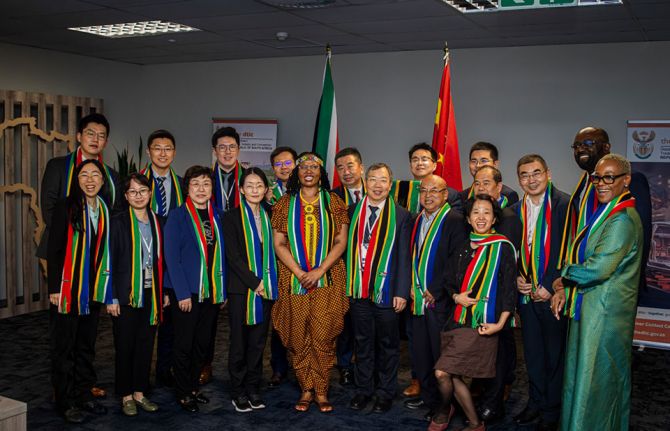
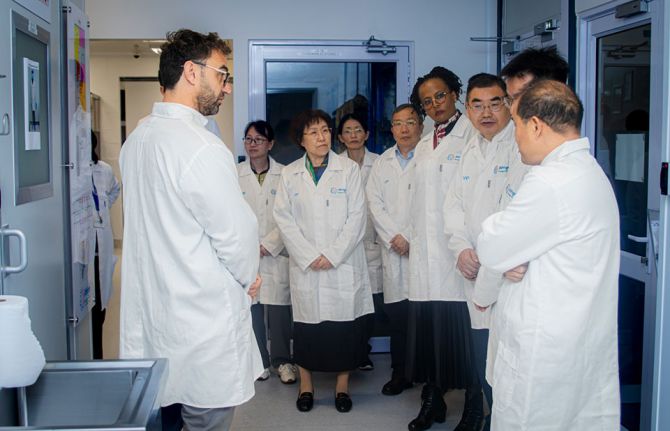
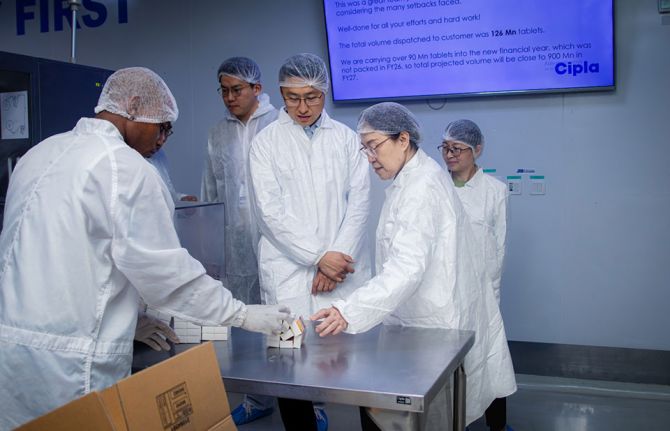
16 September 2026 16 September 2026JOHANNESBURG/GABORONE/BEIJING/GENEVA 16 September 2026—The Southern African Development Community (SADC), UNAIDS, the Government of China and the Global Health Innovation Institute (GHII) have agreed to advance collaboration on regional pharmaceutical manufacturing, following a joint visit to production facilities in Johannesburg, Durban and Cape Town, South Africa.
The delegation assessed existing capabilities in pharmaceutical and vaccine manufacturing, biotechnology, genomics and diagnostics, and identified priority areas to help Southern African countries expand domestic production of quality-assured medicines and health technologies.
The collaboration aims to reduce reliance on imports, strengthen health security and improve more timely access to essential health products across the region. Partnering with China offers an opportunity to connect technology, expertise, investment and manufacturing capabilities with this growing regional capacity.
“This exchange was about moving from ambition to practical action,” said Eva Kiwango, Director and Representative, UNAIDS Office in China. “The Southern African Development Community has the capacity to expand regional manufacturing and improve access to essential HIV and other health products, but this will require sustained investment, alignment of regulatory frameworks, technology transfer, skills development and cultivating strategic multilateral partnerships and pioneering innovative financing.”
The collaboration aligns with the United Nations’ Political Declaration on HIV/AIDS, which calls for greater health sovereignty and strengthened cooperation to advance local and regional production of HIV and health technologies as part of efforts to end AIDS as a public health threat by 2030. It also comes at an important moment following UN Day for South-South Cooperation.
“This strategic exchange has strengthened mutual understanding and identified concrete opportunities for cooperation between China and Southern Africa. By leveraging complementary strengths in policy, technology, manufacturing and market development, we can advance local pharmaceutical production, enhance health security, and support sustainable access to quality health products across the region.” Official from National Disease Control and Prevention Administration (NDCPA), China.
During the exchange, key priorities that were identified for cooperation included developing a regional list of essential HIV and sexual and reproductive health commodities, strengthening demand forecasting and pooled procurement and creating more predictable markets for African manufacturers.
The partners agreed to advance technology transfer, skills development and investment opportunities to expand local pharmaceutical manufacturing capacity while supporting regulatory systems to enable quality-assured production.
“This visit highlighted significant opportunities for China-Southern Africa cooperation in pharmaceutical development. By combining our respective strengths in manufacturing, innovation, and market development, we can support strengthening local production capacity, improve access to quality medicines, and contribute to better health outcomes for the people across Southern Africa,” said Ms. Xiaoxia An, CEO, Desano Pharmaceutical Group
More than half of the people living with HIV who are not receiving lifesaving antiretroviral treatment are in sub-Saharan Africa. For UNAIDS, expanding pharmaceutical manufacturing in the region is about building resilient health systems and ensuring that people are not left behind or forced to wait for access to the innovations that can save their lives or safeguard their health.
UNAIDS
The Joint United Nations Programme on HIV/AIDS (UNAIDS) leads and inspires the world to achieve its shared vision of zero new HIV infections, zero discrimination and zero AIDS-related deaths. UNAIDS unites the efforts of 11 UN organizations—UNHCR, UNICEF, WFP, UNDP, UNFPA, UNODC, UN Women, ILO, UNESCO, WHO and the World Bank—and works closely with global and national partners towards ending the AIDS epidemic by 2030 as part of the Sustainable Development Goals. Learn more at unaids.org and connect with us on Facebook, Twitter, Instagram and YouTube.
Region/country

Press Release
UNAIDS to support Fiji as it declares HIV a national crisis and puts in new measures to strengthen the response
16 September 2026 16 September 2026GENEVA, 16 September 2026—UNAIDS welcomes the Government of Fiji’s decision to declare HIV a national crisis and the measures announced by the Minister for Health and Medical Services, Hon. Ratu Atonio Lalabalavu, to accelerate the country’s HIV response.
Fiji is facing one of the sharpest increases in new HIV infections globally. UNAIDS estimates that new infections rose 12-fold between 2010 and 2025. An estimated 9,100 people were living with HIV in 2025, only 39% knew their HIV status and just 22% were accessing antiretroviral treatment.
“Fiji has recognized the urgency of the moment and is stepping up its response,” said the Executive Director of UNAIDS Winnie Byanyima. “It is also a stark reminder to the world that AIDS is not over. HIV epidemics can change quickly, and countries need health and community systems that are ready to respond urgently.”
The decision brings the urgency needed to ramp up the response to a higher level across government and society. A Cabinet subcommittee has been established to address policy and implementation barriers and accelerate action.
Among cases with a known mode of transmission, over half were linked to sexual transmission and more than 42% to injecting drug use. UNAIDS welcomes plans to introduce a needle and syringe programme, with legislative amendments expected to go before Parliament.
The Government has also announced expanded HIV prevention, testing and treatment, including wider access to medicine to prevent HIV (PrEP), including long-acting prevention options such as twice-yearly injections, stronger community engagement and action against stigma and discrimination.
Communities are already an essential part of the HIV response in Fiji. Community organizations and peer outreach workers are connecting people to HIV prevention, testing, treatment and care, countering misinformation and stigma, and reaching people who may not use formal health services.
Fiji’s nationally led response is supported by regional and international partners. UNAIDS Joint Programme supports Fiji in providing policy advice and helps connect government, communities and partners, while other development partners contribute funding, commodities and technical expertise.
“The national crisis declaration is a call for action, not fear. HIV is not transmitted through everyday contact, and people on effective treatment with an undetectable viral load do not sexually transmit HIV,” said Eamonn Murphy, UNAIDS Regional Director for Asia and the Pacific and Eastern Europe and Central Asia. “Fiji still has an opportunity to change the course of this epidemic. Stronger cooperation across the Pacific and sustained international solidarity can reinforce the national effort and help accelerate action.”
Pacific countries are at different stages of their HIV epidemics, but the region is closely connected through travel, education, employment and family ties. Access to combination HIV prevention and treatment, strong surveillance, community-led responses and shared expertise can help countries recognise changes early and respond quickly.
UNAIDS will continue working with Fiji and countries across the Pacific, alongside communities and development partners, to strengthen national responses and regional cooperation.
UNAIDS
The Joint United Nations Programme on HIV/AIDS (UNAIDS) leads and inspires the world to achieve its shared vision of zero new HIV infections, zero discrimination and zero AIDS-related deaths. UNAIDS unites the efforts of 11 UN organizations—UNHCR, UNICEF, WFP, UNDP, UNFPA, UNODC, UN Women, ILO, UNESCO, WHO and the World Bank—and works closely with global and national partners towards ending the AIDS epidemic by 2030 as part of the Sustainable Development Goals. Learn more at unaids.org and connect with us on Facebook, Twitter, Instagram and YouTube.
Region/country
Press Release
UNAIDS, SADC and China, partner to advance local pharmaceutical manufacturing and health security in Southern Africa
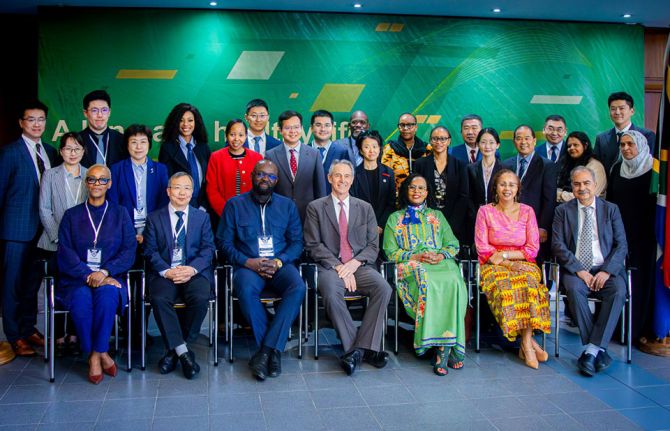
01 September 2026 01 September 2026JOHANNESBURG/GENEVA, 1 September 2026 – UNAIDS, the Southern African Development Community (SADC) and the Global Health Innovation Institute (GHII) have brought together the Government of South Africa, the Government of China, Chinese pharmaceutical companies and regional and global partners in a major new collaboration to strengthen pharmaceutical manufacturing across Southern Africa.
The partnership, developed through sustained engagement led by UNAIDS, is being advanced this week through a SADC-China strategic exchange taking place from 31 August to 4 September 2026 in Johannesburg, Durban and Cape Town. By applying lessons from the HIV response, it brings together governments, pharmaceutical manufacturers, research institutions, financial and development partners and health experts to explore how stronger partnerships can accelerate regional production of medicines, diagnostics and health technologies.
“Strengthening pharmaceutical manufacturing is about much more than producing medicines. It is about African countries having greater control over the health products their people depend on including for HIV, while building the skills, investment, technology and systems needed for long-term health security,” said Anne Githuku-Shongwe, UNAIDS Regional Director for East and Southern Africa
The exchange comes at a time when health security, resilient supply chains and sustainable access to essential medicines are priorities across Africa. For Southern Africa, strengthening regional manufacturing capacity offers an opportunity to reduce vulnerability to external supply disruptions while supporting innovation, skills development, investment and economic growth.
“Health security requires the capacity to produce. Our partnership with China can help connect African manufacturing capability with the investment, technology and skills needed to strengthen regional pharmaceutical production,” said Dr Lamboly Kumboneki, SADC Secretariat.
Building regional manufacturing capacity
A key focus of the exchange will be how a China-Africa collaboration can help unlock technology transfer, investment, manufacturing expertise and innovation to strengthen African pharmaceutical production.
The programme will include high level policy discussions with government and regulatory stakeholders, engagement with development and financing partners, and visits to pharmaceutical manufacturing and research facilities in Johannesburg, Durban and Cape Town.
Discussions will explore expanding investment and technology transfer; improving market intelligence, demand visibility and regulatory readiness; strengthening pooled procurement and health commodity security; and identifying practical opportunities for deeper Africa–China collaboration on pharmaceutical manufacturing.
“China’s healthcare industry has grown and matured significantly over the last few decades, and companies are looking for opportunities beyond, globally. Africa is the market of the future. Being here has shown us the willingness and readiness of South African companies and policy makers. I believe this is a perfect opportunity to bring accessible health products through a mutually beneficial partnership” said Gary Yang, Acting CFO, Head of Business Development and Global Alliance.
At the conclusion of the exchange, partners will identify priority opportunities and practical next steps to strengthen regional pharmaceutical manufacturing and health commodity security.
UNAIDS
The Joint United Nations Programme on HIV/AIDS (UNAIDS) leads and inspires the world to achieve its shared vision of zero new HIV infections, zero discrimination and zero AIDS-related deaths. UNAIDS unites the efforts of 11 UN organizations—UNHCR, UNICEF, WFP, UNDP, UNFPA, UNODC, UN Women, ILO, UNESCO, WHO and the World Bank—and works closely with global and national partners towards ending the AIDS epidemic by 2030 as part of the Sustainable Development Goals. Learn more at unaids.org and connect with us on Facebook, Twitter, Instagram and YouTube.
Contact
UNAIDSBathsheba Okwenje
tel. +250 789 358 817
okwenjeb@unaids.org
UNAIDS
Robert Shivambu
tel. +27 83 608 1498
shivambur@unaids.org
Region/country
Press Release
New monthly HIV prevention pill, in late-stage trials, could provide a giant step forward in stopping new HIV infections
05 August 2026 05 August 2026If proved effective, UNAIDS highlights that speed, affordability and equitable access will be critical
GENEVA/JOHANNESBURG, 5 August 2026—An oral monthly pill to prevent HIV, alimatravir (also known as MK-8527), produced by Merck Sharp & Dohme (MSD), is currently undergoing promising phase three trials. If the trials are successful, this development could provide another tool in the HIV prevention toolbox and a positive step towards ending AIDS.
UNAIDS commends MSD for its early access plan to help partners prepare for manufacturing and delivery. MSD has announced voluntary licensing agreements with generic pharmaceutical manufacturers, including three in Africa, to produce the once-monthly oral HIV prevention candidate. Early planning for financing, demand forecasting, accessibility and regulatory readiness will be as important as scientific innovation to ensure that new HIV prevention technologies reach people rapidly and equitably.
"Scientific innovation has the power to change the trajectory of the AIDS pandemic, but only if it reaches everyone who needs it," said Angeli Achrekar, Deputy Executive Director of UNAIDS. "If alimatravir proves to be safe and effective and receives regulatory approval, manufacturing must be rapidly scaled up and the product made affordable and accessible in low- and middle-income countries from day one. No one should have to wait years for life-saving HIV prevention."
UNAIDS commends MSD for the proposed partnerships with Aspen Pharmacare in South Africa, Quality Chemicals Industries Limited in Uganda and Universal Corporation Limited in Kenya. If the trials are successful, the agreement will present an important opportunity to strengthen Africa's local pharmaceutical manufacturing capacity. It will also bring innovative HIV prevention options closer to the people who need them most, supported by sustainable market development and technology transfer.
The announcement aligns with UNAIDS’ Global AIDS Strategy’s call to ensure equitable access to innovation and the strengthening of health sovereignty through local production, regional manufacturing and pooled procurement commitments. This was reaffirmed by countries in June this year in the 2026 Political Declaration on HIV and AIDS.
Despite remarkable progress in scientific innovations in recent years, including antiretroviral-based HIV prevention options, millions of people—particularly adolescent girls and young women, marginalized populations and other people at heightened risk of HIV—still lack access to effective HIV prevention options.
In 2025, 1.2 million people acquired HIV, and more than half a million people (570 000) died of AIDS-related illnesses. Around 3100 adolescent girls and young women acquire HIV every week in sub-Saharan Africa. Expanding choice through new prevention technologies, alongside sustained investment in community-led services and strong health systems, will be essential to ending AIDS as a public health threat by 2030.
“UNAIDS welcomes partnerships that link clinical research, regional manufacturing and equitable access to HIV services,” said Ms Achrekar. “UNAIDS calls on governments, pharmaceutical companies, global health partners and communities to work together to accelerate production, ensure affordable pricing and remove barriers that delay access to new HIV prevention tools across all regions of the world.”
UNAIDS will continue working with countries and partners to monitor equitable access, support affordable pricing, strengthen costing and resource planning, and advance sustainable financing pathways for the introduction and scale-up of all new HIV prevention technologies.
UNAIDS
The Joint United Nations Programme on HIV/AIDS (UNAIDS) leads and inspires the world to achieve its shared vision of zero new HIV infections, zero discrimination and zero AIDS-related deaths. UNAIDS unites the efforts of 11 UN organizations—UNHCR, UNICEF, WFP, UNDP, UNFPA, UNODC, UN Women, ILO, UNESCO, WHO and the World Bank—and works closely with global and national partners towards ending the AIDS epidemic by 2030 as part of the Sustainable Development Goals. Learn more at unaids.org and connect with us on Facebook, Twitter, Instagram and YouTube.
Contact
UNAIDSCharlotte Sector |
sectorc@unaids.org
UNAIDS
Robert Shivambu
tel. +27 83 608 1498
shivambuh@unaids.org
Press Release
Failing to tackle inequality puts countries in pandemic danger, new research shows
30 July 2026 30 July 2026Analysis in the New England Journal of Medicine – co-authored by experts including Nobel laureate Joseph Stiglitz, leading epidemiologist Professor Sir Michael Marmot, and Chairperson of the One Economy Foundation and former First Lady of Namibia Monica Geingos – finds economic inequality, not conventional preparedness, has been the clearest predictor of how countries fared against pandemics, upending traditional assumptions about what actions governments need to take for health security. The new research from the Global Council on Inequality, AIDS and Pandemics finds that while technical capacity remains necessary, it is not sufficient. To respond to and prepare for pandemics effectively, governments need to include efforts to address inequality.
Call for “Inequality-Informed Pandemic Preparedness and Response”
Conventional understandings of what countries need to do to be ready to face pandemics are incomplete and need to be re-thought, the research shows. Many of the countries that score highest on standard measures of pandemic preparedness—based on technical abilities like laboratory, supply chain, or emergency response capabilities—have seen some of the highest rates of infection and death during both the COVID-19 and AIDS pandemics. Countries like the United States or United Kingdom have topped official preparedness lists, but the research findings show no association between these traditional understandings of preparedness and success in the real world. Policies that only ensure technical capability are not enough.
Inequality, on the other hand, is the clearest predictor of how a country fares when a pandemic strikes, with more unequal countries less successfully responding than their more equitable peers.
The research shows that the prevailing conception of pandemic preparedness as synonymous with technical capacities leads governments give too little attention to addressing the sources of inequality that shape the use of those capacities. The analysis demonstrates how proven, practical approaches can enable countries to overcome the inequalities which undermine public health. This includes addressing the social determinants of health within countries—the unequal conditions in which people are born, grow, live, work and age—as well as between-country inequalities in the global financial system. Countries could be mounting inequality-informed pandemic preparedness and response today – but they are not.
Four ways governments can break the cycle
The research sets out proven, practical and affordable policies to address the inequalities driving pandemic risk, so that countries can respond more effectively to HIV, tuberculosis, Ebola and other pandemics. The actions governments need to take include:
- Protecting people during outbreaks: surge social protection such as paid sick leave, cash transfers and unemployment support, so no one has to choose between following health advice and feeding their family – alongside long-term investment in housing, education and secure work to build resilience before the next crisis.
- Governing across society, not health alone: multi-sectoral planning that brings in finance, labour and education ministries, and embeds community-led organisations in the response, drawing on hard-won lessons from the AIDS pandemic.
- Fixing the global financial rules: a debt-standstill mechanism for countries facing emergencies, the automatic release of emergency international financing when a pandemic is declared, and expanded pandemic lending so that every country has the means to respond.
- Sharing life-saving science: open licensing of publicly funded research, a global prize fund that rewards innovators while allowing medicines and vaccines to be produced anywhere, and expanded regional manufacturing of the treatments and vaccines needed to stop today’s and tomorrow’s pandemics.
Expert call
The analysis and call to action is outlined in the latest edition of the New England Journal of Medicine by Nobel Laureate Joseph Stiglitz, leading epidemiologist Sir Michael Marmot, Chairperson of the One Economy Foundation and former First Lady of Namibia Monica Geingos, UNAIDS Executive Director Winnie Byanyima, and incoming Chair of the Department of Global Health and Director of the Center for Global Health Policy & Politics at Georgetown University Matthew Kavanagh. The New England Journal of Medicine article, “The Inequality–Pandemic Cycle — Rethinking Preparedness”, setting out the argument and the way forward, is available here, and the accompanying full background data analysis can be read here. They are part of an ongoing programme of research by the Global Council on Inequality, AIDS and Pandemics, an international, interdisciplinary expert group convened by UNAIDS.
“For decades the world judged how ready a country is for a pandemic by counting its laboratories, stockpiles and response plans,” said Joseph Stiglitz, Nobel Laureate in Economics and Co-Chair of the Global Council. “This research shows that this is not enough. High economic inequality can leave even wealthy, well-equipped nations dangerously exposed. The encouraging news is that inequality is not inevitable – it is the result of policy choices, and we know how to change them. Reducing inequality is now one of the smartest investments any government can make.”
“Inequality is the ground in which pandemics take root – and this research proves it,” said Winnie Byanyima, Executive Director of UNAIDS, which convenes the Global Council. “It also shows leaders exactly where to act. By tackling the inequalities within our societies, we can end AIDS as a public health threat and make the world safer from the next pandemic. When we address inequality, everyone thrives.”
The research is being published just ahead of a special panel discussion taking place at AIDS 2026 in Rio de Janeiro – the biennial gathering of the leaders of the international HIV response. The panel, at 10:30am Rio time on 30th July, will include Joseph Stiglitz, Winnie Byanyima and Matthew Kavanagh alongside Nísia Trindade, Former Minister of Health of Brazil, Javier Padilla Bernáldez, Secretary of State for Health of Spain, and Richard Lusimbo, Director General of The Uganda Key Populations Consortium.
Pandemic emergency
The AIDS pandemic, the largest disease of the last century, has killed at least 44 million people globally since the early 1980s. Approximately 40.8 million people are living with HIV globally, while over 9 million are not on treatment because of inequalities obstructing access, putting them at risk of dying of AIDS-related illnesses. COVID-19 and AIDS have caused far more deaths combined than all the wars over the last half-century.
The new analysis tested why some countries have more effectively tackled COVID-19 and AIDS than others. It found that a country’s level of economic inequality consistently predicted death and infection rates – while conventional preparedness rankings and levels of poverty did not. Some of the countries rated most prepared before COVID-19, including the United States, went on to record death rates far above the global average, while lower-ranked countries such as Vietnam and Ethiopia fared far better. The reason, the researchers set out, is that inequality shapes whether a country can actually mobilise the tools it has: who can afford to stay at home, who trusts public institutions, and who is reached by health services. This makes tackling inequality an essential part of enabling true preparedness.
There is a clear and consistent association between inequality and less effective response. The numbers are stark. Using the Gini coefficient – the standard 0–100 measure of income inequality – the researchers found that every one-point rise in a country’s inequality was associated with around 12.5 additional COVID-19 deaths for every 100,000 people. This pattern held for AIDS deaths and new infections as well. The pattern held across the countries studied and remained just as strong when poverty and conventional measures of preparedness were taken into account.
Economic inequalities intersect with other social determinants of health. Key populations, including men who have sex with men, transgender people, sex workers, people who inject drugs, and incarcerated people, face barriers in accessing vital services, exacerbating their risk of HIV infection. Girls in Africa face higher risk of HIV than boys. These inequalities are not inevitable and can be overcome through effective public policies.
Inequality and pandemics reinforce one another. Inequality leaves societies more exposed when outbreaks hit, and pandemics in turn widen existing gaps both within and between countries, deepening the very conditions that make future outbreaks harder to control. An International Monetary Fund analysis of past outbreaks found income inequality kept rising for around five years after each one. Breaking this cycle, the authors argue, is now essential to global health security.
As the world confronts multiple pandemics and the rising risk of new ones, the Global Council is calling on world leaders to place inequality at the centre of pandemic preparedness and response to avert another crisis of COVID-19 proportions or worse. More than 90% of the global population now lives in a country with high income inequality – levels not seen since the industrial revolution – leaving the world more exposed than ever.
“Health is not distributed by chance – it follows the conditions in which people are born, grow, live, work, and age, and those conditions are deeply unequal,” said Professor Sir Michael Marmot, Director of the UCL Institute of Health Equity and Co-Chair of the Global Council. “The inequalities that damage health in ordinary times are the same ones that leave whole societies exposed when a pandemic strikes. Creating fairer conditions of daily life is not a nice-to-have – it is the foundation of health security.”
“The evidence is clear: out-of-control inequality is bad for everyone’s health. Effective pandemic preparedness includes taking practical action to tackle the inequalities which drive them,” said Monica Geingos, Chairperson of the One Economy Foundation, former First Lady of Namibia, and Co-Chair of the Global Council.
“This is about political choices,” said Matthew Kavanagh, incoming Chair of the Department of Global Health and Director of the Center for Global Health Policy & Politics at Georgetown University, and Member of the Global Council. “Investing in tackling inequality will keep people safe.”
UNAIDS
The Joint United Nations Programme on HIV/AIDS (UNAIDS) leads and inspires the world to achieve its shared vision of zero new HIV infections, zero discrimination and zero AIDS-related deaths. UNAIDS unites the efforts of 11 UN organizations—UNHCR, UNICEF, WFP, UNDP, UNFPA, UNODC, UN Women, ILO, UNESCO, WHO and the World Bank—and works closely with global and national partners towards ending the AIDS epidemic by 2030 as part of the Sustainable Development Goals. Learn more at unaids.org and connect with us on Facebook, Twitter, Instagram and YouTube.
Contact
Oliver Aplintel. +44 7851552441
oca10@georgetown.edu
Ben Phillips
tel. +66 613649866
ben.phillips@globalcooperation.institute
At AIDS 2026 in Rio
Daniel De Castro
tel. +507 69983175
DeCastroD@unaids.org
Robert Shivambu
tel. +27 836081498
shivambuh@unaids.org

Press Release
Global HIV response falters as reemergence looms
27 July 2026 27 July 2026In 2025, 1.2 million more people became infected with HIV and 570 000 more people died of AIDS-related illnesses as the world fell short of global targets. Without urgent action to meet the 2030 goals, more than 3 million could become infected with HIV by 2030.
RIO DE JANEIRO/GENEVA, 27 July 2026—A special report released by UNAIDS for the 26th International AIDS Conference taking place in Rio de Janeiro, Brazil from 27 to 31 July, shows that reductions to international funding and cuts to HIV prevention and community services are likely to lead to a resurgence of the epidemic.
Although new HIV infections and AIDS-related deaths are at their lowest levels in more than 30 years, the current HIV response is extremely fragile. Efforts to end AIDS as a public health threat by 2030 are at risk unless global solidarity is restored and inequalities are addressed.
In 2025, 1.2 million people acquired HIV, but progress is uneven. New HIV infections rose in three regions and 21 countries in 2025. Around 9 million of the 41 million people living with HIV were not on treatment and almost half of all children living with HIV did not have access to antiretroviral therapy in 2025. More than half a million people (570 000) died of AIDS-related illnesses in 2025.
Positively seven countries* achieved an almost 80% reduction in new infections since 2010 and 11 countries achieved the 95-95-95** treatment targets showing that progress is possible.
Science and innovation offer a major opportunity. The world is on the cusp of an HIV prevention revolution in prevention medicines which offer close to vaccine like protection against HIV. Monthly and six-monthly injections are slowly trickling into the market, and monthly pills are in late-stage trials. What is coming to market and in the pipeline is extraordinary, however the challenge remains scale and inequitable access.
“Scientific breakthroughs are giving us tools that previous generations could only dream of,” said Ms Byanyima. “However, innovation without access is not innovation, it is injustice. The test of success is not whether medicines exist—it is whether the people who need them can get them, and at an affordable price.”
Brazil has increased the number of people accessing HIV prevention medicines at least once in the past year by 41%. Ethiopia and Uganda also took action to expand access through domestic and other funding, and South Africa is continuing to negotiate pricing deals for the twice-yearly prevention injections lenacapavir. However, despite being part of the trials for lenacapavir, Brazil has not been granted voluntary licensing from producer Gilead to enable cost-effective pricing or the introduction of generic alternatives and is considering compulsory licensing.
UNITAID, the Global Fund to Fight AIDS, TB and Malaria and partners have pulled money together to start rolling out lenacapavir to reach 3 million 2028 which is welcome news, but this remains a drop in the ocean, currently reaching just a few thousand people. UNAIDS estimates that 20 million people need of access to antiretroviral based prevention to have a real impact in stopping new HIV infections.
Overseas development assistance (ODA) has collapsed. Global development assistance from multiple countries fell by 23% in 2025—the sharpest drop on record—a large proportion of which was for global health and HIV programmes have been hit hard.
High burden, highly indebted, low-income countries of Africa depended on ODA for the success of their AIDS responses. Many of these countries were more than 90% dependent on ODA for their HIV responses.
“The era of relying on international aid is over,” said Winnie Byanyima, Executive Director of UNAIDS. “Countries cannot wait and they cannot go backwards. The world must urgently fix the broken financial system and accelerate debt restructuring so that governments can invest in what matters most—the health, education and futures of their people.”
International financing for HIV from multiple countries declined by more than US$ 1.5 billion, from US$ 8.8 billion in 2024 to US$ 7.3 billion in 2025, an 18% reduction and the lowest level in nearly two decades.
HIV prevention services were largely funded from international funding. For example, in sub-Saharan Africa, 80% of prevention funding came from international aid. Community-led organizations received up to 25% of foreign HIV assistance in 2024. Surveys show that in some countries these organizations reached 22% of people living with HIV and up to 60% of marginalized populations with life-saving services. With the absence of donor support and stronger domestic investment, HIV prevention and community-led HIV service delivery risk total collapse.
Funding for condoms has been cut by more than 90% in some countries. A 2026 study, across 47 countries, found steep reductions in community-led services—50% for community-led support for prevention medicines and HIV care—85% for services for gay men and other men who have sex with men—82% for sex workers—and 72% for survivors of gender-based violence.
Human rights are under attack and there is a reversal of rights including the sexual and reproductive rights of women and girls and marginalized populations. For the first time since UNAIDS has been tracking these trends, criminalization of marginalized populations increased. In 2025, Burkina Faso and Niger introduced criminalization of same-sex sexual activity, and Senegal increased penalties for same-sex sexual activity in 2026.
In 2026, 168 countries criminalized sex work, 152 countries criminalized possession of small amounts of drugs, 66 countries criminalized same sex sexual relations, and 14 countries criminalized transgender people.
“You cannot end AIDS while criminalizing people living with and most at risk of HIV,” said Ms Byanyima. “When people fear arrest, violence or discrimination, they stay away from HIV services. Human rights are not separate from the HIV response—they are essential to its success.”
Despite the push back on human rights, in June 2026, 149 Member States adopted a progressive Political Declaration on HIV and AIDS aligned with the UNAIDS Global AIDS Strategy 2026–2031 and its 2030 targets. The new 2030 targets include 40 million people on life-saving treatment, 20 million with access to antiretroviral-based prevention. The targets also include less than 10% of people living with or at risk of HIV experiencing stigma and discrimination, less than 10% of women and girls and people living with or at risk of HIV experiencing gender inequality and violence, and less than 10% of countries having punitive legal and policy environments that deny or limit access to HIV services. If fully achieved, the commitments would avert an additional 3.2 million new HIV infections and 1.3 million AIDS-related deaths by 2030.
“Despite enormous challenges ending AIDS is still within reach,” said Ms Byanyima. “At AIDS 2026 UNAIDS is urging all partners and governments to remobilize and push forward to achieve the ambitious targets in the Political Declaration. This will require renewed solidarity, sustained financing and unwavering commitment to human rights. The choice before us is clear: retreat and risk resurgence, or rethink, rebuild and rise to end AIDS as a public health threat by 2030.”
*Benin, Eswatini, Kenya, Lesotho, Nepal, Rwanda and Zimbabwe
**95% of all people living with HIV who know their status, 95% of all people with diagnosed HIV infection accessing antiretroviral therapy, 95% of all people accessing ART who are virally suppressed.
UNAIDS
The Joint United Nations Programme on HIV/AIDS (UNAIDS) leads and inspires the world to achieve its shared vision of zero new HIV infections, zero discrimination and zero AIDS-related deaths. UNAIDS unites the efforts of 11 UN organizations—UNHCR, UNICEF, WFP, UNDP, UNFPA, UNODC, UN Women, ILO, UNESCO, WHO and the World Bank—and works closely with global and national partners towards ending the AIDS epidemic by 2030 as part of the Sustainable Development Goals. Learn more at unaids.org and connect with us on Facebook, Twitter, Instagram and YouTube.
Press Release
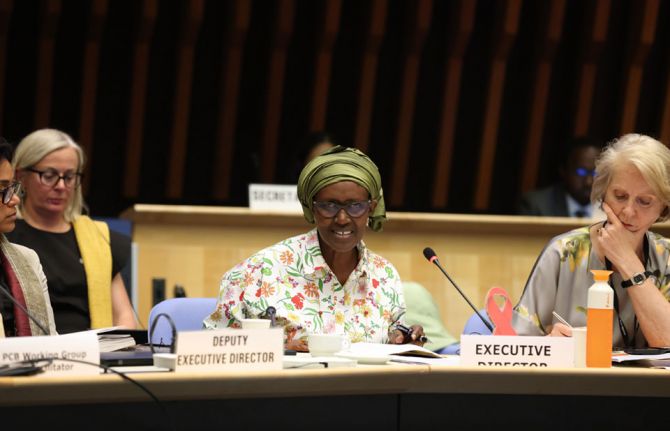
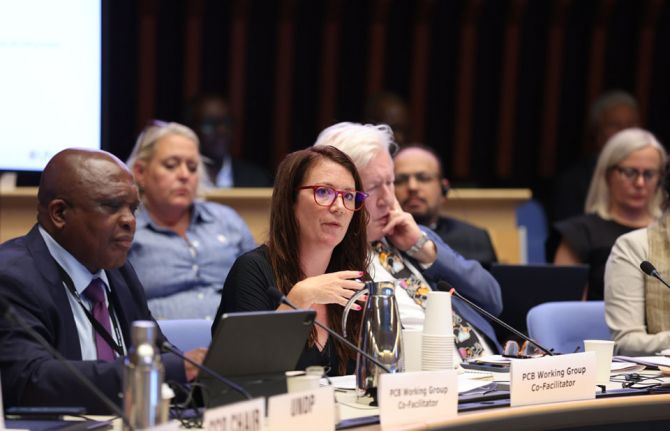
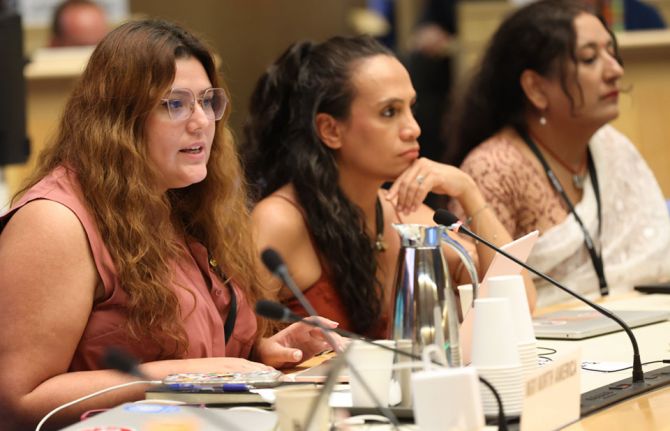
Planning for the future at UNAIDS’ 58th Board meeting
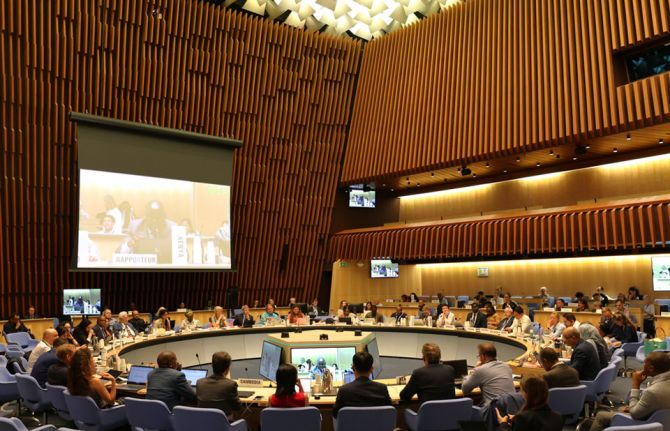
03 July 2026 03 July 2026GENEVA, 2 July 2026—Just one week after Member States adopted a new Political Declaration on HIV/AIDS at the United Nations General Assembly in New York, the 58th Programme Coordinating Board (PCB) took the next step in shaping how the Joint United Nations Programme on HIV/AIDS (UNAIDS) will evolve to help deliver those commitments.
Building on the renewed global political commitment to end AIDS as a public health threat by 2030, Board members reaffirmed the need for a strong, coordinated global HIV response while advancing discussions on how the Joint Programme should accompany the global response in a changing financial and global health landscape.
Across three days of discussions, Member States, communities and partners broadly agreed that while the current operating model must evolve, the world continues to need strong political leadership, multisectoral coordination, accountability and meaningful community participation. The discussions marked an important milestone in the work of the independent PCB Working Group, which will present final recommendations on the future structure and governance of the Joint Programme in October.
“Even in a complex global political context, UNAIDS still has that unique power to unite the world behind a shared vision to end AIDS as a public health threat by 2030,” said Winnie Byanyima, UNAIDS Executive Director. “We will not deliver on that promise through institutions alone. We will deliver it through people, through the communities who refuse to be invisible, through the staff who carry this mission every day, through leaders in governments and partner organisations acting with courage in the face of uncertainty.”
At the start of the meeting, the Vice Minister and Director General for International Cooperation for the Kingdom of the Netherlands, Pascale Grotenhuis opened the meeting, saying, “The Kingdom of the Netherlands reaffirms the importance of sustainably transitioning and integrating UNAIDS within the UN system and beyond while safeguarding what makes it unique: its community-led approach, grounded in human rights and centered on key populations."
Chairing the meeting Erica Schouten, Ambassador and Permanent Representative of the Netherlands to the United Nations in Geneva, said, "It is time to forge a new vision and narrative for the global HIV response, one that is deeply rooted in the hopes, values, and realities of our current time.”
For the Philippines, global commitment is especially urgent. "We continue to experience one of the fastest growing HIV epidemics in the world, with close to 50 new HIV infections every day," said Albert Francis Domingo, Philippines Undersecretary of Health and Chief of Staff. "The Philippines recognizes that the global HIV response is at a critical juncture. We therefore support reforms that strengthen efficiency and break down institutional silos. At the same time, these reforms must preserve the Joint Programme's unique comparative advantages.”
One such advantage is having civil society representation as part of the UNAIDS board. The position of non-governmental organizations (NGOs) is critical for the effective inclusion of community voices in the AIDS response.
“We must invest in communities, protect civic space and human rights and ensure that those living these realities are heard, supported, and meaningfully involved in decision making,” said Ulrich Mvate from the NGO Africa delegation.
UNAIDS also thanked its longstanding donors for their steadfast support and expressed gratitude to programme countries who are contributing funds to maintain UNAIDS offices in their countries, reflecting strong national ownership.
The meeting’s thematic session focused on sustaining the HIV response and human rights for people who use drugs. Currently 8% of all new HIV infections are among people who inject drugs being and they are 34 times more likely to contract HIV than the general adult population.
"The HIV response is no longer only facing a funding crisis, it is becoming a crisis of survival for many people who use drugs,” said Anton Basenko, Executive Director of International Network of People who Use Drugs (INPUD), citing a lack of harm reduction supplies, needle and syringe programmes closing and increased criminalization.
"Our message is simple: if communities disappear, the HIV response disappears with them,” he said.
The Report to the Board by the UNAIDS Executive Director, and the reports for each agenda item and the PCB’s decisions can be found here. There will be a Special session in October followed by a regular PCB in December.
UNAIDS
The Joint United Nations Programme on HIV/AIDS (UNAIDS) leads and inspires the world to achieve its shared vision of zero new HIV infections, zero discrimination and zero AIDS-related deaths. UNAIDS unites the efforts of 11 UN organizations—UNHCR, UNICEF, WFP, UNDP, UNFPA, UNODC, UN Women, ILO, UNESCO, WHO and the World Bank—and works closely with global and national partners towards ending the AIDS epidemic by 2030 as part of the Sustainable Development Goals. Learn more at unaids.org and connect with us on Facebook, Twitter, Instagram and YouTube.