
Stories
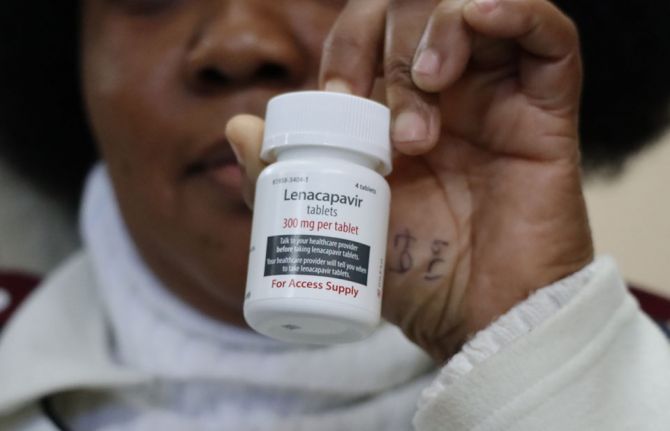
"I am excited": 21-year-old Jane Mndebele becomes the first South African to receive lenacapavir
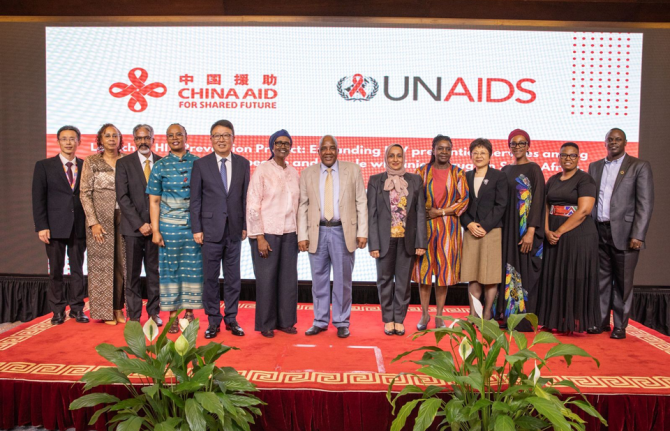
People’s Republic of China unveils US$ 3.49 million HIV prevention support for South Africa, facilitated by UNAIDS
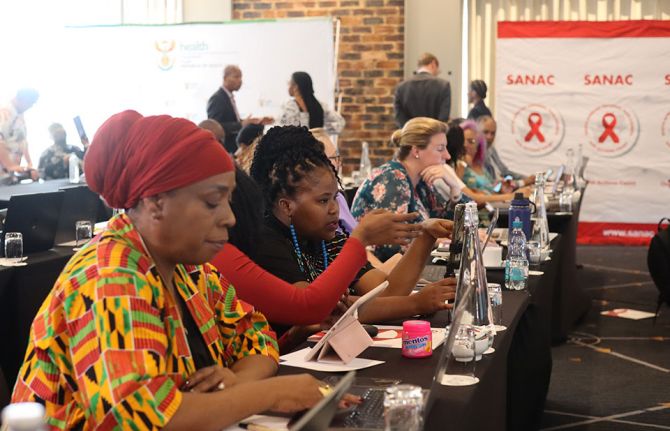
South Africa charts a new frontier by rolling out a twice-yearly injection which is almost 100% effective in preventing HIV
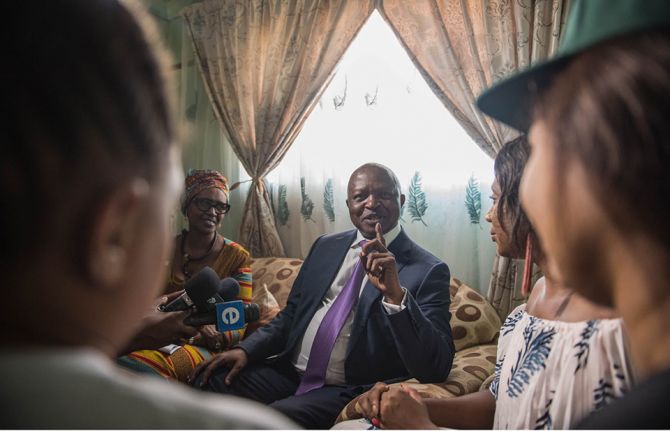
Statement by Winnie Byanyima, Executive Director of UNAIDS, on the Passing of Former Deputy President David Mabuza of the Republic of South Africa
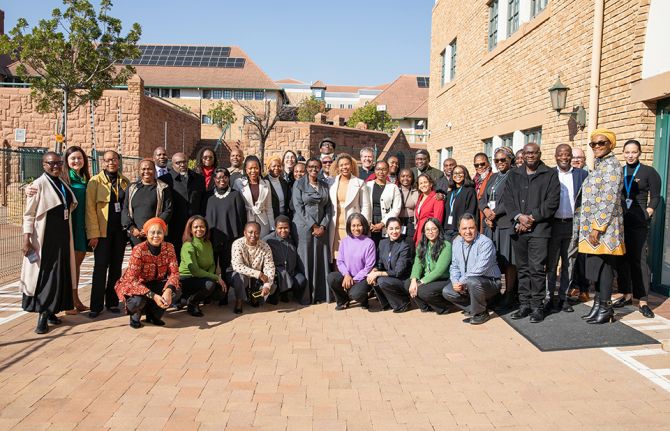
UNAIDS Executive Director encouraged by South Africa’s continued leadership in responding to HIV
Impact of US funding cuts on HIV programmes in South Africa
Impact of US funding cuts on HIV programmes in East and Southern Africa
Impact of US funding freeze on HIV response in South Africa
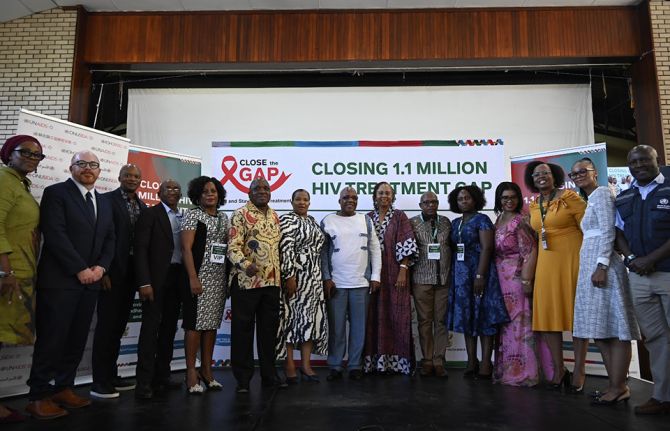
Bold new initiative to put an additional 1.1 million people living with HIV on treatment puts South Africa on the path to end AIDS as a public health threat by 2030

Comprehensive update on HIV programmes in South Africa

Holy Disrupters: Interview with Thabo Makgoba, Archbishop of Cape Town

Criminalisation has hurt sex workers and perpetuated the AIDS pandemic. UNAIDS welcomes South Africa's call to end it.
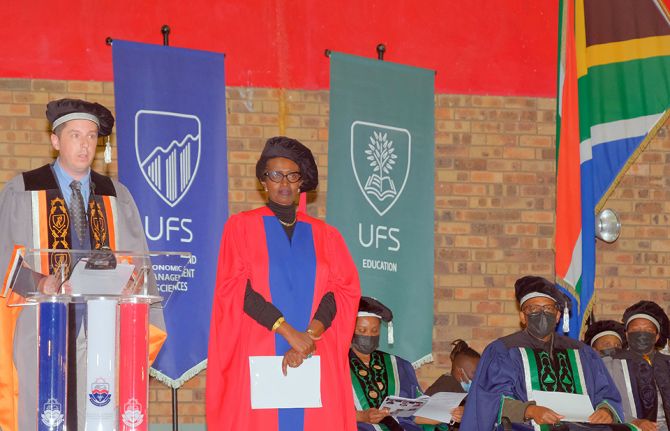
UNAIDS Executive Director Winnie Byanyima receives honorary degree from Free State University, South Africa
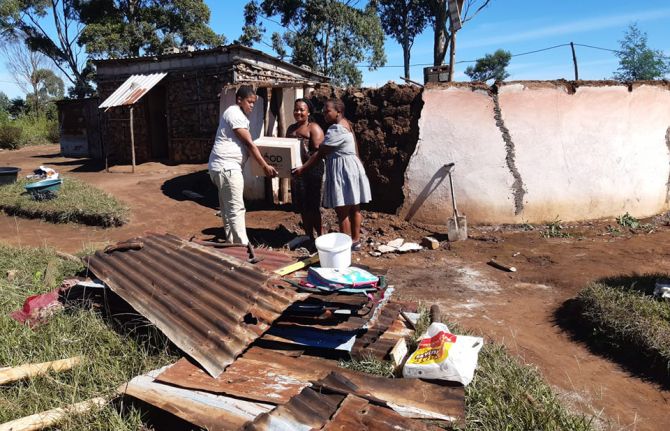
Supporting HIV services for flood survivors in KwaZulu-Natal
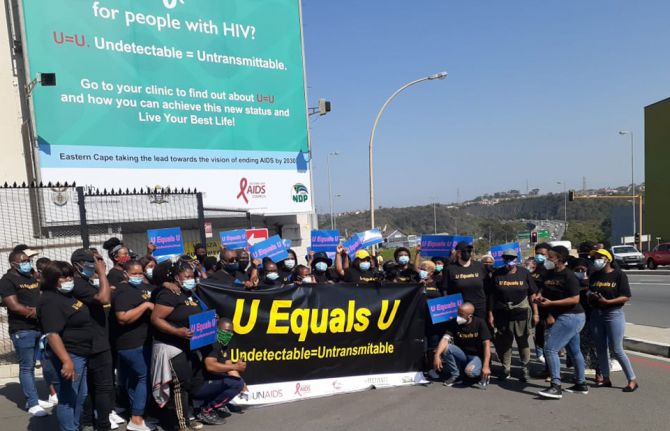
Eastern Cape becomes the first South Africa province to campaign on U = U
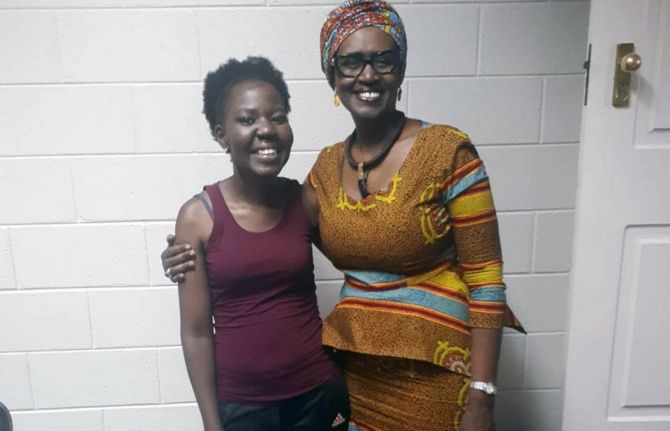
UNAIDS saddened by the death of Leonora Mathe
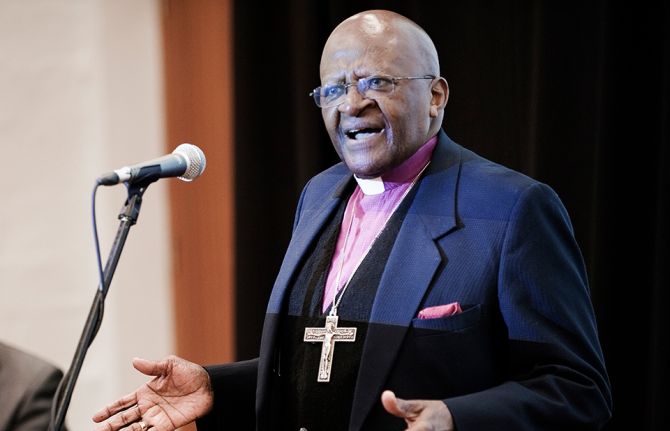
The global AIDS response has lost a great champion
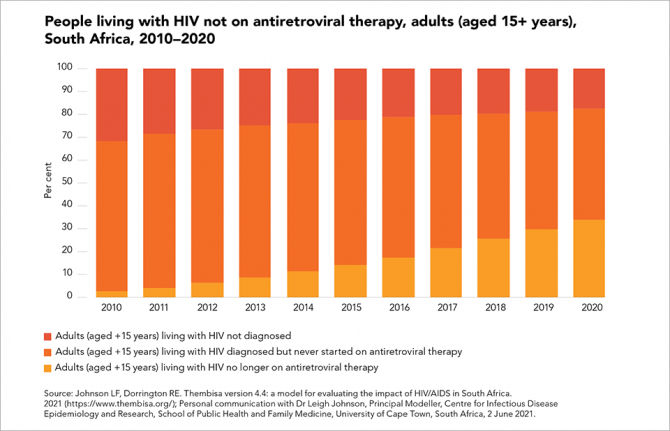
Retention in care a growing concern

UNAIDS saddened by the death of Geoff Makhubo, Executive Mayor of Johannesburg
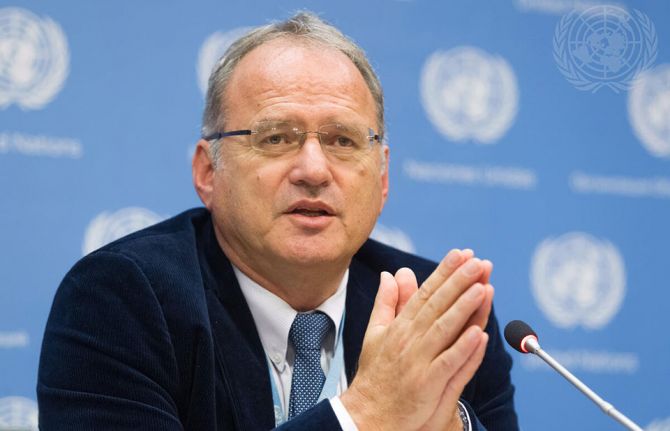
UNAIDS joins human rights community in mourning Christof Heyns, legal academic and expert
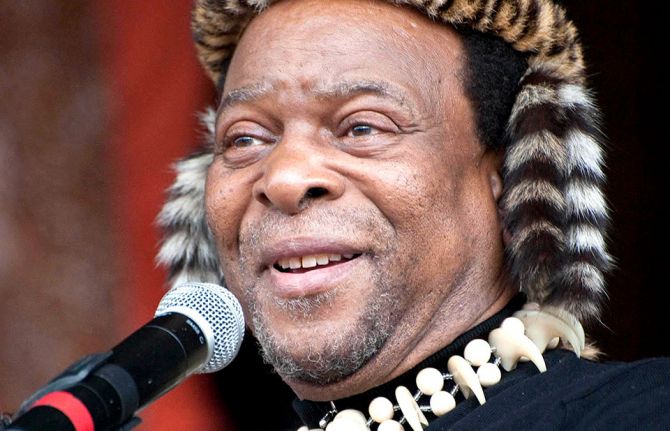
UNAIDS is deeply saddened by the death of His Majesty King Goodwill Zwelithini of the Zulu nation
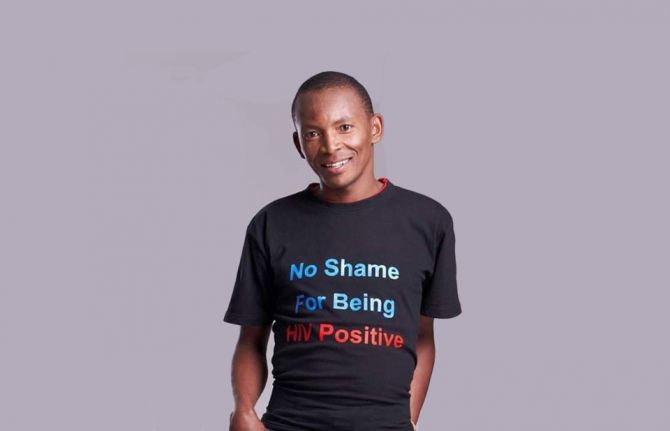
Remembering Andrew Mosane, AIDS activist and progressive “radical”
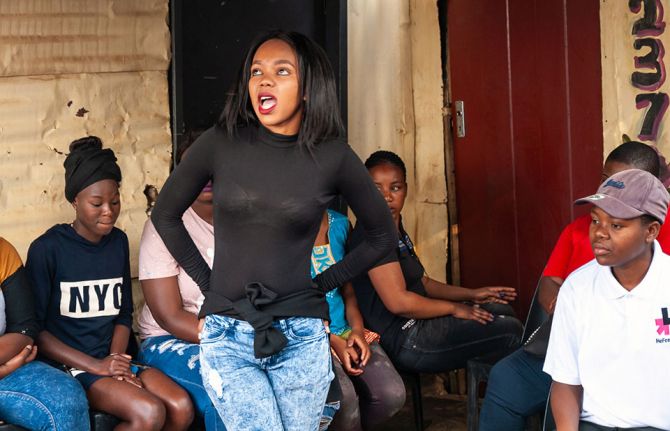
In South Africa, young women leading HIV and violence prevention say men’s involvement is key
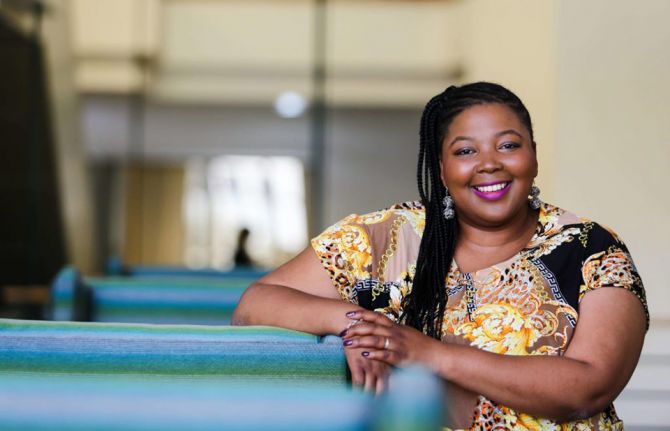
UNAIDS congratulates Tlaleng Mofokeng on her appointment as United Nations Special Rapporteur on the right to health

UNAIDS congratulates Professor Quarraisha Abdool Karim on being awarded the 2020 Christophe Mérieux Prize
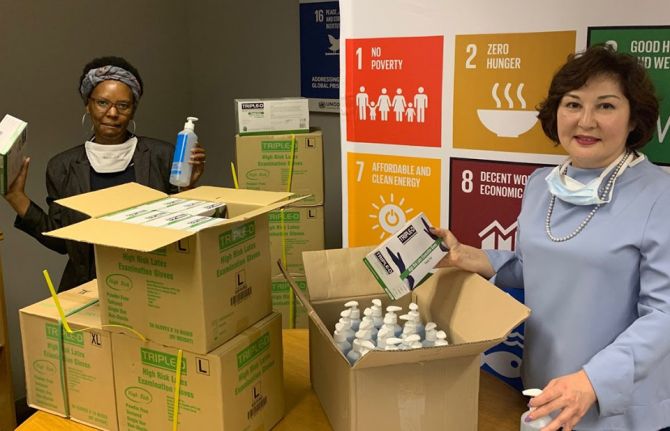
United Nations agencies coordinate their COVID-19 response in South Africa
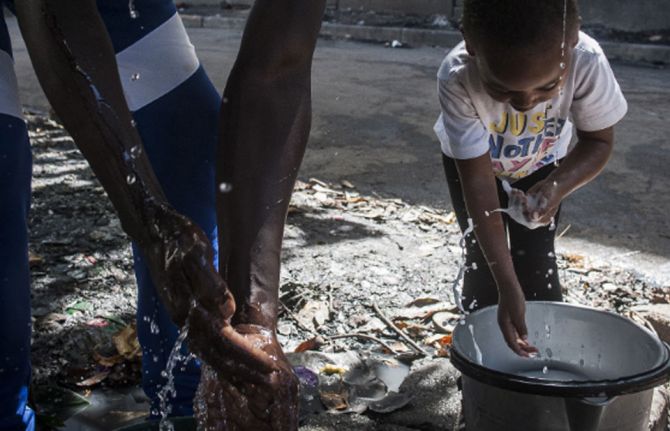
United Nations in South Africa launches US$ 136 million COVID-19 flash appeal
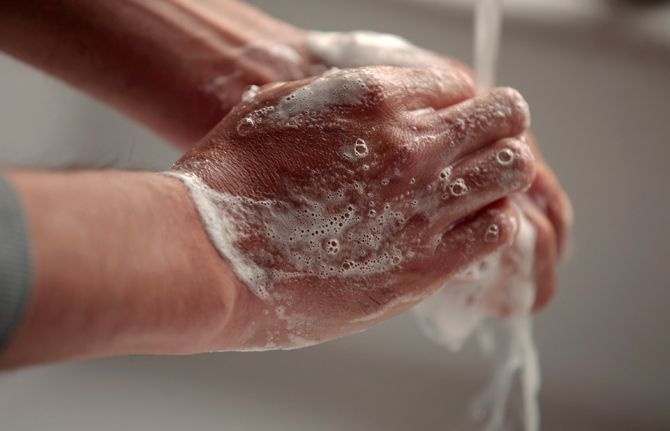
UNAIDS and Reckitt Benckiser join forces to distribute hygiene packs to people living with HIV during the COVID-19 outbreak
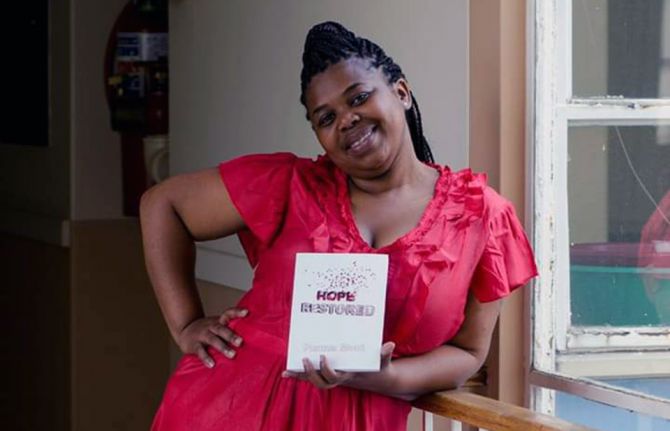
Living with HIV under lockdown
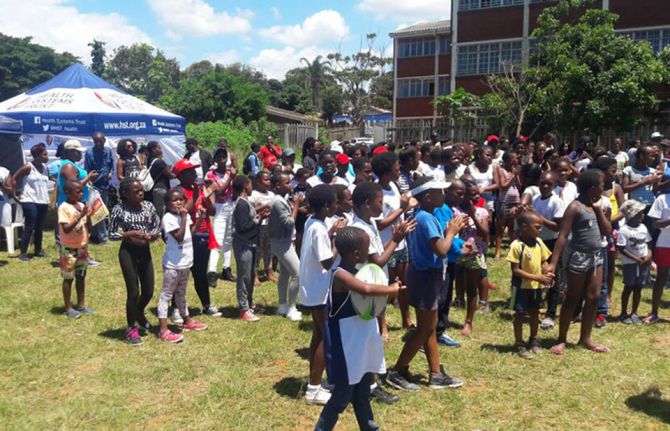
Community project helps families respond to stigma and discrimination

Communities hailed during South Africa’s World AIDS Day commemoration
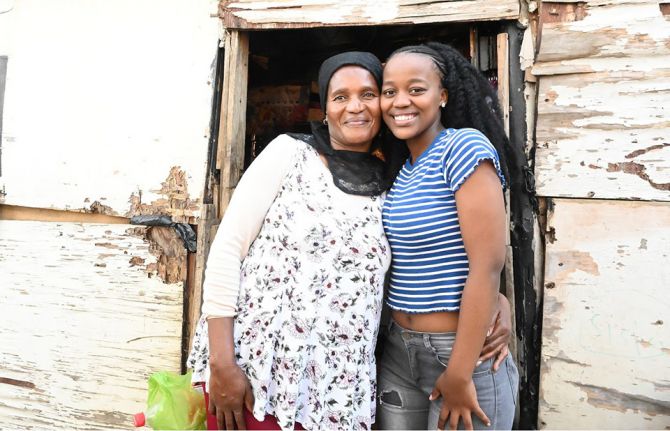
I’m just a normal teenager living with HIV
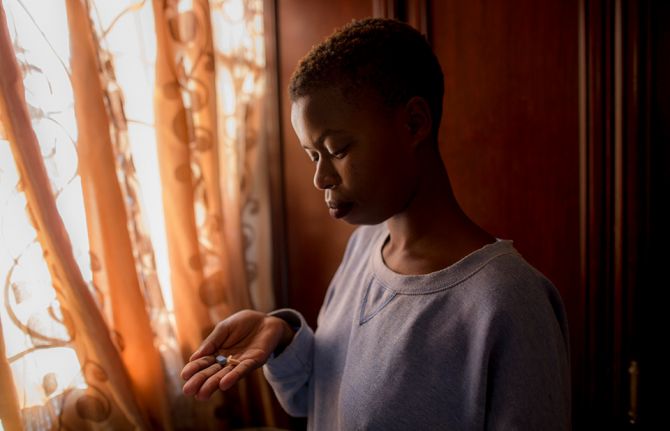
New modelling research shows partial progress in South Africa’s response to HIV
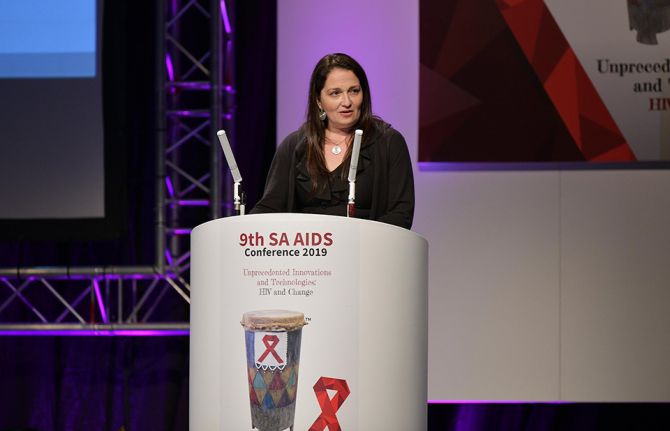
South Africa: pace really matters
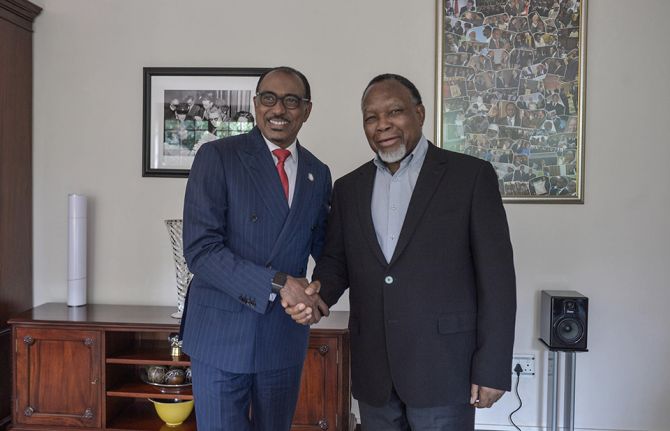
Keeping up the momentum in the global AIDS response
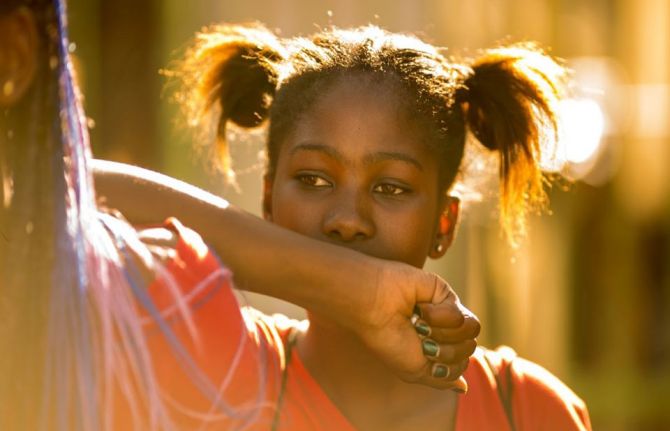
"The community is not on the girls’ side"
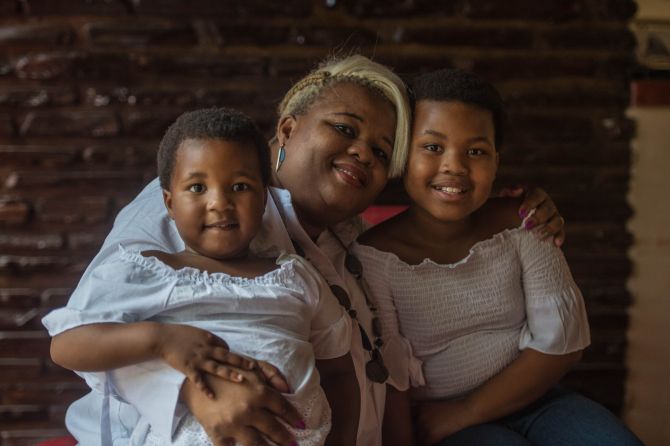
There is life after HIV, there is love
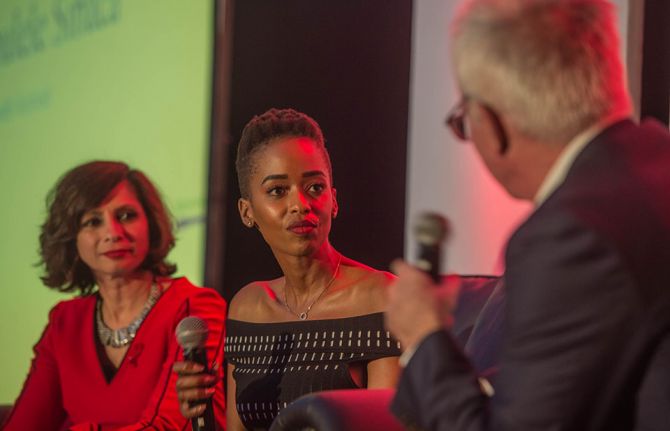
Young people change the narrative on HIV in South Africa

Tanzanian and South African experts exchange expertise

She Conquers in South Africa
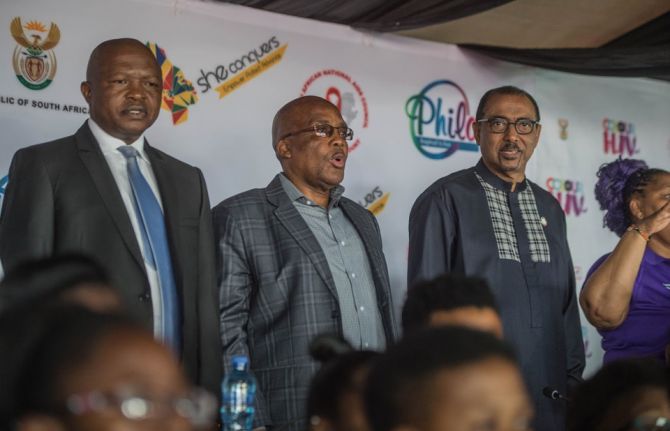
South Africa launches campaign to expand access to HIV treatment

UNAIDS teams up with Google and Makhulu Media to release virtual reality educational films about HIV testing
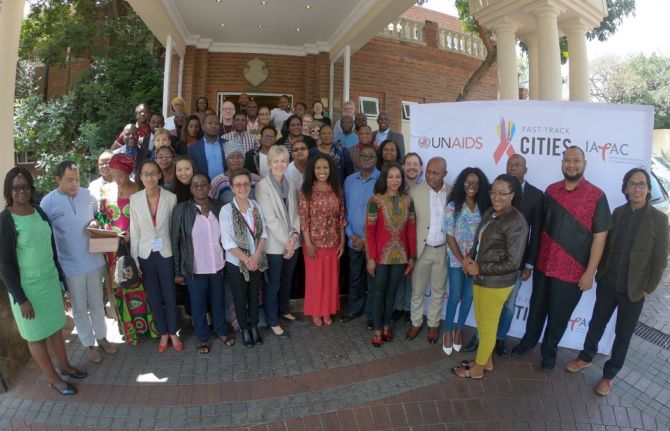
Learning from city-level approaches to putting the HIV response on the Fast-Track

UNAIDS Programme Coordinating Board sees South Africa’s AIDS response first-hand
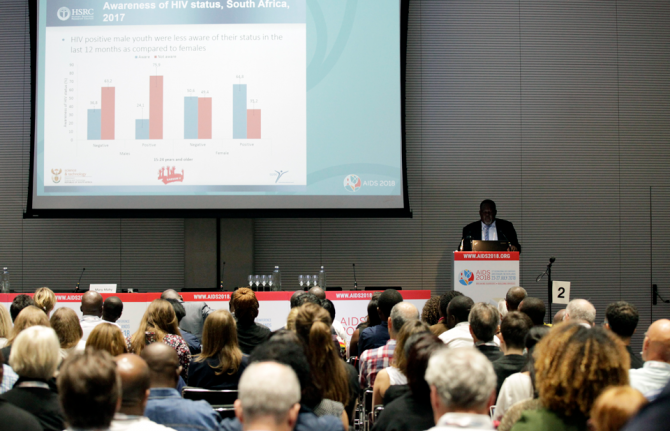
UNAIDS welcomes additional evidence from Cameroon, Côte d’Ivoire, and South Africa on progress towards the 2020 targets
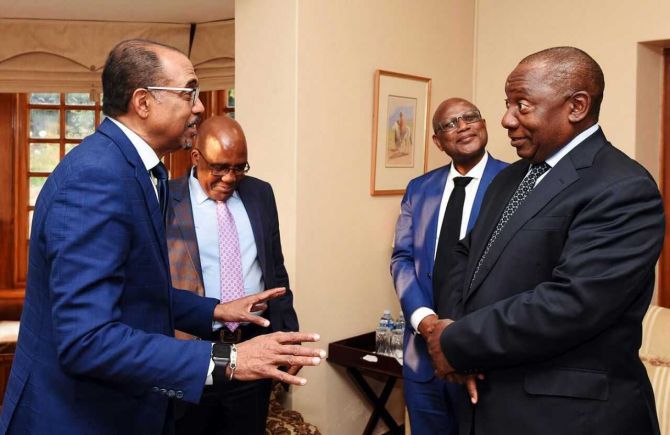
UNAIDS Executive Director puts the spotlight on the HIV response in Lesotho, South Africa and Zambia during five-day visit
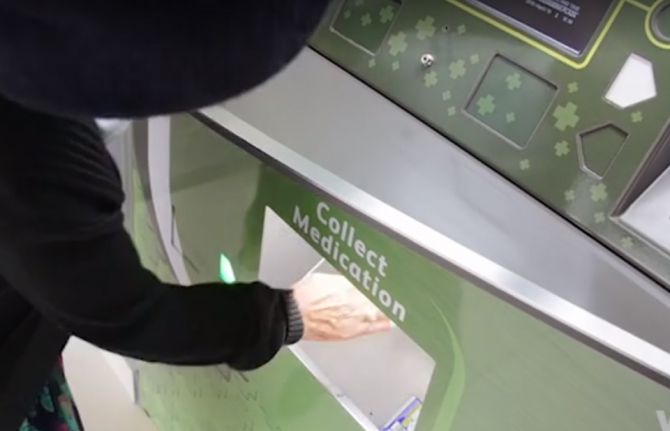
South Africa tests ATMs for medicine
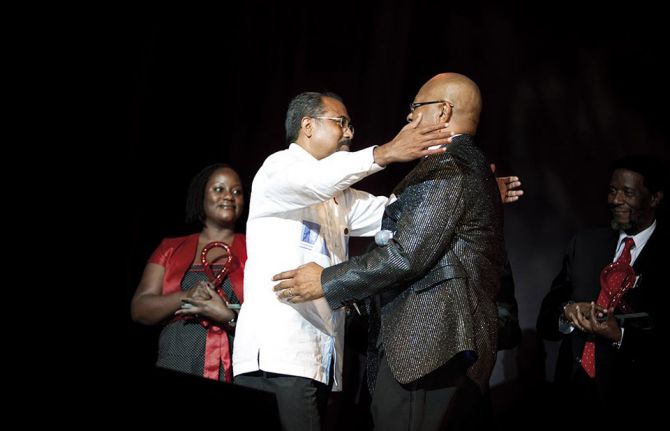
UNAIDS mourns the death of Jimmie Earl Perry
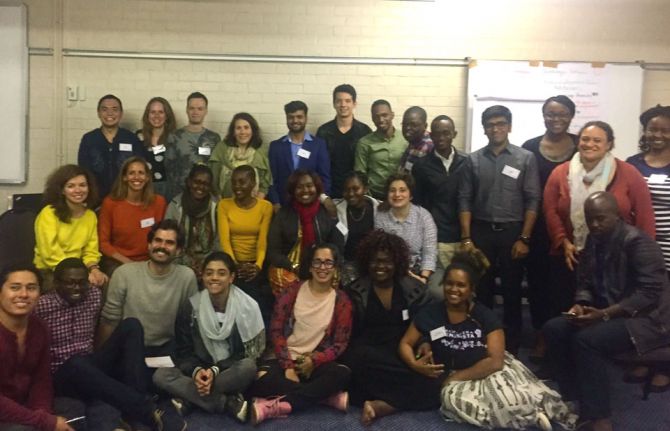
Moving forward with positive youth leadership
PEPFAR is on track to deliver yet more results
Reports
Contact