Feature Story
Communities, authorities and UNAIDS coordinate to maintain HIV care during emergencies in Colombia and Venezuela
23 September 2026
23 September 2026 23 September 2026In June, earthquakes in Venezuela left many people living with HIV facing urgent questions. Were pharmacies and health facilities still operating? Where could they collect their medicines? How could they continue their care? At the Venezuelan Network of People Living with HIV (RVG+), the phone started ringing as people sought information and support.
“There was a lot of fear because people did not know where to go, what to do or who to call to find out how to continue receiving care,” said Alfredo Mendieta, HIV community monitoring project officer at RVG+, a Venezuelan civil society network and advocacy group that supports people living with HIV.
RVG+ began identifying what each person needed and connecting them with its teams on the ground, who helped reconnect them with services. According to the organization, 90% of the people who approached the network were linked back to health services.
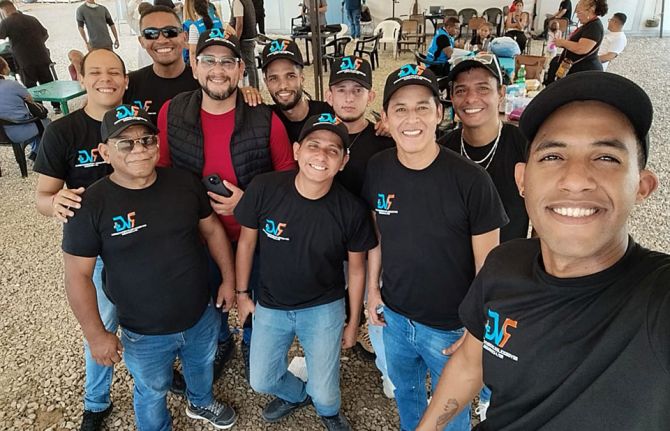
Across the border in Colombia, community organizations faced similar challenges after a magnitude 7.4 earthquake in August. Fundación Ancla, Red Somos and Fundamor combined their efforts and strengthened word-of-mouth outreach to find people who needed treatment in Manizales, Pereira, Cali and Chocó, some of the country's most affected regions.
“In a context of uncertainty, people needed answers for the here and now,” said Aharón Andrés Cardona, founder and director of Fundación Ancla. While regular service points were being restored, the organizations focused on identifying people and arranging access to medicines. According to Cardona, “around 70% of the people who approached them seeking medicines were able to access treatment through the civil society-led response.”
In both neighboring countries, community response helped support people while services gradually recovered. They knew where to find those who needed assistance. Authorities knew they needed to restore and maintain access to care as soon as possible. UNAIDS helped connect the different parts of the response, organizing information gathered through the calls to identify priorities and emerging needs, facilitating links between community-led services and local health authorities, and mobilizing resources to keep phone lines open and help people travel from temporary camps to health facilities.
The experience in Venezuela also contributed to the development of a simple guidance for protecting continuity of HIV care during emergencies and disasters. Two months later, UNAIDS helped adapt and update this guidance to the Colombian context, sharing it with the Ministry of Health and Social Protection and community organizations, including Fundación Ancla.
“Communities know their people and their neighborhoods. They know where the needs are, and they’re often the first place that people turn to when they need support,” said Luisa Cabal, UNAIDS Regional Director for Latin America and the Caribbean. “When emergencies happen, it is imperative to support strong community leadership and coordination with authorities. This can make all the difference in ensuring that no one is left behind or disconnected from the care they need.”
The experience highlights a broader lesson that extends beyond Colombia and Venezuela. By supporting coordination among local actors when emergencies disrupt daily life, UNAIDS contributes not only to maintaining continuity of care for people in vulnerable situations, but also to strengthening preparedness for future health emergencies, showing that lessons from the HIV response continue to inform broader efforts to build resilient, people-centered health systems.