


Press Statement
UNAIDS, WHO and the Global Fund call for political leadership, international cooperation, and community-led approaches at a joint World AIDS Day event
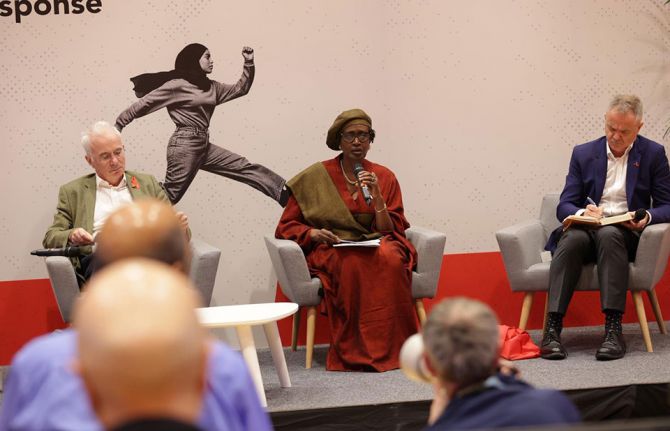
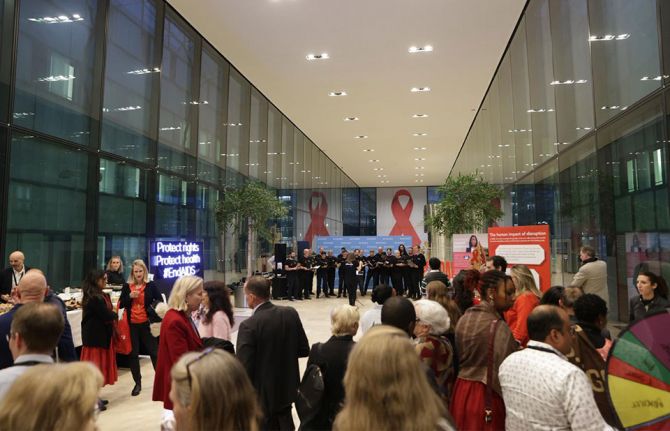
01 December 2025 01 December 2025GENEVA, 1 December 2025—UNAIDS, WHO and the Global Fund brought together members of communities, civil society organizations and government representatives to commemorate this year’s World AIDS Day at an event at UNAIDS headquarters in Geneva, Switzerland.
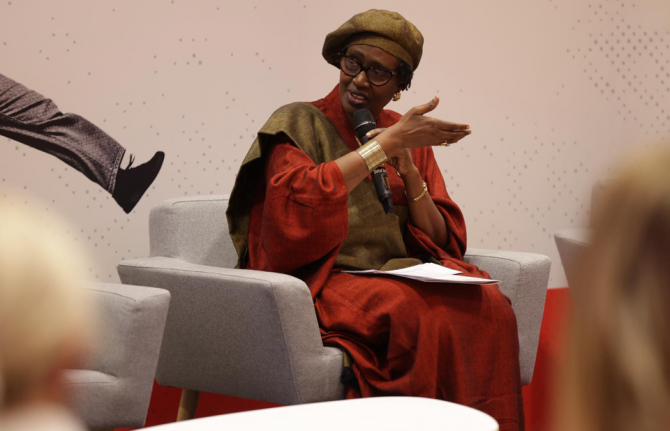
“Our progress is fragile and is now under threat due to the collapse of international assistance and the regression on human rights,” said Winnie Byanyima, UNAIDS Executive Director. In 2025, a historic funding crisis threatened to unravel decades of progress. HIV prevention services were severely disrupted. Community-led services, vital to reaching marginalized populations were also deprioritized while the rise in punitive laws criminalizing same-sex relationships, gender identity, and drug use amplified the crisis, making HIV services inaccessible to many.
Speakers during three separate panels noted that the global AIDS response had suffered severe setbacks and stressed that much more needs to be done to end AIDS as a public health threat by 2030. They focused on the fact that AIDS is not over and given today’s environment, a new transformative approach is needed to mitigate risks and not get derailed completely.
Ways forward mentioned involved finding alternative sources of funding, community leadership and a push for innovation as well as a call for unity.
“What keeps us going is resilience, innovation and community strength but resilience alone cannot sustain the health system,” said Pasquine Ogunsanya, Executive Director of Alive Medical Services, from Uganda.
A sentiment echoed by Peter Sands, The Global Fund Executive Director. “Innovation is the only way to sustain progress while doing it with less money,” he said.
Participants also called on countries and the international community to come together to bridge the loss of resources, support countries in closing the remaining gaps in HIV prevention and treatment services, remove legal and social barriers, and empower communities more.
“Without the support from international organizations, communities, civil society, governments and the private sector, no one actor will be able to deliver on the promise of lenacapavir,” said Tenu Avafia, UNITAID Deputy Executive Director.
Lenacapavir is a twice-yearly HIV-prevention injectable drug shown to reduce the risk of HIV transmission by 99%. The drug's first public rollouts have started in eastern Africa, which has one of the world's highest HIV burden.
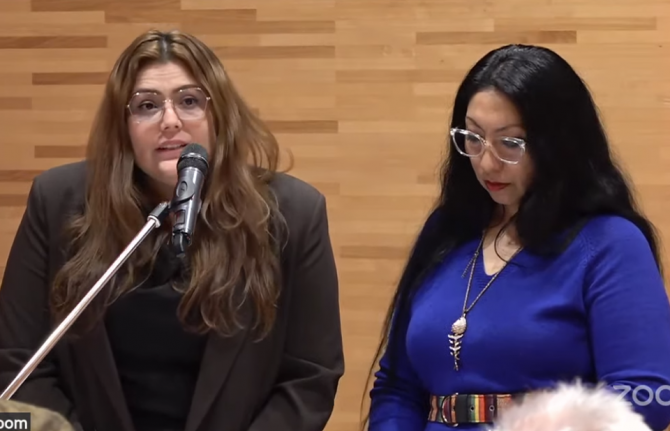
The World AIDS Day joint event also paid tribute to the millions of lives lost to AIDS by lighting a candle and one minute of silence. Keren Dunaway, Programme Officer with ICW and LLAVES, an organization that defends the rights of people living with HIV said, “We recommit to ensuring that everyone living with HIV has access to the treatment they need, to services to prevent new infections, and that we can and will end AIDS together.”
QUOTES:
"As the governments, funders and global leaders continue to debate and decide how global resources should be allocated, let me remind you this: As young people we are not statistics. We are not graphs on a powerpoint presentation. So when you are cutting those budget lines, you are cuting our lives. When you are withdrawing the funding, you are withdrawing us, you are denying us an opportunity to thrive and an opprtunity to survive and achieve our hopes and dreams for the future." Paul Mavesere Ndhlovu, Peer Provider/HIV Advocate, Zvandiri, Zimbabwe.
"We will keep fighting, we will keep the commitment because we are doing it for the people who would otherwise be in the cementary but are here now to celebrate life." Gracia Violeta Ross, HIV Lead, World Council of Churches.
Watch the event
Continued here: