Feature Story
UNAIDS partners in new Clinton Global Initiative to address sexual violence against girls
25 September 2009
25 September 2009 25 September 2009
UNAIDS and cosponsors UNICEF, UNFPA and WHO have joined the Centers for Disease Control and Prevention, UNIFEM and private sector supporters through the Clinton Global Initiative to address the injustices and health impact of sexual violence against girls. The initiative, launched in New York by the partners, will focus on countries where sexual violence is a key initiation point for the spread of HIV and other infectious diseases.
Partners of the initiative will come together to conduct research in seven countries using the methodology piloted in Swaziland in 2007 by UNICEF and the Centers for Disease Control and Prevention (CDC).
In collaboration with World Health Organization, UNICEF and CDC will use the survey results to develop a technical package of policy and social interventions, tailored individually for the countries in southern Africa, Asia and the Pacific regions.
“While it is generally known that sexual violence against girls is a global problem, very limited data exist on the extent of this problem in the developing world. Obtaining valid data is a key step toward mobilizing policy and other positive interventions,” said Dr. Rodney Hammond, Director of the Division of Violence Prevention in CDC’s Injury Center.
“Sexual violence against children is a gross violation of their rights, a moral and ethical outrage and an assault on the world’s conscience,” said Ann M. Veneman, Executive Director of UNICEF. “Sexual abuse can lead to lost childhoods, abandoned education, physical and emotional problems, the spread of HIV, and an often irrevocable loss of dignity and self-esteem.”
“Sexual violence against girls increases their vulnerability to HIV infection and must be stopped,” said Michel Sidibé, UNAIDS, Executive Director. “AIDS responses must include programmes to stop sexual violence as an integral part of HIV prevention and treatment programmes.”
2007 Swaziland survey
In 2007 CDC, UNICEF and several local institutions partnered to implement a national survey on violence against girls and young women in Swaziland. Swaziland has the highest prevalence of HIV among adults globally. The survey showed that approximately one-third of girls had a history of sexual violence.
This survey led to a series of policy and legislative interventions in the country, including establishment of the nation’s first Sexual Offenses Unit for children, and a push for legislation against domestic violence and sexual offences.
According to WHO, in 2002 approximately 150 million girls experienced some form of sexual violence. Research demonstrates that violence occurring early in life affects neurological and cognitive functioning, and triggers multiple negative impacts, including sexual disease transmission, drug and alcohol abuse and psychological distress.
Stopping violence against women and girls
The Centers for Disease Control and Prevention (CDC) and UNICEF are the lead organizations in new this initiative, with partners including the CDC Foundation, the Nduna Foundation, Grupo ABC, WHO, UNAIDS, UNFPA and UNIFEM.
Stopping violence against women and girls is one of the nine priority areas of UNAIDS as described in the UNAIDS Outcome Framework (2009-2011). UNAIDS with its cosponsors will leverage the AIDS response as an opportunity to reduce sexual violence and support the initiative partners’ efforts to develop comprehensive responses to sexual violence and HIV prevention and treatment within and beyond the health sector. UNAIDS will provide funding to support this issue.
Clinton Global Initiative
The Clinton Global Initiative (CGI) has served as the central convening body for bringing together the lead organizations and key partners. CGI venues served as the critical link for engaging new partners and it has also served as the key forum for the steering committee overseeing this effort, and as a mobilizing force for raising public awareness and leadership commitment.
UNAIDS Executive Director Michel Sidibé has been in New York this week for a series of events and meetings.
UNAIDS partners in new Clinton Global Initiative
Cosponsors:
Press centre:
Concerted Action Required to Address the Twin Epidemics of Violence Against Women and AIDS (30 November 2009)
Women on the frontlines of the AIDS response (08 March 2004)
Feature stories:
Highlighting sexual violence on International Women’s Day (05 March 2009)
Challenging violence against women a key task for newly launched Caribbean Coalition on Women, Girls and AIDS (06 march 2009)
External links:
Centres for Disease Control and Prevention
UNIFEM
Clinton Global Initiative
Publications:
Stop violence against women. Fight AIDS (pdf, 126 Kb.)
Violence against Women and Girls in the Era of HIV and AIDS (pdf, 944 Kb.)
Related
Feature Story
Largest ever HIV vaccine trial results very encouraging
24 September 2009
24 September 2009 24 September 2009Geneva, 24 September 2009 – The World Health Organization (WHO) and the Joint United Nations Programme on HIV/AIDS (UNAIDS) are optimistic about the results, announced today, of the largest ever HIV vaccine clinical trial held to date.
The study results, representing a significant scientific advance, are the first demonstration that a vaccine can prevent HIV infection in a general adult population and are of great importance.
The two UN agencies congratulate both the principal investigators, sponsors and the trial volunteers who have made this encouraging result possible.
The RV144 HIV vaccine study results, revealing a 31.2% vaccine efficacy in preventing HIV infections are characterized as modestly protective. However, these results have instilled new hope in the HIV vaccine research field and promise that a safe and highly effective HIV vaccine may become available for populations throughout the world who are most in need of such a vaccine. No vaccine safety issues were observed in the trial.
Much more work, though, has to be done by the principal investigators and a large group of international collaborators to analyse the trial data, understand the protective mechanism, determine the duration of protection, and map next steps. Licensure at this point in time may not be possible solely on the basis of this study's results, and it remains to be seen if the two specific vaccine components in this particular regimen would be applicable to other parts of the world with diverse host genetic backgrounds and different HIV subtypes driving different regional sub-epidemics. Once an HIV vaccine does become available, it will need to be universally accessible by all persons at risk.
In addition, early HIV vaccines with modest levels of efficacy would most likely have to be used as complementary tools in combination with strategies to promote changes in behavioural and social norms, promotion of correct and consistent condom use, access to safe injection equipment, as well as male circumcision.
The Phase III trial, involving 16 395 adult male and female volunteers in Thailand, was a test- of-concept of a novel HIV vaccine regimen with two different candidate vaccines developed by Sanofi-Pasteur and the non-profit organization Global Solutions for Infectious Diseases. The trial was performed by the Thai Ministry of Public Health, sponsored by the United States Army Surgeon General and received funding from the United States National Institute for Allergy and Infectious Diseases and the United States Army Medical Research and Materiel Command, Department of Defense.
WHO and UNAIDS began supportive work for this trial 18 years ago, in 1991, when Thailand was recommended as one of the WHO-sponsored countries in preparation for HIV vaccine trials and the development of the National AIDS Vaccine Plan. In particular, WHO and UNAIDS through their HIV Vaccine Advisory Committee (VAC) provided continuous technical guidance and advice for review, approval and implementation of the RV144 trial protocol. In 2006, VAC performed an external evaluation of the trial examining various ethical and community-related issues: this evaluation showed that the trial was being conducted at the highest scientific and ethical standards and with active community participation.
Moreover, WHO and UNAIDS, in collaboration with partners, such as the Global HIV Vaccine Enterprise have jointly developed numerous policy documents relating to access to care and treatment for trial participants, design and purpose of test of concept HIV vaccine trials as well as scientific parameters.
WHO and UNAIDS will work with the global HIV stakeholder community to further understand and resolve a range of questions related to the potential introduction of an HIV vaccine of moderate protective efficacy. This includes additional, in-depth trials in different populations with diverse host and virus genetic backgrounds.
Until a highly effective HIV vaccine becomes available UNAIDS and WHO underline the importance of effective and proven HIV prevention methods for all people. A comprehensive HIV prevention package includes, but is not limited to, behavioural interventions to reduce sexual risk practices, including correct and consistent male and female condom use, early and effective treatment for sexually transmitted infections, male circumcision in high HIV prevalence settings, harm reduction for injecting drug users, post-exposure prophylaxis with antiretroviral drugs, and interventions to prevent HIV transmission in health care settings.
Largest ever HIV vaccine trial results very encou
Cosponsors:
WHO Initiative for Vaccine Research
Press centre:
Download printable version (pdf, 20 Kb)
Contact:
UNAIDS: Sophie Barton-Knott
Tel. +41 22 791 1697
E-mail: bartonknotts@unaids.org
WHO: Melinda Henry
Tel. +41 22 791 2535
Email: henrym@who.int
External links:
Global HIV Vaccine Enterprise
Global Solutions for Infectious Diseases
Sanofi-Pasteur
Thailand Ministry of Public Health
United States Army Medical Research and Materiel Command
United States National Institute for Allergy and Infectious Diseases
WHO-UNAIDS HIV Vaccine Initiative
Feature Story
Bruni-Sarkozy endorses UNAIDS call to virtually eliminate mother-to-child HIV transmission by 2015
23 September 2009
23 September 2009 23 September 2009
(from left) Nicolas Sarkozy President of France; Carla Bruni-Sarkozy, First Lady of France and Global fund Ambassador for the Protection of Mothers and Children against HIV/AIDS; Executive Director of the Global Fund, Michel Kazatchkine; Michel Sidibé, Executive Director of UNAIDS. Credit: UNAIDS/B. Hamilton
Carla Bruni-Sarkozy echoed UNAIDS call to virtually eliminate mother-to-child HIV transmission by 2015 while addressing the UN Secretary General Ban Ki-moon and leaders at a side event to the opening of the United Nations General Assembly in New York. The President of Burkina Faso Mr Blaise Compaoré and the Prime Minister of Ethiopia Mr Meles Zenawi co-chaired the event.
Isn’t it an immense injustice, that thousands of children still are born with HIV, when treatment exists, when no baby needs to be born with HIV?
Carla Bruni-Sarkozy, First Lady of France and the Global Fund’s Ambassador for the protection of mothers and children against AIDS
“Around the world only a third of women living with HIV receive the necessary treatment to prevent the transmission. Isn’t it an immense injustice, that thousands of children still are born with HIV, when treatment exists, when no baby needs to be born with HIV?” asked the First Lady of France and the Global Fund’s Ambassador for the protection of mothers and children against AIDS. Ms Bruni-Sarkozy called on global leaders to double the number of HIV-positive pregnant women who receive effective antiretroviral treatment within 18 months.
UN Secretary-General Ban Ki-moon called for a more ambitious approach: “We have effective drugs. There is no reason why any mother should die of AIDS. There is no cause for any child to be born with HIV,” he said. “If we work hard enough we can virtually eliminate mother-to-child transmission.”
 (Front row of panel from left): Christina Rodriguez, community member; Carla Bruni-Sarkozy, First Lady of France and the Global Fund’s Ambassador for the protection of mothers and children against AIDS, UN Secretary-General Ban Ki-moon
 Credit: UNAIDS/B. Hamilton
Community member Christina Rodriguez, 17 years-old, from New York called for access to services for young people, and shared a moving personal testimony from Keren Gonzalez, 13 years-old, from Honduras, who could not attend the meeting. Morolake Odetoyinbo from Nigeria highlighted the importance of provinding treatment, care and support for mothers living with HIV so that they can stay alive and take care of their children, and called for urgent leadership to deliver on this life-saving commitment.
Other leaders participated in the event including President Sarkozy of France, President Abdoulaye Wade of Senegal, Prime Minister Balkenende of the Netherlands, as well as First Ladies of several countries.
Countries will work with the Global Fund, UNAIDS and UNICEF support to ensure rapid scale-up of programmes to prevent transmission of HIV from mothers to children. The Global Fund will support the switch from single-dose Nevirapine to more effective dual and triple therapy regimens in the next 18 months. More emphasis and funds will be applied to comprehensive programmes addressing reproductive health and the strengthening of maternal and child health services.
Executive Director Michel Sidibé UNAIDS has made the prevention of mothers from dying and babies from becoming infected with HIV a priority and it is one of the nine priority areas in the UNAIDS Outcome Framework 2009-2011.
Bruni-Sarkozy endorses UNAIDS call to virtually e
Cosponsors:
Partners:
The Global Fund to Fight AIDS, TB and Malaria
Feature stories:
UNAIDS/Millennium Villages Project join forces to keep babies free from HIV in Africa (21 September 2009)
Deputy President of South Africa echoes UNAIDS priorities at international AIDS conference (20 july 2009)
Lesotho: HIV free babies bring hope (16 July 2009)
Press centre:
UNAIDS/Millennium Villages Project join forces to keep babies free from HIV in Africa (21 September 2009)
UNAIDS calls for a virtual elimination of mother to child transmission of HIV by 2015 (21 May 2009)
Statements:
Remarks by UN Secretary-General Ban Ki-moon at "A call to action: Protecting mothers and children against AIDS" United Nations, New York, Wednesday 23 September.
Speech by Carla Bruni-Sarkozy "A call to action: Protecting mothers and children against AIDS". United Nations, New York, Wednesday 23 September.
Statement from Keren Dunaway Gonzalez, 13 years old, Honduras. Read by Christina Rodriguez in New York, 23 September 2009.
Publications:
Joint action for results: UNAIDS outcome framework, 2009 – 2011 (pdf, 432 Kb.)
Feature Story
More needs to be done to help young people most at risk of HIV infection
10 August 2009
10 August 2009 10 August 2009
Credit: UNAIDS/O.O'Hanlon
In general, HIV prevention services in the Asia region are currently not reaching young people who are most at risk of infection, which include those who inject drugs, who engage in unprotected male to male sex and those involved in sex work and their clients. In order to address this situation the Asia Pacific Regional UN Coordination Group on Most at Risk Young People hosted a symposium at the IX International Congress on AIDS in Asia and the Pacific.
According to epidemic models presented in the 2008 AIDS in Asia Commission report, over 95% of all new HIV infections in the Asia region occur among such most at risk young populations. However, over 90% of resources for young people as a group are spent on low-risk youth, who represent less than 5% of infections.
Entitled "HIV prevention and most at risk young people", the event was sponsored jointly by UNFPA, UNICEF, UNESCO, UNAIDS, UNDP, WHO and is supported by 7Sisters, the Coalition of Asia Pacific Regional Networks on HIV/AIDS. It examined, among other issues, how the specific needs of most at risk young people should be addressed, what works and what doesn't and how partnerships between youth, NGOs and government can be strengthened.
The symposium discussed the nexus of unsafe sexual behaviours among most at risk young people where a number of such practices coexist in the same environment. Sex work, drug use and unprotected sex with multiple partners can all occur in the same social network. Therefore, participants looked at an approach which addresses a multiplicity of needs, meshing and coordinating previously implemented programmes and ensuring a youth-friendly approach.
A comprehensive, evidence-informed response, it was argued, requires firm commitment from donors and governments to address the specific needs of most at risk young people, and an examination of the contexts in which these risks occur. The engagement of this group in developing the policies, programmes and processes that directly affect and benefit them is seen as a prerequisite. Young people played an active and central role in this event as the practical aspect of exactly how to get youth involved in decision making was explored.
Specific objectives of the meeting also included promoting awareness among policy makers and programme planners on the urgent need for HIV prevention for most at risk young people and encouraging increased collection, analysis and use of data on this key group to support advocacy efforts and inform budget allocation priorities. Sharing experience of programming in this area, both positive and not so positive, was on the agenda too.
Among those taking part in the event were the UNFPA's Deputy Executive Director (Programme), Purnima Mane. UNESCO’s Jan de Lind van Wijngaarden, and UNICEF’s Margaret Sheehan spoke on behalf of the Asia Pacific Regional UN Coordination Group on Most at Risk Young People. James Chau, member of the AIDS2031 initiative, UNAIDS Goodwill Ambassador and Chinese television presenter facilitated the panel discussion. The panel also involved representatives of the medical profession, NGOs, health ministries and representatives of young people involved in sex work, drug use and male to male sex.
More needs to be done to help young people most a
IX International Congress on AIDS in Asia and the Pacific
Cosponsors:
Partners:
7Sisters, the Coalition of Asia Pacific Regional Networks on HIV/AIDS
Feature stories:
International Harm Reduction conference opens in Bangkok (20 April 2009)
OPINION: HIV and drugs: two epidemics - one combined strategy (20 April 2009)
Swing and Sisters: HIV outreach to sex workers in Thailand (19 March 2009)
Injecting drug use and HIV: Interview with UNAIDS Team Leader, Prevention, Care and Support team (11 march 2009)
OPINION: Silence on harm reduction not an option (11 March 2009)
Spotlight: men who have sex with men and HIV (16 February 2009)
Hidden HIV epidemic amongst MSM in Eastern Europe and Central Asia (26 January 2009)
HIV prevention hampered by homophobia (13 January 2009)
Publications:
UNAIDS Action Framework: Universal Access for Men who have Sex with Men and Transgender People (pdf, 323 Kb.)
Framework for monitoring and evaluating prevention programmes for most-at-risk-populations (pdf, 1.49 Mb.)
Policy Brief: HIV and Sex between men (pdf, 277 Kb.)
Related

Feature Story
UNAIDS Cosponsors out in force for 9th ICAAP
09 August 2009
09 August 2009 09 August 2009
The 10 UNAIDS Cosponsors are presenting a strong showing as thousands of delegates converge in Bali, Indonesia, to share ideas, knowledge, best practices, lessons learned and research findings at the 9th International Congress on AIDS in Asia and the Pacific (ICAAP).
The Cosponsors are an integral part of the UN’s response to the global AIDS epidemic and UNAIDS brings together their efforts and resources.
Echoing the Congress theme, ‘Empowering people - strengthening networks’, the Cosponsors are organising and presenting symposia, skills-building workshops and satellite meetings drawing together a number of participants from a range of disciplines with the aim of helping to build and nurture partnerships to bolster the AIDS response in the region.
A number of events are joint Cosponsor initiatives. For example, the Symposium on ‘HIV prevention and most at risk young people’, taking place on 10 August, is sponsored by UNFPA, UNICEF, UNESCO, UNDP, WHO and UNAIDS. The symposium, hosted by the Asia Pacific Regional UN Coordination Group on Most at Risk Young People, is designed to look at the specific needs of this population which is, in general, not being reached by HIV prevention services. This includes injecting drug users, men who have sex with men and sex workers and their clients. Representatives from these groups will also take part in the panel discussion –one further example of how Cosponsor ICAAP activities are designed to involve key populations.
Other examples of Cosponsor activities include UNDP, ILO and UNAIDS (with the Joint United Nations Initiative on Mobility and HIV/AIDS in South East Asia) collaborating on a joint symposium on 12 August entitled, ‘The Impact of the Financial Crisis on Labour Migration and HIV’ in which they will bring their respective expertise to bear on this pressing international issue. UNHCR, along with UNAIDS, is hosting a satellite session on 12 August called ‘Opportunities and challenges in addressing HIV amongst diverse humanitarian populations’. WFP will use a satellite session on 11 August to explore the vital role of nutrition and food security for people living with HIV and will, along with its partners, look at ‘Models for integrating nutrition and food security into HIV care, support and treatment in the Asia Region: Opportunities and challenges’.
The World Bank is also championing the screening, on 10 August, of the film, Suee (Needle) by Cannes Film Festival award winner, Sai Paranjpye, which deals with the lives of injecting drug users and the anti-AIDS stigma they face. The film emerged from the South Asia Region Development Marketplace, a grant programme spearheaded by the Bank and supported by a range of partners including UNAIDS, UNICEF, UNODC and UNDP.
There is an extremely broad range of other Cosponsor activities taking place over the five days of the Congress and a number of these events will be highlighted on the UNAIDS website as the ICAAP progresses.
UNAIDS and its ten Cosponsors work to provide technical support to countries to assist them in the implementation of their national AIDS plans. A ‘division of labour’ guides the technical support provided to enhance coordination, avoid duplication and provide the best assistance available. Each of the Cosponsor organizations leads in at least one technical area. These organizations are:
Office of the United Nations High Commissioner for Refugees (UNHCR)
United Nations Children's Fund (UNICEF)
United Nations Development Programme (UNDP)
United Nations Population Fund (UNFPA)
United Nations Office on Drugs and Crime (UNODC)
International Labour Organization (ILO)
United Nations Educational, Scientific and Cultural Organization (UNESCO)
Feature Story
HIV Treatment data update – July 2009
23 July 2009
23 July 2009 23 July 2009An estimated 4 million people in low- and middle-income countries were receiving antiretroviral therapy (ART) at the end of 2008, compared to 3 million in 2007 and 400,000 in 2003, according to preliminary data compiled by WHO, UNAIDS and UNICEF. Approximately 285,000 children benefited from paediatric ART programmes in 2008, a 45% increase over the prior year. In sub-Saharah Africa, nearly 3 million people were accessing treatment in 2008, a 38% increase over 2007.
These and other figures—presented at the International AIDS Society conference in Cape Town—are based on an analysis of data collected from 127 low- and middle-income countries. In collaboration with countries, WHO, UNAIDS and UNICEF are still completing the analysis. Final figures on ART access will be published in the September 2009 "Towards Universal Access" progress report, together with an in-depth analysis of a broad range of health sector HIV/AIDS interventions.
Substantial progress has been made in increasing access to treatment in low and middle income countries. Some countries have already achieved their universal access goals for treatment. However in other countries, the rate of scale up is not sufficient to achieve their national targets for 2010.
Some of the factors hindering progress include weak and fragmented health systems that are not sufficiently decentralized, poor integration of health services, poor access to HIV testing and counselling services, pervasive stigma and discrimination. These constraints are further affected by the recent economic crisis. WHO, UNICEF and UNAIDS together with partners and implementers, are working on responses for countries to overcome the obstacles.
"Towards Universal Access" is an annual report that monitors the health sector response to HIV/AIDS. To access the 2008 report, please visit the following link.
HIV Treatment data update – July 2009
Related

Feature Story
Evidence shows new drug combination dramatically reduces mother-to child transmission of HIV during breastfeeding
22 July 2009
22 July 2009 22 July 2009
Credit: WHO
According to a new study led by the World Health Organization (WHO), if HIV-positive pregnant women are given a combination of antiretroviral (ARV) drugs from late in pregnancy until six months into breastfeeding, rather than a short course of drugs that ends at delivery, their babies are over 40% less likely to become infected with HIV.
The initial findings of the study, named Kesho Bora, which means ‘a better future’ in Swahili, were presented at the 5th International AIDS Society Conference on HIV Pathogenesis, Treatment and Prevention taking place in Cape Town, South Africa, 19-22 July. WHO worked in partnership with the French National Agency for Research on AIDS and Viral Hepatitis (ANRS), the US Centers for Disease Control and Prevention (CDC) and Eunice Kennedy Shriver National Institute of Child Health and Human Development (NICHD) of the US National Institutes of Health.
Carried out between June 2005 and August 2008, involving 1,140 women at five sites across Africa (in Burkina Faso, Kenya and South Africa), the purpose of Kesho Bora was to assess whether the risk of passing on HIV during breastfeeding could be reduced.
It shows that a significant reduction in infant infection can be achieved when pregnant women with a CD4 immune cell count of 200-500 cells/ mm3 are given a combination of three ARVs to prevent transmission: starting in their last trimester of pregnancy, continuing through birth and six months of breastfeeding. This was shown to reduce the risk of transmitting HIV to the baby and improved survival compared with babies of mothers with HIV who are given the current WHO-recommended short-course ARV regimen in late pregnancy and around the time of delivery.
The best results in the study were recorded in the group of mothers enrolled with a CD4 count between 200 and 350 cells/mm3. There is no increased risk to the health of the mother or the infant associated with this triple-ARV regimen, consisting of zidovudine, lamivudine and lopinavir/ritonavir. The study did not randomize women with CD4 counts below 200 cells/ mm3 as these women require treatment for their own health. That treatment also substantially reduces the risk of transmitting HIV during breastfeeding.
The issue of breastfeeding is a crucial one for pregnant women living with HIV. In many developing nations they have a tough choice: either breastfeed their babies and risk transmitting the virus through their milk, or give them formula. The latter deprives infants of the natural immunity passed on through breast milk which helps protect against diarrhoea, malnutrition and other potentially deadly diseases. Sanitation can also be an issue, with a scarcity of clean water with which to mix the formula and, in any case, many may not be able to afford to buy it in the first place.
Preventing mothers from dying and babies becoming infected with HIV is one of the nine priority focus areas for UNAIDS and its Cosponsors under the Joint action for results: UNAIDS outcome framework 2009-2011.
Michel Sidibé, UNAIDS Executive Director, has championed this priority and said during a recent visit to Lesotho in Southern Africa, “Strengthened services for maternal health, for reproductive health and for paediatric health will mean we can prevent mothers from dying and babies from becoming infected with HIV in Lesotho and around the world.”
The findings from the Kesho Bora study will now be considered by WHO experts, along with other recent data, and the 2006 WHO recommendations on the use of ARVs in pregnant women and on infant feeding and the prevention of mother-to-child transmission will be reviewed in the context of this new evidence. Updated guidelines are expected to be published before the end of the year.
It is clear that this research increases the range of treatment options available to mothers living with the virus and offers them hope that, if they so wish, they have a greater chance of breastfeeding their babies without passing on HIV.
Additional funds for the Kesho Bora study were provided by the European and Developing Countries Clinical Trials Partnership, the Thrasher Foundation, the UK Department for International Development, UNICEF and the Belgian Government.
Evidence shows new drug combination dramatically
Cosponsors:
Feature stories:
Lesotho: HIV free babies bring hope (16 July 2009)
Better HIV diagnosis in mothers and infants to avoid death from TB vaccine (03 July 2009)
Dispatch from the field: WHO HIV Director tours pioneering treatment clinic in Namibia (01 July 2009)
Early diagnosis and treatment save babies from AIDS-related death (27 may 2009)
External links:
WHO's Department of Reproductive Health and Research — information on the Kesho Bora study
Publications:
Joint Action for Results, UNAIDS Outcome Framework, 2009–2011 (pdf, 396 Kb.)
Antiretroviral Drugs for Treating Pregnant Women and Preventing Infections in Infants: Towards Universal Access. Recommendations for a Public Health Approach (2006 version) (En | Fr)
Conclusions of the WHO expert consultation on new and emerging evidence on the use of antiretroviral drugs for the prevention of mother-to-child transmission of HIV, 17-19 November 2008, Geneva, Switzerland
(pdf, 67.7 Kb.)
Consensus Statement on HIV and Infant Feeding by the Inter-Agency Task Team on Prevention of HIV Infections in Pregnant Women, Mothers and their Infants, October 2006 (En | Fr)
United Nations agencies' HIV and Infant Feeding Framework for Priority Action (En | Fr)

Feature Story
Better HIV diagnosis in mothers and infants to avoid death from TB vaccine
03 July 2009
03 July 2009 03 July 2009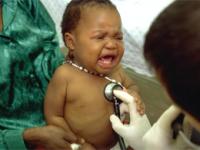
18 month old baby in Baragwanath Hospital, Soweto, South Africa
Credit: UNAIDS/L. Gubb
Bacille Calmette-Guérin, or BCG, is one of the most widely given vaccines globally and is safe in people with healthy immune systems. WHO recently published further research on the finding that this standard tuberculosis vaccine has a higher risk of causing death in babies living with HIV.
Given the severity of these risks, WHO recommends not vaccinating babies with HIV and delaying vaccination for those whose HIV status is unknown but who have signs or symptoms consistent with HIV infection.
This recommendation came in 2007 and poses several challenges to weak health systems around the world.
This paper gives better information on the risk of generalized BCG infection in HIV infected children and strongly reinforces the need to find better ways to prevent TB in infants (who are most at risk of dying from TB) and for diagnosing HIV in infants.
Dr Alasdair Reid, UNAIDS TB Adviser
It underscores the need for more widespread testing of HIV in babies and pregnant mothers. Clinical symptoms of HIV infection typically occur after 3 months of age but in some countries babies are routinely vaccinated with BCG at birth.
UNAIDS calls for scaling up access to and use of quality services for the prevention of mother-to-child transmission as well as integrated delivery of services for HIV and tuberculosis.
“A selective BCG vaccination policy in HIV-exposed infants will require high uptake of maternal HIV testing, strengthened prevention of mother-to-child transmission services, and better integration of TB and HIV programmes,” said Dr Catherine Hankins, UNAIDS Chief Scientific Adviser in HIV this Week scientific blog.
The results of a three-year study in South Africa were published in the July edition of the journal Bulletin of the WHO. They confirm earlier research which led WHO in 2007 to change BCG vaccination policy for babies. The WHO Global Advisory Committee on Vaccine Safety and the Strategic Advisory Group of Experts TB and HIV experts then published Revised BCG vaccination guidelines for infants at risk for HIV infection.
“This paper gives better information on the risk of generalized BCG infection in HIV infected children and strongly reinforces the need to find better ways to prevent TB in infants (who are most at risk of dying from TB) and for diagnosing HIV in infants,” said Dr Alasdair Reid, UNAIDS TB Adviser.
Four scenarios, outlined by WHO, that affect the balance of risks and benefits of BCG vaccination in settings with high burdens of tuberculosis and HIV infection
1. Infants born to women of unknown HIV status
The benefits of BCG vaccination outweigh the risks, and infants should be vaccinated.
2. Infants whose HIV infection status is unknown and who demonstrate no sign or symptom of HIV infection, but who are born to women known to be HIV-infected
The benefits of BCG vaccination usually outweigh the risks, and infants should receive the vaccine after consideration of local factors.
3. Infants who are known to be HIV-infected, with or without signs or symptoms of HIV infection
The risks of BCG vaccination outweigh the benefits and infants should not receive the vaccine, but they should receive other routine vaccines.
4. Infants with unknown HIV infection status but who have signs or symptoms of HIV infection and were born to HIV-infected mothers
The risks of BCG vaccination usually outweigh the benefits, and children should not be vaccinated during the first few weeks of life, since clinical symptoms of HIV infection typically occur after 3 months of age. However, the vaccine can be given if HIV infection is ruled out by early virological testing.
See Revised BCG vaccination guidelines for infants at risk for HIV infection, 2007.
Better HIV diagnosis in mothers and infants to av
Cosponsors:
Publications:
Revised BCG vaccination guidelines for infants at risk for HIV infection. Wkly Epidemiol Rec 2007; 82: 193-6 pmid: 17526121
Disseminated bacille Calmette–Guérin disease in HIV-infected South African infants. Bulletin of the World Health Organization (BLT) Volume 87, Number 7, July 2009, 485-564
Feature Story
Dispatch from the field: WHO HIV Director tours pioneering treatment clinic in Namibia
01 July 2009
01 July 2009 01 July 2009This story first appeared at www.who.int
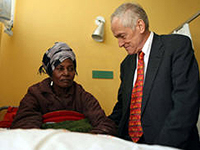
Dr Kevin De Cock meets Francina, who is experiencing a number of medical complications, at Katutura State Hospital. WHO and partners are developing Namibia's first national HIV drug resistance assessment and Katutura has been chosen as a pilot site.
Credit: WHO/James Oatway 2009
On his last mission as Director of the WHO HIV/AIDS Department, Dr Kevin De Cock visited the Katutura State Hospital in Windhoek, Namibia, where he praised efforts by national authorities and health-care providers to expand antiretroviral treatment (ART) to those in need. “Here’s a very large public hospital which five or six years ago, undoubtedly, would have been filled with patients with advanced HIV disease,” said Dr De Cock, who travelled to Windhoek earlier this month for the 2009 HIV/AIDS Implementers’ Meeting. “There would have been no empty beds, and we would have seen a lot of extremely wasted patients,” he said.
Thanks to ART scale-up, most of those seeking HIV treatment at the Katutura facility are now managed as outpatients. Further, the majority of HIV-positive in-patients looked well, noted Dr De Cock, as he toured the hospital wards, showing the “benefits of timely access to antiretroviral therapy.”
Namibia has one of the highest HIV prevalence rates in the world, with an estimated 15.3% of the adult population affected. At the end of 2007, some 52,000 people in Namibia were receiving ART, according to the latest available figures.
The ART programme at Katutura Hospital was launched in 2003 at the dawn of the “3 by 5 initiative,” a global effort spearheaded by WHO and partners that sought to put three million people on ART by the year 2005. Though that target was only reached in 2007, “3 by 5” is widely credited with galvanizing the unprecedented expansion of ART in low-and middle-income countries.
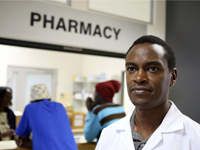
About 5000 HIV-positive adults and 1100 children are now receiving ART on a regular basis at the clinic. An additional 80 to 120 patients are newly enrolled each month. Many patients learn their HIV status at free HIV testing sites in the Katutura vicinity.
Credit: WHO/James Oatway 2009
“When we first started in 2003, there were no doctors who were trained in ART management,” said Dr Refanus Kooper, a Namibian physician who heads the hospital’s ART clinic. “We began training doctors using WHO guidelines, then standardizing and adapting them to our country settings.”
About 5000 HIV-positive adults and 1100 children are now receiving regular ART at the clinic, and an additional 80 to 120 patients are newly enrolled each month. Many patients learn their HIV status at free HIV testing sites in the Katutura vicinity.
While the majority of patients at Katutura Hospital are responding well to ART, some have experienced adverse reactions. Dr De Cock met one such patient on his visit to the clinic, a 55-year old mother of ten children who was suffering from several medical complications, including extrapulmonary tuberculosis and liver damage. Doctors said the complications were likely attributable to nevirapine, an antiretroviral drug. The patient’s condition illustrates another side of treatment scale-up, said Dr De Cock: “ART is simple, but isn’t always that simple.”
The extent of HIV drug resistance in resource-limited countries has not been systematically assessed. Together with national health authorities and partners, WHO is developing Namibia's first HIV drug resistance assessment, based on the WHO 2008 global strategy. Katutura Hospital has been chosen as a pilot site for this initiative.
Dispatch from the field: WHO HIV Director tours p
Cosponsors:
Feature stories:
2009 HIV/AIDS Implementers' Meeting (10 June 2009)
Early diagnosis and treatment save babies from AIDS-related death (27 May 2009)
Multimedia:
Photo Essay : Katutura State Hospital, Windhoek, Namibia
Audio clips: Dr Kevin De Cock
Leticia's condition and provider-initiated testing and counseling. (MP3)
"ART is simple, but it isn't always that simple". (MP3)
The relevance of WHO's work. (MP3)
Related
Feature Story
Cartoons to help stop tuberculosis
12 June 2009
12 June 2009 12 June 2009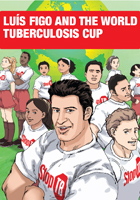
The comic book Luis Figo and the World Tuberculosis Cup seeks to teach children and teens about tuberculosis, its relationship with HIV, and how to prevent it.
International football icon and Stop TB Ambassador Luis Figo is the main character of an educational comic book that provides key information on tuberculosis (TB). Luis Figo and the World Tuberculosis Cup was produced by the Stop TB Partnership, an international health partnership whose secretariat is housed by the World Health Organization (WHO) in Geneva, with support from UNAIDS.
The comic book features Figo as the captain of a team of teen-aged girls and boys. Together they win a football match against a squad of tuberculosis germs. The comic book seeks to teach children and teens about tuberculosis, its relationship with HIV, and how to prevent it.
Tuberculosis is a killer, and I want all of you to stay safe from it. I am passing the ball to you -- you can help reach the goal of stopping tuberculosis.
International football icon and Stop TB Ambassador Luis Figo
In a statement released on the occasion of the launch Figo urged young people everywhere to take the comic book's messages seriously. "Tuberculosis is a killer, and I want all of you to stay safe from it. I am passing the ball to you -- you can help reach the goal of stopping tuberculosis," he said.
The book is available in Arabic, Chinese, English, French, Khmer, Kiswaili, Hindi, Portuguese, Russian, and Spanish and is being distributed in several countries in collaboration with local partners. An estimated number of 70 000 comic books have been so far distributed through country-based events. The comic book is also available for download at www.stoptb.org/figo
An international competition for comic artists to design the educational book was launched in 2008. A jury of cartoon experts from worldwide organizations together with representatives from UN organizations selected the winning proposal which was presented in Lisbon on 24 July 2008.
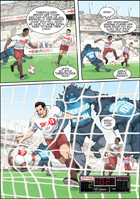
HIV and TB are so closely connected that they are often referred to as co-epidemics or dual epidemics.
The comic book has now become an animated cartoon that will be launched in Geneva on 13 June during the All Stars '09, a charity match organized by the Luis Figo Foundation. The animated cartoon version of Luìs Figo and the World Tuberculosis Cup will be shown in its French-language version at the gala match. It will soon also be available in Arabic, English, Portuguese, Russian and Spanish and broadcast widely around the world.
The fundraising game will take place at the Stade de Genève and will also feature current and former soccer stars and trainers including Mourinho, Chistian Chivu, Ronaldinho, Clarence Seedorf, Fabio Capello, Giovanni Trapattoni and Giga Popescu.
Tuberculosis and HIV
TB is the leading causes of death among people living with HIV, and accounts for an estimated 23% of AIDS deaths worldwide. HIV and TB are so closely connected that they are often referred to as co-epidemics or dual epidemics. The epidemics drive and reinforce one another: HIV activates dormant TB in a person, who then becomes infectious and able to spread the TB bacillus to others.
Untreated, someone with active tuberculosis will infect an estimated 10 to 15 people per year. The Stop TB Strategy is the internationally recommended standard for preventing, diagnosing and treating TB and includes recommendations for managing TB in people living with HIV.
Recently a new TB strain, extensively drug resistant TB (XDR TB), has emerged, which is particularly dangerous for people living with HIV in whom it is frequently fatal. Preventing the development and spread of drug resistant TB through greater investment in TB services, improved community case finding and adherence support, and more effective infection control are essential.
UNAIDS, the Stop TB Partnership and the World Health Organization (WHO) are together encouraging a concerted, coordinated global effort to control TB in people living with HIV. In addition, the Stop TB Partnership has formed the TB/HIV Working Group, which develops global policy on the control of HIV-related TB and advises on how those fighting against TB and HIV can work together.
These partnerships have led to the creation of policies and guidelines to deal with HIV-related TB, and countries and organizations have taken important steps towards integrating their HIV and TB responses.
Cartoons to help stop tuberculosis
Cosponsors:
Partners:
Multimedia:
Luis Figo and the World Tuberculosis Cup (animated version) (fr)
Collaboration between TB and HIV services helps save lives (24 March 2009)
Feature stories:
Need for scale up in integrated TB and HIV screening to address linked epidemics (24 March 2009)
ICASA 2008: Collaborative TB and HIV activities essential (03 December 2008)
Publications:
Luis Figo and the World Tuberculosis Cup (pdf, 45,29 Mb)