
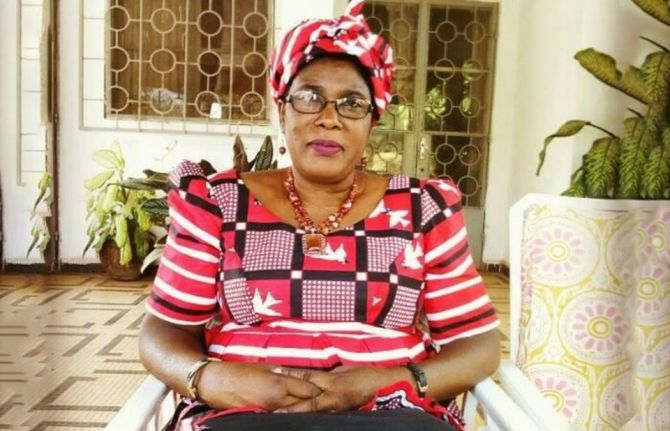
Martine Somda, an activist committed to the fight against HIV in Burkina Faso, continues her fight to defend the rights of people living with HIV

A beacon of hope in Guatemala
UNAIDS responds to Viiv’s announcement on the licensing of long-acting Cabotegravir
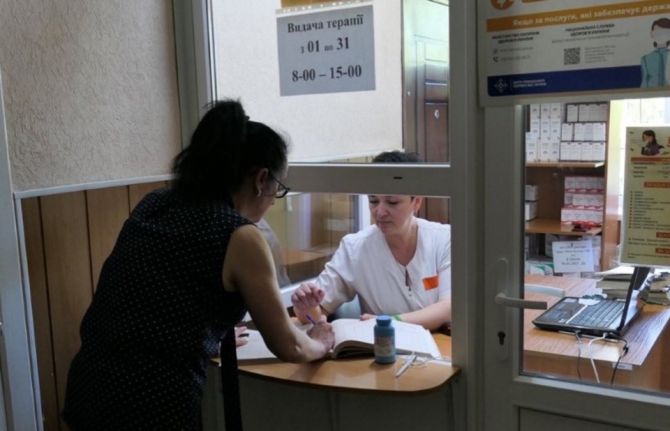
Kryvyi Rih AIDS centre continues to provide HIV services despite the war in Ukraine

Helping Ukrainian refugees with HIV treatment and support in Berlin
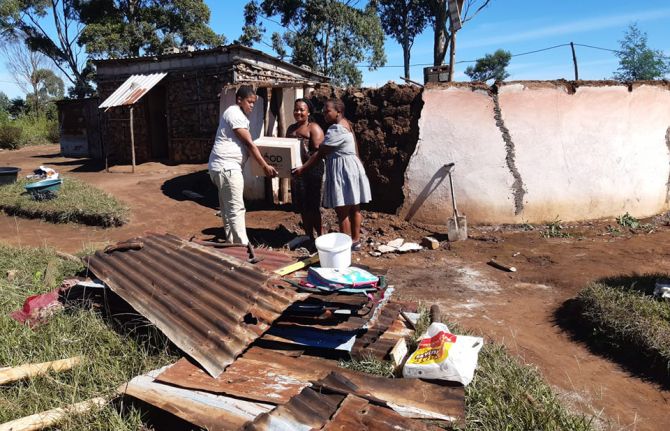
Supporting HIV services for flood survivors in KwaZulu-Natal
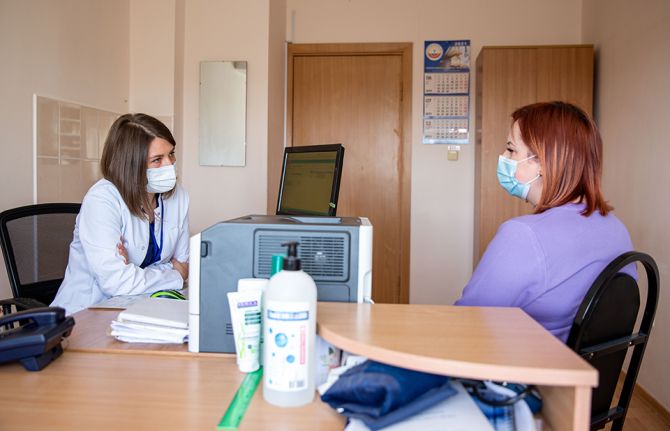
Urgently needed HIV services are supporting Ukrainian refugees in the Republic of Moldova
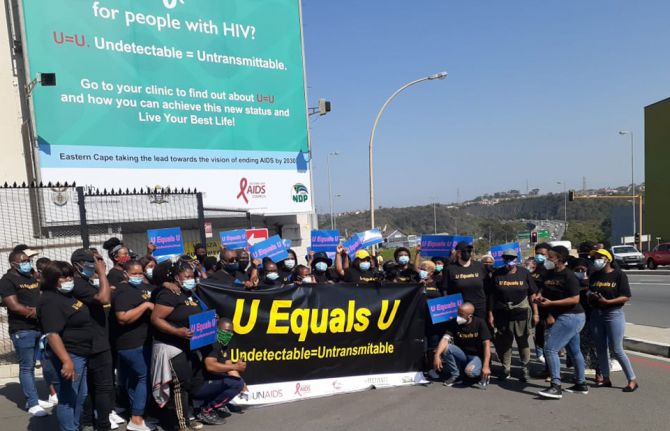
Eastern Cape becomes the first South Africa province to campaign on U = U

“My life’s mission is to end stigma and discrimination, and that starts with U = U”: a story of HIV activism in Thailand
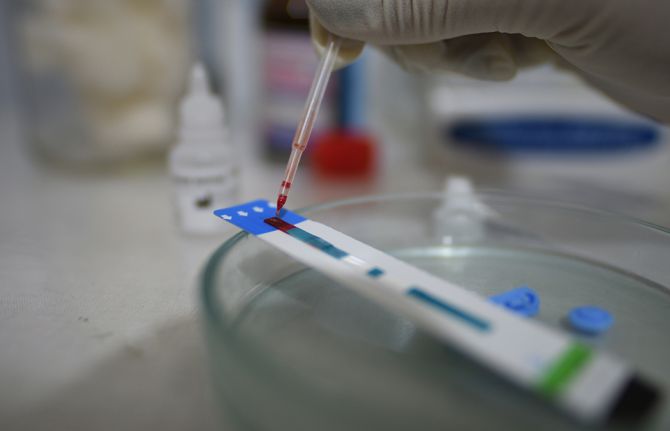
Identification of fast-spreading HIV variant provides evidence of urgency to halt the pandemic and reach all with testing and treatment
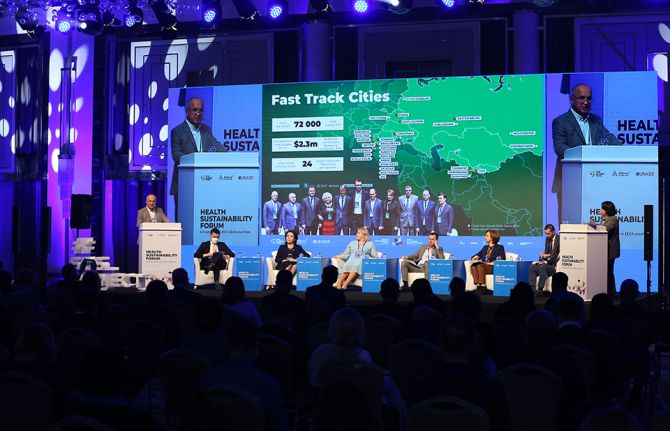
The importance of engagement of community organizations to ensure the sustainability of HIV services in eastern Europe and central Asia
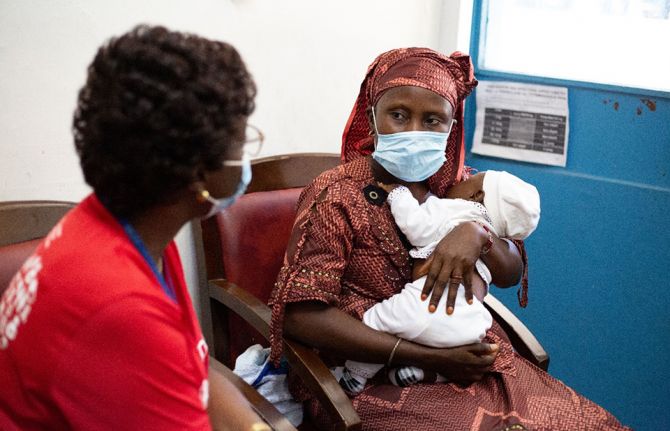
One hundred and fifty thousand preventable new HIV infections among children in 2020
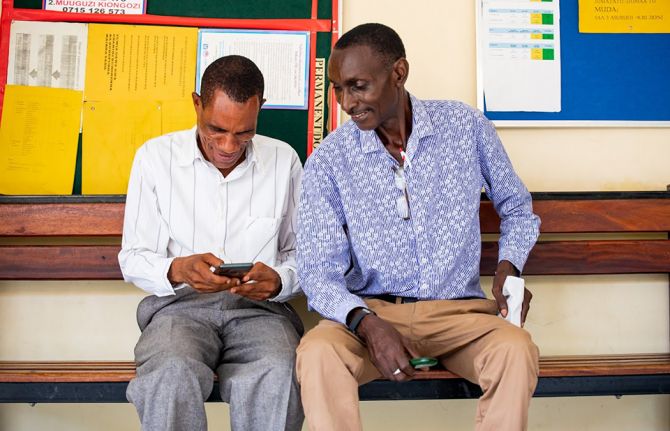
Missing men living with HIV
The need for wider implementation of people-centred differentiated service delivery for HIV testing and treatment in Africa
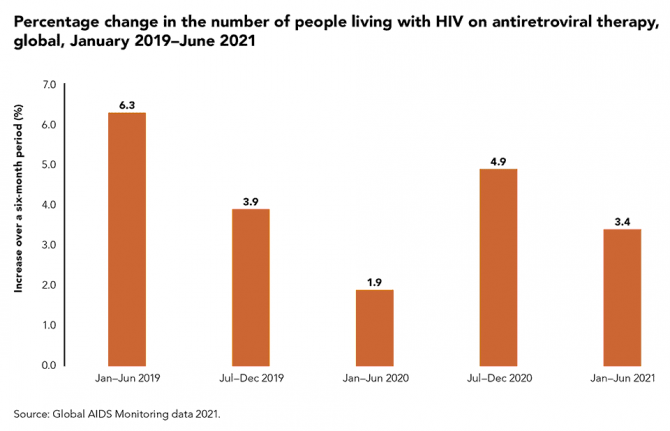
COVID-19 hit treatment take-up, but 28.2 million people living with HIV now on treatment
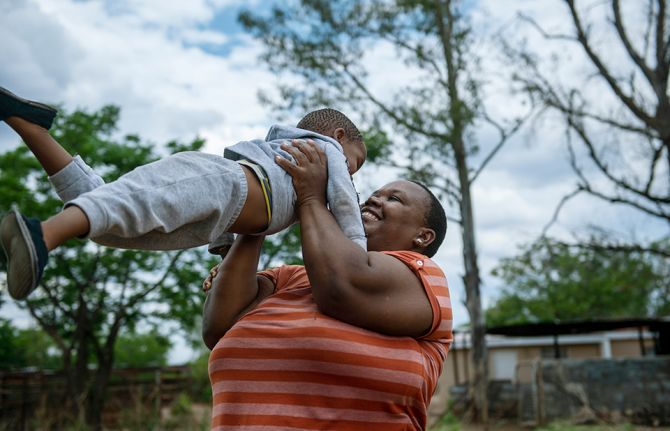
Botswana is first country with severe HIV epidemic to reach key milestone in the elimination of mother-to-child HIV transmission
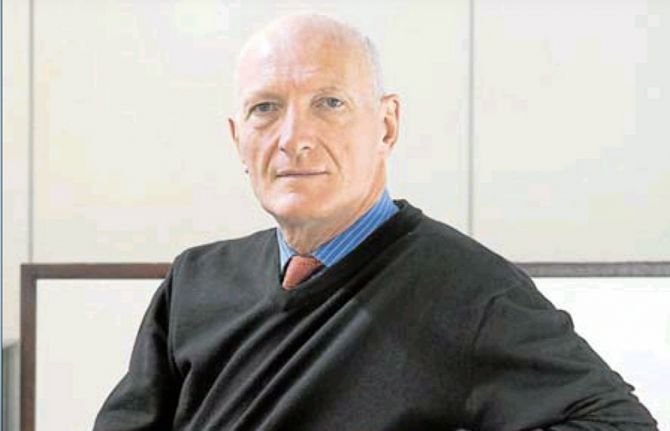
Forty years of AIDS: Equality remains central to quelling a still-potent epidemic

UNAIDS warns of millions of AIDS-related deaths and continued devastation from pandemics if leaders don’t address inequalities
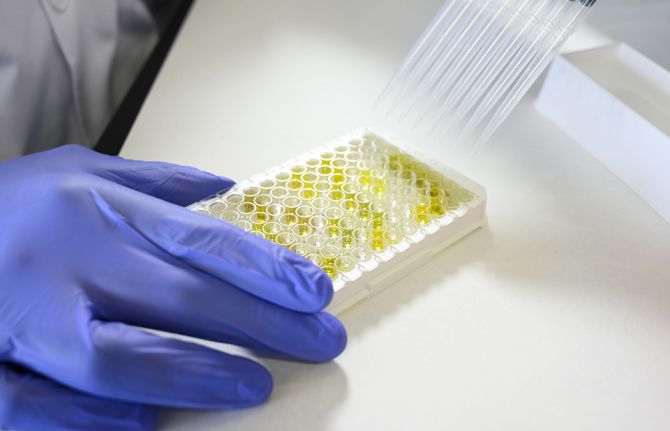
UNAIDS welcomes the first WHO COVID-19 Technology Access Pool licensing agreement
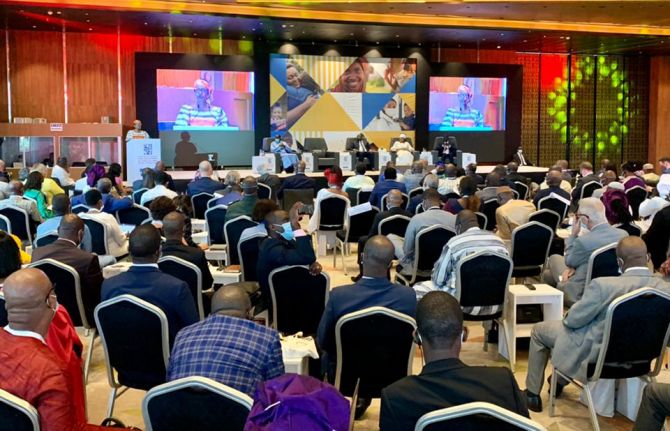
Summit concludes with a call for action to reinvent the response to the HIV pandemic and end AIDS in Western and Central Africa
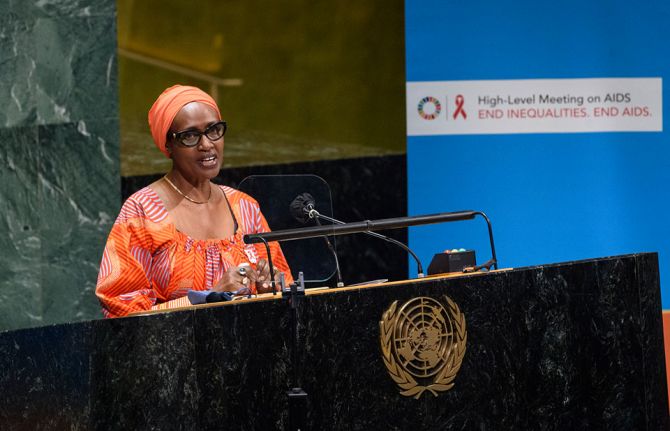
How to end the AIDS epidemic in western and central Africa
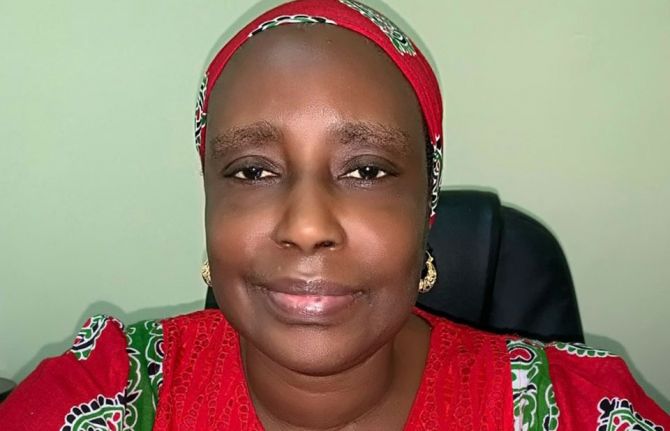
Five questions about the HIV response in the Gambia
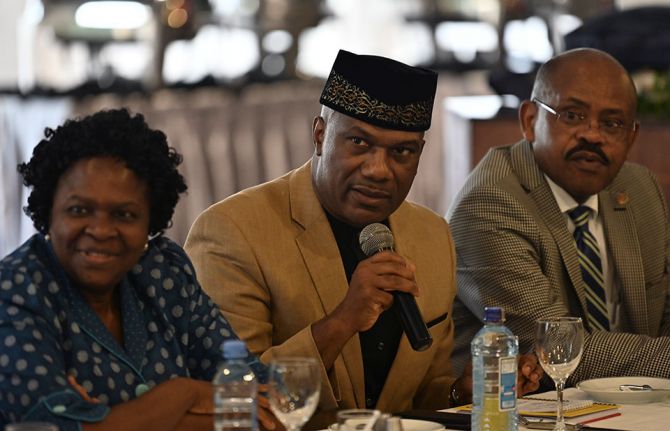
Five questions about the HIV response in Nigeria
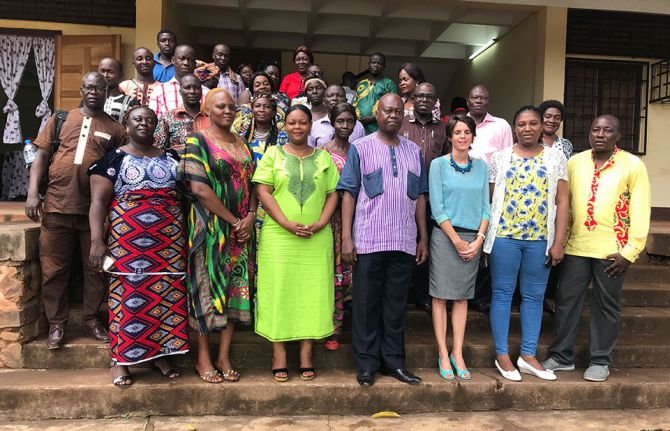
Adapting to keep people living with HIV taking their treatment in the Central African Republic
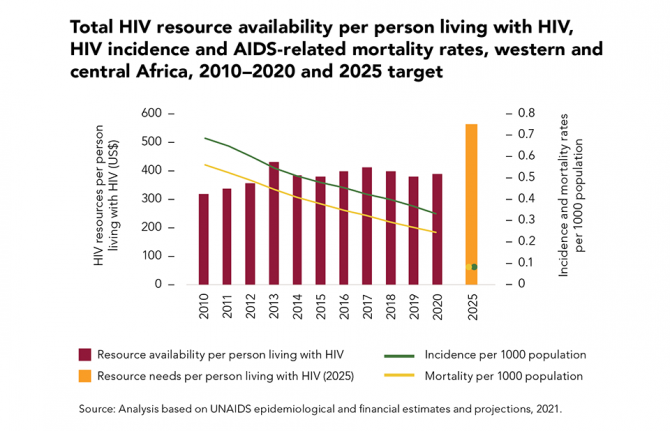
Financial shortfalls hold back the HIV response in western and central Africa
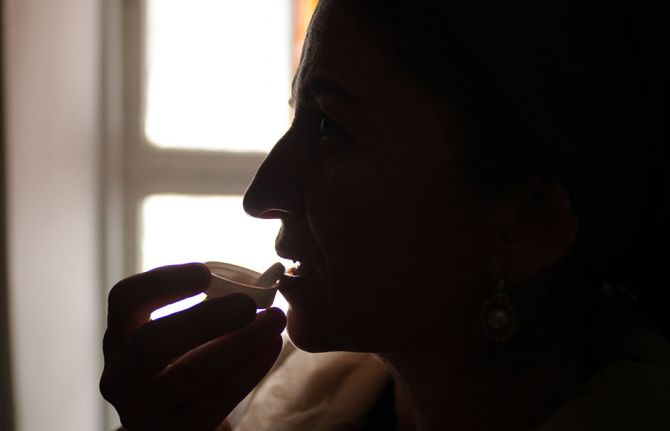
Upper-middle-income countries pay more for HIV medicines, but price reductions can be achieved
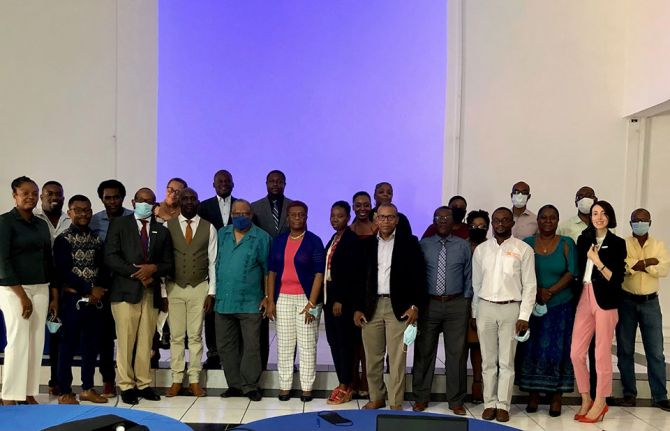
Helping Haiti build a sustainable HIV response
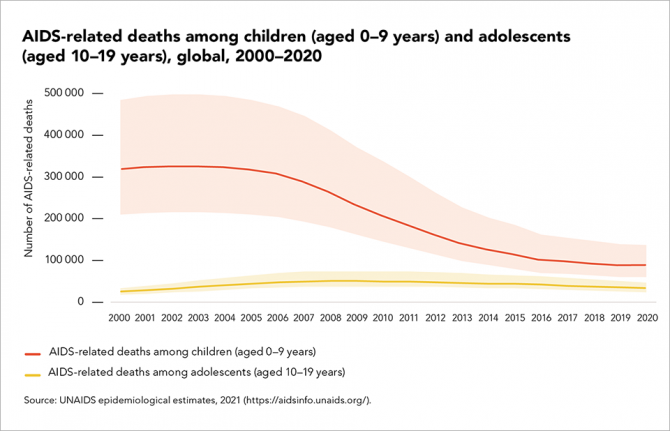
Slow progress on AIDS-related deaths among adolescents
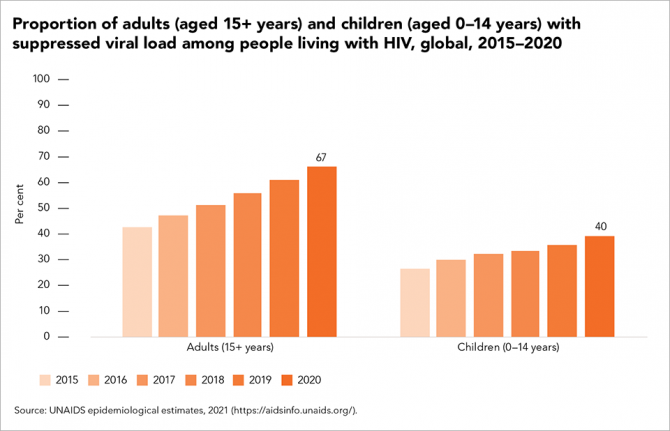
Children being left behind
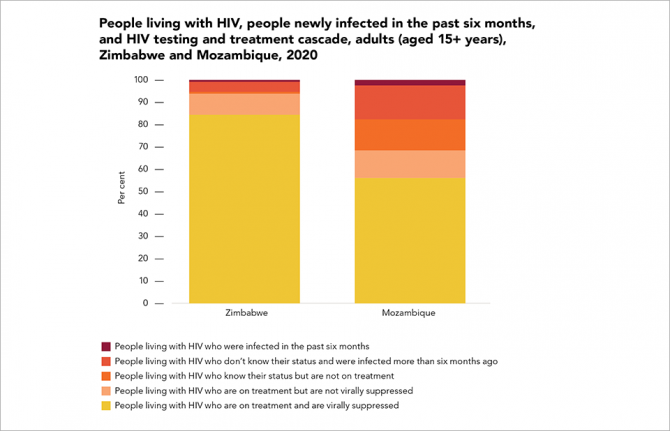
Inequalities at the heart of uneven progress in the AIDS response
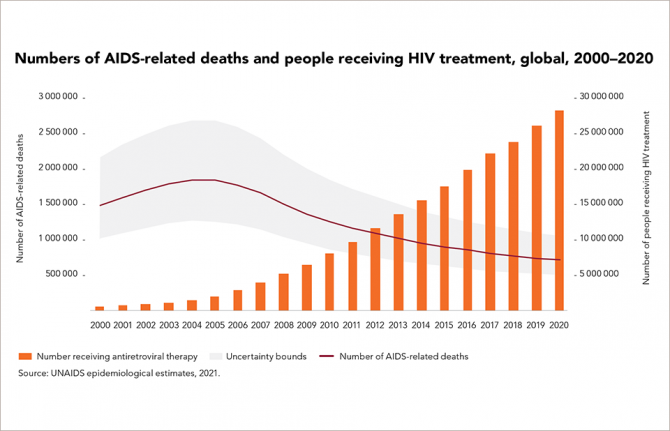
Global roll-out of HIV treatment has saved millions of lives
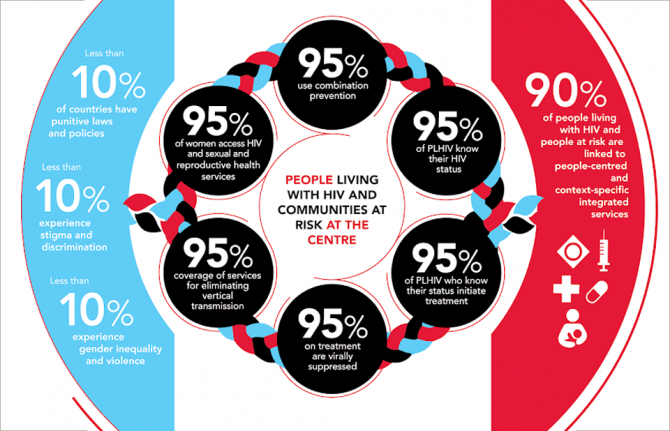
2025 AIDS targets: the next generation of goals for the global AIDS response
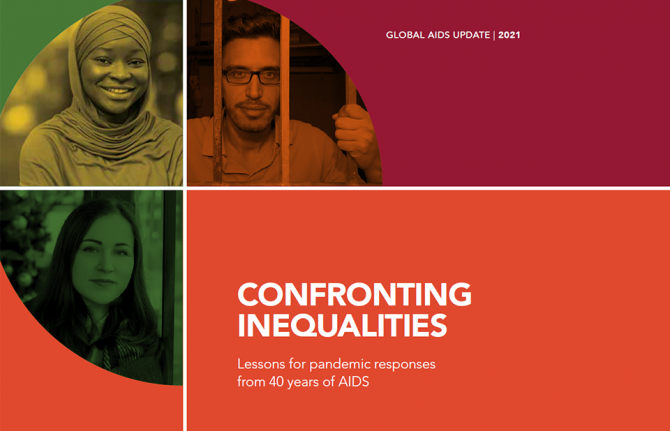
UNAIDS report shows that people living with HIV face a double jeopardy, HIV and COVID-19, while key populations and children continue to be left behind in access to HIV services
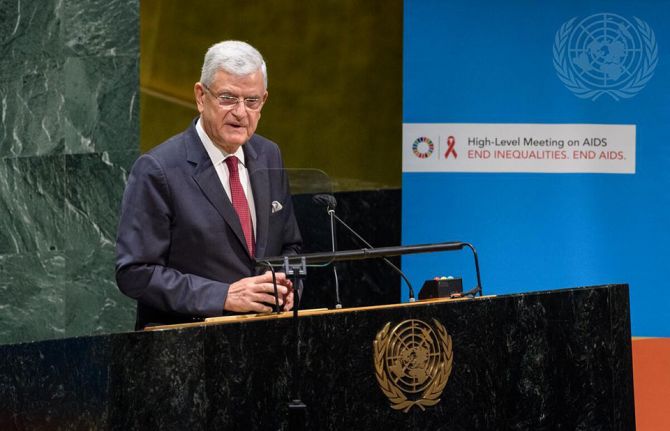
New global pledge to end all inequalities faced by communities and people affected by HIV towards ending AIDS
Forty years on and new UNAIDS report gives evidence that we can end AIDS
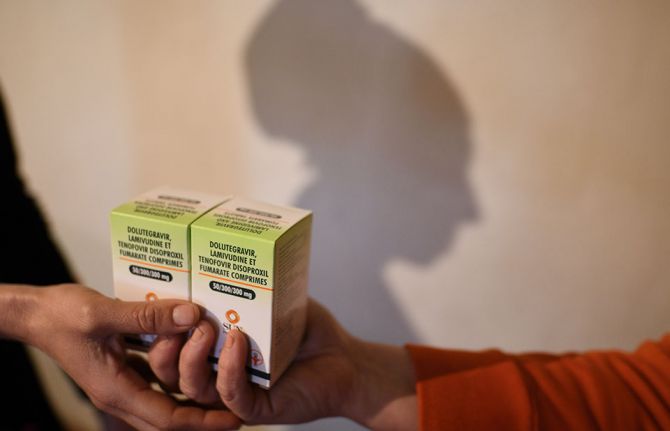
Big drops in the cost of antiretroviral medicines, but COVID-19 threatens further reductions
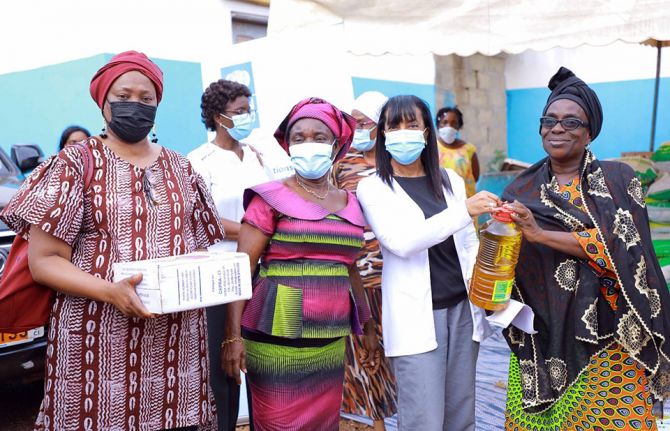
Joint mission supports the response to HIV in Gboklè/Nawa/San Pedro, Côte d'Ivoire
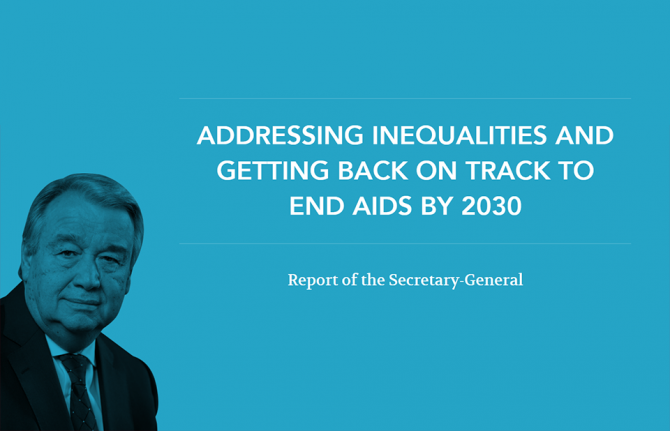
United Nations Secretary-General calls for a greater focus on ending inequalities to end AIDS

Less than 60% of pregnant women living with HIV in western and central Africa have access to services to stop vertical transmission of HIV
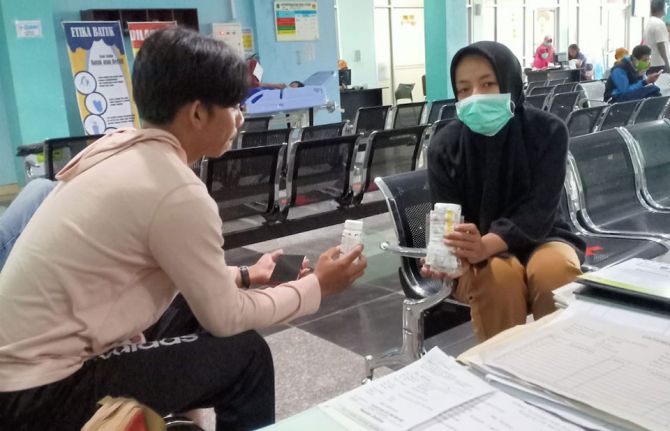
Benefits of continuing to provide life-saving HIV services outweigh the risk of COVID-19 transmission by 100 to 1
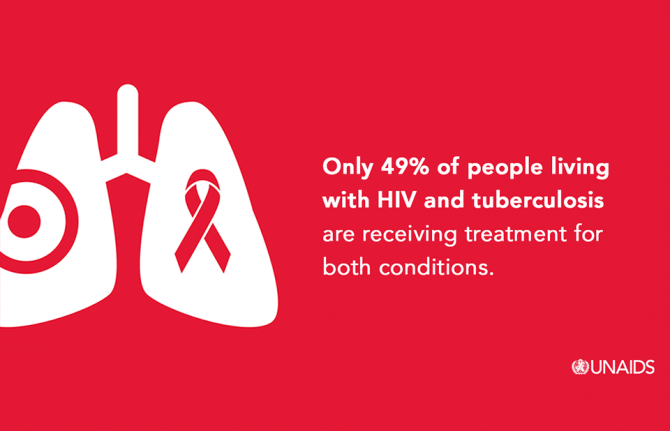
Tuberculosis deaths among people living with HIV are declining globally, but worrying gaps in TB care persist
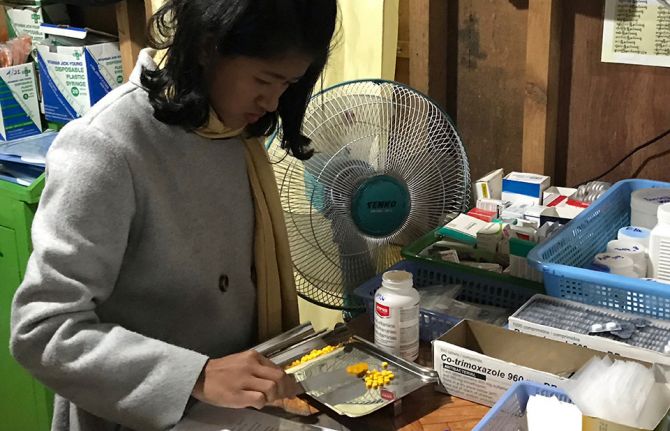
UNAIDS warns that violence in Myanmar is impeding access to services for people living with and affected by HIV
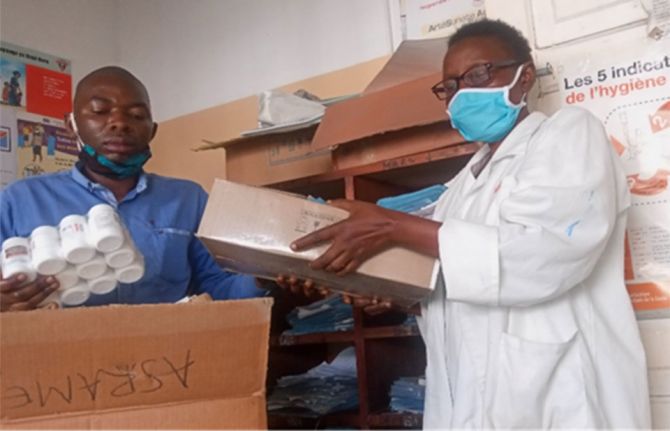
Monitoring HIV/TB services in the Democratic Republic of the Congo

Stranded in Nepal without HIV medicine
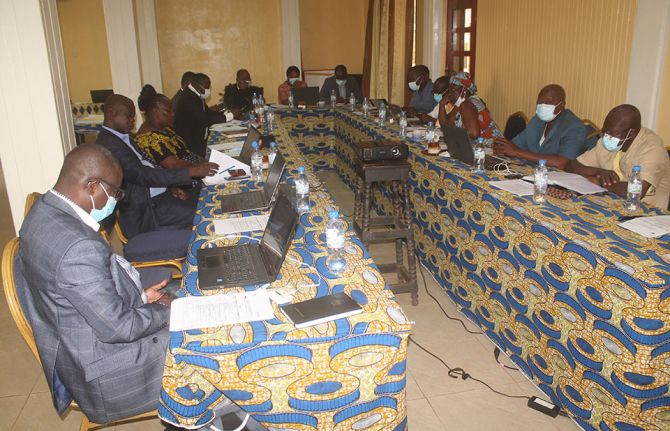
Accelerating and expanding HIV services in the Central African Republic
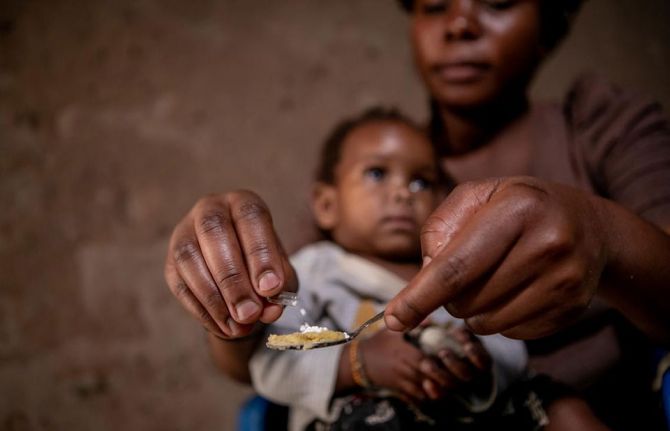
Children living with HIV lagging behind adults in access to treatment
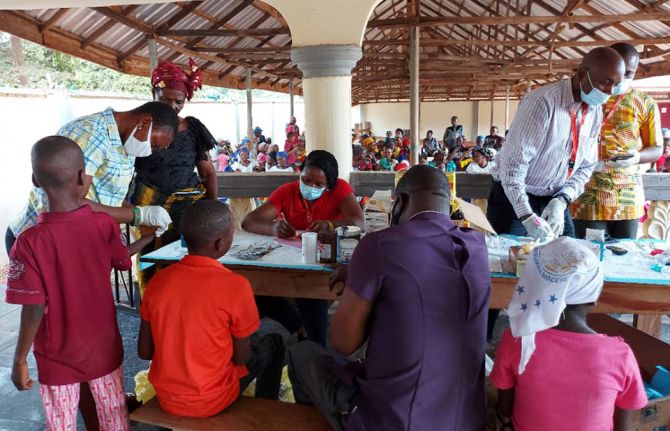
Putting people at the centre brings good results in Nigeria
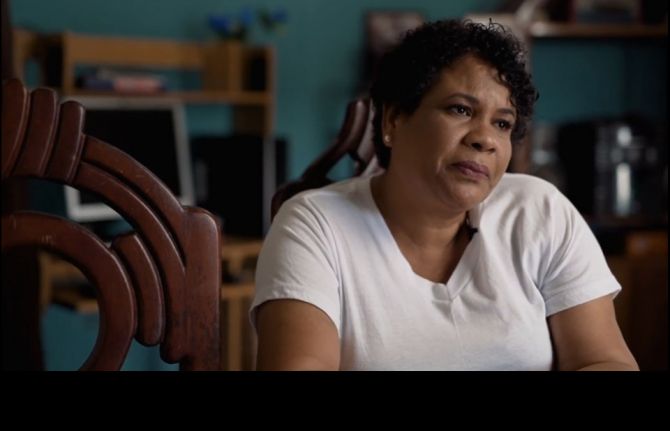
From HIV survivor to COVID-19 responder
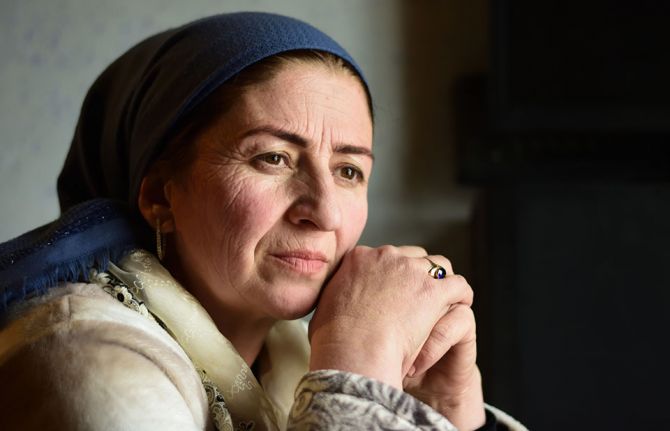
“We must move forward, only forward”
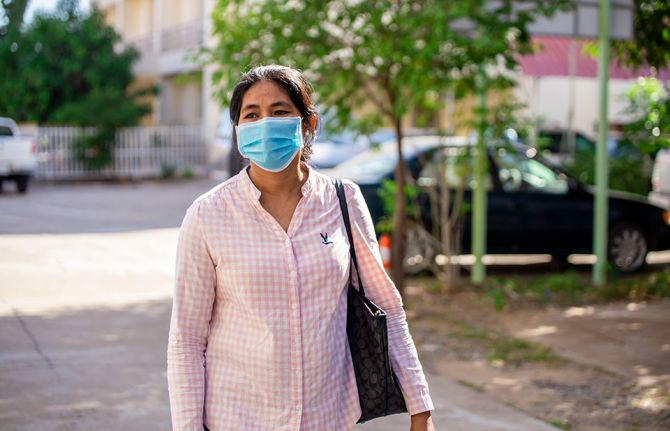
COVID-19 spurs on multimonth dispensing of HIV treatment in Cambodia