Feature Story
Mentor mothers in Nigeria help women living with HIV protect their babies, often at their own cost
26 November 2026
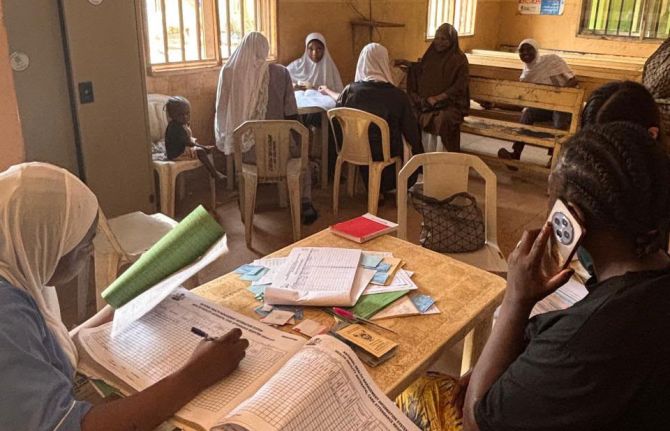
26 November 2026 26 November 2026On the last Saturday of every month, pregnant women living with HIV gather at a community clinic in Gwagwalada, about 40 kilometers from Abuja, Nigeria's capital. They come for the latest information on HIV treatment and prevention. They also come for each other.
Abdullahi learned she was living with HIV in February 2023, during a premarital health check. The news was a shock. With support from her husband, health workers and mentor mothers, she stayed on treatment. Now she comes to the community clinic with her nine-month-old daughter.
"We learn from each other," she said. "The mentor mothers remind us that being HIV-positive does not mean the end of our lives. We still have a future ahead of us, and we are capable of achieving our goals."
Mentor mothers are women living with HIV who have been through pregnancy and childbirth themselves. They help other women start treatment, stay on it and protect their babies.
Without treatment, the risk of a mother passing HIV to her baby during pregnancy, birth or breastfeeding is between 15% and 45%. With effective treatment that keeps the virus suppressed, it falls below 1%. In Nigeria, the gap is wide. In 2025, more than 45 000 pregnant women living with HIV needed services to prevent transmission, but only an estimated 61% were on treatment. The estimated transmission rate, including during breastfeeding, was 20.4%.
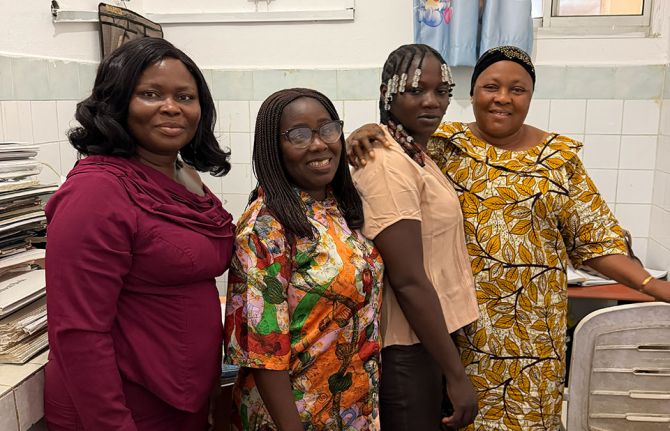
Princess Alex, a mentor mother at a primary health-care facility in Mararaba, Nasarawa State, remembers her own diagnosis in 2009. "I was shocked. I knew very little about HIV, and I was frightened about what it would mean for my child," she said.
There was no mentor mother to guide her then. A nurse helped her stay in care. Her first child tested HIV-negative, and so did the three who followed. She began volunteering, visiting women at home, before training formally as a mentor mother.
Today she counsels women at antenatal visits and helps them face their fears about telling their partners. After the birth, she calls, visits and reminds mothers to bring their babies for HIV testing. When it helps, she shares her own status.
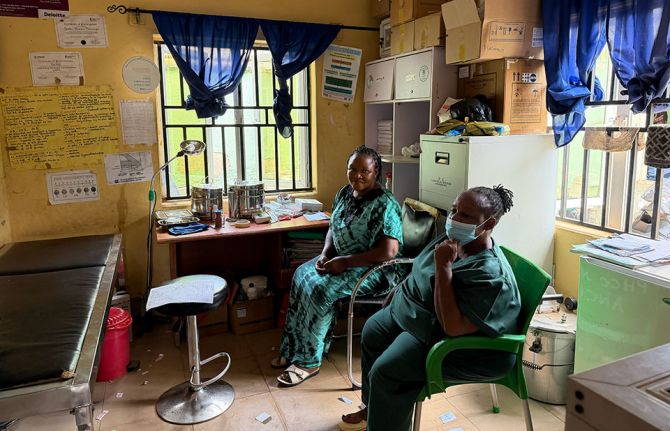
The medicines are free. Getting to them is not. Victoria, a mentor mother at Asokoro District Hospital in Abuja, says transport is one of the biggest obstacles. The day she was interviewed, she spent about 7000 naira (around US$ 6) getting to and from the hospital. For a mentor mother earning 107 000 naira (around US$ 79) a month, that is about 6.5% of her pay.
Mentor mothers help by linking women to medicine pick-up points closer to home, and sometimes by collecting and delivering medicines themselves. Often, they cover the costs. Princess pays for some transport and phone calls herself and has helped women who could not afford travel or medical care for their children.
Stigma keeps others away. Some women cannot tell their husbands or families about their status, so they take their medicines in secret and struggle to take them regularly. Khadijat, a mentor mother at Gwagwalada Township Clinic, has seen where that leads. "Two or three doses missed, they lose their motivation to take their ARVs regularly and sometimes they just stop taking the medication."
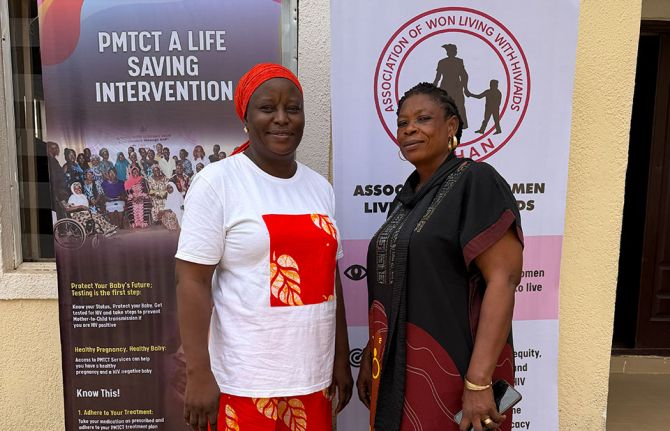
Esther, who has led the Association of Women Living with HIV/AIDS in Nigeria for four years, says mentor mothers need more support. Many are on short-term contracts with little job security. Their roles and workloads vary from one facility to another. They also support women facing gender-based violence and discrimination. Esther says they need regular training and mental health support for themselves.
Krittayawan Boonto, UNAIDS Country Director for Nigeria, is calling for the programme to be part of the public health minimum package of services.
"Mentor mothers are at the frontlines and provide vital, life-changing peer support to pregnant women and their families," she said. "As governments take charge of funding, management and implementation of the HIV response, the Nigerian mentor mother programme that started in 2017 is a cost-effective intervention that can be expanded and integrated into the national Community Health Workforce Initiative."
Abdullahi now wants to do this work too. As a Muslim woman, she hopes to reach women in northern Nigeria with limited access to information. "I want to support women living with HIV and help them understand that they can receive treatment and have children who are HIV-negative," she said.
For Princess, the best moments come when a mother learns her baby has tested HIV-negative. Medicines make those moments possible. Mentor mothers help women stay on them long enough to get there.