Feature Story
Haves and have nots: Combating health disparities in Morocco
25 June 2026
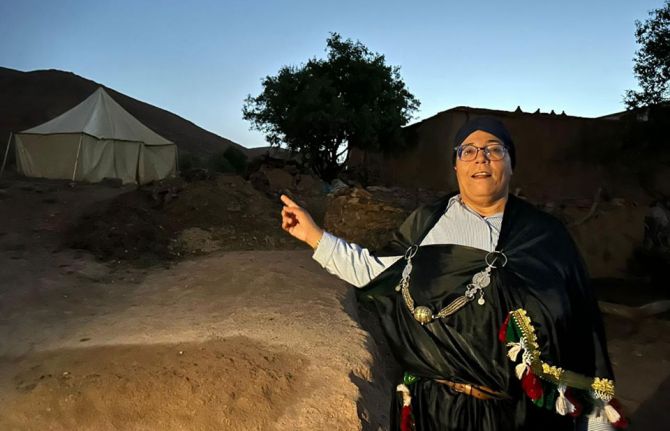
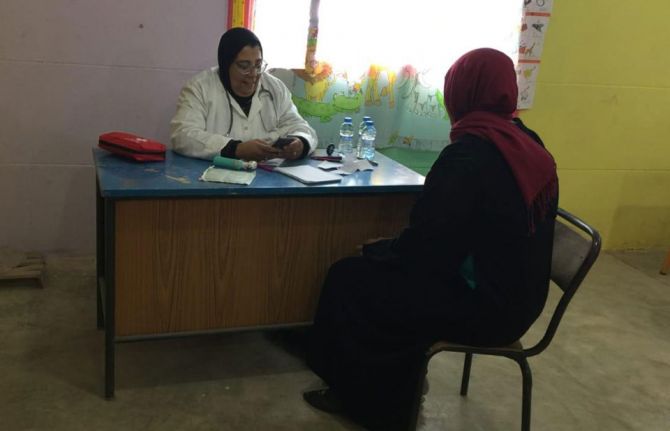
25 June 2026 25 June 2026Despite more than two decades of medical practice under her belt, Bouchra Assarag still revels going out in the field.
“The blind spots are women and girls especially in rural areas,” the Moroccan doctor said. She commended the Moroccan government for advancing on sexual and reproductive health and the low HIV incidence rate (0.08% among general population.) However she tirelessly leads workshops for parents and young people in the far reaches of her native Northern African country.
“My fight is not over,” she said insisting on not calling her a doctor but an activist. “For one child marriages are still occurring as families use legal loopholes, citing tradition and cultural practices.” In Morocco, 14% of girls marry before their 18th birthday, according to the non-governmental organization, Child Marriage Monitoring Mechanism.
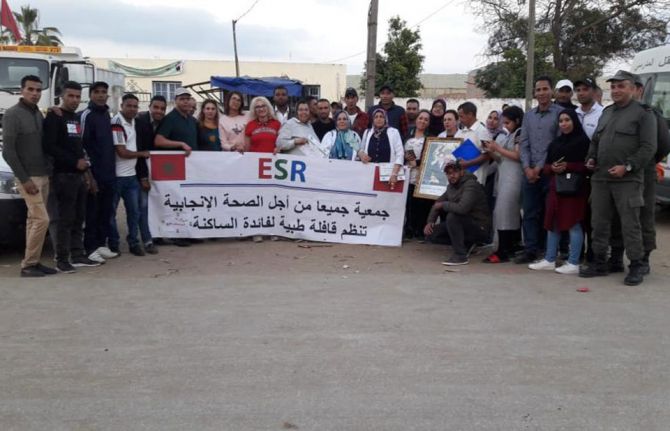
As president of “Ensemble pour les droits à la santé sexuelle et reproductive,” EDSSR, (Together for the Right to Sexual and Reproductive Health) an organization that defends sexual health and rights in Morocco and Francophone Africa, a big portion of the work involves reaching and educating vulnerable populations.
“I don’t criticize anyone and am very sensitive to everyone’s plight like economic pressures and feeding one’s family, but my message stays the same,” Ms Assarag said. “The more you educate young people, the healthier they will be. Health is a human right.”
Driving long distances to remote areas does not dissuade her and she adjusts her ways. “They see me as coming from the big city of Casablanca so even I need to be mindful and extremely cautious about this for the various activities to work, communication is key,” she explained.
Adding to the organization's woes is the amount of misinformation being distributed on the internet and on social media. "Young people in Morocco and, I think, around the world, fear judgement so instead of asking the health worker or family about a condom, they bury themselves in social media,” she said. “It’s a catastrophe especially as anti-sexual education campaigns tend to go viral.”
The Global AIDS Strategy 2026-2031 states that prevention of sexual transmission of HIV is closely linked to efforts to avoid unintentional pregnancies and acquisition of other sexually transmitted infections. Key to ending AIDS is upholding the rights of women and girls and reducing the inequalities that drive the epidemic.
“Service uptake and impact tend to be higher when HIV prevention is embedded in broader sexual and reproductive health services, is free from stigma and supported by community leadership,” said Mary Mahy, Director of Data for Impact and a co-writer of the latest UNAIDS report, ‘United to End AIDS.’
UNAIDS Country Director Houssine El Rilhani commends Ms Assarag’s work. "Tailored community outreach, comprehensive sexuality education and rights-based sexual and reproductive health services are essential to sustain progress and ensure that populations living in rural or underserved areas get the attention and services they deserve.”
Ms Assarag has added another initiative to her long resumé.
Her organization has joined forces with the Moroccan Ministry of Health and Social Protection in putting together workshops around menstrual pain. “Again, we were faced with the same issues ranging from cultural taboo and a complete lack of information despite this affecting many women and girls,” she said.
Fighting injustices has motivated her from a young age. She remembers not understanding why her neighbour stayed with her husband despite him physically abusing her. She was also witness to stigma and discrimination as a young medical doctor when sex workers came in to be treated. “I am so grateful that the head doctor, my mentor, inspired me and showed great compassion to all, without prejudice or discrimination.”
Her current worry now is making sure that trained future health care workers can tackle the many health inequities. “In addition to the Master’s programme in Public Health, the training of health professionals within institutions in Morocco now includes modules on sexual and reproductive health, so I am optimistic,” she explains. Her teaching in these institutions places human rights and gender at the core of the curriculum.
“I stress autonomy for all and equality for men and women,” she said.