Celebrated Indian dancer, actress and prominent transgender activist Laxmi Narayan Tripathi has been working for transgender rights for more than two decades.
Feature Story
India’s Supreme Court ruling expands possibilities for realization of transgender rights
16 May 2014
16 May 2014 16 May 2014Celebrated Indian dancer, actress and prominent transgender activist Laxmi Narayan Tripathi has been working for transgender rights for more than two decades. Nevertheless, the recent decision by the Indian Supreme Court to grant hijras and other transgender people the right to formal recognition as a third gender took her by surprise. “We’ve been fighting for it,” she said “but I personally never thought this judgement would ever be made in my lifetime.”
Underlining how the transgender community had long endured discrimination and ignorance in India, Ms Tripathi welcomed the ruling. “It’s wonderful. These days I feel very proud to be an Indian,” she said.
Prior to the ruling, members of the transgender community in India were forced to classify themselves as either male or female on identification documents. However, the landmark ruling of 15 April 2014 not only introduces the third gender recognition, but also stipulates that transgender people have access to the same rights to social welfare schemes as other minority groups in the country.
While handing down the landmark ruling, Justice K.S. Radhakrishnan, who headed the two-judge Supreme Court bench said, “Recognition of transgenders as a third gender is not a social or medical issue but a human rights issue.”
The decision will apply to all individuals whose present physical characteristics do not correspond with their sex at birth. With a population of over 1.2 billion and an estimated 0.5–1 million transgender people, India has joined the list of other countries in the region, to formally recognize the rights of the third gender. In addition, the Indian Election Commission introduced an “other” category on voter registration forms for this year’s election, so transgender people could register.
The HIV Sentinel Surveillance (HSS) for 2010–2011 found that transgender people had the highest HIV prevalence among all surveyed populations in the country, with 8.8% estimated HIV prevalence nationally, compared with 0.3% among the general population. However, in India, as in Asia and the Pacific as a whole, focused programmes and initiatives for transgender people are largely lacking in national responses to HIV.
Despite the progress on gender identity recognition for transgender people, significant challenges lie ahead. Activists warn that there is still a long way to go to ensure hijras and transgender community members are able to gain equal access to education, housing, employment and health services, including HIV services.
The ruling is clouded by the Supreme Court decision at the end of 2013 to reinstate Section 377 of the Indian Penal Code, which recriminalizes adult consensual same-sex sexual conduct. In 2009, the Delhi High Court had found unconstitutional the application of the 150-year-old law criminalizing “carnal intercourse against the order of nature” between consenting adults. Now, again in India, gay and other men who have sex with men, lesbian, bisexual and transgender people face the possibility of criminal prosecution. Activists and communities of key populations at higher risk have reported an increase in cases of blackmail and criminal activities against gay men after Section 377 was reinstated into law. Fear of discrimination, identification and legal repercussions dissuade people from accessing health and HIV services, hampering HIV prevention and treatment efforts.
“The transgender identity ruling is certainly to be welcomed and represents a significant step forward for India. But we want governments and civil society to support all people to be able to exercise their rights and access HIV information and services, including gay and other men who have sex with men, and lesbian, bisexual and transgender people, and for them to be able to do this without fear of criminalization,” said UNAIDS India Country Director Oussama Tawil, echoing the messages from a statement made by UNAIDS in late 2013 calling for India and all countries to repeal laws that criminalize adult consensual same-sex sexual conduct.
For Laxmi Narayan Tripathi, her commitment to the movement for equal rights and access to services for transgender people in India and across the world continues. “It will take a lot of effort on our part. We are championing having education on transgender issues as part of the education system so that young minds are made aware of transgender issues from an early age. The governments of respective countries should acknowledge transgender people and implement legislation to facilitate acceptance of transgender people—just as we are.”
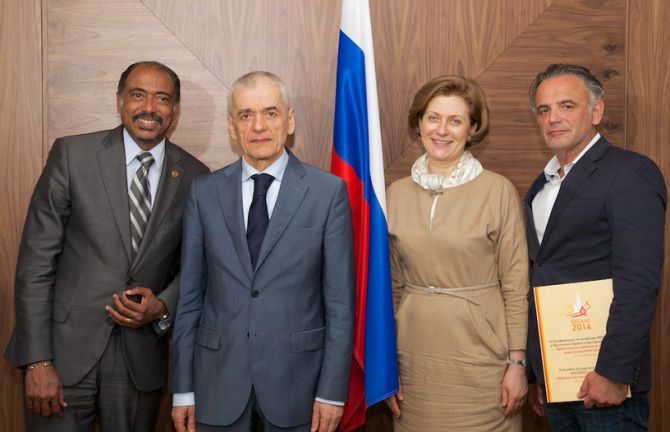
L to R: UNAIDS Executive Director Michel Sidibé; G. Onishenko, Advisor to Prime Minister of the Russian Federation; A.Popova, Acting Head of Federal Service on Surveillance on Consumer Rights Protection and Human Wellbeing of the Russian Federation; and Luiz Loures, UNAIDS Deputy Executive Director of Programme.
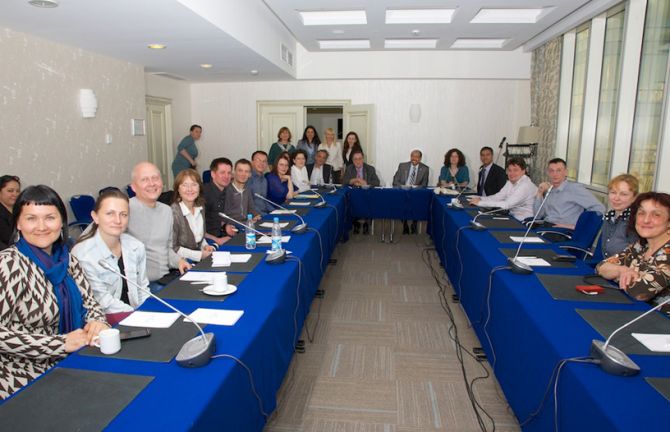
Meeting with civil society representatives from Russia and Eastern Europe and Central Asia.
Feature Story
Fourth Conference on HIV/AIDS in Eastern Europe and Central Asia opens in Moscow
13 May 2014
13 May 2014 13 May 2014The Fourth Conference on HIV/AIDS in Eastern Europe and Central Asia—the largest forum on HIV in the region—opened on 12 May in Moscow, Russian Federation. At the two-day conference, the participants are discussing regional progress in HIV prevention, treatment and care, as well as the priority actions to be taken in the countries of the region to stop the AIDS epidemic.
In his official greeting to the conference, Prime Minister of the Russian Federation Dmitry Medvedev confirmed the commitment of the Russian Federation to support efforts in response to HIV regionally, globally and at the national level. First Deputy Prime Minister Igor Shuvalov also confirmed the financial commitment to both the national and the global AIDS response and highlighted the need for joint action against HIV-related stigma and discrimination.
The more than 1200 delegates include political and community leaders, experts and people living with HIV.
In his opening address, UNAIDS Executive Director Michel Sidibé made a bold call to the host government, “This conference must show to the world that this region is serious about halting this epidemic. We must strengthen international and regional cooperation to ensure our successes are scaled-up, sustained and expanded across the region.”
“We have no other choice—we need to start listening to each other, start looking for common ground and a common solution,” said Elena Bilokon, representative of the Kazakhstan Network of Women Living with HIV/AIDS.
In eastern Europe and central Asia, the number of new HIV infections rose from 120 000 in 2006 to 130 000 in 2012. Given the nature of the epidemic in the region, particular attention will be given to the prevention of HIV infections among people at higher risk of HIV infection, including injecting drug users.
Among other topics of the conference are HIV epidemic scientific projections, vaccine development, new diagnostics, HIV transmission mechanisms and the scientific evidence for the effectiveness of prevention among populations at higher risk.

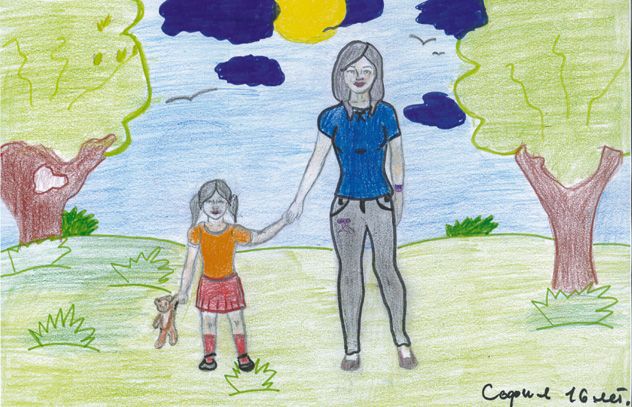
The exhibition, featuring unique drawings and paintings by young artists aged between 5 and 16 years living with or affected by HIV from Ukraine, provided an opportunity to highlight the urgent need to increase efforts to keep children free from HIV.

In Geneva, Switzerland, UNAIDS, UNICEF and the Hotel InterContinental Genève marked the day with the opening of an inspiring exhibition of children’s art. The event was part of efforts to raise awareness and support to stop new HIV infections among children and ensure their mothers remain alive and well.
Feature Story
Mother’s Day – Hope for mothers and children affected by HIV
12 May 2014
12 May 2014 12 May 2014On 11 May 2014, many countries around the world celebrated Mother’s Day. In Geneva, Switzerland, UNAIDS, UNICEF and the Hotel InterContinental Genève marked the day with the opening of an inspiring exhibition of children’s art. The event was part of efforts to raise awareness and support to stop new HIV infections among children and ensure their mothers remain alive and well.
The exhibition, featuring unique drawings and paintings by young artists aged between 5 and 16 years living with or affected by HIV from Ukraine, provided an opportunity to highlight the urgent need to increase efforts to keep children free from HIV.
One of the children whose artwork was included in the exhibition was 16 year old Sofia Pinchuk. She is one of the adolescents under the care of a UNICEF-supported non-governmental organization called The Way Home, in Odesa. “The artwork is a reminder that the hopes and dreams of children and adolescents everywhere are the same,” said Sofia.
Sergej Kostin, Director of The Way Home said, "For this event, I asked some of the children and adolescents we care for in Odesa to create art reflecting what a home or family means to them.” In the captions to the pictures some of the children wrote that they dreamt of becoming footballers, teachers, writers, dancers or artists. But many simply dreamt of having a united family and a home.
Despite global progress and unprecedented investment in eliminating new HIV infections among children and reducing maternal deaths, much more needs to be done to ensure that the world reaches the 2015 goal of providing critical HIV services to 90% of pregnant women living with HIV.
“Today more than 2 million adolescents in the world are living with HIV. But an AIDS-free generation is within reach. We have the tools, we know what needs to be done,” said Marie Pierre Poirier, UNICEF Regional Director for Central and Eastern Europe and the Commonwealth of Independent States. “As we celebrate all mothers in the world, let us commit to building a better world, one of sharing and solidarity. And let us start by giving a voice and a future to children.”
“HIV affects children and adolescents all over the world,” said Mahesh Mahalingam, UNAIDS Director of the Office of the Director of Programme. “We hope that this artwork will encourage you to take a closer look at the world of children and adolescents living with and affected by HIV—a poignant reminder of our shared responsibility to make sure they are not left behind.”
Jurgen Baumhoff, General Manager of the InterContinental Hotel Genève said, “We—the staff and guests of the InterContinental Hotel Genève—feel honored to be engaged in and to be able to support the HIV response. The courage and resilience of these young artists inspires us all to continue to support efforts to eliminate new HIV infections among children and keep mother’s alive.”
The event, part of the joint UNAIDS and the Hotel InterContinental Genève campaign ‘Where History is Made’, also provided an opportunity to launch two new videos—‘Celebrating Birthdays’ a UNAIDS video in support of millions of mothers and children living with or affected by HIV—and and also a reminder of the global campaign “Getting to Zero” for an AIDS-Free generation.
Proceeds from the event will go towards UNAIDS and UNICEF’s joint work in stopping new HIV infections among children and keeping their mothers alive.
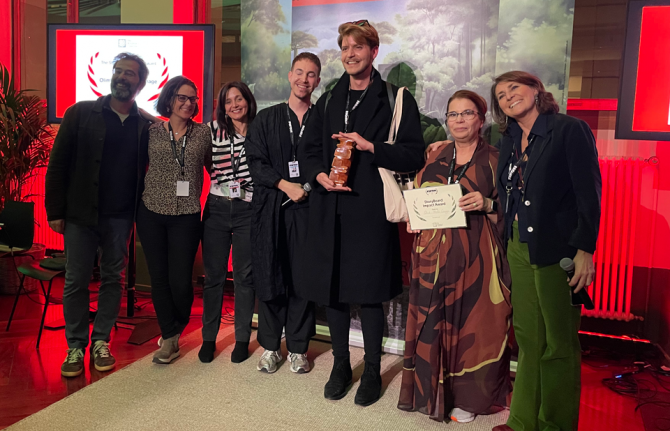
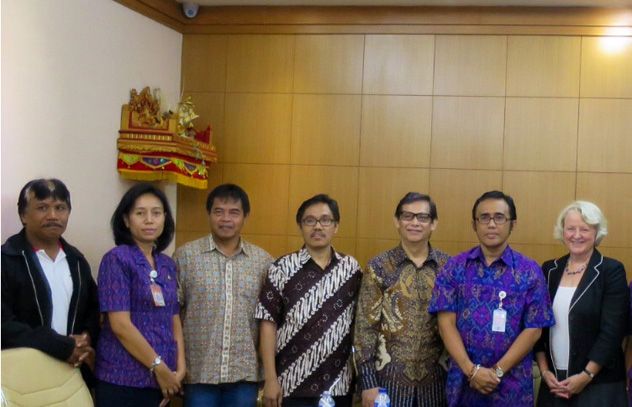
Deputy Executive Director Jan Beagle with representatives from the Bali provincial government and the United Nations. Credit: UNAIDS
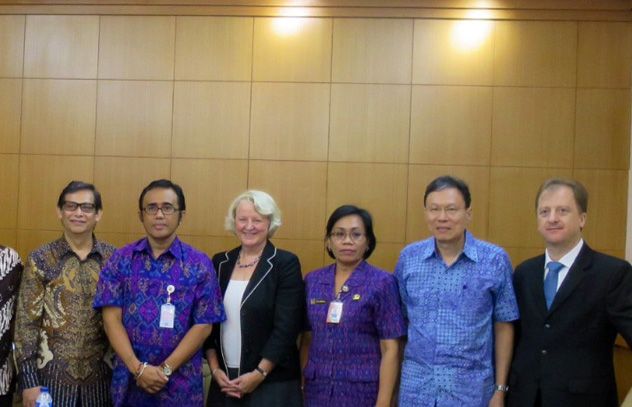
Deputy Executive Director Jan Beagle with representatives from the Bali provincial government and the United Nations. Credit: UNAIDS
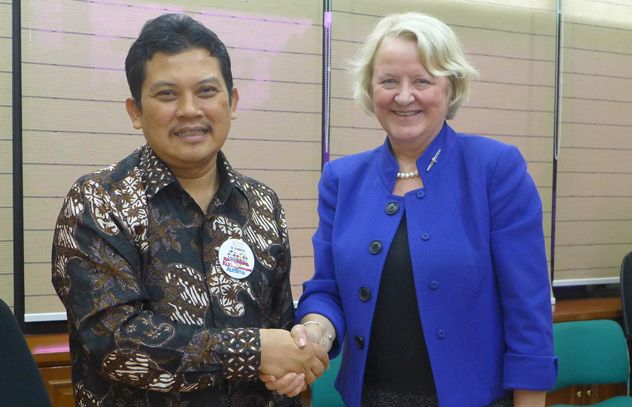
UNAIDS Executive Director with Indonesia’s Deputy Minister of Health, Dr Ali Ghufron Mukti. Credit: UNAIDS
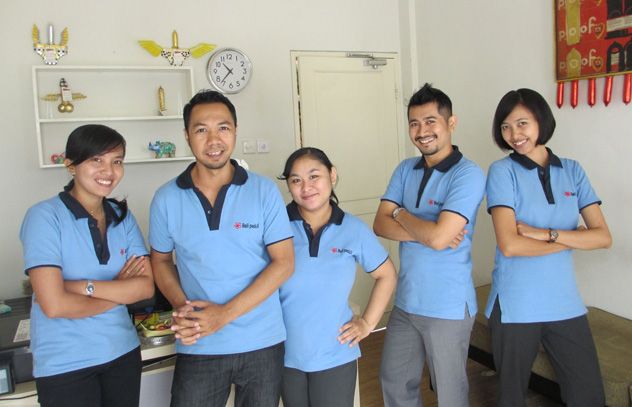
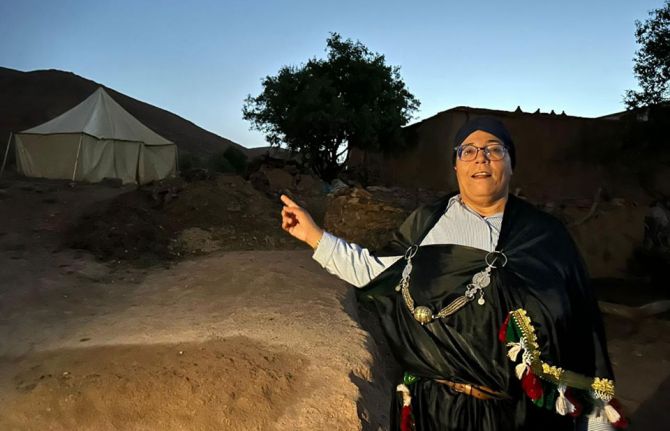
Team members from the Bali Medika Clinic – a community-friendly service offering anonymous testing and counselling service and referral to early initiation of HIV treatment. Credit: UNAIDS
Feature Story
Accelerating the HIV response in Indonesia
12 May 2014
12 May 2014 12 May 2014Home to the world’s fourth largest population and with a vast geographical spread, Indonesia is a country of critical focus for the AIDS response.
Given the increasing numbers of new HIV infections in recent years, the government and partners are accelerating action across the country to help increase programming and action to reduce the number of new HIV infections and deaths and to increase access to HIV treatment.
In 2013, a national strategy was adopted to rapidly increase access to antiretroviral therapy, in order to maximize its prevention impact. Through the programme, early initiation of antiretroviral therapy, regardless of CD4 count, can now be offered to pregnant women, serodiscordent couples, all members of key populations living with HIV, and people living with HIV, tuberculosis and/or hepatitis B and C coinfection. The programme is currently being rolled out in partnership with the authorities, civil society, and development and international partners in 13 districts across the country and will be expanded to 75 districts by the end of 2014.
In parallel, Indonesia continues to scale up HIV prevention efforts, focusing on key affected populations. Recent data from 16 cities across Indonesia show that efforts to increase access to condoms—especially for sex workers—and their effective use has lowered the number of sexually transmitted infections, for example syphilis, and therefore reduced the risk of HIV transmission.
“From increasing treatment and prevention programmes, to focusing responses geographically and among key populations, there are examples of progress that now need to be replicated, rapidly, to make further progress,” said UNAIDS Deputy Executive Director Jan Beagle, who made an official visit to Indonesia in April.
A time for action
Partners in the Indonesian AIDS response agree that further scale up must be continued. There were an estimated 76 000 new HIV infections in 2012. The number of people with access to antiretroviral therapy rose to just under 40 000 in 2013 (a 27% increase from 2012). While there may be signs that epidemics among sex workers and people who use drugs are stabilizing in some areas, HIV prevalence among men who have sex with men has significantly increased nationally, from 5.3% in 2007 to 8.5% in 2011, and in Jakarta from 8.1% in 2007 to 17.2% in 2011, according to national Integrated Biological and Behavioural Surveillance 2007 and 2011 data.
“In a decentralized country like Indonesia, we have to translate strategies into progress and action at the provincial and district levels, and to do this we need to make sure we have excellent partnerships,” said Deputy Minister of Health Ali Ghufron Mukti, when meeting with the UNAIDS Deputy Executive Director in Jakarta. “We are working hard with our local authorities in the districts and with civil society and communities,” he added.
Bali is a province heralded as having a growing number of strategies and initiatives that are showing positive results. For example, Bali’s programme to prevent sexual transmission of HIV has been strengthened through updating of regulations on sex work that enable sex workers to have easier and confidential access to HIV and sexual health services. Bali has also been in the forefront of implementing the national programme on the strategic use of antiretroviral therapy, providing treatment to all key populations without reference to CD4 levels.
Community-centred action driving results
Community-centred and community-led services are showing significant results in terms of increasing interest in and uptake of services. For example, despite the complex and sensitive cultural context on the issue of sex between men, the Bali Medika Clinic in Kuta (Bali) is viewed by community groups as friendly to such people. Over the past few years, it has seen an increasing number of clients taking up its anonymous testing and counselling service and referral to early initiation of HIV treatment.
“The Bali Medika Clinic is a community-led initiative. Our services are built around the needs and requests of men who have sex with men. Our clients can enjoy a patient-centred approach and our one-stop service, which is affordable and also confidential,” said Yogi Prasetia, from the Clinic.
United efforts of UNAIDS
Strong partnership among the United Nations on HIV is also helping to support the accelerated efforts in Indonesia. UNAIDS led the development of a Joint Support Programme on AIDS, which represents the combined United Nations efforts to support the Government of Indonesia and its partners in the national AIDS response.
The Programme responds to Indonesia’s identified priorities within the national strategic plan, with particular focus on ensuring increased access to antiretroviral therapy. It particularly aims to maximize the impact of the United Nations’ collective response, harmonize and better coordinate Cosponsor programming, financing and reporting, and reduce duplication and transaction costs.
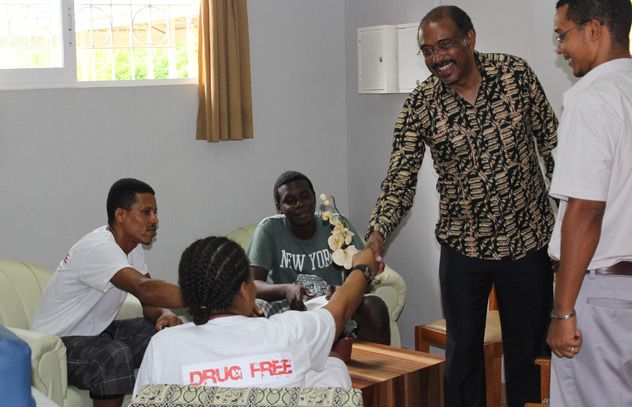
UNAIDS Executive Director, Michel Sidibé met with clients of the Wellness Centre in Les Cannelles.
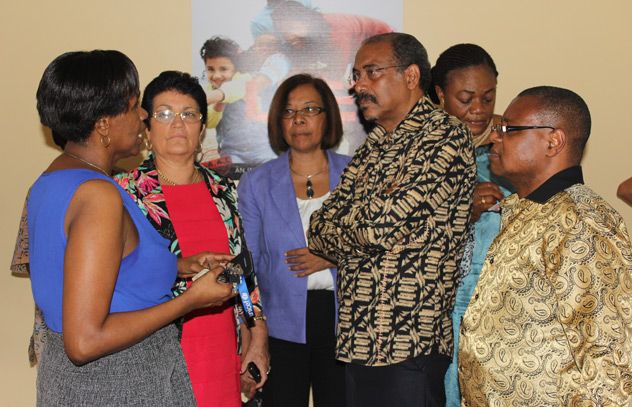
(L to R) Consultant-in-Charge of the Wellness Centre in Les Cannelles, Dr Daniella Malulu; Seychelles Minister of Health, Mitcy Larue; Principal Secretary Ministry of Health, Ms Peggy Vidot; UNAIDS Executive Director, Michel Sidibé; UNAIDS Country Director, Claire Mulanga and UNAIDS Deputy Director for Eastern and Southern Africa, Pierre Somse.
Feature Story
Seychelles wellness centre aims to restore human dignity
08 May 2014
08 May 2014 08 May 2014The Les Canelles wellness centre in Seychelles was opened in 2013 with the aim of helping clients stop or reduce the use of drugs through opioid substitution therapy, reducing the harm caused by long-term drug use and reintegrating the clients into their communities to lead healthy and productive lives.
Visiting the wellness centre on 22 April 2014, UNAIDS Executive Director Michel Sidibé reiterated the importance of putting in place a comprehensive opioid substitution programme to deal with the psychological, physical and sociological effects of drug use. “This is one of the best drug rehabilitation centres I have visited. It is not only treating drug addicted people and saving their lives, it is also restoring the dignity of people who are left behind,” said Mr Sidibé.
Since its inauguration in January 2013 by Seychelles President James Michel, the centre has reached hundreds of inpatient and outpatient clients. "I am staying out of addiction and beginning to realize what life is about after six years of using heroin. When you take heroin it makes you feel that you are ok but in reality you are not,” said a client. “My life journey has begun with great support of the staff at the wellness centre. I hope that the centre will always be there for us."
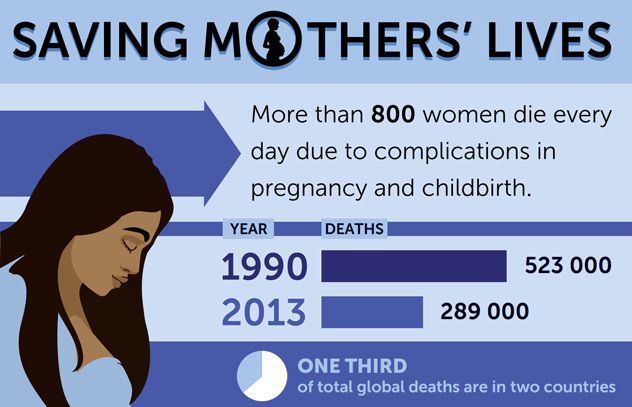
Maternal deaths have decreased by 45% since 1990 according to a new report released on 6 May by the Maternal Mortality Estimation Inter-Agency Group. Entitled Trends in maternal mortality: 1990 to 2013, the report estimates that 289 000 women died in 2013 owing to complications in pregnancy and childbirth, down from 523 000 in 1990.
Feature Story
Steady progress in saving mothers’ lives
06 May 2014
06 May 2014 06 May 2014Maternal deaths have decreased by 45% since 1990 according to a new report released on 6 May by the Maternal Mortality Estimation Inter-Agency Group. Entitled Trends in maternal mortality: 1990 to 2013, the report estimates that 289 000 women died in 2013 owing to complications in pregnancy and childbirth, down from 523 000 in 1990.
Including new data as well as improved methods of estimating births and all female deaths, the report notes that 11 countries that had high levels of maternal mortality in 1990—Bhutan, Cambodia, Cabo Verde, Equatorial Guinea, Eritrea, Lao People’s Democratic Republic, Maldives, Nepal, Romania, Rwanda and Timor-Leste—have already reached the Millennium Development Goal target of a 75% reduction in maternal mortality from the 1990 rate by 2015. Based on these latest trends, however, many low- and middle-income countries will not achieve this goal.
A major challenge found by the report in addressing maternal deaths is the lack of accurate data. Uncounted or unknown causes of death make it difficult for national health programmes to allocate resources where they are needed most.
New information on causes of death
Another report released on 6 May sheds more light on why childbearing women are dying when giving birth. The World Health Organization has released Global causes of maternal death: a WHO systematic analysis in the Lancet Global Health. That study finds that more than one in four maternal deaths are caused by pre-existing medical conditions, such as diabetes, HIV, malaria and obesity, whose health impacts can be aggravated by pregnancy.
Having strong health systems—with facilities that have adequate health workers, equipment and medicines—continue to be key to delivering quality health care to save the lives of women and their newborn babies, according to the report.
There is growing consensus worldwide that ending preventable maternal deaths can be achieved by ensuring that every woman has access to quality health care. Global and national targets beyond 2015 will be important for tracking progress in reducing maternal deaths and ensuring that maternal health continues to be a global development priority.
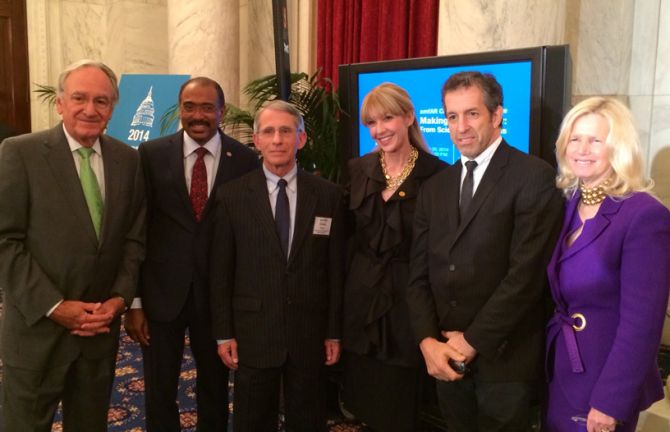
UNAIDS Executive Director Michel Sidibé (second from left) delivered a keynote speech at The Foundation for AIDS Research (amfAR) Capitol Hill Conference “Making AIDS History: From Science to Solutions”.
Feature Story
UNAIDS Executive Director addresses AIDS leaders on Capitol Hill
02 May 2014
02 May 2014 02 May 2014Michel Sidibé, Executive Director of UNAIDS, delivered a keynote speech at The Foundation for AIDS Research (amfAR) Capitol Hill Conference “Making AIDS History: From Science to Solutions”. The conference gathered leading government, research, policy and advocacy experts in Washington DC to build on the enormous progress seen in the response to HIV and chart a roadmap for ending the AIDS epidemic.
“We have made tremendous progress—but there is still so much to do,” said Ambassador Deborah Birx, Ambassador-at-Large and Coordinator of United States Government Activities to Combat HIV/AIDS. “We are at a critical moment in time—where we can redefine the trajectory of this epidemic.”
In his remarks, Mr. Sidibé highlighted how the AIDS response has served as a catalyst for transforming the financing paradigm for global health and development. “The AIDS response has enabled us to change the paradigm of development financing,” said Mr Sidibé. “Today, we are moving even further to help countries implement investment frameworks that will maximize the impact of every dollar.”
He also called for continued, strong support from the US government. “If we don’t have the courage and bold leadership to ensure everyone has access to lifesaving services—including the key populations of young girls and women, men who have sex with men, sex workers, people who use drugs, prisoner and migrants—we will not be able to end this epidemic,” said Mr Sidibé.
At the conference, amfAR board Chair fashion designer Kenneth Cole announced amfAR’s “Countdown to a Cure”—a new initiative designed to raise an additional US$ 100 million for AIDS cure research. “I’ve been involved in AIDS activism for almost 30 years now, and I’ve never seen so much optimism in the world of AIDS research. We are closer to a cure for HIV than ever before because we have learned so much in the past few years,” said Mr Cole. “But we must remain relentless in our commitment to do whatever has to be done with whatever resources are available to support all efforts needed to find a vaccine and a cure.”
Other speakers at the conference included: Douglas Brooks, Director of the White House Office of National AIDS Policy; Paul Farmer, Co-founder of Partners in Health and Chair of Harvard Medical School’s Department of Global Health and Social Medicine; Anthony Fauci, Director of the National Institute of Allergy and Infectious Diseases at the National Institutes of Health; Gabriela Isler, Miss Universe 2013; World Bank President Jim Kim and various members of the US Congress.
Related
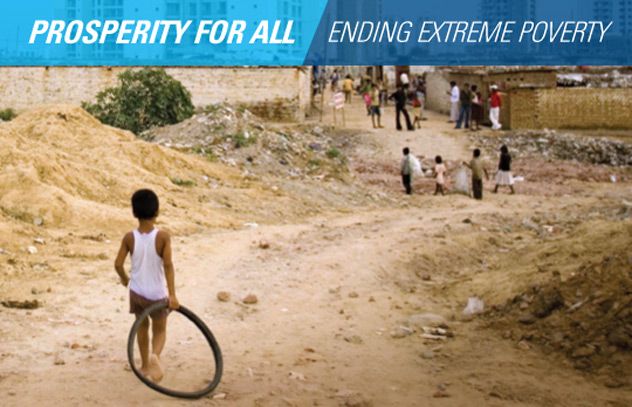
'Prosperity for all, ending extreme poverty': eradicating poverty requires more than growth, according to World Bank paper.
Feature Story
Growth is not enough to end extreme poverty, says World Bank Group
01 May 2014
01 May 2014 01 May 2014If the world is to effectively reduce poverty and reach key development goals in critical areas such as health and education, countries need to focus not only on achieving growth as an end in itself but on implementing policies that allocate resources to those who are extremely poor. This is the central message of a recent major World Bank paper that explores how nations can enhance shared prosperity and ensure that growth is of benefit across the board.
Prosperity for all, ending extreme poverty highlights the World Bank Group’s two bold goals to be achieved: eradicating extreme poverty so that no more than 3% of the global population live on less than US$ 1.25 a day; and raising income growth among the bottom 40% of earners.
World Bank Group President Jim Yong Kim recognized the hugely ambitious nature of the goals, but maintained that they can be reached with increased commitment and the right interventions. “To end extreme poverty, the vast numbers of the poorest … will have to decrease by 50 million people each year until 2030. This means that 1 million people each week will have to lift themselves out of poverty for the next 16 years. This will be extraordinarily difficult, but I believe we can do it. This can be the generation that ends extreme poverty.”
Growth alone is unlikely to end extreme poverty by 2030 given that, according to the report, as poverty falls growth tends to lift fewer people out of poverty: when growth occurs many of the lowest income earners are in such difficult situations that ameliorating their lives is very hard. So, identifying and focusing on the bottom tiers, in country-specific ways, is considered crucial to making sure that the world’s 1.2 billion poor are not left behind and can fulfil their potential, benefitting themselves, their communities and their nations. (Five countries, Bangladesh, China, Democratic Republic of the Congo, India and Nigeria, are home to nearly two thirds of the poor, nearly 760 million people.)
The paper also warns of the dangers of not tackling income inequality. In countries where it is rising, the effect of growth on poverty has been slowed or in some cases reversed.
Prosperity for all, ending extreme poverty suggests that the twin goals, critical to the post-2015 development agenda, can be achieved through promoting more inclusive growth and through proactive programmes, such as conditional and unconditional direct cash transfers, which have been shown to have a significant impact on education, employment and health outcomes. To achieve sustainable development it is seen as vital not simply to lift people out of extreme poverty, but, as the report contends, “It is also important to make sure that, in the long run, they do not stagnate just above the extreme poverty line due to lack of opportunities to continue to move toward better lives.”
To end extreme poverty, the vast numbers of the poorest … will have to decrease by 50 million people each year until 2030. This means that 1 million people each week will have to lift themselves out of poverty for the next 16 years. This will be extraordinarily difficult, but I believe we can do it. This can be the generation that ends extreme poverty.
Jim Yong Kim, World Bank Group President
The World Bank Group has acknowledged that HIV, inequality and extreme poverty are inextricably linked and need to be tackled jointly. Earlier in 2014, the Bank, alongside UNAIDS, committed to four areas of action, which include aligning health and development efforts towards ending extreme poverty and AIDS and urging the post-2015 development agenda to include targets towards ending AIDS, as well as the goal of universal health coverage, so that no one falls into poverty or is kept in poverty due to payment for HIV treatment or health care. There is also a commitment to promoting national and global monitoring and implementation research.
According to the paper, such monitoring and mapping on a wider socioeconomic scale will be essential to see the World Bank Group’s overarching twin poverty eradication goals become reality. More and better data will be required so that interventions can be evidence-informed and progress monitored. This research will help the world’s policy-makers attain more inclusive growth and ensure that sustainable prosperity is shared and that the bottom 40% can benefit from the full range of economic and development gains.
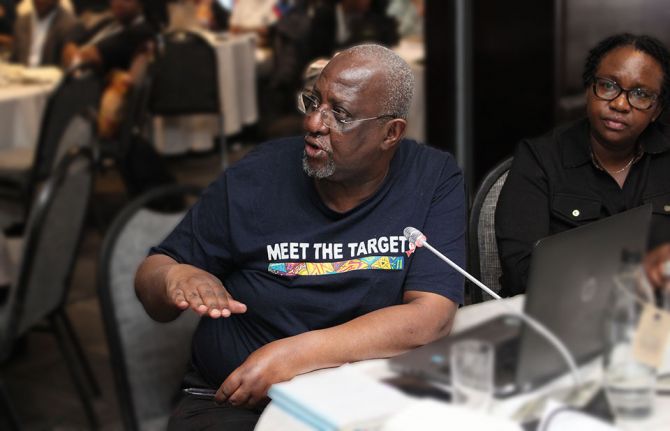
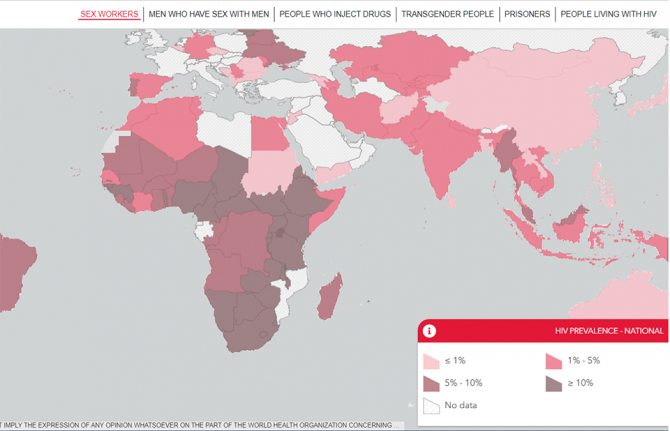
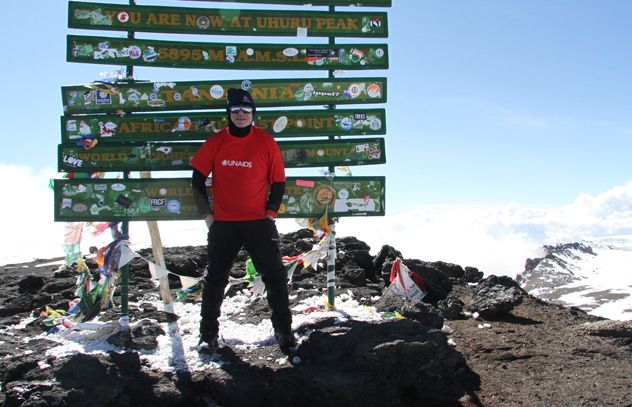
Former Chairman and Chief Executive Officer of MTV Networks International Bill Roedy reached the top of Africa’s highest mountain on 12 April and demonstrated his solidarity with UNAIDS and global partners working in the AIDS response.
Feature Story
Solidarity with the global AIDS community at the summit of Mount Kilimanjaro
01 May 2014
01 May 2014 01 May 2014Former Chairman and Chief Executive Officer of MTV Networks International Bill Roedy reached the top of Africa’s highest mountain on 12 April and demonstrated his solidarity with UNAIDS and global partners working in the AIDS response.
“We trekked through the huge temperature fluctuations and intense fog and sun radiation of the desert,” said Mr Roedy. “With your inspirational support and incredible generosity we successfully reached the summit of Mount Kilimanjaro.”
“MTV brought a great opportunity for us to communicate with young people in an entertaining and meaningful manner. I am very proud that Mr Roedy continues to inspire young people and the world both in his professional and personal life,” said UNAIDS Executive Director Michel Sidibé.
Since 1996, MTV has had a long-standing partnership with UNAIDS and its Cosponsors. In 1998, MTV created the Staying Alive campaign—a multimedia global campaign against HIV.
The successes of the campaign led to the formation of the Staying Alive Foundation, which provides financial and technical support to young people working on innovative HIV prevention programmes on the ground and broadcasts original content to help spread HIV awareness around the world.
In May 2010, a three-part TV drama—Shuga—commissioned by MTV Networks Africa won a Gold award at the World Media Festival in Hamburg, Germany, in the Public Relations Health category. Shuga was based on a story about a group of young friends living in Nairobi, Kenya, and includes messages about HIV prevention for young people.
From the headquarters of MTV to the 120 km/hour winds of Mount Kilimanjaro, Mr Roedy continues to advocate for the response to HIV.
“Everybody experienced some form of altitude sickness. We battled through vomiting, tears, windburn, knee pain, freezing cold hands and feet and complete exhaustion at the end, but somehow, we managed to reach Uhuru Peak, said Mr Roedy. “Having all of your support made all the difference.”
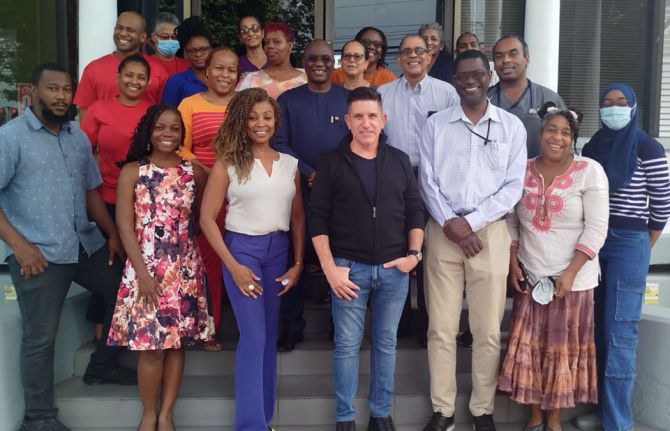


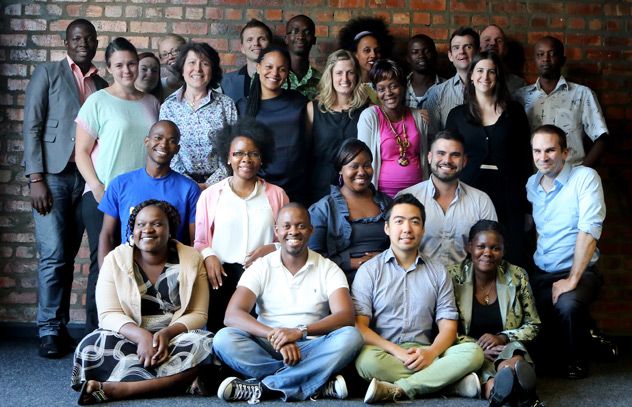
Participants on the meeting to scale-up access to optimal treatment and related care for adolescents living with HIV, Cape Town, South Africa. Credit: UNAIDS
Feature Story
Ensuring that adolescents living with HIV are not left behind
30 April 2014
30 April 2014 30 April 2014Despite the unprecedented progress made in the AIDS response in recent years, emerging evidence suggests that adolescents are falling behind as a result of not receiving the attention and services they require.
AIDS-related mortality among adolescents has increased by 50% over the past seven years, but fell for all other age groups, according to UNAIDS estimates. Two out of three people aged 0–14 lack access to HIV treatment worldwide, and recent data collected from sub-Saharan Africa indicate that only 10% of young men and 15% of young women (15–24 years) are aware of their HIV status.
To advance the adolescent treatment and care agenda, UNAIDS, the International Treatment Preparedness Coalition, the Global Network of People Living with HIV/AIDS (GNP+) and PACT brought together key treatment actors, United Nations and youth organizations and networks of young people living with HIV. During the two-day meeting, held on 16 and 17 April, participants analysed the main obstacles affecting adolescents in the AIDS response and charted an action agenda to ensure that adolescents are not left behind.
There is an urgent need to ensure that adolescents living with HIV become aware of their status and have access to effective HIV treatment and quality care programmes. Furthermore, adolescents face particular challenges to adhere to HIV treatment, lack support to disclose their status and there is an absence of information about their sexual and reproductive health and rights.
There are many reasons why adolescents may stop taking their HIV medications regularly, including their side-effects, “treatment fatigue”, self-stigma or a lack of community support. However, maintaining adherence to HIV treatment is one of the key elements for optimizing health outcomes for adolescents living with HIV. Besides its primary health benefits, taking antiretroviral treatment correctly and consistently delays the development of drug resistance and contributes to preventing the onward transmission of HIV.
“We cannot achieve zero AIDS-related deaths and zero new HIV infections if we don't focus on addressing the unique treatment needs of adolescents,” said Bactrin Killongo, from the International Treatment Preparedness Coalition. “For me, the agenda of scaling up HIV treatment should start with adolescents, especially those who were perinatally infected.”
Many adolescents living with HIV have also expressed lack of support regarding how, when and with whom to disclose their HIV status. This can lead to anxiety and depression. For members of young key populations, the situation is even more difficult, as they often face discrimination on account of the behaviour that makes then vulnerable to HIV, such as sex between men, as well as their HIV-positive status.
“Where do you go when you are discovering your sexuality as an adolescent? Very often the challenge that we face as young gay men is the double disclosure,” said Pablo Aguilera, Executive Director of the HIV Young Leaders Fund. “You have to tell people around you that you are HIV-positive and that you are gay, and this can get much more complicated when homosexuality is criminalized in your country and when you need the consent of your parents to access health care!”
Comprehensive sexuality education that is specifically catered to the unique needs of adolescents living with HIV is missing from most school and health-care settings globally. Many adolescents living with HIV are therefore left to deal with sexuality and relationships entirely on their own, leaving them isolated and fearful of sex and sexuality, while others lack sexual and reproductive health information and skills around safe sex.
“There is a need to tackle HIV prevention and treatment simultaneously and holistically among adolescents, recognizing not only their treatment and clinical needs but their emotional, physical and sexual needs too,” said Musah Lumumba, a young man living with HIV and Y+ member from Uganda.
Stigmatizing attitudes from health-care workers in relation to adolescents who are sexually active are also persistent. “As a young woman living with HIV, we often face challenges with access to sexual and reproductive health and services and adherence to HIV treatment, due to mistreatment and stigma from health-care workers,” said Consolata Opiyo, from the International Community of Women Living with HIV/AIDS.
A call to action
After two days of intense conversations, the participants identified core priorities to move the agenda forward, including developing a network to advance an agenda for adolescents to access medicines, demanding better treatment services at the country level, with a particular focus on national antiretroviral therapy guidelines and Global Fund to Fight AIDS, Tuberculosis and Malaria proposals, implementing a science agenda to fill the current research gaps regarding adolescents living with HIV and developing a mechanism to support the scaling up of programmes around adolescents living with HIV that work.
“This is a watershed moment in the AIDS response,” said Linda-Gail Bekker, Professor of Medicine and Deputy Director of the Desmond Tutu HIV Centre. “We now have a critical mass of organizations working jointly to advance the adolescent treatment and care agenda!”
The outcome document from the meeting will be available ahead of the World Health Assembly in May 2014.