Feature Story
“We are human, so of course it was scary”
13 May 2020
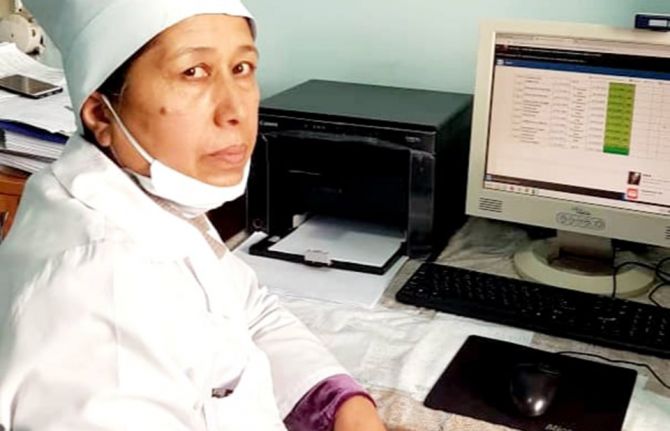
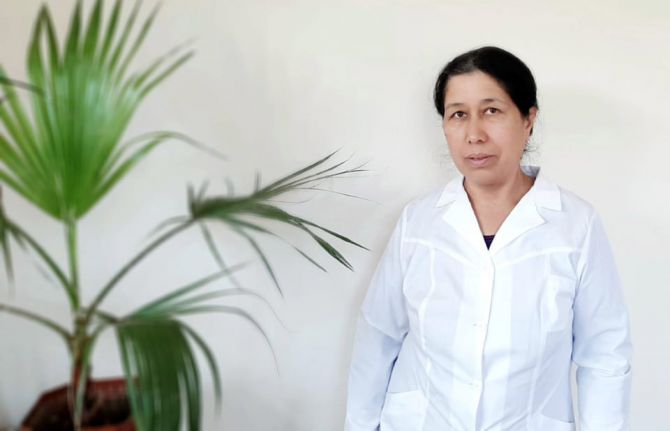
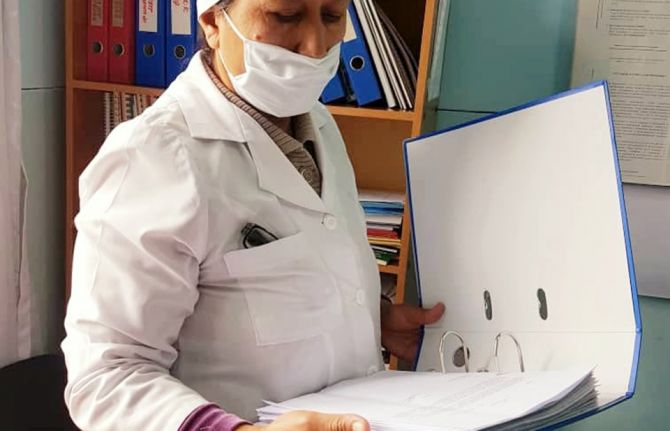
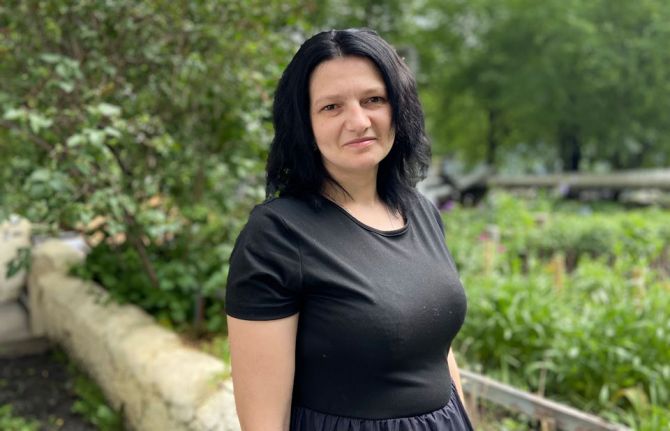
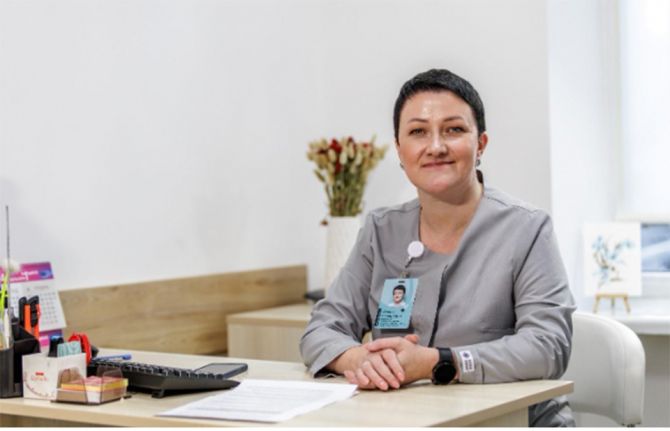
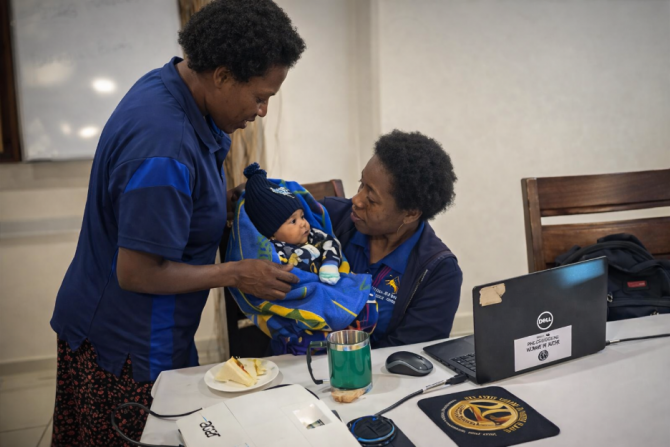
13 May 2020 13 May 2020She is sitting opposite, dressed in a lab coat, and you know that with her you are in safe hands. Her kind eyes convey empathy. Malikakhon Kurbanova, known to all who know her as Malika, has been a nurse at the Kyzyl-Kiya family medical centre in Kyrgyzstan for almost 20 years.
Part of one of 10 pilot multidisciplinary teams specializing in infectious diseases in the country, she has been working with people living with HIV for many years. The multidisciplinary teams were formed by UNAIDS in 2013 and include a specialist in infectious diseases or a family doctor, a nurse and a peer consultant. The teams aim to improve the quality of medical and social services for people living with HIV and their families. During the COVID-19 outbreak they are receiving extra financial help from a Russian technical assistance programme.
Like many health-care workers, Malika has been caught up in the fight against COVID-19. UNAIDS met her recently in her office in the clinic, adjacent to a blossoming apple orchard, and spoke to her about her background and work.
Why did you decide to become a nurse?
When I was a child, I was quite often sick. My mother and I spent a lot of time in hospitals. I always admired the women who wore lab coats and who knew how to inject me painlessly. I knew then that I would become a nurse and help people. When I graduated from school in 1986, I entered the Kyzyl-Kiya medical college and after that, in 1989, I went to work in the health unit in a construction materials plant. That is how my story began. In the beginning of the 2000s the reform of primary health care started and family medical centres were created. I came to work as a nurse and soon joined the infectious diseases unit, where I still work.
You have been working in the COVID-19 response since the very start of the epidemic in the country. Were you frightened?
We do house-to-house visits, helping people with acute respiratory infections. We are human, so of course it was scary—I was afraid about infecting my family.
It is frightening when you are fighting an unknown virus. In the beginning, I did not know what I should tell patients. At the beginning of the pandemic, many people did not believe the truth about COVID-19; some of them accused us of trying to infect them. But over time, people realized that the virus was real, which greatly helped our work.
You work as a nurse in a multidisciplinary team for people living with HIV. How has your work changed since the COVID-19 outbreak started?
To avoid people running out of their medicine and to reduce their possible exposure to people with COVID-19, we are now distributing three-month supplies of antiretroviral therapy, when before we gave out one-month supplies.
We also focus on psychosocial support for people living with HIV. People need mutual support. Our peer consultant calls patients every day and holds online self-help groups via WhatsApp. Thanks to the financial support given to the project, the transport costs of visiting clients and monitoring their adherence to antiretroviral therapy is covered. The most vulnerable people living with HIV have been receiving food packages since April.
What is the hardest part of your work?
We’ve always had difficulties and they are likely to continue, that is the nature of our work! Sometimes I feel like leaving it at behind, but then I realize that this is my life—I am a nurse. It gives me strength when I see that my actions for my patients bring results and people get better.
Our work
Region/country
Related
Feature Story
Russian regional AIDS centres leading the fight against COVID-19
14 May 2020
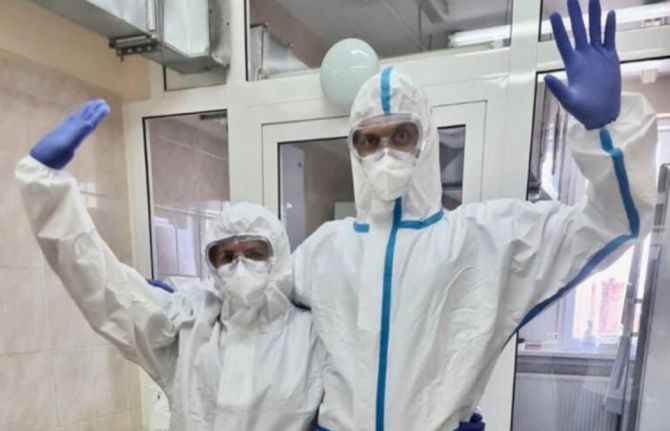
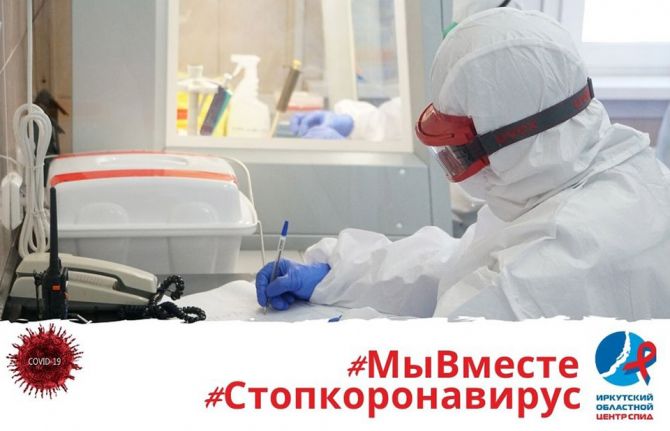
14 May 2020 14 May 2020The network of the Russian Federation’s more than 100 AIDS prevention and control centres, established in 1989 to respond to HIV, has been mobilized to support the country’s fight against COVID-19.
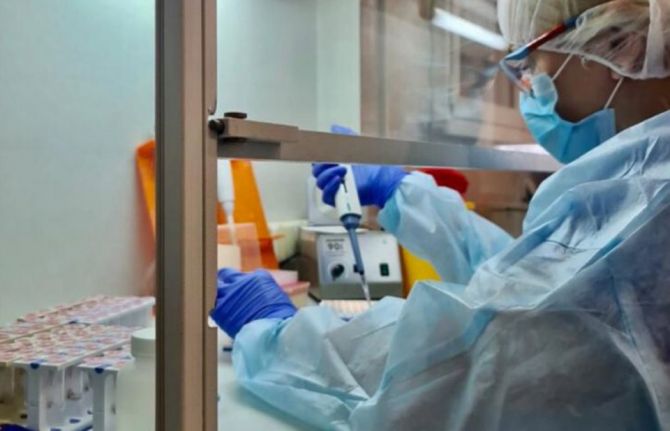
Each of the centres, which specialize in HIV surveillance, prevention, testing and treatment, has high-technology laboratory equipment, highly qualified health staff, including infectious disease specialists and epidemiologists, and expertise in epidemiological surveillance and contact tracing. Those centres are now using their technology and expertise on HIV testing and diagnosis to scale-up testing for COVID-19.
Public health experts at the AIDS centres are also supporting epidemiological surveillance and contact tracing, using the approaches developed for HIV. Many of their doctors and nurses have been seconded to medical teams dedicated to providing care for people with COVID-19.
“Many AIDS centres across the country have repurposed their laboratories to also diagnose coronavirus, but provision of quality medical care for people living with HIV continues,” said Natalia Ladnaia, Senior Researcher at the Central Research Institute of Epidemiology of Rospotrebnadzor, Russian Federal AIDS Centre.
In order to ensure the continuity of HIV services, many AIDS centres are working closely with community organizations to provide online counselling, deliver antiretroviral therapy to people living with HIV to their homes and address mental health challenges, which have grown since the COVID-19 pandemic began. Community activists from Novosibirsk representing the Ostrov and Humanitarian Project nongovernmental organizations, in collaboration with the regional AIDS centre, are delivering antiretroviral medicines to people living with HIV who are not able to collect their medicine from the AIDS centre.
Even some HIV testing services are moving online. Owing to quarantine restrictions, mobile laboratories cannot travel, so the Humanitarian Project organized remote testing for key populations in Siberia. “We are working with representatives of key populations and the regional Ministry of Health,” said Denis Kamaldinov, the head the Humanitarian Project. The initiative is providing online support and counselling for people who are at risk of HIV. Since March 2020, online and telephone-based counselling related to HIV and the health of people who use drugs and other key populations has intensified. “Our counsellors are communicating with clients by phone, social media and instant messaging,” he added. In order to receive an HIV self-test kit, a client only needs to complete an online application on the organization’s website.
The Deputy Prime Minister of the Russian Federation, Tatiana Golikova, has called for nongovernmental organizations working with key populations and people living with HIV to be supported during the COVID-19 pandemic. The regions that have introduced COVID-19 lockdowns have been advised to allow nongovernmental organizations working on social services, including the AIDS response, to continue their work, with their employees having freedom of movement and being supplied with personal protective equipment.
"The unique value of the AIDS centres is demonstrated by their quick and professional response to COVID-19. We are seeing this leadership coming from AIDS centres across the region. With the strategic involvement of AIDS centres and their partners, the COVID-19 response in our region will be more effective and the risk of progress in the AIDS response being rolled back will be mitigated,” said Alexander Goliusov, Director, a.i., of the UNAIDS Regional Support Team for Eastern Europe and Central Asia.
Our work
Region/country
Feature Story
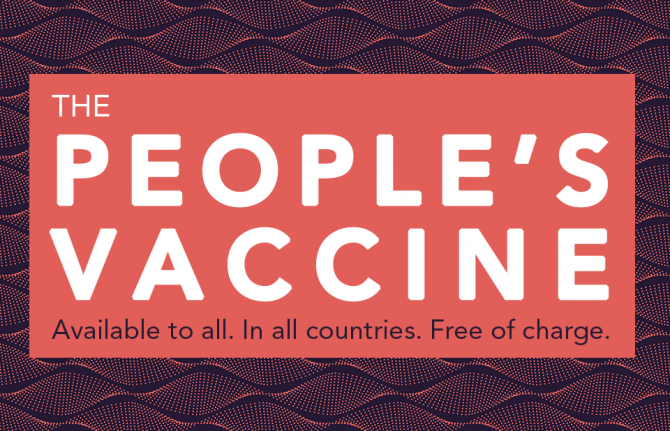
Uniting behind a people’s vaccine against COVID-19
14 May 2020
14 May 2020 14 May 2020Humanity today, in all its fragility, is searching for an effective and safe vaccine against COVID-19. It is our best hope of putting a stop to this painful global pandemic.
We are calling on Health Ministers at the World Health Assembly to rally behind a people’s vaccine against this disease urgently. Governments and international partners must unite around a global guarantee which ensures that, when a safe and effective vaccine is developed, it is produced rapidly at scale and made available for all people, in all countries, free of charge. The same applies for all treatments, diagnostics, and other technologies for COVID-19.
We recognize that many countries and international organizations are making progress towards this goal, cooperating multilaterally on research and development, funding and access, including the welcome $8 billion pledged on 4th May. Thanks to tireless public and private sector efforts and billions of dollars of publicly-financed research, many vaccine candidates are proceeding with unprecedented speed and several have begun clinical trials.
Our world will only be safer once everyone can benefit from the science and access a vaccine - and that is a political challenge. The World Health Assembly must forge a global agreement that ensures rapid universal access to quality-assured vaccines and treatments with need prioritized above the ability to pay.
It is time for Health Ministers to renew the commitments made at the founding of the World Health Organization, where all states agreed to deliver the “the highest attainable standard of health as a fundamental right of every human being”.
Now is not the time to allow the interests of the wealthiest corporations and governments to be placed before the universal need to save lives, or to leave this massive and moral task to market forces. Access to vaccines and treatments as global public goods are in the interests of all humanity. We cannot afford for monopolies, crude competition and near-sighted nationalism to stand in the way.
We must heed the warning that “Those who do not remember the past are doomed to repeat it.” We must learn the painful lessons from a history of unequal access in dealing with disease such as HIV and Ebola. But we must also remember the ground-breaking victories of health movements, including AIDS activists and advocates who fought for access to affordable medicines for all.
Applying both sets of lessons, we call for a global agreement on COVID-19 vaccines, diagnostics and treatments – implemented under the leadership of the World Health Organization – that:
- Ensures mandatory worldwide sharing of all COVID-19 related knowledge, data and technologies with a pool of COVID-19 licenses freely available to all countries. Countries should be empowered and enabled to make full use of agreed safeguards and flexibilities in the WTO Doha Declaration on the TRIPS Agreement and Public Health to protect access to medicines for all.
- Establishes a global and equitable rapid manufacturing and distribution plan – that is fully-funded by rich nations – for the vaccine and all COVID-19 products and technologies that guarantees transparent ‘at true cost-prices’ and supplies according to need. Action must start urgently to massively build capacity worldwide to manufacture billions of vaccine doses and to recruit and train the millions of paid and protected health workers needed to deliver them.
- Guarantees COVID-19 vaccines, diagnostics, tests and treatments are provided free of charge to everyone, everywhere. Access needs to be prioritized first for front-line workers, the most vulnerable people, and for poor countries with the least capacity to save lives.
In doing so, no one can be left behind. Transparent democratic governance must be set in place by the WHO, inclusive of independent expertise and civil society partners, which is essential to lock-in accountability for this agreement.
In doing so, we also recognize the urgent need to reform and strengthen public health systems worldwide, removing all barriers so that rich and poor alike can access the health care, technologies and medicines they need, free at the point of need.
Only a people’s vaccine – with equality and solidarity at its core – can protect all of humanity and get our societies safely running again. A bold international agreement cannot wait.
Signed,
Nana Addo Dankwa Akufo-Addo – President of the Republic of Ghana
Imran Khan - Prime Minister of the Islamic Republic of Pakistan
Cyril Ramaphosa - President of the Republic of South Africa and Chairperson of the African Union
Macky Sall - President of the Republic of Senegal
Karen Koning Abuzayd - Commissioner of the Independent International Commission of Inquiry for Syria, Under Secretary-General as UNRWA Commissioner-General (2005-2010)
Maria Elena Agüero - Secretary General, World Leadership Alliance-Club de Madrid
Esko Aho - Prime Minister of Finland (1991-1995)¹
Dr. Shamshad Akhtar - Former UN Under-Secretary-General and Executive Secretary of the Economic and Social Commission for Asia and the Pacific
Rashid Alimov - Secretary General, Shanghai Cooperation Organization (2016-2019), Minister of Foreign Affairs of Tajikistan (1992-1994)²
Amat Alsoswa - Former Yemen’s Minister for Human Rights, Former United Nations Assistant Secretary General, UNDP Assistant Administrator and Regional Director/ Arab States Bureau
Philip Alston - John Norton Pomeroy Professor of Law, New York University School of Law and Former UN Special Rapporteur on extreme poverty and human rights
Baroness Valerie Amos - United Nations Undersecretary General for Humanitarian Affairs and Emergency Relief Coordinator (2010-2015)
Rosalia Arteaga Serrano - President of Ecuador (1997)²
Maria Eugenia Brizuela de Avila - Minister of Foreign Affairs of Salvador (1999-2004)
Shaukat Aziz - Prime Minister of Pakistan (2004-2007), former VP of the Citibank²
Jan Peter Balkenende - Prime Minister of The Netherlands (2002-2010)¹
Joyce Banda - President of the Republic of Malawi (2012-2014) and Champion for an AIDS- Free Generation¹
Nelson Barbosa - Professor, FGV and the University of Brasilia, and former Finance Minister of Brazil
José Manuel Barroso - Prime Minister of Portugal (2002-2004), President of the European Commission (2004-2014)¹
Carol Bellamy - Former Executive Director, UNICEF (1995-2005)
Valdis Birkavs - Prime Minister of Latvia (1993-1994)¹
Irina Bokova - Director-General of UNESCO (2009-2017)
Gordon Brown - Prime Minister of the United Kingdom (2007-2010)
Sharan Burrow - General Secretary of the International Trade Union Confederation (ITUC)*
Winnie Byanyima - Executive Director of UNAIDS and UN Under-Secretary General
Kathy Calvin - Former Chief Executive Officer of the United Nations Foundation
Kim Campbell - Prime Minister of Canada (1993)¹
Fernando Henrique Cardoso - President of Brazil (1995-2003)¹
Gina Casar - Senior Advisor to the Executive Director, World Food Programme
Hikmet Cetin - Minister of Foreign Affairs of Turkey (1991-1994), former Speaker of the Parliament²
Ha-Joon Chang - Director, Centre of Development Studies, University of Cambridge
Judy Cheng-Hopkins - Former Assistant Secretary-General, Peacebuilding Support, United Nations
Laura Chinchilla - President of Costa Rica (2010-2014)¹
Joaquim Chissano - President of the Republic of Mozambique (1986-2005) and Champion for an AIDS- Free Generation¹
Helen Clark - Prime Minister of New Zealand (1999-2008), UNDP Administrator (2009-2017)¹²
Emil Constantinescu - President of Romania (1996-2000)²
Radhika Coomaraswamy - former UN Under Secretary General and The Special Representative on Children and Armed Conflict
Ertharin Cousin - Executive Director of the United Nations World Food Programme (2012-2017)
Paula A. Cox - Premier of Bermuda (2010-2012)
Herman De Croo - Minister of State of Belgium; Honorary Speaker of the House²
Olivier De Schutter - Special Rapporteur on extreme poverty and human rights
Danny Dorling - Professor of Human Geography at Oxford University
Ruth Dreifuss - President of Switzerland (1999) and Federal Councillor (1993-2002)
Diane Elson - Emeritus Professor University of Essex, Member of UN Committee for Development Policy
Maria Fernanda Espinosa - President of the United Nations General Assembly (2018-2019), Minister of Foreign Affairs of Ecuador (2007-2009, 2017-2018) and Member of the Political Advisory Panel of UHC2030
Moussa Faki - Chairperson of the African Union Commission
Christiana Figueres - Executive Secretary of UNFCCC (2010-2016)
Vigdís Finnbogadóttir - President of Iceland (1980-1996)¹
Louise Fréchette - UN Deputy Secretary-General (1998-2006)
Sakiko Fukuda-Parr - Director of the Julien J. Studley Graduate Programs in International Affairs and Professor of International Affairs at The New School
Patrick Gaspard - Former United States Ambassador to South Africa, President of the Open Society Foundations
Jayati Ghosh - Professor of Economics at Jawaharlal Nehru University
Felipe González - President of the Government of Spain (1982-1996)¹
Rebeca Grynspan - Vice President of Costa Rica (1994-1998), Ibero-American Secretary General
Alfred Gusenbauer - Chancellor of Austria (2007-2008)¹
Tarja Halonen - President of Finland 2000-2012, BoT Member NGIC*
Han Seung-Soo - Prime Minister of the Republic of Korea (2008-2009)¹
Noeleen Heyzer - Member of the UN Secretary-General's High Level Advisory Board on Medication²
Mladen Ivanic - President of Bosnia and Herzegovina (2014-2018)²
Devaki Jain - Feminist economist, Honorary Fellow at St Anne’s College, Oxford and member of the erstwhile South Commission (1987-90)
Arjun Jayadev - Professor of Economics at Azim Premji University
Rob Johnson - President of the Institute for New Economic Thinking
Ellen Johnson Sirleaf - President of the Republic of Liberia (2006-2018)¹
Mehdi Jomaa - Prime Minister of Tunisia (2014-2015)¹
Anthony T. Jones - Vice-President and Executive Director of Gorbachev Foundation of North America (GFNA)¹
Ivo Josipovic - President of Croatia (2010-2015)²
Naila Kabeer - Professor of Gender and International Development at the London School of Economics
Michel Kazatchkine - Special Advisor to the Joint United Nations Programme on AIDS (UNAIDS) in Eastern Europe and Central Asia, and Senior Fellow, Global Health Center, the Graduate Institute of International and Development Studies, Geneva
Kerry Kennedy - President Robert F. Kennedy Human Rights, BoT Member NGIC*
Rima Khalaf - President of the Global Organization against Racial Discrimination and Segregation, and Executive Secretary of the United Nations Economic and Social Commission for Western Asia (2010-2017)
Jakaya Mrisho Kikwete - President of Tanzania (2005-2015)*
Horst Köhler - President of Germany (2004-2010)¹
Jadranka Kosor - Prime Minister of Croatia (2009-2011)²
Bernard Kouchner - Minister of Health of France (1992-1993, 1997-1999, 2001-2002), Minister of Foreign affairs of France (2007-2010); founder of Médecins sans frontiers / Doctors Without Borders (MSF) and Médecins du Monde / Doctors of the World (MdM)
Chandrika Kumaratunga - President of Sri Lanka (1994-2005)¹
Aleksander Kwaśniewski - President of Poland (1995-2005)¹²
Rachel Kyte CMG - Dean of The Fletcher School of Law and Diplomacy, Tufts University
Luis Alberto Lacalle Herrera - President of Uruguay (1990-1995)¹
Ricardo Lagos - President of Chile (2000-2006)¹
Zlatko Lagumdzija - Prime Minister of Bosnia and Herzegovina (2001-2002)¹²
Laura Liswood - Secretary General of the Council of Women World Leaders
Nora Lustig - President Emerita of the Latin American and Caribbean Economic Association, Professor of Latin American Economics, Tulane University
Jessie Rose Mabutas - Executive Board Member, African Capacity Building Foundation, Expert Member, Accreditation Panel of the UN Adaptation Fund, and Executive Board Member, Section on African Public Administration of the American Society for Public Administration
Graça Machel - Founder, The Graça Machel Trust and Foundation for Community Development
Susana Malcorra - Minister of Foreign Affairs of Argentina (2015-2017)
Isabel Saint Malo - Vice President of Panama (2014-2019)
Purnima Mane - Global expert on gender, HIV and sexual and reproductive health issues, President of Pathfinder International (2012-2016)
Retno Lestari Priansari Marsudi - Minister for Foreign Affairs of the Republic of Indonesia*
Mariana Mazzucato - Professor at University College London and Founding Director of the UCL Institute for Innovation and Public Purpose (IIPP)
Mary McAleese - President of Ireland (1997-2011)
Rexhep Meidani - President of Albania (1997-2002)¹²
Carlos Mesa - President of Bolivia (2003-2005)¹
Branko Milanovic - Visiting Presidential Professor at the Graduate Center City University of New York
Aïchatou Mindaoudou - United Nations' Special Representative for Côte d'Ivoire and Head of the United Nations Operation in Côte d'Ivoire (2013-2017)
Festus Mogae - President of the Republic of Botswana (1998-2008) and Champion for an AIDS- Free Generation¹
Mario Monti - Prime Minister of Italy (2011-2013)¹
Mireya Moscoso - President of Panama (1999-2004)*
Kgalema Motlanthe - President of the Republic of South Africa (2008-2009) and Champion for an AIDS- Free Generation
Rovshan Muradov - Secretary General, Nizami Ganjavi International Center
Cristina Narbona - First Vice President of the Spaniard Senate and former Minister of the Environment of Spain
Bujar Nishani - President of Albania (2012-2017)²
Dr. John Nkengasong - Director of African Centres for Disease Control and Prevention
Olusegun Obasanjo - President of the Federal Republic of Nigeria (1999-2007) and Champion for an AIDS- Free Generation¹
Djoomart Otorbayev - Prime Minister of Kyrgyzstan (2014-2015)²
Roza Otunbayeva - President of Kyrgyzstan (2010-2011)¹
Ana Palacio - Minister of Foreign Affairs of Spain (2002-2004)
Dr. David Pan - Executive Dean, Steve Scwarcman College, Tsinghua University China²
Flavia Pansieri - Deputy High Commissioner for Human Rights (2013-2015)
Elsa Papademetriou - former Vice President of the Hellenic Republic (2007-2009)²
Andres Pastrana - President of Colombia (1998-2002)¹
Muhammad Ali Pate - Global Director, Health, Nutrition and Population Global Practice of the World Bank and Director of Global Financing Facility for Women, Children and Adolescents
Kate Pickett - Professor of Epidemiology at the University of York
Thomas Piketty - Professor of Economics at the Paris School of Economics and a co-director of the World Inequality Database
Rosen Plevneliev - President of Bulgaria (2012-2017)²
Hifikepunye Pohamba - President of the Republic of Namibia (2005-2015) and Champion for an AIDS- Free Generation
Karin Sham Pòo - Deputy Executive Director of UNICEF (1987-2004)
Achal Prabhala - Coordinator of the AccessIBSA project
Dainius Puras - Special Rapporteur on the right of everyone to the enjoyment of the highest attainable standard of physical and mental health
Iveta Radicova - Prime Minister of Slovakia (2010-2012)¹
José Manuel Ramos-Horta - President of Timor Leste (2007-2012)¹
J.V.R. Prasada Rao - Special Envoy to the Secretary General of the UN on AIDS (2012-2017) and Health Secretary of the Government of India (2002-2004)
Geeta Rao Gupta - Executive Director of the 3D Program for Girls and Women and Senior Fellow at the United Nations Foundation
Oscar Ribas - Prime Minister of Andorra (1982-84; 1990-94)¹²
Mary Robinson - President of Ireland (1990-1997), UN High Commissioner for Human Rights, Chair of the Elders
Dani Rodrik - President-Elect of the International Economic Association, Professor of International Political Economy, Harvard University
Petre Roman - Prime Minister of Romania (1989-1991)¹
Juan Manuel Santos - President of Colombia (2010-2018), 2016 Nobel Peace Prize Laureate, Member of the Elders and Conservation International Arnhold Distinguished Fellow
Kailash Satyarthi - Nobel Peace Prize Laureate (2014) and Child Rights Activist
Ismail Serageldin - Co-Chair Nizami Ganjavi International Center, Senior VP of the World Bank (1992-2000)²
Fatiha Serour - Africa Group for Justice & Accountability
Michel Sidibé - Minister of Health and Social Affairs of Mali
Mari Simonen - Former Assistant Secretary General of the UN and Deputy Executive Director of UNFPA
Pierre Somse - Minister of Health and Population of Central Africa Republic
Vera Songwe - Under-Secretary-General of the United Nations and Executive Secretary, United Nations Economic Commission for Africa
Michael Spence - Nobel Laureate for Economic Sciences (2001), William R. Berkley Professor in Economics & Business, NYU
Joseph E. Stiglitz - a Nobel laureate in economics and University Professor at Columbia University
Eka Tkeshelashvili - Deputy Prime Minister of Georgia (2010-2012)²
Aminata Touré - Prime Minister of Senegal (2013-2014)¹
Danilo Türk - President of Slovenia (2007-2012)¹
Cassam Uteem - President of Mauritius (1992-2002)¹
Marianna V. Vardinoyannis - Goodwill Ambassador of UNESCO²
Ann Veneman - Executive Director of UNICEF (2005-2010)
Chema Vera - Executive Director (Interim) of Oxfam International
Melanne Verveer - United States Ambassador-at-Large for Global Women's Issues (2009-2013), Executive Director of the Georgetown Institute for Women, Peace and Security at Georgetown University
Vaira Vike-Freiberga - President of Latvia (1999-2007), Co-Chair Nizami Ganjavi International Center
Filip Vujanovic - President of Montenegro (2003-2018)²
Margot Wallström - Minister of Foreign Affairs of Sweden (2014-2019)
Richard Wilkinson - Emeritus Professor of Social Epidemiology, University of Nottingham Medical School
Jelta Wong - Minister for Health and HIV/AIDS, Papua New Guinea*
Kateryna Yushchenko - First Lady of Ukraine (2005-2010)²
Viktor Yushchenko - President of Ukraine (2005-2010)²
José Luis Rodríguez Zapatero - President of the Government of Spain (2004-2011)¹
Valdis Zatlers - President of Latvia (2007-2011)²
Ernesto Zedillo - President of Mexico (1994-2000)¹
Gabriel Zucman - Professor of Economics at UC Berkeley
¹ Member of WLA Club de Madrid
² Member of Nizami Ganjavi International Center (NGIC)
* Signatory to the letter after 14 May, and before the 18 May World Health Assembly
Our work
Feature Story
COVID-19 in prisons—a ticking time bomb
13 May 2020
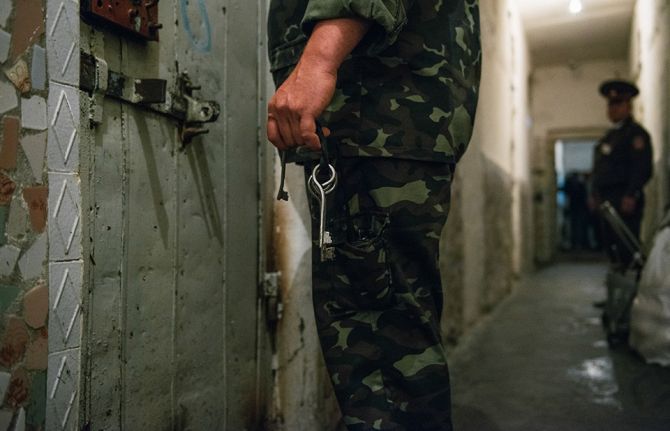
13 May 2020 13 May 2020With more than 11 million people in custody worldwide, and 30 million people entering and leaving detention every year, the threat of COVID-19 for people in prisons is very real. In the vast majority of the world’s overcrowded and underfunded prisons and detention centres, physical distancing is simply not an option. In situations where close confinement, shared facilities and spaces and poor hygiene are commonplace, inmates and prison staff are living in constant fear of the ticking COVID-19 time bomb.
“A health response to COVID-19 in prisons is not enough. This unprecedented global emergency demands a response based on human rights,” said Winnie Byanyima, Executive Director of UNAIDS. “Countries must ensure not only the security but also the health, safety and human dignity of people deprived of their liberty at all times, irrespective of any state of emergency.”
UNAIDS, the Office of the United Nations High Commissioner for Human Rights, the World Health Organization and United Nations Office on Drugs and Crime are calling on leaders to make detention a last resort, to close drug rehabilitation detention centres and to decriminalize sex work, same-sex sexual relations and drug use. They are urging countries to release the people who can be released and to consider people at risk of COVID-19, such as older people and people with pre-existing health conditions. Other people, including people sentenced for minor, non-violent offences, pregnant women, women who are breastfeeding and children, should also be considered for release.
As reports of terrified inmates sewing makeshift masks continue to emerge, countries are starting to take action. The Government of Ethiopia, for example, has released more than 30 000 prisoners and has heightened sanitation measures. Indonesia is releasing more than 50 000 people, including 15 000 people incarcerated for drug-related offences. The Islamic Republic of Iran is releasing 40% of its total prison population,100 000 people, while Chile is set to release around 50 000 people.

Feature Story
Sex workers in Bangladesh: building resilience during the COVID-19 pandemic
13 May 2020
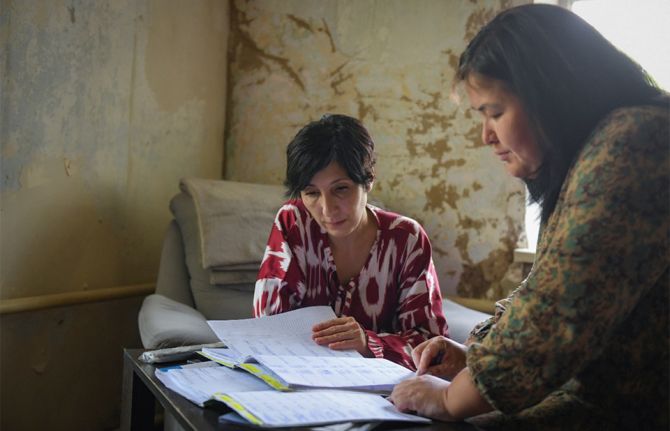
13 May 2020 13 May 2020Shahnaz Khatun (not her real name), a former sex worker now running a small clothing business in Dhaka, Bangladesh, found herself in difficulties when the country went into lockdown. Before the COVID-19 outbreak, the areas where she used to work were crowded, but now they are quiet. Ms Khatun is self-isolating in response to the government’s call, but she is unable to provide for herself and her family. “My business is now out of action due to the restrictions on movement. I have some underlying health conditions and I spent all my money on buying medicines,” she said.
As a result of the COVID-19 pandemic, sex workers in Bangladesh, like other informal sector workers, are experiencing hardship and a loss of income. With the limited support that some of them get, they can barely feed themselves and their children. Only a few of them have savings to fall back on and little access to services that could bring some relief. Conditions are more vulnerable for street-based sex workers, as most of them are homeless.
However, sex workers in Bangladesh are organizing themselves, establishing support networks to help their peers. The Bangladesh Sex Workers Network, a nongovernment organization working for the rights of sex workers, mobilized financial aid for more than 2100 sex workers across the country that was distributed through the active engagement of 26 community-based organizations. “Many sex workers have chosen this profession for the sake of their families or children, to provide them with food and a livelihood. Today, sex workers’ families are passing their days helplessly with no money in their pocket,” explains Ms Kajol, President of the Sex Workers Network of Bangladesh.
Ms Khatun received 10 000 Bangladeshi taka, equivalent to US$ 120, through the Bangladesh Sex Workers Network. “With this, I also bought food for another 30 sex workers. I am also arranging for delivery of masks, soap and food to other sex workers in my area and am teaching them about hand washing techniques, maintaining personal hygiene and social distance maintenance,” she said.
Ankhi Akhter (not her real name), who works in a brothel in Tangail, gives support for mental health issues to her peers and encourages regular communication among sex workers in order to cope with stress and to exchange thoughts. “The local governmental authority and a number of nongovernmental organizations, as well as private entities, have already helped us with food and a limited amount of money,” she said. “However, these will not be sufficient if the situation continues.”
As a result of Ms Akhter’s efforts, the Dhaka District Council Office and the Member of Parliament representing the district donated food to the brothel and distributed it among a network of 500 sex workers. The Society for Social Service, a local nongovernmental organization, offered cash payments to more than 400 sex workers and landlords postponed utility bills, such as rent, electricity and water. Most of the sex workers in the brothel received masks, soap and hand sanitizer from the brothel and volunteer organizations.
Sweety Begum (not her real name) is the leader of a community-based organization that supports street-based sex workers in Rajshahi. She relies on her husband's limited income for their living expenses and is helping other sex workers with the small amount of financial help she receives. “Street-based sex workers outside Dhaka are getting less help than those in Dhaka and they are scared to collect aid because of stigma and discrimination,” she said.
“Eleven brothels in Bangladesh have received food and some financial support from government organizations: however, this is not enough. In some areas, relief has been provided only to those who have a national identity card and, unfortunately, not all sex workers have this,” says Saima Khan, UNAIDS Country Manager for Bangladesh.
UNAIDS and the United Nations Children’s Fund have been supporting the network of sex workers to develop income-generating schemes so they can compensate for the loss of income caused by COVID-19. Also, through the network of sex workers and in collaboration with the Bangladesh Country Coordinating Mechanism, UNAIDS has supported 23 community-based organizations of sex workers to procure protective commodities such as soap and masks during the initial stages of the response to COVID-19. Advocacy with organizations to make access to aid easier for sex workers is also ongoing.
“The Sex Workers Network of Bangladesh, through collective efforts, will continue to work hand in hand, so that sex workers can fight back against any difficult situation they face together, leaving no one behind,” said Ms Kajol.
Our work
Region/country

Feature Story
HIV testing and support for homeless people in Belarus
11 May 2020
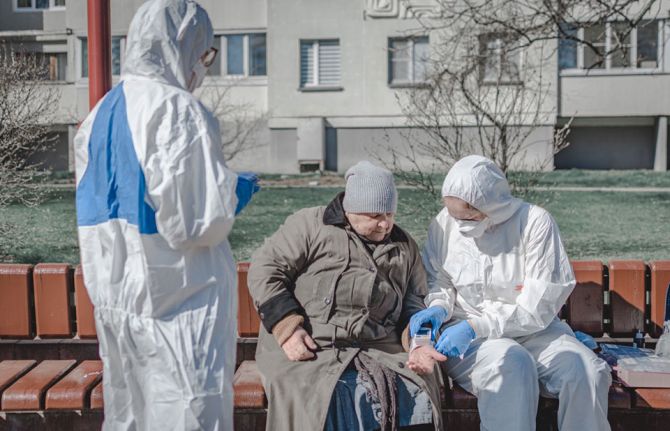
11 May 2020 11 May 2020Homeless people have difficulty accessing health-care services at the best of times, but the COVID-19 pandemic has curtailed access even more. Stigma and discrimination and the conditions they live in make homeless people particularly vulnerable not only to COVID-19 but also tuberculosis, HIV, hepatitis and other diseases.
“Before the COVID-19 pandemic there were about 11 shelters in Minsk where people could get clean clothes, wash themselves, have food and stay for a night. Now only three of them remain open,” said Karina Radchenko, a volunteer from Street Medicine, the country's first volunteer network to treat the homeless. “We know that some of them are living with HIV, but because they don’t have proper identification and residence registration they can’t get free treatment. This is why we need to keep providing support to the homeless, especially now.”
Launched by Street Medicine, UNAIDS, the Positive Movement—a Minsk-based nongovernmental organization that provides HIV services—and the Ministry of Health of Belarus, a new initiative is providing HIV testing and support to the homeless during the COVID-19 pandemic.
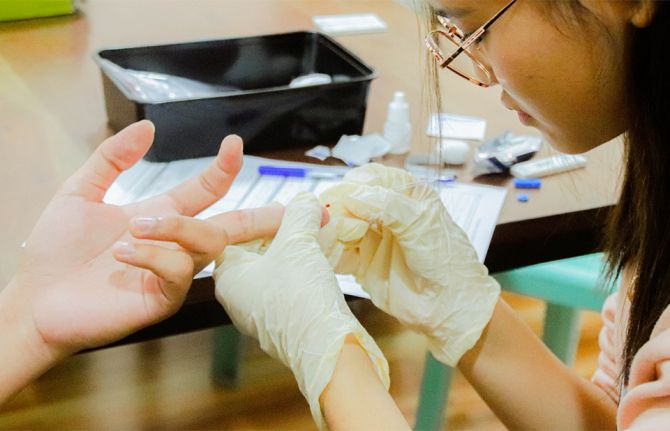
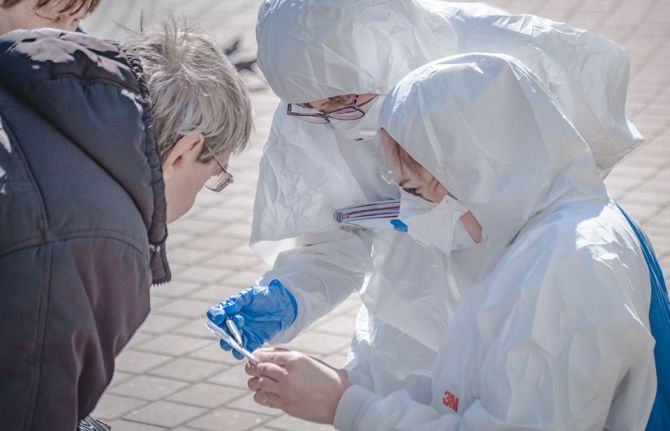
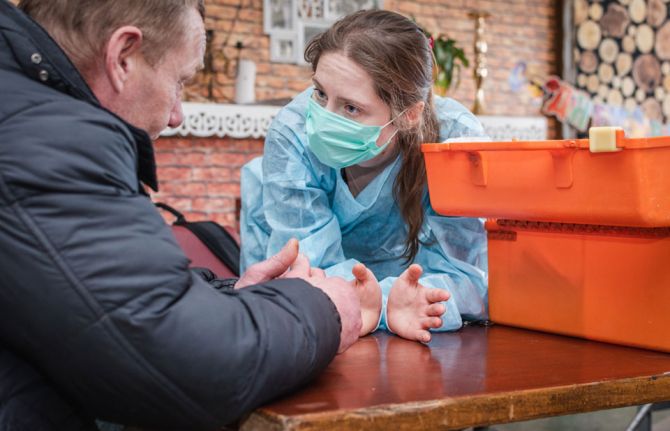
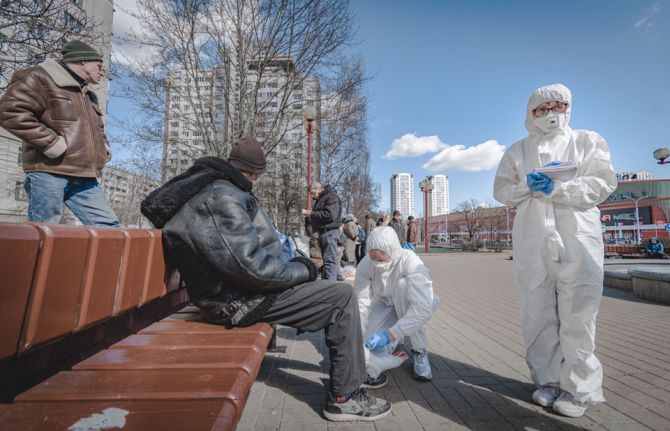
Working on the streets, the volunteers distribute condoms, hygiene packs and over-the-counter medicines and provide HIV testing and counselling together with first aid, such as wound treatment and bandage application. The first phase of the initiative will see at least 200 homeless people in Minsk and beyond being tested for HIV and will collect information on their HIV prevention needs and the barriers they face in accessing HIV treatment and other health services.
“Homeless people very often don’t have identification, and this complicates a formal recognition of their HIV status and their access to HIV treatment,” said Vera Ilyenkova, the UNAIDS Country Manager for Belarus. “One of the goals of this initiative is to help people who test positive for HIV to get connected to health facilities so they can get treatment and proper documents from the authorities.”
Our work
Region/country
Related
Feature Story
Dealing with COVID-19 in Cameroon
11 May 2020
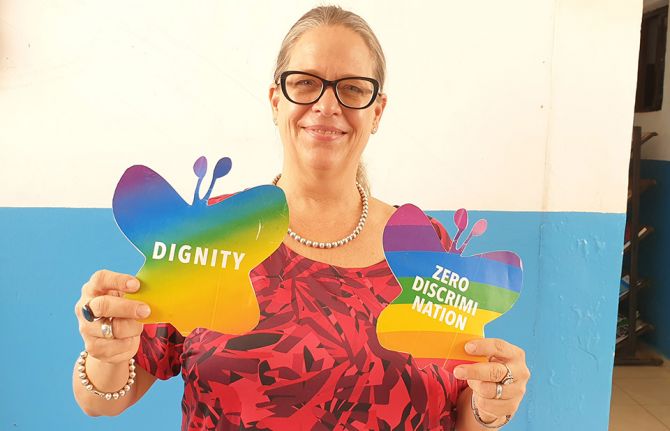
11 May 2020 11 May 2020Q&A with UNAIDS Country Director Savina Ammassari
Savina Ammassari has been the UNAIDS Country Director for Cameroon since 2018. Before that, she worked for UNAIDS in India, Myanmar and Cambodia as a Strategic Information Adviser. She has supported initiatives promoting sustainable development, equity and human rights in more than 20 countries.
Because she has lived and worked in so many countries and speaks many languages, she considers herself quick to adapt, but COVID-19 has definitely tested her.
Savina, did you feel like COVID-19 was a tsunami coming your way?
Yes, indeed, I saw the tsunami coming. I’d followed the COVID-19 outbreak in China, the rapidly unfolding epidemic in Italy, my home country, which already has claimed more than 24 000 lives. I was acutely aware that many countries in sub-Saharan Africa, including Cameroon, would be ill-prepared to address the devastating health and economic impacts of COVID-19, where fragile health systems and chronic poverty represent significant challenges for government, community and United Nations system responses to the pandemic.
The realities of the crisis enveloping the world were starkly brought home to me when my brother-in-law, working as a surgeon in Brescia, the epicentre of the Italian epidemic, developed severe COVID-19 symptoms, leading to bilateral pneumonia. Fortunately, he was ventilated and received experimental treatments. His life has been saved. But I know this will not be the case for everyone, especially in countries with weaker health-care systems.
Cameroon is now the COVID-19 epicentre in western and central Africa. The first cases were detected at the airport of the capital, Yaoundé. Additional cases were soon recorded in Douala, the largest city of the country. Despite early measures taken by the Government to isolate initial cases, testing and contact tracing, community transmission has taken hold. Limited access to testing services makes it difficult to know the extent of transmission.
The Cameroon response has faced significant constraints, not least the capacity to scale up testing and expand contact tracing and the provision of intensive care unit/ventilation support for the seriously ill, as well as adequate personal protective equipment for medical staff. The rapid implementation of community education programmes, emphasizing hand hygiene and social distancing, is an ongoing challenge, especially in poor, often overcrowded, urban areas.
How did Cameroon prepare? In Cameroon, there initially was a sense of optimism that, somehow, Africa, unlike other regions, would manage to avoid the catastrophic consequences of the pandemic. There was little awareness that Cameroon was most likely just a matter of a few weeks behind.
Today, Cameroon is the most affected country in the region and second in sub-Saharan Africa, with a quickly rising rate of infections. The scarcity of test kits obviously hides the real number of infections. Counting individual infections, recoveries and fatalities does not provide the real picture. UNAIDS advocated for a modelling of the epidemic in order to enable quantification of health-care needs and procurement.
As the first COVID-19 cases were detected in Yaoundé, a small number of health-sector officials gathered with the Minister of Health to discuss and plan epidemic containment and impact mitigation measures. I was one of the United Nations officials requested to be part of the group, given UNAIDS’ experience in epidemic management. I underscored the need to build on existing systems and make use of the community-driven efforts of the national AIDS response. I advocated for frontloading investments in communication and community mobilization to prevent COVID-19 infections, using a multisectoral approach.
The multisectoral response fell into place through the direct involvement of the United Nations Resident Coordinator (UNRC) with my support. I facilitated the UNRC’s efforts to connect the Minister of Health with development partners in weekly teleconference calls. Partners were ready to assist but lacked information on the most immediate needs.
UNAIDS has supported the Ministry of Health to model the COVID-19 epidemic to better understand and quantify needs. This has been done through teleconferencing, with the participation of various technical and financial partners. It has helped with the prioritization of needs and the quantification and costing of urgently required supplies and equipment. Partners were ready to support this effort, but required not only a modelled, costed national COVID-19 response plan but also a well-articulated procurement schedule based on the plan. UNAIDS has also successfully advocated for the establishment of a strategic information working group to analyse more in-depth data from surveillance, model the epidemic, and monitor and evaluate the COVID-19 response.
Communicating is indeed key. But how do you deal with things as basic as the lack of running water in many sub-Saharan African countries, making handwashing difficult. How are people coping with this and other measures, such as physical distancing?
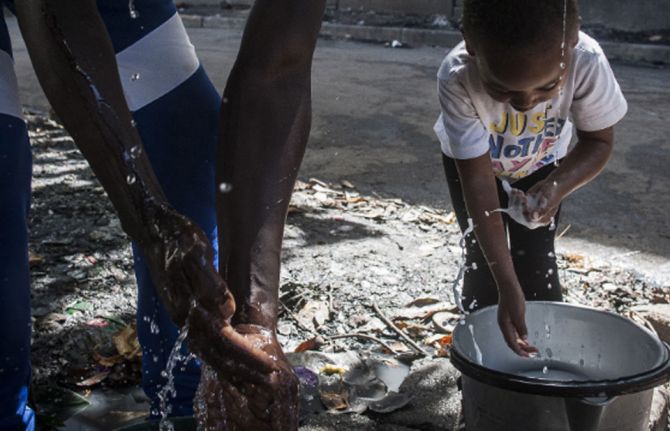
This is indeed a major challenge in Cameroon as there is a lack of consistent water supply in many urban and rural communities. The use of hand sanitizers is not an affordable option for most people and locally produced product is not necessarily quality assured and safe for use.
Similarly, physical distancing and self-isolation are remote, often unrealistic options for communities where large numbers of people, as a rule, share common spaces in their home and community environments. The government has put in place a series of strict measures to contain the spread of COVID-19 (closing schools and educational or training institutions, banning gatherings of all kinds, imposing the use of face masks on public transport), although a comprehensive lockdown has not been promulgated to date. There are legitimate concerns on how a full lockdown could affect the majority of people, as more than 80% of the population work in the informal sector and live hand-to-mouth. Yet, from a public health perspective, lockdowns are a must. Balancing concerns is a major challenge.
Savina, you have never shied away from challenges. Would you say this is the biggest challenge you have faced, and why?
Yes, this crisis is unprecedented, unpredictable. I’m concerned at how the COVID-19 pandemic will affect not only our staff and their dependents but also people living with HIV, who need to continue accessing antiretroviral therapy and services, and people who are already stigmatized, vulnerable and socially and economically marginalized.
We have already witnessed a worrisome rise in stigma and discrimination against members of key populations in Cameroon and are making sure that the UNCT and partners keep human rights issues high on the agenda.
Our work is already challenging in normal times as Cameroon is facing enormous development and humanitarian hurdles. Already, Cameroon’s humanitarian crises on three fronts are not getting enough international attention. It’s the least funded humanitarian crisis worldwide. The COVID-19 epidemic multiplies these challenges several times over.
UNAIDS is mobilizing communities and networks in COVID-19 prevention work and making sure that civil society is adequately consulted and involved in the national response to the new virus.
How do you unwind in the evening? How do you recharge your batteries?
I’m afraid I don’t give enough time to relaxing, as I work around the clock, which isn’t good. Perhaps one of the challenges of COVID-19 is to take up new interests outside of work, that can be sustained and enjoyable well into the future.
What are the lessons learned? Will you do things differently from now on?
I’ve learned once again that unity makes force. In unpreceded emergencies like the current one, where no one has the answer or a magic bullet, everyone’s competence and experience is needed. Connecting people, bringing in resources, getting a transparent exchange—all this is paying off. It requires strong leadership and a cohesive team effort.
Our work
Region/country
Related
 Impact of the pause of US foreign assistance in Côte d'Ivoire
19 February 2025
Feature Story
United Nations agencies coordinate their COVID-19 response in South Africa
12 May 2020
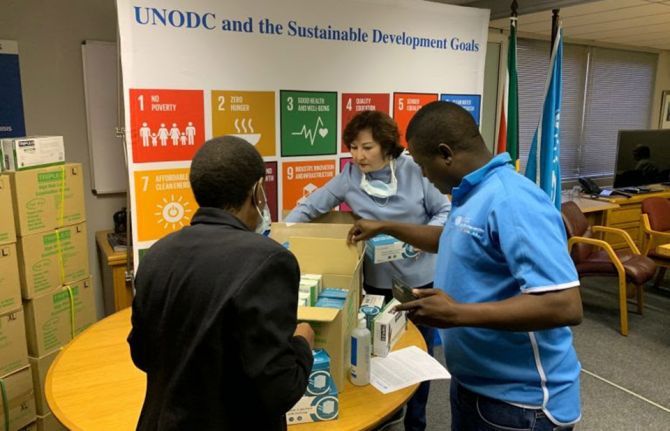
12 May 2020 12 May 2020United Nations entities in South Africa, including UNAIDS, are working closely together to support government and community responses to the COVID-19 pandemic. The United Nations in South Africa has jointly engaged with civil society, the private sector and key affected communities, including people living with HIV and tuberculosis, to rapidly respond to the impact of a national lockdown that commenced on 26 March.
Using the World Health Organization eight-pillar approach, the United Nations in South Africa has developed a multisectoral plan centred on the immediate health and other needs of people, including access to medicines, HIV prevention and testing services, food security, education, social protection and community resilience.
On 30 April, the United Nations in South Africa launched an emergency flash appeal for US$ 136 million to support close to 10 million people in need. The appeal will help fund the civil society response and ensure that the needs of key populations and vulnerable communities are met in the response to COVID-19, including continued health support to people living with HIV, migrants and refugees, women and children affected by violence and communities facing shortages of food and other essentials.
UNAIDS has worked with partners to coordinate the United Nations in South Africa plan, providing support to strategic information, community engagement and communication. Funds already available to the United Nations Joint Team on HIV/AIDS are being reprogrammed to ensure that civil society, people living with HIV, key populations and vulnerable communities continue to be supported in the AIDS response while also addressing new challenges from COVID-19.
United Nations staff, including UNAIDS staff based in provinces with a high HIV burden, are working in the national and provincial COVID-19 command centres and supporting community health workers actively engaged in screening, contact tracing and voluntary testing. South Africa has massively scaled up screening for COVID-19.
Supporting community innovation
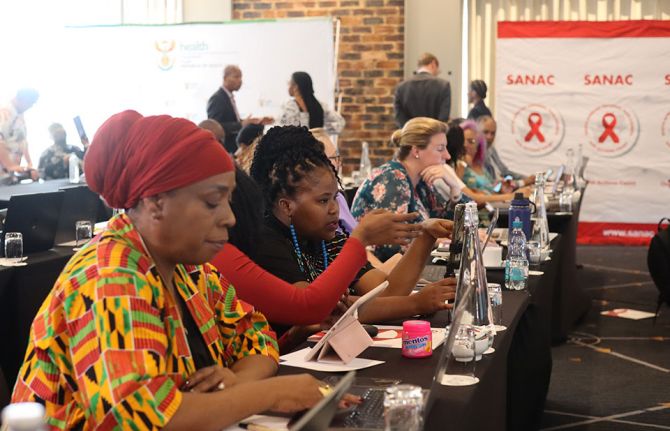
The United Nations has actively engaged with civil society organizations through sector networks, some of which have been established to coordinate responses to the pandemic, such as the C19 People’s Coalition and the COVID-19 Front, and long-standing networks, including the South African National AIDS Council (SANAC) Civil Society Forum and the National Economic Development Council Community Constituency. Their plans include a strong emphasis on advocacy, communication and social mobilization around issues such as medical care, shortages of food and fresh water, crowded housing conditions, homelessness and loss of income. The United Nations Country Team is providing technical support to civil society and resource mobilization through its emergency flash appeal.
UNAIDS has also supported organizations representing people living with HIV to survey and document the needs and challenges of people living with HIV in accessing essential health and social services, antiretroviral therapy and safety and hygiene services committed by the government. The survey results will inform a dialogue led by people living with HIV to find joint solutions.
Working with the government and other partners
Under the leadership of the United Nations Resident Coordinator in South Africa, Nardos Bekele-Thomas, the United Nations in South Africa is fully supporting the all-government, all-society COVID-19 response led by the National Command Council, chaired by the President, with a cutting-edge Ministerial Advisory Council that provides the science and evidence for decision-making.
The United Nations has jointly consulted the government, including the Department of Health and the Department of Social Development, to explore response needs, including support to the National Solidary Fund set up by the President for resource mobilization. The United Nations also briefed the diplomatic corps, the business sector, private foundations and philanthropies on how the United Nations is responding to support the government, civil society and communities. Consultations were also held with the World Bank, which is currently developing a post COVID-19 strategy and possible support to the national response.
The UNAIDS Country Director for South Africa, Mbulawa Mugabe, emphasized the importance of using lessons from the AIDS epidemic to put people at the centre of the COVID-19 response and encourage communities to identify issues and develop solutions. “We need to make sure that we act with purpose and speed,” he said. “Communities have mobilized themselves and are determined that people who need services have access to them. We remain concerned that COVID-19 may impact differently on the 5 million people in South Africa who are living with HIV and on treatment and the 2.5 million people who are not currently receiving antiretroviral therapy. It is important to protect the progress in the AIDS response to date and continue achieving the HIV prevention and treatment targets for 2020.”
The Joint Team on HIV/AIDS in South Africa is working with the Department of Health, primary recipients of the Global Fund to Fight AIDS, Tuberculosis and Malaria and the United States President’s Emergency Plan for AIDS Relief in an effort to safeguard access to HIV services and promote multimonth dispensing of antiretroviral therapy.
UNAIDS is working with the United Nations Office on Drugs and Crime, the Department of Social Development, SANAC and other partners to address disruptions for homeless people, including those who use drugs, so they can access essential services, including antiretroviral therapy, replacement needles and syringes and methadone, even after they were relocated to emergency shelters. The Office of the United Nations High Commissioner for Human Right is monitoring the impact of the lockdown regulations and enforcement procedures on marginalized people and key populations and is advocating to end stigma and prevent punitive measures. The social protection cluster in the United Nations team is working with government and civil society to address humanitarian challenges.
The World Health Organization and UNAIDS are working with the Department of Health and SANAC to develop communication materials directed at communities, including podcasts to be made available through WhatsApp and community radio stations.
Our work
Region/country
Feature Story
Combatting COVID-19 discrimination in Jamaica
08 May 2020
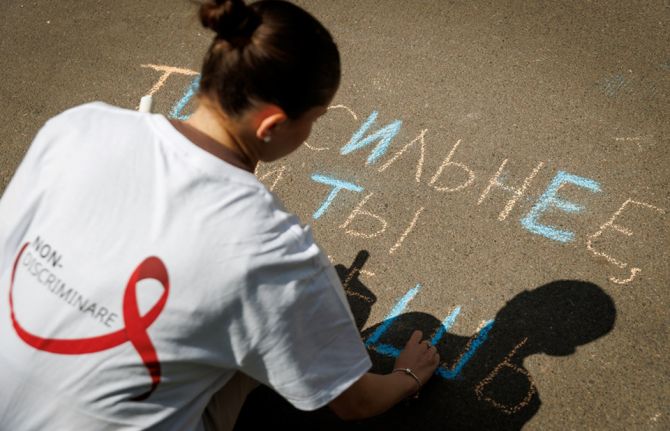
08 May 2020 08 May 2020Some Jamaicans have responded to the COVID-19 outbreak in extreme ways. Family members of one of the first confirmed cases received death threats, and nurses have reported being barred from public transport. Some people have given the health authorities wrong addresses to avoid the stigma that a home visit would attract.
UNAIDS Jamaica and civil society organizations serving people living with HIV have joined the national discourse to share a key lesson learned from HIV: that stigma and discrimination are barriers to an effective response.
Two-thirds of Jamaicans would not purchase vegetables from someone they knew to be living with HIV, according to the 2017 Knowledge Attitude and Behaviour Study. The effect of such widespread prejudice is seen in the island’s treatment outcomes. According to government estimates, while an estimated 84% of people living with HIV were aware of their status in 2018, less than half (47%) were on treatment
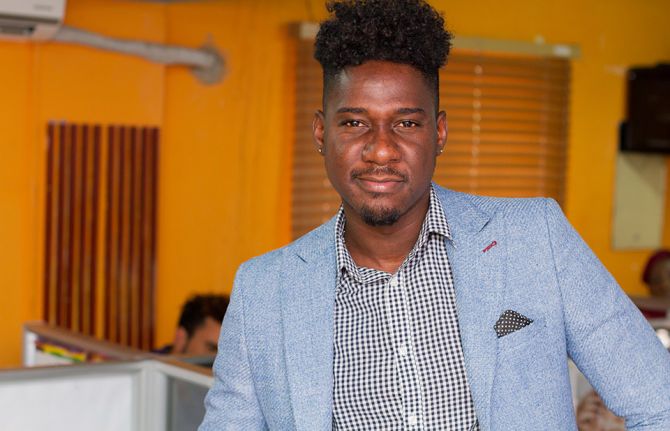
For Jumoke Patrick, Executive Director of the Jamaica Network of Seropositives, there are clear parallels between people’s reactions to the novel coronavirus and HIV.
“People living with HIV feel they need to stay away from people and from accessing services. They feel they need to reduce and limit their lives because of how people treat them. We have some of the same treatment meted out to people positive with, or suspected of having, coronavirus. When there’s fear we respond in a defensive way,” Mr Patrick explained in a webinar hosted by UNAIDS Jamaica.
Community organizations have reported that some COVID-19 stigma has even been directed to people living with HIV. UNAIDS Jamaica has been working to raise awareness among policymakers and through the news media about the importance of building trust with affected people while combatting stigma and discrimination among the wider population.
“Just as with HIV, success in combatting COVID-19 absolutely depends on people’s willingness to get tested and access care. Verbal abuse, violence and intimidation will only chase people away from services,” said Manoela Manova, UNAIDS Country Director for Jamaica.
The Jamaica Ministry of Health has launched an antidiscrimination campaign that includes stories of harassed COVID-19 patients in virtual press conferences.
“None of us are immune to the virus,” Christopher Tufton, the Jamaican Minister of Health, said at a recent press conference. “None of us must claim or think that we will exclusively escape and it is somebody else’s fault. We must treat each other in a way that almost assumes that tomorrow we are going to need the support from those who are so infected and impacted today. We really need to cut the hate and work together as a country and as communities, to overcome.”
Our work
Region/country
Feature Story
United Nations in South Africa launches US$ 136 million COVID-19 flash appeal
07 May 2020
07 May 2020 07 May 2020The United Nations agencies in South Africa have launched a joint flash appeal to support 9.9 million people to cope with the COVID-19 response.
The United Nations Country Team in South Africa, under the leadership of the Resident Coordinator, was joined for the launch of the appeal on 30 April by government ministers and others.
The Emergency Appeal on the Impact of COVID-19 in South Africa calls for US$ 136 million to support government efforts to reach vulnerable and marginalized communities to address the impact of COVID-19. It aims to raise funds for health, including HIV/tuberculosis, food security and nutrition, gender-based violence protection and response, education, water and sanitation, coordination and governance.
The United Nations Resident Coordinator, Nardos Bekele-Thomas, said, “Helping South Africa especially at this time makes development sense and it also makes business sense. We focus on the most vulnerable groups. They have potential to be producers and, with disposable income, they will become consumers, investors and productive assets for the economy,” she said.
The Minister of Health, Zwele Mkhize, welcomed the United Nations plan, which will complement national efforts and focus on the needs of vulnerable communities, including people living with HIV and tuberculosis, migrants and refugees, vulnerable women and children, key populations and millions affected by poverty, unemployment and the impact of national restrictions on trade and movement since 26 March. “We have various issues of inequality, unemployment, poverty and densely populated areas and chronic overcrowding in our metros, which are the most affected by COVID-19. We have already started to see local transmissions in these areas, which has given us cause for concern,” he said.
Mr Mkhize said the appeal would also help to ensure that the AIDS response continues unabated, including scaling up testing and treatment for people living with HIV. “We had already started a programme to achieve our 90–90–90 goals in 14 of the 52 districts and we cannot allow this pandemic to disrupt all these efforts and the successes and achievements we have already scored,” he said. “We appreciate the focus on people living with HIV, given the burden of disease.”
The Minister of Health told the launch that it was important to work with communities, civil society and other stakeholders already in place. The COVID-19 response would strengthen South Africa’s resolve to achieve universal health coverage, he said.