Documents
Confronting discrimination
02 October 2017
This report compiles the latest body of evidence on how stigma and discrimination create barriers across the HIV prevention, testing and treatment cascades and reduce the impact of the AIDS response. The report also brings together best practices on confronting stigma and discrimination, providing a valuable resource for programme managers, policy-makers, health-care providers and communities. The evidence shows that the establishment of people-centred service delivery models, supportive legal and policy frameworks, monitoring and enforcement mechanisms, and sensitization training for health-care workers and other duty bearers can promote inclusion and increase access to services.

Documents
2017 Global AIDS update - Ending AIDS: progress towards the 90–90–90 targets
20 July 2017
This report clearly demonstrates the power of the 90–90–90 targets and what can be achieved in a short time. It shows that innovations are possible at every level—from communities to research laboratories, from villages to cities. It illustrates the power of political leadership to make the impossible possible.
Documents
Right to health
20 November 2017
All people, regardless of their age, gender, place of residence, sexual orientation or other status, have one body, one life. It does not matter if someone has HIV or breast cancer, a sexually transmitted infection or diabetes—people, no matter what their health needs, require comprehensive health solutions that are accessible, available, acceptable and of good quality. States have a duty to respect, protect and fulfil the right to health of everyone. And the world has committed to Sustainable Development Goal 3, to ensure good health and well-being for all.

Documents
HIV and social protection assessment tool: Generating evidence for policy and action on HIV and social protection
20 April 2017
The HIV and social protection assessment tool is used for a quick scan of existing social protection programmes and their sensitivity (or lack of) to the HIV response in a given country and location. Additional follow-up and research that engages the different critical actors, including HIV programme managers, social protection administrators, beneficiaries and civil society representatives, may be necessary in some contexts. The assessment provides countries and communities with tailored analysis on HIV and social protection. This document is also available in Portuguese
Documents
Disability and HIV
15 August 2017
This report highlights existing key evidence on the relationship between disability and HIV. It discusses the concrete steps needed for a person-centred, disability-inclusive HIV response that allows for increased participation of people with disabilities and integrates rehabilitation within the continuum of HIV care.

Documents
UNAIDS DATA 2017
20 July 2017
UNAIDS has collected and published information on the state of the world’s HIV epidemic for the past 20 years. This information has shaped and guided the development of the response to HIV in regions, countries and cities worldwide. This edition of UNAIDS data contains the highlights of the very latest data on the world’s response to HIV, consolidating a small part of the huge volume of data collected, analysed and refined by UNAIDS over the years.
Documents
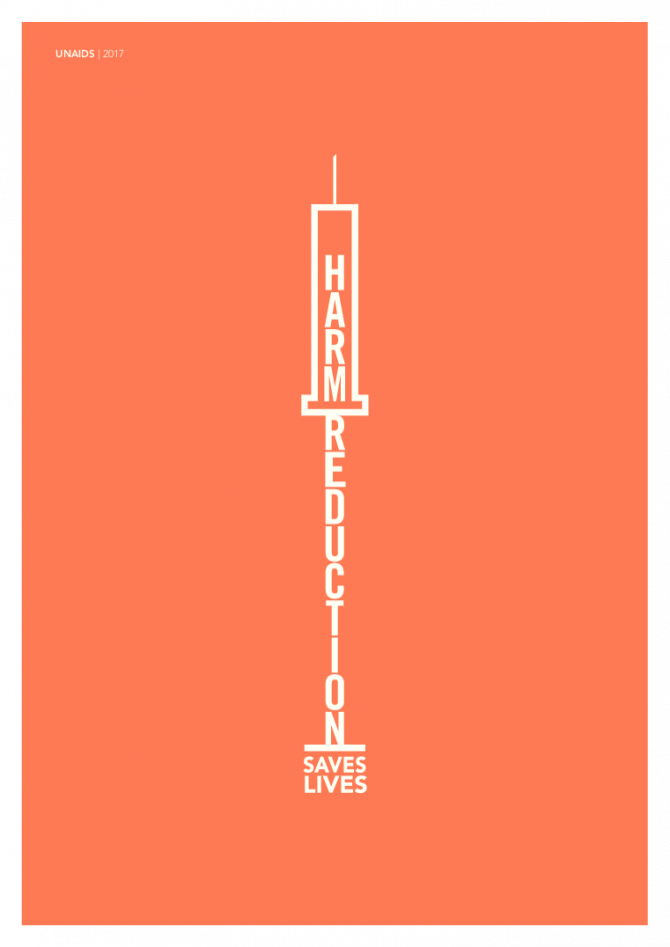
Harm reduction saves lives
26 June 2017
People who use and inject drugs are among the groups at highest risk of exposure to HIV, but remain marginalized and out of reach of health and social services.
Documents
HIV care and support
02 December 2016
The purpose of this document is to: Describe what HIV care and support is. Describe the purpose of care and support in the context of the 2016 World Health Organization (WHO) Consolidated guidelines on the use of antiretroviral drugs for treating and preventing HIV infection. Illustrate how care and support is essential, alongside HIV treatment, to reduce the numbers of HIV-related illnesses and deaths and increase the well-being of people living with HIV, including orphans and other vulnerable children, adolescents, key populations and people aged 50 years and over.
Documents
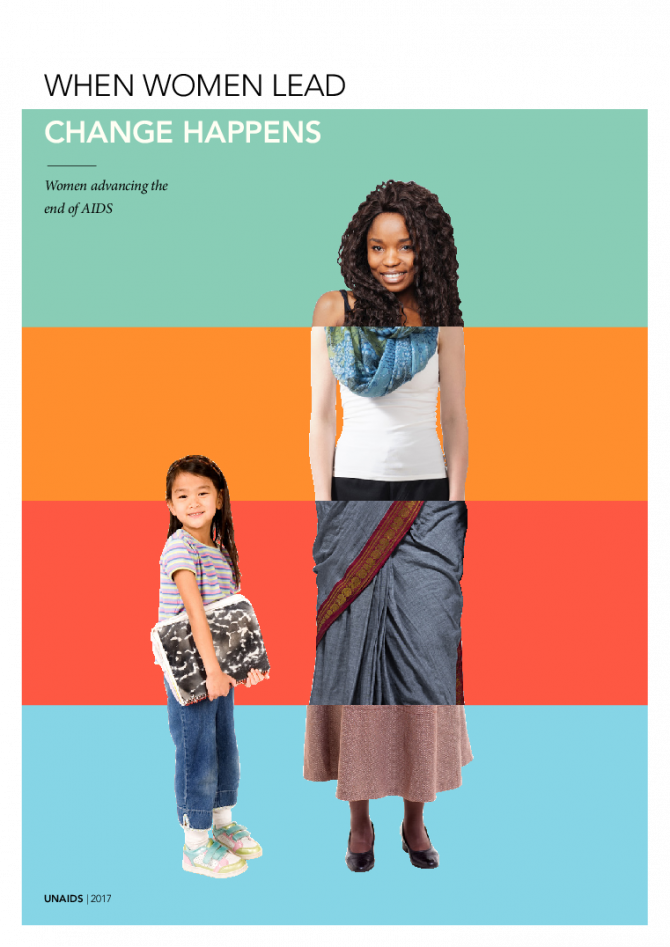
When women lead, change happens
08 March 2017
Today, we are at the cusp of eliminating new HIV infections among children—a movement led by women. More women are accessing antiretroviral therapy than men, transferring the benefits of their good health to their families and economies. When young women are empowered and have their rights fulfilled, HIV prevalence falls, there are fewer unintended pregnancies, fewer maternal deaths and fewer dropouts from school and more women join the workforce. When young women have access to education, health outcomes dramatically improve.
Documents
Prevention Gap Report: Summary
11 July 2016
Efforts to reach fewer than 500 000 new HIV infections by 2020 are off track. This simple conclusion sits atop a complex and diverse global tapestry. Data from 146 countries show that some have achieved declines in new HIV infections among adults of 50% or more over the last 10 years, while many others have not made measurable progress, and yet others have experienced worrying increases in new HIV infections. More on the Prevention Gap report | Slides are also available for download