

Feature Story
Navigating Lesotho’s legal system to address gender-based violence
08 March 2021
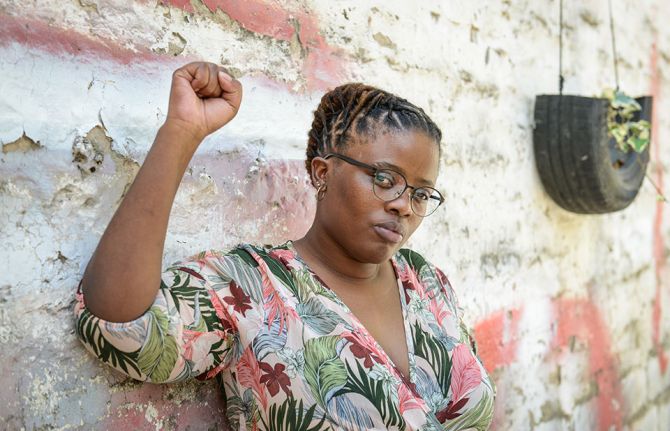
08 March 2021 08 March 2021When Lineo Tsikoane gave birth to her daughter, she was inspired to intensify her advocacy for gender equality to give Nairasha a better life as a girl growing up in Lesotho.
“I think a big light went off in my head to say, “What if the world that I’m going to leave will not be as pure as I imagine?” I ask myself, “What kind of world do I want to leave my daughter in?”” she says.
As a result, Ms Tsikoane champions for women’s social, economic and legal empowerment at her firm, Nairasha Legal Support. It offers legal support for women in small and medium enterprises and women who are survivors of sexual and gender-based violence.
“Our main focus is gender-based violence, because this happens to be a country that has one of the highest incidences of rape and intimate partner crime in the world,” she says.
Even before the COVID-19 outbreak, violence against women and girls had reached epidemic proportions globally.
According to UN Women, 243 million women and girls worldwide were abused by an intimate partner in the past year. In Lesotho, it is one in three women and girls.
Less than 40% of women who experience violence report it or seek help.
As countries implemented lockdown measures to stop the spread of the coronavirus, violence against women, especially domestic violence, intensified—in some countries, calls to helplines increased fivefold.
In others, formal reports of domestic violence have decreased as survivors find it harder to seek help and access support through the regular channels. School closures and economic strains left women and girls poorer, out of school and out of jobs, and more vulnerable to exploitation, abuse, forced marriage and harassment.
The United Nations Population Fund (UNFPA) works together with UNAIDS, the United Nations Children’s Fund and the World Health Organization on 2gether4SRHR, a joint programme funded by the Swedish International Development Cooperation Agency, to address HIV and sexual and reproductive health in Lesotho.
During Lesotho’s lockdowns, UNFPA worked with Gender Links, the Lesotho Mobile Police Service and others to support efforts to prevent and respond to incidences of gender-based violence.
“We are ensuring that a helpline, where people experiencing gender-based violence can call, is in place and is working and we are also providing relevant information through various platforms for people to access all the information they need on gender-based violence,” says Manthabeleng Mabetha, the UNFPA Country Director for Lesotho.
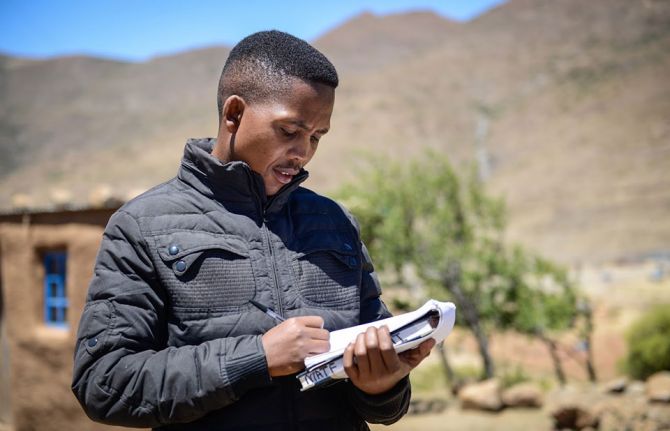
Mantau Kolisang, a local policeman from Quthing, Lesotho’s southernmost district, characterized by rolling hills and vast landscapes, says one reason why gender-based violence is prevalent in Lesotho is because the law is not heeded in the rural areas.
“It’s difficult to implement the law since these are remote areas,” he says, adding that while he has made arrests, he has no transport to access far-flung areas in the small mountainous region.
Lesotho’s law states that a girl can marry at the age of 16 years. However, Mr Kolisang says cultural practices, coupled with contraventions of the law, has made some men believe a 13-year-old girl “can be a wife”, exposing Basotho girls to violence.
“Men don’t regard it as a crime,” he says, adding that girls have been abducted from the mountains for forced marriages.
Between 2013 and 2019, 35% of adolescent girls and young women in sub-Saharan Africa were married before the age of 18 years. Girls married before 18 years of age are more likely to experience intimate partner violence than those married after the age of 18.
Because of poverty, gender inequality, harmful practices (such as child, early or forced marriage), poor infrastructure and gender-based violence, girls are denied access to education, one of the strongest predictors of good health and well-being in women and their children.
In Lesotho’s legal system, women are regarded as perpetual minors. This categorization infantilizes women, Ms Tsikoane says. A man who abuses a woman can often walk away unscathed from the justice system if he says the woman in question is his “wife”, she adds.
“This makes women vulnerable to commodification because a child can be passed around,” she says.
Ms Tsikoane says there is a direct link between the minority status of women and HIV infection in Lesotho. In 2019, there were 190 000 women 15 years and older living with HIV in Lesotho, compared to 130 000 men.
Adolescent girls and young women between the ages of 15 and 24 years are particularly vulnerable. They accounted for a quarter of the 11 000 new HIV infections in Lesotho in 2019.
“My hypothesis is women cannot negotiate safe sex,” says Ms Tsikoane.
The dangerous reality that Basotho women live in worries Mr Kolisang. But due to a lack of institutional support and resources, he feels his actions have limited effect.
“I feel for these children. I feel for these women. I do feel for them. I can help, but the problem is how?” he laments.
Ms Tsikoane says she finds “trinkets of opportunities” for her and her colleagues to help their clients and navigate a legal system that is not favourable towards women.
“So, if you are not being well assisted at a police station, if you feel like someone is dragging your case and you are struggling to get an audience, we are there. We will support you and we will fight with you,” she says.
Our work
Region/country
Related
Feature Story
PrEP in the City: campaign for transgender women aims to increase PrEP uptake in Thailand
09 December 2020
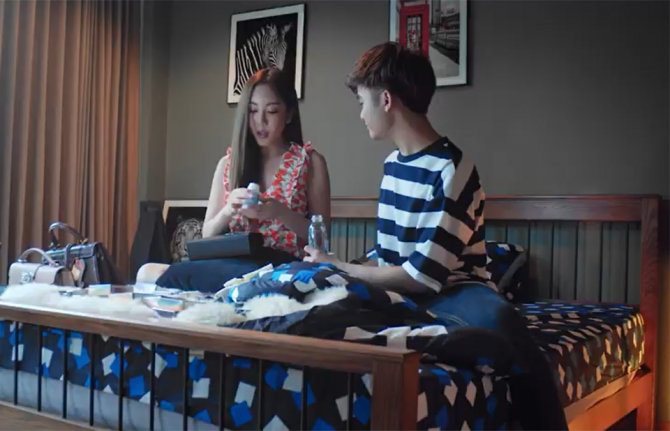
09 December 2020 09 December 2020Rena Janamnuaysook steps off the Skytrain in Bangkok’s bustling Sukhumvit shopping district. She looks up, filled with a sense of joy as her eye catches an advert just beyond the platform. The advert is promoting the PrEP in the City campaign to raise awareness and increase the uptake of PrEP among Thai transgender women and shows glimpses of the lives of four transgender women as they juggle their busy work schedules, their role as a mother and their relationship with loved ones, all the while taking control of their health with their daily dose of pre-exposure prophylaxis (PrEP). For Ms Janamnuaysook, a transgender advocate and Program Manager for Transgender Health at the Institute of HIV Research and Innovation (IHRI), this first-ever PrEP campaign for transgender women in Thailand signals promise for the country’s HIV response.
“PrEP campaigns of the past were only targeting other key populations, especially men who have sex with men and gay men. Transgender women were left out from PrEP campaigns or public messages,” says Ms Janamnuaysook.
HIV prevalence among transgender people in Thailand was estimated to be 11% in 2018, with no sign of a decline in the past few years, and the current uptake of PrEP among transgender women is only 7%, making the group a particularly at-risk population. Less than half (42%) of transgender people reported that they are aware of their HIV status, while services catering to their specific needs are limited.
Limited awareness and knowledge about PrEP contribute to the low uptake. The campaign strategy includes reframing the conversation on PrEP use and challenging negative perceptions of PrEP within the transgender population. “For transgender women who know about PrEP already, they still don't want to get it because it has been associated with risky behaviour or negative behaviour. In Thai society, if you use PrEP then you are perceived to have multiple partners, be a sex worker or must have unprotected sex,” says Ms Janamnuaysook.
Ms Note, a client at the Tangerine Clinic, South East Asia’s first transgender-specific sexual health clinic that offers gender-affirming integrated health care and PrEP, among many other health services, speaks of the perception of PrEP, saying, “I had to be cautious so that nobody sees me taking the pills because sometimes people are worried and think that I am sick.” A goal of the campaign is to normalize the use of PrEP and promote continued use, particularly important when evidence suggests that nearly half of transgender women (46%) in Thailand did not return for their one-month visit after starting PrEP.
“The campaign makes taking PrEP seem similar to taking vitamins or supplements for good health. It removes the image that PrEP is suitable for only certain groups, when in fact it can be taken by anybody,” said Ms Note.
Adverts for the campaign are on billboards across Bangkok, illustrative of the collaboration with the Bangkok Metropolitan Administration and the commitment to achieve the city’s Fast-Track Targets. Online, IHRI has enlisted various social media influencers, bloggers and opinion leaders in the transgender community to share information about the campaign.
“I personally feel proud to have participated in this campaign, which makes people see the other sides of us, transgender women, and our potentials,” says Jiratchaya (Mo) Sirimongkolnavin, a model and beauty blogger featured in the campaign, who is a former winner of Miss International Queen, one of the world’s largest transgender beauty pageants. She goes on to explain, “It encourages people to have general conversations about sex and how to protect themselves from HIV infection.”
Promoting positive representations of Thai transgender women is an underlying focus of the campaign. “I think the story in the video will help wider audiences to see the diversity among transgender people that actually exists in today’s society,” said Ms Note. “The fact that transgenders have many occupations and abilities.”
At a launch event for the campaign, Satit Pitutecha, Deputy Minister of Public Health, spoke about the government’s commitment to strengthening the HIV response, stating, “The Ministry of Public Health has committed to working in partnership with communities and civil society to promote access to HIV and other health services for transgender people.”
Ms Janamnuaysook is proud of the buzz that the campaign has catalysed, which has been shared widely in Thailand and in surrounding countries. She hopes that this campaign, with its tailored messaging for transgender women, won’t be the last and believes that it can serve as a model for future campaigns focusing on other key populations.
The PrEP in the City campaign was developed by IHRI and is supported by the United States President’s Emergency Plan for AIDS Relief through the United States Agency for International Development’s LINKAGES Thailand Project, managed by FHI 360 and the United States Centers for Disease Control and Prevention, the Bangkok Metropolitan Administration, the Division of AIDS and STIs of the Ministry of Public Health and the UNAIDS Asia–Pacific Office.
Related
UNAIDS, WHO and Unitaid bring manufacturers and governments together in Geneva as HIV financing enters a new era
14 September 2026
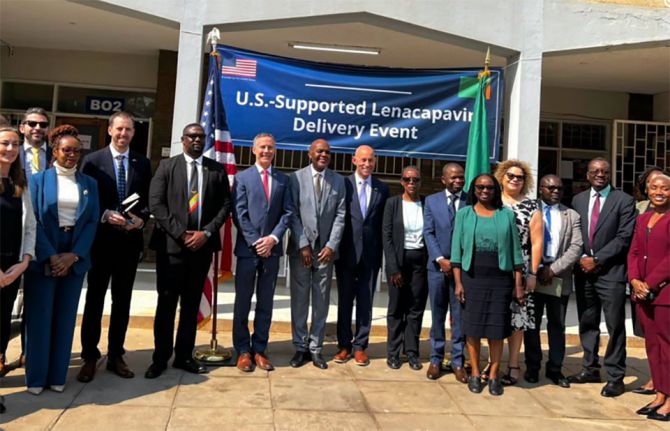 UNAIDS works with partners and communities to support Zambia's rollout of Lenacapavir to prevent new HIV infections
09 September 2026
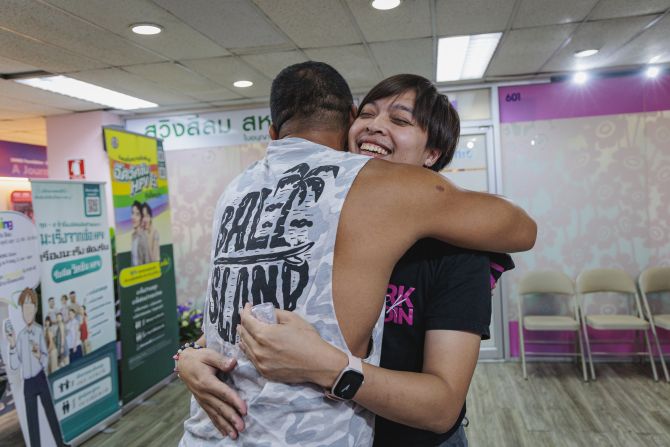 Built on trust - Community-led HIV responses in Thailand
26 August 2026

Feature Story
Snapshots on how UNAIDS is supporting the HIV response during COVID-19
03 December 2020
03 December 2020 03 December 2020From the very beginning of the pandemic, UNAIDS has been helping people living with and affected by HIV to withstand the impacts of COVID-19.
In January and February, when COVID-19 forced a lockdown in Wuhan, China, the UNAIDS China Country Office started to receive messages on social media from people living with HIV, expressing their frustration and seeking help.
A survey of people living with HIV in China devised and jointly launched by UNAIDS found in February that the COVID-19 outbreak was having a major impact on the lives of people living with HIV in the country, with nearly a third of people living with HIV reporting that, because of the lockdowns and restrictions on movement in some places in China, they were at risk of running out of their HIV treatment in the coming days.
The lockdowns had also resulted in people living with HIV who had travelled away from their home towns not being able to get back to where they live and access HIV services, including treatment, from their usual health-care providers.
The UNAIDS China Country Office worked with the BaiHuaLin alliance and other community partners to urgently reach the people at risk of running out of their medicines to ensure that they got their medicine refills. By the end of March, special pick-ups and mail deliveries of HIV medicines arranged by UNAIDS had reached more than 6000 people in Wuhan. UNAIDS also donated personal protective equipment to civil society organizations serving people living with HIV, hospitals and others to help in the very early stages of the outbreak.
But the UNAIDS China Country Office didn’t just help people in China. Liu Jie, the Community Mobilization Officer in the UNAIDS Country Office in China, was surprised when she had a call from Poland in March. “A Chinese man introduced himself, saying he is stranded and will run out of HIV medicine in two days,” she said.
With travel restrictions closing down more and more countries, the man could neither return home nor access medicine. Not knowing what to do, he reached out to a Chinese community-based organization and through it contacted UNAIDS in Beijing. A series of phone calls later and the National AIDS Center in Poland followed up—24 hours later, Ms Liu received a photo of the same man who called her, holding up a box of HIV medicine.
The man stuck in Poland wasn’t the only example of UNAIDS helping individuals to get the treatment they needed. By May, UNAIDS had helped hundreds of stranded people to obtain HIV medicine in countries around the world.
A day before Deepak Sing (not his real name) planned to return to India, all international travel ground to a halt, and he was stuck in Luanda, Angola. “I visited more than 10 pharmacies and explored options of delivery of antiretroviral medicines from India to Angola, but without success,” he said. The UNAIDS Country Director for Angola guided Mr Sing towards the national AIDS institute in Angola, which organized a conference call with a medical doctor because one of the medicines that Mr Sing took is not yet in use in the country. The doctor proposed a substitute and in less than 24 hours he picked up his medication.
It was realized early on in the COVID-19 pandemic that one way of ensuring that people on HIV treatment can continue to access their medicines, and to avoid the risk of transmission of the new coronavirus, was to ensure that people living with HIV got multimonth supplies of their treatment.
An early adopter of multimonth dispensing was Thailand, which announced in late March that it would dipense antiretroviral therapy in three- to six-month doses to the beneficiaries of the Social Security Insurance Scheme. After the decision, UNAIDS worked closely with the Ministry of Public Health and partners to advocate for the adaptation of the same policy for all health insurance schemes.
UNAIDS has supported countries worldwide to ensure that people living with HIV access multiple-month supplies of HIV treatment. For example, in Senegal in May, weaknesses in the supply chain, including inadequate assessments of the needs at some clinics for supplies of antiretroviral therapy and irregular supplies centrally, meant that not all people who needed such supplies got them. UNAIDS supported the government in tracking orders of antiretroviral medicines and in strengthening the supply chain.
A modelling group convened by the World Health Organization and UNAIDS estimated in May that if efforts were not made to mitigate and overcome interruptions in health services and supplies during the COVID-19 pandemic, a six-month disruption of antiretroviral therapy could lead to more than 500 000 extra deaths from AIDS-related illnesses and that gains made in preventing mother-to-child transmission of HIV could be reversed, with new HIV infections among children up by as much as 162%.
The physical distancing and hygiene recommendations to counter the new coronavirus are particularly difficult for some communities to follow. In April, the UNAIDS Regional Support Team for Eastern and Southern Africa and Reckitt Benckiser joined forces to distribute more than 195 000 hygiene packs to people living with HIV in the eastern and southern African region. Each pack consisted of a three-month supply of Dettol soap and Jik surface cleaner and was distributed in 19 countries through UNAIDS country offices and networks of people living with HIV as part of efforts to reduce exposure to the impact of COVID-19 among people living with HIV.
Kyrgyzstan saw a state of emergency imposed on some regions in March, which resulted in a loss of earnings for many people. The UNAIDS Country Office in Kyrgyzstan, with the support of a Russian technical assistance programme, organized the delivery of food packages for the families of people living with HIV, along with colouring books, marker pens and watercolour sets for the children of people living with HIV, to help them get through the lockdown. “We hope that this small help will go some way to enabling people living with HIV to remain on treatment,” said the UNAIDS Country Manager for Kyrgyzstan at the time.
The UNAIDS Country Office for Angola leveraged its partnerships to reach thousands of people in Luanda with food baskets. UNAIDS and partners provided support to women who inject drugs in camps and settlements in Dar es Salaam, United Republic of Tanzania, while a partnership that included UNAIDS provided cash transfer to vulnerable households in Abidjan, Côte d’Ivoire, for nutrition and food security and basic health kits.
Members of key populations and people living with HIV have been particularly impacted by the response to COVID-19. UNAIDS has supported the rights of gay men and other men who have sex with men, transgender people, sex workers, people who inject drugs and prisoners throughout the pandemic.
The Global Network of Sex Work Projects and UNAIDS in April called on countries to take immediate, critical action to protect the health and rights of sex workers during the COVID-19 pandemic. UNAIDS embarked on a project with the Caribbean Sex Work Coalition to help national networks address sex workers’ knowledge, HIV prevention and social support needs during COVID-19. “Sex workers need to be included in national social protection schemes and many of them need emergency financial support,” said the Director of the UNAIDS Caribbean Sub-Regional Office.
UNAIDS Jamaica provided financial support to ensure that Transwave, a transgender rights organization, had personal protective equipment and to supplement care package supplies and ensured that transgender issues are included in the coordinated HIV civil society response to COVID-19 in the country. “COVID-19 has laid bare just how vulnerable people are when they do not have equitable access to opportunities, justice and health care,” said UNAIDS Jamaica’s Community Mobilization Adviser. “That’s why it’s so important and inspiring that Transwave has continued its core work through all this.”
Since the start of the COVID-19 pandemic, UNAIDS has repeated the call that governments must protect human rights and prevent and address gender-based violence. In June, UNAIDS published a report highlighting six critical actions to put gender equality at the centre of COVID-19 responses, showing how governments can confront the gendered and discriminatory impacts of COVID-19.
“Just as HIV has held up a mirror to inequalities and injustices, the COVID-19 pandemic has put a spotlight on the discrimination that women and girls battle against every day of their lives,” said Winnie Byanyima, the Executive Director of UNAIDS, on the launch of the report.
In August, UNAIDS urged governments to protect the most vulnerable, particularly key populations at higher risk of HIV, in a report intended to help governments to take positive steps to respond to human rights concerns in the evolving context of COVID-19.
In the next month, UNAIDS issued a report that shows how countries grappling with COVID-19 are using the experience and infrastructure from the AIDS response to ensure a more robust response to both pandemics.
In October, UNAIDS issued guidance on reducing stigma and discrimination during COVID-19 responses. Drawing on 40 years of experience from the AIDS response, the guidance was based on the latest evidence on what works to reduce HIV-related stigma and discrimination and applies it to COVID-19. As with the HIV epidemic, stigma and discrimination can significantly undermine responses to COVID-19. People who have internalized stigma or anticipate stigmatizing attitudes are more likely to avoid health-care services and are less likely to get tested or admit to symptoms, ultimately sending the pandemic underground.
Looking to the future, UNAIDS joined the call for a COVID-19 People’s Vaccine—a vaccine that is affordable and available to all.
Our work
Feature Story
Dakar addiction centre reaches out to women
04 December 2020
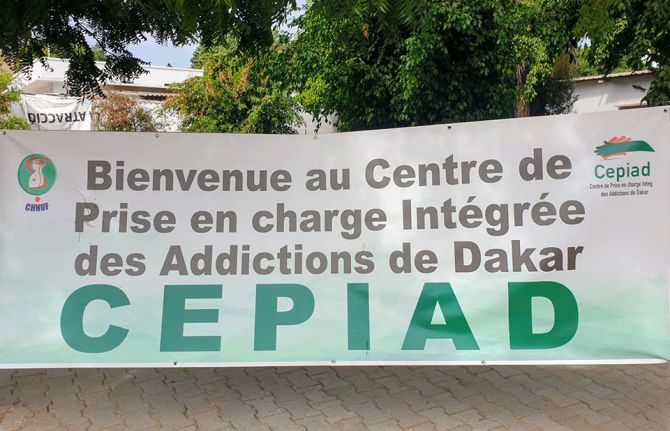
04 December 2020 04 December 2020The Centre de Prise en Charge Intégrée des Addictions de Dakar (CEPIAD), which opened in December 2014, is an addiction reference centre in Dakar for Senegal and the wider region. To date, it has cared for 1200 people, including approximately 250 people currently enrolled on its opioid substitution therapy programme.
In Senegal, HIV prevalence among people who inject drugs is 3.7%, well above the average of 0.4% among the general population. HIV prevalence is higher among female drug users (13%) than among men (3%), but women represent less than 10% of CEPIAD’s active caseload. In response, CEPIAD has reached out to women who inject drugs. With the support of UNAIDS, and in collaboration with the Conseil National De Lutte Contre le Sida, CEPIAD organized a week of activities around World AIDS Day to address the specific needs of women.
“Women were at the heart of the organization of this week. We want to remove the misrepresentations and misunderstandings that hinder their attendance at the centre,” said Ibrahima Ndiaye, Deputy Coordinator of CEPIAD.
Women were able to access HIV and hepatitis C screening services, gynaecology consultations, including cervical cancer screening, and addiction counselling. Talks with female drug users and a debate on harm reduction were organized on 1 December, World AIDS Day.
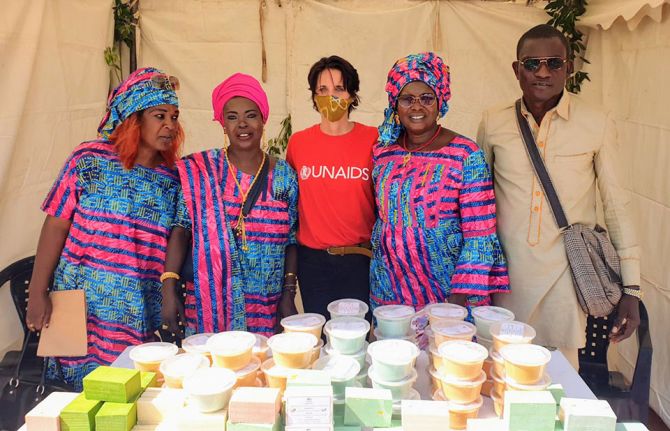
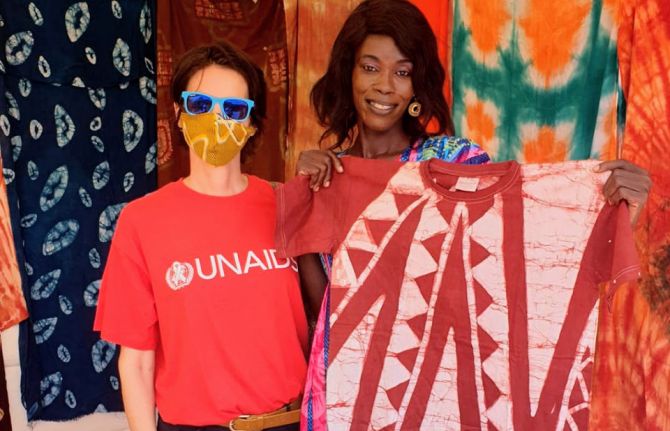
A three-day training on making soap, using honey, aloe vera, shea butter, palm oil and mbeurbeuf, and a batik workshop were also offered. More than 50 women participated and the products were sold on the closing day of the week of activities.
Ndeye Khady, the founder of the batik workshop, is a former crack smoker who is currently accessing opioid substitution therapy and antiretroviral therapy at CEPIAD, where she met her husband, also a former drug user. “My dream now is to have a child. I am so grateful that I have been able to take advantage of the services offered. I encourage more women to use them,” she said.
Region/country
Feature Story
The shero of Butha-Buthe: Matšeliso Setoko
11 December 2020
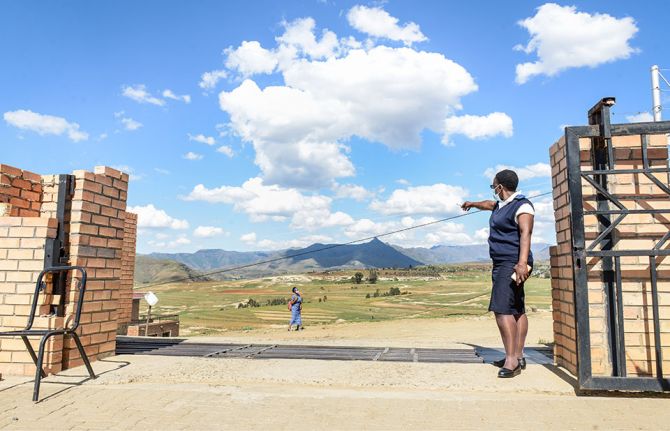
11 December 2020 11 December 2020Matšeliso Setoko stands at the gates of Seboche Mission Hospital in Lesotho and points at the high mountain peaks in the distance.
“Some of our patients come from beyond those mountains,” she says. “Some of them will walk for two hours before they find a taxi, then will ride in the taxi for another three hours before they get here. Some come on horseback.”
Seboche Hospital is located in Butha-Buthe, Lesotho’s northernmost district, in the village of Ha Seboche, accessible only via a winding dirt road with steep twists and turns. Despite its remote location, the hospital has gained a reputation as a centre of excellence since its founding in 1962 and people are willing to travel long distances to go there.
Ms Setoko is the head of the hospital’s antiretroviral therapy clinic and frequently goes out of her way to ensure that her patients have access to their medicines and adhere to their treatment. Lesotho has the second highest HIV prevalence in the world, with an estimated 340 000 people living with HIV. Twelve thousand are children between the ages of 0 and 14 years.
“We often encounter difficult cases,” she explains. “For example, some children have lost their parents, are diagnosed HIV-positive and are chased out of their relatives’ homes when their relatives find out about the diagnosis. In those cases, I go and talk to the relatives to try and understand why they would do such a thing. I find out who the child’s new treatment supporter is and I work closely with him or her to make sure that the child continues to take their medication.”
The arrival of COVID-19 in Lesotho, however, brought a set of challenges unlike anything that Ms Setoko has faced in her 23 years of working at Seboche Hospital.
In the first week of July 2020, a staff member tested positive for COVID-19 and the hospital was forced to shut down for a week. This coincided with the beginning of a nationwide strike by health workers, who demanded that the government provide them with a COVID-19 risk allowance and adequate personal protective equipment. The strike only ended on 27 July.
“Our services were suspended for most of July, but I knew that I had to find a way to help my patients, particularly the children I work with,” says Ms Setoko. “I’m responsible for about 130 children who are on HIV treatment. So, I went to the filing cabinets and took out all their files and found out that many of them needed refills. I went to the pharmacy and got the medication for all of them—enough for three months.”
Ms Setoko then liaised with her colleagues—lay counsellors, nurses and other staff members—to find out who lived in the same villages as her patients. She assembled packages of medicines for each village and asked her colleagues to take them home. She then called all the children’s carers to inform them that their medicine could be picked up from the hospital staff member living in their village.
Due to COVID-19 travel restrictions, the borders between Lesotho and South Africa were closed from the end of March to the beginning of October. Many of Ms Setoko’s adult patients are migrant workers in South Africa. Before the onset of COVID-19, her patients would regularly travel from South Africa back to Seboche Hospital to collect their three months’ worth of HIV treatment or would send a relative to pick up their medicine on their behalf. With borders closed, however, many found themselves stuck in South Africa for six months. Again, Ms Setoko had to devise innovative solutions to ensure that her patients did not default on their treatment.
“I think I helped around 50 patients who were in South Africa,” she recalls. “If they were about to run out of antiretroviral therapy, I asked them to identify the clinic closest to them and wrote a referral letter for them. I then took a picture of the letter and sent it to them via WhatsApp or else emailed a PDF copy of the letter to the clinic if that was required. I would also call the nurses at the relevant clinic in South Africa to make sure that my patients received the correct antiretroviral medicines.”
There is a low rate of testing for COVID-19 in Lesotho, with less than 2% of the country’s population having been tested.
“The numbers we are seeing do not give us a true picture of what is happening with COVID-19 in this country,” sighs Ms Setoko. “We are not doing enough testing and it can take weeks for people to get their results. We are also not doing enough contact tracing, so it makes it difficult to contain the spread of the virus.”
In the face of such challenges, Ms Setoko recognizes the value of cooperation and solidarity, both at the community and organizational levels, in efforts to continue with HIV prevention and treatment programmes in the era of COVID-19.
“As Seboche Hospital we are lucky to have the support of other organizations, such as our strong partnership with SolidarMed, a Swiss non-profit organization. We also work closely together as staff from different departments, because when people work together, they can achieve any goal.”
Our work
Region/country

Feature Story
The COVID-19 pandemic and women living with HIV: Caroline Damiani
14 December 2020
14 December 2020 14 December 2020Unlike many other countries in the region and the world, no lockdown measures were put in place at the height of the COVID-19 pandemic in the United Republic of Tanzania. In June, all restrictions on movement and gatherings were lifted. Nevertheless, the restrictions impacted people’s health and livelihoods, especially those who work in the informal sector, most of whom are women.
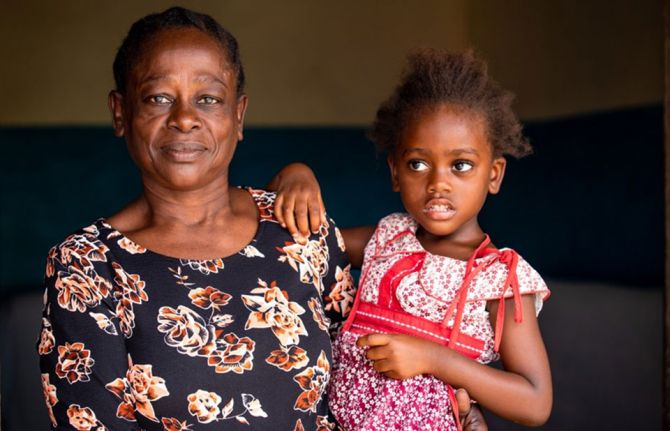
Women such as Caroline Damiani, from Chamazi, an administrative ward in the Temeke district of Dar es Salaam.
While, according to the government, about 83% of the 1.7 million people living with HIV in the United Republic of Tanzania are on HIV treatment, this leaves around 300 000 people living with HIV vulnerable. It has been shown that people with underlying health conditions are more susceptible to severe COVID-19 disease.
Thus, COVID-19 is a particular concern for people living with HIV, for both people who are not on HIV treatment and those who are, in ensuring they have access to medicines and health facilities.
The COVID-19 pandemic throws into sharp relief existing inequalities, including gender inequality and economic inequality.
In Chamazi, many women make a living selling homemade food, such as buns, fish or ice cream, or selling groceries in small kiosks.
Ms Damiani, a single mother of three, says her business was greatly affected by the COVID-19 pandemic. “Many people no longer wanted to buy my buns or home-made ice cream. I also couldn’t go to the main market to sell because of the crowds and the risk it brought. I then decided to switch completely to selling groceries at a small kiosk and rearing ducks and chickens to sell,” says Ms Damiani.
Ms Damiani has been living with HIV since 1998. All her three children are HIV-negative. Her husband divorced her and married another woman due to her HIV status and pressure from his family. To date, she still does not know his status. She lives with her daughter and granddaughter as her sons each have their own families. Her daily routine now includes feeding her ducks and chickens, helping her granddaughter with her schoolwork, performing household chores and tending her kiosk.
Ms Damiani says the COVID-19 pandemic affected her mental health. “I don’t have many friends and I spend most of my time at home or at the church. My stress levels increased in the earlier days of the pandemic and I began to lose weight,” she says.
“Fortunately, I never stopped taking my HIV treatment due to the insistence of my doctors that I adhere to my treatment regimen,” she says. “I am now determined to show everyone that you can live a full and healthy life as long as you don’t stop taking your medication.”
“The education and support we received from the Hebu Tuyajenge project also greatly helped to alleviate my stress.”
Hebu Tuyajenge is an initiative of the National Council of People Living with HIV, with support from UNAIDS and funded through USAID.
It focuses on increasing the utilization of HIV testing, treatment and family planning services among adolescents and people living with HIV, strengthening the capacity of community organizations and structures and empowering people living with HIV. In the face of the COVID-19 pandemic its members educated people living HIV on how to protect themselves from COVID-19.
“In my community, one of the biggest problems was the lack of education and information surrounding COVID-19. Most of us didn’t even know how to properly wash our hands to reduce the risk of catching the virus,” says Ms Damiani.
The Hebu Tuyajenge project is an example of how the government, development partners, civil society and community activists have been key in responding to COVID-19 in the United Republic of Tanzania, providing information, services, social protection and hope to people living with HIV during these unprecedented and trying times.
“The efforts by the government and other donors should continue. Things have now improved in the country because everyone is now aware of the pandemic and people continue to take precautions,” says Ms Damiani.
Our work
Region/country
Feature Story
HIV community activists tackle COVID-19 in Lesotho
02 December 2020
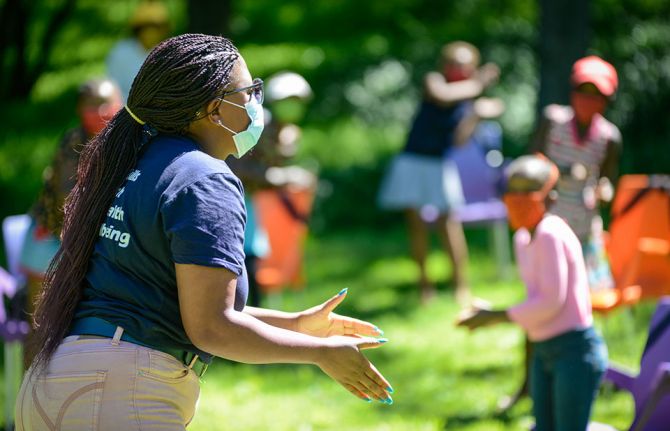
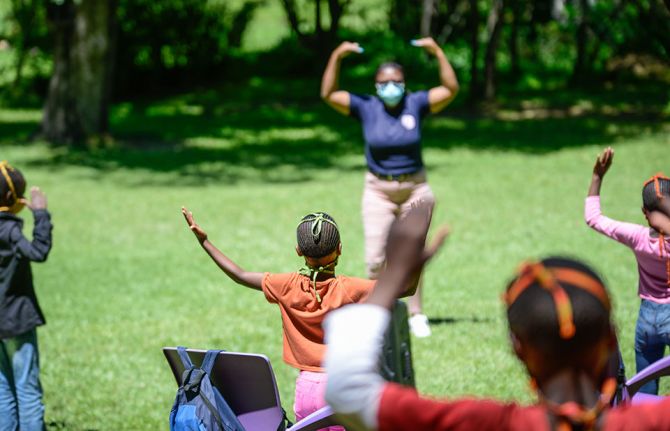
02 December 2020 02 December 2020It is a sunny weekday morning in the small town of Morija, Lesotho. On the expansive lawn of the Morija Museum and Archives, under the shade of tall trees, a group of children and teenagers sit on evenly spaced plastic chairs.
They have all had their temperatures checked, have washed their hands at purpose-built tippy-taps and are wearing brightly coloured seshoeshoe fabric face masks.
The learners would usually be in school at this time, but schools throughout the country remain closed due to COVID-19. In response to this crisis, local community-based organizations have had to implement new and innovative programming.
This particular programme is called Skills & Soup, implemented by the Hub, a Morija-based nongovernmental organization. On a bi-weekly basis, groups of learners visit to receive a nutritious meal and participate in a range of activities and educational programming, including dance and taekwondo, maths and science lessons and COVID-19 awareness sessions.
Today, the Hub is hosting a pair of guest facilitators from the Maseru-based nongovernmental organization Kick4Life, which specializes in delivering HIV and life skills education through sports-based curricula.
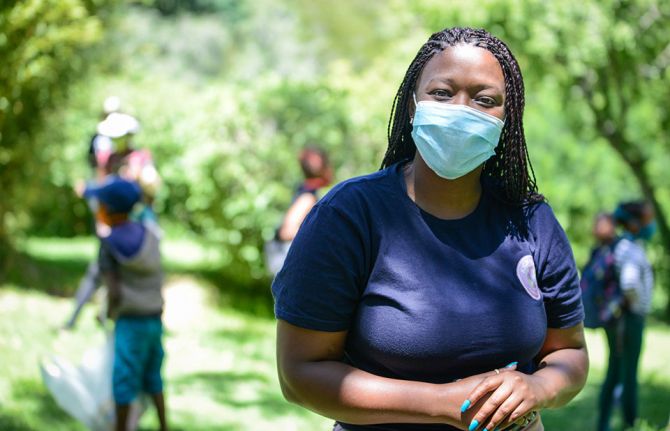
Puky Ramokoatsi, an experienced educator and gender equality activist, is leading the session with confidence and ease. She begins with an energizer, getting the learners to stand up to chant and dance along with her, all the while remaining at a two-metre distance from one another. She keeps her mask on throughout the session, the volume and authority of her voice unhindered.
During the session, Ms Ramokoatsi and her co-facilitator, Mbulelo Mochochoko, play a series of sound clips from a portable speaker. The clips, taken from new animations developed by Kick4Life, feature catchy music and short conversations between two characters who discuss a range of health-related topics, including HIV, nutrition, mental health and ways to protect oneself against COVID-19.
“Who can remind me which fluids can transmit HIV?” asks Ms Ramokoatsi after one of the clips has played. The children stand up and stretch their hands out eagerly, competing to be the first to give the correct answer.
The session is a far cry from Kick4Life’s signature programming, which typically includes close-contact games and activities, with children huddled in groups for discussions or holding hands while standing in a circle.
As with community-based organizations across the region, Kick4Life has adapted its approach to HIV and health education to mitigate the risk of COVID-19 transmission and in response to national lockdowns and government-mandated restrictions.
“We were forced to close our offices in March, when Lesotho went into lockdown, so we had to quickly adjust,” Ms Ramokoatsi explains. “We partnered with the British High Commission in Lesotho to adapt our curriculum into six short animations which could be easily distributed through our online platforms and to include new messaging about COVID-19. We also aired the sound clips from these animations on national radio stations. These are some of the ways that we continued to engage with young people even during the lockdown.”
While COVID-19 cases remain relatively low in Lesotho, at just over 2000 cumulative cases as of November 2020, testing capacity is also low. Only 25 500 tests have been conducted since March 2020. By comparison, a neighbouring country, South Africa, has conducted more tests than this in one day.
In 2019, there were 340 000 people living with HIV in Lesotho, 120 000 of whom are not on HIV treatment.
In addition, a third and silent epidemic plagues Lesotho—that of sexual and gender-based violence. It is estimated that one in three women in Lesotho have experience sexual or physical violence in their life—the same as the global average.
Ms Ramokoatsi has been involved with Kick4Life since 2010, when she began to participate in the organization’s programmes because of her love for football. At the time, she knew very little about HIV, and her interest in the issue was piqued by the fact that her aunt had recently died of AIDS-related illnesses.
“I didn’t understand enough about HIV when my aunt was sick,” recalls Ms Ramokoatsi. “I judged her negatively and didn’t support her. When I learnt more about HIV, I realized how wrong I had been. I made it my purpose after that to support people living with HIV, to give others the support that I hadn’t given my aunt.”
Having experienced sexual abuse herself, Ms Ramokoatsi is acutely aware of the healing power of sports and education and reflects on the difficult transition from face-to-face learning and close-contact activities to virtual and socially distanced programming.
“Before COVID-19 we were in the process of helping several young women who had experienced sexual violence and were slowly opening up to us after taking part in our programmes,” Ms Ramokoatsi explains. “When we were forced to close, we lost touch with some of them. We’ve had to find ways to continue with our programmes and to keep reaching out to our participants, but it hasn’t been easy.”
Ms Ramokoatsi emphasizes the importance of organizations working together in their responses to COVID-19 awareness and health education. “Today, for example, we’re delivering this session thanks to our partnerships,” she says. “I hope more organizations can work like this to share resources and information.”
“I always say that the best part of the game is the opportunity to play. That attitude applies to everything: instead of sitting on the sidelines, get involved. Learn about the situation or the issues around you, whether it’s HIV or gender-based violence or COVID-19. Learn how you can adapt, how you can take care of yourself, and then find a way to help others,” she says.
Our work
Region/country

Feature Story
Francophonie calls for equitable distribution of COVID-19 vaccines
30 November 2020
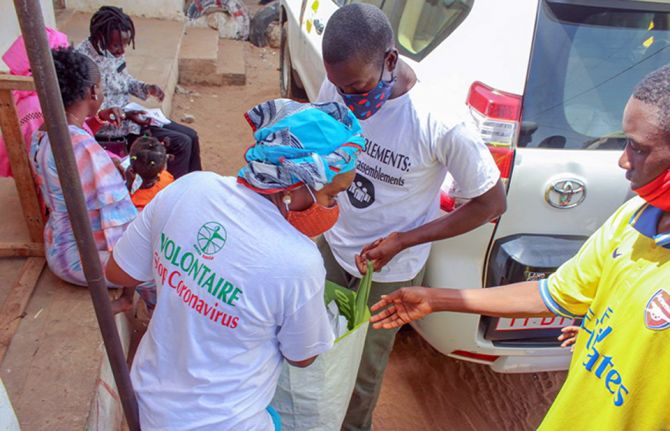
30 November 2020 30 November 2020The Parliamentary Network to Combat HIV/AIDS, Tuberculosis and Malaria of the Parliamentary Assembly of the Francophonie has adopted a declaration inviting heads of state and government to consult and commit to defining vaccines against COVID-19 as “universal common goods.”
“It is our role as parliamentarians to explain to our fellow citizens that it is better to vaccinate the vulnerable around the world against COVID-19 than to vaccinate the entire population of certain countries that can afford to purchase large volumes of vaccine quickly. This is both more effective and fairer. If the epidemic is to be reduced in our constituencies, we need a global rollout,” said Christian Levrat, President of the Parliamentary Network to Combat HIV/AIDS, Tuberculosis and Malaria.
At the annual meeting of the francophone network, UNAIDS also urged parliamentarians to stop the disproportionate use of criminal law in responses to public health crises. UNAIDS also called for the promotion of additional investments in social safety nets, for livelihood and economic empowerment programmes and for the fostering of the resilience of vulnerable groups and community-based organizations. UNAIDS urged countries to put communities at the centre of the epidemic and to recognize community health services and civil society organizations as legitimate key actors in the responses to both HIV and COVID-19
“We need more support—political, technical and financial—from governments for community-based responses, demedicalization, decentralization and the endorsement of new community-based health tools such as HIV self-testing kits and pre-exposure prophylaxis,” said Patrick Brenny, Director of the UNAIDS Regional Support Team for West and Central Africa.
A conversation on the criminalization of HIV also took place during the meeting. The HIV Justice Worldwide coalition presented the parliamentarians with an update on legislative reform efforts in various francophone countries to address HIV criminalization. Not only does HIV criminalization exacerbate the stigma faced by people living with HIV and lead to serious violations of their human rights, it also erects barriers to accessing HIV prevention, testing and treatment services. UNAIDS and HIV Justice Worldwide are calling for legislative reforms in several francophone countries, including Burkina Faso, Canada, Côte d’Ivoire and Niger.
Our work
Related
Feature Story
In South Africa, young women leading HIV and violence prevention say men’s involvement is key
01 December 2020
01 December 2020 01 December 2020This story was first published by UN Women
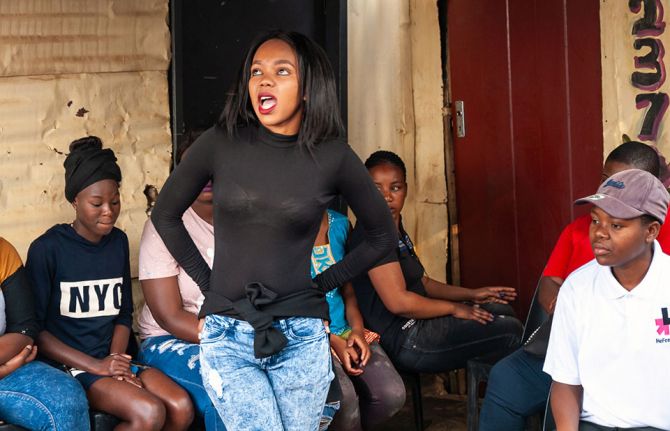
On World AIDS Day, UN Women spoke to survivors and community changemakers in South Africa who as part of UN Women’s HeForShe community-based initiative and a joint UNAIDS programme are engaging men and women to reject violence against women and seek HIV testing and treatment.
Until two years ago, Karabo Chabalala (28) and Sarah Baloyi (26), young women from Mamelodi — a township northeast of Pretoria in Gauteng, South Africa — were living very different lives.
“I was in a very dark place. I had multiple sexual partners and was part of a lifestyle that was not good or healthy for me,” says Baloyi. Her friend, Chabalala says, “I had many personal problems. I engaged in a transactional relationship with an abusive older man to fund my education and provide for my family.”
Their lives turned around following their involvement in UN Women’s HeforShe community-based initiative that aimed at improving attitudes and behaviours around gender-based violence (GBV) and HIV.
“Karabo introduced me to HeForShe, a community that cares for one another,” says Baloyi. “The dialogues showed me that I am not alone in my mistakes and could change my life. I have been inspired to promote safe and healthy living for young girls and to provide them with the same loving acceptance that was extended to me.”
Chabalala adds, “Many young women don’t open up at home about problems they are facing. These dialogues give us a space to express our thoughts and feelings and to ask any questions that we have about life.”
Led by UN Women’s partner, Southern Africa Catholic Bishops Conference (SACBC), and funded through the Joint United Nations Programme on HIV/AIDS (UNAIDS), the HeforShe dialogues have since 2018 engaged 115,000 men and women across seven districts (Mamelodi, Klerksdorp, Bojanela, Sedibeng, city of Johannesburg, Ehlanzeni and CapeTown) in South Africa’s five provinces.
“The dialogues are coordinated by 151 trained women and men ‘changemakers’, including young women like Baloyi and Chabalala, equipped with knowledge on HIV and violence prevention, unequal gender norms, the importance of HIV testing and adhering to treatment, responsible sexual behavior, and how socio-economic factors can drive HIV infections among men and women,” explains UN Women's South Africa Multi-Country Office Representative, Anne Githuku-Shongwe.
“Many women in Mamelodi have been victims of abuse or witnessed femicide in their homes, often at the hands of men who [are alcoholic].” says Baloyi.
“All I feel is anger,” says Chabalala. “These men don’t respect us. Women in our community are being raped and killed. Some men who perpetrate these crimes are out on bail the following day.”
“There has been a rise in GBV since the COVID-19 lockdown,” says Baloyi. “Abusive partners have been stuck at home and they are frustrated. They are no longer able to spend their time working or drinking with friends, and take it out on their partners and children. This is especially the case in informal settlements, where families live in one- or two-room shacks.”
South Africa is home to almost one-fifth of people living with HIV worldwide and has an HIV prevalence rate of 20.4 per cent among adults (15-19 years). In line with trends across Sub-Saharan Africa, in 2019, women accounted for the majority of new infections in the country. Structural gender inequalities, discrimination, violence against women and girls, and unequal gender norms continue to undermine efforts by women and girls to prevent HIV and use HIV/AIDS services.
“The stigma around HIV prevents people from seeking treatment. I have met some older patients who still fear going to the clinics because they feel judged or embarrassed,” says Chabalala.
To increase the uptake of HIV testing, the changemakers partnered with 20 local HIV counselling and testing clinics across participating districts. They also facilitated outreach for HIV testing at community and church events and developed a referral system. In two years, the HeforShe initiatives have resulted in 62 per cent of those engaged testing for HIV, and 36 per cent returning and adhering to their antiretroviral treatment. However, because of the COVID-19 pandemic, people living with HIV and people at higher risk of HIV infection are facing life-threatening disruptions to health services.
Inspired by the positive impact of UN Women initiatives in communities and empowered by the change makers, Mamelodi community members founded the national ‘Young Women for Life Movement (YWfLM)’, which has grown to 2,035 members. With support from the SACBC, the group is currently monitoring the proceeding of 30 cases of sexual and gender-based violence and 17 cases of femicide in the justice system, as well as supporting the families of survivors. They also played a crucial role in organizing food supply drives to the most vulnerable households in their communities during the COVID-19 lockdown.
“I started the Mamelodi chapter of the Young Women for Life Movement,” says Chabalala. “Being part of this community of 200 powerful young women has taught me so many things and helped me grow. It has changed my life”.
“As a YWfLM member, I work with our local clinic and visit people living with HIV in our community to confirm that they are taking their medication and to ask if they need any assistance or additional supplements,” says Baloyi. “We also have an HIV-positive support group that now mainly connects online due to the pandemic.”
Both Baloyi and Chabalala believe that men need to be more involved in initiatives to improve attitudes and behaviours to prevent GBV and HIV. “Young men need to not only be part of this conversation, they must have their own dialogues where they focus on how to change their mindset,” says Chabalala.
Baloyi adds, “Many more men need to join women in our fight. Men must join us in court and in the streets. They must fight with us.”
Related resources
Region/country
Feature Story
Study shows how COVID-19 is impacting access to HIV care in the Russian Federation
27 November 2020
27 November 2020 27 November 2020A new study shows the negative impact that the COVID-19 pandemic is having on access to HIV care in the Russian Federation and shows that people living with HIV in the country are more susceptible to COVID-19 but less likely to seek testing or treatment.
More than a third of people living with HIV who were surveyed reported some impact on HIV services, including about 4% who reported that they had missed taking antiretroviral therapy because they could not get the medicine and nearly 9% who reported that they had missed taking medicine for tuberculosis prevention. However, the majority of respondents (about 70% of people living with HIV) did not experience problems obtaining antiretroviral therapy and about 22% reported that antiretroviral medicines were delivered to their home. More than 900 respondents from 68 regions of the Russian Federation, including people living with HIV and those who are not, were reached by the study.
“This study answers some of the most important questions about the impact of COVID-19 on people living with HIV in our country,” said Natalya Ladnaya, Principal Investigator and Senior Researcher at the Central Research Institute of Epidemiology of the Federal Service for Surveillance on Consumer Rights Protection and Human Wellbeing (Rospotrebnadzor).
According to Ms Ladnaya, the study confirmed that it is crucial for people living with HIV to protect themselves against the new coronavirus. The authors of the study also note the need to provide uninterrupted HIV treatment during the COVID-19 pandemic.
“Encouraging results were obtained on how the pandemic affected access to HIV treatment—many specialized institutions have been able to adapt to the new reality,” said Alexey Mikhailov, Head of the Monitoring Department of the Treatment Preparedness Coalition, who took part in the study.
According to the study, the number of people living with HIV with COVID-19 markers was four times higher than that of HIV-negative respondents. At the same time, they were half as likely, compared with HIV-negative respondents, to be tested for coronavirus infection and were less likely to seek medical help, even if they had symptoms.
The majority of respondents with HIV and COVID-19 coinfection had a higher risk of contracting COVID-19 due to the significant number of local cases of COVID-19 and the low level of use of personal protective measures, as well as an underestimation of the real personal risk of COVID-19 disease.
Although more than two thirds of the study participants were women, among people living with HIV and having had COVID-19 the majority of respondents were men who had lived with HIV for more than 10 years.
The authors of the study point to the need for further investigation into the causes of the increased incidence of COVID-19 and the low demand for medical care to treat the symptoms of COVID-19 among people living with HIV.
“The COVID-19 pandemic continues to affect all areas of our lives. We need to closely monitor the colliding pandemics of COVID-19 and HIV and provide support so as not to lose the gains in the response to HIV that have been achieved,” said Alexander Goliusov, Director, a.i., UNAIDS Regional Support Team for Eastern Europe and Central Asia.
The study was conducted by the Central Research Institute of Epidemiology of Rospotrebnadzor together with the Treatment Preparedness Coalition with the support of UNAIDS and Rospotrebnadzor.