

Feature Story
Highlighting sexual violence on International Women’s Day
05 March 2009
05 March 2009 05 March 2009
"Women and men: United to end violence against women" is the theme of this year’s International Women's Day which is observed at the United Nations on 5 March 2009 and celebrated internationally on 8 March.
Sexual violence, and the threat of violence, increases women’s vulnerability to HIV and in certain parts of the world is being used as a tactic of war.
UN Secretary-General Ban Ki-moon highlights this in his message marking International Women’s Day: “Violence against women is also linked to the spread of HIV/AIDS. In some countries, as many as one in three women will be beaten, coerced into sex or otherwise abused in her lifetime. Women and girls are also systematically and deliberately subject to rape and sexual violence in war.”
UNAIDS Executive Director Michel Sidibé is also unequivocal on the need to end this violence in his statement: “Violence, including rape and sexual abuse against women and girls should not be tolerated in any circumstances, be it in conflict or war or at home in our own communities.”
Sexual violence in conflict
Sexual violence in conflict has not been a high priority for security institutions and is often overlooked due to stigma and under-reporting. However, the trauma and terror of rape can wound as deeply as bullets and in areas with high HIV prevalence, women are also at risk of being infected with HIV.
Leo Kenny, Team Leader of UNAIDS Security and Humanitarian Response is convinced of the pressing need to address the issue sexual violence among the uniformed services: “While soldiers and uniformed service personnel have been perpetuators of violence against women, they have also been part of the solution and are potential key agents of change if the right programmes are put in place.”
“Educating and involving peacekeepers in addressing sexual violence is important as soldiers have influence among their peers both within the service and the wider community. By changing their perceptions and behaviours it can positively impact the larger population,” Mr Kenny added.
"Violence, including rape and sexual abuse against women and girls should not be tolerated in any circumstances, be it in conflict or war or at home in our own communities."
UNAIDS Executive Director Michel Sidibé
The women who survive sexual violence need access to comprehensive health and counselling services and, where necessary, HIV prevention, treatment, care and support. However the context of civil unrest can result in barriers to universal access to these services.
There is also a need for the millions of uniformed service personnel worldwide to be integrally considered in the scale up towards universal access to HIV prevention, treatment, care and support.
UN Action against Sexual Violence in Conflict
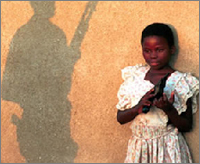 "Women and men: United to end violence against women" is the theme of this year’s International Women's Day which is observed at the United Nations on 5 March 2009 and celebrated internationally on 8 March. Credit: UNAIDS
Two years ago today, UN bodies came together to form a joint initiative, “UN Action against Sexual Violence in Conflict.” The partnership now stands at twelve UN entities which seek to draw attention to the issue of sexual violence in conflict and the need to do more, to improve the quality of programming to address sexual violence, to increase the coordination of efforts for comprehensive prevention and response services, and to improve accountability as well as to respond effectively to the needs of survivors.
The UN Action initiative is designed to create greater awareness of these abuses and, ultimately, end sexual violence to make the world safer for women and girls.
Three main pillars
The first aspect of this initiative, country level action, involves country level support and efforts to build capacity and train advisers in gender-based violence programming and coordination, as well as support for joint UN programming in selected countries.
Second, “advocating for action”, raises public awareness and generates political will to address sexual violence as part of the broader campaign to “Stop rape now.” The third aspect is the creation of a knowledge hub on sexual violence in conflict and effective responses.
Stop rape now
Rape has deep roots in a historical absence of accountability and UN Action has helped catalyze a paradigm shift: insisting that sexual violence is recognized as a security threat that demands a security response, rather than simply an inevitable byproduct of war.
International Women’s Day
In 1977 the UN General Assembly adopted a resolution inviting Member States to proclaim a United Nations Day for Women's Rights and International Peace—International Women's Day—in recognition of the fact that securing peace and social progress and the full enjoyment of human rights and fundamental freedoms require the active participation, equality and development of women; and to acknowledge the contribution of women to the strengthening of international peace and security.
For women around the world, the symbolism of International Women's Day has a wider meaning: it’s an occasion to celebrate how far women have come in their struggle for equality and an opportunity to unite, network and mobilize for meaningful change.
Highlighting sexual violence on International Women’s Day
International Women's Day 2009 statements:
Statement by UN Secretary-General Ban Ki-moon (pdf, 25 kb)
Statement by UNAIDS Executive Director Michel Sidibé
Statement by WHO Director-General Dr Margaret Chan
Statement by UNESCO Director-General Koïchiro Matsuura (pdf, 61 Kb)
Statement by UNFPA Executive Director, Thoraya Ahmed Obaid
Statement by UNICEF Executive Director Ann M. Veneman
More from UNAIDS Cosponsors on International Women's Day:
Interview with WFP Head of Gender Unit Isatou Jallow
UNDP's special on the occasion of the International Women's Day 2009
UNODC's special on the occasion of the International Women's Day 2009
ILO celebration for International Women's Day 2009
World Bank's special on the occasion of the International Women's Day 2009
Cosponsors:
UNDP - UN Development Programme
UNFPA - United Nations Population Fund
UNHCR - UN High Commissioner for Refugees
UNICEF - United Nations Children Fund
WFP - World Food Programme
WHO – World Health Organization
Partners:
DPA - Department of Political Affairs
DPKO - Peacekeeping Best Practices
OCHA - Coordination of Humanitarian Affairs
OHCHR - United Nations Human Rights
UNIFEM - UN Development Fund for Woman
Feature stories:
HIV prevention and the uniformed services in CIS (08 October 2008)
Contact:
For more information on this campaign contact by email: anna.tarant@unifem.org
External links:
International Women’s Day
Stop Rape Now

Feature Story
Spotlight: men who have sex with men and HIV
16 February 2009
16 February 2009 16 February 2009This article first appeared in the official programme of the 23rd Teddy Award

23rd TEDDY Award, 59th Berlinale International Film Festival
Film offers invaluable insights into the lives of different cultures, groups, and people. It is a medium that has a long history in addressing controversial topics and issues. For men who have sex with men, cinema has been a powerful platform to highlight the challenges they face in society.
From the 1969 release of Midnight Cowboy through to the works of Rosa von Praunheim, social acceptance of the acknowledgement and openness about men who have sex with men has grown. Most recently, major Hollywood films such as Brokeback Mountain (2006) have brought further mainstream attention and acceptance. Undoubtedly, AIDS – and its impact on this community – has been one of the most powerful storylines used in the past two decades, especially as the men who have sex with men community continues to be one of the groups hardest hit by the epidemic. The landmark film Philadelphia (1993) has been widely used to change attitudes towards AIDS and men who have sex with men, as well as to evoke an upsurge of compassion.
Nearly three decades since AIDS was first recognized, much progress has been made globally to prevent new HIV infections and provide antiretroviral therapy to those who need it. But men who have sex with men continue to bear a substantial burden of HIV infection, with increasing numbers of new infections occurring in a number of countries worldwide.
The Joint United Nations Programme on HIV/AIDS (UNAIDS) works closely with communities and organizations of men who have sex with men and promotes their leadership and participation in the global AIDS response. UNAIDS acts as a bridge builder, linking men who have sex with men and their organizations with governments, other civil society and international partners. UNAIDS’ role is to ensure commitment to the protection of the human rights of men who have sex with men, and support countries to put in place strategies and programmes to achieve universal access to HIV prevention, treatment, care and support.
Obstacles in responding to the sexual health needs of men who have sex with men
A significant hurdle in reaching out to men who have sex with men in a number of countries is the criminalization: few men who have sex with men come forward for fear of stigma, discrimination, and/or legal repercussions and this, in turn, impedes efforts to reach men who have sex with men, and their partners with HIV services, such as prevention, treatment, care and support. Within the diverse communities related to men who have sex with men are groups which are even more stigmatized, such as sex workers, men who are living with HIV, or transgender people, and their specific needs all require attention.
A recent report addressing HIV and men who have sex with men in a number of countries in Eastern Europe, the Caucasian Republics and Central Asia found that although most of the early cases of HIV in the region were diagnosed among men who have sex with men, this remains the least understood of the most-at-risk groups. Reasons include the reluctance of these men to be identified as such (even in a medical context), homosexual sex resulting in criminal prosecution in some countries, and, even the absence of criminal sanctions, stigmatization and physical violence.
In a survey conducted among men who have sex with men in Georgia in 2005, one quarter of those interviewed (25.7%) reported having faced social exclusion, discrimination and even violence by strangers, neighbours, family members and friends because of their sexual orientation. The survey revealed that 10% of all respondents had faced physical violence, with reports of beatings and two cases of rape, while other respondents reported social rejection and unfair dismissal from work.
The impact of violence against men who have sex with men has galvanized action in Latin America where Brazil and Mexico top the table of reported incidents. But this may be because rights groups there monitor the situation more closely than elsewhere in the continent.
UNAIDS encourages governments to “know their epidemic” and know how it affects men who have sex with men. Using this information, governments need to not only invest resources in supporting HIV prevention, treatment, care and support for men who have sex with men – tailored programmes that respond to their health needs – but also address the discrimination, violence and other barriers that stand in the way of accessing services.
Epidemic among men who have sex with men
Spanning a period of just 28 years since five gay men in the United States were the first identified with an unusual pattern of diseases later labeled AIDS, the epidemic has claimed the lives of more than 25 million people so far across the globe.
Sex between men occurs in every culture and society – though its extent and public acknowledgement vary from place to place – and is thought to account for between 5% and 10% of global HIV infections. It is the predominant mode of HIV transmission in many high-income countries and continues to be the population group most-at-risk of acquiring HIV within Western Europe. However, in countries reporting on access to HIV services by key population group, only around 40% of men who have sex with men have access to the HIV prevention and care services they need.
Regional trends
Sex between men is the most prominent mode of HIV transmission in nearly all Latin American countries, the United States, Canada and some Western European countries.
In both Canada and the United States, unprotected sex between men accounted for 40% of new HIV diagnoses in Canada in 2006 and 53% in the United States in 2005. The number of new HIV diagnoses attributed to unprotected sex between men has also increased sharply in recent years in Western Europe. In Germany, for example, the number of new HIV diagnoses among men who have sex with men rose by 96% between 2002 and 2006.
The urgency in Latin America is underlined by official reports on the state of the HIV epidemic in Colombia, Ecuador, Bolivia and Peru where sex between men is acknowledged as being the main source of new HIV infections.
In Asia, unprotected sex between men poses a significant but under-studied factor in the region’s HIV epidemics. In Bangkok, HIV prevalence among men who have sex with men went from 17% in 2003 to 28% in 2005. Male sex workers also face a particularly high risk of infection.
In Africa, several recent studies suggest that more attention is needed to better understand the role of HIV transmission among this population and that the proportion of the epidemic attributable to sex between men may be larger than hitherto thought, but there is still a great lack of information.
Looking ahead
Experience has shown that effective responses to HIV are those based on respect for human rights, and unimpeded access to HIV prevention, treatment, care and support. UNAIDS supports efforts to amend laws prohibiting sexual acts between consenting adults in private, enforce anti-discrimination legislation, provide legal aid services, and promote campaigns that address homophobia. These protections, alongside universal access to HIV prevention, treatment, care and support for men who have sex with men, will go a long way to turning the tide of the epidemic in many parts of the world.
Law, law enforcement practices, stigma and discrimination must be tackled as part of national AIDS responses as vulnerability to HIV infection is increased where men are either excluded from, or exclude themselves from, sexual health programmes and services out of fear. Gay, lesbian, bisexual and transgender communities must be – and have the right to be – empowered to participate equally in the social and political life of their communities and countries. These communities, who were the frontrunners in the early days of the AIDS response, are key partners today in the movement for universal access to HIV prevention, treatment, care and support.
Back to topRight Hand Content
Feature stories:
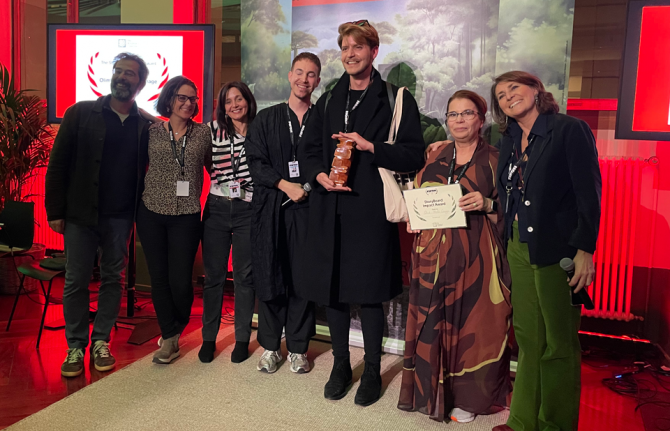
UNAIDS and TEDDY Award partner to raise awareness on HIV for 23rd edition (16 Feburary 2009)
Hidden HIV epidemic amongst MSM in Eastern Europe and Central Asia (26 January 2009)
China to tackle HIV indidence amongst MSM (16 January 2009)
HIV prevention hampered by homophobia (13 January 2009)
ICASA 2008: Men who have sex with men and HIV in Africa (07 December 2008)
MSM and the global HIV epidemic (31 July 2008)
Strengthening work with MSM in Africa (23 May 2008)
Global initiative to stop the spread of HIV among men who have sex with men (24 July 2007)
External links:
TEDDY Award
Berlinale
Berliner AIDS-Hilfe
Deutsche AIDS-Hilfe
Press centre:
UNAIDS and broad coalition working towards the release of nine men who have sex with men in Senegal who have been convicted and imprisoned (15 January 2009)
Criminalization of sexual behavior and transmission of HIV hampering AIDS responses (27 November 2008)
Publications:
Men who have sex with men, HIV prevention and care Report of a UNAIDS stakeholder consultation, Geneva, 10-11 November 2005 (pdf, 638 Kb)
Best Practice publication: HIV and men who have sex with men in Asia and the Pacific (pdf, 1.12 Mb)
Practical guidelines on HIV prevention
Men who have sex with men, HIV prevention and care (pdf, 638 Kb)
Related
Feature Story
New tool distills guidance on writing strong Global Fund HIV proposals
02 February 2009
02 February 2009 02 February 2009WHO and UNAIDS resource kit for writing Global Fund round 9 HIV proposals
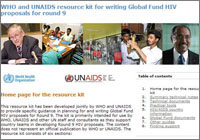
The resource kit has been designed to focus on the essential points which are presented in a user friendly way. The information is structured in a way that echoes the development of a proposal.
Credit: www.who.int
As applicants prepare their proposals for the next round of HIV funding, Round 9, UNAIDS and WHO have jointly developed an online resource kit to provide guidance in planning and writing strong Global Fund proposals.
The Global Fund to Fight AIDS, Tuberculosis and Malaria (Global Fund) is a financial mechanism that provides grants in support of evidence-informed, technically sound and cost-effective programmes for the prevention and treatment, care and support of persons infected and directly affected by HIV, tuberculosis and malaria. By 1 December 2008, it had signed grant agreements worth US$ 10.2 billion for 579 grants in 137 countries around the world.
The aim of the fund is to direct money to areas of greatest need so that a real difference can be made in peoples’ lives. As a part of this process hundreds of pages of technical documentation on how to design programmes or write a grant proposal have been developed by a range of technical experts. The challenge for the country partners writing their proposals is sifting through these myriad long and complex guidelines.
To simplify this, the resource kit has been designed to focus on the essential points which are presented in a user friendly way. The information is structured in a way that echoes the development of a proposal. It is aimed to be a practical tool that country partners can use with ease.
Given all the guidance that exists on the application process, a user-friendly web-based tool such as this one, structured to compliment proposal development, can enable a country to navigate the complexities of the process and develop a strong proposal
Nancy Fee, UNAIDS Country Coordinator, Indonesia
People are already finding it useful. “In the jungle of technical guidance for writing proposals that’s out there, communicating the unique relevance of this tool is the biggest challenge. However, country teams across this region have already begun to benefit from this important resource.” said Geoff Manthey, UNAIDS Global Fund regional focal point, Asia Pacific Regional Support Team.
Compilation of guidance
The content of the resource kit is a compilation of existing guidance developed by different technical agencies including UNAIDS, UNFPA, UNICEF and the World Health Organization. In preparation of the kit, the team reviewed Global Fund feedback on previous proposals and identified recurring weakness areas so that the content of this kit could address these.
“This toolkit is the result of close collaboration between WHO, UNAIDS, and other UN and civil society partners,” said Mazuwa Banda, Medical Officer, World Health Organization.
“We hope that it is widely distributed and, most importantly, used; and we will continue to work together to improve it in response to feedback from its users.”
It includes a number of technical guidance notes on cross-cutting issues relevant in the design of any HIV programme. These include gender, human rights and law, sexual minorities and social change communication. A number of notes on health systems strengthening are also included as well as guidance on specific intervention areas including HIV prevention, treatment, care and support.
There are also a number of practical tools included on managing the proposal development process including a planning matrix and costing tool.
Know your epidemic
Country data is vital to knowing a country’s epidemic in order to design an effective response. Statistics on HIV interventions, links to latest epidemiological fact sheets and other useful country information are also included in the resource kit.
Finding support
In addition to sharing guidance, the online kit includes a “Finding support” section which gives direction to assistance offered through WHO and UNAIDS as well as useful contacts and a list of focal points. While the response to and coordination of technical support to countries should be first addressed at country level within the UN theme group, WHO and UNAIDS can offer support by facilitating the proposal development process and providing general or specific technical guidance, to ensure that the proposal is technically sound and meets the other requirements. UNAIDS has established “Technical Support Facilities” across the world that help match countries technical assistance needs with most well suited technical assistance in the form of individuals and/or companies.
UNAIDS and the Global Fund
Given the complementary strengths and shared commitment to the global AIDS response, Global Fund and UNAIDS collaborate to accelerate progress towards universal access to HIV treatment, prevention, care and support services.
By offering a range of support to country partners to help applicants prepare strong proposals for Global Fund resources UNAIDS, as the United Nations coordinating programme on HIV, also helps to make the resources of the Global Fund work. UNAIDS also supports the Global Fund in monitoring and evaluating the performance of its grantees through strengthening the capacity of principal recipients and sub-recipients to report on grant implementation.
This collaboration is leading to real results on the ground as Nancy Fee who works in Indonesia as UNAIDS Country Coordinator notes: “As Indonesia has seen, a successful application to the Global Fund results in a grant that can make a huge difference to a country’s AIDS response.”
“Given all the guidance that exists on the application process, a user-friendly web-based tool such as this one, structured to compliment proposal development, can enable a country to navigate the complexities of the process and develop a strong proposal,” she added.
Right Hand Content
Cosponsors:
Partners:
The Global Fund to fight AIDS, TB and Malaria
Tools:
WHO and UNAIDS resource kit for writing Global Fund HIV proposals for round 9
Global Fund Round 9 Call for Proposals (Closing Date: Monday, 1 June 2009 – 12 noon CET)
Contact:
Please address any comments and observations you might have on this kit to: globalfund@unaids.org
Publications:
Memorandum of Understanding between UNAIDS and The Global Fund (pdf, 2.09 Mb)
Feature Story
HIV treatment figures up by 46.5%
02 June 2008
02 June 2008 02 June 2008
Dr Margaret Chan, WHO Director-General
and Elhadj As Sy, Director of Partnerships
and External Relations at UNAIDS during
the presentation of the new report. 02
June 2008, Geneva.
Some 3 million people now have access to antiretroviral therapy according to a report issued today by WHO, UNAIDS and UNICEF. Towards Universal Access: Scaling Up Priority HIV/AIDS Interventions in the Health Sector was launched in Geneva by Dr Margaret Chan, WHO Director-General. The report notes that one million people started on treatment last year alone which represents an increase of around 46.5% from the previous year.
“Three million people on treatment is an important milestone and an incredible achievement,” said Elhadj As Sy, Director of Partnerships and External Relations at UNAIDS. “It shows that scale-up is happening and that momentum now needs to be sustained.”
The report findings also show that 2007 saw improved access to drugs to prevent mother to child transmission of HIV, expanded testing and counselling, and greater commitment to male circumcision in some of the more heavily affected regions of sub-Saharan Africa.
The rapid scale-up of treatment has been attributed to a number of factors, including increased availability of drugs, in large part because of price reductions; improved delivery systems; and increased demand as the number of people who are tested and diagnosed with HIV rises.

Some 3 million people now
have access to antiretroviral
therapy according to a report
issued by WHO, UNAIDS and
UNICEF.
However the report also warns that despite the rapid scale-up there are an estimated 6.7 million people in need of treatment who are still unable to access the life-saving drugs.
“It is important to note that despite these successes there were 2.5 million new HIV infections last year,” said Peter Ghys, Chief, Epidemiology and Analysis Division, UNAIDS. “If new infections continue at this rate it will be impossible to sustain the treatment scale-up successes we are seeing today.”
Other challenges outlined in the report highlight the obstacles to achieving universal access and the Millennium Development Goals including: weak health systems; a shortage in health workers; a lack of sustainable long term financing and weak information systems.
The report underlines the urgent need for enhanced political commitment, better coordination and additional research to address some of these challenges if the goals that have been set out are to be achieved.
HIV treatment figures up by 46.5%
Cosponsors:
Press centre:
Nearly three million HIV-positive people now receiving life-saving drugs (2 June 2008)
Publications:
Towards Universal Access: Scaling up Priority HIV/AIDS Interventions in the Health Sector. Progress Report June 2008. (pdf, 5.46 MB)
Related

Feature Story
New UNAIDS policy on HIV, food security and nutrition
21 May 2008
21 May 2008 21 May 2008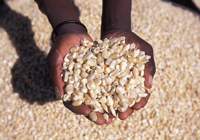
In many parts of the world, lack of food
security and poor nutrition are worsening
the effects of the HIV epidemic.
Photo credit: UNAIDS/M.Jensen
In many parts of the world, lack of food security and poor nutrition are worsening the effects of the HIV epidemic. Food insecurity and poor nutrition can hasten the progression of AIDS related illnesses, while the virus itself reduces the capacity of people living with HIV to work to provide food for themselves and their families.
For this reason UNAIDS, in collaboration the World Food Programme (WFP) and the World Health Organization (WHO), has developed a policy brief on HIV, food security and nutrition. This policy provides guidance for governments, civil society and other partners on how to address food and nutrition concerns in the context of HIV, keeping in mind the commitment made by all UN member states through the Millennium Development Goals both to reduce chronic hunger and halt and reverse the spread of HIV by 2015.
Food Security, Nutrition and HIV vulnerability
Lack of food security constrains people’s choices in employment and education and can lead women, for example, to engage in behaviours which can increase HIV risk such as exchanging sex for food or money. HIV positive mothers also need access to clean water and breast milk substitutes if they are to reduce the likelihood of transmitting HIV to their children.
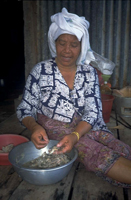
Proper nutrition is critical to
realizing the full benefits of
antiretroviral therapy.
Photo credit:
UNAIDS/L.Alyanak
Treatment
Proper nutrition is critical to realizing the full benefits of antiretroviral therapy (ART). ART itself may increase appetite and it is possible to reduce side effects and thus help people with HIV to stay on treatment if medicines are taken with food. “For two years I have been running HIV and nutrition interventions and have witnessed first hand the positive effect of nutritional counselling and support on patients receiving ART,” claims Dr Praphan Phanuphak, Director of the Thai Red Cross AIDS Research Centre. “Countries (should) set aside a percentage of their ART budget for nutritional interventions, and provide patients with income to buy food for themselves and their families, in the initial phase of treatment, when they may not be strong enough to resume work,”
Impact Mitigation
HIV can reduce capacity to work and earn income for food. It can have particularly devastating consequences where agriculture is the main source of income, leading to decreased food production and hence food insecurity. In rural households coping with HIV, where agriculture is the main employer, ensuring transfer of farming knowledge between generations and instituting measures to improve agricultural productivity will go a long way to ameliorating the impact of HIV.
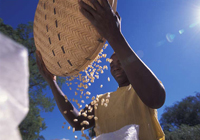
HIV can reduce capacity to work and earn
income for food.
Photo credit: UNAIDS/M.Jensen
More generally, for households and communities dealing with HIV, “fighting stigma and discrimination will also help people with HIV to find and maintain employment, and thus be able to meet their own nutritional requirements,” notes Dr Phanuphak.
There is a positive association between education and reduction in HIV risk. Better educated children are more likely to absorb prevention information and adopt safer behaviours. Yet households that are not food secure are often forced to take children out of school in order to work to supplement the income lost as a result of their parents’ illness and/or death.
Therefore, UNAIDS, the World Food Programme (WFP) and World Health Organization (WHO) recommend that all actors, including Governments, international agencies and civil society, support effective food security and nutrition interventions, as part of a comprehensive and multisectoral response to HIV.
New UNAIDS policy on HIV, food security and nutri
Cosponsors:
Publications:
UNAIDS Policy Brief – HIV, food security and nutrition (pdf, 244 Kb)
UNAIDS Policy Brief – HIV, food security and nutrition (expanded version) (pdf, 247 Kb)
Related
Feature Story
Developing strategies to work with FBOs
10 April 2008
10 April 2008 10 April 2008
The faith community makes a major
contribution to the worldwide response to
AIDS, especially in poorer developing
countries, where faith-related facilities may
be the sole source of health assistance.
Seventy percent of the world’s population identify themselves as members of a faith community, which situates communities of faith in a privileged position to influence people’s behaviour and attitudes, even in relationship with the AIDS epidemic.
Organizations motivated by religious faith - often called Faith-based organizations (FBOs) - have been involved in the AIDS response since the earliest days of the epidemic and have often been among the first to respond, providing services, education and care.
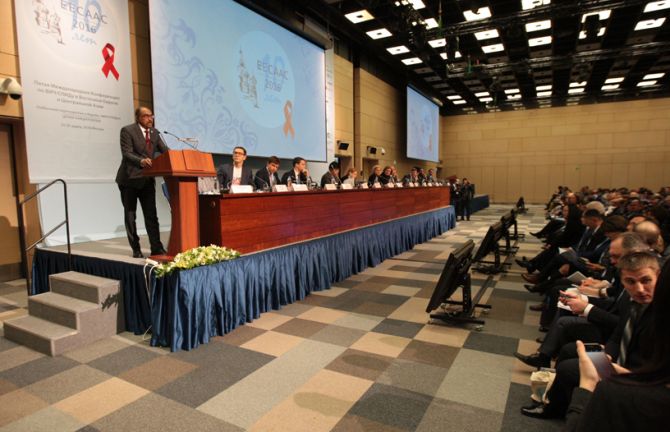
UNAIDS in collaboration with UNFPA, WHO, ILO and UNDP will bring together a working group of partnership officers from across the UNAIDS Secretariat and Cosponsor organizations and FBO representatives to outline a strategy for future work with faith-based organizations on AIDS issues. The meeting, which will take place from 9 – 11 April in Geneva, will aim to establish a strategy for a more coordinated response to partnership work among all stakeholders involved in the AIDS response.
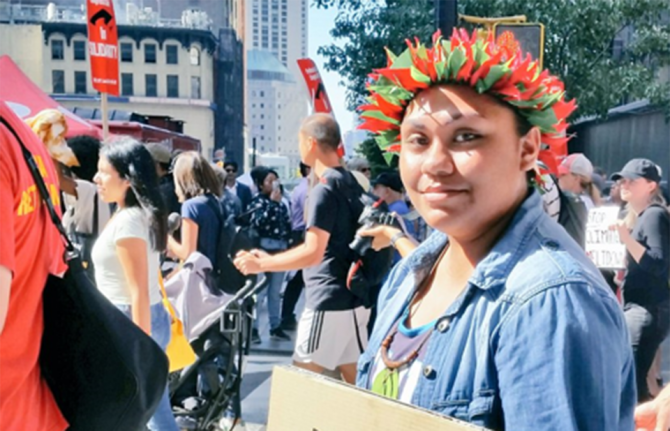
Religious communities, mosques, temples, churches, hospitals and clinics have reached out to provide support to those living with and affected by HIV. Many have been involved in the response since the earliest days of the epidemic. Their leadership has great influence in the lives of many people, and leaders speaking out responsibly about AIDS can make a powerful impact at both community and international level.

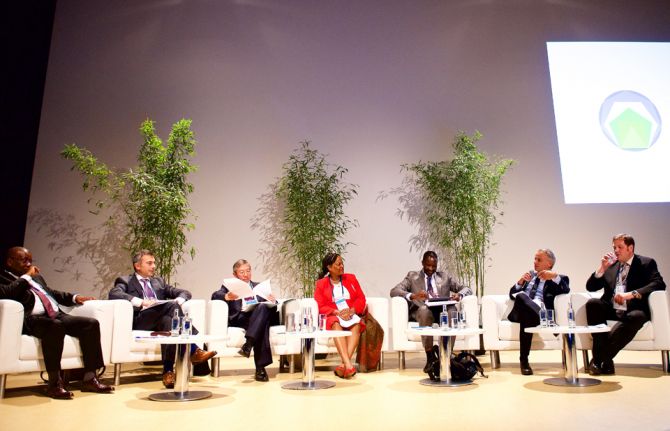
Participants will analyse how to best work
with the wide range of FBOs working on
AIDS, discussing the opportunities and
challenges that they offer.
However the response of the religious community can also be negative. People living with HIV have been stigmatized by religious leaders and communities of faith. Approaches to HIV prevention methods and attitudes towards people at increased risk of HIV infection such as men who have sex with men, have sometimes hindered the response. Much work remains to be done to eradicate stigma and discrimination.
The faith community makes a major contribution to the worldwide response to AIDS, especially in poorer developing countries, where faith-related facilities may (in some areas) be the sole source of health assistance. The ARHAP/WHO report (2007) found that faith-related organizations were providing 33 to 40 percent of all HIV health care and treatment services in Zambia and Lesotho, and calculated that between 30 and 70 percent of all healthcare infrastructure across the continent is operated by faith-based groups.
Furthermore, it is clear that faith communities are ideally placed to respond in the broadest way to the epidemic’s challenges, not just as providers of services but also (and perhaps most importantly) as networks and movements that reach right to the heart of community and family life. This makes them key players in a holistic, multifaceted, integrated response to AIDS. It is for this reason that UNAIDS is currently exploring a deeper engagement with ‘faith-based organizations’.
Participants at this meeting will analyse how to best work with the wide range of FBOs working on AIDS, discussing the opportunities and challenges that they offer. The working group will produce a three to five years strategy that will guide the UNAIDS and its cosponsors efforts to consolidate a coordinated response to AIDS with the faith community.
Feature Story
TB deaths rise in people living with HIV
17 March 2008
17 March 2008 17 March 2008
(from left, front): Michel Kazatchkine, Executive Director, Global Fund; Margaret Chan, Director General, WHO); Peter Piot, Executive Director, UNAIDS; Jorge Sampaio, UN Secretary General’s Special Envoy to Stop TB and former president of Portugal and (from left, back): Jorge Bermudez, Executive Secretary of UNITAID; Mario Raviglione, Director WHO Stop TB Department; Marcos Espinal, Executive Secretary of the Stop TB Partnership at the launch of Global Tuberculosis Control 2008 report. Geneva, 17 March 2008.
Credit: WHO/C. Black
Almost quarter of a million people living with HIV died from tuberculosis (TB) in 2006 according to a new report published by the World Health Organization (WHO).
The annual report, Global Tuberculosis Control 2008, also shows that nearly 3/4 million people living with HIV fell ill with TB disease in 2006, confirming that TB is a major cause of illness and death in people living with HIV despite being mostly preventable and curable. Africa is yet again the most heavily affected continent, with 85% of the global burden of HIV-related TB.
The report also contained good news, with encouraging signs, especially from Africa, that TB and HIV programmes are increasingly working together to reduce the heavy burden of TB in people living with HIV. For example in Rwanda the TB programme were able to provide HIV testing to 76% of all TB patients, thus making sure that they were able to access the best HIV prevention, treatment and care services. Much more work is needed, however, to make sure that people living with HIV have better access to TB prevention, diagnosis and treatment services, e.g. less than 1% of people living with HIV were screened for TB in 2006.

Dr Peter Piot, Executive Director, UNAIDS addressed the press launch of Global Tuberculosis Control 2008. Geneva, 17 March 2008.
Credit: WHO/C. Black
"The report tells us that we are far from providing universal access to high-quality prevention, diagnostic, treatment and care services for HIV and TB," said Dr Peter Piot, Executive Director of UNAIDS.
"Clear progress has been made but we must all do more to make a joint approach to reducing TB deaths among people with HIV a reality."
The report was launched in Geneva by Peter Piot (Executive Director, UNAIDS), Margaret Chan (Director General, WHO), Michel Kazatchkine (Executive Director, Global Fund) and Jorge Sampaio (UN Secretary General’s Special Envoy to Stop TB and former president of Portugal) in time for World TB Day (24 March).
UNAIDS, WHO, the Global Fund, the Stop TB Partnership along with our national and international partners, will be working closely together to ensure universal access to integrated HIV and TB services and ensure a coordinated response to the epidemics of HIV and TB – this is the only way forward if we are to produce a truly effective response.
TB deaths rise in people living with HIV
Cosponsors:
Feature stories:
MDR-TB more common in people living with HIV (28 February 2008)
World TB Day events 2007 (30 March 2007)
TB Anywhere is TB Everywhere (24 March 2007)
Joining forces to tackle TB and HIV (24 November 2006)
Press centre:
Worldwide efforts to confront tuberculosis are making progress but too slowly (17 March 2008)
External links:
Publications:
Global Tuberculosis Control 2008 (pdf, 4.5Mb)
Frequently asked questions about Tuberculosis and HIV (33 Kb, pdf)
Frequently asked questions about XDR-TB (33 Kb, pdf)
Related
 Transgender sex workers face frequent abuse
29 March 2022
 Many key populations avoid health services
21 February 2022
Feature Story
HIV testing and counseling: new guidance
30 May 2007
30 May 2007 30 May 2007WHO and UNAIDS issued new guidance on informed, voluntary HIV testing and counselling in health facilities on Wednesday 30 May, with a view to increase access to needed HIV treatment, care, support and HIV prevention services. The new guidance focuses on provider-initiated HIV testing and counselling (PICT).
Links:
Download PICT Guidelines ( en | fr | ru ) (pdf, 2,65 MB | 1,23 MB | 1,29 MB)
Read Press Release ( en | fr | es | ru | ar ) (pdf, 57,4 KB | 68,4 KB | 61,7 KB | 164 KB | 159 KB)
Read Executive Summary ( en | fr | es | ru ) (pdf, 516 KB | 189 KB | 174 KB | 243 KB)
More on counselling and testing
Related
Feature Story
Treatment figures reach 2 million
17 April 2007
17 April 2007 17 April 2007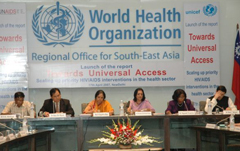
L to R: Mr K. K. Abraham, President, Indian Network
of People Living with HIV/AIDS, Dr Myo Zin Nyunt,
HIV/AIDS Specialist UNICEF Regional Office for
South Asia, Kathmandu, Ms K. Sujatha Rao
Additional Secretary & Director General, National
AIDS Control Organisation, New Delhi, Dr Poonam
Khetrapal Singh, Deputy Regional Director, WHO
Regional Office for South-East Asia, Dr Teguest
Guerma, Associate Director, HIV/AIDS Department,
WHO Headquarters, Geneva, Dr Denis Broun,
Country Coordinator, UNAIDS, New Delhi, during
the launch of the report in New Delhi
WHO, UNAIDS and UNICEF have launched a new report on scaling up priority AIDS interventions in the health sector. The report, launched in London, Geneva, New Delhi and Buenos Aires on 17 April, highlights that by the end of 2006 more than 2 million people in low- and middle-income countries had access to antiretroviral therapy. Representing a 54% increase over the 1.3 million people on treatment in 2005.
The report also gives an overview of global progress in a number of other priority health sector interventions areas, such as prevention of mother-to-child transmission, HIV testing and counselling, interventions for most-at-risk populations and the links between HIV and TB.
“The significant progress outlined in this report in scaling up access to treatment is a positive step forward for many countries in achieving their ambitious goals of universal access to HIV prevention, treatment, care and support,” said Dr Peter Piot, Executive Director of UNAIDS. “However new data in the report also shows that there is still a long way to go,” he added.
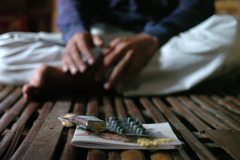
Countries in every region of the world are making
substantial progress in increasing access to HIV
treatment. Photo credit:UNAIDS/O.O'Hanlon
The report highlights a number of key areas in which efforts to scale-up services are insufficient including; the provision of antiretroviral treatment to prevent mother to child transmission of HIV (only 11% of HIV-positive pregnant women in need of treatment were receiving it in 2006); access to prevention and treatment services for people who inject drugs; and the need to scale-up testing and counselling services for people living with HIV (the report highlights that only 12% of men and 10% of women in sub-Saharan Africa know their HIV status).
The Director General of WHO, Dr Margaret Chan said, “We need ambitious national programmes, much greater global mobilization and increased accountability if we are going to succeed.”
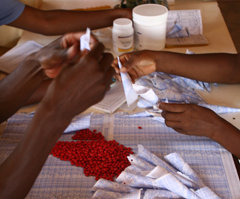
The report outlines the need to increase efforts to
accelerate the prevention, diagnosis and treatment
of HIV disease in children. Photo credit: UNAIDS/
A.Gutman
Among the recommendations outlined in the report was the need to increase efforts to accelerate the prevention, diagnosis and treatment of HIV disease in children. Although the number of children receiving treatment increased by 50% over the last year, still only 15% of those children in need of treatment had access to it.
“Children continue to be the missing face of the AIDS pandemic,” said Ann Veneman, Executive Director of UNICEF, “with too many children still missing out on life-saving treatment and access to other essential services.”
The report also gives progress on the target setting progress for universal access to prevention, treatment, care and support which UN member states committed to at the 2006 High Level Meeting on AIDS in New York. According to the report over 90 countries had set targets with 81 setting targets on treatment and 84 setting targets for at least one prevention intervention.
As a Cosponsor of UNAIDS, WHO has undertaken to monitor and evaluate the global health sector response in scaling up towards universal access and to produce annual reports. Towards universal access––scaling up priority HIV/AIDS interventions in the health sector is the first such report.
Links:
Read Press Release
Download full report (pdf 5,83 MB)
Download background document
Visit UNICEF Website
Related
Feature Story
Launch of the 2007 Global Tuberculosis Control Report
23 March 2007
23 March 2007 23 March 2007Global Tuberculosis Control Report

UNAIDS Executive Director Dr Peter Piot with the Director General of the World Health Organisation Dr Margaret Chan at the launch of the Global Tuberculosis Control Report in Geneva.

WHO Director General Dr Margaret Chan welcomed the new findings in the report and emphasised that TB needed to be tackled as part of the larger challenge of increasing access to primary health care services.
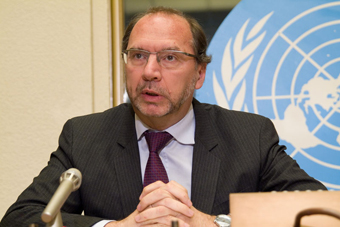
UNAIDS Executive Director Dr Peter Piot stressed the importance of scaling-up collaboration between the TB and HIV communities if the goal of universal access to quality TB and HIV prevention, diagnostic, treatment and care services is to be achieved.
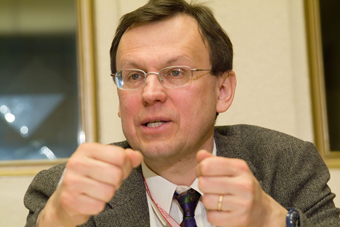
Director of the WHO Stop TB Department Dr Mario Raviglione warned of the serious threat XDR-TB posed to the global response to AIDS and highlighted the need for greater funding to support research into new diagnostics, treatments and vaccines.
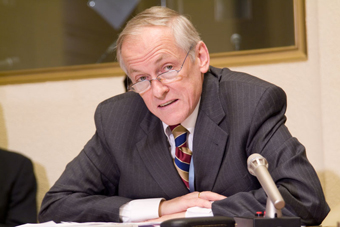
Dr Kevin de Cock, Director of WHO's HIV/AIDS programme welcomed the report's findings and underlined Dr Piot's message of strenghtening cohesion between groups working on TB and groups working on HIV..
All photo credit: D.Bregnard
Links:
Read more
Read TB Anywhere is TB Everywhere
Read UNAIDS interview with UN Special Envoy to Stop TB
Global Tuberculosis Control Report
Related
Transgender sex workers face frequent abuse
29 March 2022
Many key populations avoid health services
21 February 2022