Feature Story
France opens its first safe injecting site for drug users
13 October 2016
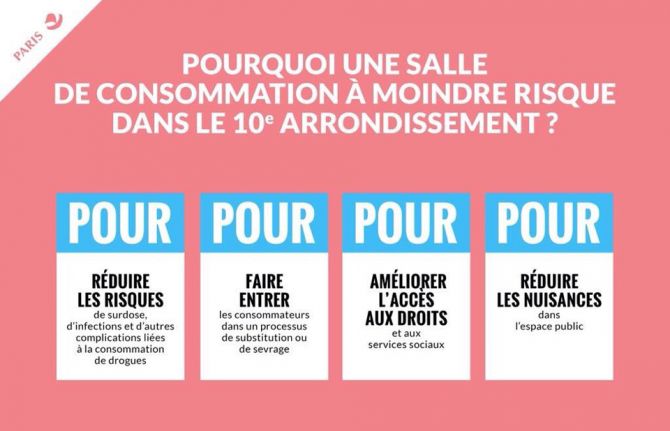
13 October 2016 13 October 2016France’s first safe injecting site for people who inject drugs has opened in Paris.
Linked to the city’s Lariboisière Hospital, the facility can accommodate up to 400 people a day and is staffed by a full team of doctors, nurses and social workers. It is made up of three areas: a waiting room, a consumption room and a place where people can rest before leaving the site.
The aim of the facility, which is open to adults aged 18 and over, is to lessen the risks associated with injecting drug use, including HIV infection. Research shows that supervised injection sites also reduce crime and other social disorders linked to the public consumption of drugs.
The UNAIDS Executive Director, Michel Sidibé, congratulated France’s Minister of Health, Marisol Touraine, and the Mayor of Paris, Anne Hidalgo, on the opening of the site.
Additional drug consumption rooms are planned to open in other French cities, including Strasbourg and Bordeaux, in the near future.
Paris is a founder signatory of the Paris Declaration, which commits cities to ending the AIDS epidemic by 2030 by adopting a Fast-Track approach to their HIV epidemics.
Region/country
Feature Story
Voluntary medical male circumcision: a core campaign to reach the Fast-Track Targets
17 October 2016
17 October 2016 17 October 2016AIDS-related illnesses remain the single largest cause of years of life lost among adolescent boys and men of reproductive age in eastern and southern Africa, although few policies and programmes focus on HIV services for men and boys or on improving their access to health care. However, one type of programme, voluntary medical male circumcision (VMMC), stands out, as it has had reached men and boys in large numbers and is 60% effective in preventing against female-to-male transmission of HIV.
In 2007, the powerful evidence of the preventive impact of VMMC led the World Health Organization (WHO) and UNAIDS to recommend VMMC, particularly in high-burden countries with a low prevalence of male circumcision. They urged the scale-up of voluntary medical male circumcision in 14 countries—Botswana, Ethiopia, Kenya, Lesotho, Malawi, Mozambique, Namibia, Rwanda, South Africa, Swaziland, the United Republic of Tanzania, Uganda, Zambia and Zimbabwe—guided by the actions of ministries of health and other stakeholders.
The highly aspirational target set was to provide VMMC services to more than 20 million men by the end of 2016 in the priority countries. By the end of 2015, 11.7 million adolescent boys and men had been circumcised, and by the end of 2016 that number is projected to reach 14 million, a huge success by any measure. Some countries are attaining and surpassing targets. In 2015, the Gambella province in Ethiopia, Kenya and the United Republic of Tanzania all exceeded their targets set in 2011.
Today, governments and partners, such as UNAIDS, WHO and the United States President’s Emergency Plan for AIDS Relief, are focused on continuing to scale up and maintain this successful programme, but there is cause for concern. Following years of rapid increase, the annual number of circumcisions performed within eight of the 14 priority countries stayed level or decreased in 2015.
There is guidance, however, for a way forward. A new WHO and UNAIDS report, Effective HIV prevention and a gateway to improved adolescent boys’ & men’s health in eastern and southern Africa by 2021, describes the new strategic directions for the years to come. In order to reach the Fast-Track Targets, the annual number of VMMCs needs to increase to 5 million per year. At the same time, a comprehensive people-centred approach to service delivery for men and boys needs to be adopted at the country level, with tailored services to be offered to individuals in different age groups and with different risk profiles.
The report lists the following as the key elements that all stakeholders are encouraged to work together to achieve:
- Promoting VMMC as part of a wider package of sexual and reproductive services for men and boys, including comprehensive sexuality education, the use of condoms and communication around gender norms, including positive notions of masculinity.
- Using new integrated service delivery models.
- Using approaches that are tailored for various age groups and locations.
- Increasing domestic funding to ensure the sustainability of VMMV and expanding sexual and reproductive health services for men and boys.
- Developing new approaches for adolescent and early infant circumcision.
- Breaking down myths and misconceptions about circumcision.
The Clearinghouse on Male Circumcision for HIV Prevention is a collaborative effort among partners, including UNAIDS, for sharing information and resources with the international public health community. The resource library has more than 900 entries and can be searched by topic or country.
“Voluntary medical male circumcision provides a much needed entry point for reaching men and boys with other HIV prevention and health services, which would in turn benefit women and girls,” said UNAIDS Executive Director, Michel Sidibé. “We cannot reach our goals without it,” he added.
Related videos
Related

Feature Story
Ending AIDS by 2030 requires investment in harm reduction for people who inject drugs
10 October 2016
10 October 2016 10 October 2016To end the AIDS epidemic by 2030, the global response to HIV must leave no one behind, including people who inject drugs. It requires drug policies and HIV-related prevention, treatment, care and support services that meet both the human rights and the health needs of people who inject drugs.
Estimates show that worldwide there are approximately 12 million people who inject drugs, 1.6 million (14%) of whom are living with HIV and 6 million (50%) of whom are living with hepatitis C. HIV prevalence among women who inject drugs is often greater than among their male peers. UNAIDS estimates that 140 000 people who inject drugs were newly infected with HIV globally in 2014 and there has been no decline in the annual number of new HIV infections among people who inject drugs between 2010 and 2014.
The UNAIDS report Do no harm: health, human rights and people who use drugs shows that having laws and policies that do no harm to people who use drugs and increasing investments in harm reduction programmes and services results in a decrease in new HIV infections and improved health outcomes and delivers broader social benefits.
The United Nations Office on Drugs and Crime, the World Health Organization (WHO) and UNAIDS recommend using these programmes and services as a comprehensive package, as outlined in the WHO’s consolidated guidelines on HIV prevention, diagnosis, treatment and care for key populations.
Harm reduction works
The evidence is overwhelming—harm reduction works. Opioid substitution therapy has been associated with a 54% reduction in the risk of HIV infection among people who inject drugs and has been shown to decrease the risk of hepatitis C infection, to increase adherence to antiretroviral therapy for HIV, to lower out-of-pocket health expenditures and to reduce opioid overdose risk by almost 90%.
In Australia, 10 years of needle–syringe programming has reduced the number of cases of HIV by up to 70% and decreased the number of cases of hepatitis C by up to 43%.
The evidence is also clear that laws and policies that hinder access to health services for people who use drugs do not work. For example, police surveillance of health-care and harm reduction service providers discourages people who inject drugs from accessing those services.
“Putting the AIDS response on the Fast-Track requires promoting the rights of people who use drugs to access high-quality, evidence-informed HIV harm reduction services and removing barriers to accessing these services,” says Aldo Lale-Demoz, the Deputy Executive Director of the United Nations Office on Drugs and Crime.
Having laws that offer alternatives to prosecution and imprisonment for drug use and possession of drugs for personal use reduces the harmful health effects associated with drug use and does not result in an increased use of drugs.
Community-led harm reduction programmes can reach people who inject drugs with needle–syringe exchange and other services and provide linkages to testing, treatment and care for people living with HIV. In Pakistan, for example, the Nai Zindagi Trust, a peer-led outreach programme, has been in operation for 25 years and reaches about 13 000 street-based people who inject drugs through more than 600 trained peer educators.
The case for investment
Despite the large body of evidence, however, only 80 of the 158 countries in which injecting drug use has been documented have at least one location offering opioid substitution therapy, and only 43 countries have programmes in prisons. Needle–syringe programmes are available in only 90 countries and only 12 countries provide the recommended threshold of 200 sterile needles per person who injects drugs per year.
The combination of unavailability of harm reduction services and inadequate coverage where available puts progress in the response to HIV at risk. It also denies life-saving health services to millions of people who inject drugs.
“When it comes to people who use drugs, evidence has been necessary, but insufficient, to catalyse the needed commitments from governments and donors. Harm reduction is one HIV prevention technology that clearly works, that people in need want and that costs little. Disinvestment makes neither scientific nor moral sense,” says Daniel Wolfe, of the Open Society Foundations.
Current investments in harm reduction services are insufficient. And maintenance of current levels is not enough to end the AIDS epidemic by 2030 and meet the commitments made in the 2016 Political Declaration on Ending AIDS. The majority of people who inject drugs live in middle- and upper-income countries, yet current donor policies are transitioning international aid out of middle-income countries, putting in danger the continuation of existing services and risking the reversal of successes to date.
It is hoped that affected country governments, the successful replenishment of the Global Fund to Fight AIDS, Tuberculosis and Malaria, and new initiatives, such as the Key Populations Investment Fund, will contribute significantly to scaling-up evidence-informed programming for people who inject drugs.
“People who inject drugs are among those who have been left furthest behind by the global response to HIV,” says Mauro Guarinieri of the Global Fund, “We need to recognize that the level of criminalization, discrimination and violence that people who use drugs face, can only result in driving risk-taking behaviours, excluding them from the social and health support systems they need. We must move toward treating everyone, including people who use drugs, as fellow human beings.”
Resources
Feature Story
Decentralization of HIV testing services to increase access for people who inject drugs in Viet Nam
12 October 2016
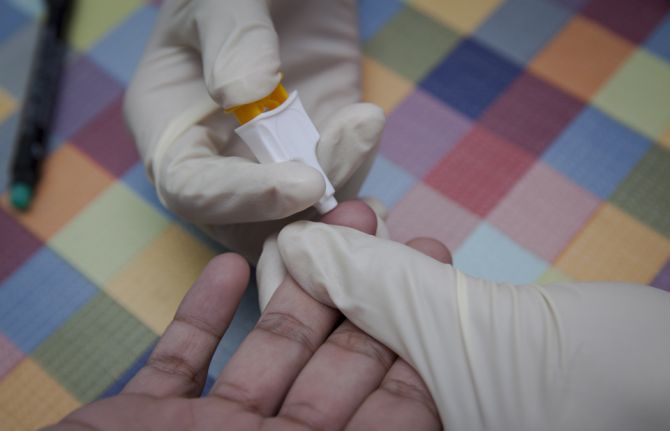
12 October 2016 12 October 2016In Viet Nam, the Authority for HIV/AIDS Control and the Ministry of Health piloted outreach HIV testing services to increase uptake among people who inject drugs and their partners. Bi-monthly HIV testing was offered in villages where there were large communities of people who inject drugs.
The outreach team included two health service staff, one village health worker and one peer educator. People who inject drugs and their partners were invited to a convenient location and offered HIV counselling and rapid HIV tests. Reactive test results were sent for confirmatory testing and clients with a confirmed diagnosis of HIV were counselled and linked to clinics for treatment and care.
From September 2014 to January 2015, 8.9% of people tested were newly diagnosed with HIV—approximately four times higher than the percentage observed at district primary health-care facilities. The results of this pilot programme suggest that the provision of community-based HIV testing services is a feasible and efficient method of increasing knowledge of HIV status among people who inject drugs and their partners, as well as other key populations. Peer educators and village health workers were instrumental in reaching the target population. This model will inform the development of national guidelines on community-based HIV testing. Source: http://who.int/hiv/pub/guidelines/hiv-testing-services/en/.
To find out more about harm reduction, please go to the World Health Organization harm reduction page at http://who.int/hiv/topics/idu/en/ .
Resources
Consolidated guidelines on HIV testing services
Do no harm - Health, human rights and people who use drugs
Consolidated guidelines on HIV prevention, diagnosis, treatment and care for key populations
Guidance on prevention of viral hepatitis B and C among people who inject drugs
Harm Reduction International “Global State of Harm Reduction”
Region/country

Feature Story
China and Cambodia share successful experience in the AIDS response
13 October 2016
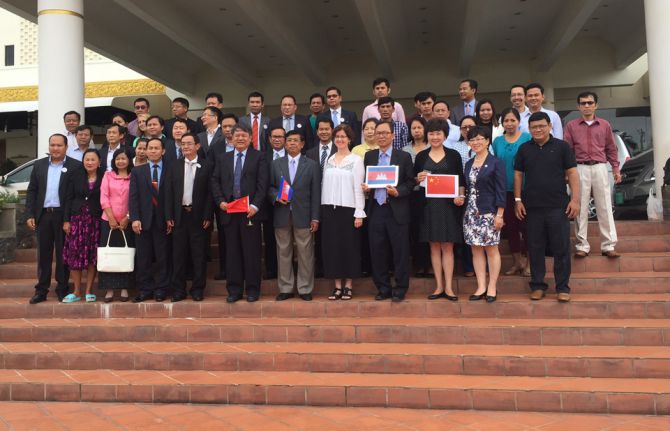
13 October 2016 13 October 2016A Chinese delegation visited Phnom Penh, Cambodia, from 11 to 13 October to promote innovative partnerships between the government and civil society. Both countries have partnered with communities and tailored their AIDS response to the specific needs of key populations at higher risk of HIV.
The mission was organized on the eve of an official visit by China’s President, Xi Jinping, to Cambodia, with support from the UNAIDS China and Cambodia country offices and the Gates Foundation. It included representatives of the National Health and Family Planning Commission, the National Center for AIDS/STD Control and Prevention, the Chinese Preventive Medicine Association and the Chinese Association of STD/AIDS Prevention and Control.
The delegation was welcomed by the National Center for HIV/AIDS, Dermatology and STD, the National AIDS Authority and KHANA, the largest Cambodian nongovernmental organization (NGO) working on HIV.
Sun Xinhua of the National Health and Family Planning Commission headed the Chinese delegation and commended the progress achieved by the Government of Cambodia in decreasing HIV prevalence among the general population. Mr Sun noted that, “This visit is a great opportunity to better understand the strategies and approaches for reaching key populations and opens new avenues for South–South cooperation.” Ly Penh Sun, Director of the National Center for HIV/AIDS, Dermatology and STD, explained that, “Cambodia has recently adopted the “treat all” policy, which is a key step forward to achieving the 90–90–90 targets by 2020.”
The Chinese delegation presented the experience of civil society’s participation in the HIV response in China, noting in particular the China AIDS Fund for NGOs funding process for community organizations. Most international funding for the AIDS response in China ended in 2013, which affected civil society’s participation in the response. The Government of China committed to fill the gap with domestic resources, leading to the establishment of the China AIDS Fund for NGOs in 2015, which in its first year awarded US$ 7.5 million to more than 460 civil society organizations, with 41% of the funds going to support programmes for men who have sex with men.
“Learning from China’s transition towards more sustainable national funding was very useful, as Cambodia faces declining international funding. A key factor of success for both countries is the strong cooperation between government and civil society,” said Ieng Mouly, Chair of the National AIDS Authority, at an event organized to highlight civil society’s experience.
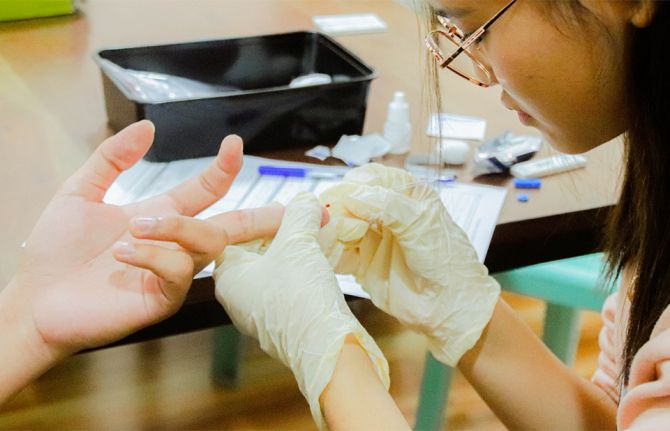
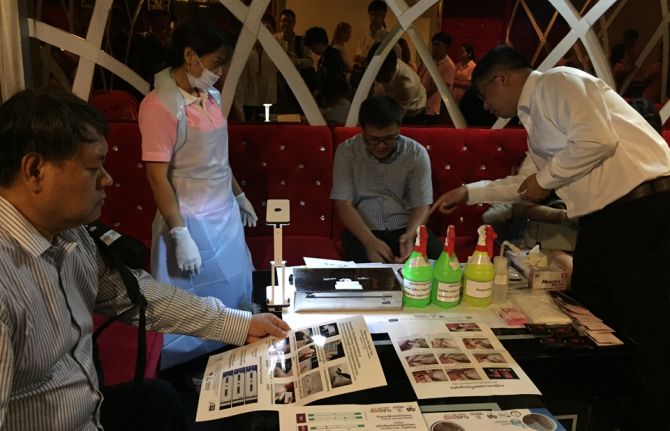
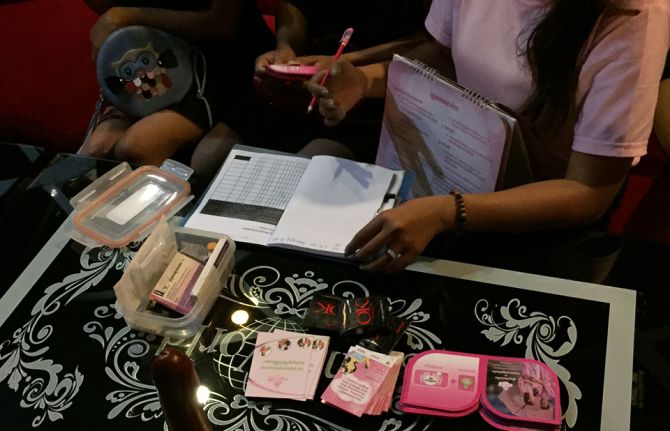
In Cambodia, the government works closely with civil society organizations to provide HIV prevention and support for enrolling key populations in treatment and care. Their efforts help bring services closer to key populations. The delegation visited a karaoke bar where peer counsellors provide rapid finger-prick HIV screening for entertainment workers as they wait for customers. The group also toured a club where men who have sex with men can access HIV prevention services.
“China and Cambodia are on the Fast-Track and building the sustainability of their AIDS response. UNAIDS values South–South sharing and cooperation, which promotes the scale-up of innovative approaches to better reach people,” concluded Marie-Odile Emond, UNAIDS Country Director for Cambodia.


Feature Story
A look at community-based harm reduction in Indonesia
11 October 2016
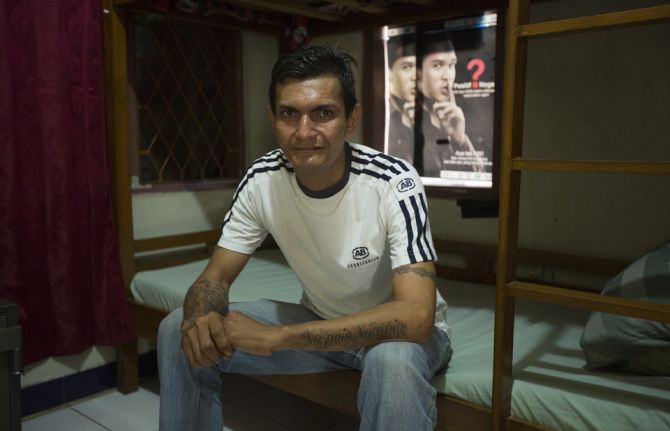
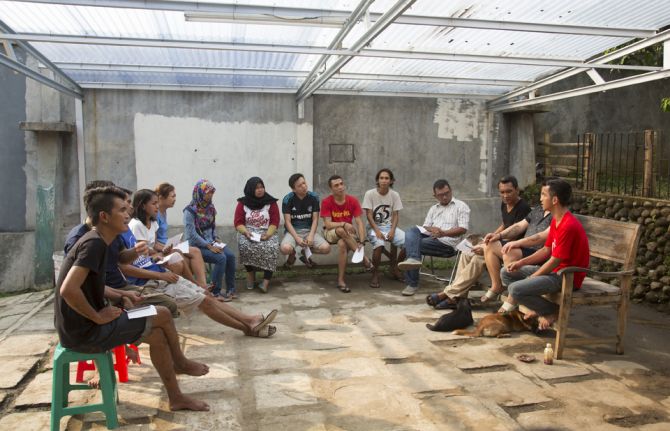
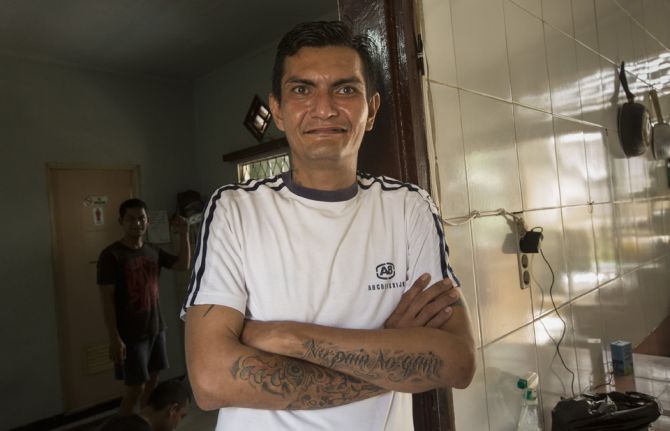
11 October 2016 11 October 2016George started using drugs more than 10 years ago. At the time he lived in Jakarta, Indonesia, and worked as a driver for an international company. About one third of people who inject drugs globally live in the Asia and the Pacific region. (Photo 1)
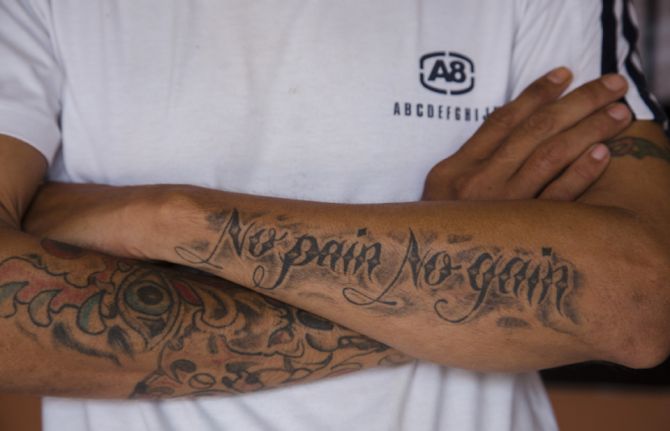
As George’s dependence on drugs became severe, he lost his job and could no longer provide for his wife and young children. “All I could think about was where I would get my next hit. I lied. I stole. I hated myself,” recalled George. (Photo 2)
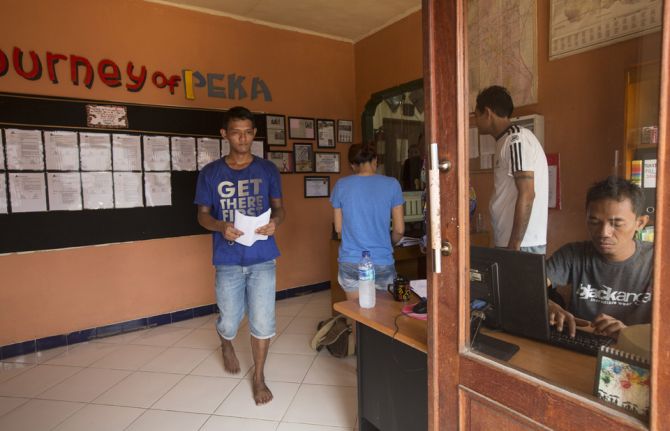
One day George heard about a novel programme based in a large house in Bogor, Indonesia. Rumah Singgah PEKA is a community-based harm reduction programme that aims to empower people who use drugs to take back control of their lives. (Photo 3)
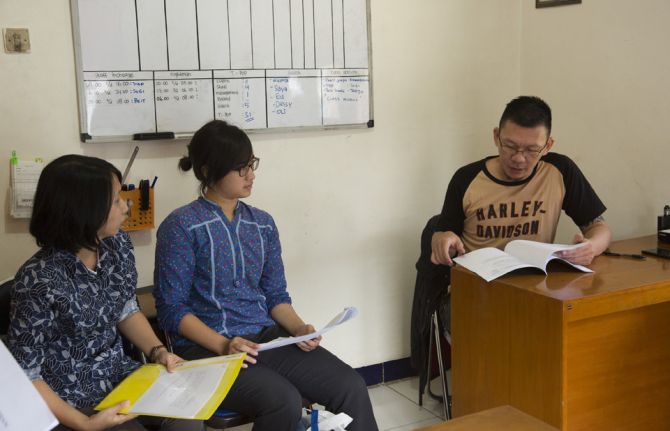
Sam Nugraha is the Executive Director of Rumah Singgah PEKA, which he founded in 2010. He said, “Rumah Singgah PEKA is different from other treatment centres, because it is fully voluntary. Every client has made their own decision to participate.” (Photo 4)
Most of the staff at Rumah Singgah PEKA have experience with drug dependence. The facility provides a range of services, including group and individual counselling. (Photo 5)
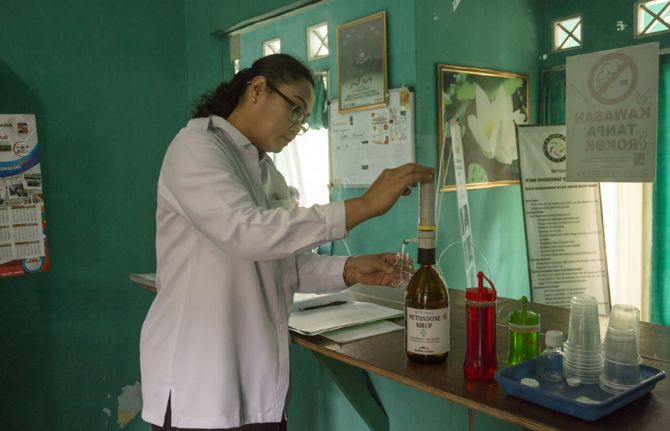
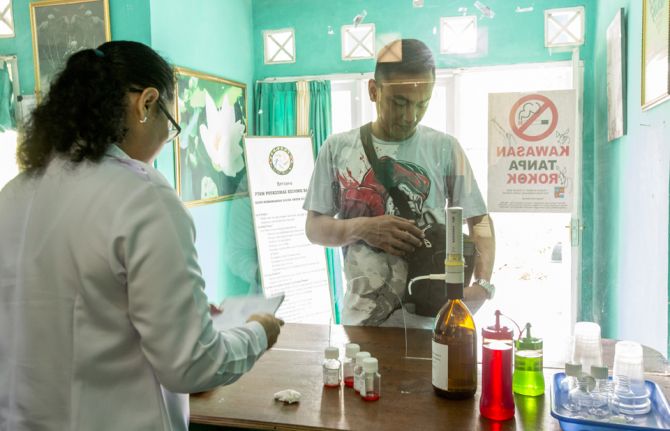
The organization works with public health facilities to help clients access key services. Deni Subhan, Programme Manager at PEKA, often accompanies clients to get their daily dose of methadone. (Photo 6)
Siti Nurfaiza, Programme Manager at Gedung Badak Health Clinic, finds the collaboration with PEKA good. She said, “Methadone is very helpful for the heroin user, since it helps people with drug dependence to maintain their physical, psychological and social activities.” (Photo 7)
Deni Subhan picks up a five-day supply of methadone for clients, who can then access their daily dose at PEKA, which has much more flexible hours than public health facilities. (Photo 8)
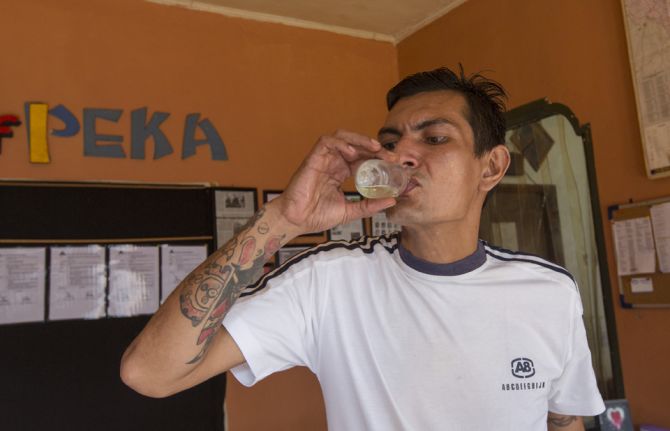
George has gradually decreased his methadone dose. He now works for PEKA and is once again able to provide for his family. (Photo 9)
George said, “All of us are entrusted to make our own decisions. If we wish to make a good decision, the community is here to help.” (Photo 10)
Region/country

Feature Story
Plain speaking: bringing condoms into the open
05 October 2016
05 October 2016 05 October 2016“I want to make it in the corporate world,” says 19-year-old Millicent, known as Milly. A marketing major at the University of Botswana, she exudes sophistication and self-confidence.
But Milly has not always felt so confident about making the right decisions. She has not always felt able to protect herself from sexually transmitted infections, including HIV, or from unintended pregnancy. She was embarrassed to be seen to be sexually active and didn’t feel comfortable taking free condoms at the government clinic. And her boyfriend, Peter, felt self-conscious buying condoms at the pharmacy so they didn’t always have protected sex.
Milly says people tend to link condom use with promiscuity. “There’s a stereotype about teenagers using condoms,” she explains. “Condoms are said to be for adults. People don’t want to talk about them.” At the clinic, “You couldn’t just go in and take one,” she explains. “You were criticized because you were young and wanted condoms.”
Milly’s parents gave her only the most general information about preventing HIV, even though her father is a physician. Cultural norms in Botswana inhibit parents and children from talking openly about sex; it is assumed that if teenagers know about condoms, “they will want to experiment,” says Milly. She and Peter read a little about condoms, but they were still unsure how to use them. “We knew we were taking risks,” she says.
Milly and Peter belong to the age group, 15–24-year-olds, most at risk of HIV infection and UNAIDS reports that females 15–24 years old are twice as likely as males to be living with HIV. Kabo Ngombe of Botswana’s Ministry of Health says that a reluctance to talk about condoms is one reason why more young people do not use them. “A lot of people know about HIV and prevention methods, but they’re not changing their behaviour,” she says. “Young people lack role models. Their parents can’t talk to them about HIV. They prefer to learn from other young people.”
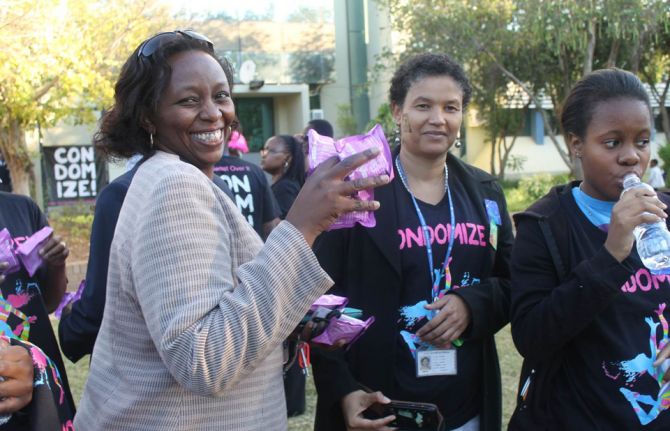
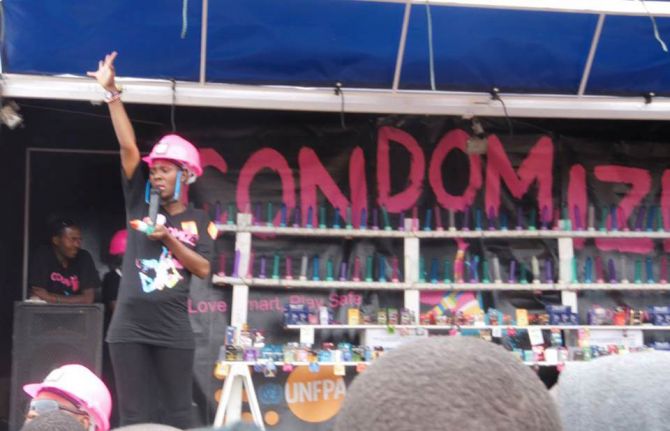
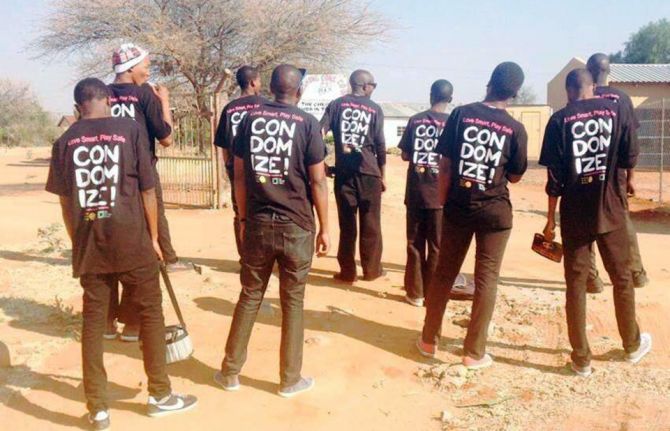
This is what happened to Milly. One day she saw a brightly painted truck moving slowly down the road with the word CONDOMIZE! painted on its side, surrounded by a lively young crowd. Standing in the bed of the truck were other young people, all wearing sleek black T-shirts with the words “Love Smart! Play Safe! CONDOMIZE!” blazoned across the front in electric pink. They wore bright pink hard hats on their heads. Rock music played as they warmly invited passers-by to step up and learn about condoms.
“This truck was really pulling a crowd!” says Milly. “I wanted to know who these people were and what they were doing in our community. It turned out they were educating young people about how to use condoms! And these were young people just like me! As a teenager, I want another teenager to give me information, not someone who criticizes me. This was really great!”
To date, this truck and a smaller one like it have covered some 2000 kilometres throughout Botswana. They are a major feature of the country’s CONDOMIZE! campaign, launched in June 2014 by the United Nations Population Fund and the Condom Project to draw attention to condoms in a user-friendly, welcoming, fun way that attracts young people like Milly. The young people on the truck were among 35 local volunteers trained to educate their peers about condoms. Botswana is one of six African countries where CONDOMIZE! campaigns have been going on since 2011.
The truck pulled up in a park where a table covered with bright displays of condoms had been set up, and the crowd continued to grow. The CONDOMIZE! team passed out baskets full of colourful condoms and packets of water-based lubricant, encouraging everyone to help themselves. “It was amazing!” says Milly “I didn’t know colourful condoms existed!” The condoms she saw that day came in many varieties as well as colours, different sizes and textures (ribbed, studded with little bumps, etc.), different thicknesses and appealing scents (banana, strawberry, chocolate), and had attractive packaging. By contrast, the free government condoms come in one size, shape and colour: orange. They are considered inferior because they are not branded and people say they smell bad and break easily.
But the new condoms went like hot cakes. “I took a lot,” Milly says with a giggle. “It was so much fun! Everybody was very surprised, very impressed and very happy to have such a campaign coming to educate them, to give them free condoms!”
Nowadays, Milly and Peter use condoms consistently and correctly, including the female condom, which was new to them. They enjoy the variety of textures, colours and scents, as well as the lubricants, which they didn’t know about before. Milly has come across other CONDOMIZE! events since then, and she is well-supplied with condoms.
Feature Story
NYC Condom reaching key populations with targeted distribution, marketing and mobile phone app
03 October 2016
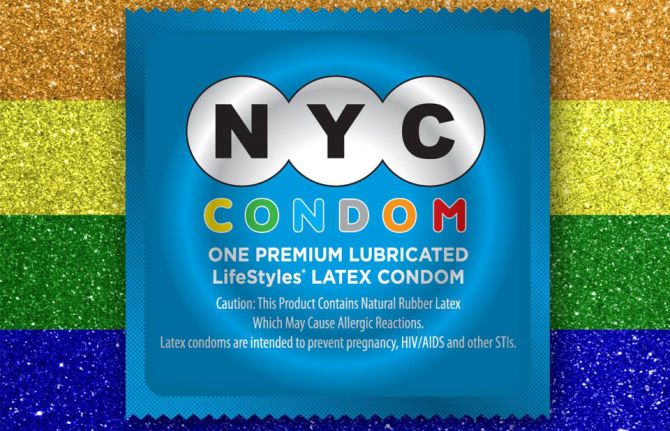
03 October 2016 03 October 2016New York City was the first city in the world to have its own municipally branded condom, and it currently maintains the largest free condom programme in the United States of America. Even in this high income, cosmopolitan city, free condom distribution is instrumental in preventing HIV, other sexually transmitted infections and unintended pregnancies among key populations. Free condom distribution is included as a cost-saving and cost-effective prevention strategy within the 2015 Blueprint for ending the AIDS epidemic in New York State by 2020.
New HIV diagnoses in New York City, 2001-2014
Source: New York City Health Department
New York City’s free condom programme started in 1971, with free condoms distributed through the city’s clinics for sexually transmitted infections. In 2007, the Health Department launched the NYC Condom. Since then, every National Condom Awareness Day (held on St Valentine’s Day) has included a change in the look of the NYC condom packaging or the addition of a new layer of social marketing to the programme.
The Health Department supplies male condoms, female condoms and lubricant freely to any New York City organization or business that wishes to distribute them. In 2011, the Health Department created the NYC Condom Finder, a mobile phone application that uses GPS to assist users to find condom outlets across the city; this app has been downloaded by tens of thousands of people.
New York City’s Condom Availability Program (NYCAP) has over 3500 condom distribution partners and in 2014 distributed over 37.1 million male condoms and almost 1.2 million female condoms across the five boroughs. These partners focus distribution on neighbourhoods with the highest rates of HIV in the city, and to locations that serve people living with HIV and key populations, such as gay men and other men who have sex with men.
The programme works to increase the awareness, availability and accessibility of condoms to the residents of New York City by maintaining a strong community presence. In 2014, NYCAP participated in over 105 community events, provided 825 presentations in the Health Department’s clinics for sexually transmitted infections, and participated in all official and unofficial Gay Pride events in the city, reaching over 53 500 individuals.
Awareness and access to NYC Condoms is high among key populations. Over 75% of individuals polled at Gay Pride events and an African American Day Parade had seen or heard of NYC Condoms and had obtained them.
At the Health Department’s clinics for sexually transmitted infections, 86% of people surveyed were aware of NYC Condoms and 76% had obtained them. Condom use was also high, ranging from 69% to 81% among people who obtained NYC condoms.
Since the launch of the NYC Condom, more than 300 million NYC Condoms have been distributed. The trend in new diagnoses of heterosexually transmitted HIV infections has been reversed with a reduction of 52% between 2007 and 2014.
Feature Story
Putting condoms on the Fast-Track as an efficient and cost-effective HIV prevention method
03 October 2016
03 October 2016 03 October 2016The UNAIDS Prevention gap report shows that HIV prevention efforts must be reinvigorated if the world is to stay on the Fast-Track to ending the AIDS epidemic by 2030. To achieve the global Fast-Track Target of reducing the number of new HIV infections to fewer than 500 000 by 2020, more political commitment and increased investment in HIV prevention, including condom promotion, are needed.
In 2015, an estimated 1.9 million [1.7 million–2.2 million] adults aged 15 years and over were newly infected with HIV—the vast majority through sexual transmission—and an estimated 500 million people acquired chlamydia, gonorrhoea, syphilis or trichomoniasis. Every year, more than 200 million women have unmet needs for contraception, leading to approximately 80 million unintended pregnancies. Condoms effectively prevent all of these.
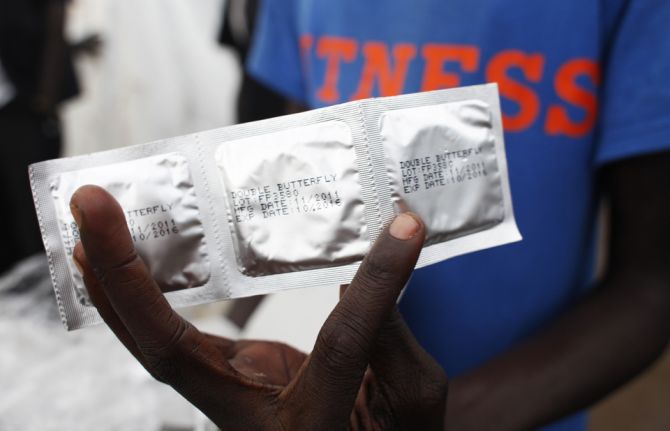
Male and female condoms are highly effective and the most widely available prevention tool, even in resource-poor settings, for people at risk of HIV infection, other sexually transmitted infections and unintended pregnancies. Condoms are inexpensive, cost-effective and easy to store and transport, their use does not require assistance of medical or health-care personnel and they can be utilized by anyone who is sexually active. A recent global modelling analysis estimated that condoms have averted up to 45 million new HIV infections since the onset of the HIV epidemic. For many young people worldwide, condoms remain the only realistic option to protect themselves.
The promotion of consistent use of condoms is a critical component of HIV combination prevention. Condom utilization complements all other HIV prevention methods, including a reduction in the number of sexual partners, voluntary medical male circumcision, pre-exposure prophylaxis (PrEP) and treatment as prevention for serodiscordant couples.
Despite increased use of condoms over the past two decades, studies show that reported use of condoms during a person’s most recent sexual encounter with a non-regular partner ranged from 80% in some countries to less than 30% in others. There is an urgent need for countries to strengthen demand for and supply of condoms and water-based lubricant. Countries agreed in the 2016 Political Declaration on Ending AIDS to increase the annual availability of condoms in low- and middle-income countries to 20 billion by 2020.
Many countries have not yet set ambitious condom distribution and use targets and condoms are suboptimally programmed, with gaps in demand creation and supply. Few condom programmes adequately address the barriers that hinder access and the use of condoms by young people, in particular adolescent girls and young women, gay men and other men who have sex with men and sex workers. In many countries, condoms are not easily available to young people in schools or anywhere outside health facilities. In some contexts, sex workers have unprotected sex with their clients, as carrying condoms is criminalized and used as evidence by the police to harass or prove involvement in sex work. Some programmes only provide a handful of condoms to each sex worker at each visit, but sex workers may have many more clients than condoms supplied. There is also insufficient access to lubricants—less than 25% of men who have sex with men in 165 countries have easy access to free lubricant, and many sex workers, too, desire but lack access to lubricants. Most countries do not plan for the provision of lubricants in their national strategic plans and condom programmes.
International funding for condom procurement in sub-Saharan Africa has stagnated in recent years, and domestic funding has not sufficiently increased. Funding for condom distribution and promotion has even declined. In 2015, there was an estimated gap of more than 3 billion condoms in sub-Saharan Africa against a total need of 6 billion.
To be successful, comprehensive condom programming must address components such as leadership and coordination, supply and commodity security, demand, access and promotion of utilization, and technical and logistic support. It is critical for governments to create an enabling environment among policy-makers and service providers so that users will be made aware of their risks, feel free to demand and access male and female condoms and have the knowledge to use them correctly and consistently. Young people and key populations are strong allies in the promotion of access to condoms. At the last International AIDS Conference in Durban, South Africa, for example, South African youth demonstrated for access to condoms and other sexual and reproductive health services and commodities such as sanitary pads.
Effective condom promotion should be tailored for people at increased risk of HIV and other sexually transmitted infections and/or unintended pregnancy, including young people, sex workers and their clients, injecting drug users and gay men and other men who have sex with men. Many young women and girls, especially those in long-term relationships and sex workers, do not have the power to negotiate the use of condoms, as men are often resistant to their use. Condoms should also be made available in prisons and other closed settings and in humanitarian crisis situations.
There also needs to be a greater leverage of social networks, social media and new technologies to promote condom use and improved focusing. The UNFPA’s CONDOMIZE! campaign to destigmatize and promote condom use is being rolled out in nine countries, led by national governments, with two more national rollouts planned for 2016. The campaign actively involves young people as ambassadors, bloggers and peer educators. In the United States of America, condoms are increasingly promoted and freely distributed in schools in order to address health matters such as unintended teenage pregnancies, sexually transmitted infections and HIV. Cities such as New York and Washington, DC, have established targeted free condom distribution to reach key populations and people at higher risk. In France, condom distribution machines have been placed in schools and the South African Department of Education is in the process of revising its policies in order to allow condom promotion and distribution in schools.
In Zimbabwe, the government has supported large-scale condom distribution through social marketing and free distribution channels. In 2014, 104 million male condoms were distributed in Zimbabwe, one of the highest numbers in the world. Increases in condom use are credited as being one of the reasons that new HIV infections were halved for adults from 2009 to 2015. The South African government has funded a nationwide female condom distribution programme with over 300 distribution sites. In Brazil, public health officials have developed one of the largest condom distribution and promotion campaigns in the world. Despite some objections, the Brazilian government has remained steadfast in its commitment to sharing medically accurate information regarding the benefits of condom use.
Putting condoms on the Fast-Track and achieving 90% condom use by people at risk who are having sex with a non-regular partner would avert an additional 3.4 million new HIV infections by 2020 and would also have a significant impact on preventing other sexually transmitted infections and unintended pregnancies.
Feature Story
Côte d’Ivoire—pioneering greater African leadership in global health
23 September 2016
23 September 2016 23 September 2016Côte d’Ivoire’s engagement in the future of global health, and in particular in ending the AIDS epidemic, is a strong demonstration of the progressive leadership of the country.
Côte d’Ivoire has been working closely with UNAIDS for many years to scale up its domestic response to HIV, stop new HIV infections and ensure access to treatment. Now, Côte d’Ivoire is expanding its reach and efforts to improve the lives of people living with and affected by HIV, not just in its own country but across the globe.
Côte d’Ivoire has recently announced a US$ 1 million donation to UNAIDS to support UNAIDS’ efforts to Fast-Track the response to HIV and end the AIDS epidemic as a public health threat by 2030. The announcement was made at the Fifth Replenishment Conference of the Global Fund to Fight AIDS, Tuberculosis and Malaria (Global Fund), where Côte d'Ivoire was among nine African countries that made pledges to the Global Fund, a greater number than ever before and an encouraging sign that countries across Africa are becoming more engaged in improving global health outcomes.
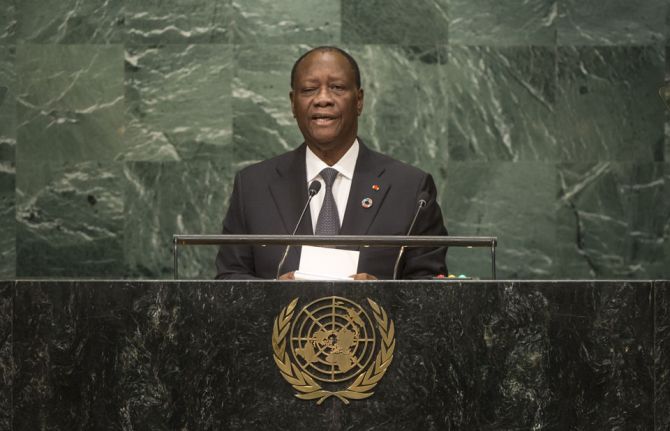
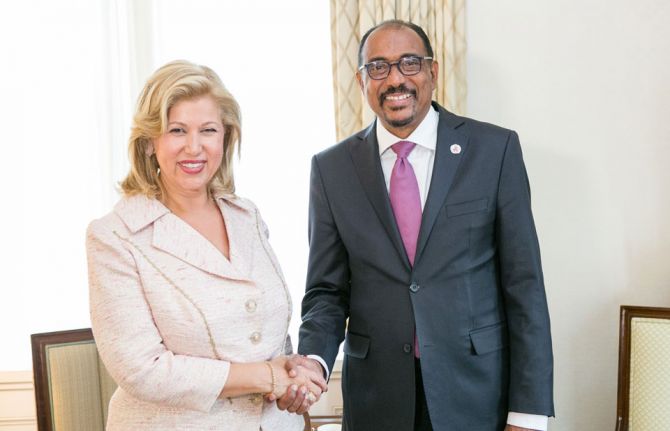
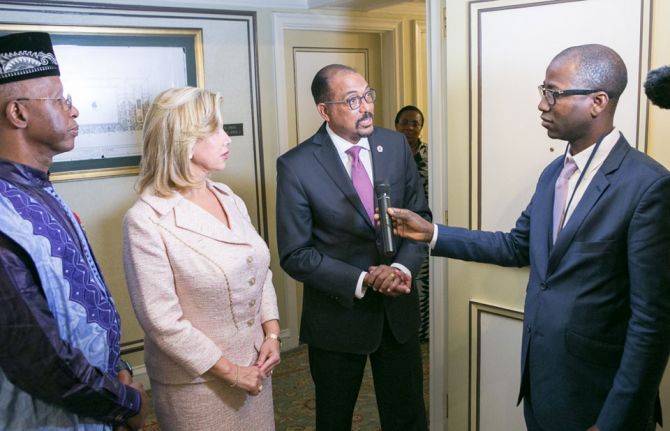
The President and First lady of Côte d'Ivoire, were in New York, United States of America this week for the 71 United Nations General Assembly. The First Lady, Dominique Ouattara, met with the Executive Director of UNAIDS, Michel Sidibé, to discuss future projects and ways of advancing her personal efforts in stopping new HIV infections among children.
Putting children and families first has been a long-term commitment of Ms Ouattara. Through her multiple platforms, she has championed the rights of children for access to health and education for a number of years. In 2014, UNAIDS appointed Ms Ouattara as a Special Ambassador for the Elimination of Mother-to-Child Transmission and the Promotion of Paediatric Treatment for HIV. The next phase of UNAIDS’ work with Ms Ouattara will be on further integration of HIV and health programmes, particularly those concerning young people.