
Feature Story
EECAAC 2016 opens with an urgent call to eastern Europe and central Asia to get on the Fast-Track to end AIDS
23 March 2016
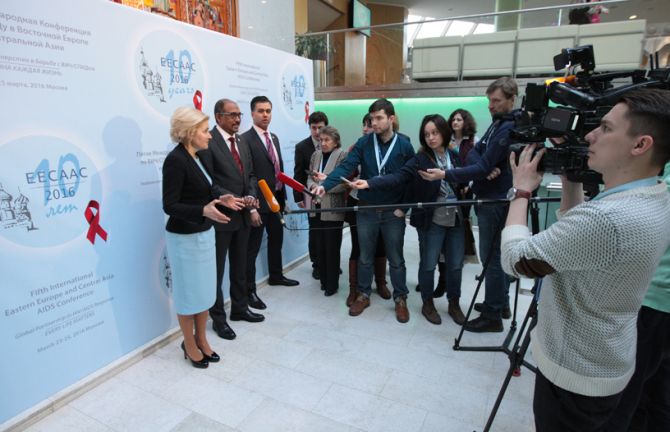
23 March 2016 23 March 2016The fifth Eastern Europe and Central Asia AIDS Conference (EECAAC 2016) opened on 23 March in Moscow, Russian Federation, with discussions focusing on the urgent measures that countries and partners must take to get on the Fast-Track to end the AIDS epidemic by 2030.
The three-day conference, the largest forum on HIV in the region, unites over 2000 activists, scientists, experts, health-care professionals and community workers from over 70 countries. They will share best practices and strategies in the AIDS response.
EECAAC 2016 will also build on the commitments made in 2015 by the BRICS countries (Brazil, Russian Federation, India, China and South Africa) to contribute to enhanced international cooperation to support the efforts of countries to achieve their health goals. Among them is reaching the 90–90–90 treatment target by 2020, critical to ending the AIDS epidemic as a public health threat by 2030.
Dmitry Medvedev, Prime Minister of the Russian Federation, conveyed in his official address to conference participants that “the issue of HIV infection goes far beyond the medical sphere, uniting multiple partners, from health professionals and scientists to civil society, governments and experts.”
Representing the Russian Government, Deputy Prime Minister Olga Golodets confirmed that the Russian Federation is contributing to the global effort to end the AIDS epidemic. She thanked UNAIDS for its constructive dialogue. “I am confident that together we can stop the AIDS epidemic,” she said.
In his opening address to the conference, UNAIDS Executive Director Michel Sidibé expressed his support for the renewed urgent focus on the AIDS epidemic in the Russian Federation and across the region. “In line with the Sustainable Development Goals and leaving no one behind, we should have the courage to explore all progressive policy options in eastern Europe and central Asia. An urgent response is needed to break the trajectory of new HIV infections in the region and to get on the Fast-Track to end the AIDS epidemic by 2030,” he said.
Veronika Skvortsova, Minister of Health of the Russian Federation, emphasized that Russia has managed to achieve a fivefold reduction in the number of HIV-infected children born from mothers living with HIV in the past few years. "In 2006 the risk of vertical transmission of HIV was 10.5% ... According to 2015 data it is just 2%. Thus, 98% of children are born healthy," said Skvortsova.
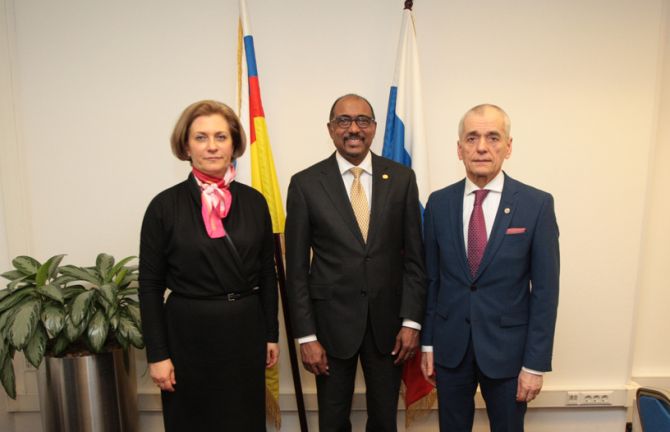
Anna Popova, Conference Co-Chair and Head of the Russian Public Health Agency Rospotrebnadzor, expressed her hope that EECAAC 2016 continues the tradition of joining efforts for practical results to urgently increase the coverage of HIV prevention and treatment services.
Yana Panfilova spoke on behalf of adolescents living with HIV, “We are ready to be the leaders of tomorrow who will create a world where HIV will be only one small part of our full and productive lives!”
A number of countries in eastern Europe and central Asia are making progress towards the elimination of mother-to-child transmission of HIV. However, the same cannot be said about preventing new HIV infections. Estimates indicate that between 2000 and 2014, new HIV infections in the region rose from 100 000 to 140 000 per year. The low coverage of HIV treatment for people living with HIV also represents a major challenge for most countries.At the end of 2014, an estimated 1.5 million people were living with HIV in eastern Europe and central Asia, of which more than 70% live in the Russian Federation.
Speeches
Region/country

Feature Story
Botswana Court of Appeal upholds ruling in favour of registration of LGBTI organization
17 March 2016
17 March 2016 17 March 2016On 16 March, the Botswana Court of Appeal ruled that the refusal by the government to register LEGABIBO, an organization of lesbian, gay, bisexual, transgender and intersex (LGBTI) people, was unconstitutional. The Court of Appeal thus upheld the November 2014 decision of the Botswana High Court on this matter. In its ruling on the case, the Court of Appeal highlighted the potential role of LGBTI organizations in public health and HIV efforts and ordered the Registrar of Societies to register it.
The ground-breaking decision concludes a four-year legal proceeding initiated in February 2012, when several individuals filed an application for the registration of LEGABIBO as an organization under the laws of Botswana. The government denied their application, arguing, among other things, that LGBTI rights were not recognized by the constitution. Activists challenged the decision in court.
In November 2014, the High Court ruled that the government’s refusal to register LEGABIBO violated the rights to freedom of expression, assembly and association protected by the country’s constitution. This was the first time a high jurisdiction in Africa had upheld freedom of assembly and association for LGBTI people. The government appealed against the ruling.
In the lead-up to the United Nations General Assembly High-Level Meeting on Ending AIDS, to be held in June, the decision by the Botswana Court of Appeal highlights the importance of advancing zero discrimination and of creating a legal and political space for the protection and involvement of LGBTI people and other key populations in the AIDS response.
LEGABIBO’s mission is to promote the recognition, acceptance and protection of all human rights of the LGBTI community in Botswana. One of if its main objectives is to promote sexual health among LGBTI people.
Region/country
Related
Feature Story
Agenda for zero discrimination in health care
01 March 2016
01 March 2016 01 March 2016UNAIDS and the Global Health Workforce Alliance are launching an Agenda for Zero Discrimination in Health Care. The agenda supports a vision for a world where everyone, everywhere, enjoys health services without discrimination and where the health workforce is empowered to provide discrimination-free services to all.
Many people around the world face barriers to accessing quality health-care services and realizing the highest attainable standard of health. The multiple reasons for this vary across countries and communities. Even where health-care services are available and of good quality, people often experience or fear stigma and discrimination, which prevent them from accessing the health services they need and are entitled to receive.
A new report by Asia Catalyst produced in collaboration with eight community-based organizations in Cambodia, China, Myanmar and Viet Nam has documented discriminatory practices in health-care settings specifically against people living with HIV. Findings include experiences of involuntary HIV testing, involuntary disclosure of status, segregation, arbitrary additional expenses imposed due to HIV status and medical advice against pregnancy and for sterilization on the sole basis of HIV status.
The agenda offers a space for collaboration between countries, the World Health Organization, UNAIDS, other United Nations and intergovernmental organizations, professional health-care associations, civil society, academics and others to take coordinated action for achieving zero discrimination in health care.
The agenda will prioritize coherent joint actions in three critical areas:
- Political support: by increasing political commitment through mobilization of all key constituencies, to secure prioritization of this agenda at all levels.
- Implementation: by fostering scale-up of implementation of effective actions to achieve discrimination-free health care.
- Accountability: by promoting monitoring and evaluation frameworks and mechanisms to build evidence, monitor progress and ensure accountability.
The action plan outlines seven priorities; these include: building and sharing evidence and best practices; standard-setting; ensuring meaningful engagement of the people most affected by discrimination in the development, implementation and monitoring of policies and programmes; and strengthening the leadership of professional health-care associations.
A virtual community of practice has been created to mobilize more partners around the shared vision and action plan, to join contact ghwa@who.int.
Quotes
“Non-discrimination in health-care settings is urgent in order to end the AIDS epidemic, and it is possible to achieve. Member-states have a legal obligation to ensure non-discrimination. It is also a precondition for sound public health. It is possible to eliminate discrimination through an actionable agenda, with joint efforts and the right scope and scale of programmes. The time to act is now.”
“Getting to the goal of zero discrimination in health-care settings is linked to the development of institutions and systems able to provide just, people-centred health services. At its core this requires access to appropriately trained, well-supported health workers with a minimum core set of competencies.”
“People living with HIV, especially young people, men who have sex with men, transgender people, people who sell sex and people who use drugs struggle to be heard and respected at clinics and hospitals. Stigma Index data from more than 65 countries and more than 65 000 people living with HIV interviewed show that 10% to 40% faced denial of care by health providers. On a positive note, the Stigma Index has resulted in partnerships with hospitals, health systems and ministries to put in place programmatic and policy responses to such discrimination. Such programmes need to be scaled up so that everyone can access non-judgemental services.”
Publications
Region/country
Related
 UNAIDS, WHO and Unitaid bring manufacturers and governments together in Geneva as HIV financing enters a new era
14 September 2026
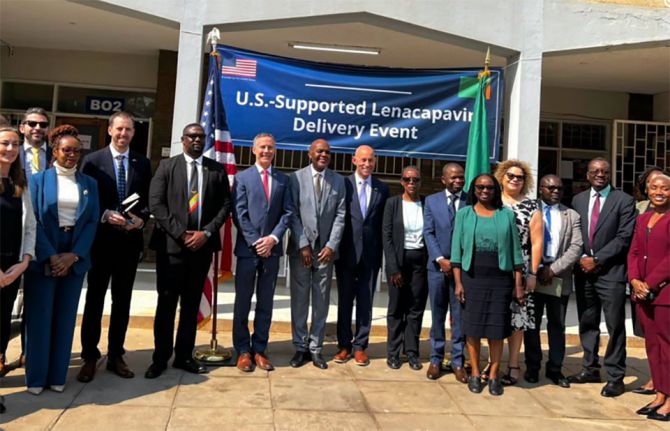 UNAIDS works with partners and communities to support Zambia's rollout of Lenacapavir to prevent new HIV infections
09 September 2026
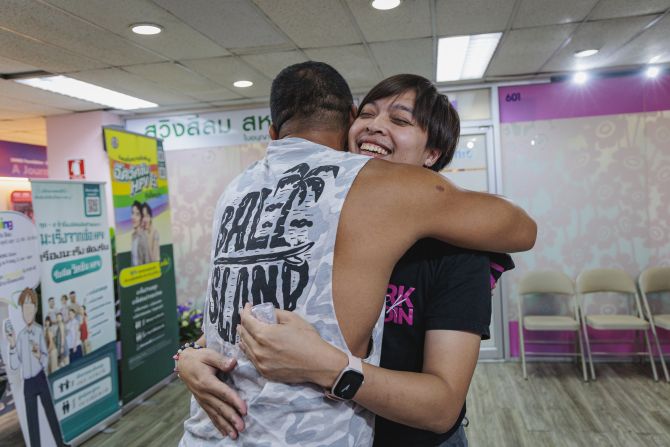 Built on trust - Community-led HIV responses in Thailand
26 August 2026



Feature Story
“I have rights” photo exhibition depicts the lives of transgender people in Peru
22 February 2016
22 February 2016 22 February 2016Transgender people often face violence, unemployment and poverty, owing to ignorance and prejudice. Such stigma and discrimination places transgender women at a higher risk of HIV infection.
All people are equal and no one should be discriminated for any reason. “In our country it will take a lot to make this affirmation a reality,” the Peru’s Ombudsman Eduardo Vega Luna said in response to the situation. However, he called for “more awareness campaigns that encourage citizens to look at the future with hope and without violence and discrimination.”
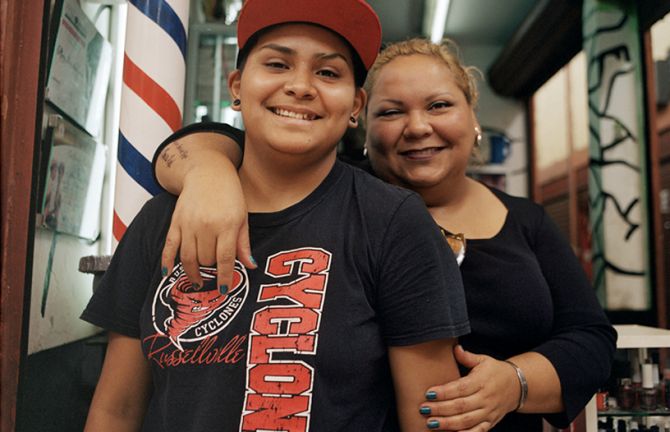
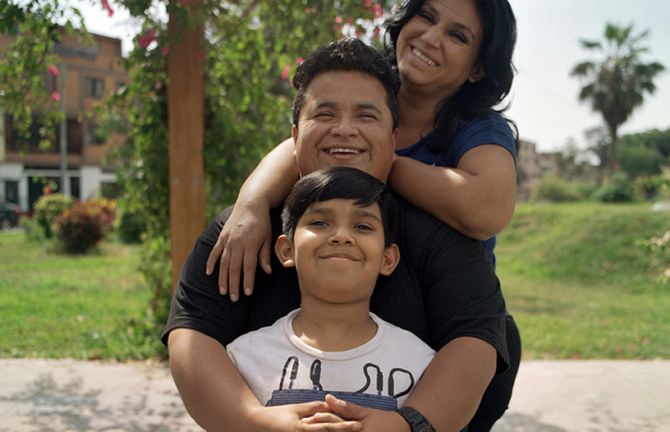
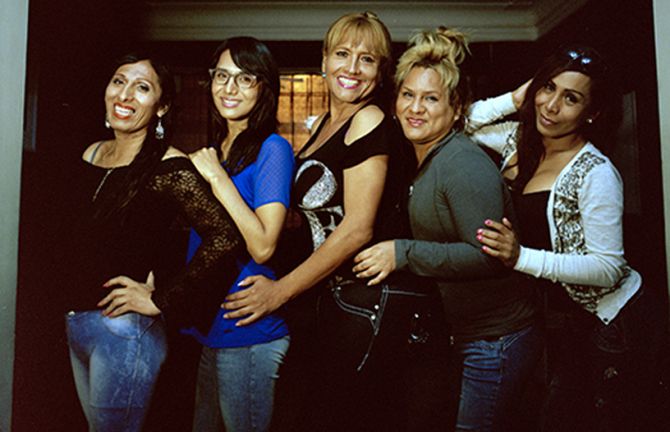
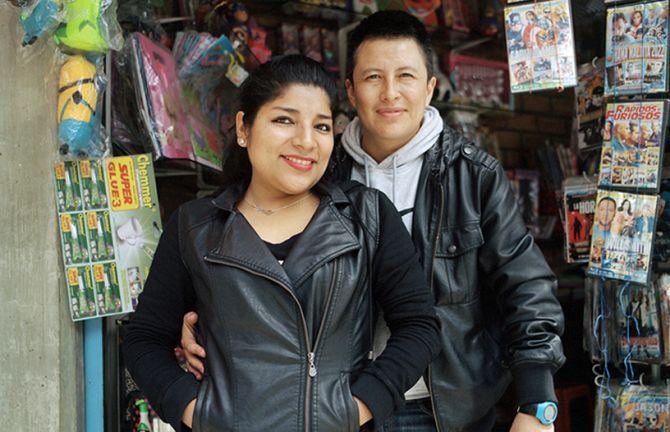
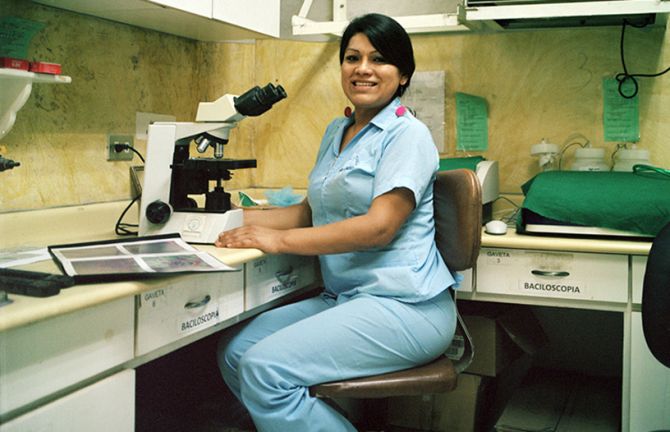
One such activity was recently organized by United Nations organizations in Peru, including UNAIDS, UNDP, OHCHR and United Nations Information Centre, and civil society organizations, like PROMSEX, IESSDEH, Center for Interdisciplinary Studies in Sexuality, AIDS and Society of the Cayetano Heredia University, transgender people, the Magnum Foundation and the European Union. An exhibition, “Yo tengo derechos”, meaning “I have rights”, presented photographs taken by Danielle Villasana, an award-winning photojournalist whose work focuses on gender, identity, health and social politics. A recent graduate of the University of Texas, Austin, she has worked with transgender communities since 2012.
The photographs in the exhibition—part of the United Nations Free and Equal campaign, which advocates for lesbian, gay, bisexual and transgender equality—showed transgender people with their colleagues and family members in their daily lives as students, artists, professionals and activists. In their testimonies for the exhibition, transgender people spoke about happiness, love and how they cope with daily struggles.
María del Carmen Sacasa, United Nations Resident Coordinator in Peru, said, “For us, the main human rights theme is non-discrimination. It’s not a minor issue, particularly when it comes to transgender people, who are rejected in many fields.”
The exhibition reminded people of one of the main human rights principles: discrimination is unacceptable.
Related
Feature Story
Young Nigerians with a passion for HIV prevention
09 February 2016
09 February 2016 09 February 2016Isah Mohammed Takuma is married and has a one-year-old daughter. At 32, he is a university graduate and currently serves as the National Coordinator of the Association of Positive Youths Living with HIV/AIDS in Nigeria.
He says he draws daily inspiration from his personal experience to support HIV prevention efforts in Nigeria. “I was 19 when I first had sex. I thought one time was not enough to get infected with HIV,” he said.
Even when he started to fall sick, he simply could not believe that HIV was the cause of his health troubles. He was 23 when he tested HIV-positive and his life changed forever.
“It was a nightmare and I had to go through hurdles to recover. My CD4 count was low; my viral load was high. I was like a walking corpse,” Mr Takuma recalled.
Antiretroviral treatment soon put him back in good health. He returned to university and completed his studies much later than planned, but he was happy to be alive and healthy again.
At university, he started a support group for young people living with HIV. He told his story to peers as a way to prevent new HIV infections. “Many other people in my class got to know their HIV status because of my efforts, and I am really proud about that,” Mr Takuma said.
The Nigerian Government reports that more than 6.7 million people were tested for HIV in 2014 and that it continues its efforts to expand treatment, with coverage at 22% in 2014. The global treatment target set for 2020 is that 90% of people living with HIV are on life-saving antiretroviral therapy.
Despite the challenges that people living with HIV face in the country, Mr Takuma said the fact that he and his wife have an HIV-free child “tells the story of what Nigeria’s HIV response has done in the lives of many young people like me.”
Nigeria has the second largest HIV epidemic in the world. In 2014, 3.4 million people were living with HIV in the country, of which 380 000 were children below the age of 14. HIV prevalence among young women between the ages of 15 and 24 was 1.3% in 2014, almost twice as high as it was for their male counterparts.
Like Mr Takuma, Faith, 16, is passionate about advocating for HIV prevention among young people.
The soft-spoken and cheerful student was born with HIV but only got to know her status at the age of 10. However, she started on antiretroviral treatment when she fell ill two years ago.
She is now healthy and advocates for treatment for all. “I have even been on radio to speak about HIV,” she said. “We want adolescents and youth to understand that it is possible to have a normal life without any stress.”
“We also want to take part in international engagements to share our stories and be an inspiration to other girls and young people,” she said.
Faith views her involvement with the Association of Positive Youths Living with HIV in Nigeria as vital to ensuring that women and girls enjoy healthy and productive lives.
She aspires to graduate as a nurse to help save lives in Nigeria.
Region/country
Feature Story
UNAIDS joins forces with the One Million Community Health Workers campaign to achieve the 90–90–90 treatment target
02 February 2016
02 February 2016 02 February 2016UNAIDS and the One Million Community Health Workers (1mCHW) initiative have announced a major strategic partnership to support the achievement of the 90–90–90 treatment target and to lay the foundation for sustainable health and development.
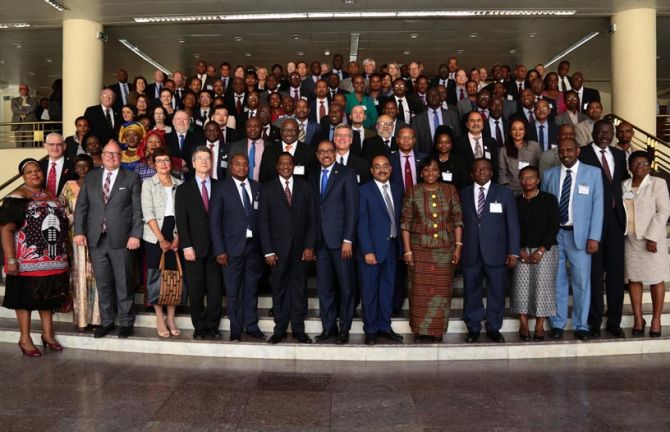
The new partnership emerged at a high-level meeting of eight African health ministers and other stakeholders in Addis Ababa, Ethiopia, held on 1 February, which focused on the 90–90–90 treatment target and human resources for health. The participants of the meeting called for the world to leverage the aim of achieving the 90–90–90 treatment target to strengthen human resources for health.
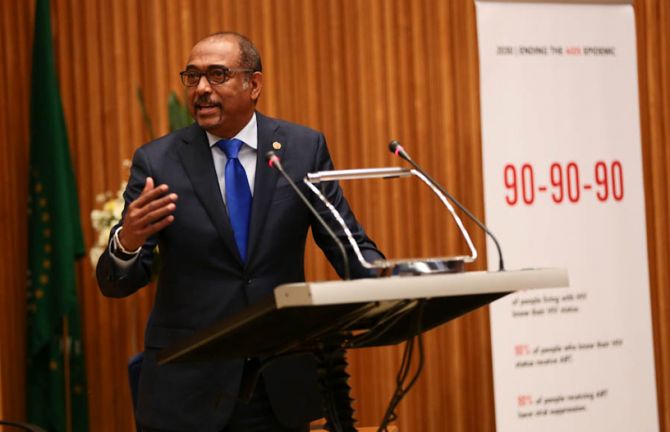
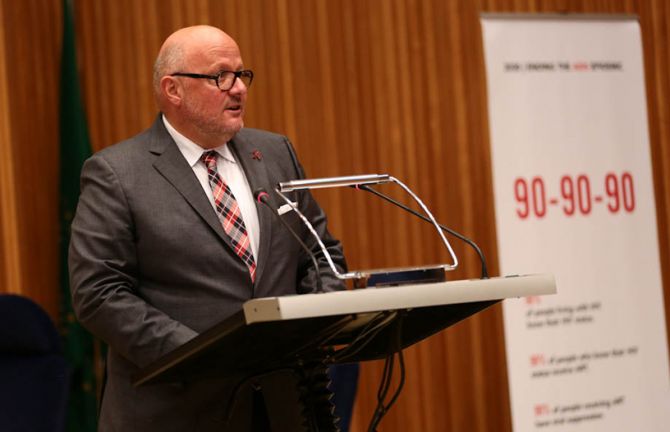
In his opening address, Marc Angel, UNAIDS champion for the 90-90-90 treatment target, told participants that increased human resources for health would be essential.
“Achieving the 90-90-90 target requires health workers, specific expertise and laboratories equipped with the necessary materials,” said Mr Angel.
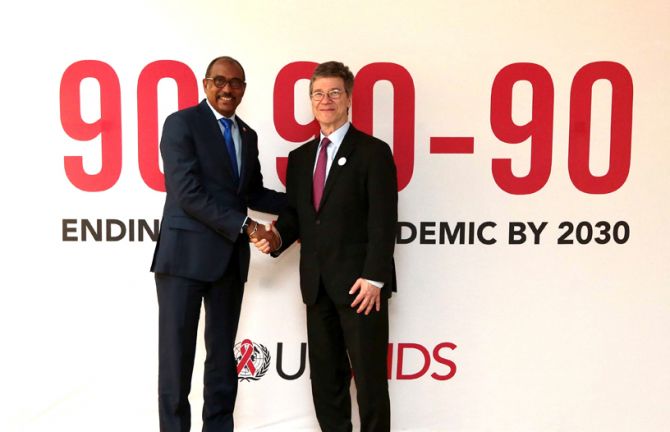
Jeffrey Sachs, director of the Earth Institute at New York’s Columbia University and founder of the 1mCHW initiative, emphasized his commitment to the 90–90–90 treatment target. As the United Nations Secretary-General’s Special Adviser on the Sustainable Development Goals (SDGs), Mr Sachs pledged to place 90–90–90 at the centre of advocacy for the SDGs.
“The 90–90–90 effort of UNAIDS is historic: a rigorous, scientific and bold approach to end the AIDS epidemic,” Mr Sachs said. “The end of AIDS is within reach, and community health workers will play a pivotal role in empowering communities to end deaths from AIDS and to break the transmission of the virus. The 1 Million Community Health Worker campaign is honoured to join UNAIDS in its path-breaking programme.”
Cosponsored by UNAIDS, the African Union and Ethiopia’s Ministry of Health, the meeting revealed both strong support for the 90–90–90 treatment target and agreement that it offers a unique opportunity to recruit and mobilize hundreds of thousands of community health workers.
“Ethiopia will spare no efforts to reach the 90–90–90 treatment target,” said Kesetebirhan Admasu, Ethiopia’s Minister of Health. “We are determined to relegate AIDS to the books of history.”
To reach the 90–90–90 treatment target, the number of people accessing antiretroviral therapy will need roughly to double over the next five years. While HIV programmes have pioneered innovative strategies to enhance the efficiency of service delivery, it is clear that reaching the target will require expanding the number of health workers available to deliver HIV services.
However, many African countries, as well as countries in other regions, have an acute shortage of health workers. Although Africa accounts for 25% of the global health burden, the region is home to only 3% of all health workers.
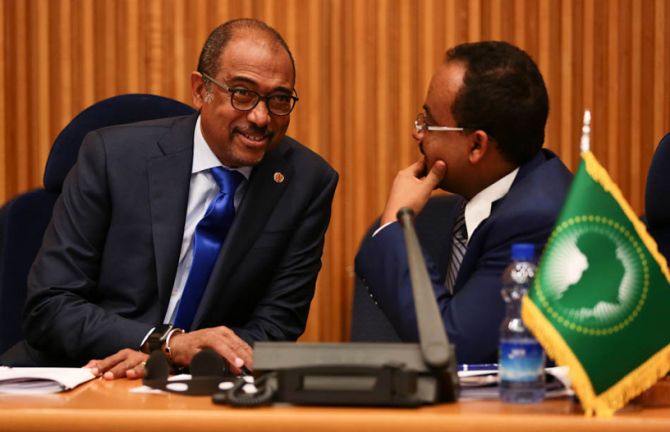
To ease health worker shortages, the meeting focused on the importance of training and employing trained, provisioned, supervised and remunerated community health workers to expand access to HIV services. “We must reinforce the interface between communities and the service provider,” said UNAIDS Executive Director Michel Sidibé. “We need to use communities and civil society organizations to reach people who are difficult to reach.”
The 1mCHW campaign unites more than 150 organizations worldwide in a major global effort to recruit and deploy trained, equipped, supervised and remunerated community health workers, with particular attention to especially underserved rural communities.
Countries such as Ethiopia, Ghana and Malawi have already taken major steps to train and deploy community health workers to deliver community-based health services. Ethiopia, for example, has trained tens of thousands of health extension workers, who have substantially increased access to good-quality health services. Creation of the community health worker programme in Ethiopia has been associated with a 19-year increase in life expectancy over two decades. Ghana is in the process of deploying 20 000 community health workers in a national scale-up effort.
Other countries are moving to emulate these successful national efforts to expand human resources for health. Lesotho, for example, is embarking on a national effort to create a cadre of health extension workers, with mentoring provided by Ethiopia and Malawi.
Much of the discussion during the one-day meeting focused on how the push to achieve the 90–90–90 treatment target can help drive a sustainable expansion of human resources for health. The global effort to achieve the 90–90–90 treatment target will involve the delivery of simplified, decentralized care to millions of healthy people living with HIV. Self-care, including through such innovations as peer-driven adherence clubs and community distribution of antiretroviral therapy, will play a vital role in the delivery of HIV chronic care management.
Community health workers will be essential for providing these simplified, decentralized services. The Fast-Track approach calls for a sharp increase in financing for community service delivery and an increase in the proportion of HIV services that are delivered through community channels from 5% currently to 30%.
The same community-centred models that will be critical for ending the AIDS epidemic as a public health threat also have a potentially key role to play in addressing the other health targets in the SDGs. Community health workers mobilized through the push to achieve the 90–90–90 treatment target can also help in the delivery of other important health services. Similarly, the chronic care models generated by HIV treatment scale-up are applicable to the management of the growing burden of noncommunicable diseases, such as hypertension and diabetes.
Although the road map for action is clear on 90–90–90 and the health workforce, financing remains a potential obstacle, as investments will be needed for training, supervision and compensation for community workers. There was agreement among health ministers and other participants that mobilizing the necessary investments for expanding the health workforce will require both increased domestic outlays and further increases in international assistance. Mr Sachs called for the creation of a fund for strengthening health systems.
“Here in Africa, we must commit our own domestic resources for health,” said Olawale Maiyegun, Director of Social Affairs for the African Union Commission. “We must live up to our commitments in the Abuja Declaration to dedicate at least 15% of our domestic budget to health.”
“Health is not a cost,” Mr Sidibé said. “Health is not expenditure. Health is an investment. If we scale up, we can bring the epidemic to an end. Yet if we don’t come up with the resources we need, AIDS will rebound, and all our investments in the last 30 years will be lost.”
In planning the meeting, the cosponsors worked with the World Health Organization, the African Society for Laboratory Medicine, the International Association of Providers of AIDS Care, the International Federation of Red Cross and Red Crescent Societies, the Office of the United States Global AIDS Coordinator, Columbia University, the Sustainable Development Solutions Network, the One Million Community Health Workers campaign and the Government of Luxembourg.
Region/country
Feature Story
Global Platform to Fast-Track HIV responses among gay men and other men who have sex with men around the world
14 January 2016
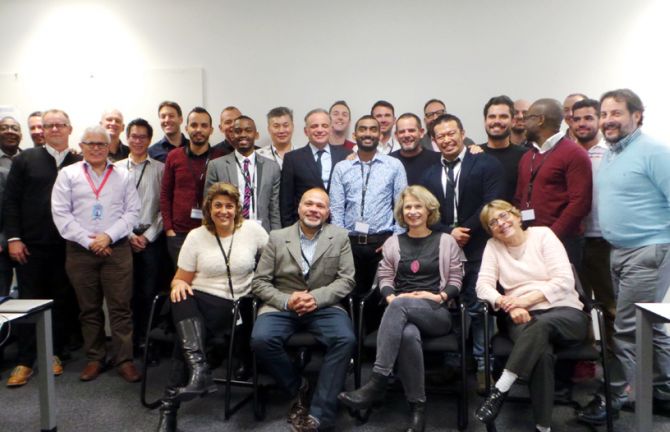
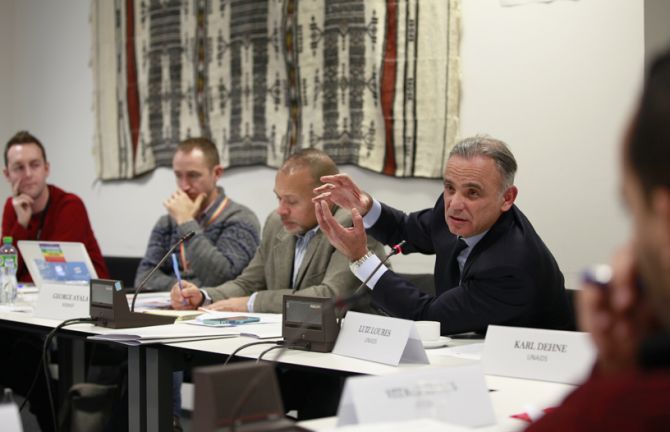
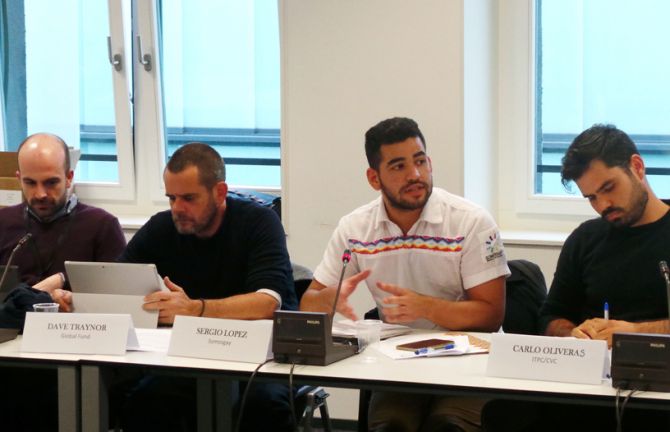
14 January 2016 14 January 2016The first meeting of a new advisory body, the Global Platform to Fast-Track HIV Responses among Gay Men, Bisexual Men and Other Men Who Have Sex with Men (Global Platform), was convened by UNAIDS and the Global Forum on MSM & HIV (MSMGF) in Geneva, Switzerland, on 12 and 13 January. Through the Global Platform, members will provide strategic advice to United Nations agencies and other stakeholders on HIV programme needs and priorities for gay men and other men who have sex with men to urgently address the rising HIV epidemic worldwide among this population.
“The only way forward is to do more and bring more people to the centre of the response to the epidemic. Whoever you are and whatever your circumstances, we must do more for people affected by HIV. Launching this platform for gay men and other men who have sex with men is a great way to start the year,” said Luiz Loures, UNAIDS Deputy Executive Director.
Around the world, gay men and other men who have sex with men remain much more likely to be HIV‐positive and less likely to have access to safe and effective services than the general population.
“To date, we have shamefully failed gay and bisexual men and other men who have sex with men in the global response to HIV. Establishing the first ever advisory body to the United Nations agencies and donor community devoted to this issue is an important first step in correcting the situation. I am excited to work on the platform in close partnership with an extraordinary group of dedicated advocates and allies,” said George Ayala, Executive Director of the MSMGF.
New infections among gay men and other men who have sex with men are increasing in all regions of the world, while access to HIV prevention and treatment services remains low in many countries, partially due to inefficient investment in HIV prevention. National HIV strategic plans and prevention and treatment programmes often fail to target gay men and other men who have sex with men. Punitive laws and policies, violence and human rights violations all fuel vulnerability to HIV.
“While HIV continues to affect gay and bisexual men and other men who have sex with men around the world, there are growing data demonstrating the potential of early HIV diagnosis, better treatment and pre-exposure prophylaxis in decreasing the acquisition and transmission of HIV. This Global Platform has the potential to leverage the support needed to bring these programmes to scale and achieve the coverage needed to change the trajectory of HIV epidemics among gay and bisexual men and other men who have sex with men around the world,” said Stef Baral of Johns Hopkins University.
Efforts to reach gay men and other men who have sex with men are impeded by inadequate financing of essential HIV services and low national commitments to respond to HIV among the population. Challenges are exacerbated by the absence of gay men and other men who have sex with men in policy decision-making and planning processes at the country, regional and global levels.
Consensus was reached around priorities and urgent actions that need to be taken to reduce the number of new HIV infections among gay men and other men who have sex with men, starting with preparation for the High-Level Meeting on AIDS, to be held in June 2016.
The participants of the meeting included representatives of regional networks of men who have sex with men, civil society organizations, the Office of the United States Global AIDS Coordinator, the Global Fund to Fight AIDS, Tuberculosis and Malaria, the Elton John Foundation, youth groups, people living with HIV, the World Health Organization, the United Nations Development Programme, the private sector and UNAIDS.
Feature Story
Algeria leads push to end the AIDS epidemic in the Middle East and North Africa
15 January 2016
15 January 2016 15 January 2016The Middle East and North Africa region is facing political and humanitarian crises that have destabilized the region and have had an impact on social and economic development in the most affected countries. However, despite setbacks in certain areas, health continues to be a priority. Algeria stands out as one of the countries in the region with the most advanced health responses, particularly to the AIDS epidemic.
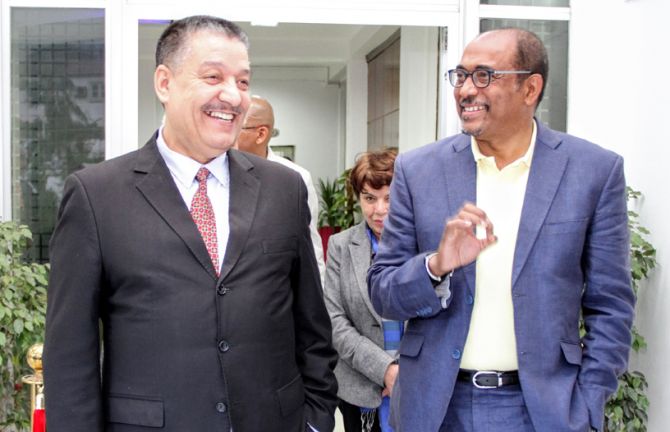
During a visit to Algeria from 12 to 14 January, UNAIDS Executive Director Michel Sidibé commended governments in the region for recently adopting the Algiers Declaration, an important tool for ending the AIDS epidemic in the Middle East and North Africa. One of the key components of the declaration calls for scaling up HIV testing and treatment services in the Middle East and North Africa, especially among vulnerable populations, mainly injecting drug users, men who have sex with men and sex workers. Currently, testing and treatment coverage are low in the region.
Speaking at the Institute of Diplomacy and International Relations, Mr Sidibé said, “If in the next five years 90% of people living with HIV know their status, the region will certainly manage to enable 90% of people who know their HIV-positive status to access life-saving treatment by 2020.” In his keynote speech, Mr Sidibé also recognized Algeria’s role in accelerating the AIDS response in the country and championing the Algiers Declaration in the region.
Algeria has recently introduced HIV testing at all health-care facilities and has adopted a law criminalizing all forms of violence against women. In addition, the country has significantly increased antiretroviral therapy coverage, mostly relying on domestic funds.
During his mission, Mr Sidibé visited the Institut Pasteur in Algeria and the National Laboratory for the Control of Pharmaceutical Products, part of the Algiers Centre of Excellence for Research on Health and HIV/AIDS.
“The Institut Pasteur is a centre with a continental potential for research, diagnostics, training and medicine production,” said Mr Sidibé. He added that it is time for Africa to produce its medicines and develop its technological and scientific infrastructure.
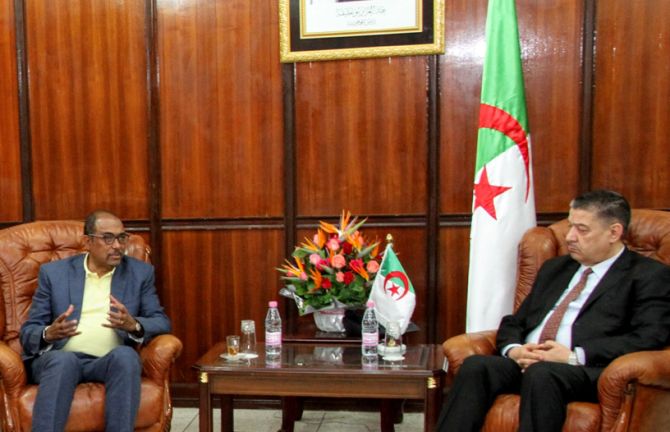
During the visit, Mr Sidibé met with the Minister of Health, Abdelmalek Boudiaf, and spoke about the strong and productive partnership between the Government of Algeria and UNAIDS. Mr Sidibé congratulated Algeria for its people-centred approach to health and its commitment to ending the AIDS epidemic. “Universal access to health care is in the Algerian constitution,” Mr Boudiaf said.
Region/country

Feature Story
Raising HIV awareness among indigenous young people in Panama
21 December 2015
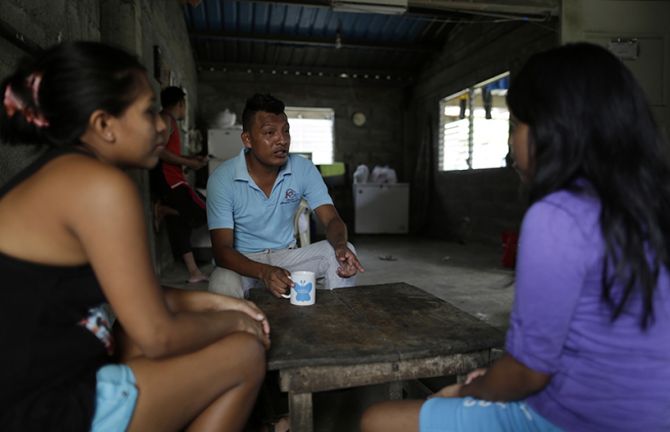
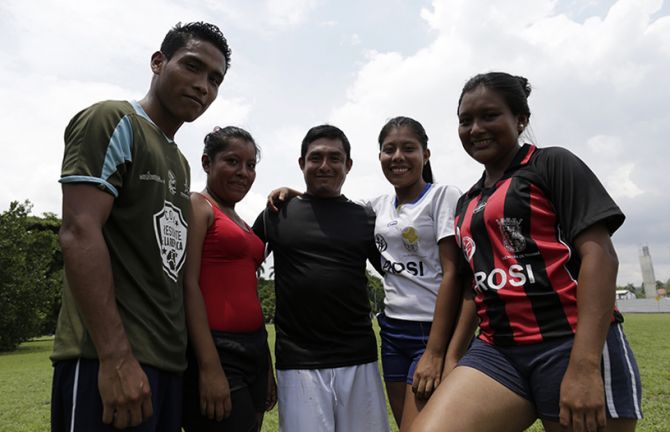
21 December 2015 21 December 2015Israel is an indigenous community leader living in Veracruz, Panama City. He was diagnosed with HIV 7 years ago, when he was 24. At that time, Israel had no knowledge of HIV. “I thought I would die soon after and I wouldn't see my children grow up,” he said.
Israel looked for support and started to get involved with local civil society organizations advocating for improved sexual and reproductive health for young people and promoting the human rights of key populations. He became an active member of Genesis+ Panama, bringing to the organization the voice of indigenous people.
“Indigenous youth continue to encounter significant barriers in accessing comprehensive sexuality education and services in our language and according to our own practices and model of well-being,” Israel said. “This is a missed opportunity, since our communities can contribute to the HIV response and the development of our society.”
HIV among indigenous populations is an emerging public health concern, as data show that indigenous people are particularly vulnerable to HIV. The government reports that indigenous people have little knowledge of how HIV is transmitted, negative attitudes towards people living with HIV and low HIV testing rates. Reporting on indigenous people’s rights, the Economic Commission for Latin America and the Caribbean found that more indigenous girls initiate sexual activity before the age of 15 than their non-indigenous peers. The rate of teenage pregnancies is more than twice as high for indigenous girls. Another matter of concern is that violence against women, which has links to HIV infection, is prevalent among indigenous populations in Panama.
Israel works hard to change the situation in his community. He organizes meetings with indigenous young people and teenagers, either at a home or the beach, to discuss health and other important topics. “I want to give my children and other young people access to information and tools to prevent HIV,” he said.
Israel also coordinates a football team of young indigenous women. Each weekend the team participates in local leagues. Before the games start, Israel and the other coaches provide the players with training related to HIV prevention. He said, “There are many young people at risk in my community and I feel that by leveraging the power of football we are creating opportunities to improve their well-being and strengthen social capital.”
Israel also dedicates his time to raising awareness about respect and solidarity towards key populations and people living with HIV. “In indigenous communities, myths still persist around HIV,” he said. “The fear of being excluded or rejected prevents people from taking an HIV test or going to health facilities.”
Reflecting on what he has learned since his diagnosis, Israel said, “HIV has not limited me. It opened my eyes to social justice and motivated me to become the person I am today.”
Region/country
Related
 Communities, authorities and UNAIDS coordinate to maintain HIV care during emergencies in Colombia and Venezuela
23 September 2026
UNAIDS works with partners and communities to support Zambia's rollout of Lenacapavir to prevent new HIV infections
09 September 2026
Built on trust - Community-led HIV responses in Thailand
26 August 2026
Feature Story
Japan hosts major conference on financing the response to AIDS, tuberculosis and malaria
17 December 2015
17 December 2015 17 December 2015Japan hosted the Fifth Replenishment Preparatory Meeting of the Global Fund to Fight AIDS, Tuberculosis and Malaria (Global Fund) on 16 and 17 December, which laid the groundwork for a pledging conference in mid-2016 at which donors will finalize the Global Fund’s next three-year funding cycle.
The participants included Japan’s Foreign Minister, Fumio Kishida, health ministers from several countries, Margaret Chan, the Director-General of the World Health Organization, Bill Gates, co-chair of the Bill & Melinda Gates Foundation, and Luiz Loures, Deputy Executive Director of UNAIDS.
”We have an unprecedented opportunity in the next five years to break the AIDS epidemic,” said Mr Loures. “If we scale up care, treatment and prevention services and create an environment where people have full access to them we will be on course to end the AIDS epidemic by 2030.”
On the eve of the meeting, Japan also organized a conference on universal health coverage in order to evaluate the financial systems and funding required by countries to promote access to affordable health care and medicine. Universal health coverage is key to ending the epidemics of HIV, tuberculosis and malaria, which are fuelled by poverty, stigma and discrimination.
Japan has been one of the leading investors in the AIDS response, supporting programmes focused on key populations across Asia and investing in projects such as the Kenya HIV Situation Room, which is using cutting-edge technology to provide high-quality data about that country’s epidemic.
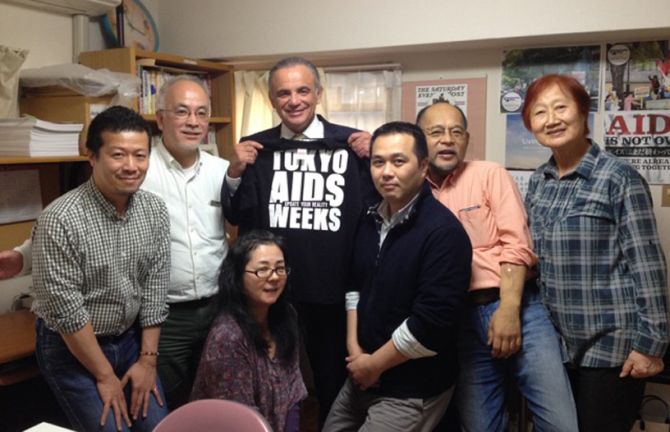
While he was in Japan, Mr Loures also visited PLACE Tokyo, which provides community-based services related to HIV and sexual health, including consultation services for people living with HIV.
“The role of communities remains as critical as ever in addressing the realities, needs and challenges of people living with HIV in Japan,” said Mr Loures. “I congratulate PLACE Tokyo for the work they are doing to support people living with HIV, their partners and family members.”