Feature Story
ASEAN cities protecting the gains of the HIV response during the COVID-19 pandemic
26 October 2021
26 October 2021 26 October 2021Fast-Track cities in South-East Asia have been stepping up efforts during the COVID-19 pandemic to ensure that HIV treatment and prevention services remain unaffected by the pandemic and to protect the gains made in the HIV response. The dynamic city-based infrastructures that have been built up around the HIV response are being leveraged to implement innovative programmes to safeguard people living with HIV and other vulnerable populations and contain the spread of COVID-19.
Jakarta, Indonesia, provides a clear example of how cities are accelerating their HIV responses, enabling continued progress while taking into account the effects of the COVID-19 pandemic. Since the first COVID-19 outbreak, Central Jakarta, with more than 10 000 people living with HIV on antiretroviral therapy, ensured treatment continuity with the implementation of multimonth antiretroviral therapy dispensing and community-led home-based delivery. In collaboration with partners, the Provincial Health Office of Jakarta developed the Jak-Anter service, which connects people living with HIV with health facilities across the metropolitan area, allowing for direct client-organized antiretroviral therapy delivery, benefiting nearly 30% of people living with HIV in the area.
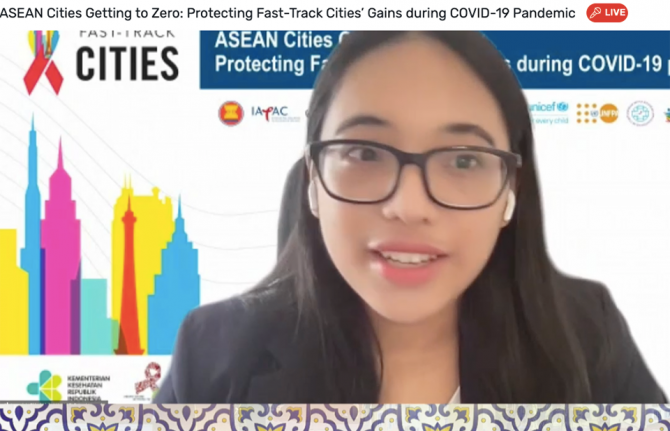
This best practice was shared at an event, ASEAN Cities Getting to Zero: Protecting Fast-Track Cities’ Gains during the COVID-19 Pandemic, which brought together five cities from the Association of Southeast Asian Nations (ASEAN) on the margins of the Fast-Track cities 2021 hybrid conference in Lisbon, Portugal, on 21 October.
“Cities play a critical role in delivering on the United Nations Political Declaration on AIDS. As we make our collective steps towards the next phase of achieving the three zeroes, we must work in partnership to address the variety and complexity of HIV epidemics. Evidence-informed national regulations will ensure effective collaboration between national and subnational governments,” said Budi Gunadi Sadikin, the Minister of Health of Indonesia.
The event allowed ASEAN cities to share innovative practices in implementing HIV programmes amid the COVID-19 pandemic.
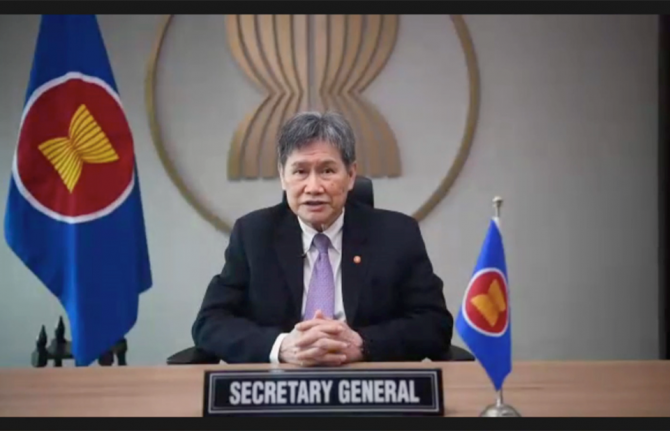
“ASEAN is committed to fast-tracking the HIV response to end AIDS by 2030. We must continue to work hand in hand and to ensure equitable access to HIV services and solutions, break down barriers and improve resource mobilization for efficient and sustainable HIV responses,” said Dato Lim Jock Hoi, the Secretary-General of ASEAN.
A recurring theme during the session was how quickly ASEAN cities utilized virtual platforms to scale up access to HIV services, especially during lockdowns. In the Philippines, Pasig City delivered quality services to key populations by increasing investments in HIV programmes and treatment facilities and the use of virtual platforms. Like Jakarta, Pasig City partnered with community-based organizations to deliver antiretroviral therapy, condoms and lubricants by establishing a service delivery network with service providers and health facilities to provide core packages of health-care services during the COVID-19 pandemic.
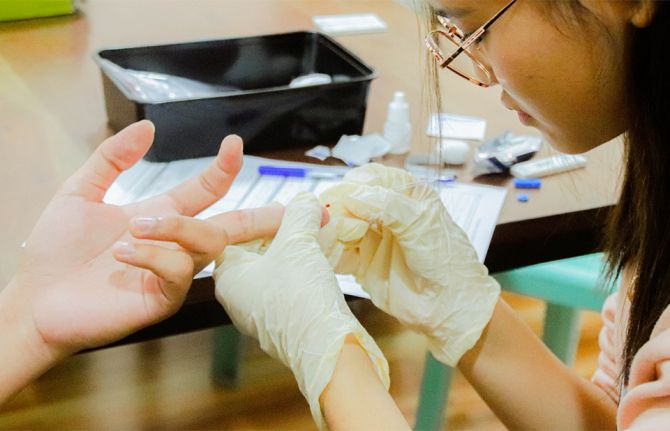
Can Tho, a city in Viet Nam, piloted a project to deliver self-test kits to key populations, in particular gay men and other men who have sex with men and people who use drugs, through virtual platforms. In collaboration with the World Health Organization and civil society partners, Can Tho quickly responded to COVID-19 by training community outreach workers to conduct community-based HIV rapid testing and by scaling up HIV self-testing.
Bangkok’s innovations included same-day delivery of antiretroviral therapy and the scale-up of key population-led health services. Bangkok, a regional leader in pre-exposure prophylaxis (PrEP) and a provider of specialized and holistic services for transgender people, expanded its PrEP services to 16 municipal public health centres and eight city hospitals during the COVID-19 pandemic.
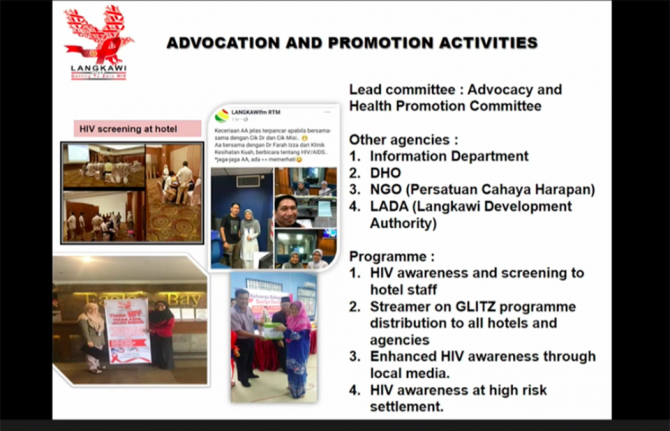
Young people were noted as being at the forefront of the HIV response in ASEAN cities. In an effort to reduce the number of new HIV infections among young people in Langkawi, Malaysia, the Kedah State Health Department established the GLITZ project. The programme focuses on young people, including young key populations, through various outreach activities, mentor–mentee programmes and school and university visits to educate young people on HIV prevention.
As the Fast-Track cities network continues to grow in the ASEAN region, the complexity of HIV in urban areas is better understood. The network offers a way for cities to share best practices and experiences at a time of increasing urbanization and globalization.
“It has been 10 years since the ASEAN Cities Getting to Zero project was initiated. Since then, the project has successfully expanded to 76 cities in the region. As we see more participating cities and significant signs of progress in the HIV response, I encourage avenues for South–South collaboration. Together, in partnership, we can end AIDS as a global health threat by 2030,” said Taoufik Bakkali, the Director, a.i., of the UNAIDS Regional Support Team for Asia and the Pacific.
Our work
Region/country
- Asia and Pacific
- Australia
- Bangladesh
- Bhutan
- Brunei Darussalam
- Cambodia
- China
- Democratic People's Republic of Korea
- Federated States of Micronesia
- Fiji
- India
- Indonesia
- Islamic Republic of Iran
- Japan
- Kiribati
- Lao People's Democratic Republic
- Malaysia
- Maldives
- Marshall Islands
- Mongolia
- Myanmar
- Nauru
- Nepal
- New Zealand
- Pakistan
- Palau
- Papua New Guinea
- Philippines
- Republic of Korea
- Singapore
- Solomon Islands
- Sri Lanka
- Thailand
- Timor-Leste
- Tonga
- Tuvalu
- Vanuatu
- Viet Nam
- Samoa

Feature Story
Strengthening the response of health systems to pandemics in the Commonwealth of Independent States
19 October 2021
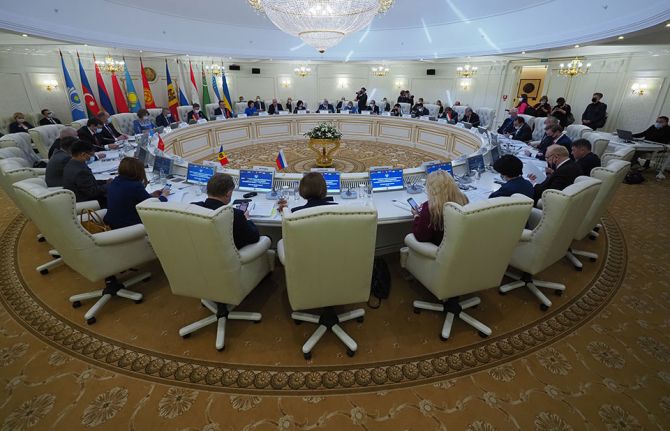
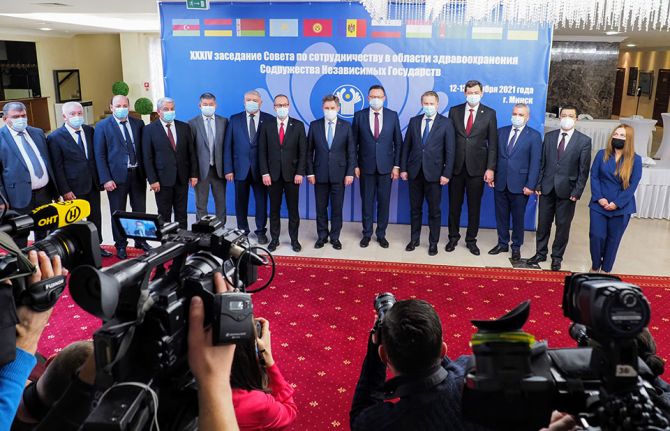
19 October 2021 19 October 2021Representatives of ministries of health of the Commonwealth of Independent States (CIS) countries, health-care experts and representatives of UNAIDS and the World Health Organization (WHO) convened to discuss the priorities of CIS countries in addressing new pandemic challenges and other health-care issues in Minsk, Belarus, at the 34th meeting of the Council for Health Cooperation of the CIS.
A memorandum on deepening cooperation between the Council for Health Cooperation of the CIS and the WHO European Office was signed during the meeting. “We are stronger when we are united. A global problem such as the COVID-19 pandemic cannot be solved by national measures only,” said Hans Kluge, the WHO Regional Director for Europe.
Igor Petrishenko, the Deputy Prime Minister of Belarus, noted the importance of joint operational decision-making, “so that there is consistency in the CIS on eliminating and counteracting the spread of COVID-19, as well as continuing vaccination and implementation of the Travelling without COVID-19 app within the CIS.”
The Minister of Health of the Russian Federation, Mikhail Murashko, noted that countering infectious diseases requires ensuring that health systems are stress-resistant. “They must quickly adapt to new challenges,” he stressed.
Alexander Goliusov, Director, a.i., of the UNAIDS Regional Support Team for Eastern Europe and Central Asia, presented the new priorities for the HIV response in the region outlined in the Global AIDS Strategy 2021–2026: End Inequalities, End AIDS and the new United Nations Political Declaration on AIDS, taking into account the COVID-19 pandemic.
He outlined the directions in the new strategy, on which there is consensus among all the CIS countries, among them: achieving the 95–95–95 targets by 2025, ending inequalities in access to HIV services and health technologies, the active engagement of civil society and community organizations and ensuring the financial sustainability of the HIV response.
Mr Goliusov thanked the Russian Federation, which since 2013 has been providing financial assistance in strengthening health systems and counteracting HIV and other infectious diseases in five countries of the region, Armenia, Belarus, Kyrgyzstan, Tajikistan and Uzbekistan, having allocated more than US$ 49.5 million in financial assistance.
The participants decided to prepare and send to the Government of the Russian Federation a letter recognizing the efforts made under the framework of the regional programme of technical assistance in combating infectious diseases, including HIV, hepatitis and sexually transmitted infections, as highly effective, noting that they had directly reduced the HIV burden in the region, and requesting the Government of the Russian Federation to consider the continuation of the programme in 2022–2025.
UNAIDS also supported proposals from representatives of the Russian delegation on research on mental health and HIV and on oncological pathology among people living with HIV on antiretroviral therapy.
The CIS is a regional intergovernmental organization that was formed following the dissolution of the Soviet Union in 1991. It encourages cooperation in economic, political and military affairs and has certain powers relating to the coordination of trade, finance, law-making and security. The Council for Health Cooperation of the CIS consists of ministers of health and chief state sanitary doctors of the CIS member states. The council maintains relations with WHO, UNAIDS, the World Health Assembly and the United Nations Children’s Fund.
Region/country
- Eastern Europe and Central Asia
- Albania
- Armenia
- Azerbaijan
- Belarus
- Bosnia and Herzegovina
- Bulgaria
- Croatia
- Cyprus
- Czechia
- Estonia
- Georgia
- Hungary
- Kazakhstan
- Kyrgyzstan
- Latvia
- Lithuania
- Montenegro
- Poland
- Republic of Moldova
- Romania
- Russian Federation
- Serbia
- Slovakia
- Slovenia
- Tajikistan
- North Macedonia
- Türkiye
- Turkmenistan
- Ukraine
- Uzbekistan
Related

Feature Story
Capitalizing on experiences to improve HIV care for key populations in western Africa
18 October 2021
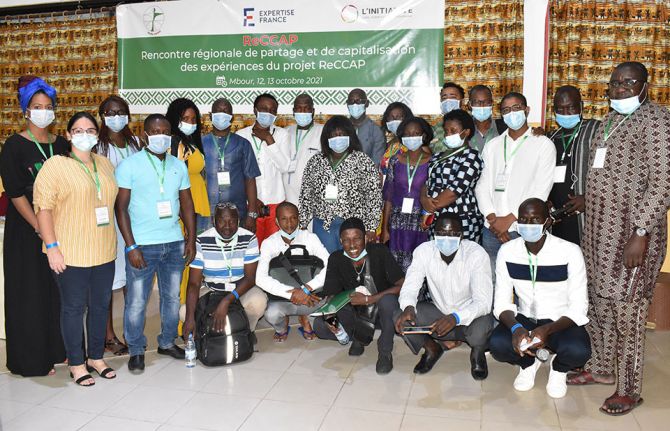
18 October 2021 18 October 2021Participants from four countries—Côte d’Ivoire, Guinea, Guinea-Bissau and Senegal—recently met in Saly, Senegal, to capitalize on the know-how developed during the implementation of the Capacity Building and Capitalization of Experiences for Improved HIV Care among Key Populations in West Africa (ReCCAP) project, implemented by ENDA Santé and funded by L’Initiative through Expertise France.
The project aims to strengthen local people so that they are able to map sites and estimate the size of key populations on a continuous basis at the local level, conduct detailed analyses of HIV services and needs, and use the results to adapt the services offered and increase their effectiveness.
“The lack of data on key populations hinders the development of interventions that address their specific needs. Programmatic mapping and size estimates are usually conducted by international consultants and are not always adapted to the needs of field actors, and data may exist but are often quickly outdated because targets are dynamic and mobile,” said Sidy Mokhtar Ndiaye, Research Manager at ENDA Santé.
Guinea-Bissau, for example, was able to share its experience in estimating the size and/or needs of four key population groups, including a needs analysis of prisoners in three prisons in the country. “This is the first time that a study on HIV has been done in prisons in the country. The data will be used for the development of the new national HIV strategic plan,” said Miriam Pereira, Monitoring and Evaluation Officer at ENDA Santé Guinea-Bissau. The country has completed the deployment of two national trainings, including on community-based surveillance, which has been useful for monitoring the COVID-19 pandemic, and on the implementation of key population mapping in four regions—Bissau, Bafatà, Bubaque and Mansôa—in sites including bars, restaurants, hotels and public spaces.
The meeting, which welcomed members of partner entities and people who had benefited from two regional trainings in 2019 and 2021, was an opportunity to share South–South operational experiences and to develop recommendations for scaling up lessons learned and extending the project, particularly in terms of geographic coverage, with the support of UNAIDS.
“Key populations and their sexual partners account for 69% of new HIV infections in western and central Africa. And yet in the region the funding received for programmes for key populations represents only 2.4% of funding between 2016 and 2018. Projects like ReCCAP are essential for advocating for greater investment in key populations and evidence-informed programming,” said Marie Engel, UNAIDS Regional Adviser.
Region/country

Feature Story
Community mobilization and digital technologies accelerate the response to HIV and COVID-19 in Gabon
13 October 2021
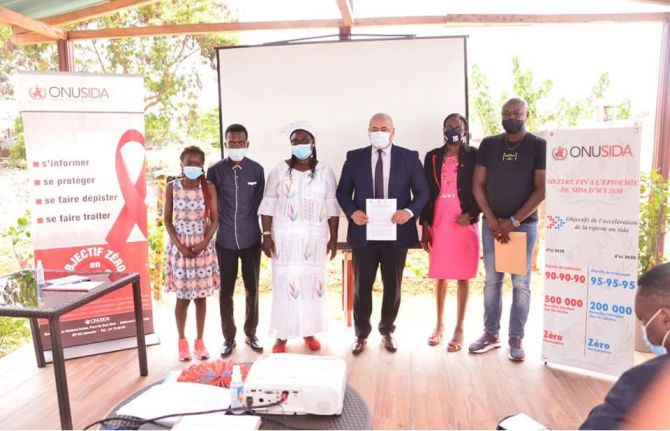
13 October 2021 13 October 2021Gabon is one of the partnering countries involved in the Partnerships to Accelerate COVID-19 Testing (PACT) initiative in Africa. The project, developed under a partnership between UNAIDS and the Africa Centres for Disease Control and Prevention, aims at fostering collective action to respond to the colliding HIV and COVID-19 pandemics through strengthened community engagement, including the deployment of community health workers.
The UNAIDS Country Office for Gabon, in collaboration with other stakeholders, has chosen, as a starting point, to involve community actors to support the most vulnerable populations, in particular people living with HIV and the lesbian, gay, bisexual, transgender and intersex (LGBTI) community, in the context of COVID-19.
To increase coordination, ensure successful implementation and minimize the risks, all the stakeholders were involved from the design phase of the project. From the government, the Ministry of Health and the national steering committee of the pandemic response plan were involved at the highest level and appointed representatives to follow the development process and launch the project. In addition to a cabinet minister, representatives of Ministry of Health specialized national programmes joined the project, along with representatives of civil society and development partners.
The project will support the deployment of more than 70 people to accelerate the response to COVID-19 among vulnerable populations and to mitigate the impact of COVID-19 on the HIV response and services for other diseases, sexual and reproductive health and gender-based violence. In particular, it will contribute to supporting the continuity of services through increased community engagement. The project will cover four regions of Gabon, Libreville, Lambaréné, Port-Gentil and Franceville, that are severely impacted by COVID-19 and that have the highest HIV prevalence in the country.
Before the official launch of the project, UNAIDS signed an agreement with the Gabonese Red Cross, which in turn signed agreements with the selected community health workers, members of six associations and networks involved in the response to HIV and gender-based violence and that work with the LGBTI community and on sexual and reproductive health.
“The partnership with the Africa Centres for Disease Control and Prevention and support through UNAIDS has given a glimmer of hope to communities in Gabon that are often left to fend for themselves. It has shown that with even a little support, communities can innovate and make a difference. The involvement of communities should always be at the heart of the response to pandemics. We hope that this support can be sustained over time as the needs are still tremendous,” said the UNAIDS Country Director for Gabon, Françoise Ndayishimiye.
The project also has an innovative component in the monitoring of community actors. A mobile digital app was developed to support the community health workers with real-time data collection for monitoring and reporting on their activities. The app will ease reporting by allowing them to provide regular weekly reports on awareness and to support activities for people living with HIV and people living with tuberculosis, including on sexual and reproductive health, prevention of early pregnancies, HIV, gender-based violence, COVID-19 and discrimination.
Region/country
Feature Story
Partnering to strengthen community engagement in the HIV and COVID-19 responses in Namibia
12 October 2021
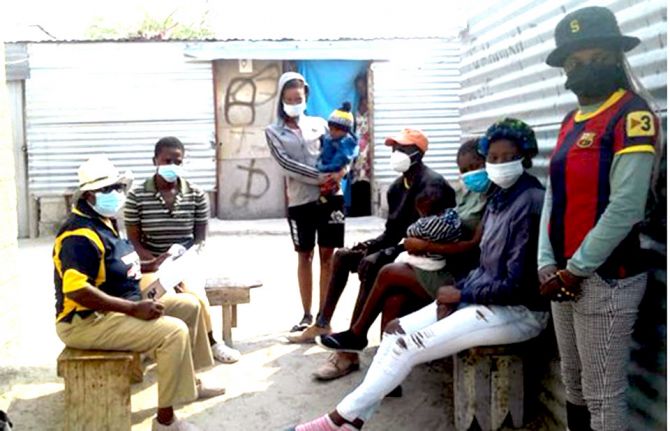
12 October 2021 12 October 2021In the response to the colliding COVID-19 and HIV pandemics, communities continue to demonstrate resilience, agility and innovation. To empower, train and protect communities, UNAIDS, in collaboration with the Namibian Ministry of Health and Social Services and the Africa Centres for Disease Control and Prevention, is supporting civil society organizations to implement the Partnership to Accelerate COVID-19 Testing (PACT) initiative in Namibia. In addition, community sensitization activities to reduce the spread of COVID-19, and the associated stigma and discrimination, and to minimize its effects on people living with HIV, are being implemented.
In May 2021, Namibia experienced an exponential increase in community transmission of COVID-19 cases owing to the emergence of the delta variant, which derailed the country’s containment efforts and severely stretched its health system. The nation rose to the challenge with strong political leadership and commitment. Evidence-informed and high-impact interventions led to a marked decline in cases, positivity rates and deaths.
Through the PACT initiative, four civil society organizations with experience in working with vulnerable communities and networks of people living with HIV in informal settlements were supported by the Ministry of Health and Social Services and UNAIDS to implement the PACT project. The project focuses on COVID-19 prevention and contact tracing, mitigating the impact of COVID-19 on the HIV response and facilitating access to quality health care in all 14 regions of the country and will ultimately deploy 270 community health workers.
UNAIDS is partnering with three of the four civil society organizations, working in the three regions with the highest burden of HIV and COVID-19, Oshana, Erongo and Khomas, which account for 36% of people living with HIV, 52% of COVID-19 cases and 42% of COVID-19-related deaths nationally. These civil society organizations have done remarkable work to address the needs of key populations, adolescent girls and young women, and people living with HIV using existing HIV infrastructure and systems.
“Ending the two pandemics requires greater data-driven involvement of communities, partnerships, integration of COVID-19 and HIV services and reaching underserved and vulnerable communities. This is the approach that the PACT initiative has taken in Namibia to mitigate the spread of COVID-19,” said Alti Zwandor, UNAIDS Country Director for Namibia.
To adapt, harmonize and sustain the training of community health workers, UNAIDS has been working with the National Health Training Centre, which has adapted the Africa Centres for Disease Control and Prevention training curriculum on COVID-19 to include information on vaccines, HIV and sexual and reproductive health and rights. Forty senior trainers from the training centre were trained to deliver multiple trainings across the country. A further 250 community health workers and 25 supervisors were subsequently trained and deployed to implement community outreach activities. In addition to the house visits and community sensitization activities, one of the nongovernmental organizations, the Tonata people living with HIV network, has incorporated bulk text messages with COVID-19 information in local languages to support groups for people living with HIV, thus spreading awareness of the PACT initiative to a much larger audience.
“The community health-care workers in the field experienced situations where community members were aggressive when given information on COVID-19. In some hotspots, the population also complained of hunger and indicated that they would only engage with community health-care workers once provided with some food hampers so they could concentrate,” said Agatha Kuthedze, Director of the Namibia Planned Parenthood Association (NAPPA). She added that the organization had referred people in need of social welfare to the authorities for further help.
The initiative will continue to build on the successes and integrate critical HIV and sexual and reproductive health and rights programming while continuously exploring innovations for a sustained and comprehensive HIV response. The partner nongovernmental organizations involved are Tonata, the Walvis Bay Corridor Group, NAPPA and Project Hope.
Region/country


Feature Story
Helping Haiti build a sustainable HIV response
11 October 2021
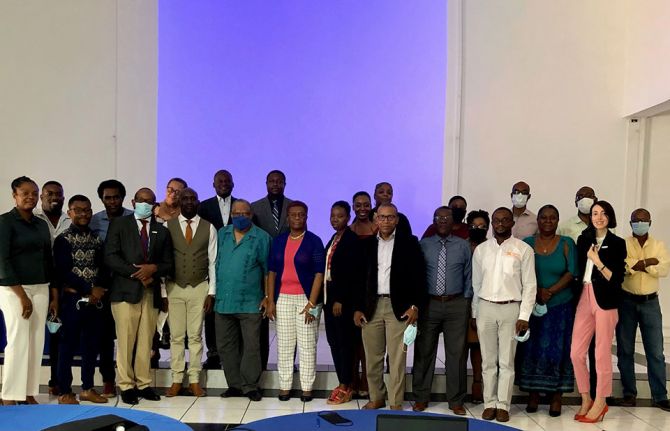
11 October 2021 11 October 2021At the GHESKIO (Groupe Haïtien d'Étude du Sarcome de Kaposi et des Infections Opportunistes) clinic in Port au Prince, Haiti, a young woman learns that she is HIV-positive. Along with counselling, she is offered immediate enrolment into a treatment programme at the facility.
Same-day treatment initiation is among the approaches Haiti has used to turn the tide on its HIV epidemic. HIV prevalence among adults is now 1.9%, down from a high of 3.2% in the mid-1990s. According to government statistics, of the estimated 154 000 people living with HIV, 89% know their status. Ninety-three per cent of diagnosed people are on antiretroviral therapy and 87% of people who are on antiretroviral therapy are virally suppressed. Over the past decade, deaths due to AIDS-related illnesses fell by 63% in the Caribbean country.
These achievements are the result of collaboration between the Government of Haiti, civil society and international development partners.
But they are also due to considerable donor investment. The vast majority of total HIV expenditure in Haiti comes from international sources.
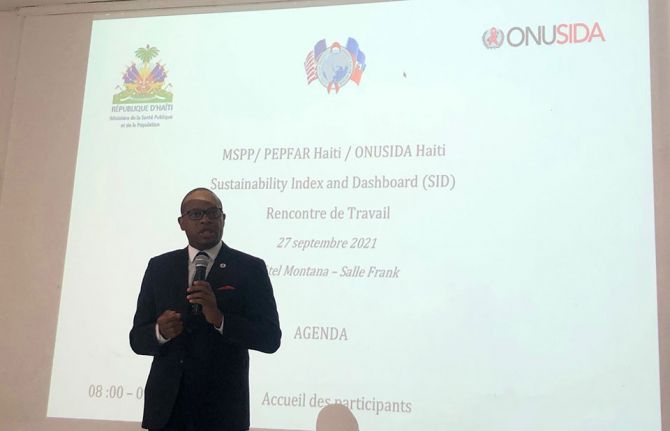
The UNAIDS Country Office for Haiti is currently supporting the United States President’s Emergency Plan for AIDS Relief (PEPFAR) and the Ministry of Public Health and Population to conduct the Sustainability Index and Dashboard (SID) exercise in Haiti. This is a tool completed every two years to sharpen understanding of countries’ sustainability landscapes and inform HIV investment decisions. Through the exercise, stakeholders assess national HIV responses from the point of view of sustainability and across four thematic areas. This is Haiti’s fourth SID.
“The impressive gains Haiti has made over the past decade can be compromised in the future by overreliance on external funding. UNAIDS is pleased to support the Ministry of Public Health and Population along with PEPFAR and the Global Fund to Fight AIDS, Tuberculosis and Malaria through this exercise to build a more sustainable response,” said the UNAIDS Country Director for Haiti, Christian Mouala.
UNAIDS will continue to work together with the national leadership, PEPFAR, the Global Fund to Fight AIDS, Tuberculosis and Malaria, civil society and other key partners of the HIV response to ensure that national interventions are equitable. The focus is on reaching the most vulnerable communities through coordinated programming and implementation and consistent inclusion of people living with HIV and key populations, including in humanitarian contexts.
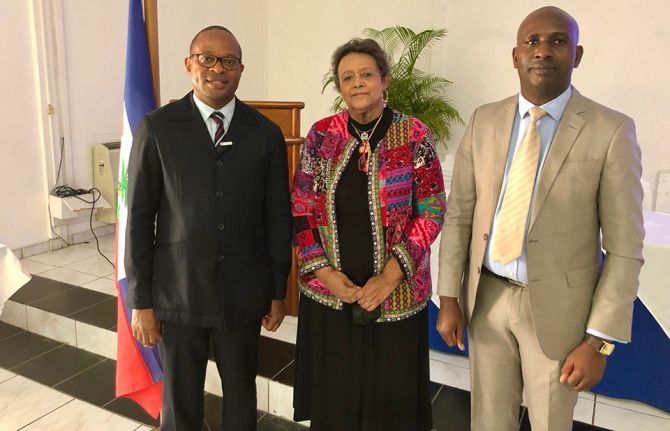
The Executive Director of the Unit for the Control of Infectious and Transmissible Diseases (UCMIT), Pavel Desrosiers, noted that the SID exercise is crucial to identifying weaknesses in the current HIV response.
According to Hamfrey Sanhokwe, the PEPFAR Coordinator for Haiti, the SID also helps donors, “Measure progress on programmatic and financial sustainability and focus efforts for an optimal HIV national response.”
The optimum participation of all HIV stakeholders is key to the process. “People living with HIV were represented in and contributed to all the thematic meetings during the week and the exchanges were productive,” said Maria Malia Jean, a representative of the Haitian Federation of the Associations of People Living with HIV (AFHIAVIH).
The results of Haiti’s 2021 SID will be finalized and validated by all stakeholders before the end of October. HIV stakeholders will then be able to visualize and focus on areas that need further strengthening, while noting the successes they have worked so hard to achieve.
“Haiti has achieved much progress in the fight against HIV; however, efforts must be sustained and increased to ensure that targets are achieved by 2030,” said the Director-General of the Ministry of Public Health and Population, Lauré Adrien.
Region/country





Feature Story
ArtPositive—art to raise awareness around HIV-related stigma and discrimination
01 October 2021
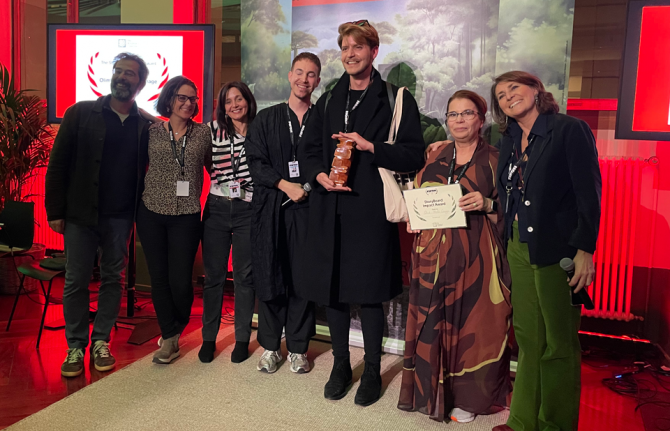
01 October 2021 01 October 2021The Gallery Marie de Holmsky, in the heart of Paris, recently hosted the ArtPositive exhibition, an artistic project by visual artists living with HIV. The initiative aimed to use art as a tool to tackle the stigma, discrimination and isolation that people living with HIV still face.
ArtPositive featured works by visual artists Boré Ivanoff, Adrienne Seed and Nacho Hernandez Alvarez and by photographer Philipp Spiegel.
“We want to remind the world that AIDS is not a thing of the past. We want to remind everyone that all people living with HIV, even though thanks to advances in science they are not as threatened by death as they used to be years ago, today still face extremely cruel and unfair stigma, isolation and even discrimination,” said Mr Ivanoff. “I am convinced that art is the best way to overcome any stigma, isolation and discrimination based on differences and health status.”
About two years ago, after Mr Ivanoff, a Bulgarian-born Parisian artist, decided to make his HIV status public he received many messages of solidarity and support, but some close friends distanced themselves from him. “But this fact convinced me even more that I must continue to fight to open people’s eyes and to overcome this hypocritical way of thinking and treating people who have dared to reveal their HIV status,” he said. He emphasized that along with the creation of art, advocacy and activism are the only things that keep him in some psychological stability and give some existential impulse and a sense of doing something really important and useful for the good of humanity.
Adrienne Seed, an artist, writer, sculptor and HIV activist from Manchester, United Kingdom, who has been living with HIV for almost 10 years, recalled, “Back then, there were very few women speaking openly about living with HIV. I began to speak out via my website, via the media and, of course, via my art.”
“People living with HIV also live with stigma. We are judged by society and we are seemed to deserve some kind of punishment,” said José Manuel González Peeters, an artist living with HIV from Barcelona, Spain.
Philipp Spiegel, a photographer living with HIV from Vienna, Austria, explained that his work is part of a long-term project entitled The Privilege of Intimacy. “My HIV diagnosis stripped me of my feeling of intimacy for a long time; something that was once so natural to me had been taken away, after which I had to embark on a journey to rediscover what intimacy means to me, and to learn to appreciate it even more,” he said. “Reflecting upon this, I realized the absence of intimacy is more widespread than I had thought. Not only people living with HIV, but all people who live in fear of being ostracized or stigmatized for a wide range of reasons. Single mothers, LGBTQ+ people in certain environments or anyone who feels they need to hide out of societal reasons.”
“We, the artists living with HIV would like to express our sincere gratitude to all our official partners and all media around the world who have helped us popularize our cause, the fight against HIV stigma and the awareness that AIDS is not over yet,” said Mr Ivanoff, speaking on behalf of all the participants of ArtPositive.
“Stigma and discrimination results in people being treated differently, excluded from essential services or being subject to undue restrictions on how they live their lives, simply because of who they are. It is great to see how a community of artists living with HIV uses art as a medium to raise awareness and to challenge the drivers of stigma and discrimination among the wider public,” said Laurel Sprague, UNAIDS Special Adviser for Community Mobilization.
Region/country
Related



Feature Story
Multicountry People Living with HIV Stigma Index 2.0 study launched in Latin America
05 October 2021
05 October 2021 05 October 2021The Latin America and Caribbean region has deep and widespread inequalities and includes countries that are more unequal than those in other regions with similar levels of development. This affects access to health and HIV services, particularly by key populations. Social and structural barriers are important drivers of inequalities.
To understand these social and structural barriers better, Alianza Liderazgo Positivo y Poblaciones Clave (ALEP) is leading the multicountry People Living with HIV Stigma Index 2.0 study in four countries in the region: the Plurinational State of Bolivia, Ecuador, Peru and Nicaragua. Another five similar studies funded by the Global Fund to Fight AIDS, Tuberculosis and Malaria (Global Fund) and in coordination with civil society, the United States President’s Emergency Plan for AIDS Relief, Global Fund principal recipients, the United Nations Population Fund and UNAIDS are independently under way in El Salvador, Honduras, Guatemala, Panama and Paraguay.
The results of the joint initiative are expected to strengthen regional and global efforts to eliminate HIV-related stigma and discrimination through community-centred policies and programmes that are informed by evidence.
“For the first time since the first People Living with HIV Stigma Index study in 2008, nine countries in the same region will be conducting the study in coordination and within the same time frame. This is unprecedented and will be instrumental in addressing HIV-related stigma and discrimination both at the country and regional level,” said Rodrigo Pascal, ALEP’s People Living with HIV Stigma Index 2.0 Study Coordinator.
The People Living with HIV Stigma Index 2.0 gathers evidence on how stigma and discrimination impacts the lives of people living with HIV, including key populations. It was developed to be used by and for people living with HIV, including key populations, and was created to support the principle of the greater involvement of people living with HIV, under which networks are empowered to lead the implementation of the study. The study is a first, as it is the first time that networks of people living with HIV have coordinated action with networks of key populations to promote human rights and access to comprehensive and differentiated HIV care in Latin America.
“The motivation I have is to be part of the solution regarding the challenges imposed by stigma and discrimination, which are the main problems we, people living with HIV, are confronting since the beginning of the epidemic,” said HIV activist Gracia Violeta Ross Quiroga, who is coordinating the implementation of the stigma index study in the Plurinational State of Bolivia. “I have hope in this research because it is coming from the community, and such responses have proved to be the most effective in the history of HIV.”
ALEP is an innovative effort that combines the leadership, vision, capacities and strengths of regional networks in the Plurinational State of Bolivia, Colombia, Costa Rica, Ecuador, El Salvador, Guatemala, Honduras, Nicaragua, Panama, Paraguay and Peru. It works in partnership with Country Coordinating Mechanisms where there is a Global Fund programme in place, UNAIDS and the Pan American Health Organization.
“This is a solid example of how peers are contributing to their own communities while tackling key intersecting issues, such as human rights, stigma and discrimination, and other structural barriers. It’s essentially by communities, for communities,” said Guillermo Marquez, the Senior Community Support Adviser for the UNAIDS Regional Support Team for Latin America and the Caribbean.
Watch launch event (in Spanish)
Follow ALEP’s updates on the multi-country Stigma Index 2.0 initiative
Watch launch event (in Spanish)
Feature Story
Don’t be silent on gender-based violence
04 October 2021
04 October 2021 04 October 2021Larisa Aleksandrova is a legal expert at the Center for Human Rights and has been protecting the rights of women living with HIV in Tajikistan since 2011.
For the past few months, she has been helping a lawyer to open a criminal case against a man who attacked his wife, Amina Khaidyrova (not her real name), and repeatedly threatened to rape her daughter from her first marriage. The prosecutor's office has so far refused to open the case, considering it a private family matter. According to the prosecutor’s office, if there are only minor injuries, the victim must seek to open a criminal case against the attacker by filing an application to the court by herself. The man is now in hiding and the prosecutor's office continues to refuse to open the case, now claiming that he cannot be found.
Ms Khaidyrova, who is living with HIV, will stop at nothing to get justice. She says that she has nothing to lose and fears for her life and the life of her daughter.
Ms Aleksandrova says that women who have been victims of violence often either do not report the assault to the police or withdraw the allegation, fearing the consequences. She says that women don’t report violence for a variety of reasons—some want to keep their family together, no matter what, others do not want publicity, but the majority are afraid of finding themselves without economic support, since women in Tajikistan are often economically dependent on their husbands.
“In general, women are ready to endure. And women living with HIV are even more willing to endure,” said Ms Aleksandrova.
She emphasized that there were rare cases when women living with HIV have sought help, but fear of disclosure of HIV status, stigma and discrimination, lack of support from family and friends, the vulnerability of people living with HIV because of the criminalization of HIV transmission, legal illiteracy and insecurity prevent women from asserting their rights in court.
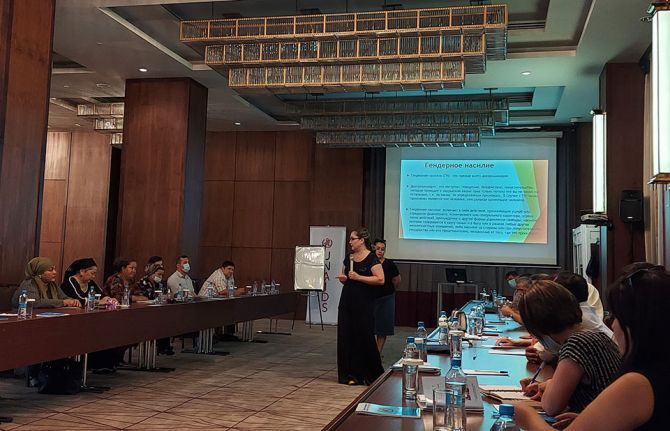
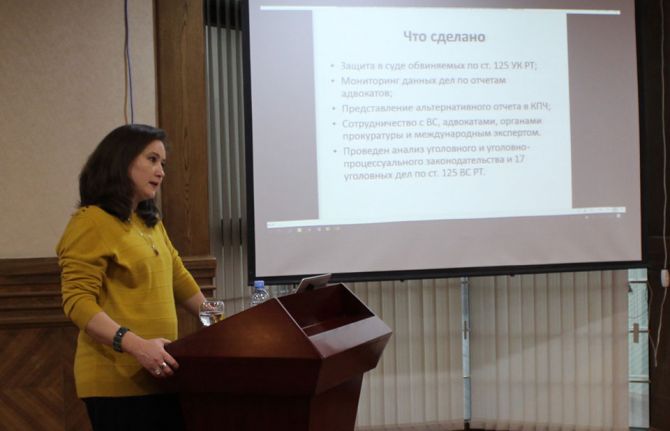
Speaking at a training jointly organized by UNAIDS, the United Nations Development Programme and the United Nations Office on Drugs and Crime for 35 representatives of nongovernmental organizations working on human rights and gender-based violence prevention, Ms Aleksandrova presented the legal norms governing the legal status of people living with HIV. She also discussed the criminal legislation of the country on HIV, international and national standards for the protection of women’s rights and sexual and gender-based violence and mechanisms for the protection of women living with HIV who are victims of violence.
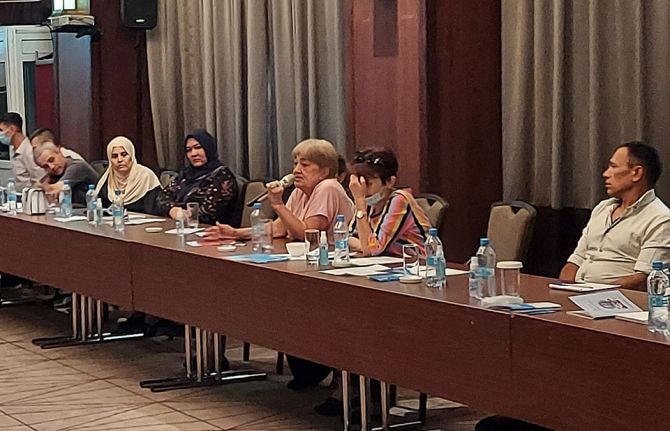
The participants analysed cases related to sexual and gender-based violence against women, reviewed and worked out strategies for prosecuting such cases and gave practical advice on strategies for dealing with gender-based violence. According to the participants, such training for nongovernmental organizations in Tajikistan is crucial if they are to reach more women, particularly women living with HIV.
“Community-based monitoring of violations of the rights of people living with HIV and their ability to access confidential HIV services is an important component of community empowerment to speak up and raise questions about the root causes that drive the spread of various forms of violence. These problems can only be resolved if communities are literate in the field of civil and international human rights and are ready to stand up for their rights and seek the proper implementation of the law against domestic violence,” said Nisso Kasymova, the UNAIDS Country Manager for Tajikistan.
Ms Aleksandrova believes that legal literacy is critical, but it is insufficient to solve the problem. She said that if a woman is economically dependent, she will not use her legal knowledge. “I always say that women need to be given confidence in the future, the confidence that they will not be thrown out into the street, that they will be able to protect themselves, they will be supported and they will be able to live on and realize themselves in life.” But you need to start small, she added, “Do not be silent, talk about the problem, demand and defend your right to life, health and economic independence.”
Region/country
Related

Feature Story
Launch of advocacy explainers on western Africa model drug law
28 September 2021
28 September 2021 28 September 2021Since the West Africa Commission on Drugs launched a groundbreaking model drug law in 2018, civil society across the region and beyond has been engaging stakeholders on the need to use the model law as a blueprint for national reform.
The model drug law promotes, among other things, the availability of harm reduction services as well as the decriminalization of possession of drugs for personal use, which have long been called for by UNAIDS.
As the model drug law is, by design, a long and technical document, UNAIDS supported the West Africa Drug Policy Network and the International Drug Policy Consortium to develop and disseminate two important new tools for civil society: a shorter and more accessible resource that summarizes the key points of the model drug law and a short guide for local nongovernmental organizations to explore how to use the model drug law in their work. In other words, the first advocacy explainer is about the key “ingredients” of the model drug law and the second contains a list of methods and strategies on how to use these ingredients to better integrate the law in their advocacy and to advance drug policy reform, based on experiences from the region.
The documents were launched on 27 September during a virtual webinar live on Facebook and can be found in English, French and Portuguese at https://www.wadpn.org/resources.
“These new tools will directly support and empower civil society advocacy for more health- and rights-based drug policies in western Africa and, in turn, strengthen the response to HIV among people who use drugs,” said Patrick Brenny, the Director of the UNAIDS Regional Support Team for West and Central Africa.
Adeolu Ogunrombi, a West Africa Commission on Drugs Commissioner, underlined that the needs and demands for drug dependence treatment and harm reduction are high, but service provision is low in the region, and specified that the law provides guidance on this. He also noted that criminalizing the possession of equipment and materials, such as needles, syringes and other paraphernalia, has been demonstrated to undermine harm reduction service provision and uptake and to have a damaging impact on public health.
A case study was presented by Chinwike Okereke, a civil society organization representative and focal point for the West Africa Commission on Drugs in Nigeria, on the use of the model drug law. In 2020, a coalition of civil society organizations made presentations on the model drug law to key policymakers, including the Federal Ministry of Justice, the Drug Law Reform Commission and the National Drug Law Enforcement Agency. “The model drug law presented an opportunity to have face-to-face discussions and drive a buzz on the reform that led to a drug law reform round table where all key federal, criminal justice and state actors and civil society made a case for the adoption of the law as a template for reform,” he said. Further engagement with the Drug Law Reform Commission then led to the setting-up of a working group that is actively working on reshaping drug laws in the country. He also encouraged civil society to use the new explainers and urged technical and funding partners to invest more funding for this effort across western Africa, as law reform takes some time to achieve.