


Feature Story
Partnering to get back on track to end AIDS by 2030
24 September 2021
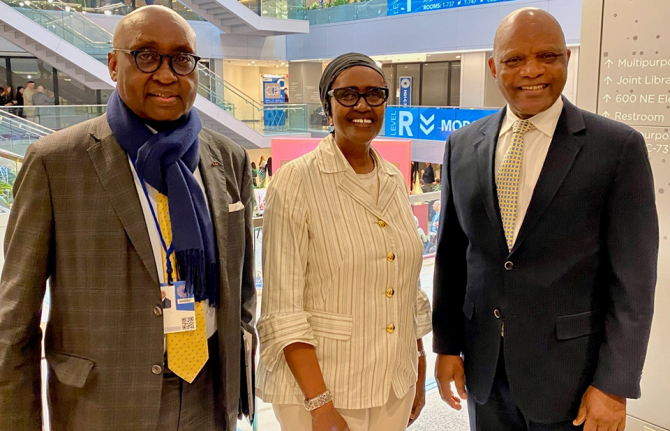
24 September 2021 24 September 2021UNAIDS, the United States President’s Emergency Plan for AIDS Relief (PEPFAR) and the Global Fund to Fight AIDS, Tuberculosis and Malaria (Global Fund) came together this week to co-host an event on the powerful partnership between the three organizations, countries and communities. The event, held on the sidelines of the 76th session of the United Nations General Assembly, highlighted the millions of lives saved through the partnership but warned that COVID-19 has hit hard and risks derailing efforts to end AIDS by 2030.
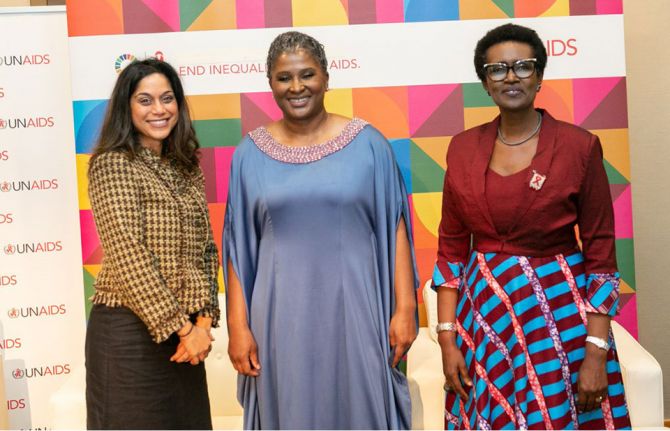
“We are in one of the most challenging moments in the history of HIV and global health,” said Winnie Byanyima, the Executive Director of UNAIDS. “We must act urgently. Our partnerships are strong and flexible and we must use what we have learned together to prevent a resurgent AIDS pandemic, to end inequalities and to tackle COVID-19.”
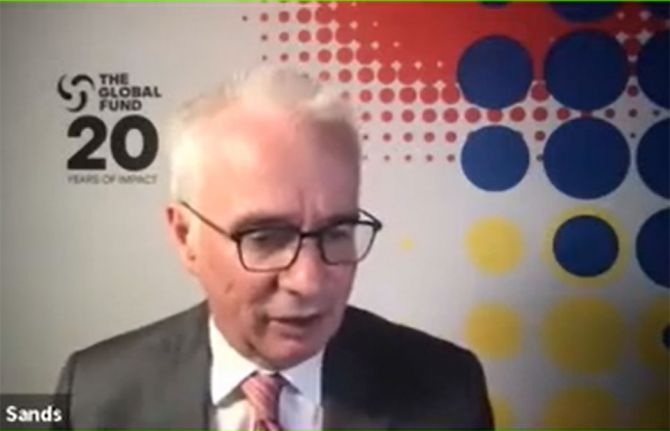
COVID-19 has had a hugely damaging impact on HIV services over the past 18 months. Peter Sands, the Executive Director of the Global Fund, said that the number of mothers receiving prevention of mother-to-child transmission of HIV services dropped by 4.5%, the number of people reached with HIV prevention programmes declined by 11%, HIV testing declined by 22% and voluntary medical male circumcision for HIV prevention dropped by 27%. “We were off track against our targets before COVID-19 hit and COVID-19 has knocked us further off track,” he said. “It’s going to be incredibly difficult to get fully back on track on HIV until we have got on top of COVID-19.”
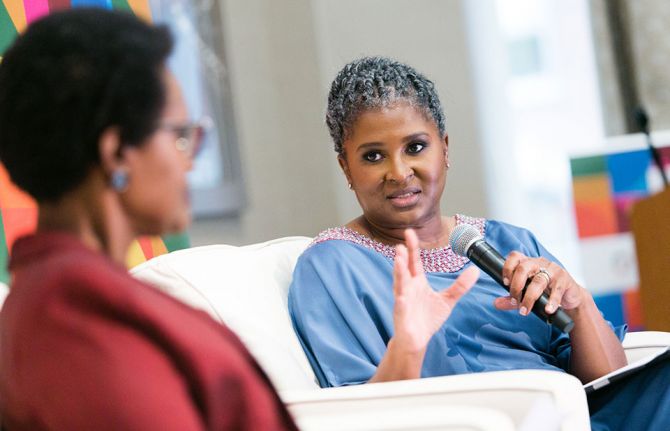
Widening inequalities due to COVID-19 were highlighted by the First Lady of Namibia, Monica Geingos, who joined Ms Byanyima in a live discussion from New York, United States of America. “After lockdown we are seeing a doubling of adolescent pregnancy rates, and we are assuming that new HIV infections among 15–24-year-olds will also increase,” she said. “When you remove children from a school environment, when you remove sex education you compromise education outcomes.” UNAIDS data show that if girls complete secondary education, it can reduce their risk of HIV infection by up to half in some countries.
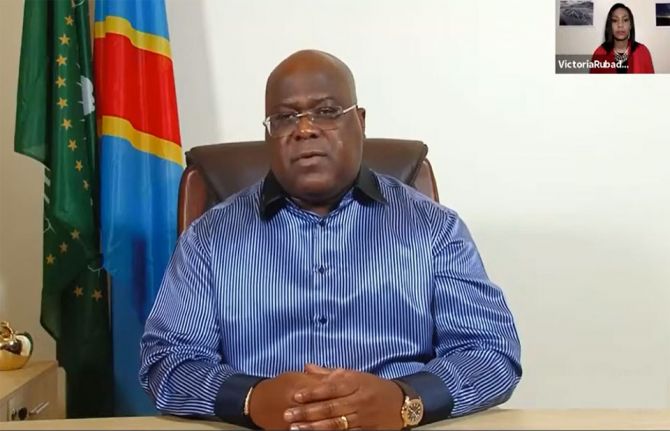
Felix-Antoine Tshisekedi Tshilombo, the President of the Democratic Republic of the Congo and Chair of the African Union, joined the event with a powerful video message, saying, “We have been fighting HIV for 40 years and our successes and failures have taught us that we cannot conquer a pandemic without ending inequalities, promoting people-centred approaches while respecting human rights.”
The need for strong and continued partnerships to tackle both HIV and COVID-19 was strongly emphasized. Angeli Achrekar, the Acting United States Global AIDS Coordinator, who joined the event live in New York, said, “Nothing is possible without partnership. The partnership we have with PEPFAR, the Global Fund and UNAIDS is absolutely essential because we work hand in hand with countries and communities, the private sector and multilateral organizations to make things happen.”
The speakers urged bold political leadership, global solidarity and strategic partnerships that engage the people most affected by HIV. “What we need from governments is that they know that without us they cannot reach communities and achieve the ambitious goals,” said Sbongile Nkosi, the Co-Executive Director of the Global Network of People Living with HIV, who joined live from South Africa. “Governments must understand that we are the best allies in the response. We know the struggle, we know the solutions and we are committed to ending AIDS.”
The event was held at a landmark moment, 40 years since the first AIDS cases were reported and at the 25th anniversary of UNAIDS and the 20th anniversary of the Global Fund. “Forty years ago, a new virus emerged and sparked the HIV/AIDS pandemic,” said Tedros Adhanom Ghebreyesus, the Director-General of the World Health Organization. “Life-saving medicines were developed but the world’s poorest had no access to them and addressing this dire crisis of inequity took more than a decade. The multisectoral efforts often led by communities of people living with or affected by HIV were supported by unprecedented levels of international assistance from UNAIDS, the Global Fund and PEPFAR. Since then, millions of lives have been saved.”
There have been major successes in stopping new HIV infections among children and reducing AIDS-related deaths, but despite a 59% decline in AIDS-related deaths among children between 2010 and 2020, Omar Abdi, the Deputy Executive Director of the United Nations Children’s Fund, stressed that much more needs to be done. Just 54% of children living with HIV were accessing HIV treatment in 2020, compared to 74% of adults. “Ending AIDS in children needs our collective action to link the 1.7 million children living with HIV globally to HIV treatment to keep them healthy and alive. That’s why we are proposing a global framework to drive commitment and catalyse global action to end paediatric AIDS,” he said.
Usha Rao-Monari, the Associate Administrator of the United Nations Development Programme, highlighted the inequalities preventing key populations from accessing HIV services. She said that HIV services for key populations are “uneven or entirely absent” and underscored that key populations and their sexual partners account for 65% of new HIV infections worldwide, and for 93% of infections outside of sub-Saharan Africa. “Our work is absolutely not done,” she said. “Gender and other intersecting inequalities as well as punitive and discriminatory laws make people more vulnerable to HIV and hinder access to services. We need to address the inequalities that for decades have fuelled the spread of HIV.”
The hybrid event was a mixture of in-person discussions from the live venue in New York, video messages and live video link-ups from around the world. It was moderated from Nairobi, Kenya, by award-winning journalist Victoria Rubadiri, with live moderation of in-person discussions in New York by Regan Hofmann, Director, a.i., of the UNAIDS Liaison Office in Washington, DC, United States.
Related
Feature Story
The first but not the last: Indonesian transgender man fights for recognition
29 September 2021
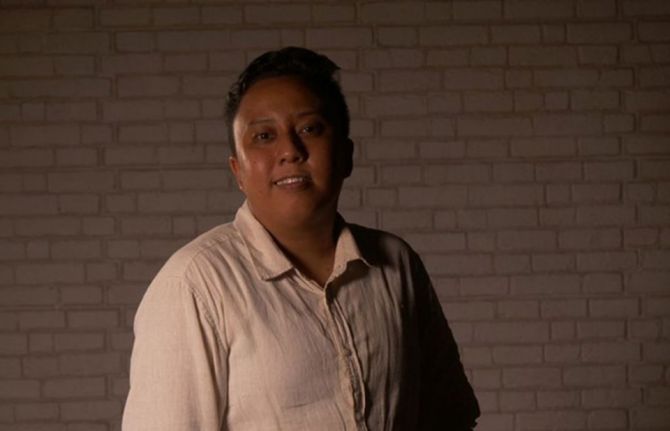
29 September 2021 29 September 2021“This is the name I identify with, and I was determined to have it recognized legally,” said Dimas Cahya (his real name isn’t used in this article), a transgender man from Medan, Indonesia.
Medan, a city of more than 2.4 million people, is a long way from Indonesia’s capital, Jakarta. In Jakarta and Java, Indonesia’s most populated island, many transgender people have successfully changed their legal name to match their gender identity. However, this had never been done in Medan. Similar to the rest of the country, Medan is conservative, with lesbian, gay, bisexual, transgender and intersex (LGBTI) people and issues deemed “immoral”. This was the challenge that Amek Adlian, the paralegal assigned to this case, had to face.
Mr Amek saw Mr Cahya’s strong will and determination and started on research on the process of legally changing one’s name. “I wanted to get all the steps right, from gathering the required documents to preparing for the court hearing. I used my connections to consult with friends who have gone through the process in Jakarta, and got some very useful tips,” he said.
Unfortunately, not everyone who was consulted was supportive or helpful. Mr Amek recalls meeting with a legal aid organization in Medan where Mr Cahya was asked invasive questions, leaving them feeling discouraged and ridiculed. “We reached out for legal advice, but instead we got judgements,” Mr Amek said.
Despite that, Mr Cahya’s determination never faded, and after more consultations with people in Jakarta, Mr Cahya and Mr Amek decided to go through with the court process to apply for the name change, citing “bullying” as the reason for the request. The court process stalled due to incomplete documentation. The court required an official document that shows the preferred name for Mr Cahya. “We were scrambling around looking for something that the court would accept. I asked friends in Java for their guidance, but they had never been asked for such a document before. I feared that this was an effort to complicate our case,” said Mr Amek. Eventually, they submitted a certificate from a public-speaking training that Mr Cahya had just participated in, and, unexpectedly, this certificate was approved.
“Facing the judge was nerve-wracking. The judge stressed that my request to change my full name (as opposed to just the spelling), would “erase my identity”. I had my mother with me as a witness, and she was also very nervous, despite us having briefed her prior. It was a such a relief and a surprise that the judge did not dig out any information about my gender. He stayed out of LGBTI issues completely,” Mr Cahya said.
After a six-week court process, their application was granted by the Medan District Court, and Mr Cahya became the first transgender man in Medan to legally change his name to match his identity.
Mr Cahya is not unfamiliar with being first: he was also the first transgender man to undergo medical transition in Medan, a process which came with its own set of challenges. Despite the many obstacles throughout the whole process, Mr Cahya’s optimism never faltered. “If it had not been approved, I would simply try again in Jakarta,” he said. This is only the beginning of his journey. “Next for me is to change the gender on my identity card,” he said, as his current identity card still uses the gender assigned to him at birth.
The whole process was supported by the Crisis Response Mechanism (CRM) Consortium, which is a consortium made up of the UNAIDS Country Office for Indonesia and four civil society organizations (Community Legal Aid Institute, Sanggar Swara, Arus Pelangi and GWL INA) whose mission is to respond to and mobilize resources for LGBTI emergency crises. Mr Amek himself is a paralegal with the CRM Consortium as well as a community organizer for Cangkang Queer, an LGBTI community organization based in Medan.
Mr Amek credits the CRM Consortium for supporting this work. “Not only did CRM fund the process, but they also capacitate us as paralegals to be able to do such work and learn from each other. For me, learning from other cities was very useful. Now that Medan has done it too, I am happy to share my own lessons with paralegals working with LGBTI communities,” he said.
“Transgender communities are one of the most vulnerable groups in Indonesia. Legal recognition in the form of an identity card, particularly one that matches with the person’s true identity, is a human right that sadly is not enjoyed by everyone equally. This success gives us hope that progress is possible despite the unfavorable environment we are in,” the UNAIDS Country Director for Indonesia, Krittayawan Boonto, said.
Since Mr Amek and Mr Cahya’s experience is the first in Medan, it is no surprise that some transgender men and women have reached out to them to discuss the process of name change, medical transition, etc. Mr Cahya and Mr Amek both agree that the first and most important step is self-acceptance. “The process will be difficult, especially in a country like Indonesia where we are not yet embraced,” Mr Amek said.
Mr Cahya echoed this sentiment, adding, “You should never give up. Set targets for yourself and remember that despite the challenges, you should not assume the worst will happen.” Mr Cahya’s infectious optimism gives light and hope to the lives of gender-diverse people all around the country beyond his hometown of Medan.
Our work
Region/country
Feature Story
Community-led initiative helps LGBTI migrants to learn their rights in Ecuador
21 September 2021
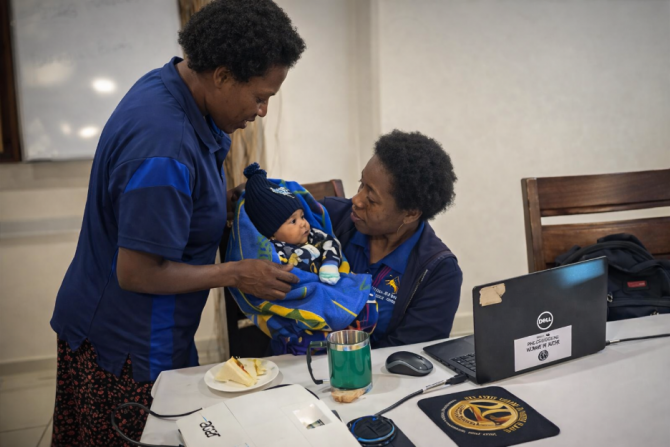
21 September 2021 21 September 2021“My life is now in my hands,” says Erick González, a Venezuelan who has been living in Ecuador for almost a year. For a long time, he has looked for a place where he could feel part of society—he has found that place in Diálogo Diverso.
Based in Quito, the civil society organization created in 2018 works on the protection and promotion of human rights, with an emphasis on gender and lesbian, gay, bisexual, transgender and intersex (LGBTI) people. Through the Hablemos Positivo (Let’s Talk Positively) initiative, supported by UNAIDS, Diálogo Diverso increased its capacity to respond to the needs of LGBTI migrants during the first year of the COVID-19 pandemic.
“There are very few entities working on HIV prevention as well as the other health issues to which we are exposed as part of the LGBTI and migrant community,” said Mr González.
Diálogo Diverso is among the 61 organizations that received grants from the UNAIDS Regional Support Team for Latin America and the Caribbean as part of the Soy Clave: de las Comunidades para las Comunidades (I Am Key: from Communities to Communities) initiative, a platform that aims to promote community-led social solutions to respond to HIV during the COVID-19 pandemic.
“We have received requests from different LGBTI people: Venezuelans, Cubans, Colombians, among others. And we have identified that they all face a very similar migration process,” said Danilo Manzano, the Director and co-founder of Diálogo Diverso, which counts on a team of more than 40 people working in the cities of Quito, Guayaquil, Manta and Cuenca. “But on top of the collective needs as migrants and key populations, it was important to take into account the intersectionality with human rights and the impact of the individual challenges they face in a new country.”
“HIV is one of the reasons why LGBTI people leave the Bolivarian Republic of Venezuela, given the difficulties in accessing antiretrovirals on a permanent basis, the invisibility of their rights and, on other occasions, hate crimes,” said Andrés Alarcón, an activist with Diálogo Diverso. “This project was born from our experience in serving thousands of LGBTI migrants. And during the pandemic, we identified a particular trend among those living with HIV: lack of information and access to different health services.”
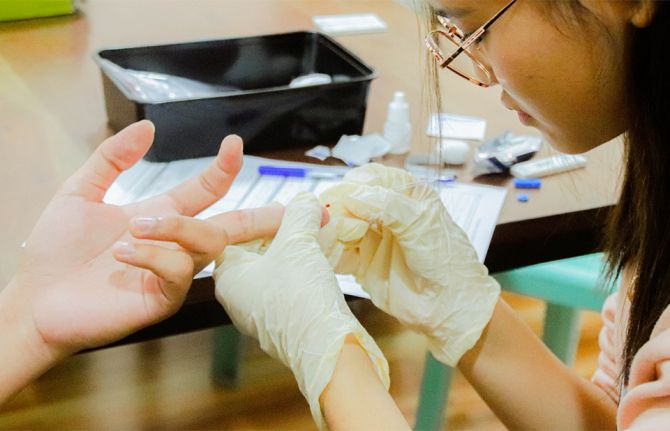
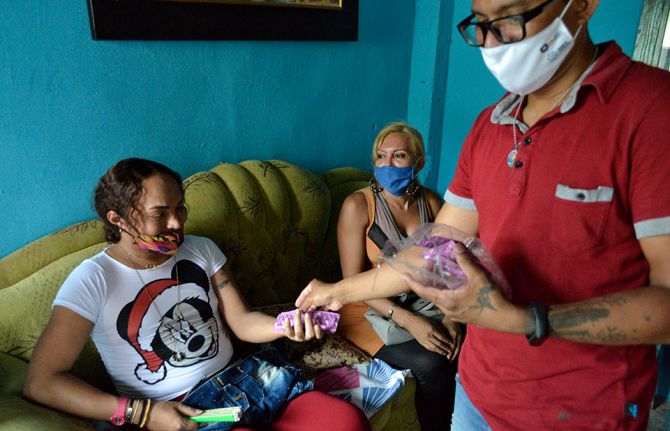
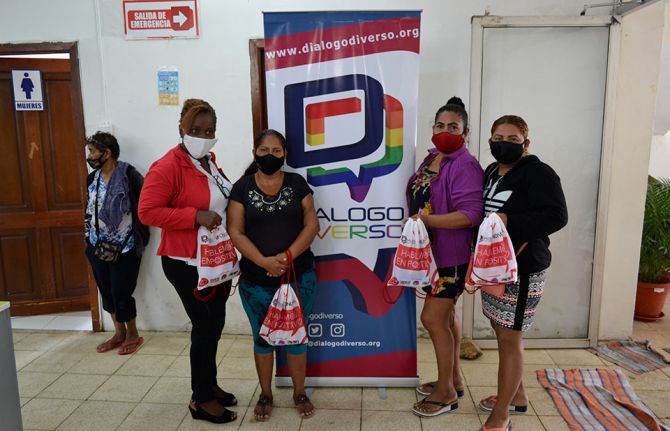
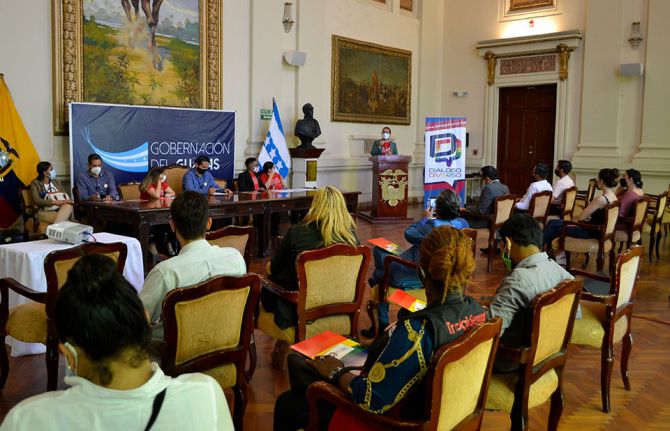
Thanks to a grant provided by UNAIDS, the project delivered hundreds of sexual and reproductive health kits, organized several conversations on health promotion, HIV prevention, sexually transmitted infections and COVID-19 and disseminated a campaign on social networks focused on raising awareness and promoting the human rights of migrant LGBTI people.
“This is a great example of how international organizations, donors and governments can invest in communities so that they can bring social solutions to their own communities while tackling key intersecting issues such as LGBTI rights and migration,” said Guillermo Marquez Villamediana, Senior Community Support Adviser for the UNAIDS Regional Support Team for Latin America and the Caribbean. “Their expertise and outreach capacity have been crucial to keeping the HIV response alive for those most vulnerable during the COVID-19 pandemic.”
One of the highlights of the project was the creation of an alliance between two community-based organizations that work with migrants and refugees in Ecuador, Alianza Igualitaria and Construyendo Igualdad, which extended their reach and allowed them to work with other populations, such as sex workers and young people.
Exclusion based on sexual orientation and gender identity compounds the violations of the human rights of LGBTI migrants and refugees in the Bolivarian Republic of Venezuela. According to a study carried out by Diálogo Diverso and the International Organization for Migration in 2020, 43% of LGBTI migrants in the country had experienced exclusion, discrimination or violence. The same study pointed out that LGBTI migrants and refugees find it difficult to access the health system due to lack of information and awareness about it.
“This project gave me knowledge about the possibilities to avoid HIV infection and transmission,” said Reinaldo Mendoza, a Venezuelan migrant who received support from Hablemos Positivo.
Reina Manteña, the President of the Women’s Association of Cantón Milagro, in Ecuador, said that the partnership with Diálogo Diverso in providing technical advice to LGBTI women has been rewarding. “Many compañeras benefited from the kits and the dialogues. Let’s not forget that in the face of this pandemic, health centres were not providing care nor condoms, which are vital for sex workers,” she said. “In addition, we have provided technical support to Venezuelan sex workers so that they could regularize their situation in the country.”
For Mr Manzano and his team in Diálogo Diverso it is gratifying to see these results. “It has never been about quantity, but the quality of the assistance we can offer and its real impact on their lives.”
Region/country
Feature Story
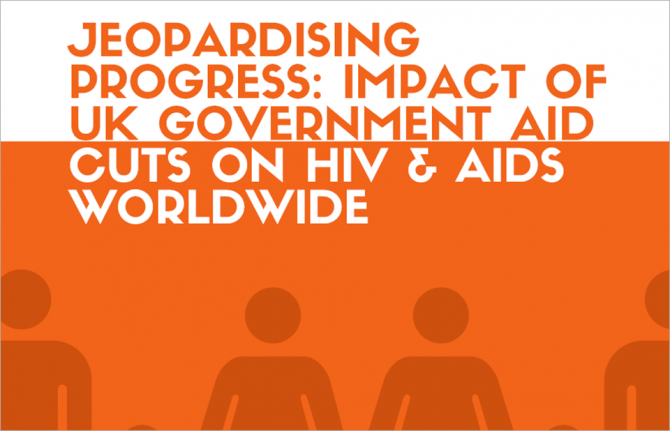
New report outlines the impact of United Kingdom aid cut on the global HIV response
21 September 2021
21 September 2021 21 September 2021A new report released today highlights the impact of the United Kingdom’s decision to cut its level of official development assistance from 0.7% to 0.5% of gross national income. The report, Jeopardising Progress: Impact of UK Government AIDS Cuts on HIV/AIDS Worldwide, is the work of the All-Party Parliamentary Group on HIV/AIDS, Stop AIDS and Frontline AIDS.
The report warns that the world is sleepwalking towards a new AIDS emergency and says that urgent action is needed to get the HIV response back on track. It shows how COVID-19 has disrupted HIV services, leading to significant declines in HIV testing and referrals to treatment around the world.
The UNAIDS Executive Director, Winnie Byanyima, met British parliamentarians to discuss the findings of the report during her visit to London earlier this month.
Ms Byanyima also met the Secretary of State for Health, Sajid Javid, and the Minister for European Neighbourhood and the Americas at the Foreign, Commonwealth and Development Office, Wendy Morton. During the meetings, Ms Byanyima praised the United Kingdom’s own progress against the HIV epidemic and said the country’s leadership and participation in the global AIDS response was needed now more than ever.
Our work
Region/country
Related
Feature Story
Empty promises will not save the world from COVID, campaigners warn ahead of Biden Global Vaccine Summit
21 September 2021
21 September 2021 21 September 2021Leaders already failing to meet previous commitments as only 1 in 8 of doses promised at G7 have been delivered
On the eve of President Biden’s global COVID summit on the side-lines of the UN General Assembly, campaigners from the People’s Vaccine Alliance are calling for world leaders to go beyond empty promises of charity and deliver bold action to increase manufacturing and access to COVID vaccines around the world.
The Alliance, which is a coalition of more than 75 organizations around the world united under a common aim of campaigning for a people’s vaccine for COVID-19, says President Biden’s ambitious goal to vaccinate 70 percent of the world by this time next year will not be met with the trickle of charity currently on offer from rich countries.
“World leaders have made big promises to vaccinate the world, yet they have failed to deliver on all promises. Instead, they allowed pharmaceutical companies to deprioritise poor countries in vaccine allocation. That’s why we have vaccine apartheid,” said Winnie Byanyima, the Executive Director of UNAIDS. “We need a new paradigm that rests on sharing the technology and know-how of vaccine manufacturing around the world, we need action, not promises.”
The Alliance called on President Biden and other Summit participants to work to end existing vaccine monopolies, waive intellectual property rules, mandate the sharing of vaccine technologies and know-how, invest in manufacturing capacity in developing countries as well as in research and development, and reallocate existing vaccine doses as soon as possible.
“We are at a crucial point in this pandemic. While rich countries have administered 80 per cent of global doses, poor countries have had only 0.5 percent. This shocking inequality is a public health, economic, gender justice, and moral disaster,” said Abby Maxman, President and CEO of Oxfam America. “President Biden’s pledge to vaccinate 70 percent of the world by this time next year will not be met by empty promises, but with bold action. That starts by sharing the vaccine knowledge and technology now, so that developing nations can make their own doses.”
The Alliance estimates that only 13 percent of the one billion doses promised by G7 leaders in June have been delivered so far. Meanwhile, the international vaccine initiative COVAX has announced it is half a billion doses short of meeting even its already low target of enough doses for 23 percent of people in developing countries. At the same time, the G7 are on track to waste 100 million doses of the vaccines by the end of the year.
“Rich countries continue to offer pathetic trickles of charity while protecting the monopolies of pharmaceutical corporations and denying billions of people protection,” said Maaza Seyoum of the African Alliance and the People’s Vaccine Alliance in Africa. “With up to 10,000 people dying every day, nothing short of redistributing the rights to produce the vaccines will be enough.”
The Alliance is calling for a fast-track intensive process to urgently agree a TRIPS waiver at the World Trade Organization with full backing of the US before November, and for President Biden and other world leaders to use every legal and policy tool available to insist pharma work with the WHO COVID-19 Technology Access Pool (C-TAP) and the South African mRNA tech transfer hub to build up manufacturing capacity and ramp up production.
“The US government has the recipe for the world’s most effective COVID vaccine and can choose to share this knowledge to help make billions more doses in the year ahead,” said Peter Maybarduk, Director of Public Citizen’s Global Access to Medicines Program. “The World Health Organization has established an mRNA manufacturing hub in South Africa and will need far more ambitious support than wealthy countries have offered so far. Ending the pandemic is a choice.”
“India and South Africa proposed a TRIPS waiver nearly one year ago and have faced nothing but obstruction at every turn. Shameful inaction by President Biden is resulting in countless preventable deaths across the global South," said Asia Russell, Executive Director of Health Global Access Project (Health GAP). “President Biden must use his global stage at the COVID-19 Summit to call for rapid passage of a robust TRIPS waiver at the WTO. The world can't tolerate another day of his deadly delays.”
The People’s Vaccine Alliance is calling for President Biden and world leaders to:
- Reach an urgent agreement on a waiver of intellectual property rules ahead of the TRIPS council in October, so that all qualified manufacturers, especially those in developing countries, are able to produce COVID vaccines.
- Make legally binding commitments to share vaccine doses immediately, so that the most vulnerable and those working on the front line in developing countries are protected, before rich countries give third shots to healthy adults.
- Use every power available to make it a requirement for pharmaceutical companies to share technology and know-how with the C-TAP and the mRNA Hub in South Africa and ensure there is enough funding to make the technology transfer happen.
“Rich countries are selfishly looking out for themselves but short-changing all of us. We need bold solutions now, not more empty gestures,” said Dinah Fuentesfina, Campaigns Manager at ActionAid International. “Enough is enough, we must put people before profits. We need a People’s Vaccine—now.”
Feature Story
Forty years of campaigning for equal access to life-saving medicines
17 September 2021
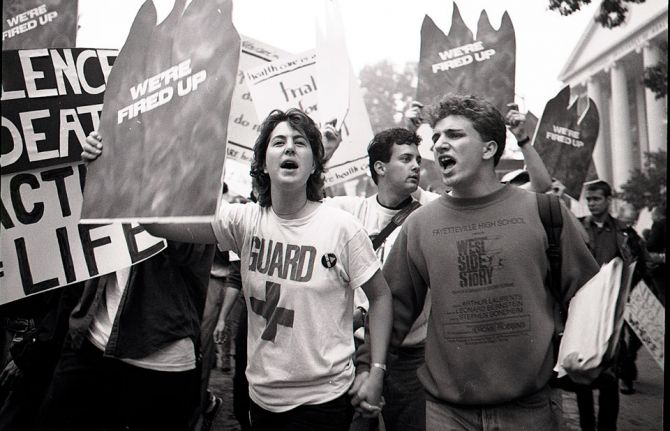
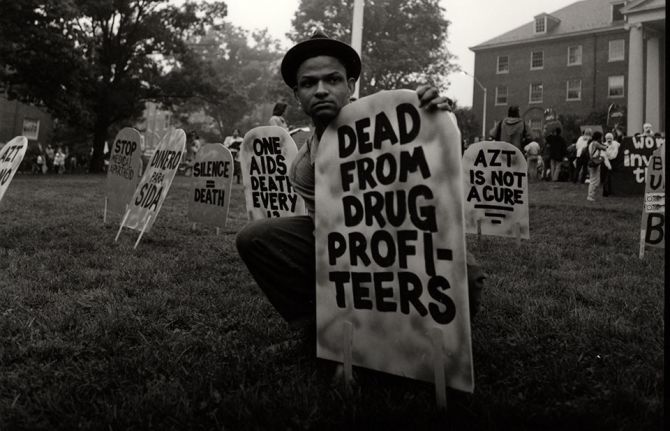
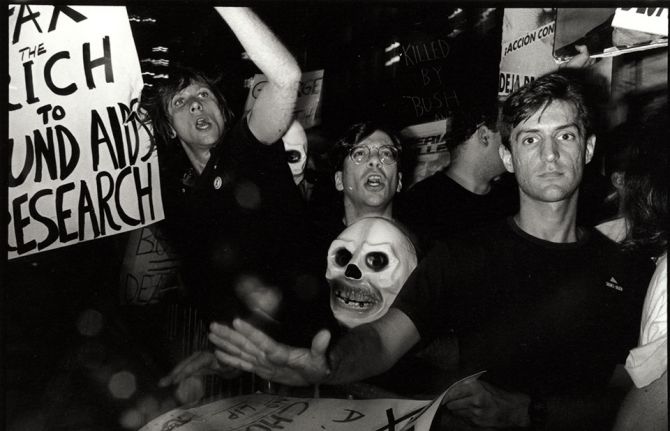
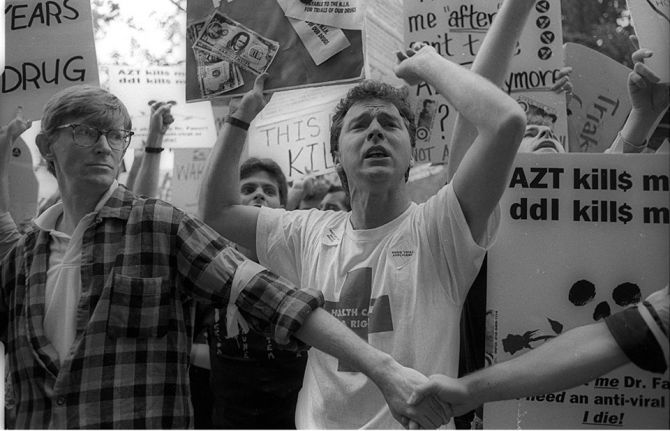
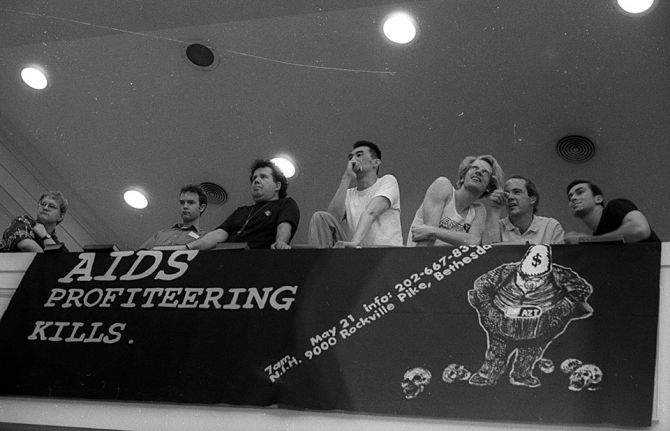
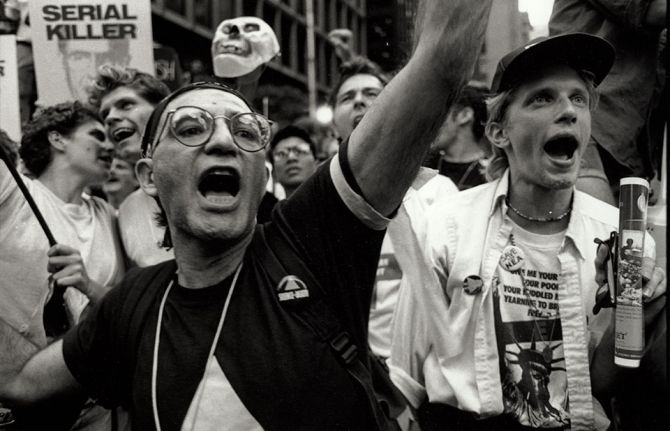
17 September 2021 17 September 2021A look back at the early days of AIDS activism highlights stark parallels with the global response to COVID-19.
Previously unseen images from the early 1990s of AIDS activists campaigning for life-saving medicines show that, with slogans such as “Dead from drug profiteers” and “AIDS $ now”, the AIDS activists of yesterday mirror today’s activists in their demand for equal access to COVID-19 vaccines.
However, the photos also highlight how, 40 years after the discovery of the first AIDS cases, the world is repeating the same mistakes in its response to COVID-19, as inequalities continue to be the driving force of infections and deaths.
The photos, taken by French photographer Elizabeth Carecchio, show people marching for HIV treatment at a demonstration in May 1990 at the National Institutes of Health in Washington, DC, United States of America. They are a reminder of the central role played by activists over the years, including today as they continue to advocate for fairer access to treatment and vaccines. In short, they are campaigning for the world to put people before profits, a central call of the People’s Vaccine for COVID-19, which UNAIDS is proud to be part of.
Photos: Elizabeth Carecchio
Our work
Feature Story
Community-led projects reach vulnerable populations in Latin America and the Caribbean
15 September 2021
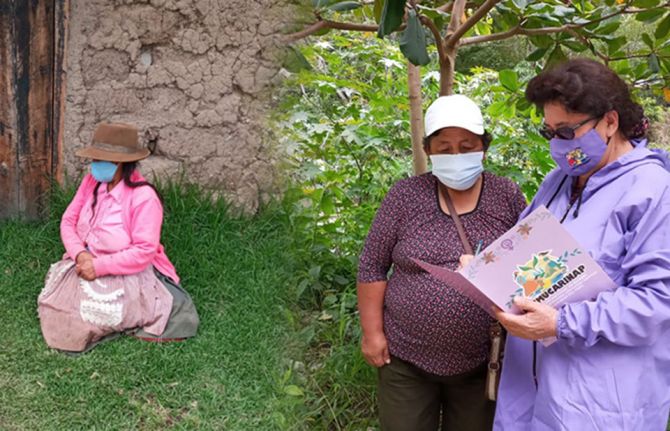
15 September 2021 15 September 2021“We have changed our way of thinking and our attitude towards people living with HIV. In the jungle, we don’t talk about it, and every day we see more and more people living with the virus,” said Aurora Coronado, a member of the National Federation of Peasant, Artisan, Indigenous, Native and Salaried Women of Peru.
Fenmucarinap, as it is known by its acronym in Spanish, is among the 61 organizations that have received grants from UNAIDS through an initiative called Soy Clave: de las Comunidades para las Comunidades (I Am Key: from Communities to Communities) since its launch in May 2020. The funds support community-led solutions in the response to HIV during the COVID-19 pandemic. “The project allowed us to share knowledge and learn more about HIV. Now knowledge is being passed on. Now we speak from the heart to young people living with HIV and many are taking care of themselves and taking their treatment,” Ms Coronado added.
Almost 5000 kilometres away from the project in the Peruvian jungle, in the Santa Martha Acatitla Penitentiary in Mexico, another community-led initiative was also implemented in the first year of the pandemic. “We can basically say that we saved the lives of people who are generally forgotten, especially in moments like these,” said Georgina Gutiérrez, from the Mexican Movement for Positive Citizenship, whose project was implemented in the same institution in which her husband had been imprisoned for eight years. “Through this initiative, we were able to support a population that lacks basically everything, especially dignity.”
These projects are examples of how small catalytic funds can make a difference and bring a positive impact for entire communities, especially in moments of extreme vulnerability and exacerbated inequalities. Through the Soy Clave initiative, UNAIDS and its partners focus on offering support to community-led projects around three pillars: prevention of the transmission of COVID-19, continuation of the HIV response and upholding human rights and preventing stigma, discrimination and violence towards people living with or affected by HIV and COVID-19.
The Latin America and Caribbean region experiences inequalities that are both deep and widespread and includes countries that are more unequal than those in other regions with similar levels of development, according to recent reports from the Inter-American Development Bank and the Latin American and Caribbean office of the United Nations Development Programme (UNDP).
The first phase of the US$ 300 000 initiative was launched in July 2020 in response to evidence from several regional online surveys conducted by UNAIDS since the onset of the COVID-19 pandemic. Grants were initially distributed among 31 projects, 10 of which were also funded with the support of UNAIDS Cosponsors through their regional offices—the United Nations Population Fund (UNFPA) helped fund four projects, whereas the United Nations Children’s Fund (UNICEF), the World Food Programme (WFP) and UNDP funded two projects each.
Data from the 31 initiatives of the first round of grants collected up to July 2021 by the UNAIDS Regional Support Team for Latin America and the Caribbean show that more than 700 000 people in the region had already been reached through the projects’ activities. Altogether, the community-led projects have delivered more than 270 community solutions that have had a direct impact on, for example, the strengthening of health services, the training of vulnerable communities and populations, awareness-raising of key HIV and COVID-19 issues and COVID-19 prevention and mitigation.
Recently, UNAIDS launched a second tranche of funding for 30 community-led initiatives, reaching a total 61 projects in 19 countries (Argentina, Brazil, Bolivia (Plurinational State of), Chile, Colombia, Costa Rica, Dominican Republic, Ecuador, El Salvador, Guatemala, Guyana, Honduras, Mexico, Nicaragua, Panama, Paraguay, Peru, Uruguay and Venezuela (Bolivarian Republic of).
“From 40 years of experience in the HIV response, we have learned that civil society and community-led initiatives are essential to reach the most vulnerable. We were right when we decided to invest in these organizations during the COVID-19 pandemic because they have delivered results and have proven that they are crucial to the response to both pandemics,” said Alejandra Corao, Director, a.i., of the UNAIDS Regional Support Team for Latin America and the Caribbean. “I congratulate the organizations selected in 2020 and hope that the 30 selected for the second phase of funding will also have the same success in reaching the most vulnerable people in these challenging times for our region.”
The implementing phase for these newly selected projects will run until December 2021. All the initiatives were selected by a joint committee formed by the UNAIDS Regional Support Team for Latin America and the Caribbean and the regional offices of UNICEF, WFP, UNDP, UNFPA, the United Nations Educational, Scientific and Cultural Organization and the Pan American Health Organization.
More than 200 Spanish-speaking and 70 Portuguese-speaking organizations participated in virtual workshops organized by UNAIDS to guide community-led organizations in applications for the Soy Clave initiative and in the creation of projects and the definition of objectives for a US$ 5000 grant.
Impact on communities
HIV activist Marcela Alsina, who is from Honduras and who implemented a regional project with the Asociación para una Vida Mejor (APUVIMEH) and the Latin American Movement of Positive Women (MLCM+), noted that the funds allowed the organizations to carry out an online survey in eight countries and to gather data to define their strategic lines of action.
“We learned that 35% of the women surveyed in these countries suffered some type of gender-based or institutional violence during the COVID-19 pandemic,” she said.
At least 23% of all the funding was directed towards women. Funds were also distributed among projects focused on key and vulnerable populations, including indigenous people, Afro-descendant communities and people on the move.
“Thanks to this funding, our project, Hablemos Positivo (Let's Talk Positively), delivered 450 sexual and reproductive health kits and organized talks on health promotion, HIV prevention, sexually transmitted infections and COVID-19,” said Danilo Manzano, of Diálogo Diverso in Ecuador. “We also disseminated a communication campaign on social media to raise awareness about the human rights of lesbian, gay, bisexual, transgender and intersex people on the move, as well as people living with HIV.”
“It is not easy to get funding to work with women, especially women living with HIV in Latin America”, said Kattia López, from the International Community of Women Living with HIV/AIDS in Costa Rica, who developed virtual working groups with more than 60 women living in vulnerable conditions and who suffered violence from their partners during the early stages of the pandemic. “We saw that this project gives us the light to reach women that no one else reaches, and to transform their realities. We are not going to leave any of them behind. Investing in women always pays.”
Related
Feature Story
More than 140 former heads of state and Nobel laureates call on candidates for German chancellor to waive intellectual property rules for COVID vaccines
14 September 2021
14 September 2021 14 September 2021More than 140 former heads of state and government and Nobel laureates today called on the candidates to be the next German chancellor Annalena Baerbock, Olaf Scholz, and Armin Laschet to declare themselves in favour of waiving intellectual property rules for COVID 19 vaccines and transferring vaccine technologies, and “to make these the policies of any future coalition government”.
The signatories underlined that ending German opposition to waiving patents is vital to overcoming vaccine monopolies, transferring vaccine technology and scaling up vaccine manufacturing around the world to prevent millions more deaths from Covid-19.
Former world leaders including former President of France François Hollande, former Prime Minister of the United Kingdom Gordon Brown, former President of Colombia Juan Manuel Santos, former President of Malawi Joyce Banda and Nobel prize winners including Professor Joseph Stiglitz, Professor Francoise Barre-Sinoussi and Elfriede Jelinek express that they are “deeply concerned with Germany’s continued opposition to a temporary waiver of the World Trade Organization’s (WTO) intellectual property rules”, at a time in which “the artificial restriction on manufacturing and supply is leading to thousands of unnecessary deaths from COVID-19 each day”. Less than two per cent of adults are fully vaccinated in low-income countries compared to almost 50 per cent in high income countries.
Signatories urge the three candidates to support a wide and comprehensive waiver of the TRIPS intellectual property agreement on all COVID-19-related technologies at the WTO, and join over 100 countries including the United States and France in doing so. Despite that, Germany continues to oppose a waiver of the trade-related aspects of intellectual property (TRIPS) agreement for Covid-19 vaccines and treatments at the WTO. First proposed by India and South Africa in October 2020, a waiver is now supported by more than 100 nations, with France and the United States announcing their support earlier this year.
The letter emphasizes that “Having helped create the most successful vaccine technology against COVID-19, by overcoming pharmaceutical monopolies and insisting that the technology be shared, Germany has the ability to help end this pandemic”. In addition to supporting the waiver they call on the next Chancellor to ensure that German pharmaceutical companies openly and rapidly share life-saving mRNA vaccine technology with qualified producers around the world.
Helen Clark, former Prime Minister of New Zealand, said: “Germany’s support for a TRIPS waiver in the exceptional circumstances presented by COVID-19 would send a clear signal that all peoples should be able to benefit speedily from available vaccines and therapeutics. Widespread vaccination now and further scaling up of vaccine production will play a significant role in curbing the pandemic.”
Joseph Stiglitz, Nobel Economics Prize Laureate, said: “The new Chancellor of Germany will hold extraordinary power to turn the tide on this horrific pandemic and can be the world leader remembered for helping save millions of lives. Intellectual property rules are today locking out people across the world from the benefits of life-saving science - it is time for Germany to ensure the transfer of vaccine technologies and join the rest of the world in backing a temporary waiver at the World Trade Organization”.
As the Heads of State and Government and Nobel Laureates write to the candidates for Chancellors, activists around the world have organized protests to demand the German government to stop blocking efforts to vaccinate the world. Protests will take place from the city of Nairobi to the Sydney Opera House in Australia, from the Union Buildings in Pretoria to Brazil's famous Cristo Rei and the famous Golden Gate Bridge in San Francisco.
The letter, which was coordinated by the People’s Vaccine Alliance, a coalition of more than 70 organizations including Club de Madrid, Oxfam and UNAIDS, warned that extreme vaccine inequity is bound to last as long as there will be no remarkable increase in vaccine production. While high-income countries are now starting to offer their citizens booster shots, the global supply falls far short of the levels needed to provide global vaccination coverage.
Notes to editors
Read the full letter and list of signers.
The letter was coordinated by the People’s Vaccine Alliance, a coalition of more than 70 organizations including Club de Madrid, Physicians for Human Rights, Oxfam, UNAIDS, the Nizami Ganjavi International Center, Global Justice Now, the Yunus Centre and Avaaz, as well as Progressive International.
Our work
Related
Feature Story
Community-based organizations call for scaled up Internet-based HIV prevention services in China
14 September 2021
14 September 2021 14 September 2021Networks of key populations and community-based organizations in China have called for strengthened collaboration to improve and increase access to Internet-based HIV prevention services.
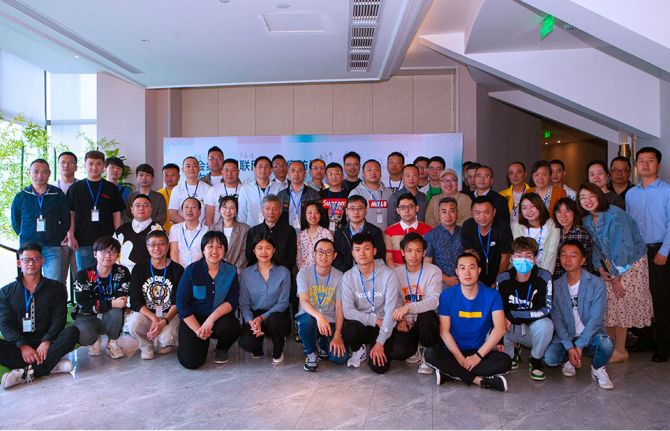
At the Seminar on Social Organization’s Involvement in Internet-Based HIV/AIDS Prevention, held in Chengdu, China, more than 60 representatives of 45 community-based organizations came together for two days to discuss how to utilize technology and innovations to support the HIV response. In particular, they explored how HIV prevention services can reach a wider range of people and how to encourage key populations to get tested for HIV and initiate treatment if needed.
With the Internet increasingly being used as a source of health information, its potential for delivering HIV prevention services is significant, especially given that services can be delivered anonymously and with minimal cost.
In 2018, according to the government there were 1.25 million people living with HIV in China: 69% of those were aware of their HIV status and 83% of those were accessing treatment. The HIV epidemic in China is concentrated among key populations, particularly among gay men and other men who have sex with men.
Yuan Jizheng, from the Chinese Foundation for Prevention of STD and AIDS, recognized the significant role that Internet companies play in HIV prevention, especially corporations that serve the lesbian, gay, bisexual, transgender and intersex community, such as Blued, the world’s largest gay dating app. “Companies should continue to advocate for protected sex and HIV prevention and testing, including counselling for key populations and care and support for people living with HIV,” she said.
With more than 8 million active monthly users, apps such as Blued play an important role in promoting HIV services on the Internet among gay men and other men who have sex with men. Such services provide information on HIV prevention through chat room outreach, online partner notifications, online test slips, banner ads, interactive targeted interventions and websites, focusing on populations at higher risk of HIV, including gay men and other men who have sex with men, adolescents and young adults.
Danlan Goodness, a community-based organization affiliated with Blued, launched the Internet + HIV Response initiative four years ago to provide online and offline HIV prevention and treatment services for gay men and other men who have sex with men. Since its inception, 150 community-based organizations from 90 cities in China have joined the platform to provide HIV prevention services through Blued’s new media channels.
The UNAIDS Country Office for China has been working closely with Danlan Goodness to conduct research on Internet-based HIV prevention service strategies for young people and key populations in order to understand better how online services can help to improve service delivery. The research looks at the benefits of Internet HIV prevention services, such as the low cost of delivering content, the ability to reach hidden populations, the potential to erase geographic and social barriers caused by stigma and marginalization and the relative anonymity it provides in seeking information and support online.
“The research findings will be shared with community-based organizations and other related partners to facilitate capacity-building and policymaking in this area,” said Liu Jie, the Community Mobilization Adviser for the UNAIDS Country Office for China.
“The importance of Internet HIV prevention interventions has been magnified during the COVID-19 pandemic, when conventional HIV testing and treatment services were disrupted,” said Kong Lingkun, the President of the Beijing Love without Borders Fund and Chairman of the U = U Anti-AIDS Network of China. “Community-based organizations are willing to work with the government and the private sector, tapping into the potential of Internet HIV prevention interventions to benefit more people,” he added.
At the seminar, community-based leaders and participants exchanged ideas about the challenges and advantages of Internet HIV prevention services, sharing views on overcoming specific difficulties such as data privacy and confidentiality, Internet inaccessibility and ways to enhance cooperation between community-based organizations and the government, international organizations and private corporations.
The forum was co-organized by the Chinese Foundation for Prevention of STD and AIDS, Danlan Goodness, Blued, the UNAIDS Country Office for China, the Chengdu Tongle Social Work Service Centre, the China AIDS Fund for Non-Governmental Organizations and the Sichuan Association of STD and AIDS Prevention and Control.
Our work
Region/country

Feature Story
Central African Republic adopts plan to address gender inequality in the AIDS response
08 September 2021
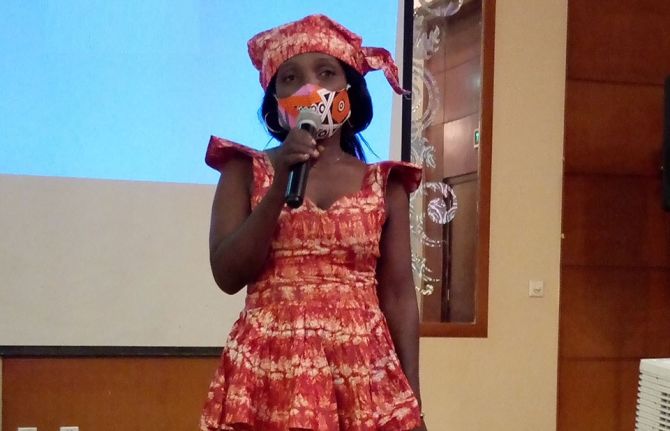
08 September 2021 08 September 2021Alida Nguimale is a survivor. She has been living with HIV for 21 years in the Central African Republic. Some 10 years ago, she lost two of her children to AIDS-related illnesses. At the time, she was unaware that she was living with HIV, and life-saving antiretroviral therapy and medicine to prevent mother-to-child transmission of HIV were rare in the Central African Republic.
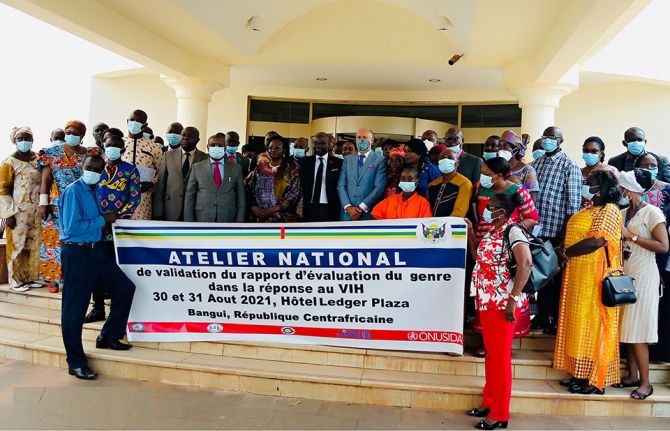
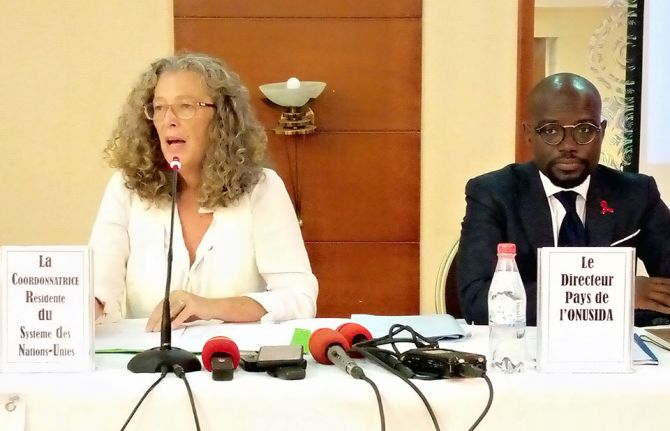
Speaking at the opening ceremony of a national workshop on HIV and gender, co-organized by the Ministry of Gender, the Ministry of Health, the National AIDS Council and UNAIDS, in Bangui, Central African Republic, on 30 and 31 August, Ms Nguimale explained how she was expelled from her home by her abusive partner, who accused her of bringing HIV into the household. She also recounted her helplessness in the face of denial and violence by her partner, who had refused to accept his own HIV-positive diagnosis.
Ms Nguimale’s story illustrates the vulnerability to HIV of women in the Central African Republic and the barriers that they face in accessing health services. More than 56% of all new HIV infections in the country in 2019 were among women and girls, and 60% of all people living with HIV in the country are women. According to data from the MICS-6 survey published in 2021 by the government, with the support of the United Nations, 23.6% of women and girls between the ages of 15 and 49 years were married or entered into a marital union before the age of 15 years. More than 21% of central African women had undergone female genital mutilation. In January 2021 alone, 340 cases of gender-based violence, including 72 rapes, were collected by the gender-based violence information management system in the Central African Republic.
“The vulnerability of women and girls to HIV in the Central African Republic is the consequence of protracted insecurity, violence and humanitarian crises compounded with toxic masculinities and negative social norms. There can be no end of the AIDS pandemic without renewed action and accountability to end this plague of gender-based violence and the social marginalization of women,” said Denise Brown, the Deputy Special Representative of the United Nations Secretary-General in the Central African Republic, Humanitarian Coordinator and United Nations Resident Coordinator.
For the first time, the Government of the Central African Republic, with the support of UNAIDS, conducted a thorough assessment of the gender dimensions of the HIV epidemic and response in the country. The assessment report, which was discussed and adopted during the national workshop on gender and HIV, warned that women, girls and key populations are being left behind in the recent progress made against HIV in the country. HIV prevalence is highest among sex workers, at 15%, and among gay men and other men who have sex with men, at 6.4%, compared to 3.6% among the general population. Access to prevention of mother-to-child transmission of HIV services also remains worryingly low, with less than 25% of women accessing such services in three of the country’s seven health regions.
“The gender assessment report alerts us on a blind spot in our response. We must refocus our efforts on transformative interventions that work for women, girls and key populations,” said Pierre Somse, the Minister of Health of the Central African Republic.
Building on the recommendations of the gender assessment, the participants of the meeting developed and adopted an action plan to implement key interventions in 2021–2023. The action plan includes a combination of structural, biomedical and behavioural interventions to promote gender-transformative education and sensitization, to address the legal, social and cultural barriers to access to HIV services by women, girls and key populations, to implement differentiated models of care that promote access to health, social and psychosocial services for women, including for prevention of mother-to-child transmission of HIV, and to ensure accountability for progress on gender, HIV and tuberculosis. The Minister of Gender, Marguerite Ramadan, noted that the assessment report and the action-oriented operational plan that ensued are essential to implement the vision of equality in the 2021 United Nations Political Declaration on AIDS.
Expressing satisfaction after the adoption of the operational plan, Patrick Eba, the UNAIDS Country Director for the Central African Republic, said, “UNAIDS is at its best when it brings together government, civil society, development partners and other stakeholders to critically assess the national response to HIV and articulate a collective agenda for action. There is no better way to vindicate the rights of those millions of women like Ms Nguimale who demand dignity, justice and health.”