Feature Story
Anambra, Nigeria, commits to eliminating vertical transmission of HIV by end of 2022
06 September 2021
06 September 2021 06 September 2021New HIV infections among children declined by more than half (53%) globally from 2010 to 2020, but the momentum has slowed considerably. There are particularly large gaps in services to prevent vertical (mother-to-child) transmission of HIV in western and central Africa, home to more than half of pregnant women living with HIV who are not on treatment.
Nigeria accounts for 24% of pregnant women living with HIV worldwide who are not on antiretroviral therapy and is the largest contributor among the seven countries that account for half of all new HIV infections among children globally. One in every seven babies born with HIV in the world is a Nigerian baby. Because of this, there is an urgent need to scale up sustainable programmes for the elimination of vertical transmission of HIV in the country, and the government has committed to end vertical transmission by the end of 2022.
The Nigerian Minister of Health, Osagie Ehanire, chaired a national consultation on vertical transmission of HIV in May 2021 and pledged the government’s full support and commitment to work with all partners in order to ensure that no baby is born with HIV, directing the National AIDS, Sexually Transmitted Infections Control and Hepatitis Programme (NASCP) to provide technical support to all Nigerian states to develop actionable operational plans to meet the objective. In addition, the Federal Ministry of Health has delivered 1.7 million of the 4 million HIV and syphilis test kits ordered as a step towards ensuring that all pregnant women are screened, regardless of where they live in the country.
“The procurement of the HIV test kits is a powerful demonstration of political leadership and country ownership by the Government of Nigeria for an AIDS-free generation. As a priority, the United Nations Joint Team on AIDS remains committed to fully support the government in its efforts to eliminate vertical transmission of HIV in the country,” said Erasmus Morah, the UNAIDS Country Director for Nigeria.
NASCP, supported by the National Agency for the Control of AIDS (NACA), is providing technical support to all Nigerian states, but with a priority given to five states—Abia, Anambra, Ebonyi, Kaduna and Taraba. The Joint Team has provided financial and technical support, including support for data analysis for each state. Each state is driving its own planning process and choice of strategy and key activities.
According to the government, Anambra state has an HIV prevalence of 2.2%. In 2020, less than 30% of pregnant women were tested for HIV and less than a quarter of pregnant women living with HIV accessed antiretroviral therapy, even though more than 90% of pregnant women attended a health facility for antenatal care in Anambra. There was a 73% increase in the estimated number of new HIV infections among children in the state from 2015 to 2020. Given its HIV prevalence, and the increase in new HIV infections among children, Anambra was recently supported to develop an operational plan for the elimination of vertical transmission of HIV.
The state’s leadership, including the Secretary of the State Government, Solo Chukwulobelu, and Anambra’s Commissioner for Health, Vincent Okpala, met together with representatives of NASCP, NACA and the United Nations Joint Team. The resulting Framework for Anambra State Action to Eliminate Mother-to-Child Transmission of HIV provides a summary of the current provision of services to prevent vertical transmission of HIV in the state and outlines strategies to reach every pregnant woman in the state, the state government’s commitments and key activities, along with timelines. The framework provides specific action by service providers from both the private and public sectors to reach every pregnant woman in the state with HIV testing services and provide antiretroviral therapy and viral load testing to every pregnant women who tests HIV-positive. The framework also commits to ensuring antiretroviral therapy prophylaxis at birth and early infant diagnosis of HIV for every infant, along with continuity of care for both mothers and their babies. The federal and state governments and existing donors will fund the initiative.
Akudo Ikpeazu, the National Coordinator of NASCP, said, “It’s important to work extensively with the First Lady of the State as a Champion for Eliminating Mother-to-Child Transmission of HIV to ensure every pregnant woman is reached in Nigeria.”
Region/country

Feature Story
Key population-led social enterprises awarded UNAIDS Solidarity Fund grants begin implementation
24 August 2021
24 August 2021 24 August 2021The COVID-19 pandemic has forced many community-led organizations working on HIV to shift their work and focus on mobilizing funds to provide basic humanitarian assistance, such as food, shelter and medicines to people living with HIV and members of key populations severely impacted by the pandemic.
In order to enhance the capacity of key populations and community organizations to face hardship, UNAIDS launched a US$ 250 000 Solidarity Fund in January 2021 to support social enterprises led by people living with HIV and members of key populations, including sex workers, transgender people, people who use drugs and gay men and other men who have sex with men, as well as young women from key affected communities or facing special hardship, during the COVID-19 pandemic. Twenty-four local social entrepreneurs across five countries have been selected for grant seed funding to empower them to scale up existing or develop new business initiatives that can generate economic value and social impact for their communities.
The first call for proposals from the Solidarity Fund saw applications from a diverse range of social enterprises led by networks and organizations of key populations. A global Solidarity Fund Review Committee, composed of representatives of UNAIDS, the United Nations Children’s Fund (UNICEF) and partners, including community representatives and country, public and private sector representatives, reviewed and assessed high-potential proposals for social enterprises. The 24 final grantees have demonstrated their commitment towards developing sustainable solutions to address the socioeconomic barriers that key populations face.
“The pilot phase of the Solidarity Fund will allow for the testing of innovative models, providing key communities with an opportunity to adequately address the immediate impact of the COVID-19 pandemic and create sustainable income-generating activities,” said Pradeep Kakkattil, the Director of the UNAIDS Office of Innovations, as social entrepreneurs from Brazil, Ghana, India, Madagascar and Uganda begin the establishment of their enterprises.
Movimento Nacional das Cidadãs Posithivas, Brazil
Since the beginning of the COVID-19 pandemic in Brazil, Movimento Nacional das Cidadãs Posithivas (MNCP) has been working to minimize the challenges posed by the social isolation measures imposed in the country and the subsequent economic impacts on the lives of women living with HIV. “In general, people who sought help are mostly in need of food, including poor people, people living with HIV and who had no formal work and were unable to continue working during the pandemic,” said Jacqueline Côrtes, an Executive Coordinator at MNCP. With the support of the Solidarity Fund, MNCP is aiming to train and fund more than 35 women living with HIV across Brazil on sewing and marketing traditional cloth dolls. The goal is to support the women to establish and lead a production network with regional representation. MNCP will also promote economic empowerment and female entrepreneurship through online courses and vocational training.
Nachbaja.com, India
As one of India’s first transgender-led start-ups and online artist aggregator platforms, Nachbaja.com aims to ensure that artists from the community receive fair and complete remuneration for their services. Keeping up with the ever-evolving needs of markets, Nachbaja.com will integrate its offline operations and create a new artist platform by developing an online application through the support received from the Solidarity Fund. It aims to directly connect talented artists with event organizers, alleviating the need for agents, who would normally take a significant share of the artists’ income. “The growth of India’s events industry presents an opportunity to set up Nachbaja.com as a digital platform allowing artists from the community to take increased ownership of their skills and reduce dependence on agents,” said Reshma Prasad, the founder and Chief Executive Officer of Nachbaja.com. In addition to providing opportunities to earn a livelihood, Nachbaja.com will also integrate Global Positioning System-enabled tracking to ensure the safety and security of the artists from the transgender community.
Fikambanana Vehivavy Miavotena eto Madagasikara, Madagascar
Fikambanana Vehivavy Miavotena eto Madagasikara (FIVEMIMAD), a network of sex workers, has been working since the beginning of the COVID-19 pandemic to improve the living conditions of sex workers in Madagascar and to increase their social reintegration at the national level. “We believe it is important to leverage our network of association subsidiaries in the cities of Toamasina, Foulpointe, Toliara and Diégo to implement social entrepreneurship projects to ensure the ownership of the diverse social enterprises led by the sex worker community across Madagascar,” said Germaine Razafindravao, President of FIVEMIMAD. Through this network of association subsidiaries in four cities, FIVEMIMAD will promote the establishment of sex worker-led social enterprises. It will provide training on mosquito net production, Malagasy art-making, sewing and embroidery skills and fruit processing to provide local community members with an opportunity to achieve financial independence and improved living conditions.
Let’s Walk Uganda, Uganda
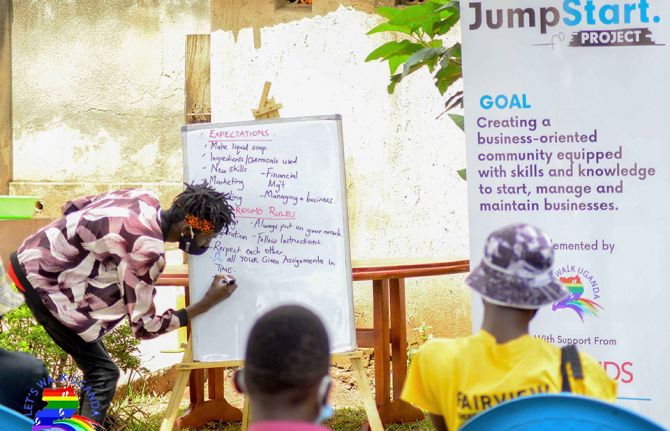
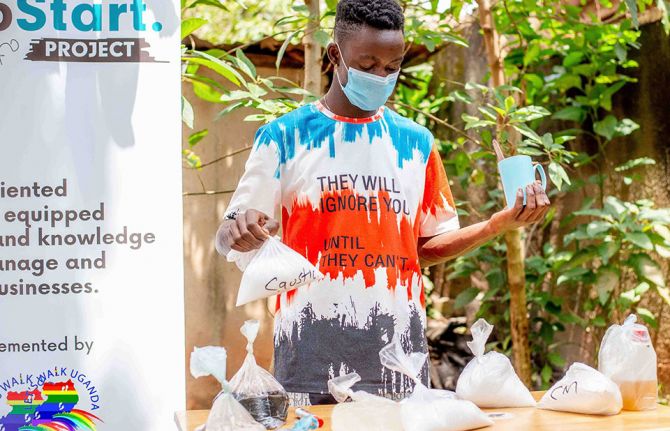
Let’s Walk Uganda (LWU) was established to support gay men and other men who have sex with men facing discrimination and marginalization, which has been enhanced by the impact of the COVID-19 pandemic. To improve living standards, create more sustainable economic revenue mechanisms and reduce exposure to harmful practices, LWU started its Jump Start Project, which aims at creating a business-oriented community of 20 gay men and other men who have sex with men living in three urban slums in Kampala equipped with the necessary skills to start, manage and maintain a social business. They will be engaged in fashion and design, handicraft and liquid soap production training and will be helped to set up sustainable small social enterprises. “In addition to entrepreneurial skills, we recognize that it is important to nurture financial literacy and inclusion among men who have sex with men. Therefore, LWU will also support the set-up of small savings and investment groups to improve access to group loans and savings to ensure the sustainability of these enterprises,” said Ndawula Eric, the Executive Director of LWU.
Hope for Future Generations, Ghana
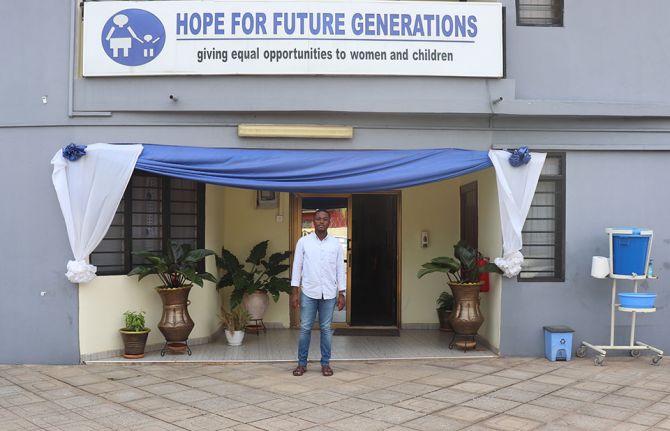
Using a strategic amalgamation of empowerment, a rights-based approach and innovative participatory strategies, Hope for Future Generations (HFFG) has facilitated and worked towards improving the health, education and socioeconomic status of women, children and young people in Ghana since 2001. Through a specially constituted youth network under its purview called the Young Health Advocates Ghana (YHAG), HFFG empowers young people living with HIV to use their voices in advocacy for their rights and to build their entrepreneurship capacity. “Our social enterprises will be developed, led and sustained by young people living with HIV and young female sex workers. It is great to see ideas such as a greenhouse farm and a fashion design enterprise come to life from this network of young people,” said Cecilia Lodonu-Senoo, the founder and Executive Director of HFFG. The enterprises established will be specially designed to promote leadership, equitable employment and income-generation opportunities to fellow members of the YHAG community.
Community organizations and their networks require sustainable resources and technical support to be able to continue to play their roles, scale innovative community-led solutions, create sustainable revenue mechanisms and reduce widening inequalities. As grant-implementation efforts are under way, UNAIDS is working closely with community networks and partners such as UNICEF and Social Alpha to create and provide tailored support around capacity development and mentoring to the social entrepreneurs.
The complete list of grantees of the UNAIDS Solidarity Fund is:
- Aastha Parivaar, India.
- Alliance of Women Advocating for Change, Uganda.
- Asha Darpan, India.
- Associação de Apoio e Amparo as Pessoas Vivendo com HIV/AIDS do Estado do Espírito Santo, Brazil.
- Associação Social Anglicana de Solidariedade do Cerrado, Brazil.
- Fikambanana Vehivavy Miavo-Tena eto Madagasikara, Madagascar.
- Gaurav Trust, La Beauté & Style, India.
- Grupo de Trabalhos em Prevenção Posithivo, Brazil.
- Health and Rights Initiative, Uganda.
- Hope Alliance Foundation and OHF Initiative, Ghana.
- Hope for Future Generations, Ghana.
- Lady Mermaid, Women-Up Social Enterprises, Uganda.
- Let's Walk Uganda, Uganda.
- Movimento Nacional das Cidadãs Posithivas, Brazil.
- Nachbaja.com, India.
- Réseau Association des Femmes Samaritaines, Madagascar.
- Simma Africa Creative Arts Foundation, Uganda.
- Solidarity Foundation and Navajeevana Sanghatane, India.
- Thozi, India.
- Tranz Network Uganda, Uganda.
- Uganda Harm Reduction Network, Uganda.
- Usha Multipurpose Cooperative Society Limited, India.
- Vijana Na Children Foundation, Uganda.
- Women of Dignity Alliance, Ghana.
Our work
Feature Story
The humanitarian activist supporting Venezuelan migrants living with HIV in Brazil
23 August 2021
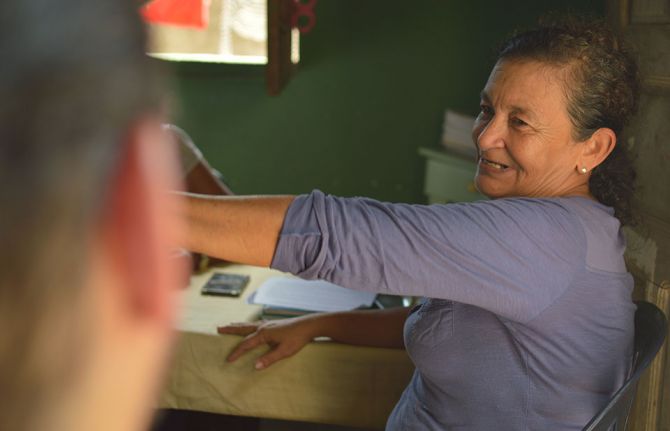
23 August 2021 23 August 2021Nilsa Hernandez, 62, used to work as an informal greengrocer in Venezuela to help increase her family income and provide for her children, grandchildren and great-grandchildren. As a person living with HIV for 16 years, Nilsa had managed to reduce her viral load to undetectable until everything changed suddenly when the political-economic crisis took hold in Venezuela. Health services were severely affected and people living with HIV gradually lost access to regular care, treatment and medication.
"I went about two years without access to treatment. My body started to feel the consequences and I realized that I needed to do something urgently. It was a live or die situation, and I decided to live!", remembers Nilsa.
Nilsa crossed the border and emigrated to Brazil, where HIV treatment is available to everyone through the public health system. It took her a year to prepare for the journey. In 2018, she arrived in Roraima, the Brazilian state bordering Venezuela, with her partner, who also lived with HIV, and her 12-year-old grandson.
They ended up in the streets after suffering all kinds of discrimination and violence. Thanks to the support of people she met, she finally managed to rent a small house in the outskirts of Rio Branco, the capital of Roraima, and resume her HIV treatment. As soon as she recovered immunity, she had no doubt: it was time to become an activist and create Valientes por la Vida (Brave for Life), a voluntary initiative to support other Venezuelans living with HIV who, like her, arrived in Brazil with scarce resources and little information.
"We are brave because it takes a lot of courage to leave your country, often with only the things we had to hand, in search of treatment and in search of life."
Today, as a humanitarian activist, Nilsa has mobilized a network of other Valientes who joined her to spread the word about the arrival of new Venezuelan migrants in search of HIV treatment.
The COVID-19 pandemic has severely affected this process, especially when the borders between Brazil and Venezuela were closed in March 2020. “The closure made it very difficult for my compatriots to access HIV treatment that could save their lives. With the reopening of the border, we are now putting these services back on track."
According to the 2020 Annual Report on Epidemiology issued by the state of Roraima’s medical authority, in the years 2018 and 2019, a combined total of 1,137 cases of HIV/AIDS were reported in the state. Among the foreign population, migrants from Venezuela represent the most significant number of the combined HIV/AIDS cases for the same period: 383 people.
Just like Nilsa, many of the Venezuelan people living with HIV migrate to Brazil in search of access to HIV treatment that they are no longer able to have in many parts of the country. In this context, UNAIDS established a partnership with UNESCO in December 2020 in a joint, collaborative and intersectoral strategy to grant Venezuelan migrants access to health education, prevention, and health promotion, and to support the responses of Roraima to HIV and COVID-19.
Claudia Velasquez, UNAIDS Representative and Country Director in Brazil, explains that the proposal is to reduce prejudice, stigma and discrimination related to migrants and refugees, and more vulnerable populations, such as sex workers and LGBTQIA+ population, youth and indigenous peoples.
"We want to promote the empowerment of vulnerable populations through the dissemination of information about HIV and the rights of people living with HIV”, says Ms. Velasquez. “Nilsa Hernandez is an example of a humanitarian activist. And people like her, who are Brave for Life, show the enormous impact that civil society's mobilization has on supporting and welcoming people living with HIV and on the efforts to face stigma and discrimination, which enhance the inequalities that prevent us from ending the AIDS pandemic by 2030."
For the future, Nilsa's dream is for Valientes por la Vida to become an international organization, with volunteers dedicated to supporting people living with HIV to have access to treatment and a healthy life. "I also want people to stop seeing us as HIV positive. This creates a horrible stigma that weighs on us all. We are not HIV positive. We are brave and impatient because we are in a hurry to live like everyone else."

Feature Story
Defending rights and overcoming fear in Kyrgyzstan
10 August 2021
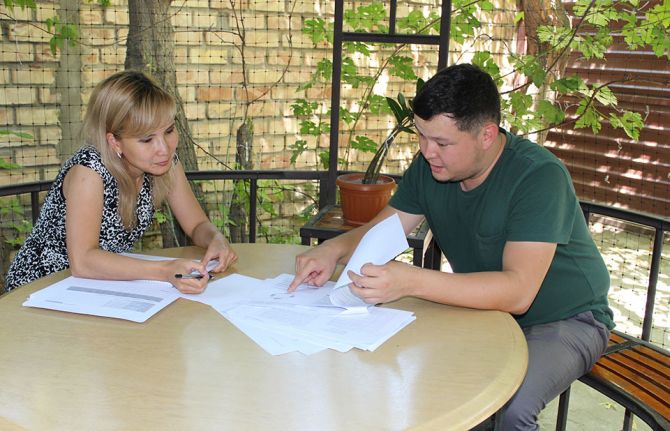
10 August 2021 10 August 2021"I was a drug user for 16 years – I know how society pressures you and puts you in a tight corner… Some people can’t get a passport, some don't have a place to live, some don't take antiretroviral drugs because they continue using drugs... It is impossible to break out of this terrible circle without outside help,” recalls Evgeny Yuldashev, a social worker and HIV peer counsellor in Kyrgyzstan.
Currently, he provides HIV prevention and care services to vulnerable groups of people, including people who use drugs.
"There are former prisoners living with HIV who lost their rights to housing while they were serving their sentences”, says Mr Yuldashev. “Some are migrant workers living with HIV who were deported and now have no idea where to start again. It is not easy for sex workers who are constantly subjected to illegal detention. They all need HIV services and they all need support in getting their rights back.”
This coercive legal environment and the violence experienced by key populations impacts the HIV epidemic in Kyrgyzstan because fear stops people from seeking and adhering to HIV prevention, treatment, care and support services.
Ainura Osmonalieva is a lawyer and deputy director of Adilet, the largest human rights and legal services organization in Kyrgyzstan. She says that people are not always ready to defend their rights even when they are told it’s possible.
"We have been providing legal services to key populations free of charge for over fifteen years. Still, there are cases when people from communities come to us, we prepare documents to submit to the court, but at some stage, the person disappears or tells us that he is afraid of the consequences and refuses to take further steps. They may experience tremendous pressure if they decide to go to trial. The main reason in my opinion is the high level of stigma and discrimination that exists in society. "
But when all players are ready to fight till the very end, there can be dramatic change.
With the help of Adilet's lawyers, Kyrgyz' activists managed to remove the barrier to parenting for people living with HIV in the country, which had been in effect for many years. As a result, the Country's Constitutional Court excluded HIV from the list of diseases that prevent people from adopting children or becoming guardians or foster parents.
It took lawyers four years and hundreds of hours of analytical work on the conventions, agreements and declarations ratified by Kyrgyzstan for the Constitutional Court to finally decide the issue.
"We collected the evidence base, then a plaintiff came forward and we were able to file a lawsuit on their behalf," says Ms Osmonalieva.
In July 2021, adolescents living with HIV in Kyrgyzstan who were infected in state medical institutions between 2006—2009 filed lawsuits against the state for compensation for moral damage. Families who had battled for justice for more than a decade were given hope when lawyers won a case and a child was awarded $23,000 in compensation.
The Public Foundation "Positive Dialogue" is another non-governmental human rights organization in the south of the country that provides free legal assistance to vulnerable groups.
"We work closely with the Republican AIDS Center and the Osh Regional AIDS Center to monitor the situation regarding patients' rights, including patients who are in prisons, and conduct assessments of the legal environment to understand what legal norms can be applied," says lawyer Arsen Ambaryan.
According to Mr Ambaryan, all players - state bodies, nongovernmental organizations, and human rights defenders must work as a team to eliminate the legal barriers that still exist in the country.
New global targets for 2025 put a special emphasis on creating the enabling environment for ending AIDS, identified in the 10-10-10 targets: that less than 10% of countries have punitive legal and policy conditions that prohibit or restrict access to services; less than 10% of key populations and people living with HIV face discrimination and stigma; and less than 10% of women, girls, people living with HIV and key populations face violence and gender inequality.
“Kyrgyzstan has a lot of work ahead,” says UNAIDS country director, Meerim Sarybaeva. “It will require consistency from all sides and UNAIDS stands ready to provide any support required in this important area."
Video: Evgeny Yuldashev, a social worker and HIV peer counsellor in Kyrgyzstan, answers questions on how we can protect people who inject drugs
Our work
Region/country
Related
 Women, HIV, and war: a triple burden
12 September 2025
Feature Story
UNAIDS strongly supports calls for the rejection of draft law targeting LGBTI people in Ghana
12 August 2021
12 August 2021 12 August 2021UNAIDS fully backs calls made today by an eminent group of United Nations experts that Ghana should reject a proposed “family values bill” that targets the country’s lesbian, gay, bisexual, transgender and intersex community.
After analyzing the draft legislation, the independent experts appointed by the United Nations Human Rights Council concluded that adopting the legislation in its current or any partial form would be tantamount to a violation of a number of human rights standards, including the absolute prohibition of torture.
The experts said that the proposed law seeks to establish a system of State-sponsored discrimination and violence against the LGBTI community.
UNAIDS has already called for the law to be rejected as a gross violation of human rights. It has also warned that the legislation would be a grave setback for the HIV response in driving vulnerable people further away from essential HIV treatment, care and prevention services.
Ghana: Anti-LGBTI draft bill a “recipe for violence” – UN experts
GENEVA, 12 August 2021 — UN human rights experts* urged Ghana’s Government to reject a proposed ‘family values’ bill, saying it seeks to establish a system of State-sponsored discrimination and violence against the LGBTI community. The first reading of the bill took place on 2 August 2021, and its consideration is expected to resume in October 2021.
“The draft legislation argues that any person who deviates from an arbitrary standard of sexual orientation or gender identity is immediately to be considered dangerous, sick or anti-social,” said the experts. “Such laws are a textbook example of discrimination.
“The proposed law promotes deeply harmful practices that amount to ill-treatment and are conducive to torture, such as so-called ‘conversion therapy’ and other heinous violations like unecessary medical procedures on intersex children, and so-called corrective rape for women,” they added.
The independent experts, appointed by the Human Rights Council, presented an analysis of the draft bill to the Ghanaian Government, concluding that adopting the legislation in its current or any partial form would be tantamount to a violation of a number of human rights standards, including the absolute prohibition of torture.
For example, attempts to prevent human rights defenders from organising themselves to defend LGBTI people, and the absolute prohibition of public debate on sexual orientation and gender identity, raises grave concerns about rights to freedom of opinion and expression, and of association. Moreover, the bill in question would essentially legitimize the above instances of violence against LBTI women and reinforce existing gender stereotypes and discrimination against women, which are both cause and consequence of violence against women and girls.
“The consideration of this legislation is deeply perplexing in a country that has been regarded as a champion of democracy in Africa, with an impressive record of achieving certain Millennium Development Goals by 2015,” they said. They cited specific concerns about the MDG goals on health, education, employment, housing and gender justice.
“The draft legislation appears to be the result of a deep loathing toward the LGBTI community. It will not only criminalise LGBTI people, but anyone who supports their human rights, shows sympathy to them or is even remotely associated with them.
“Given that LGBTI people are present in every family and every community it is not very difficult to imagine how, if it were to be adopted, this legislation could create a recipe for conflict and violence.”
ENDS
*The experts: Victor Madrigal-Borloz, Independent Expert on protection against violence and discrimination based on sexual orientation and gender identity; Reem Alsalem, Special Rapporteur on violence against women, its causes and consequences; Koumbou Boly Barry, Special Rapporteur on the right to education; Irene Khan; Special Rapporteur on the promotion and protection of the right to freedom of expression; Mary Lawlor, Special Rapporteur on the situation of human rights defenders; Nils Melzer, Special Rapporteur on Torture and other Cruel, Inhuman or Degrading Treatment or Punishment; Tlaleng Mofokeng, Special Rapporteur on the right of everyone to the enjoyment of the highest attainable standard of physical and mental health; Elina Steinerte (Chair-Rapporteur), Miriam Estrada-Castillo (Vice-chairperson), Leigh Toomey, Mumba Malila, Priya Gopalan, Working Group on arbitrary detention Clément Nyaletsossi Voule, Special Rapporteur on Rights to Freedom of Peaceful Assembly and Association
The Special Rapporteurs, Independent Experts and Working Groups are part of what is known as the Special Procedures of the Human Rights Council. Special Procedures, the largest body of independent experts in the UN Human Rights system, is the general name of the Council's independent fact-finding and monitoring mechanisms that address either specific country situations or thematic issues in all parts of the world. Special Procedures' experts work on a voluntary basis; they are not UN staff and do not receive a salary for their work. They are independent from any government or organization and serve in their individual capacity.
UN Human Rights, country page: Ghana
For more information and media requests please contact Catherine de Preux De Baets (+41 22 917 93 27/ cdepreuxdebaets@ohchr.org) or write to ie-sogi@ohchr.org
For media enquiries regarding other UN independent experts, please contact Renato de Souza (+41 22 928 9855 / rrosariodesouza@ohchr.org).
Follow news related to the UN's independent human rights experts on Twitter @UN_SPExperts.
Our work
Region/country


Feature Story
We must scale up support for an HIV response led by young people in eastern Europe and central Asia
27 July 2021
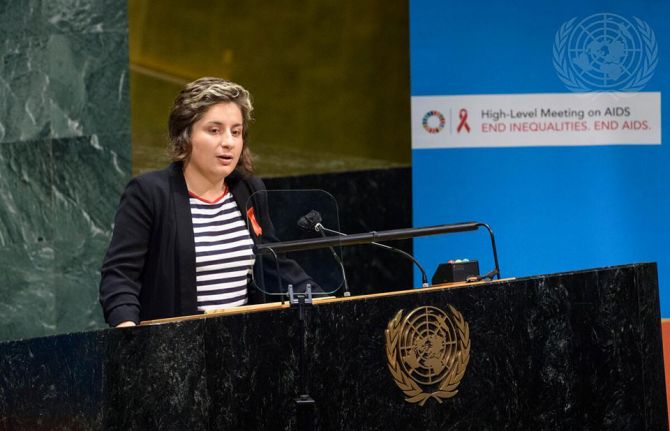
27 July 2021 27 July 2021“We are demanding that you step up and finally do your part,” said Yana Panfilova, a young female activist from Ukraine who is living with HIV, at the United Nations High-Level Meeting on AIDS in June 2021.
A leader of the regional adolescent-led movement Teenergizer, she emphasized the vulnerability of young people to HIV and the need to provide care and support to adolescents living with HIV and she called on world leaders to keep young people at the forefront of the AIDS response.
“If we are going to make real change, these four things must become a reality: comprehensive sexuality education in all schools, in all countries; psychosocial support and peer support for every adolescent with HIV and young key populations; community-led HIV services immediately as the reality, not the exception; and an HIV vaccine and a functional cure,” Ms Panfilova added.
All these recommendations are critical in eastern Europe and central Asia, which is facing the world’s fastest growing HIV epidemic. At end of 2020, there were 60 000 young people aged 15–24 years living with HIV in the region. Many young people remain unaware of their HIV status, and late HIV diagnosis remains a significant challenge in the region.
There are multiple barriers and obstacles in almost all countries in eastern Europe and central Asia for adolescents and young people to access HIV services and care. In many countries there is an absence of adolescent-centred HIV testing and counselling, there are requirements for parental consent for HIV services, there is a lack of access to modern contraceptives and there are confidentiality issues and stigma and discrimination. Harmful norms, taboos related to sexual and reproductive health, inequalities, gender-based violence, COVID-19-related obstacles and mental health problems are further barriers to access to HIV services.
Although significant progress has been achieved over the past 30 years in providing adolescents and young people in eastern Europe and central Asia with access to sexual education and other services, the level of knowledge about HIV prevention among people aged 15–24 years in the region remains low—as low as less than 3% in Tajikistan.
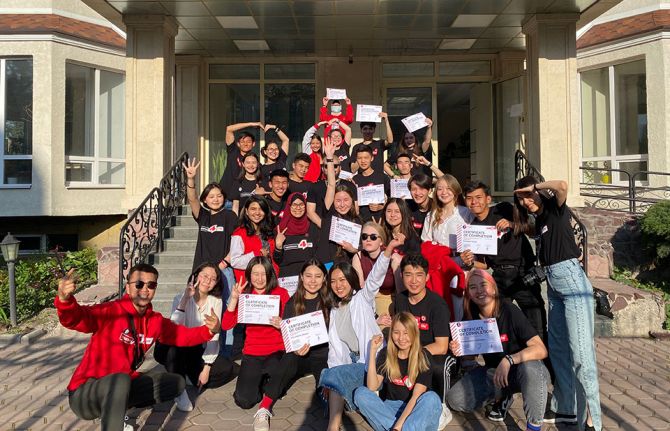
Different approaches have been used by civil society and community-led organizations to reach young people who are vulnerable to HIV. For example, the Dance4life project in Belarus, Kyrgyzstan, Kazakhstan, the Republic of Moldova, the Russian Federation and Ukraine reaches vulnerable young people with the Journey4Life Programme (J4L). J4L helps adolescents aged 14–18 years develop healthy interpersonal relationships that are free from violence and coercion and based on respect for gender equality and teaches them how to maintain their sexual and reproductive health, focusing on the prevention of HIV, unplanned pregnancy and sexually transmitted infections. It aims to reach 1400 young people by the end of 2021 in Kazakhstan and Kyrgyzstan, with support from UNAIDS and the United Nations Educational, Scientific and Cultural Organization.
A recent survey among adolescents run by Teenergizer showed that the availability of HIV treatment for adolescents is not enough to keep them alive. Treatment interruption is a significant reason why adolescents continue to die in the region. According to the survey, HIV-related fears, psychological vulnerability, treatment fatigue and stigma are significant risk factors for treatment interruption among adolescents. The survey noted that they need support from their peers, communities and doctors, and they often need professional psychological help.
In her United Nations High-Level Meeting on AIDS speech, Yana Panfilova remembered Diana, who recently died of an AIDS-related illness. “This year, I was angry when we lost Diana. She was only 19, born with HIV. But she had pills that were impossible to take, no mental health support and no confidentiality. Like millions of people with HIV, she was killed by inequalities. Millions of people with HIV may have HIV pills, but they live in a world where their families and their societies do not accept them for who they are.”
Svetlana Izambayeva, who organizes It’s simple! summer camps for children and adolescents living with HIV in the region, explained that adolescents living with HIV are often socially isolated and lonely—they are scared to talk about their diagnosis and fear for their future. The camp’s attendees receive psychological care and support, create networks and support others.
“We need more political leadership, more data on adolescents and young people, more programmes to address the gaps and more funds for the youth response. But here in the region we already have a growing movement of adolescent and young leaders which we must nurture, fund and further support,” said Lena Kiryushina, the UNAIDS Youth Officer for eastern Europe and central Asia.
Our work
Region/country
- Eastern Europe and Central Asia
- Albania
- Armenia
- Azerbaijan
- Belarus
- Bosnia and Herzegovina
- Bulgaria
- Croatia
- Cyprus
- Czechia
- Estonia
- Georgia
- Hungary
- Kazakhstan
- Kyrgyzstan
- Latvia
- Lithuania
- Montenegro
- Poland
- Republic of Moldova
- Romania
- Russian Federation
- Serbia
- Slovakia
- Slovenia
- Tajikistan
- North Macedonia
- Türkiye
- Turkmenistan
- Ukraine
- Uzbekistan
Related
Feature Story
2021 ECOSOC resolution on the Joint Programme adopted by consensus
23 July 2021
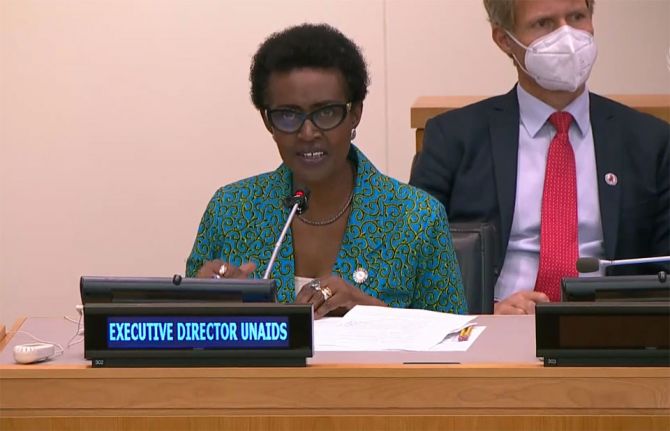
23 July 2021 23 July 2021On 22 July, the United Nations Economic and Social Council (ECOSOC) adopted a resolution on the Joint United Nations Programme on HIV/AIDS by consensus, at a hybrid meeting at the United Nations Headquarters in New York, United States of America, presided over by the Vice-President of ECOSOC, Collen Vixen Kelapile, the Permanent Representative of Botswana to the United Nations in New York.
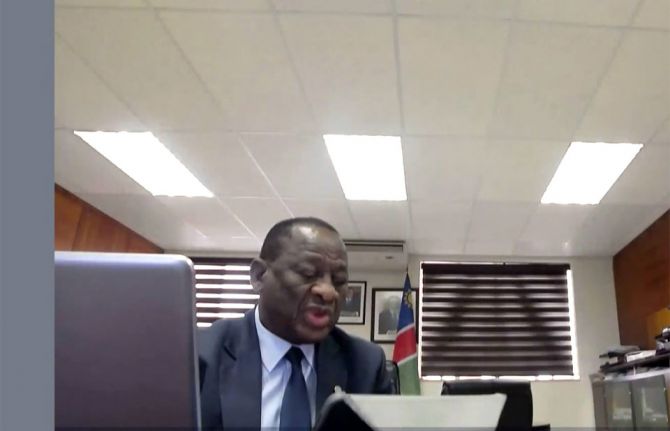
At the meeting, the council considered the 2021 report of the UNAIDS Executive Director, Winnie Byanyima, which she introduced in person, and a report on governance issues by the UNAIDS Programme Coordinating Board (PCB), introduced by its Chair, Kalumbi Shangula, the Minister of Health and Social Services of Namibia.
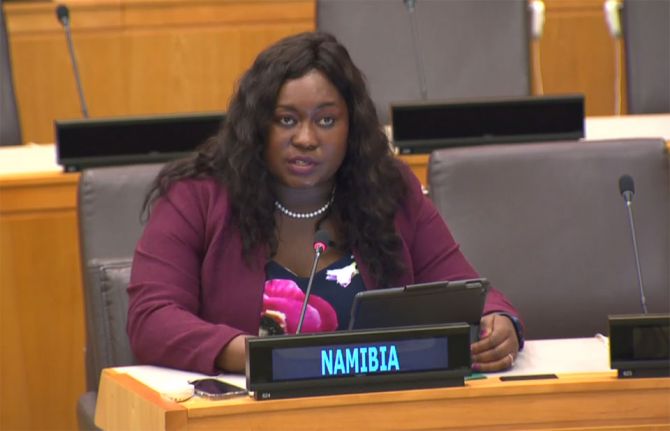
Following the debate, the Deputy Permanent Representative of Namibia to the United Nations in New York, Helena Ndapewa Kuzee, presented a joint statement by Namibia and Thailand introducing the 2021 resolution on the Joint Programme. The two countries had co-facilitated the negotiations in Geneva, Switzerland, earlier in July in their capacity as, respectively, the Chair and Vice-Chair of the PCB.
They emphasized their gratitude to Member States for having ensured a consensus resolution that spoke to the critical leadership role of the Joint Programme’s Cosponsor and governance model for strategic coherence, through its coordination, results-based focus, inclusive governance and country-level impact. The resolution also recognized the importance of the 2021 United Nations Political Declaration on HIV and AIDS: Ending Inequalities and Getting on Track to End AIDS by 2030 and the Global AIDS Strategy 2021–2026: End Inequalities, End AIDS, and the new 2025 targets to set direction for the response.
Namibia and Thailand cautioned that AIDS is far from over and expressed concern that there is a continuing shortfall in the financing of the HIV response, especially with respect to low- and middle-income countries, and that the COVID-19 pandemic has exacerbated existing inequalities and inequities within and among countries, including the lack of equitable and timely access to safe, quality, effective and affordable COVID-19 vaccines, diagnostics, medicines and medical products. This had created additional setbacks and pushed the AIDS response further off track.
Celebrating the 25 years since ECOSOC introduced the PCB nongovernmental organization delegation, a multicountry statement was made recognizing the important contribution of the delegation to the governance of the Joint Programme and noted that communities affected by HIV, particularly key populations, have a crucial place in the AIDS response and thereby also in United Nations meetings, where the delegation contributes to policy development and gives voice to complex issues.
“I thank the ECOSOC Council for its foresight and out-of-the-box thinking when it created this unique multisectoral programme in the mid-1990s. Thank you for insisting on including people living with HIV and those most at risk of HIV infection at the centre of the United Nations’ global response, as well as in the governance of the Joint Programme through the nongovernmental organization delegation,” said Ms Byanyima, addressing the representatives of permanent missions in New York.
Learn more
Related
Feature Story
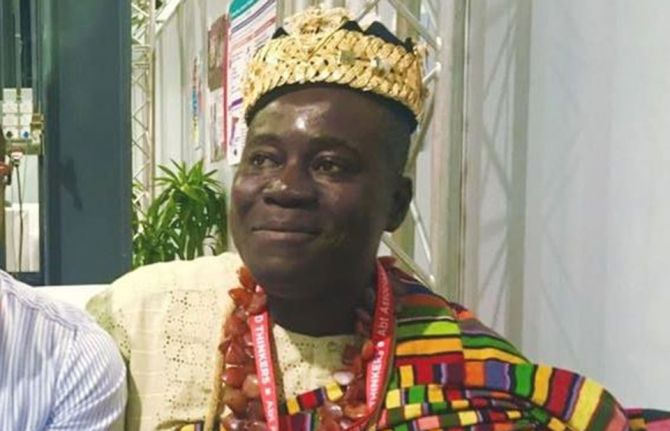
UNAIDS saddened by the death of Cyriaque Yapo Ako
22 July 2021
22 July 2021 22 July 2021By Brigitte Quenum, UNAIDS Country Director for Côte d’Ivoire
It is with great sadness that I learned on 15 July 2021 of the death of Cyriaque Yapo Ako, one of the pioneers in the response to HIV in Côte d’Ivoire and in Africa as a whole.
A founding member of Ruban Rouge CI in 1994, he never stopped promoting the role of communities in the response to HIV. The Executive Director of RIP+ in the 2000s, he then contributed his expertise to several organizations, including the International Treatment Preparedness Coalition, African Men for Sexual Health and Rights and I CHANGE CI, and collaborated with several partners, including UNAIDS, Population Services International, the United States President’s Emergency Plan for AIDS Relief and the United Nations Development Programme, as a resource person for technical assistance.
As a founding member of Arc-en-Ciel in 2003, the first nongovernmental organization for gay men and other men who have sex with men in the AIDS response in Côte d’Ivoire, he advocated for the need to create a safe space for sexual minorities in Africa, in particular in Côte d’Ivoire, where gay men and other men who have sex with men were commonly subject to stigma, discrimination and violence.
His dynamism and activist spirit enabled him to speak out on behalf of the most marginalized and neglected people in the AIDS response.
From 2004 to 2009, he was the representative of people living with HIV and sexual minorities on the Country Coordinating Mechanism Côte d’Ivoire, where he made a significant contribution to defending people-centred HIV responses in the development of HIV applications to the Global Fund to Fight AIDS, Tuberculosis and Malaria.
His participation in several international conferences contributed to the advocacy of the rights of people living with HIV and more broadly the rights of key populations. He defended his positions, notably through his participation in events such as the International Conference on AIDS and STIs in Africa (ICASA) in 2008 in Dakar, Senegal, ICASA 2011 in Addis Ababa, Ethiopia, ICASA 2013 in Cape Town, South Africa, and the 2016 International AIDS Society Conference in Durban, South Africa, with his contribution in the form of oral presentations and statements.
His passing is a great loss to all those involved in the AIDS response, especially those committed to defending the most vulnerable.
He was a friend, brother and colleague to many of us.
May his soul rest in peace.
Our work
Region/country
Related
Feature Story
Changing the landscape of community engagement in the HIV response in Indonesia
22 July 2021
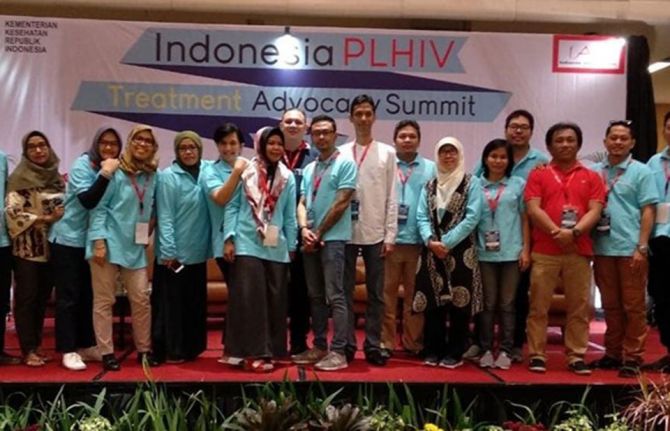
22 July 2021 22 July 2021“Communities must be allowed to sit in the driver’s seat and take control of their lives. They are not passengers that sit idle, but leaders capable of making changes,” said Aditya Wardhana, the Executive Director of the Indonesian AIDS Coalition (IAC). This is the motto that he lives by, a motto that drives the work of IAC and how communities and civil society are meaningfully engaged in the HIV response in Indonesia.
IAC is a community-led organization based in Jakarta and was recently appointed the second community Principal Recipient to implement the Global Fund to Fight AIDS, Tuberculosis and Malaria’s (Global Fund) grant for HIV in Indonesia for 2022–2023—a feat, since only a handful of community-based organizations nationally or regionally hold Global Fund Principal Recipient status.
“Often, communities are seen as beneficiaries of programmes or as patients, not as decision makers. The IAC has always strived to shake up this dynamic. We believe that being a Principal Recipient will give us greater control over the issues that impact our communities and will set the direction of the national HIV response that puts communities at the centre of it,” explained Mr Wardhana.
In Indonesia, there are still significant gaps in the HIV response. Treatment coverage is low, with only 26% of people living with HIV on treatment, prevention is still lagging and stigma and discrimination remains high. IAC has identified three priorities to improve the HIV response in Indonesia, which include recognizing community health workers as health workers, creating more sustainable financing to reduce reliance on external donors and reforming laws and policies that discriminate and lack redress mechanism for victims of discrimination.
Networks of people living with HIV deliver life-changing services to those most affected and provide support for adherence to treatment, prevention and other essential health services. The involvement of civil society has been crucial in successfully advocating for sustainable financial resources, improving HIV programming and advancing human rights.
Over the next couple of years, IAC will work on these priority issues with the support of civil society organizations, United Nations partners and other stakeholders. IAC will continue to manage the human rights and community system strengthening programme, supported by the Global Fund and the Ministry of Health. Community system strengthening and community-led monitoring are integral parts of the HIV response. The programme ensures that community-based organizations play an active role in monitoring access to services, community programme quality assurance and human rights violations.
Since the organization’s foundation, the UNAIDS Country Office for Indonesia has been an ally and key partner, supporting IAC throughout the Principal Recipient selection process. “We know how important the role of communities is at all levels of the HIV response. We will continue to support IAC by providing technical assistance and capacity-building, working in collaboration to promote the meaningful engagement of communities and civil society in the HIV response,” said Krittayawan Boonto, the UNAIDS Country Director for Indonesia.
IAC, with support from the United Nations Population Fund in Indonesia, will soon establish a peer-led HIV prevention programme for female sex workers, offering differentiated service delivery to increase the uptake of HIV prevention services. Through the programme, they will also empower communities through capacity-building initiatives to drive the greater involvement of civil society in decision-making, especially in forming policies that directly impact the health and well-being of communities and vulnerable populations. Moreover, IAC plans to integrate gender-based violence screening into its outreach programmes. A human rights-based approach is essential to ending AIDS as a public health threat. This approach will create an enabling environment for successful HIV responses and affirms the dignity of people living with or vulnerable to HIV.
IAC will be responsible for managing US$ 17 million to implement the above programmes, with eight organizations across Indonesia as subrecipients.
“We will dive deep into these challenges and hopefully change the landscape of the HIV response. We believe that a more participatory approach will re-energize communities and remind them why HIV is still important and how programmes designed by communities for communities can save lives. This is what we will work towards; this is how we will end AIDS by 2030,” said Mr Wardhana.
Our work
Region/country
Feature Story
An HIV vaccine: who needs it?
21 July 2021
21 July 2021 21 July 2021The participants of the International AIDS Society (IAS) Conference on HIV Science session on an HIV vaccine were welcomed by Lucy Stackpool-Moore, Director, HIV Programmes and Advocacy at the International AIDS Society, after which Susan Buchbinder, from the University of California, San Francisco, and the San Francisco Department of Public Health, made introductory remarks. Two recorded presentations were then shown, by Kevin De Cock and Gabriela Gomez, speaking, respectively, on the need for and role of an HIV vaccine and on modelling science around the requirements and impact of a putative vaccine.
UNAIDS’ Science Adviser, Peter Godfrey-Faussett, then moderated a lively panel discussion that included Yazdan Yazdanpanah, Kundai Chinyenze, Rachel Baggaley, Daisy Ouya, Jerome Singh and Paul Stoffels.
The first question was on whether a vaccine for HIV, if it arrived, would be too late in view of the other HIV prevention modalities available. The consensus was that a vaccine is still needed, especially in low- and middle-income countries and for key populations. The participants then discussed how good a vaccine would need to be. Relevant issues include efficacy and durability, but a priority is proof of concept of activity. The participants acknowledged that initial inconvenient dosing schedules are justified if it can be shown that a product is protective. Minimum efficacy probably needs to be in the region of 50–60% for products to be taken forward.
The discussion also covered engagement by big pharma—Johnson & Johnson is currently the major company pursuing HIV vaccine research, in conjunction with diverse governmental, nongovernmental and clinical partners. It was emphasized that people and individual motivations drive the science, both for HIV prevention and treatment.
Inevitably, the comparison of vaccine development for COVID-19 and HIV came up. The panellists emphasized, however, that the reasons for a lack of success so far in HIV was largely related to the complex nature of HIV itself.
The discussion ended on a note of realistic optimism, with acknowledgment of the benefits of scientific investment in HIV vaccine research to date, including for COVID-19, but with recognition that long-term commitment is still required. The results of the two ongoing phase three trials (Imbokodo and Mosaico) are eagerly awaited.
Quotes
“A vaccine would not be too late; it would be key to getting back on track.”
“For a comparison group in a phase three trial, the “standard of prevention” is a key question.”
“A world without HIV needs a vaccine.”
“We need advocacy for vaccine research in a changing prevention landscape.”