Feature Story
Education Plus—gender justice for adolescent girls and young women in Africa
19 March 2021
19 March 2021 19 March 2021“For a moment, imagine with me. Imagine finding out that you acquired HIV from a boy who did not even know that he was positive and wouldn’t believe that you contracted it from him,” Akosua Agyepong, a youth leader from Ghana, said at a virtual event with key partners of a new flagship initiative, Education Plus.
Ms Agyepong shared her friend’s journey, an 18-year-old struggling to study, access treatment and beat the discrimination that young people living with HIV all too often face in homes, schools, health systems and the community.
This experience, though, is not something of the past. In sub-Saharan Africa every week, an estimated 4500 adolescent girls and young women between the ages of 15 and 24 years acquire HIV, an epidemic that is fuelled by gender injustices and violence. Five in six new HIV infections among adolescents are among girls. Sub-Saharan Africa is also the region with the highest rates of child marriage and teenage pregnancy.
At the event, the UNAIDS Executive Director, Winnie Byanyima, while introducing Education Plus, a new game-changing initiative set up in response to those realities, made worse by the COVID-19 pandemic, implored the audience to reflect on those facts.
“Education Plus brings together governments to demonstrate leadership to make commitments to roll out secondary education that is free and calls on financial institutions and donor countries to support the leadership of African governments. It brings together girls’ movements, women’s movements, human rights movements, all those who care about the human rights of girls and the right to equal opportunity,” Ms Byanyima said.
“This situation is not inevitable. It can change, and it has been changing. We need leadership; we need solidarity; we need partnerships to change it,” she added.
Education Plus—led by the heads of UNAIDS, the United Nations Educational, Scientific and Cultural Organization, the United Nations Population Fund, the United Nations Children’s Fund and UN Women—calls for multisectoral commitments to ensure free quality secondary schooling for all girls and boys. It calls for guaranteed violence-free environments, access to comprehensive sexuality education, the fulfilment of sexual and reproductive health and rights and securing the economic empowerment of young women through successful school-to-work transitions.
Ministers of gender, education and health from African countries echoed the importance of the holistic approach of Education Plus, as did representatives of key partner institutions, including the African Union Commission, the African Development Bank, the European Union and the Global Partnership for Education.
Khumbize Kandodo-Chiponda, the Minister of Health of Malawi, drew from her life experience, calling Education Plus a timely intervention. “It is very close to my heart because I was 16 years old when I got pregnant. So, I can put myself in the shoes of our girls, especially in rural areas. I was lucky that I had an opportunity to go back to school, and indeed stayed in school, graduated up to college,” she said. “Many of our young girls lack the same opportunity. So, I’m very happy about the Education Plus initiative.”
Valentine Uwamariya, Rwanda’s Minister of Education, said that secondary education shouldn’t be a luxury. “To end the threat to the well-being of adolescent girls, including to protect them against HIV, completion of secondary education is key and quality of education means integrating comprehensive sexuality education, as Rwanda has done in the new competency-based curriculum.”
“Every girl deserves the right to an education that is not only inclusive but affordable, available and accessible, as well without fear of judgement and disrespectful treatment, so girls let’s power up!” said Hazel Jojo, a peer educator from Zimbabwe.
Vanessa Moungar, the Director of Gender, Women & Civil Society at the African Development Bank, called for smart investments. “We need to keep working with our governments so that investing in girls’ education is as much a priority as building roads and bridges.”
“We need more of these targeted interventions that tackle the root causes of gender inequality and have a direct pay-off,” said Franz Fayot, the Minister for Development Cooperation of Luxembourg. Véronique Tognifodé Mewanou, Benin’s Minister of Social Affairs and Microfinance and Chair of the African Union Specialized Technical Committee on Gender Equality, pledged support for the initiative.
In line with the initiative’s emphasis on placing the leadership of young women at the centre, the event was moderated by two young leaders, Jennifer Kayombo, from the United Republic of Tanzania, and Lorence Kabasele, from the Democratic Republic of the Congo. The event was hosted by the Governments of Benin and Luxembourg on 17 March and was held on the sidelines of the 65th session of the United Nations Commission on the Status of Women.
Among key backers of the initiative were Pauline Nalova Lyonga Egbe, Minister of Secondary Education, Cameroon, Sarah Mbi Enow Anyang, African Union Commissioner of Education, Science and Technology, and Innovation, Henriette Geiger, Director, Directorate on Human Development, Migration, Governance and Peace at the European Commission, and Alice Albright, the Chief Executive Officer of the Global Partnership for Education.
Education Plus—a chance to fully seize the transformative power of investing in adolescent girls and young women—will be launched during the Generation Equality Forum in Paris, France.
Learn more
Related
 Government ensures continuity of treatment in Malawi
10 February 2025
Feature Story
Digital HIV education for Jamaican young people during COVID-19 and beyond
22 March 2021
22 March 2021 22 March 2021Since school doors closed last March due to COVID-19, the majority of Jamaican students are still receiving tuition exclusively online. Social media and messaging services are more relevant than ever as a channel to share knowledge and resources with young people, as well as to receive their feedback.
The United Nations Children’s Fund (UNICEF) U-Report is an innovative message-based tool designed to engage with young people, provide them with information and give them an opportunity to weigh in on issues of national importance. Jamaica became the first Caribbean country to launch U-Report, joining a global movement of more than 5 million U-Reporters. UNAIDS Jamaica recently collaborated with UNICEF to find out what young people know, or don’t, about HIV. The 10-question quiz also provided correct information to the participants.
Almost 2000 young people responded to the survey, with just 214 achieving a perfect score. The quiz pointed to some worrying gaps in knowledge relating to both HIV basics and access to information on HIV prevention. One in 10 respondents mistakenly thought HIV could be transmitted by mosquitoes, for example. Almost one in three were not aware of the local solution for delivering school-based sex education, the Health and Family Life curriculum.
The results of the survey corroborate Jamaica’s most recent Knowledge, Attitude and Behaviour (KAB) survey results and demonstrate that there are still glaring HIV knowledge gaps among young people. The survey revealed that only 33% of young people between the ages of 15 and 24 years correctly identified the ways in which HIV can be transmitted. This was a 6% decline in knowledge levels as compared to the 2012 KAB survey. The 2017 study also found that 40% of respondents with multiple partners did not use a condom during their last sexual encounter.
“The results of the HIV U-Report quiz have reinforced the need for efforts to be made to address the decline in knowledge on information on HIV among young people in Jamaica,” said the UNAIDS Country Director for Jamaica, Manoela Manova. “Particularly in the context of COVID-19, it is critical that we innovate to ensure that this messaging and engagement takes place on digital platforms and with a view to ensuring that no child or young person is left behind.”
The U-Report social messaging tool has proved to be a quick and useful way to gather information that can be used to inform programmes and plans focusing on young people in Jamaica. UNICEF Jamaica has supported innovations to ensure that children and young people have access to education and support during COVID-19, including tele-mental health services, virtual instruction training for teachers and strategies to close the digital divide.
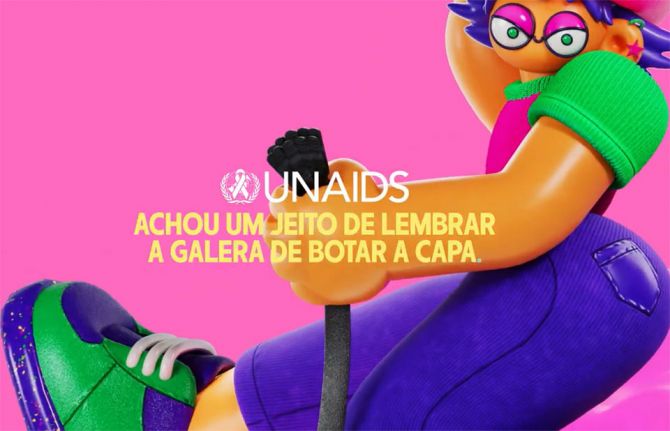
During COVID-19, virtual dialogues and behaviour change communication have been scaled up. A UNICEF-supported initiative aims to address the gaps in HIV and sexual and reproductive health knowledge for young people in Jamaica. The National Family Planning Board’s Adolescent Sexual and Reproductive Health Campaign focuses on teen health, including targeting sexually active teenagers with messages on condom use and dispelling myths about HIV transmission. The campaign disseminates sexual and reproductive health/HIV information through social media and uses animated characters to reach adolescents. The campaign also speaks about the benefits of abstinence and birth control.
Our work
Region/country
Related

Feature Story
UNAIDS works with partners to support the COVID-19 recovery for vulnerable people in Indonesia
26 March 2021
26 March 2021 26 March 2021Many people have been able to work from home during the COVID-19 pandemic and continue to be paid, but low-income workers often haven’t had that opportunity.
In Indonesia, the latest labour force survey results show that 29 million workers have been affected by the pandemic, with 24 million workers suffering from cuts in hours of work and income. Average wages were depressed by 5.2% between 2019 and 2020. Surveys conducted by the Indonesia AIDS Coalition show that the situation is similar for people living with HIV and key populations—more than 80% of 529 respondents had experienced a reduction or loss of income due to the pandemic.
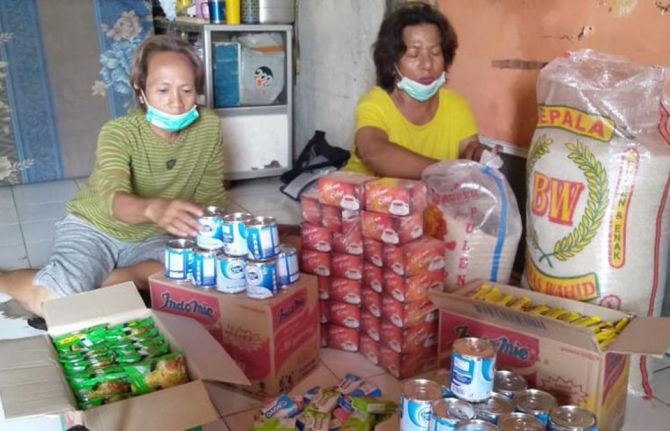
To address the rising income inequality, the United Nations allocated a US$ 1.7 million funding package to bolster the economic empowerment of women and vulnerable populations in Indonesia and to help protect their livelihoods from the devastating socioeconomic fallout of the COVID-19 pandemic. In 2020, the UNAIDS Country Office for Indonesia worked with the International Labour Organization, the United Nations Development Programme and the Office of the United Nations High Commissioner for Refugees to mobilize the funding.
A joint project launched earlier this month will directly benefit and empower vulnerable groups, including women, people living with HIV, key populations, refugees, migrant workers and people in disadvantaged regions.
The one-year project offers support through training on entrepreneurship and business development and facilitates access to skills development and jobs. UNAIDS will work closely with civil society organizations to identify the beneficiaries and ensure that people living with HIV and transgender people and other key populations are among the approximately 3650 people to be supported by the project.
The Indonesia Positive Network is among the organizations that will be involved in the project. Meirinda Sebayang, the National Coordinator of the Indonesia Positive Network, appreciates the support of the project. “COVID-19 has amplified existing disparities, especially for the livelihoods of people living with HIV and key populations in Indonesia. In this difficult time, we learned that it is important to build trust and strong collaboration between communities, government, health services and United Nations partners, not only to ensure that essential services remain available but to ensure that our community is not left behind in the response and recovery from the socioeconomic impact of COVID-19,” she said.
The project also includes advocacy for policies that promote inclusion and respond to discrimination in the government, the private sector and trade unions. Through this sensitization and advocacy work, these sectors will be required to protect vulnerable groups from discrimination and exclusion from the job market, even beyond the COVID-19 recovery.
One year into the pandemic, it is crucial that United Nations agencies join forces to support vulnerable groups, which have been disproportionately impacted by COVID-19, in the recovery process.
“Many key populations affected by HIV work in informal settings and were seriously hit by the pandemic. While we may not be able to respond to every single need of the community, we aim to provide an example of how to support vulnerable communities in these stressful and critical times. We believe that through this project many people will receive the direct support and opportunities that are vital for the recovery of their livelihoods,” said Krittayawan Boonto, the UNAIDS Country Director for Indonesia.
Our work
Region/country
Feature Story
Positive Women with Disabilities in Uganda puts people at the centre during COVID-19 pandemic
29 March 2021
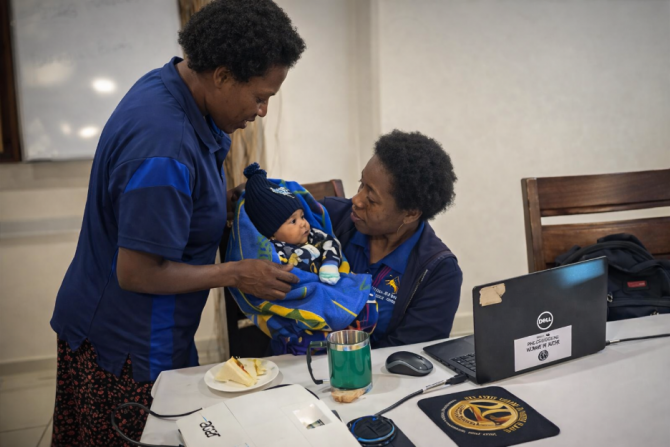
29 March 2021 29 March 2021The World Health Organization estimates that, globally, more than 1 billion people (15% of the world’s population) have a disability. Disability is increasing in prevalence due to ageing populations, trauma, accidents and chronic health conditions, including HIV, tuberculosis (TB) and COVID-19.
Persistent discrimination against and exclusion of people with disabilities, in particular women and girls with disabilities, increases their vulnerability, including their risk of HIV infection. People with disabilities, in particular women and girls with disabilities, also experience barriers to accessing HIV services and are left behind in HIV policy-planning, programme development, service delivery and data collection.
People with disabilities face stigma and discrimination in families and communities, lack transport to health-care facilities and are faced with poor attitudes of health workers while seeking health care.
Since 2004, the AIDS Service Organization (TASO), based in the Mulago Hospital Complex in Kampala, Uganda, has attempted to reach out to people with disabilities. However, it has had limited success due to the complexities of community-based care.
In 2016, in response to these challenges, Positive Women with Disabilities (POWODU) was formed out of TASO to pay special attention to people with disabilities living with HIV in order to reduce AIDS- and TB-related deaths, stigma and discrimination and to promote sexual and reproductive health and rights.
POWODU is headed by Betty Kwagala, a formidable advocate, trainer and woman living with HIV who has 25 years’ experience serving as a counsellor at TASO Mulago. Ms Kwagala is a respected and well-known figure in the community, who has uplifted the lives of many people living with HIV in Uganda.
POWODU, in partnership with TASO Mulago, reaches out to people with disabilities in the urban districts of Kampala, Wakiso and Mukono. According to TASO’s client register, there are more than 13 000 people with disabilities in Kampala and Wakiso enrolled into HIV care. Seventy per cent are women and the majority are homeless.
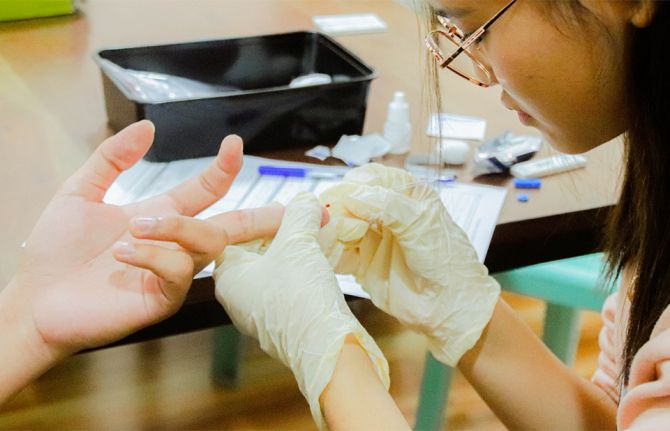
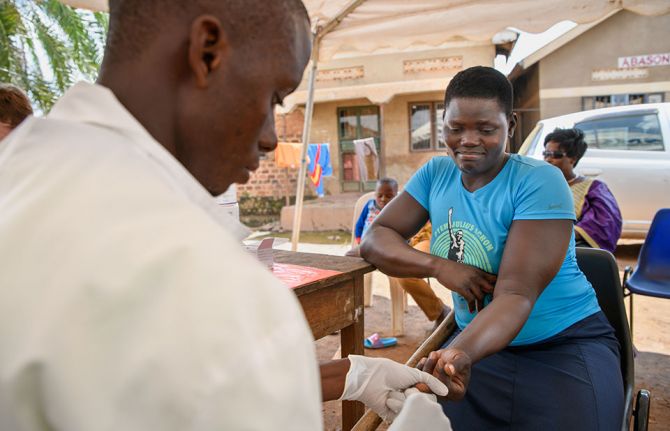
HIV testing and TB screening are integrated into every POWODU community outreach. “The services are always offered near to where people with disabilities reside because of mobility and transport challenges,” says Ms Kwagala.
If a client tests positive for HIV, POWODU offers immediate initiation of HIV treatment, as per the Ministry of Health guidelines. If a sputum TB test is positive, POWODU will refer the case to the main laboratory for further investigation and proper management. POWODU will then follow up, and, with the support of a TB focal person, arrange pick up for the client in a TASO van to escort him or her to receive the appropriate health service.
Other services offered on site by POWODU include sensitization on adherence to both HIV and TB treatment, prevention of HIV, TB and COVID-19 and accurate information on sexual and reproductive health and rights among people with disabilities.
“The COVID-19 pandemic has led to clients who have been lost to follow-up because they are homeless or reside in informal settlements. The lockdown caused more challenges, such as lack of food and a significant disruption to the usual activities that give them some income, such as begging,” says Ms Kwagala.
During the COVID-19 lockdown, UNAIDS supported 200 people with disabilities living with HIV with food rations, personal protective equipment and personal hygiene kits. It also supported a project to equip 40 people with disabilities with skills on how to identify income-generating activities. They were provided with popcorn-making machines and groundnut grinders.
TASO members were provided with megaphones and sensitized members of their communities on HIV, TB, COVID-19, sexual and reproductive health and gender-based violence.
“POWUDU and TASO have shown remarkable resilience by putting people at the centre during the COVID-19 pandemic by ensuring that people with disabilities living with HIV are safe and not left behind,” says Jotham Mubangizi, UNAIDS Country Director, a.i., for Uganda.
Our work
Region/country
Related
Feature Story
Drop-in centre for sex workers opened in Togo
24 March 2021
24 March 2021 24 March 2021After years, their wait is over. The Association des Femmes Amazones Zen (AFAZ) has opened a drop-in centre in Lomé, the capital of Togo, where female sex workers can find refuge and help.
Funded by the United States President’s Emergency Plan for AIDS Relief through the Ending AIDS in West Africa project implemented by FHI 360, the centre opened last October, providing HIV prevention and testing services, the treatment of sexually transmitted infections, care for people living with HIV and assistance to survivors of gender-based violence.
Honorine Têlé Mensah, the coordinator of AFAZ, said that such drop-in centres bring many benefits for the community. The centre provides people with a place where they can listen, receive information and training and meet and share with others. It is a place where they can feel safe and free from discrimination and stigma. “By helping women to speak out and feel confident, we help them set an example for the community. In this way, the centre has an impact on the entire community,” she said.
But she has encountered difficulties. “Some people don’t want to get tested, and we sometimes lack nutritional kits to assist people living with HIV to stay on treatment and items such as reagents for HIV testing. Restrictions due to the COVID-19 pandemic have not helped either.” According to her, funding should be reviewed and the provision of items such as nutritional kits should be taken into account.
“I would like all AFAZ members in Togo to be able to benefit from drop-in centres and care centres like in Lomé,” she said. In the future, she would like the centre to grow. “It would be great if members could benefit from training in entrepreneurship or income-generating activities,” she said.
“Drop-in centers are often the only places where sex workers can access health care, legal advice and other services. They also provide a safe space for sex workers to gather, document abuses and mobilize for their rights,” said Eric Verschueren, UNAIDS Country Director for Togo. “UNAIDS supports the opening of more across the country.”
Our work
Region/country
Feature Story
Drop-in centre provides a lifeline for sex workers in Ethiopia
24 March 2021
24 March 2021 24 March 2021Located in Bole sub-city, the Bole drop-in centre is one of 12 such centres established in Addis Ababa, Ethiopia, to provide community-based comprehensive HIV services. It provides critical services and support for clients, including female sex workers, and has been a lifeline during the COVID-19 outbreak.
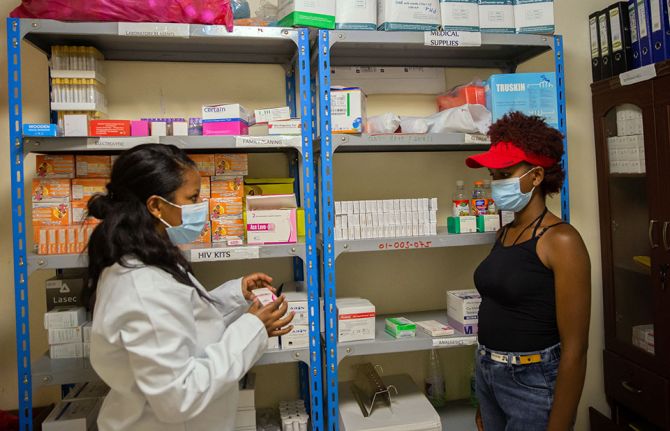
The centre offers a full range of integrated clinical services, including HIV testing and self-testing kits, the provision of oral pre-exposure prophylaxis (PrEP), antiretroviral therapy, the diagnosis and treatment of sexually transmitted infections, screening and referral for the treatment of tuberculosis, cervical cancer screening and treatment, and programmes to prevent and respond to gender-based violence, including access to post-exposure prophylaxis.
The drop-in centre is strategically located in one of the city’s hotspots to cater primarily for female sex workers and their children, young women and adolescent girls who are out of school, and men at higher risk of HIV infection.
It also offers consultations by mobile phone, with 31 cyber-educators trained to provide 15-minute counselling sessions with an accent on the prevention of both HIV and COVID-19. The programme has proved to be invaluable during the COVID-19 pandemic.
“I am truly inspired by the work being carried out at the Bole drop-in centre,” said UNAIDS Executive Director, Winnie Byanyima, when she met staff and clients during her recent visit to Ethiopia. “It is a great example of integrated community-led service delivery and is exactly the kind of programme that is key to ending AIDS as a public health threat by 2030.”
The centre is primarily funded by the United States President’s Emergency Plan for AIDS Relief, through the United States Agency for International Development, while UNAIDS has provided catalytic funding for the cyber-education programme, the promotion of PrEP among vulnerable groups of people and mental health counselling. This support will help to generate the uptake and continuation of needed services during the COVID-19 pandemic. Partners include Population Services International and a local nongovernmental organization called Integrated Service on Health and Development Organization.
As the measures taken to contain COVID-19 continue to bite, the Bole sub-city drop-in centre will remain a critical service for female sex workers and their families.
“During the COVID-19 lockdown, many sex workers found it difficult to work and the drop-in centre has been their only source of food,” said Sister Desta Franso, an antiretroviral provider and counsellor at the clinic.
Up to 20 female sex workers use the centre every day and around 140 women are receiving HIV medication. Treatment retention at around 94% is extremely high.
“I am so happy to be able to come here to get free medication and condoms,” says Mekdes Matiyos, a regular user of the clinic. “I can also just come to take a shower and rest whenever I need to, and I don’t have to pay.”
Our work
Region/country
Feature Story
In Your Hands: Caribbean partners call for HIV self-testing during COVID-19
17 March 2021
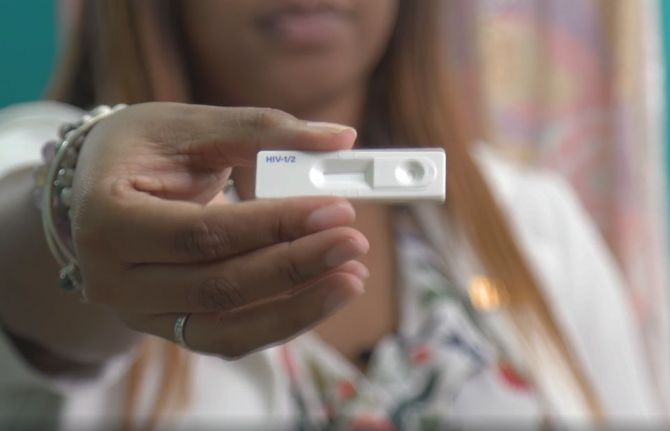
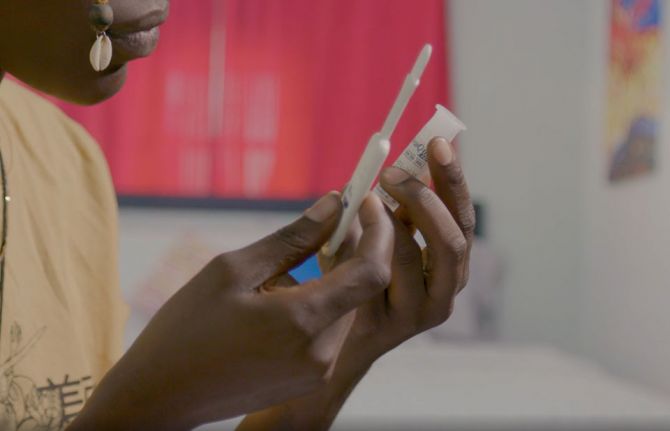
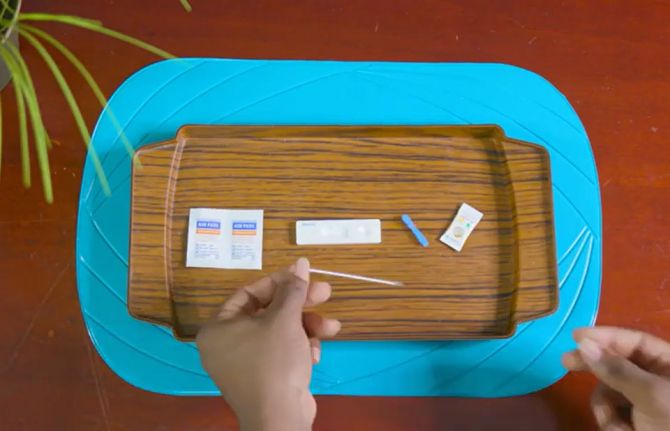
17 March 2021 17 March 2021Stakeholders of the Caribbean HIV response have launched the In Your Hands HIV self-testing campaign, which advocates for self-testing policies to be developed and implemented as part of a comprehensive strategy to ensure that HIV diagnosis does not decline during the COVID-19 pandemic.
Even before COVID-19, the Caribbean was not on track to achieve the 90% testing target due at the end of 2020. In 2019, 77% of all people living with HIV in the Caribbean knew their HIV status. A survey conducted by the Pan Caribbean Partnership against HIV and AIDS (PANCAP) and the Pan American Health Organization (PAHO) showed that during 2020 facility- and community-based HIV testing services were reduced in 69% of countries due to COVID-19.
“This decline means that people with undiagnosed HIV are not getting life-saving antiretroviral treatment and, of course, continue to be unaware of their HIV status, with the risk of potentially exposing others,” said Sandra Jones, PAHO’s Technical Advisor for HIV/STI, TB & Viral Hepatitis in the Caribbean.
“The COVID-19 pandemic has presented the opportunity for us to explore new and innovative approaches that are result-oriented,” Rosmond Adams, the PANCAP Director, said.
According to James Guwani, the Director of the UNAIDS Caribbean Sub-Regional Office, it is particularly important to increase testing uptake among men, who are more likely to be diagnosed late. In 2019, 85% of Caribbean women living with HIV were aware of their HIV status, compared to just 72% of men. There is also a need to increase testing coverage among members of key populations, who have reduced access to HIV services due to stigma and discrimination.
The World Health Organization recommends that HIV self-testing be offered as an additional approach to facility- and community-based services. Evidence shows that self-testing is safe and accurate and increases testing uptake among people who may not test otherwise.
Through the campaign, partners are advocating for national policies to include a communication package with information to link testers to HIV prevention and treatment services, as well as minimum standards for the procurement and distribution of HIV self-testing kits in the private and public sectors.
“We strongly believe that HIV self-testing can help close the gap on the first 90. It can be targeted to individuals not being reached by existing HIV testing services, particularly those populations with low testing coverage and at high risk of HIV. It’s not a replacement for all testing services, but it should be included in the toolbox,” said Victoria Nibarger, the Caribbean Regional Programme Coordinator for the United States President’s Emergency Plan for AIDS Relief (PEPFAR).
Under a Global Fund to Fight AIDS, Tuberculosis and Malaria project for the region, work is under way to conduct a verification and feasibility assessment for the introduction of HIV self-testing across countries. Already Guyana has announced plans to roll out HIV self-testing this year, while several countries have either made a commitment to develop policies or are now in the process of doing so.
UNAIDS is helping to coordinate the campaign in the Caribbean, with a focus on supporting a knowledge management strategy that ensures all stakeholders have the information, messages and tools they need to successfully lobby at the national level. A key priority is ensuring civil society engagement and addressing community concerns about how self-testing policies will be implemented.
While representatives of communities of people living with HIV and key populations endorsed the call for HIV self-testing, they have advised that increased investments are needed in post-test counselling and adherence counselling for the entire HIV response.
Deneen Moore, a Caribbean representative of the International Community of Positive Women, said, “We need to improve peer navigation so that when people test positive they have someone there to help them. We also need more social contracting so that civil society organizations can help reach people who test positive. There is definitely a need for us to be involved in the process.”
The advocacy initiative is jointly endorsed by UNAIDS, PAHO, PANCAP, PEPFAR and the Caribbean Med Labs Foundation.
Feature Story
UNAIDS renews partnership with the African Union for a stronger and more resilient AIDS response in Africa
17 March 2021
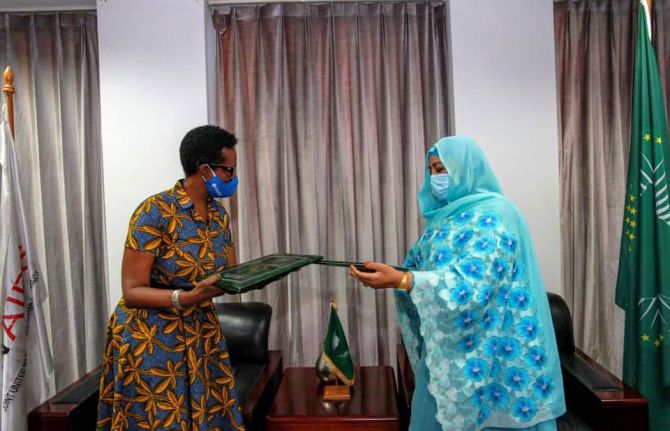
17 March 2021 17 March 2021UNAIDS and the African Union have signed a new memorandum of understanding (MoU) to reinforce their partnership and to recommit member states to end AIDS through the Catalytic Framework to End AIDS, TB and Eliminate Malaria in Africa by 2030.
The MoU commits partners to work towards addressing the socioeconomic and political impact of HIV in Africa and accelerate the goal of reaching universal health coverage to take AIDS out of isolation. It will pave the way for more resilient, agile and inclusive health systems in Africa.
“The renewed MoU between the African Union and UNAIDS opens new windows of cooperation and new opportunities for ending AIDS in Africa. We need to deliver on this promise—it is doable,” said Amira Elfadil Mohammed Elfadil, Commissioner for the Department of Health, Humanitarian Affairs and Social Development, at the signing ceremony.
The Department of Health, Humanitarian Affairs and Social Development, formerly known as the Department of Social Affairs, will coordinate African Union Commission departments and organs to ensure that HIV remains a continental priority and is integrated into the broader development, human rights, humanitarian and peace and security agenda of the African Union.
“I am delighted to sign the renewed MoU with the African Union,” said UNAIDS Executive Director, Winnie Byanyima. “The African Union is one of UNAIDS’ most important partners. I look forward to reinforcing our relationship to put communities at the centre of the response to HIV, address other health challenges such as COVID-19 and reduce inequalities that increase people’s vulnerability.”
This year is a pivotal year as United Nations Member States are expected to recommit to the HIV response with the adoption of a new political declaration in June. The partnership agreement with the African Union is being signed as the continent grapples with overburdened and insufficiently financed health systems in the face of the COVID-19 pandemic.
Region/country
- West and Central Africa
- Benin
- Burkina Faso
- Burundi
- Cameroon
- Cape Verde
- Central African Republic
- Chad
- Congo
- Côte d'Ivoire
- Democratic Republic of the Congo
- Equatorial Guinea
- Gabon
- Gambia
- Ghana
- Guinea-Bissau
- Guinea
- Liberia
- Mali
- Mauritania
- Niger
- Nigeria
- Sao Tome and Principe
- Senegal
- Sierra Leone
- Togo
- Middle East and North Africa
- Afghanistan
- Algeria
- Bahrain
- Djibouti
- Egypt
- Iraq
- Islamic Republic of Iran
- Jordan
- Kuwait
- Lebanon
- Libya
- Morocco
- Oman
- Qatar
- Saudi Arabia
- Somalia
- Sudan
- Syrian Arab Republic
- Tunisia
- United Arab Emirates
- Yemen
- Eastern and Southern Africa
- Angola
- Botswana
- Comoros
- Eritrea
- Ethiopia
- Kenya
- Lesotho
- Madagascar
- Malawi
- Mauritius
- Mozambique
- Namibia
- Rwanda
- Seychelles
- South Africa
- South Sudan
- Eswatini
- Uganda
- United Republic of Tanzania
- Zambia
- Zimbabwe


Feature Story
Stranded in Nepal without HIV medicine
15 March 2021
15 March 2021 15 March 2021Wang Tang (not his real name) had never been to Nepal before, but at the end of March 2020 it was one of the few countries that had not closed its borders with China. Since he was desperate to get away from Beijing after having had to stay at home for months after the coronavirus outbreak spread throughout China, he bought a ticket.
But days after he arrived, while he was staying in Pokhara, the fourth stop on his trip, the local government announced that the city would be shut down. He heard that the lockdown would not last longer than a month.
As someone who is living with HIV, he had brought along enough HIV treatment to last for a month. However, he soon learned that the re-opening of the city was to be postponed, which meant that he was at risk of running out of the medicine he needed to take regularly in order to suppress his HIV viral load and stay healthy.
Mr Wang swallowed hard while counting the remaining tablets. He had no idea how to get more.
As the lockdown dragged on, it seemed that no end was in sight. Mr Wang started to take his medicine every other day so that his supply would last a little bit longer.
He contacted his friends back at home, hoping that they could send medicine to Nepal, but they couldn’t. The country was under lockdown—nothing could be imported.
Then, Mr Wang contacted his friend Mu-Mu, the head of Beijing Red Pomegranate, a nongovernmental organization providing volunteer services for people living with HIV. It was with Mu-Mu’s help that Mr Wang learned how to obtain HIV treatment after he was diagnosed as living with HIV. Having known each other for many years, Mu-Mu had the trust of his friend. Mu-Mu contacted the UNAIDS Country Office for China to see if it was possible to deliver medicines to Mr Wang. A UNAIDS staff member quickly got in touch with the UNAIDS Country Office for Nepal.
Everything happened so quickly that Mr Wang was shocked when he received a message from Priti Acharya, who works for AHF Nepal and had been contacted by the UNAIDS Nepal office, saying that she would bring the medicine to him.
The next day, Ms Acharya rode her motorbike for 15 km on a dusty road before reaching the place where she would meet Mr Wang. When he came down from the mountains to meet her, Ms Acharya, drenched in sweat, was waiting under the midday sun.
“I was so happy and thankful for her hard work. She gave me a sunny Nepalese smile in return, as well as detailed instructions on the medicine’s dosage,” said Mr Wang.
They took a photograph together, then Mr Wang watched Ms Acharya as she left on her motorbike. Her image, disappearing in the distance, is carved into his memory. To attend the five-minute meeting, Ms Acharya had to ride a round trip of more than 30 km.
“For half a month or so, I had been suffering from pain and anxiety almost every day due to the lack of medication and the loneliness of being in a foreign country on my own. I could not believe that I got the HIV medicine in such a short time,” said Mr Wang. After the trip, he wrote to thank Ms Acharya, explaining how important the medicine he now had in his hand was: “it’s life-saving.”
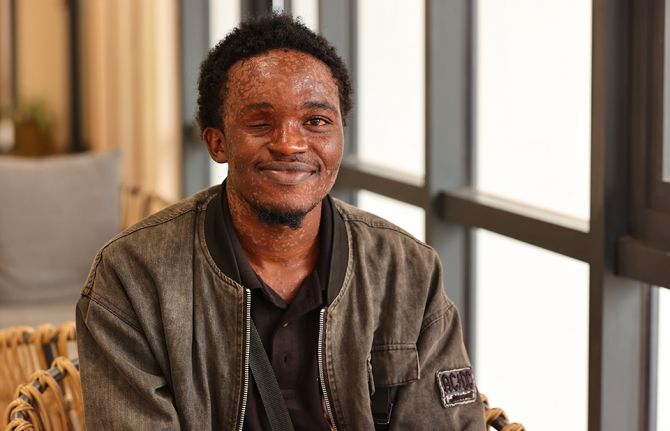
At the end of his stay in Nepal, Mr Wang wanted to do something for UNAIDS. As he is an experienced photographer, he volunteered to carry out a photo shoot for UNAIDS’ Nepal office.
The subject he chose was former soccer player Gopal Shrestha, the face of an HIV charity in Nepal and the first person living with HIV to reach the summit of Mount Everest. After his HIV diagnosis in 1994, Mr Shrestha launched the Step-Up Campaign and spent many years climbing mountains worldwide, hoping to give strength and hope to people living with HIV.
In 2019, Mr Shrestha reached the peak of the world’s highest mountain, Mount Everest, recording a historic breakthrough for people living with HIV. “If 28 000 people have already climbed Mount Everest, why can’t I?" he said. “By climbing the highest mountain in the world, I want to prove that we are no different from anyone else and that we can all make a difference.”
“The moment I saw him, I could tell he was a sophisticated man,” said Mr Wang. Without instructions, Mr Shrestha posed naturally in front of the camera. He displayed confidence and charm. His eyes, content and clear, reflected nature’s beauty. “The eyes surely are the window to the soul,” Mr Wang said.
Mr Wang is looking forward to his next trip to Nepal. After the pandemic, Pokhara’s lakeside will be flooded with tourists, and he looks forward to seeing the mountain town bustling with people like it used to.
Our work
Feature Story
Addressing inequalities can decrease HIV prevalence
15 March 2021
15 March 2021 15 March 2021The gaps in HIV responses and resulting HIV infections and AIDS-related deaths lie upon faultlines of inequality.
Data from 46 countries in sub-Saharan Africa show a positive relationship between HIV prevalence and income disparity. After controlling for education, gender inequality and income per capita, a one-point increase in a country’s 20:20 ratio—which compares how much richer the top 20% of a given population is to the bottom 20% of that population—corresponds to a two-point increase in HIV prevalence.
HIV prevalence and income inequality, sub-Saharan African countries, 2019