Feature Story
Monitoring HIV/TB services in the Democratic Republic of the Congo
16 March 2021
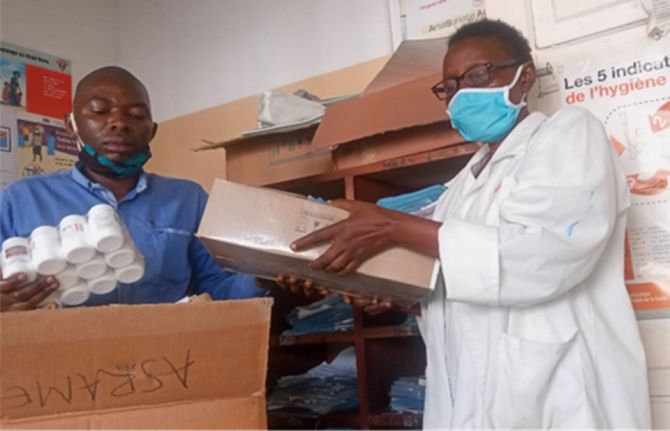
16 March 2021 16 March 2021UCOP+, the Congolese Union of Organizations of People Living with HIV, through funding and technical support from UNAIDS, set up the Observatory project, designed to collect and analyse data to guide action to improve the quality of HIV services.
“The Observatory, which looks at access to and the quality of HIV and HIV/tuberculosis services, is a community-based initiative. Its main objective is to help the government and civil society define and implement national policies in accordance with international norms and standards,” said Natalie Marini, Human Rights and Gender Adviser at the UNAIDS Country Office for the Democratic Republic of the Congo.
The Observatory was set up following repeated stock-outs of HIV and tuberculosis medicine, requests for payment for services that are supposed to be free, the persistence of stigma and discrimination and human rights violations and the long distances that people have to travel to access health care. Three areas are monitored monthly—the availability of services, the quality of care, including the availability of medicine, and accessibility of care.
The initiative shows the importance of collaboration between civil society, health services and donors in the HIV response and has led to an improvement in HIV/tuberculosis services in health facilities. “The Observatory is an indispensable tool that gives us the first clues about supply,” said Aimé Mboyo, director for the National AIDS Control Programme. “It helps us enormously.” The data from the Observatory complements the data of the National Health Information System (SNIS).
Since its launch in 2013, the Observatory has contributed to reducing the cost of access to health care in some health facilities and has anticipated stock-outs and helped to reduce their frequency. The Observatory has also reduced self-stigma by valuing the people who use the services and putting them at the heart of the system. “Before, I didn’t have anything to say about the care offered to me,” said Joséphine Ntumba (not her real name), who is living with HIV. “Now I can give my opinion and make a difference.”
The concept of a “community observatory” has been shown to be a success and is now integrated in the concept note for the Democratic Republic of the Congo of the Global Fund to Fight AIDS, Tuberculosis and Malaria. However, there is still a long way to go—only three out of 23 provincial health departments are covered.
Our work
Region/country

Feature Story
Global Partnership members commemorate Zero Discrimination Day around the world
17 March 2021
17 March 2021 17 March 2021On Zero Discrimination Day this year, governments, civil society organizations and communities highlighted the urgent need to take action to end the inequalities that continue to persist around the world.
Among them were several countries and partners of the Global Partnership for Action to Eliminate all Forms of HIV-Related Stigma and Discrimination (Global Partnership) that commemorated the day by organizing webinars, launching initiatives to accelerate the implementation of commitments to end HIV-related stigma and discrimination or raising awareness about the imperative need to achieve dignity for all.
At the global level, the Global Network of People Living with HIV (GNP+) launched #MoreThan, a global online campaign to celebrate and showcase the diversity of the lives, achievements, interests and dreams of people living with and affected by HIV. And UNAIDS, the United States President’s Emergency Plan for AIDS Relief and the Global Fund to Fight AIDS, Tuberculosis and Malaria organized a webinar to showcase the potential of evidence-informed programmes as well as community-led responses to end HIV-related stigma and discrimination. The event used best practices from countries as diverse as the Democratic Republic of the Congo, Jamaica and Ukraine.
At the country and regional levels, Zero Discrimination Day was marked by a number of initiatives. For example, in western and central Africa, Senegalese artist Coumba Gawlo launched a single to raise awareness of and promote action to respond to HIV in the region, together with fellow artists Wally Seck (Senegal), Djelly Mady Kouyate (Gambia) and Nestor Lendjy (Guinea Bissau).
In Senegal, the Network of People Living with HIV (RNP+) held a dialogue to raise awareness on the impact of HIV-related stigma on women and girls. The dialogue brought together people living with HIV and representatives of women’s movements, key populations, human rights advocates, policymakers and health service providers. The outcomes of the dialogue will be used to inform the advocacy strategy that RNP+ will develop on human rights and gender issues to better respond to the expectations of its members and communities affected by HIV.
Evidence shows that in Senegal women living with HIV face obstacles in accessing reproductive health services, that sex workers face high levels of stigma in health-care settings and that the economic and social vulnerability of women living with HIV is not sufficiently considered in HIV programming. “Discrimination continues to affect women and girls and this is the reason why they are often excluded from the labour market, are isolated in their communities or experience stigma in health centres. Key populations are also historically the target of discrimination in Senegal,” said Soukèye Ndiaye, President of RNP+.
In Côte d’Ivoire, UNAIDS, in collaboration with the Programme National de Lutte contre le Sida, the Alliance Côte d’Ivoire, Enda Santé Côte d’Ivoire and Ligue Ivoirienne des Droits de l’Homme, presented the Global Partnership and its added value to representatives of the Ministry of Health and the Ministry of justice, as well as to civil society partners. The meeting led to a report that will inform Côte d’Ivoire’s strategy to eliminate stigma and discrimination.
In the Central African Republic, which was the first country to join the Global Partnership, the Minister of Health and Population, Pierre Somse, above, issued a declaration recalling the government’s commitment to non-discrimination and equality. “It is only by addressing inequalities that we can achieve the Sustainable Development Goals, including those related to well-being and health for all,” said Mr Somse.
Other events in the Central African Republic included a civil society consultation to identify priorities for eliminating stigma and discrimination and a round-table discussion on a radio show to highlight that stigma and discrimination is a barrier to people taking up HIV prevention, treatment, care and support services. Dedicated trainings on the National Charter for Quality of Care and Patients’ Rights took place for medical staff in two major health-care centres in Bangui. In the Central African Republic, more than 80% of people living with HIV in the country have reported experiencing discrimination or stigma.
In the Islamic Republic of Iran, the country’s new anti-discrimination regulation was disseminated on social media to mark Zero Discrimination Day. In Thailand, UNAIDS, the Ministry of Foreign Affairs and the Ministry of Public Health cosponsored a panel discussion on the Global Partnership to showcase the power of governments, civil society and the United Nations to tackle HIV-related stigma and discrimination in Asia and the Pacific. And in the Republic of Moldova, an updated road map was developed to address the remaining barriers related to stigma and discrimination, gender mainstreaming and equality, considering the commitments made under the National AIDS Program and the Global Partnership.
Finally, on the eve of Zero Discrimination Day, Kazakhstan officially joined the Global Partnership. For Baurzhan Baiserkin, the Director of the Kazakh Scientific Center for Dermatology and Infectious Diseases of the Ministry of Health of Kazakhstan, the initiative will make a positive difference for people living with HIV, prisoners, migrants and other key populations.
“Kazakhstan supports the Global Partnership initiative to eliminate all forms of HIV-related stigma and discrimination. I am confident that it will help to achieve the Sustainable Development Goals,” said Mr Baiserkin.
The Global Partnership for Action to Eliminate All Forms of HIV-Related Stigma and Discrimination is an initiative whose goal is to catalyse and accelerate the implementation of commitments made to end HIV-related stigma and discrimination by United Nations Member States, United Nations agencies, bilateral and international donors, nongovernmental organizations and communities.
Feature Story
Towards 10–10–10 in eastern Europe and central Asia
15 March 2021
15 March 2021 15 March 2021The recent regional launch of the global AIDS report 2020, Prevailing against pandemics by putting people at the centre, in eastern Europe and central Asia provided a platform for the proposal of a joint revision of social and legal enablers in the region to achieve the proposed 2025 targets. UNAIDS Cosponsors, governments and civil society partners presented their views on the issue and the joint action to be taken.
Based on the regional data, the 90–90–90 treatment cascade in the region is far off the targets, having reached only 70–44–41. Lev Zohrabyan, the UNAIDS Strategic Information Adviser for Eastern Europe and Central Asia, noted that one of the reasons for this is late diagnosis: in 2019, 53% of all new HIV cases in the region were registered in the later stages. In his opinion, it shows that testing strategies need revision and require enabling societal conditions.
Societal and service enablers have been given prominence in the proposed 2025 targets; in particular, it is outlined in the 10–10–10 targets that:
- Less than 10% of countries have punitive legal and policy environments that deny access to justice.
- Less than 10% of people living with HIV and key populations experience stigma and discrimination.
- Less than 10% of women, girls, people living with HIV and key populations experience gender inequality and violence.
Achieving these goals includes having enabling laws, policies and public education campaigns that dispel the stigma and discrimination that still surrounds HIV, empower women and girls to claim their sexual and reproductive health and rights and end the marginalization of people at higher risk of HIV infection.
“Interventions in these areas create conditions for people to be more active in HIV testing, seek help and start antiretroviral therapy immediately upon diagnosis, adhere to a treatment regimen or proactively seek HIV prevention services, including pre-exposure prophylaxis,” said Mr Zohrabyan.
Rosemary Kumwenda, the Regional HIV/Health Team Leader at the United Nations Development Programme Istanbul Regional Hub, presented an analysis of the legislation in the eastern Europe and central Asia region on the criminalization of HIV and key populations, noting that the situation in the region remains unfavourable for an effective HIV response. The criminal codes have changed in many countries, but discriminatory laws are changing very slowly. Although many countries revisited their legislation regarding HIV exposure, HIV transmission is criminalized in virtually every country in the region. The Russian Federation and Belarus remain “leaders” in the criminalization of HIV and key populations. Criminal penalties for sex between adult men remain in Uzbekistan and Turkmenistan. The biggest challenge for the region, where more than 48% of new HIV cases are among people who inject drugs, is the criminalization of drug use and possession.
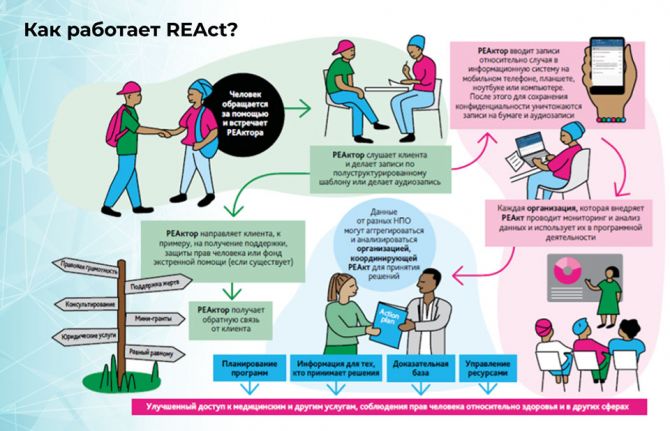
In the presentation An Inventory of Existing Tools for Creating a Favourable Social and Legal Environment in the Eastern Europe and Central Asia Region, given by Tatiana Deshko, the Director of the Department of International Programs, ICF Alliance for Public Health, Ukraine, the ReACT mechanism, which comprehensively works for the rights of key populations, was presented. ReACT (Rights, Evidence, Actions) is the programme’s principle for monitoring violations of rights and is being implemented in 37 cities in seven countries of the region with the support of the Global Fund to Fight AIDS, Tuberculosis and Malaria (Global Fund). Cases of rights violation are registered in a mobile application and then lawyers work with specific cases at the individual level or at the system level of revising legislation. Last year, about 2000 cases were registered. The analysis shows that law enforcement agencies are the primary violators of the rights of key populations in almost all countries, using threats, intimidation, illegal detention and abuse of authority. The health-care system, with denials of medical services, discrimination based on HIV status or disclosure of HIV status, is ranked after law enforcement. “Strategic analysis of cases based on the ReACT-collected data allows not only help for specific people to protect their rights but also formulating recommendations for revising legislation in countries,” said Ms Deshko.
As part of the discussion of the second 10, Alexandra Volgina, the Manager of the Global Partnership for Action to Eliminate All Forms of HIV-Related Stigma and Discrimination, Global Network of People Living with HIV, spoke about the People Living with HIV Stigma Index 2.0 study and the role of the Global Partnership for Action to Eliminate All Forms of HIV-Related Stigma and Discrimination.
Four countries of the region, Kazakhstan, Kyrgyzstan, the Republic of Moldova and Ukraine, have entered the Global Partnership for Action to Eliminate All Forms of HIV-Related Stigma and Discrimination. “If we compile the ReACT system, the Stigma Index and other instruments you’ll get a clear picture of what exactly needs to be done to make a difference. We need to address this issue jointly, all partners together. If we change the situation in the area of stigma and discrimination, we will be able to stop the epidemic,” said Ms Volgina.
An example of such an integrated approach, from data to policies and action, was shared by Evghenii A. Golosceapov, a member of the Equality Council in the Republic of Moldova, the first state institution in the post-Soviet countries dealing with discrimination against various groups.
As part of the Equality Council’s work, studies on the People Living with HIV Stigma Index were carried out, where, through public opinion polls and in-depth interviews, categories of people who are marginalized by society were determined. People living with HIV ranked the second among those categories, after lesbian, gay, bisexual, transgender and intersex people. The Equality Council also uses data from the People Living with HIV Stigma Index, the ReACT registration system and research on the legal environment on HIV.
On this comprehensive basis, more than 70 recommendations on practical steps in the field of legislative changes were developed. These data were used to develop a new national HIV programme and a country proposal to the Global Fund. In addition, the Equality Council considers specific cases of discrimination and complaints (e.g. dismissal due to HIV status) and supports civil society organizations in defending the rights in court. In recent years, the restriction on artificial insemination for people living with HIV has been lifted in the Republic of Moldova, as well as the ban on adoption and guardianship.
All the data collected shape the Roadmap for the Elimination of Discrimination, a government programme in which people living with HIV play a critical role. In the Republic of Moldova, the ScorCard system has also been launched, which allows real-time tracking of the implementation of recommendations and progress towards the adopted targets in reducing stigma and discrimination.
Regional gender gaps in the context of the HIV response were presented by Enkhtsetseg Miyegombo, a Programme Specialist at the UN Women Europe and Central Asia Regional Office.
According to her, the COVID-19 pandemic has largely erased progress in this area and exacerbated existing inequalities: lockdowns disproportionately affected the workload of women who do unpaid domestic work, reduced women’s economic opportunities due to job losses, limited their mobility and increased documented violence against women. These new circumstances were superimposed on existing problems—a lack of awareness about HIV, barriers to discussing safer sex with a partner, revival of patriarchal stereotypes, religious restrictions—as a result of which, women find themselves under growing pressure. Ms Miyegombo highlighted that investment in gender equality programmes is critical to the effectiveness of the regional HIV response.
A study conducted by the Eurasian Women’s Network on AIDS helped to identify the key characteristics of violence and the specifics of organizing assistance to victims of violence in 12 countries of the eastern Europe and central Asia region. The results of the study supplemented the available international data on violence and equipped national civil society organizations with real facts for political advocacy. Elena Rastokina, a specialist in advocacy and community mobilization from the Almaty Model of HIV Epidemic Control project in Kazakhstan, presented successful practices of community-based monitoring in the eastern Europe and central Asia region, concluding that this approach is important as it allows communities to know their rights and barriers and to have systematic data to advocate for systematic change.
Alexander Goliusov, the Director, a.i., of the UNAIDS Regional Support Team for Eastern Europe and Central Asia, stressed that the new 10–10–10 targets are addressing the inequalities that are fuelling the spread of HIV, COVID-19 and other pandemics. “Testing and treatment remain our priorities; however, now our fast track to them lies in combatting inequalities,” he said.
The recording of the launch in Russian and English, along with all presentations and materials, can be found here.
Region/country
- Eastern Europe and Central Asia
- Albania
- Armenia
- Azerbaijan
- Belarus
- Bosnia and Herzegovina
- Bulgaria
- Croatia
- Cyprus
- Czechia
- Estonia
- Georgia
- Hungary
- Kazakhstan
- Kyrgyzstan
- Latvia
- Lithuania
- Montenegro
- Poland
- Republic of Moldova
- Romania
- Russian Federation
- Serbia
- Slovakia
- Slovenia
- Tajikistan
- North Macedonia
- Türkiye
- Turkmenistan
- Ukraine
- Uzbekistan

Feature Story
Call for nominations of people living with HIV, key populations and other affected communities to join the multistakeholder task force for the high-level meeting on HIV
10 March 2021
10 March 2021 10 March 2021The United Nations General Assembly will hold its first high-level meeting on HIV since 2016 on 8–10 June 2021.
In the run-up to the meeting, before the end of April 2021, an interactive multistakeholder hearing will be held with the participation of communities and other stakeholders, who will also participate in other activities before and during the high-level meeting itself.
To ensure the involvement of civil society and ensure an open, transparent and participatory process, UNAIDS is forming, by the end of March, a multistakeholder task force comprised of representatives of civil society and the private sector. The task force will advise UNAIDS on the format, theme and programme of the multistakeholder hearing and will help to identify speakers for the hearing and high-level meeting plenary and panel discussions.
Different constituency networks are asked to use their own networks and selection processes to nominate people to be considered for the task force. UNAIDS and the Programme Coordinating Board nongovernmental organization delegation will select individuals for each of the categories of members:
- One representative openly living with HIV of networks of people living with HIV.
- One representative openly living with HIV of networks of women living with HIV.
- One representative openly living with HIV of networks of young people.
- One representative of each of the key populations (people who use drugs, sex workers, transgender people, gay men and other men who have sex with men, people in prison settings).
- One member of the UNAIDS Programme Coordinating Board nongovernmental organization delegation.
- A representative of a women’s organization, particularly working on sexual and reproductive health and rights.
- A representative of a young’s people organization, particularly working on sexual and reproductive health and rights.
- A representative of the private sector.
- A representative of a faith-based organization.
- A representative of networks or organizations of indigenous people.
- A representative of networks or organizations of people with disabilities.
- A representative of an organization working with tuberculosis and HIV.
“The engagement of people living with HIV, key populations and other priority communities is fundamental for the success of the high-level meeting. Communities have led the way in the HIV response since the beginning and know what is needed to make sure that all people everywhere have what they need to prevent new HIV infections and to ensure that people living with HIV can survive and thrive. The task force represents an important platform for participation in the preparatory phase for the meeting. As the task force is necessarily limited in size, we are particularly interested in nominations of people from networks, who are closely linked across their communities and across regions, to be able to bring a deep and broad perspective. Additional opportunities for people living with HIV, key populations and other affected groups to engage with be made available throughout the lead-up to the high-level meeting,” said Laurel Sprague, UNAIDS Chief/Special Advisor, Community Engagement.
Civil society networks and relevant stakeholders are asked to submit nominations here by 16 March 2021 at 18.00 CET. The call for nominations with detailed information can be accessed here.
Learn more
Submit nominations by 16 March 2021


Feature Story
Putting people at the centre brings good results in Nigeria
05 March 2021
05 March 2021 05 March 2021Nigeria has demonstrated that putting people at the centre of the AIDS response works in advancing HIV service delivery. The 2018 Nigeria HIV/AIDS Indicator and Impact Survey identified 10 states with HIV prevalence above 2%, nine of which had a significant unmet need for HIV treatment and were at risk of being left behind if no action was taken. These states were prioritized by the national AIDS response for concerted action with the help of the United States President’s Emergency Plan for AIDS Relief (PEPFAR) and the Global Fund to Fight AIDS, Tuberculosis and Malaria (Global Fund).
In 2020, while many countries experienced HIV service disruptions, the PEPFAR-supported HIV programme in Nigeria experienced significant growth and exceeded some targets.
“The achievements of Nigeria with PEPFAR and the Global Fund in 2020 have significantly moved the needle towards treatment saturation and advanced the hope of epidemic control and the end of AIDS in these states and the entire country,” said Osagie Ehanire, the Minister of Health of Nigeria.
PEPFAR’s leadership and implementing partners took quick action and fast-tracked their community engagement plans, utilizing existing community network machinery to ensure there were no disruptions in the delivery of HIV services.
“Thanks to PEPFAR and its implementing partners, Nigeria was able to ensure not just continuity of HIV services, but was able to expand the reach, despite the country being locked down due to COVID-19,” said Gambo Aliyu, Director-General of the National AIDS Coordination Agency. “A record 279 000 people living with HIV additionally were put on treatment during this period.”
PEPFAR, together with its implementing partners, developed a people-centred package of services that was informed by data, best practices and community intelligence. The package recognized that one size does not fit all and catered for the unique needs of the various populations served.
Existing community networks, including key population networks and social groups, were consulted to determine the best way to make sure that the services that people need were available to them in their homes, at social gatherings or through support groups—thus minimizing contact with facilities.
Community antiretroviral therapy teams (CART teams) went to hard-to-reach areas around the country as well as to areas effected by COVID-19 lockdowns. Programmes such as a minimum three-month provision of antiretroviral therapy and viral load services were provided at treatment pick-up areas, which not only helped community-led providers to ensure that people stayed on treatment but saw a record number of people living with HIV start on treatment. By the end of 2020, the majority of people on treatment were included in the multimonth dispensing programme, which had a large impact on HIV treatment retention and adherence.
Viral load samples were collected in the communities, sent to laboratories for analysis and the results were then sent to health-care facilities, from where people were notified—this had a positive impact on viral load coverage. Index testing was expanded through community networks, ensuring continuity and safety as well as improvements in testing and case finding.
Results were seen across the entire 90–90–90 cascade as follows:
- An increase in people on HIV treatment of more than 279 000 people living with HIV in 2020, with more than 131 000 people being initiated and retained in care during the fourth quarter alone. PEPFAR Nigeria showed excellent success, accelerating efforts to identify people living with HIV and link them to care, with quarter-on-quarter growth. The growth in people on HIV treatment saw an additional seven states moving towards treatment saturation since the initiation of the “surge” programme approach, where intervention efforts are dramatically scaled up. Key populations represented approximately 25% of this overall growth, as the number of people on treatment among most key populations tripled. Key populations also had a testing yield of more than 10%.
- Improvements in pre-exposure prophylaxis (PrEP) uptake, especially among key populations. The number of people newly initiated on PrEP rose from nearly 2000 in the third quarter of 2020 to nearly 23 000 in the fourth quarter.
- Scale-up of multimonth dispensing from 55% in the first quarter to 94% in the fourth quarter 2020 was a key factor in improved continuity of treatment.
- Improvement in viral load coverage (88%) and suppression (93%) by the third quarter, building on previous successes and maintaining those gains to approach the third 90 target in a little over six quarters.
- PEPFAR’s orphans and vulnerable children programme achieved and exceeded all targets set for the year, including more than a million orphans and vulnerable children served by PEPFAR Nigeria by the end of 2020. Additionally, 98% of those under the age of 18 years in the orphans and vulnerable children programme have a documented HIV status, and approximately 100% of those who tested HIV-positive started treatment.
These results could not have been achieved without the support of community-led organizations. “The Network of People Living with HIV/AIDS in Nigeria (NEPWHAN) wishes to thank PEPFAR for the continuous engagement of our members across the country in the provision of HIV services to people living with HIV,” said Ibrahim Abdulkadir, NEPWHAN National Coordinator. “This has increased retention in care and improved quality of life for people living with HIV, as well as viral suppression among people living with HIV on antiretroviral therapy.”
PEPFAR Nigeria has designed its approach so that it can be owned by the Nigerian people. The National Data Repository and the National Alignment Strategy are key building blocks of a long-term and sustainable public health and health services approach to ending the AIDS epidemic in the country.
“I am profoundly impressed by the progress that PEPFAR Nigeria has made, in collaboration with the Government of Nigeria, partners and allies, to identify, enrol and sustain so many Nigerian people living with HIV on life-saving treatment,” said Bill Paul, the Deputy Coordinator for Program Quality, Office of the United States Global AIDS Coordinator. “Their success in sustaining the effort despite the impact of COVID-19 would not have been possible without a supportive policy environment both in the government and in the United States embassy.”
Based on these accomplishments, Nigeria is well-positioned to accomplish the 95–95–95 targets well in advance of 2030.
At the end of 2020, progress on the 90–90–90 treatment targets was 73–89–78—that is, 73% of people living with HIV had been diagnosed, 89% of those diagnosed were accessing treatment and 78% of those accessing treatment were virally supressed.
The proposed new global AIDS strategy calls for putting people at the centre of the HIV response, empowering communities and closing the gap on inequalities. “Nigeria is poised to be the next HIV turnaround country, after South Africa. We have all the ingredients to make this happen and I commend PEPFAR for working with the government, communities and partners to show the world that this is the only way to end this pandemic, by working with the affected communities,” said Erasmus Morah, the UNAIDS Country Director for Nigeria.
Feature Story
Accelerating and expanding HIV services in the Central African Republic
11 March 2021
11 March 2021 11 March 2021The Central African Republic has made significant progress in its response to HIV over the past four years. New HIV infections continue to decline and the number of people on antiretroviral therapy has increased from less than 25 000 in 2016 to more than 47 000 in 2019.
Despite this progress, the Central African Republic remains far from the 90–90–90 targets. Less than half of the 100 000 people living with HIV in the country have access to treatment and the government estimates that less than 20% of people on treatment have an undetectable viral load. For those who are on treatment, the quality of care is insufficient. Recent studies reveal a very high rate of immunological and therapeutic failure among people living with HIV on treatment.
Various factors contribute to this situation, including hospital-based management, the unavailability of biological monitoring in rural areas, the lack of human and material resources in health facilities and laboratories and the absence of community-based approaches that promote treatment adherence and information. In addition to these system-related factors, since December 2020 the country has faced a resurgence of a political and security crisis, which makes access to treatment difficult.
There is a need to simplify and adapt the cascade of HIV-related services to take into account the preferences and expectations of different groups of people living with HIV while reducing unnecessary burdens on the health system. People-centred care is now the goal of the Central African Republic.
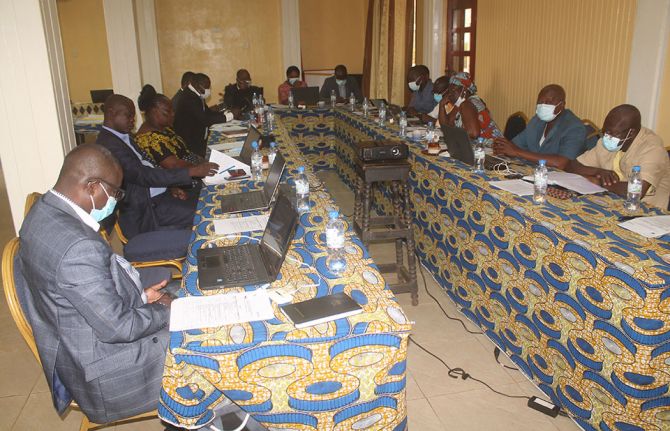
The Central African Republic aims to diversify, accelerate and generalize differentiated services. The Catalytic Initiative promoted by UNAIDS with the financial support of Luxembourg is helping the country to achieve this ambition. A first decisive step has been taken with the organization of a round-table discussion, entitled Catalytic Initiative on Differentiated HIV and Tuberculosis Services. The meeting brought together the Ministry of Health, the Comité National de Lutte contre le SIDA, civil society, people living with HIV, tuberculosis stakeholders, key populations, youth organizations, the United Nations, Médecins Sans Frontières and the French Red Cross.
The participants reviewed the existing pilot programmes of differentiated services in the country and the obstacles related to their implementation. They stressed the urgent need to expand differentiated services, particularly in the current context of the increasing insecurity and humanitarian challenges that make it difficult for people to access HIV and tuberculosis services.
“It is in the current context of the security crisis that the differentiated services approach is most valuable in the Central African Republic,” said Patrick Eba, UNAIDS Country Director for the Central African Republic.
The participants agreed on the activities to be implemented and validated the project implementation schedule to improve the quality of care and biological monitoring of people living with HIV and tuberculosis patients by stimulating the implementation of differentiated services.
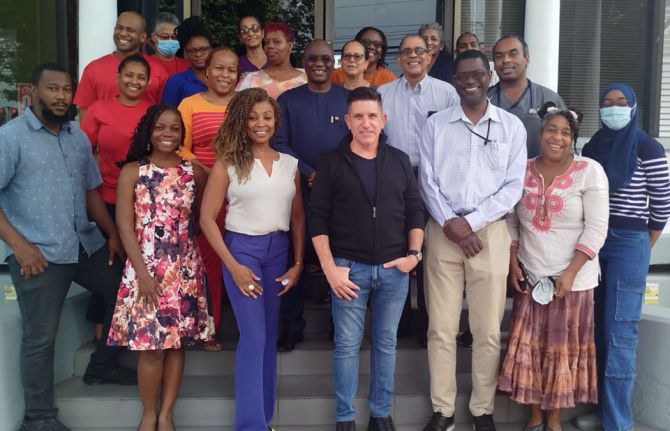
“I welcome this opportunity offered by UNAIDS to remove bottlenecks to improve the overall management of HIV,” said Marie-Charlotte Banthas Bata, the Director of Communicable Disease Control at the Ministry of Health and Population, Central African Republic, pictured above, centre.
“Community organizations must be at the centre of the implementation of differentiated approaches,” said Bienvenu Gazalima, the President of the National Network of Associations of People Living with HIV in the Central African Republic
The next key steps will be the documentation of existing differentiated approaches in the country and the development of a national guidance document for scaling them up.
Region/country
Feature Story
Children living with HIV lagging behind adults in access to treatment
08 March 2021
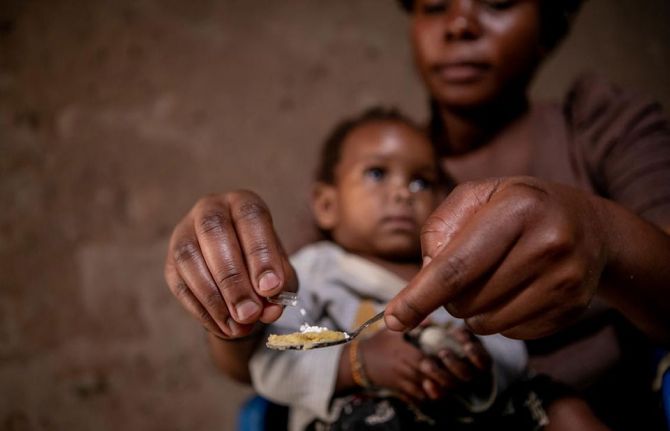
08 March 2021 08 March 2021Treatment coverage among children living with HIV lags behind adult treatment coverage in most of the sub-Saharan African countries with large HIV epidemics. Across all countries, treatment coverage among children living with HIV in 2019 was just 53% [36–64%], representing a global failure to provide life-sustaining care to 840 000 of the 1.8 million [1.3 million–2.2 million] children living with HIV.
As vertical infections decline, the proportion of children aged 5–14 years who are living with HIV has increased. Of the estimated 840 000 children living with HIV not on treatment in 2019, 560 000 of them were between the ages of 5 and 14 years. Efforts to find and treat these undiagnosed children living with HIV must be accelerated. One strategy is to ensure that children who have lost one or both parents to AIDS-related illnesses have been reached by integrating HIV testing services into programmes supporting orphans and other vulnerable children.
In addition, studies indicate that large proportions of people enrolled on HIV treatment have family members, including children, whose HIV status is unknown. Testing those family members through index testing that is rights-based and gender-sensitive can be an effective strategy for identifying older children living with HIV. Index family testing also improves timely linkages to care, with initiation rates of 42–96% reported in various studies. Such family-based approaches also enable parents and their children to access care jointly, which can improve retention.
Our work
Feature Story
Coalition working to end gender-based sexual violence in Democratic Republic of the Congo
09 March 2021
09 March 2021 09 March 2021The Democratic Republic of the Congo has been plagued by political instability since the 1990s and has seen widespread attacks against civilians, violence between ethnic factions, rape and other forms of sexual violence, and murder. Sexual violence against adolescent girls and young women is common.
Violence against women and girls continues to be a global pandemic that affects one in three women in their life. Violence against women is a major factor for contracting HIV—in areas with a high HIV burden, such as sub-Saharan Africa, women subjected to intimate partner violence are 50% more likely to be living with HIV. And men who are perpetrators of violence against women tend to be at a higher risk of HIV themselves and to use condoms less frequently, thus increasing the risk of HIV transmission.
According to the latest Demographic and Health Survey of the Democratic Republic of the Congo, HIV prevalence is three times higher among women aged 15–49 years (1.1%) than among men of the same age (0.4%) and twice as high among young women aged 15–24 years (0.46%) than among young men of the same age (0.22%).
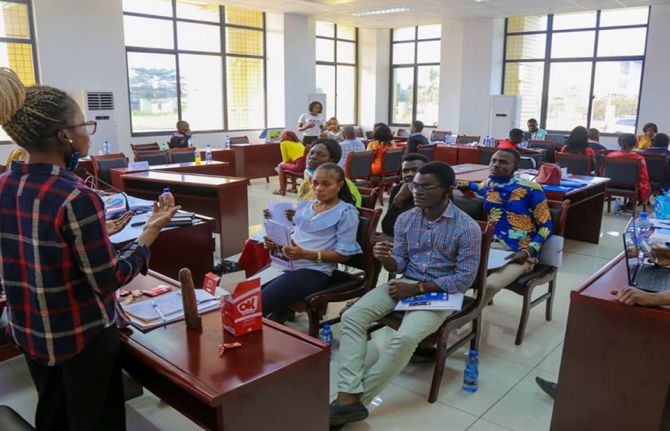
RENADEF (Réseau National des ONG pour le Développement de la Femme), a platform of approximately 350 non-state groups working for women, is tackling this issue front and centre. As a subrecipient of a grant from the Global Fund to Fight AIDS, Tuberculosis and Malaria, RENADEF is running a project to strengthen awareness around sexual and reproductive health and rights, including HIV, to facilitate access to support services and to encourage behaviour change among adolescent girls and young women in 16 HIV high-burden provincial divisions.
In collaboration with health-care providers, almost 200 peer educators and mentors have been trained on sexual and reproductive health and more than 600 educational talks in different settings, including schools and communities, have been facilitated, reaching more than 6500 people, including 2500 girls.
“I was not informed about sexually transmitted infections and their consequences on my life, but I had the chance to participate in an awareness session organized by the peer educators and mentors in my neighbourhood; at the end of the session, I approached one of the sensitizers to explain my problem to her. She gave me advice and referred me to a health training, where I was taken care of for free and I feel good now,” said Nathalie Nyembwe (not her real name), who attended one of the educational talks.
The project also supports clinics giving psychosocial, legal and judicial support to survivors of sexual violence. Since 2018, clinics have been held that have provided psychological support to almost 5500 people and legal/judicial support to more than 3500 survivors of sexual violence.
The community sensitization, capacity-building of legal clinics and support for survivors of sexual violence have contributed to an increase in the reporting of rape.
“It’s particularly important, particularly as we reflect on our experience with COVID-19, that we acknowledge the important role that women have played to protect others from violence, to ensure continued support to vulnerable families and to ensure access to food and medicine. Women have provided invaluable support to keep people connected to neighbours, services and information, all the while ensuring that homes remain a safe space for children and families to continue to learn and grow socially,” said Susan Kasedde, the UNAIDS Country Director for the Democratic Republic of the Congo.
As a champion country of the Global Partnership for Action to Eliminate all Forms of HIV-Related Discrimination, the Democratic Republic of the Congo has a unique opportunity to strengthen its implementation of coordinated, comprehensive and scaled-up action involving a range of stakeholders and to build synergies on action on gender equality across sectors.
Feature Story
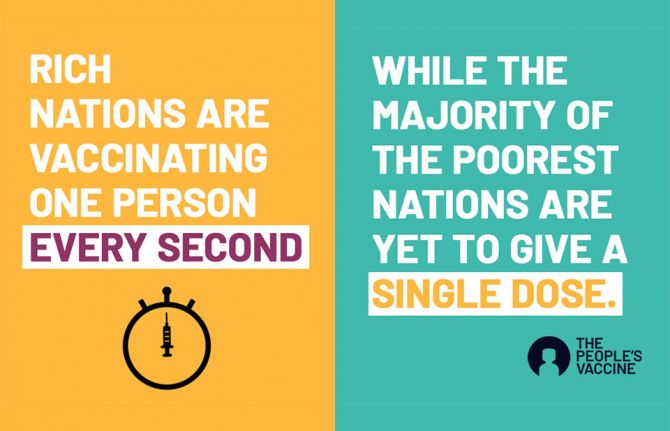
Rich nations vaccinating one person every second while majority of the poorest nations are yet to give a single dose
10 March 2021
10 March 2021 10 March 2021US, UK and EU blocking proposals at WTO to help poorer countries get vaccines more quickly
One year on from the declaration of the COVID-19 pandemic, the People’s Vaccine Alliance is warning that developing countries are facing critical shortages of oxygen and medical supplies to cope with COVID-19 cases yet the majority have been unable to administer a single dose of a COVID-19 vaccine. In contrast rich nations have vaccinated their citizens at a rate of one person per second over the last month.
Many of these rich nations, including the US, UK and EU, are blocking a proposal by over 100 developing countries to be discussed at the World Trade Organisation (WTO) today, which would override the monopolies held by pharmaceutical companies and allow an urgently needed scale up in the production of safe and effective COVID-19 vaccines to ensure poorer countries get access to the doses they desperately need.
While more poor countries will see the arrival of doses in the coming days from the World Health Organisation’s COVAX facility, the amounts available mean only three per cent of people in those countries can hope to be vaccinated by mid-year, and only one fifth at best by the end of 2021.
Almost one million people worldwide have signed a call by the People’s Vaccine Alliance – a group of campaigning organisations including Oxfam, Frontline AIDS, UNAIDS, Global Justice Now and the Yunus Centre – for rich nations to stop protecting big pharma monopolies and profits over people’s lives. On 11 March protests will take place outside pharmaceutical headquarters as part of a global day of action by activists across the world.
Recent public opinion polls carried out by YouGov for the Alliance in the US, France, Germany and the UK found that on average, across these countries, more than two-thirds (69 per cent) of people thought that governments should ensure vaccine science and know-how is shared with qualified manufacturers around the world rather than remaining the exclusive property of a handful of pharmaceutical giants and that vaccine developers should be adequately compensated for this.
Oxfam International’s Executive Director, Gabriela Bucher, said: “Around the world, two and a half million lives have already been lost due to this brutal disease and many countries are battling without adequate medical care and no vaccines. By allowing a small group of pharmaceutical companies to decide who lives and who dies, rich nations are prolonging this unprecedented global health emergency and putting countless more lives on the line. At this crucial time, developing countries need support – not opposition.”
The Alliance warned that in South Africa, Malawi and other African nations history is in danger of repeating itself. Millions of people died in the early 2000’s because pharmaceutical monopolies had priced successful treatments for HIV/AIDS out of reach at up to $10,000 a year.
Lois Chingandu, activist and Director of Evidence and Influence at Frontline AIDS, said: “Here in Zimbabwe, I have lost many dear friends, struggling to breathe in their last moments. It is a cruel irony that activists who fought tirelessly for free medicines for HIV/AIDS are now being killed by COVID-19 because, yet again, pharma profits are being put ahead of people’s lives.”
Pharma monopolies were eventually overruled allowing the mass production of cheap effective treatment for those living with HIV/AIDS, meaning millions of people are alive today who would otherwise have perished.
On 10-11 March, more than 100 developing countries, led by South Africa and India will again make the case at the WTO for a waiver of Trade-Related Aspects of Intellectual Property (TRIPS), which would remove legal barriers for more countries and manufacturers to produce the vaccines, protect their people and join the economic recovery ahead.
Nobel Laureate Professor Muhammad Yunus, one of the leaders of the People’s Vaccine Alliance said: “For the rich world, this proposed act of human solidarity to ensure that medicines and vaccines get to the whole human family simultaneously is in their own self-interest, not just an act of charity.
“We should act now. There is no going back. It is totally unfair that rich countries, who have enough vaccines to protect their citizens, are blocking the TRIPS waiver, which could help poorer countries get the vaccines they need.”
All the leading vaccine developers have benefited from billions of dollars in public subsidies, yet pharmaceutical corporations have been handed the monopoly rights to produce and profit from them.
At the same time qualified vaccine producers all over the world stand ready to produce more vaccines if they were allowed access to the technology and know-how now being held under lock and key by these companies. New capacity could be brought on stream within months. Suhaib Siddiqi, former director of chemistry at Moderna, producer of one of the first approved vaccines, said that with the blueprint and technical advice, a modern factory should be able to produce vaccines in at most three to four months.
France has called for the expansion of production in developing countries, and the US has moved to achieve the same domestically. But so far both countries continue to defend the monopolies of pharma corporations.
To control the virus, enough doses of vaccines need to be produced in different geographies, priced affordably, allocated globally and widely deployed for free in local communities. Thus far, the world is failing on all four fronts.
Winnie Byanyima, Executive Director UNAIDS, said: “Amid so much personal selflessness, sacrifice and heroism, the People’s Vaccine Alliance denounces the hypocrisy, emptiness of human solidarity and myopic self-interest that defeats efforts to control the virus in countries. Only a truly global mobilization of vaccine production to rapidly scale-up the total number of low-cost doses available will get the job done.”
Nick Dearden, Director of Global Justice Now, said: “One year into the global pandemic, it’s an outrage that vaccine factories are lying idle, unable to produce COVID-19 vaccines because rich countries are prioritising the patents of pharmaceutical companies ahead of the lives of people across the world. A global suspension of patents is needed to speed up the production of these vaccines everywhere.”
Notes to editors:
- Drawing on data from OurWorldInData, Bloomberg, John Hopkins University and additional searches, of the 79 low and lower-middle income countries, as classified by the World Bank, the majority (at least 47 countries) are yet to vaccinate anyone. This figure is accurate as of 4 March and factors in reported planned deliveries of COVAX vaccines in the coming days even if vaccines are yet to be administered. We recognise that more unreported COVAX shipments may arrive in the interim.
- Since the start of 2021 high income countries have on average vaccinated citizens at a rate of one dose per second. This is based on the average daily COVID-19 vaccination doses administered between 1 January and 2 March 2021 and was drawn from OurWorldInData for countries classified as ‘High Income’ by the World Bank. An hourly rate was calculated by assuming countries are vaccinating 8 hours per day which was then divided into minutes and seconds. The average of these per second rates for these 68 high income countries was then calculated at 1.1 doses per second or 66 per minute. The average figure includes six High Income countries that have not yet begun vaccinating citizens.
- The YouGov poll results for the individual countries were: US – 69 per cent, France - 63 per cent, Germany 70 per cent and the UK 74 per cent, which gives a combined average across the countries of 69 per cent. All figures, unless otherwise stated, are from YouGov Plc. Total sample size was 1,351 adults in the US, 1788 adults in the UK, 1010 adults in France and 2039 adults in Germany. Fieldwork was undertaken between 23 – 26 February 2021. The survey was carried out online. The figures have been weighted and are representative of all adults (aged 18+) in each individual country of the US, UK, France and Germany.
- Last week, The Associated Press found factories on three continents whose owners said they could begin producing hundreds of millions of doses of COVID-19 vaccines on short notice, if only they had the blueprints and technical know how to do so.
- Countries like South Sudan, Yemen and Malawi have seen dramatic surges in cases in recent months. Malawi saw a 9500 per cent increase in cases as the South African mutation spread through the country and two of their cabinet ministers died in one day.
Contact
Matt Graingertel. +44-7730680837
matt.grainger@oxfam.org
Sarah Dransfield
tel. +44 (0)7884 114825
sarah.dransfield@Oxfam.org
Our work
Related
Feature Story
Tackling gender inequalities and gender-based violence during the COVID-19 pandemic in Asia and the Pacific
08 March 2021
08 March 2021 08 March 2021“It was hard for us before COVID-19, but it has become even harder now,” said Ayu Oktariani, the National Coordinator of the Indonesia Positive Network of Women Living with HIV (IPPI). For more than 10 years, she has been working with women and adolescents living with HIV who have been subjected to domestic violence in Indonesia, providing them with psychosocial support and counselling. Since the first COVID-19 outbreak, she has seen increased requests for help, as violence has escalated alarmingly.
Even before the COVID-19 pandemic, domestic violence was already one of the most significant human rights violations, but the pandemic has made a challenging situation even worse. Confinement is increasing the stress caused by security, health and money worries and is increasing the isolation of women with violent partners, separating them from the people and resources that can best help them.
According to a survey conducted by the International Community of Women Living with HIV in Asia and the Pacific (ICWAP) with support from the UNAIDS Regional Support Team for Asia and the Pacific, in June 2020 almost 30% of the respondents experienced some form of gender-based violence, including stigma and discrimination. In addition, more than 80% reported a lack of access to sexual and reproductive health services, including contraception.
In Indonesia, a report released by the National Commission on Violence against Women shows that the number of reported cases of violence against women living with HIV has significantly increased during the pandemic. “A few months ago, I was contacted by a woman living in a rural area, who was forced by her husband to have regular unprotected sex. She was unable to negotiate the use of condoms because of fear of violence,” said Ms Oktariani.
With other organizations in Indonesia, IPPI is developing a referral system that will guide women living with HIV who have been subjected to violence to women-led organization for legal advice and support. IPPI is also part of a national coalition that connects women and girls, including women living with HIV, to emergency services, including the police and justice and social services.
In Nepal, women living with HIV are faced with similar ordeals as a result of the COVID-19 pandemic. Sara Thapa Magar, the President of the National Federation of Women Living with HIV and AIDS (NFWLHA), Nepal, reflects on Lily’s (not her real name) story, a woman living with HIV who was beaten by her husband after she went to the local hospital to get refills of her antiretroviral therapy. The current circumstances, including limitations on access to helplines and disrupted public services, have made reporting of abuse and violence even harder.
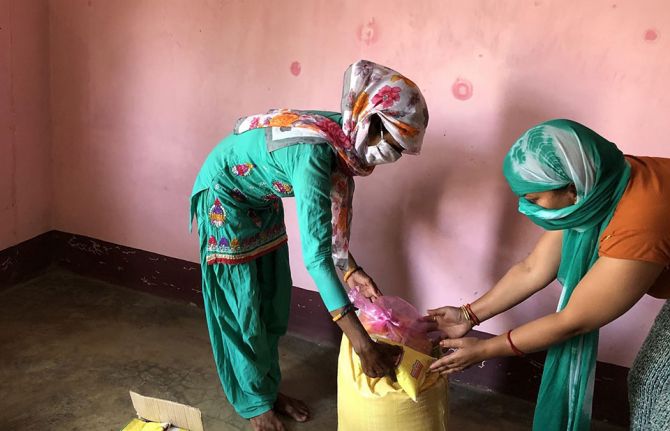
NFWLHA has played a critical role in addressing these challenges by offering legal support to women like Lily subjected to domestic violence and providing relief packages to women and children living with HIV. “Despite these efforts, we are struggling to cope with the knock-on effects of the pandemic, and one of the main reasons is the lack of funds,” said Ms Magar. “Women-led organizations need to be continuously supported in our frontline role.”
Kousalya Periasamy, the founder of the Positive Women Network (PWN+), explains the multiple impacts of COVID-19 on the life of women living with HIV in India. “Many women and girls were afraid of going to the hospital to get their antiretroviral therapy refill and access general health services out of fear of COVID-19,” said Ms Periasamy. “Women living with HIV who had COVID-19 were not able to provide for and look after children if they had to be admitted into the hospital.” Given the need to communicate with local network partners and members, PWN+ established a WhatsApp group to ensure that women living with HIV had access to reliable information on HIV and COVID-19. PWN+ also mobilized support from different local organizations to donate food and supplies and handed out pamphlets containing HIV and COVID-19 information.
Sarah Feagan, a Board Member of ICWAP, works for a local agency in Australia, Living Positive Victoria (LPV). During the lockdown in Melbourne, “I worked to ensure women living with HIV remained connected and supported during COVID-19. Since I could not meet anyone in person, I kept in touch on the phone, linking them together via online workshops and other women living in similar areas to meet up without breaking the 5 km rule,” she said. She was able to offer financial support, food parcels and legal and emotional support thanks to LPV and other HIV organizations.
“On International Women’s Day, we commend all our sisters across Asia and the Pacific, who, like Ayu, Sara Thapa, Sarah and Kousalya, are establishing supportive mechanisms for women and girls living with HIV, even in the face of adversities,” said Sita Shahi, ICWAP Regional Coordinator.
During the COVID-19 pandemic, the UNAIDS Regional Support Team for Asia and the Pacific has joined hands with ICWAP to raise awareness about the needs and challenges of women living with HIV and to support the implementation of small local relief projects in Nepal, Malaysia and India. “COVID-19 is already testing us in ways most of us have never previously experienced. We must emerge renewed, with women living with HIV as a powerful force at the centre of the recovery,” said Eamonn Murphy, Director of the UNAIDS Regional Support Team for Asia and the Pacific.
Region/country
- Asia and Pacific
- Australia
- Bangladesh
- Bhutan
- Brunei Darussalam
- Cambodia
- China
- Democratic People's Republic of Korea
- Federated States of Micronesia
- Fiji
- India
- Indonesia
- Islamic Republic of Iran
- Japan
- Kiribati
- Lao People's Democratic Republic
- Malaysia
- Maldives
- Marshall Islands
- Mongolia
- Myanmar
- Nauru
- Nepal
- New Zealand
- Pakistan
- Palau
- Papua New Guinea
- Philippines
- Republic of Korea
- Singapore
- Solomon Islands
- Sri Lanka
- Thailand
- Timor-Leste
- Tonga
- Tuvalu
- Vanuatu
- Viet Nam
- Samoa