

Stories
Impact of US funding cuts on HIV programmes in East and Southern Africa
Impact of US funding cuts on HIV programmes in Zimbabwe
UNAIDS welcomes parliament’s decision to repeal the law that criminalizes HIV transmission in Zimbabwe
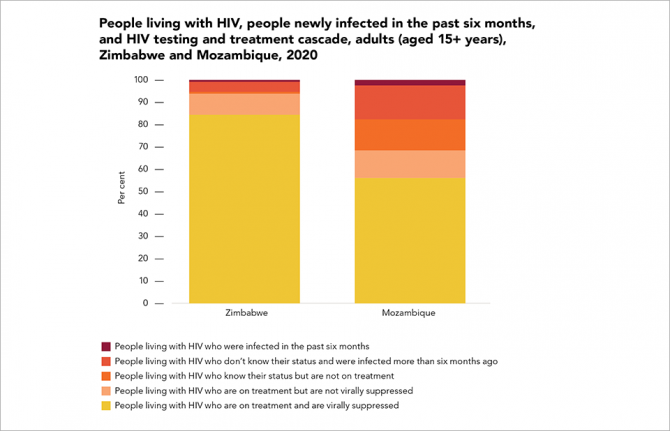
Inequalities at the heart of uneven progress in the AIDS response
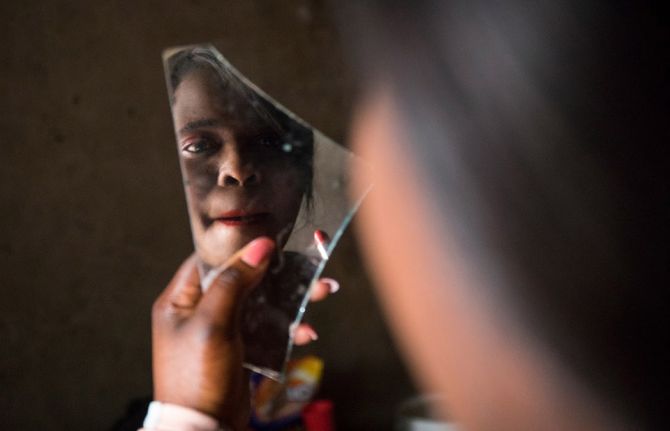
“Even though we are sex workers, we’re still people”: living the harsh reality of sex work in Zimbabwe
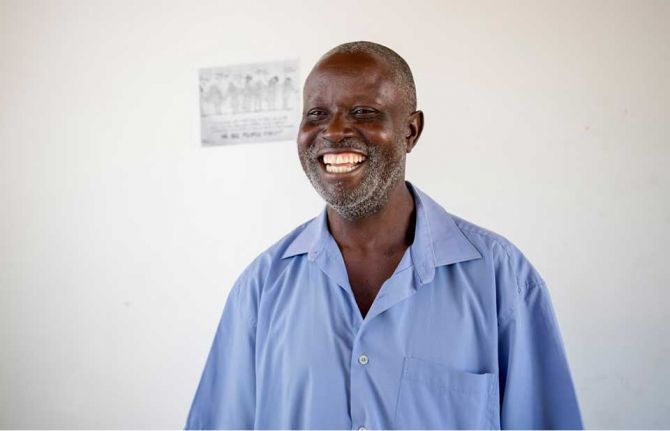
#NotYetUhuru: 60-year-old Patson Manyati reflects on being gay in Zimbabwe*
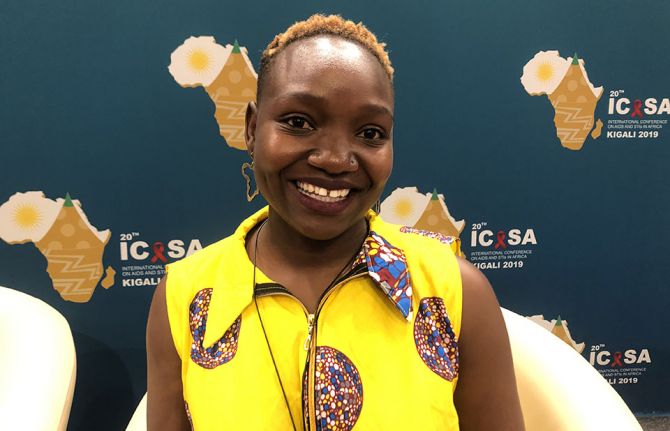
Challenge the stigma, pursue your right to health
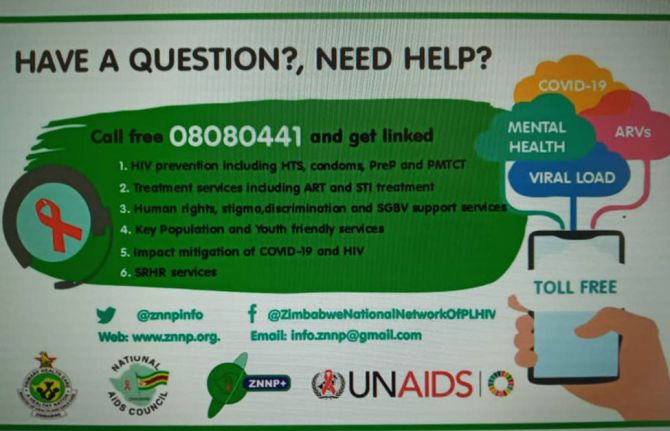
UNAIDS launches a call centre for people living with HIV in Zimbabwe
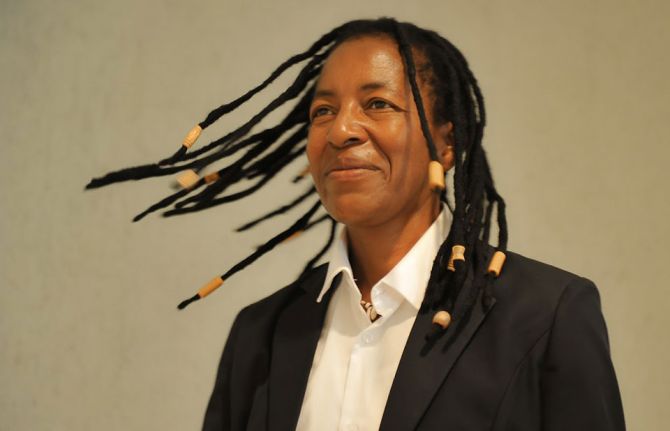
Be proud
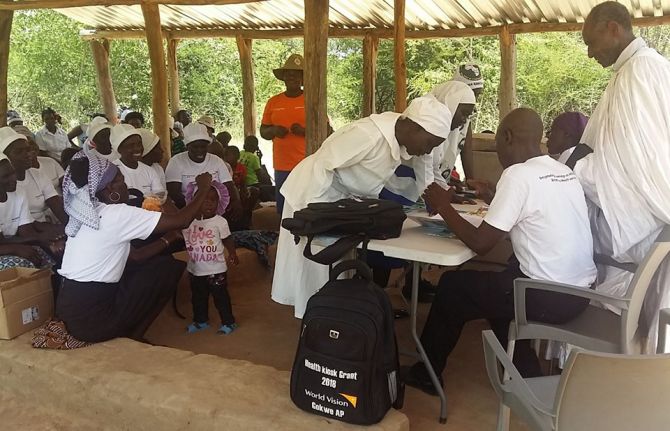
Health kiosks expanding HIV services in Zimbabwe
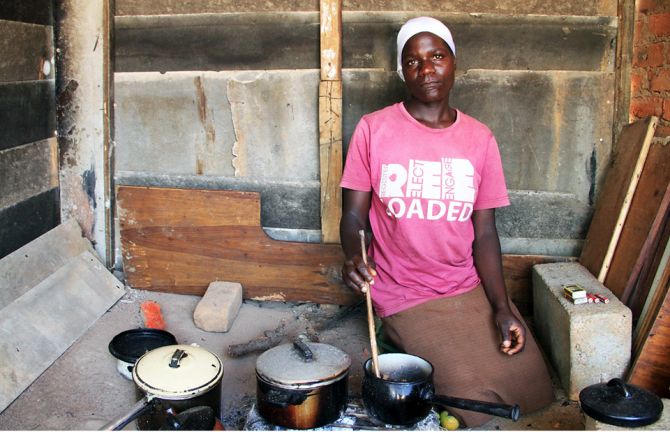
People living with HIV face major challenges in Zimbabwe
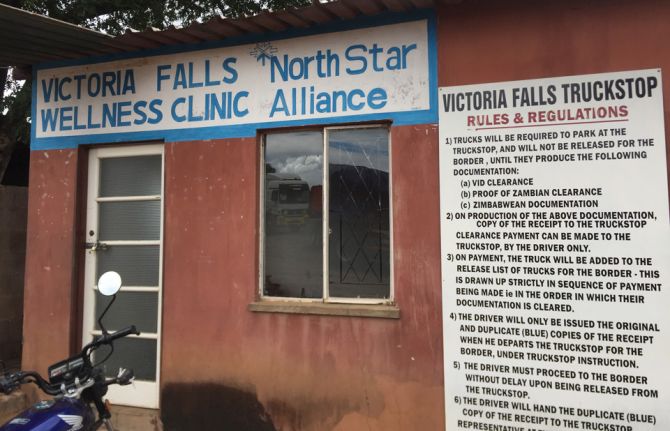
Bringing HIV services to hard-to-reach people in Victoria Falls
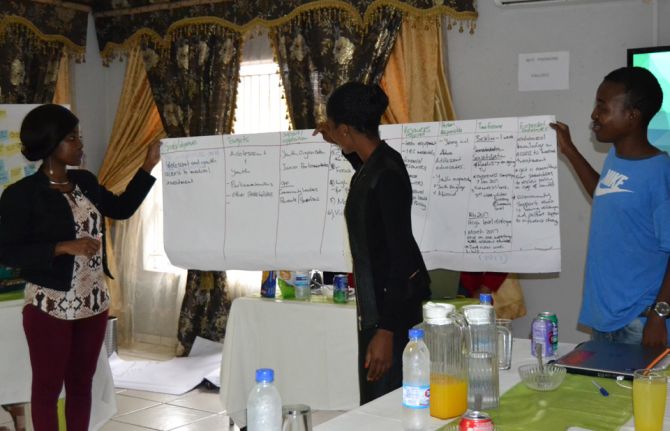
Training on age of consent manual piloted in Zimbabwe

UNAIDS welcomes compelling results of progress in AIDS response from surveys supported by the United States of America in three African countries
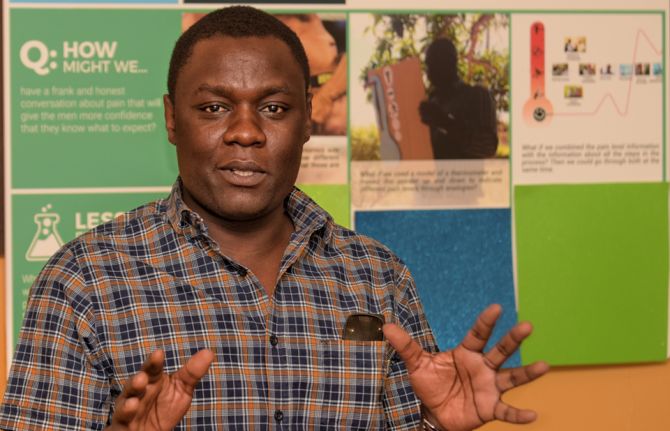
Using market research for long-term sustainability of VMMC in Zimbabwe and Zambia
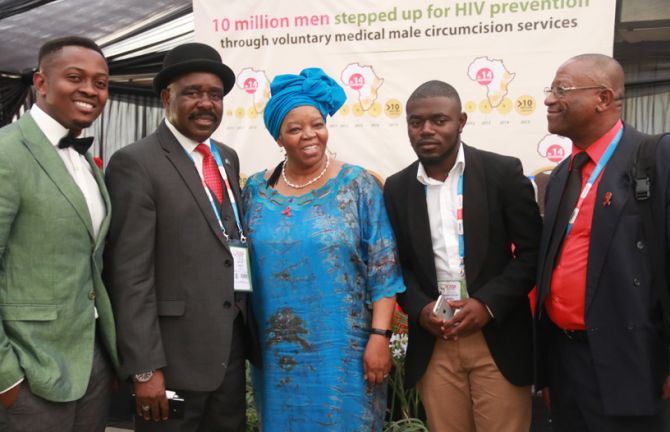
Voluntary medical male circumcisions reach 10 million in sub-Saharan Africa
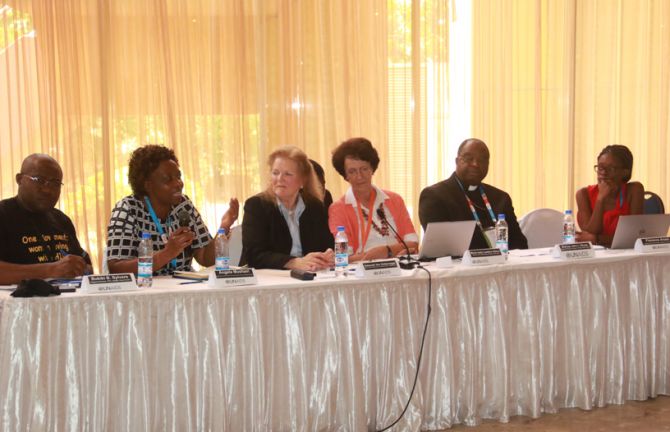
Optimizing prevention of mother-to-child transmission of HIV through community engagement and mobilization
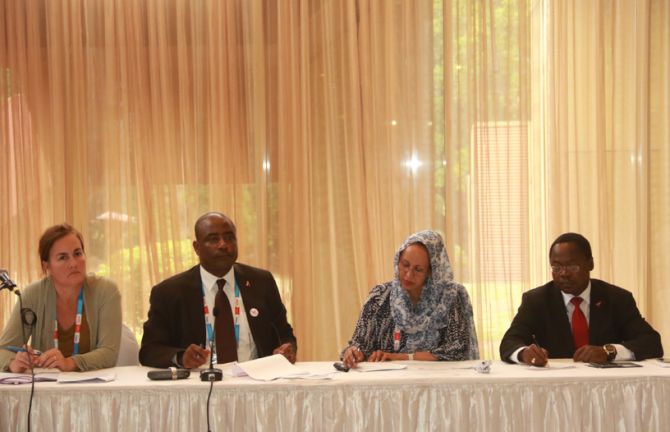
AIDS in emergency, conflict and humanitarian contexts
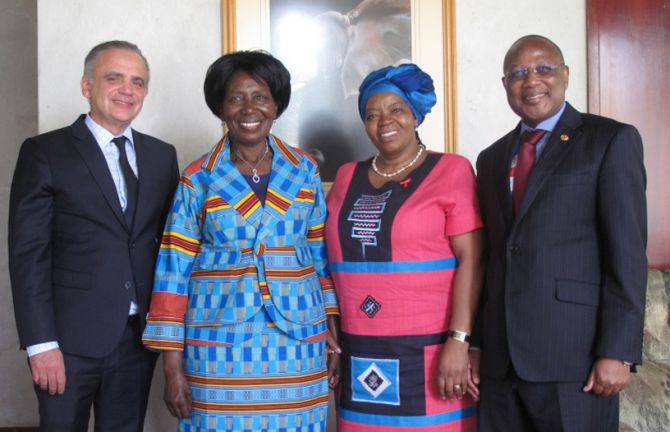
ICASA celebrates World AIDS Day
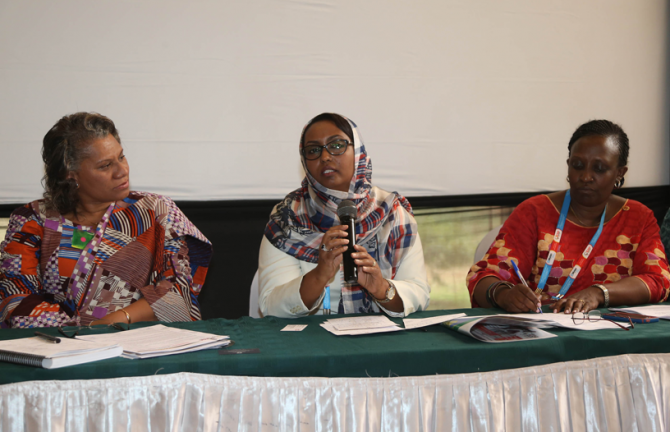
An African Union common position for the post-2015 agenda
UNAIDS urges countries across Africa to Fast-Track their response to HIV

Adolescents demand meaningful engagement in the AIDS response
Global solidarity and national responsibility at work in Zimbabwe
Protecting girls and young women in Zimbabwe: a health and human rights matter
Zimbabwe’s accelerated response to HIV

Success with PrEP: next steps to support policy decisions in southern and eastern Africa
Africa Rising: leaders meet to discuss sustainable development that leaves no one behind
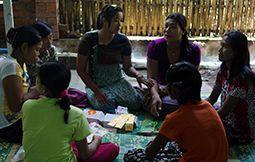
New funding approach sees the Global Fund approve multimillion dollar first grants
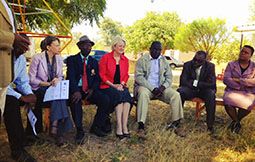
Zimbabwe’s sustained progress towards “Getting to Zero”

UNAIDS Deputy Executive Director commends Zimbabwe for its strong political will, commitment and sustained progress towards Getting to Zero

Empowering people with hearing impairments: a step towards three zeros
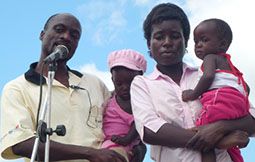
Investing into the future- Ending AIDS through eliminating new HIV infections among children in Zimbabwe
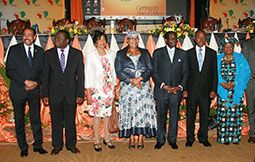
UNAIDS highlights Zimbabwe’s progress in responding to AIDS
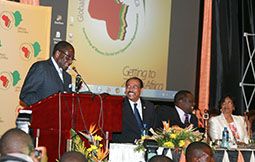
Launch of African women’s leadership network aims to advance gender equality and AIDS response

Innovative WFP electronic voucher programme in Zimbabwe brings relief to many living with HIV

Men playing a role in eliminating new HIV infections among children and keeping mothers alive

Zimbabwe: AIDS levy generates new resources for treatment
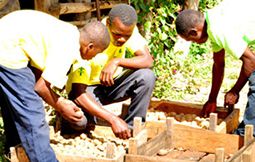
‘Young People We Care' volunteers assist vulnerable households in Zimbabwe
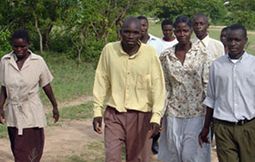
Zimbabwe: an HIV prevention success story

Empowering women to protect themselves: Promoting the female condom in Zimbabwe
Resources for regular lab tests could be used for HIV treatment

In memory of Lynde Francis: HIV activist and beacon of hope

Art for AIDS: A sculptor’s voice
Economic security for women key to HIV prevention
Evidence for HIV Decline in Zimbabwe
HIV rates in decline in Zimbabwe
Contact