Feature Story
Guyana community organization serves sex workers on the edge during COVID-19
29 July 2020
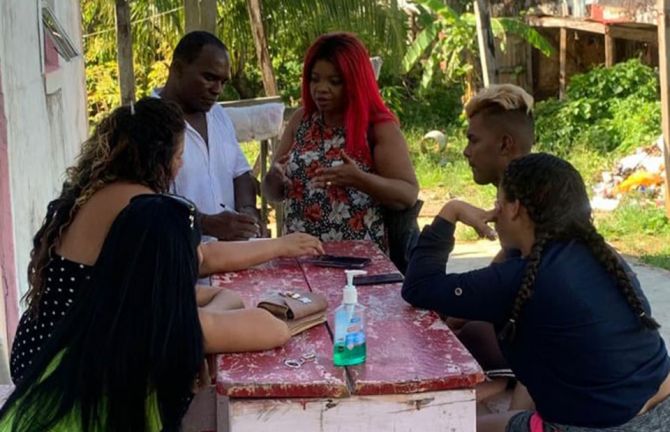
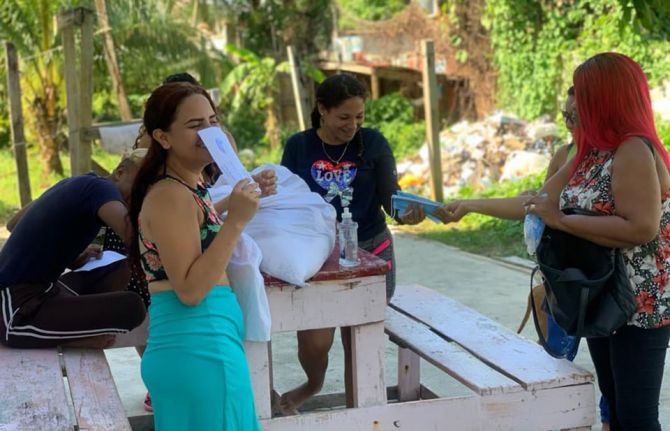
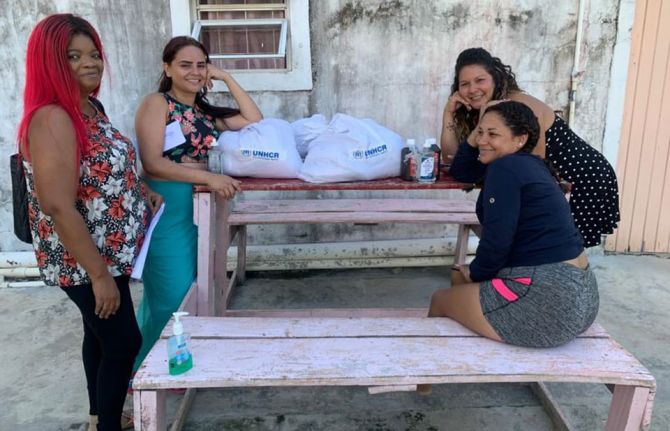
29 July 2020 29 July 2020The town of Corriverton in Guyana lies far east, on the Suriname border. Miriam Edwards, the Executive Director of the Guyana Sex Work Coalition, hired a taxi early last Thursday to take her team of peer counsellors there. They planned to conduct welfare checks, offer HIV testing and distribute care packages, masks and condoms as part of a project supported by the Office of the United Nations High Commissioner for Refugees (UNHCR). It’s a nearly 200-mile trip from the capital, Georgetown. Since the COVID-19 outbreak, the regular bus hasn’t been available. Other changes to the flow of life have been devastating for sex workers in Guyana.
“Because of the curfew they are not able to work. Plus the children are home full time. They (the sex workers) can’t make any moves. Some are able to look (work) for money, but in doing so they take more risk. Workshops are not their first priority,” Ms Edwards says plainly. “Their main need is food and sanitization.”
COVID-19 has meant fewer opportunities for work and more competition. A Dominican sex worker reported being attacked by a pair of local women. Her face was swollen and stitched when Ms Edwards got to Corriverton.
One Venezuelan woman ventured out during the curfew. She alleges that police officers in the border town detained her and demanded sex. When she refused, one of them hit her with his gun.
Another Venezuelan sex worker had gone missing since the previous weekend. Her documents and clothes were left in her hotel room, but she still hasn’t turned up.
The complications around sex work in Guyana have deepened since COVID-19. At a time when many locals are out of work, migrants have been particularly affected by joblessness. More of them are exchanging sex for money to survive.
According to a recent Response for Venezuelans (R4V) report by UNHCR and the International Organization for Migration, there have been more reports of sex workers facing eviction or being at risk due to job loss.
“This situation increased their vulnerability of becoming victims of human trafficking, exploitation and gender-based violence,” the report says.
Meanwhile, many Guyanese sex workers have found it difficult to access the social support provided for formal-sector workers by the government.
“The problem is that many in authority don’t see sex work as work,” Ms Edwards said.
But some do. According to Rhonda Moore, Programme Manager at the National AIDS Programme, during COVID-19 the HIV Food Bank has expanded its reach to HIV-negative members of key populations. This includes female, male and transgender sex workers.
Ms Edwards points to the need for even more targeted social support, including for single mothers, migrants and those working in the interior.
The Guyana Sex Work Coalition’s strategy has been to pair the distribution of nutrition support and hygiene supplies with offers of HIV testing and safety reminders on COVID-19, HIV and sexually transmitted infections. According to Ms Edwards, this is a time of high stress and uncertainty and her clients are not necessarily able to absorb mass media messages. Text reminders and phone calls have been key approaches to ensuring that individual sex workers are informed and to address their unique challenges. Sometimes they need medication or money for transport. Many of the migrants need a safe space.
UNAIDS is embarking on a project with the Caribbean Sex Work Coalition to help national networks address sex workers’ knowledge, HIV prevention and social support needs during COVID-19. A major goal of the project is region-wide advocacy to encourage Caribbean governments to include sex workers in their planning and protection.
“Sex workers need to be included in national social protection schemes and many of them need emergency financial support,” said James Guwani, Director of the UNAIDS Caribbean Sub-Regional Office. “To win the battle against COVID-19 or HIV, we must give life to the principle of leaving no one behind.”


Feature Story
#TogetherWeWin: inspiring examples of solidarity during the COVID-19 outbreak in eastern Europe and central Asia
28 July 2020
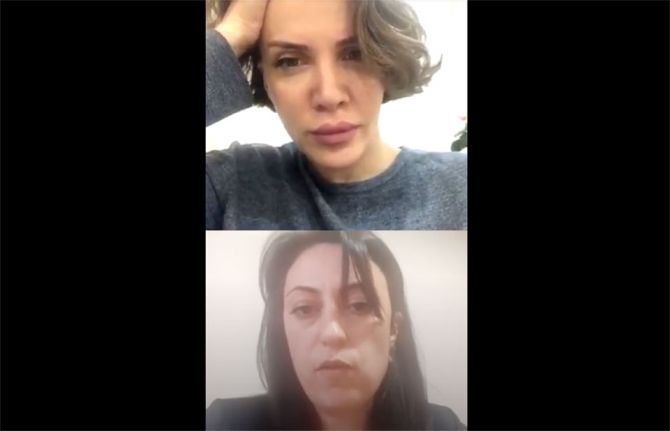
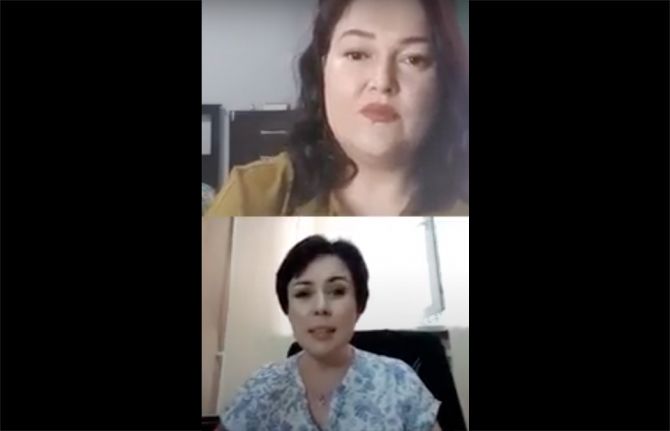
28 July 2020 28 July 2020Inspiring stories of solidarity during the COVID-19 outbreak in eastern Europe and central Asia have been shared by community leaders, businesspeople, celebrities and others. Under the umbrella of #TogetherWeWin, a series of Instagram and Facebook Live talks have shown how people are supporting each other in this difficult time.
“The COVID-19 pandemic has become not only a challenge to health care and economies, it has also become a test for social solidarity. We have seen some amazing examples of solidarity and unity in supporting people who are left behind,” said Alexander Goliusov, Director, a.i., of the UNAIDS Regional Support Team for Eastern Europe and Central Asia.
Arusik Mkrtchyan, from Armenia, a long-time friend of UNAIDS, spoke with Narine Manukyan, chair of the AI MAYER (Armenian Mother) charity, which helped more than 300 families who lost their livelihoods during the lockdown with food and medicine. “I have always believed that charity should support people in a sustainable and long-term way, create opportunities for people to solve their problems by themselves. But in this situation, families with children with disabilities whose parents lost their jobs faced the problem of not having food to eat,” said Ms Manukyan. Ms Mkrtchyan also spoke with Hamlet Khnkoyan, who started the Let’s Help Families in Need movement, which initially helped several families in his neighbourhood with food supplies but snowballed into supporting more than 600 families.
Olya Tira, the UNAIDS Goodwill Ambassador for the Republic of Moldova, spoke with the blogger Lilu Ogovan, a founder of Together for You, Anna Racu, and Ruslan Poverga, from the Positive Initiative.
Ms Racu spoke about Together for You, which supported medical personnel by providing personal protective equipment and disinfectant, as well as purchasing other medical equipment. Aid was initially provided to ambulance stations, but, over time, hospitals that were looking after patients with COVID-19 were also helped. Mr Poverga said that the Positive Initiative, together with partners, delivered antiretroviral therapy to more than 850 people living with HIV, including 65 Moldovans who were trapped abroad during the lockdown. “The crisis forces people to be creative. People stopped thinking in terms of “possible” and “impossible”, we just know that it is necessary to do this and that’s it, and the question is only how exactly we will achieve what we want. And I am very glad that, thanks to our partners as well, we have succeeded,” Mr Poverga said.
In Belarus, there was a live broadcast by Yuri Tkachuk, a singer, television presenter and member of the country’s UNAIDS Red Ribbon Team. UNAIDS Goodwill Ambassador Svetlana Borovskaya, along with television journalist and producer Irina Rombalskaya, as well as representatives of the People Plus community organization, Tatyana Zhuravskaya and Anatoly Leshenok, and Julia Stoke from the Positive Movement, discussed the theory of small actions.
“I believe in this theory. Even when it looks like you do not have a lot of time and financial resources, you can still help substantially. For myself, I chose the path of one good deed a day,” said Ms Rombalskaya, who is buying food and medicine for older people during the lockdown. Ms Zhuravskaya and Mr Leshenok organized the delivery of antiretroviral therapy and helped Belarusians who were outside the country when the border was closed to obtain antiretroviral therapy.
In Kazakhstan, a Facebook Live stream was hosted by Adele Smith, a television presenter and head of the Charity Warehouse project. She talked to Aruzhan Sain, the Commissioner for Children’s Rights in Kazakhstan and founder of the Volunteer Charity Foundation, which helped children with serious illnesses during the COVID-19 outbreak when, due to the closure of the border, there was a significant shortage of medicines and medical supplies. Volunteers found and purchased medical equipment and medicines and delivered them to children’s hospitals, with the foundation later expanding its work to other medical institutions.
Konstantin Avershin, a businessman and leader of the I’m Alma-Ata movement in Kazakhstan, initiated the Who If Not Me challenge, aimed at helping people in need. Assistance was provided in various areas, from the supply of personal protective equipment to doctors to legal support for victims of domestic violence. The challenge brought together 14 cities in Kazakhstan, many volunteer networks operating in the country and the government.
Elena Bilokon, the founder of the Community of Women Living with HIV in Kazakhstan, also joined the broadcast and spoke about her story of supporting people from key populations and about living with HIV in a crisis.
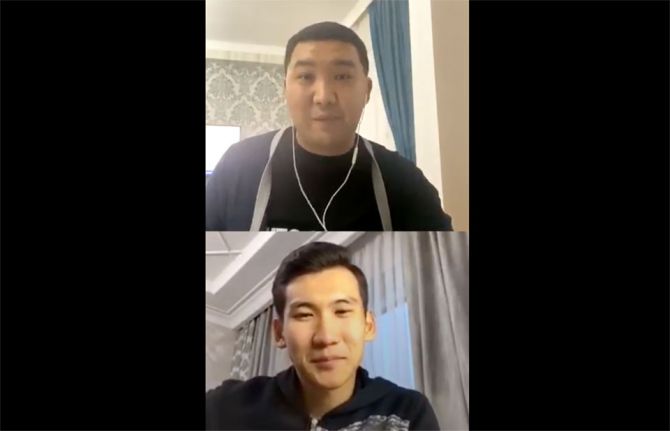
Erkin Ryskulbekov, a UNAIDS Goodwill Ambassador for Kyrgyzstan and television presenter, invited a human rights activist, Gulgaaki Mamasalieva, and Kyrgyzstan’s triathlon champion, Aivaz Omorkanov, to his Instagram Live feed.
Ms Mamasalieva shared her experience in creating an online forum that brings together most of the country’s volunteer organizations and makes it possible to make a direct request for assistance and receive an immediate response. The forum is based on the Telegram platform and facilitates volunteers communicating with each other during an emergency. “We have 10 years of experience in civil monitoring. We know all the standards and requirements for providing such assistance, including how these processes should be organized during emergencies,” said Ms Mamasalieva.
Mr Omorkanov spoke about how he managed to complete his triathlon training programme while staying at home under lockdown as well as starting an online fundraising initiative, inviting world sports starts to join him and raise funds to provide personal protective equipment for doctors at the infectious diseases hospital. In total, US$ 6500 was raised. “My message was that we can help our country even while staying at home,” said Mr Omorkanov. In addition to raising funds, the action had another goal—to encourage people to do sports and maintain a healthy lifestyle, even while under lockdown.
Mr Ryskulbekov ended the discussion by saying, “When I do charity work and help people, I understand that although my actions are needed by others, I’m actually the one who needs it the most; it’s me who becomes happier by doing good things.”
Region/country
Related
Feature Story
Fostering an economy of kindness through traditional bartering in Fiji
17 July 2020
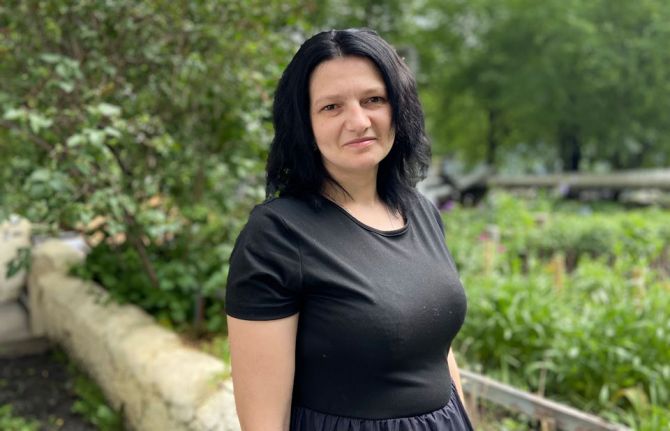
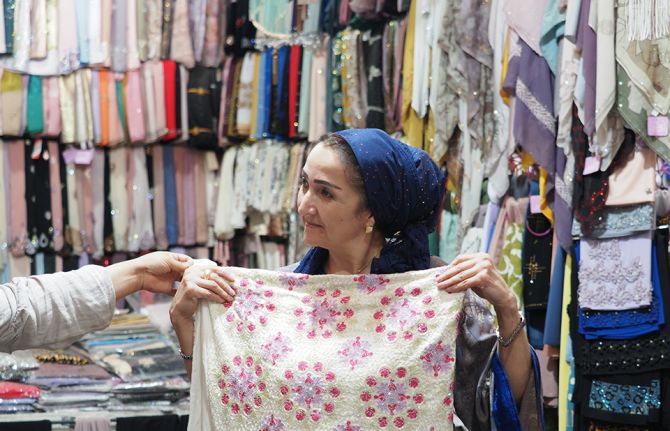
17 July 2020 17 July 2020On an early Fijian morning, Marlene Dutta, coffee cup in hand, is sitting on her back deck surrounded by greenery. Not even the sound of birds in the background can peel her away from her computer screen. She is busy sorting through messages and reviewing the activity on the Facebook page that she created, Barter for Better Fiji, an online community that has revitalized Fiji’s traditional bartering practices and helped communities sustain themselves during the COVID-19 outbreak.
“From the minute myself and the other volunteer administrators of the page wake up, our eyes are on the page”, said Ms Dutta, a business skills development consultant. They are busy monitoring or sharing information from the government about restrictions on items to barter.
In Fiji, where approximately 30% of the country’s gross domestic product comes from tourism, travel restrictions to prevent the spread of COVID-19 have brought about tough times for many.
Reflecting on how she came up with the idea for the Facebook page, Ms Dutta said, “Bartering has always been something that Fijians rely on in their daily lives, amongst their friends, families, amongst communities. We all have a skill, a talent, something that we can grow, a whole host of things stuffed away in our houses. If people could trade items or services to get what they needed, then they may be able to sustain themselves through this time.” From these thoughts, Barter for Better Fiji was born. Ms Dutta is astounded by how popular the page has become. Initially envisioned to only be used by her friends, the page now has a following of more than 180 000 members—a huge amount considering that the country has a population of only around 900 000 people—and thousands of requests for new memberships arrive daily.
Aside from helping members to barter for necessary food or services, or sustaining small businesses by linking them to new suppliers for their trade, the page is also creating a greater sense of community. Members have been able to reconnect with long-lost neighbours, family members and childhood friends. Ms Dutta recounts stories of complete strangers meeting on the page to barter only to find that they are neighbours on the same street or have traditional ties.
“Through the page we hope to foster an economy of kindness. That is behind everything that happens on the page,” explained Ms Dutta. “That in itself has brought this sense of community where people are being purposefully and intentionally kind, compassionate and merciful to each other.”
While the Barter for Better Fiji Facebook page doesn’t specifically target the needs of vulnerable groups or people living with HIV, groups such as the Fiji Network for People Living with HIV, the Rainbow Pride Foundation and the Survival Advocacy Network Fiji have reported that their community members have benefited from the online bartering platform. The page has made bartering the “new normal” for vulnerable groups.
“Whether LGBTQI+ or not, we are all humans at the end of the day, and we need to support each other one way or the other. That’s why I think having such a page is a wonderful initiative,” said one member of the Rainbow Pride Foundation.
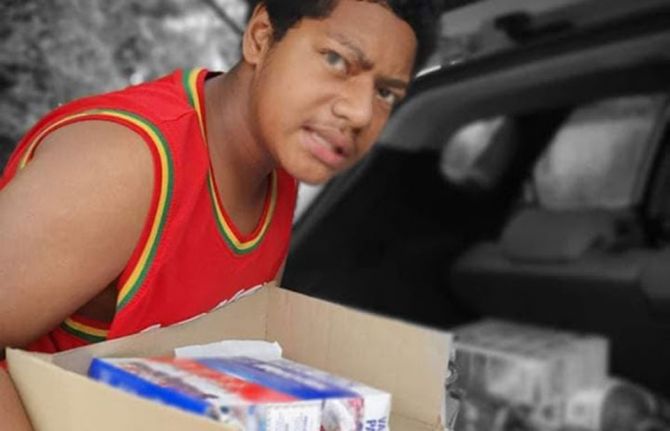
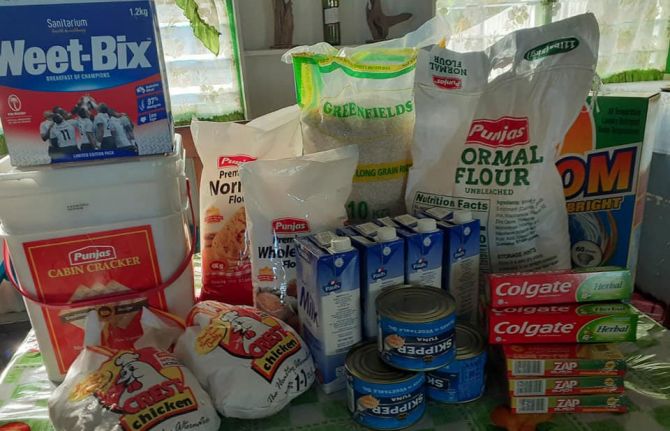
Community members have been able to barter items or provide cleaning services in exchange for groceries, while others point to how money saved through bartering has allowed them to venture into other income-generating activities, like backyard vegetable gardens and food stalls. At a time when tourism has seen a decline, some groups, such as sex workers, have found their sources of income vanish.
Lesbian, gay, bisexual, transgender and intersex community members have also faced stigma due to false understandings about how the new coronavirus is spread. Yet members of those groups have proclaimed how the uplifting stories and connections developed among members of the Facebook page have helped them to cope and have positively affected their mental health. It is because of these positive stories, stories of communities coming together to cope with the COVID-19 pandemic, that Barter for Better Fiji is interested in expanding the Facebook page to a website and app.
As Fiji grapples with moving beyond the COVID-19 outbreak, Barter for Better Fiji recognizes its important role in what lies ahead, how that it is more than a platform for bartering but also a space to share heart-warming stories of connection that promote an economy of kindness.
Region/country


Feature Story
Phenomenal Positive Youths lead the way during COVID-19 pandemic in Zambia
23 July 2020
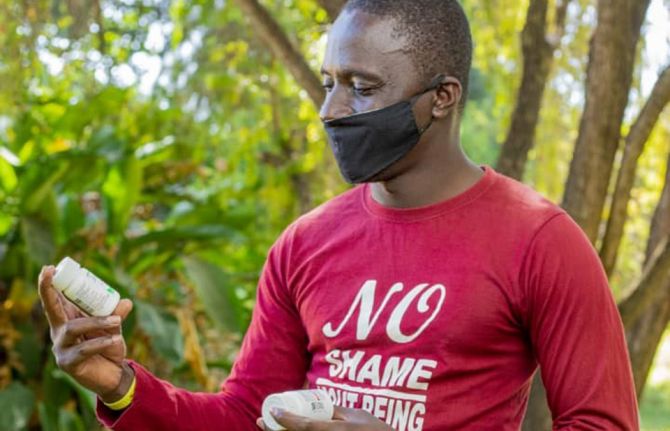
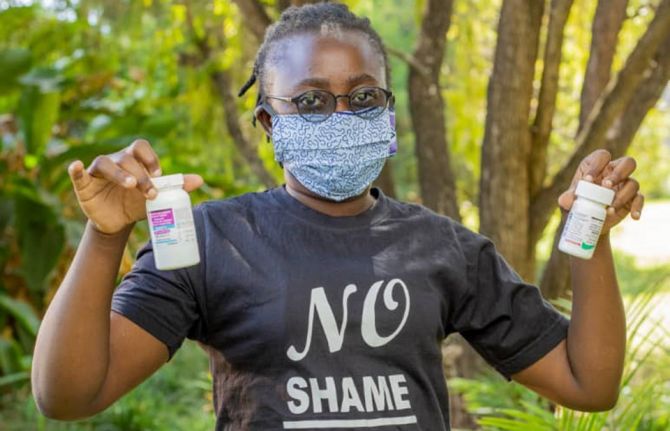
23 July 2020 23 July 2020Phenomenal Positive Youths are young people living positively with HIV, working towards the elimination of stigma and discrimination, adherence to HIV treatment, access to sexual and reproductive health and rights services and mental health support in Zambia.
UNAIDS has facilitated sexual and reproductive health and rights training for the Lusaka team of Phenomenal Positive Youths and plans to extend it to other districts in Zambia. The training will now include the impact of the COVID-19 outbreak on young people living with HIV, which is currently being evaluated through an impact assessment survey.
Currently, its members are part of the multisectoral risk communication community engagement pillar, as recommended by the World Health Organization’s COVID-19 Strategic Preparedness and Response Plan. Under this pillar, they are involved in creating and disseminating messages on COVID-19, busting myths, social listening and raising awareness, under the guidance of the Ministry of Health in Zambia.
UNAIDS has advocated for the implementation of multimonth dispensing of HIV treatment in Zambia. As a result, the Ministry of Health has issued a national circular to accelerate the implementation of the multimonth dispensing policy, instructing health facilities to provide three to six months of antiretroviral medicines to people living with HIV. Phenomenal Positive Youths is encouraging its members and health-care workers to follow the new guidelines.
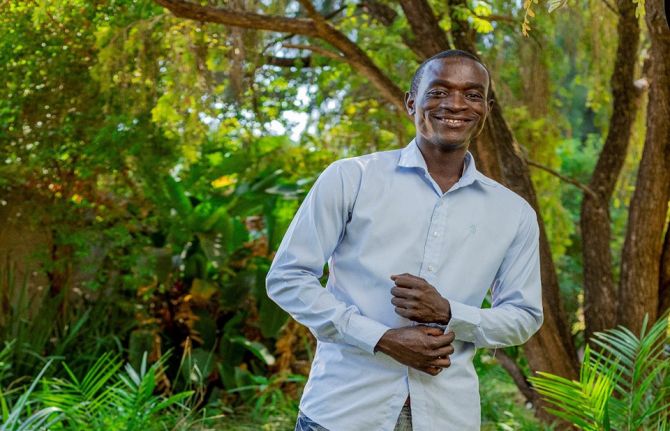
While the policy is being implemented, Oswald Chisenga, the team leader of Phenomenal Positive Youths, said the organization has noticed that young people have experienced challenges in accessing their monthly supply of HIV treatment. “The limitation of travel during the COVID-19 outbreak, the fear of exposure to the coronavirus and the associated stigma is restricting people from visiting health-care facilities, even with the revised national guidelines,” he said. “Even messages on COVID-19 have been misinterpreted by people as meaning they should not go to a health facility, even when the need arises.”
Thus, the organization has developed an unconventional and innovative approach to ensure that its members have an ongoing supply of antiretroviral therapy, called chilimba (a commonly used local word meaning to loan or advance a colleague something). Members of the organization loan their antiretroviral medicines to one another until the person in need can obtain their supply, at which time the medication is returned.
“We help each other so that no one skips a day or does not have enough antiretroviral therapy due to different circumstances. It may be because of illness, or the person is very far from the health facility or they have no documentation to access the health facility,” said Mr Chisenga. “We communicate with one another using our social media groups. This helps us to maintain adherence, encourages openness and virtual interactions or physical ones while observing social distancing guidelines,” he added.
This is only one of the innovations that Phenomenal Positive Youth has brought into the youth-led movement in Zambia. The group was also among the first associations to speak openly about mental health among young people, especially among young key populations and young vulnerable people.
Our work
Region/country
Feature Story
A safe space for key populations in Armenia
21 July 2020
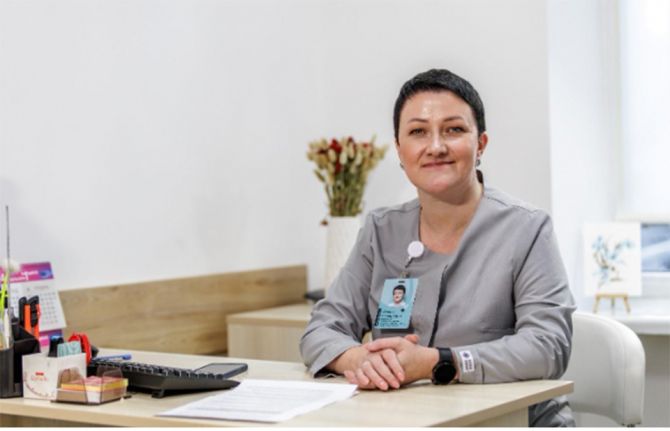
21 July 2020 21 July 2020Arpi Hakobyan (not her real name), a former sex worker, lost her income after the COVID-19 pandemic hit Armenia. And then her parents threw her out of their home and took her passport. She had no place to go and no one to ask for help, until a friend advised her to contact the New Generation nongovernmental organization.
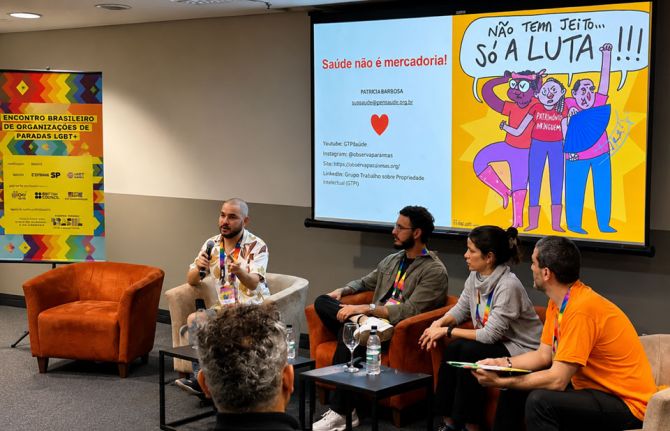
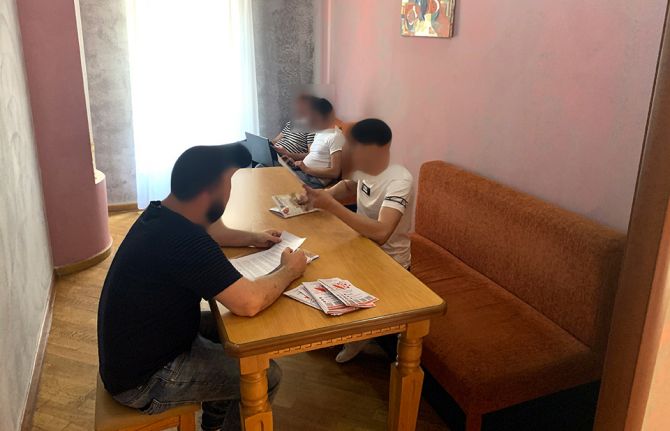
Opened by the New Generation in June 2020 in the centre of Yerevan, the capital of Armenia, the Safe Space occupies a three-storey building that gives people living with HIV, members of key populations and women who have suffered from domestic violence a safe refuge.
“When the COVID-19 pandemic began, we started receiving calls from people who, because of their belonging to key populations or because they were HIV-positive, were discriminated against, found themselves without work, without support, sometimes without a home,” said Sergey Gabrielian, the head of the organization. “It is widely believed in our society that it is these groups that spread not only HIV but also COVID-19, which is why they are expelled from work or from society. These people have nowhere to get help from—they are not on any lists of recipients of government social assistance programmes.”
The Safe Space gave Ms Hakobyan a place in the shelter. The New Generation’s lawyer and psychologist reached out to her, helped to replace her documents and found her a job.
Referrals are made to the shelter by HIV service and human rights organizations across the country. Administrators, lawyers, psychologists and volunteers are on duty 24 hours a day. For the first three days, psychologists and lawyers work with the clients to find out their circumstances, help with documentation and understand how to proceed further. The average stay in the shelter is 15 days, with the maximum being a month.
“Of course, we are not a hotel, this small programme is not designed to support people for several months—there only 37 people who can be simultaneously in the shelter. And the demand for it is enormous,” said Mr Gabrielian.
A key feature of the shelter is a special HIV services room in which people can take an HIV test and get counselling and a referral to an HIV clinic. People who use drugs and need harm reduction services are referred to a nearby organization where such services can be obtained.
Mr Gabrielian said that when it became obvious that the fight against COVID-19 could hit the HIV epidemic hard, the New Generation’s employees decided to switch to a new way of providing HIV services—online consultations, the provision of tests and prevention materials by mail and the use of outreach workers.
“We insisted that programmes for key populations should not be stopped because of the coronavirus, otherwise, with the end of one pandemic, we will see an outbreak of the AIDS pandemic,” he said.
Today, the Safe Space project is supported by the Elton John Foundation, with support also from the Swedish Government. Negotiations are under way with the Global Fund to Fight AIDS, Tuberculosis and Malaria and UNAIDS on the future of the service.
“The coronavirus made us understand what new ideas could be included in the HIV service programme. It was these special circumstances that made us move on and look for new ways to support people in times of crisis,” said Mr Gabrielian.
Our work
Region/country
Related
Feature Story
UNAIDS celebrates the life of Mozambican AIDS activist Tauzene Murgo
21 July 2020
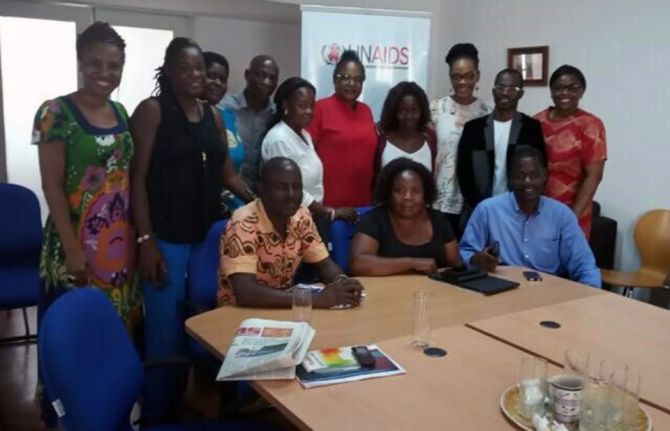
21 July 2020 21 July 2020The AIDS movement in Mozambique has lost one of its founding and leading activists, Tauzene Murgo, who died on 12 July 2020 in Maputo at the age of 42 years. Throughout his adult life, Mr Murgo advocated for accelerated access to HIV treatment and support for people living with HIV in Mozambique.
Mr Murgo was a founding member and Executive Director of Pyuka hu Hanya, which means “Wake and live” in Changana, a local language in the southern region of Mozambique. Pyuka hu Hanya was established in 2005 with the objective of improving the quality of life of people living with HIV. The organization provides a support network and platform for people living with HIV to build community engagement to improve the quality of health services and to design community-led projects. Pyuka hu Hanya was among the first organizations in Mozambique to offer support to people living with and affected by HIV, specifically mobilizing and linking people to health services.
Mr Murgo was tireless in his efforts to amplify the voices of people living with HIV, championing the greater involvement of people living with HIV in decision-making, monitoring and reporting to ensure that policies and services are responsive to community needs. At a time when HIV treatment was just starting to be available, he was a driving force in addressing issues around stigma and discrimination.
Mr Murgo was close friend of UNAIDS for a long time and an active member of the civil society platform on health and human rights. He collaborated with UNAIDS in raising awareness about the needs of people living with HIV, constantly reminding decision-makers and partners that “health is a right”.
“Mr Murgo was a passionate activist and leader who dedicated his life to ensuring that people living with HIV in Mozambique have access to life-saving HIV treatment,” said Eva Kiwango, UNAIDS Country Director for Mozambique. “He tirelessly advocated for increased funding for organizations of people living with HIV, to scale up community responses to HIV. We share in the sadness and offer condolences to his family and all who knew and loved him. He will be sadly missed.”
Region/country
Related
Feature Story
Delivering antiretroviral medicines to homes in Côte d’Ivoire and Nigeria
14 July 2020
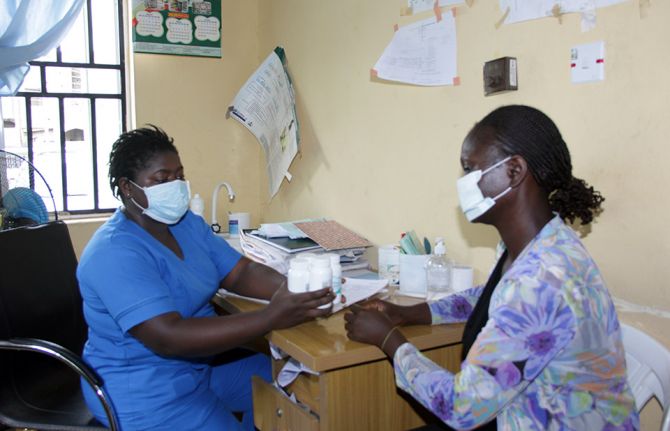
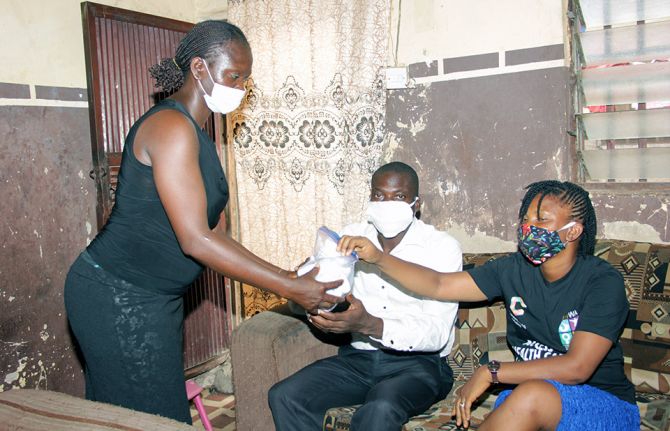
14 July 2020 14 July 2020The restrictions on movement and lockdowns currently being enforced to curb the spread of the new coronavirus in both Côte d’Ivoire and Nigeria are having an impact on many people living with HIV. To help mitigate those effects, the International Community of Women Living with HIV (ICW) West Africa is partnering with health-care facilities to facilitate the home delivery of HIV and other treatments.
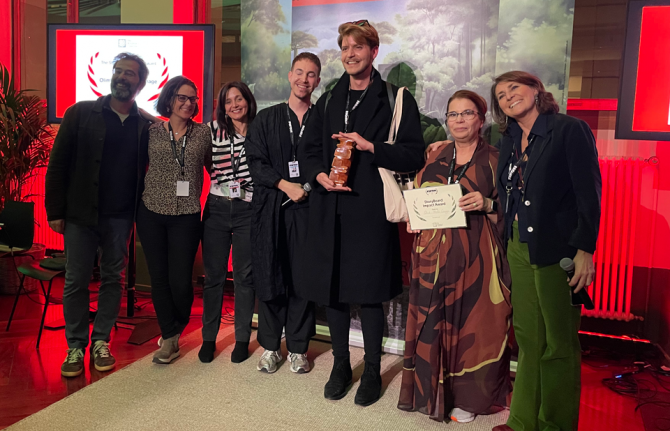
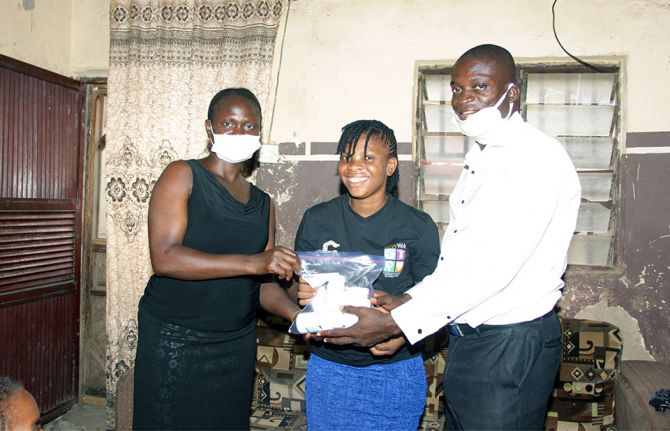
Key to being able to provide this service is the recruitment of community pharmacists, who collect and deliver antiretroviral therapy and other medicines to people, especially adolescent girls and young women, who can’t access their treatment themselves. An initiative of ICW and its partner, Positive Action for Treatment Access (PATA), 59 women living with HIV are now serving as community pharmacists, visiting hard to reach semi-urban and rural areas and helping to ensure that no one is left behind because of the COVID-19 crisis.
Under the arrangement, the medicines are provided by the Institute of Human Virology Nigeria, while PATA provides the logistics with support from the Open Society Initiative for West Africa (OSIWA) and ICW West Africa is responsible to the final home delivery.
“I willingly accepted to do this work because as a woman living with HIV, I know what it really means staying without antiretroviral therapy and the likeliness that people may develop drug-resistant strains, whose long-term effects could be worse than COVID-19,” said Queen Kennedy, a community pharmacist in Nigeria.
In Nigeria, community pharmacists are providing services in three COVID-19 high-burden states, Lagos, Federal Capital Territory and Oyo, covering 26 health-care facilities, while in Côte d’Ivoire community pharmacists are working in three provinces covering nine health-care facilities. In addition to their work delivering medicines, the community pharmacists are also sensitizing adolescent girls and women living with HIV on COVID-19 prevention measures, such as physical distancing, wearing face masks and regular hand washing.
“Ensuring access to quality health-care services for adolescent girls and young women and key populations living with HIV is one of our mandates. The only difference here is that we are providing these services in an emergency situation, putting at risk also our own health,” said Reginald Assumpta Ngozika, the Regional Director for ICW West Africa.
Through this partnership, ICW West Africa is also facilitating access to antiretroviral medicines for two foreign women living with HIV who are stranded in Nigeria because of border closures. Since the two women ran out of their medicines, they are being assisted by ICW community pharmacists, who collect and deliver their treatment in Lagos and Rivers State.
“Thank you ICW West Africa for keeping me on my medicines during this COVID-19 lockdown in Nigeria,” said one of the beneficiaries.
Our work
Region/country
Feature Story
UNAIDS and the wider United Nations system supporting the COVID-19 response in Nigeria
10 July 2020
10 July 2020 10 July 2020The United Nations system in Nigeria joined the fight against COVID-19 shortly after the first case was detected in the country in late February 2020.
UNAIDS’ lessons learned and expertise in facilitating, linking and bringing stakeholders together have been instrumental in guiding the United Nations multi-agency response, led by the Resident Coordinator, Edward Kallon. And by proactively mobilizing its political capital and goodwill in the country, UNAIDS has helped to bring resources and better lines of communication, coordination and accountability to the national COVID-19 response.
In mid-March, the Presidential Task Force was established to develop a COVID-19 response plan for how organizations should work together. Appointed as the only development member of the task force, the Representative, a.i., of the World Health Organization (WHO), Fiona Braka, provides the overall United Nations technical leadership to the government. Lessons learned from the HIV response fed into the development of the “four ones” guiding principles for the national response to the COVID-19 pandemic—one national COVID-19 multisectoral pandemic response plan, one COVID-19 national coordinating authority, one COVID-19 monitoring and evaluation system and one COVID-19 financing and investment platform.
“The “four ones” principles will simplify and clarify roles, responsibilities and relationships, including within the government,” said the Minister of Health of Nigeria, Osagie Ehanire.
Another lesson learned from the HIV response was the importance of ensuring that marginalized and vulnerable people are given consideration at every step of the development of a response to a pandemic. The potential impact of COVID-19 on people living with HIV, key populations and the poor also had to be at the centre of decision-making.
“UNAIDS regularly coordinated with the networks since the beginning of the COVID-19 outbreak, providing technical guidance and ensuring synergy with the efforts of the government,” said Abdulkadir Ibrahim, the National Coordinator of the Network of People Living with HIV/AIDS in Nigeria.
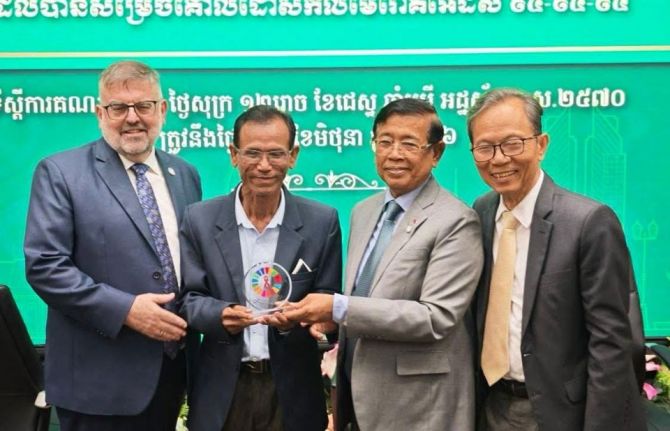
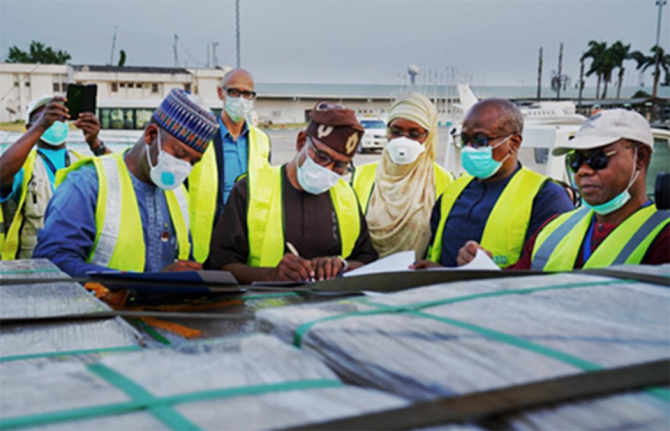
Working with the United Nations Development Programme, UNAIDS liaised with the wider United Nations system and the government and facilitated the handover of US$ 2 million worth of emergency medical commodities to the government, ensuring that the supplies and equipment were prioritized for use in public health facilities and by health-care workers.
The One UN COVID-19 Basket Fund was launched on 6 April. Part of one of the “four ones”, the one COVID-19 financing and investment platform, the Basket Fund channels the contributions of donors to the COVID-19 response. UNAIDS played a critical role in its establishment, working with the United Nations Resident Coordinator and the United Nations Development Programme to ensure that the financing platform put people and communities at the centre. UNAIDS, UN Women, WHO and the United Nations Population Fund helped to mobilize US$ 6.5 million for civil society and community engagement, social protection for vulnerable households, community-led surveillance and monitoring of COVID-19 and HIV and the documentation of community best practices.
In announcing a €50 million contribution to the Basket Fund, the Head of the European Union delegation to Nigeria, Ketil Karlsen, said, “The COVID-19 Basket Fund gives us the opportunity to cooperate and act rapidly in the deployment of assistance that can help to enhance health-care services and cushion the most vulnerable.”
Perhaps the most important contribution by UNAIDS to the COVID-19 response in the country, however, has been advocating to harness the vast HIV infrastructure in the country for the fight against COVID-19.
“We must leverage HIV assets on the ground, including not just laboratory facilities but community health workers and volunteers. To fight COVID-19 effectively we will have no choice but to engage communities to own the response,” said Erasmus Morah, the UNAIDS Country Director for Nigeria.
In a joint effort, the United States Government, the National Agency for the Control of AIDS, the United Nations Children’s Fund, WHO, UNAIDS and the Presidential Task Force mapped and initiated the engagement of approximately 100 000 community health-care workers and volunteers to undertake risk communication, social mobilization, contact tracing and home care.
COVID-19 is far from over in the country, with cases steadily rising, and United Nations staff have not been spared. However, as Mr Kallon, said, “The United Nations must stay open for business and deliver for the people while ensuring that staff members and their dependents are provided with the necessary environment for their protection against COVID-19.” Following this, a COVID-19 isolation and treatment centre as an extension of the United Nations clinic was established for staff as frontline workers, together with their dependent family members.
Moving forwards with the COVID-19 response, in addition to the continued support for the Presidential Task Force, the United Nations Country Team, including UNAIDS, is gearing up to support Nigeria to address the major gaps in subnational preparedness. Key issues such as the loss of livelihoods, heightened vulnerabilities and food insecurity, the increased risk of gender-based violence and limited access to essential health services will also be addressed in the coming months.
Our work
Region/country
Feature Story
Ensuring access to quality, safe, and non-discriminatory services for HIV key populations and migrants in the context of the COVID-19 pandemic
10 July 2020
10 July 2020 10 July 2020Statement of the Joint UN Programme on HIV/AIDS (UNAIDS) Interagency Working Group on Key Populations on the need to ensure access to quality, safe, and non-discriminatory services for HIV key populations and migrants in the context of the COVID-19 pandemic
The rapid spread of COVID-19 continues to impact billions of lives around the world. Unprecedented human and financial resources are needed to address this pandemic. UN entities, NGOs, communities of people living with HIV, sex workers, gay men and other men who have sex with men, people who use drugs, transgender people, and people in prisons and their sexual partners, as well as civil society all have a role to play in fighting COVID-19, saving lives, and tackling far-reaching social and economic consequences. Critical moments like this remind us more than ever that inequality can be a matter of life and death and that everyone is born free and equal in dignity and rights, including to the highest attainable standards of health.
Lessons learned from the global HIV response should inform COVID-19 responses: HIV has taught us that it is a shared responsibility and we need to empower communities and involve them in the response; we should never compromise on human rights; we need to remove all forms of stigma and discrimination; and we need to support vulnerable and marginalized groups.
UNAIDS estimates that 62 % of the new HIV infections are among key populations and their sexual partners. Key populations experience particular forms of exclusion, criminalisation, inequality and discrimination that render them particularly vulnerable to HIV and again now to COVID-19. People in prisons and closed settings, where physical distancing is not always an option, are extremely vulnerable to COVID-19. People in prisons also have a higher prevalence of HIV and TB which poses a higher risk of complication if infected with SARS-COV 2, as do migrants, who also face greater HIV vulnerability. LGBT people are reporting an elevated risk of domestic and family violence, increased social isolation and difficulties in accessing crucial HIV treatment and gender-affirming health services. Leaving key populations behind at this critical moment could have a grave impact on health and human lives. It could reverse the gains in the global HIV response as well.
We call on all Governments and partners to join us in,
Making quality, non-discriminatory HIV prevention, treatment, care and support services, and health services in general, available for key populations and migrants in the context of the COVID-19 pandemic.
These services must be based on respect, protection and fulfilment of human rights, regardless of existing punitive laws, policies and practices. They must be free from stigma and discrimination, based on evidence and science, and compliant with the most recent international guidance. Services must be equitable, based on informed consent, confidential and safe - for communities, as well as healthcare workers.
Rapidly adapting service provision to take into account the new realities of the COVID-19 pandemic.
Examples of adapted services are safe access to home HIV testing and remote counselling. Where possible, 3 to 6 months’ supply of ARVs, TB and viral hepatitis treatment should be supplied to ensure continuity of treatment, reduce transmission of HIV and co-infections, as well as the risk of COVID-19. People who use drugs should have access to harm reduction, including, where applicable and as advised by medical professionals, access to multiple opioid substitution doses to reduce OST site visits and COVID-19 exposure risk. Alternatives to imprisonment, where allowed, for non-violent offences could save lives, particularly for crimes not recognised under international law. Measures of early release should be taken for specific categories of people who are at particular risk of being affected by COVID-19, such as the elderly and individuals affected by chronic diseases or other health conditions, as well as pregnant women, women with dependent children, prisoners approaching the end of their sentence and those who have been sentenced for minor crimes in prisons, in-line with national policies and without compromising public health and safety. Emergency social protection measures for key populations are needed since they are often excluded from social services, including, but not limited to, housing and health insurance, and are often in precarious work situations. Service provision must continue to take into consideration intersectionality, gender and age diversity. It must be properly resourced with people, funding and materials. In order to be effective and efficient, these services must include key populations, their communities and organizations in their design and implementation.
Ensuring COVID-19 responses do not lead to the proliferation of punitive laws and measures to enforce restrictions or to criminalise transmission and exposure.
The gravely detrimental effect of such punitive measures on already marginalized or criminalized people has been well-documented in the HIV response, including by the Global Commission on HIV and the Law.
We won't stop COVID-19 if some people can’t afford or access testing or treatment. We must ensure that responses to COVID-19, or any other pandemic or health emergency, do not leave key populations, migrants and other vulnerable groups behind. As the Interagency Working Group on Key Populations we stand ready to work with all partners to ensure safe and rights-based access of key populations to quality HIV and COVID-19 services.
The Interagency Working Group on Key Populations is established under the UNAIDS Division of Labour and is co-convened by the United Nations Development Programme (UNDP), the UN Population Fund (UNFPA), and the United Nations Office on Drugs and Crime (UNODC) in partnership with the Global Network for and by People Living with HIV (GNP+), the International Network of people who Use Drugs (INPUD), MPact Global Action for Gay Men’s Health and Rights (MPact), Global Network of Sex Work Projects(NSWP), IRGT, and the UNAIDS Secretariat.
Related
Feature Story
Next global AIDS strategy: be part of making history
09 July 2020
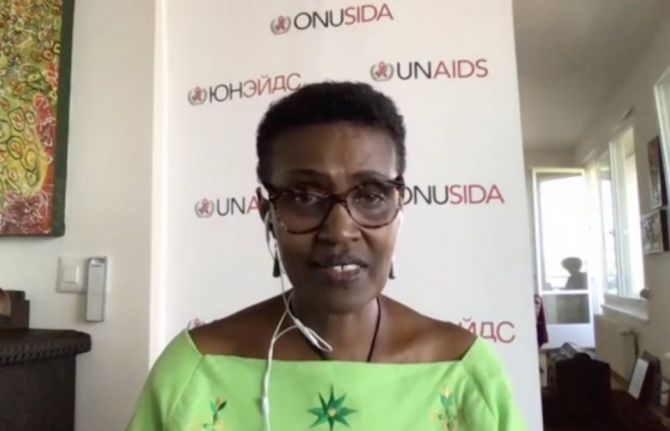
09 July 2020 09 July 2020Opening a session at the 2020 International AIDS Conference on UNAIDS’ next global AIDS strategy, UNAIDS Executive Director Winnie Byanyima presented a bold plan to put the global response to HIV back on track.
“Earlier this week, I raised the alarm that the world will miss the global HIV targets by 2020. The new UNAIDS strategy will be the road map to get the global response back on track to end the AIDS epidemic by 2030,” said Ms Byanyima. “The next UNAIDS strategy must address head-on the areas where we are still lagging, like combination prevention and human rights of key populations, and address the multiple vulnerabilities of adolescent girls and young women in sub-Saharan Africa.”
The session was an opportunity for the participants to engage in a discussion with UNAIDS on the key principles and issues that should underpin the next UNAIDS global AIDS strategy.
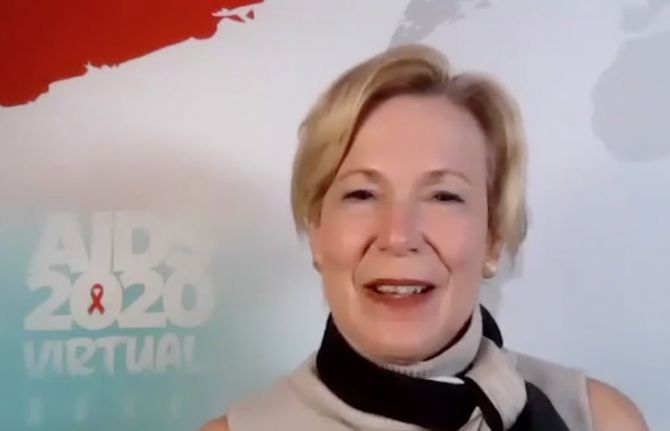
Deborah Birx, the United States Global AIDS Coordinator and White House Coronavirus Response Coordinator, stressed the need to “bring data, communities and governments together to address the issues people are confronted with every day.”
The participants agreed on the need for the strategy to address the core vulnerabilities that put people at risk, including harmful traditional gender norms, accessing livelihoods and education and reducing the exclusion and marginalization of key populations.
“Health is not only about health. Health is also about social justice. It's not enough to provide sex workers with condoms without addressing all the factors that prevent them from using them,” said Rico Gustav, Executive Director of the Global Network of People Living with HIV and Chair of the Global Fund Strategy Committee.
To close the gaps, there is a need to apply evidence to design programmes that adapt to the different epidemics and contexts. “We do have the tools to make an impact, but we need to move that to local level. We need to look at more customized solutions,” said Quarraisha Abdool Karim, from the Centre for the AIDS Programme of Research in South Africa.
There was a clear call for communities to be at the centre of the response in order to drive change. At the same time, the participants flagged the need to invest in communities to empower them to claim their leadership role, to hold everyone accountable, to help design and deliver people-centred, rights-based responses to HIV, tuberculosis and COVID-19 and to reach the hard to reach populations.
“How can we have people power when we don’t even have funding,” said Lucy Wanjiku, from the Kenya Positive Young Women Voices.
“Communities must be at the centre of the response. This means being funded, being part of decision-making and opening civic spaces for them to hold us all accountable,” added Ludo Bok, Manager of the Health and Development Group, United Nations Development Programme.
The speakers called for a serious reflection on what must be changed and a collective commitment to change the way we respond to HIV. The participants agreed on the need to focus the conversation on health as a basic right, on health as a social construct. HIV treatment and prevention cannot be delivered if there remain gaps to accessing knowledge, education, health care, harm reduction, sexual and reproductive health, secured livelihoods, economic opportunities, protection from violence and access to justice.
“I feel a renewed sense of urgency. We cannot continue to do the same things and expect a different outcome,” said Ms Byanyima. “People are expecting this strategy to set an urgent new direction for the global AIDS response—for the UNAIDS Joint Programme, for ending AIDS in every country and in every community.”