
Feature Story
Shelter for key populations in Kyrgyzstan
15 September 2020
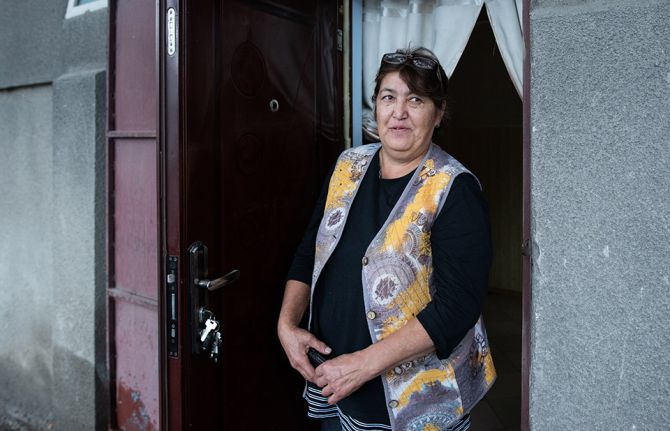
15 September 2020 15 September 2020Ishenim Nuru, which means “Ray of faith” in Kyrgyz, is a community organization that has been operating in the Chui region of Kyrgyzstan for many years. It started as a group of people living with HIV, their relatives and volunteers and then established itself as a nongovernmental organization that continues to work to fulfil its mission of improving the quality of life of people living with HIV.
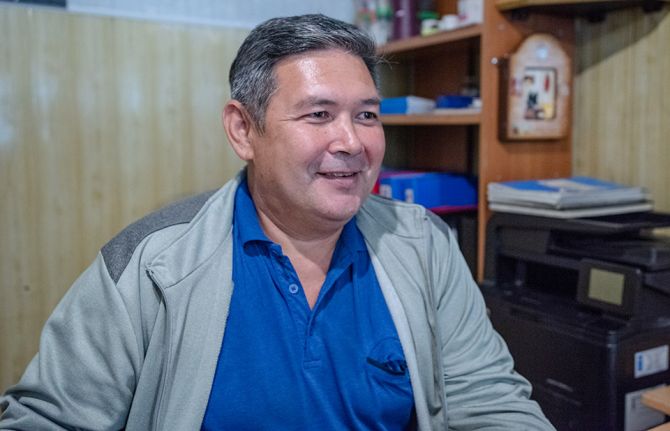
Today, Ishenim Nuru provides the only shelter in the area for people in key populations. “With the COVID-19 epidemic, the situation has worsened for many people, but it has become extremely difficult for people released from prison who are living with HIV, people with tuberculosis and representatives of key populations—many of whom were left without a roof over their head and without help. Therefore, we decided to open a shelter,” said Elmira Asanovna Dzhorbaeva, the head of Ishenim Nuru.
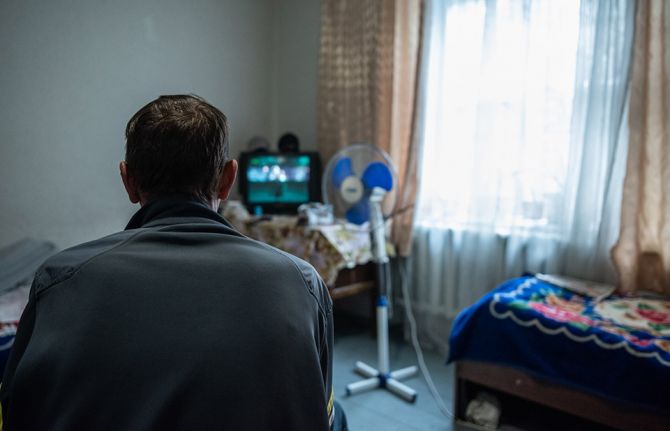
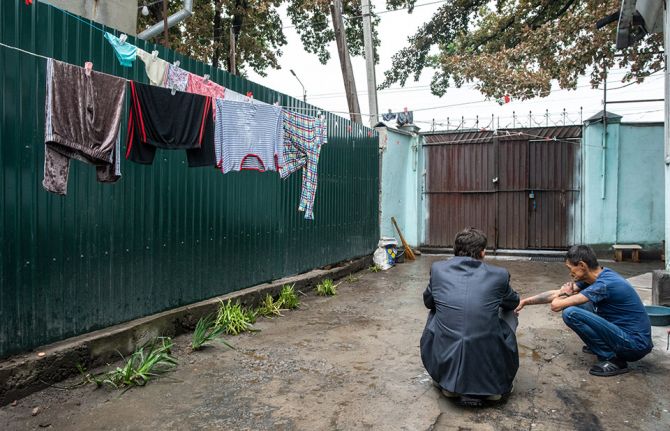
The shelter is a place where people can come and receive basic services, where they can sleep, eat and wash clothes, explained Ms Asanovna. “In our shelter, people living with HIV and their family members can get, in addition to basic services, referral to medical institutions. We work closely with city and regional AIDS centres, send clients for viral load tests, provide adherence counselling, engage lawyers, restore documents, provide psychological assistance, and even help with employment,” she added.
Currently, the shelter can accommodate only 10 people at a time, but according to Yuri Malyshev, the shelter’s social worker, when the situation becomes bad sometimes up to 30 people live in the shelter. “We put in additional beds, try to find a way out. People with different destinies live here, some have no documents, some cannot apply for a pension, some have recently been released from prison, and everyone should have a chance. Our main condition is for a person to have a desire to change and adherence to antiretroviral therapy.”
To date, the shelter’s activities are supported by a United Nations Development Programme project, with financial support from UNAIDS. According to Ms Asanovna, the organization is actively discussing the sustainability of the shelter in the face of reduced donor funding amid COVID-19. “We are looking for sponsors, writing projects, we are planning to build our own greenhouse, build a carpentry shop and our own bakery, so that clients have work. Of course, we dream that one day the shelter will have its own property, since we are renting a small house. I really hope that all our dreams will come true.”
Meerim Sarybaeva, UNAIDS Country Manager for Kyrgyzstan, said, “People who need critical support should get it. In the absence of shelters run by the state, this deficiency is being filled by nongovernmental organizations that are mobilizing resources and providing the needed assistance to people during the coronavirus pandemic.”
Our work
Region/country
Related
 Women, HIV, and war: a triple burden
12 September 2025
Feature Story
Cash donations for people who use drugs during COVID-19 in Bangladesh
09 September 2020
09 September 2020 09 September 2020“I cannot provide my family with sufficient food as my earnings have gone down. I feel depressed seeing my family going through economic pain and hunger,” says Kamal Hossain (not his real name), a person who uses drugs who lives in Dhaka, Bangladesh.
The COVID-19 pandemic is affecting the lives and livelihoods of people everywhere. The impact is especially being felt by people who are socioeconomically disadvantaged or marginalized. In Bangladesh, for people who use drugs and who are already struggling with disenfranchisement from the wider community, the hardships they face in making a living and accessing social protection schemes have been exacerbated.
Some of Mr Hossain’s peers worked before the pandemic, but they lost their jobs during the lockdown. Recreation facilities and drop-in-centres where previously they received health and psychosocial support were either closed or only partially operational, and clinical services were disrupted.
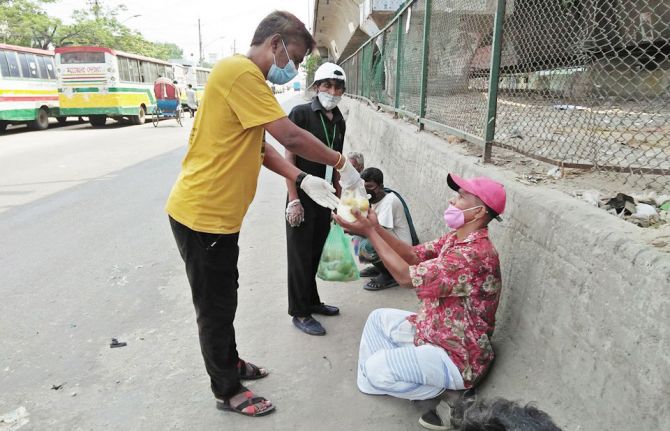
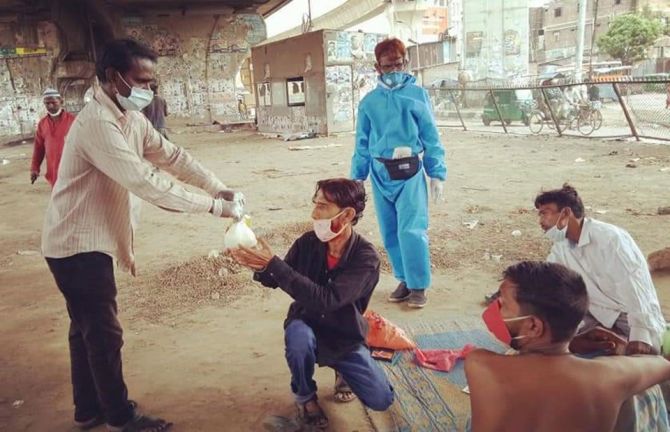
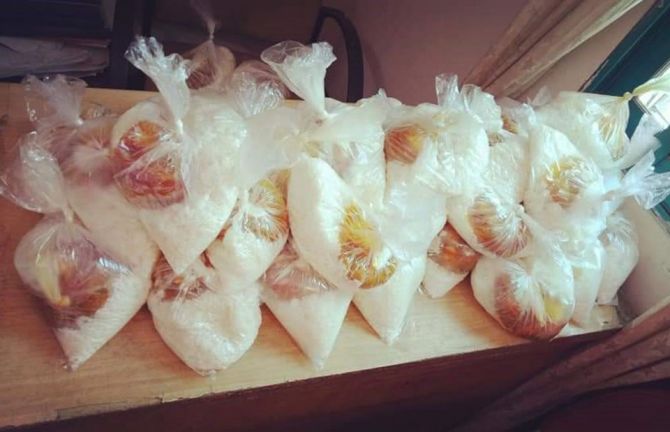
To support people who use drugs during the lockdown, UNAIDS made a donation to the Network of People Who Use Drugs (NPUD). With the donation, NPUD provided meals and clothing during the Eid ul-Fitr festival to people who inject drugs and who are living on the street. Food was distributed by members of the local community. For some, this was the only support they had received during the COVID-19 pandemic.
“I received only one meal during the lockdown. I did not receive any government support as I do not have a national identity card. I also received a mask and soap from a civil society organization,” said Rafiq Uddin (not his real name), who is homeless and uses drugs in Dhaka.
Community-based organizations are struggling to support the livelihoods of people from the populations most at risk, including people who use drugs.
“Since NPUD is an organization of people who use drugs, we cannot stay away from this crisis. In this time of difficulty, some leaders of NPUD have come forward to help and UNAIDS’ support has made the first step to make a difference,” said Shahed Ibne Obaed, the President of NPUD.
After receiving the donation from UNAIDS, NPUD reached out to other partners, including CARE Bangladesh, Save the Children (Bangladesh), local humanitarian agencies and volunteer organizations, to provide more comprehensive food support.
“I received some cash from a volunteer organization in my locality. Some of my relatives and well-wishers helped me with food. I also tried to do some income-generating work to support my family, but it was not available on a regular basis,” said Mr Hossain, who is a member of Ashakta Punarbashan Sangstha (APOSH), a community-based organization in Dhaka.
NPUD mobilized enough resources from various sources to continue to support people who inject drugs and people living with HIV in the older parts of Dhaka and beyond. Around 1600 people who use drugs have benefited from the initiative. Coordination between NPUD and other community-based organizations helped to identify beneficiaries. Outreach workers from drop-in centres, APOSH, Prochesta, Old Dhaka Plus, Alor Pothe and others helped to distribute food and clothes. Members of community-based organizations offered their homes as places to prepare and pack food.
NPUD procured personal protective equipment for outreach workers and masks and soap for beneficiaries and set up an online group to share updates and pictures and give information about their activities. The whole initiative was fully voluntary.
“A major concern is the shortage of human and financial resources to support all vulnerable people who use drugs. Wider donor involvement is necessary to generate more funds to support them, especially those who are living on the street, and to ensure sustainability of this initiative,” said Saima Khan, UNAIDS Country Manager in Bangladesh.
Region/country
Feature Story
Guyana’s HIV food bank comes to the rescue during COVID-19
04 September 2020
04 September 2020 04 September 2020For many Guyanese families, COVID-19 has meant far more than mask-use and movement restrictions.
“The disruptive effect on economic activity means that for some there simply is not enough food,” said Michel de Groulard, UNAIDS Country Director, a.i., for Guyana and Suriname.
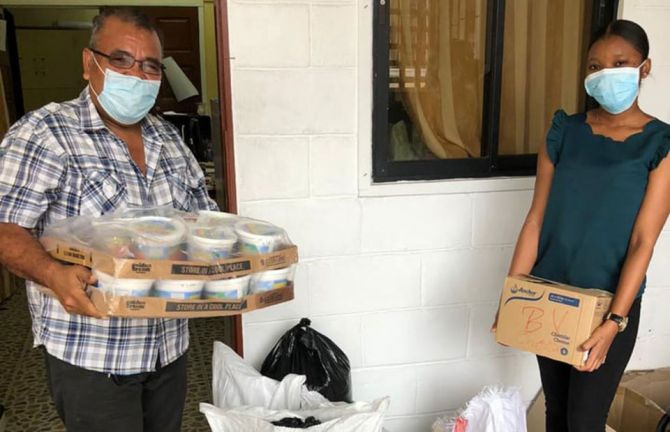
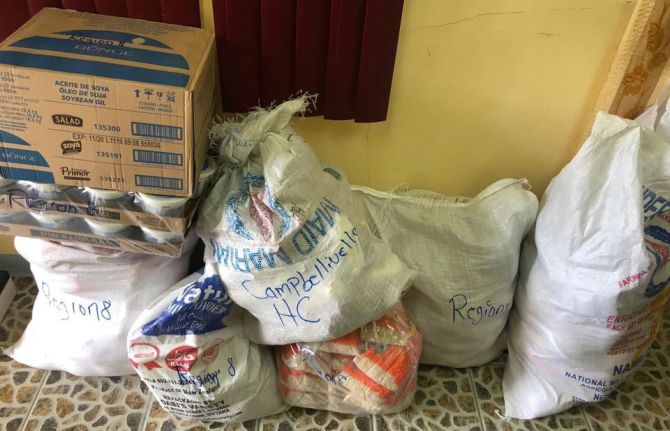
But for people living with HIV in Guyana, there’s been no need for a hastily improvised nutrition support solution. For almost 14 years the National AIDS Programme secretariat has invested in the development of a food bank specifically for people living with HIV, including those coinfected with tuberculosis.
The programme started with support from the Global Fund to Fight AIDS, Tuberculosis and Malaria (Global Fund) and continues to receive Global Fund contributions. From the start there were consistent, major donations from the National Milling Company of Guyana. Since 2017, the Government of Guyana and the Food for the Poor charitable organization have been the primary donors. Importantly, throughout the years the food bank has attracted significant inputs from the private sector. In 2019, there were more than 20 corporate contributors.
Referrals come from the clinical teams attending to people living with HIV. Food support is granted for an initial six-month period, after which the situation is reassessed. In the interim there is a collaborative effort with the Ministry of Social Protection and the Recruitment and Manpower Agency around job placement and other types of social support.
Rhonda Moore worked as an HIV doctor for six years and in three regions before assuming leadership of the National AIDS Programme. She’s seen the difference nutrition assistance makes for people and families on the brink. When people are worried about whether they will eat, they don’t take their treatment properly.
“Food insecurity creates a vicious cycle,” she said. “For people living with HIV it is important to have a healthy, balanced diet along with treatment to control the disease. But when someone doesn’t have food it affects them both mentally and physically. Adherence becomes an issue and the mental health impact also undermines the immune system.”
In the context of COVID-19, the food bank has expanded its reach to HIV-negative members of key populations. The National AIDS Programme is collaborating with community organizations to pair dissemination with the provision of information on COVID-19 and HIV as well as HIV prevention and testing services.
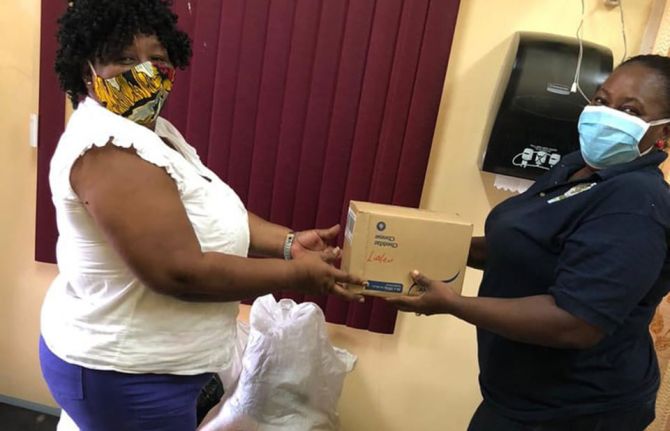
So far, more than 2700 food and personal hygiene packages have been distributed. Rather than have people journey to the food bank, the supplies are now being distributed through the treatment sites in their districts. An open invitation was issued to diagnosed people who hadn’t started or continued antiretroviral therapy to go to their nearest treatment centres for HIV medicines and food—two essentials for surviving COVID-19.
In 2019, Guyana became the first Caribbean country to introduce national nutrition and HIV guidelines. The strategy supports health-care providers, policymakers, social workers and other HIV response stakeholders in responding to the nutrition care and support needs of people living with HIV in diverse conditions. In an epidemic response often dominated by concerns around treatment, Guyana has been proactive about addressing the food insecurity challenge some people living with HIV face either consistently or—as is the case with COVID-19—in exceptional circumstances.
“HIV treatment will fail if people don’t have food—healthy food. The fact that Guyana has been able to respond immediately to alleviate food security challenges and thus protect the well-being of people living with HIV right from the outset of the humanitarian crisis demonstrates the value of making psychosocial support investments integral to our regular treatment programme,” Mr de Groulard said. “It makes countries and communities more resilient, more agile and better prepared to respond to crises.”
Region/country

Feature Story
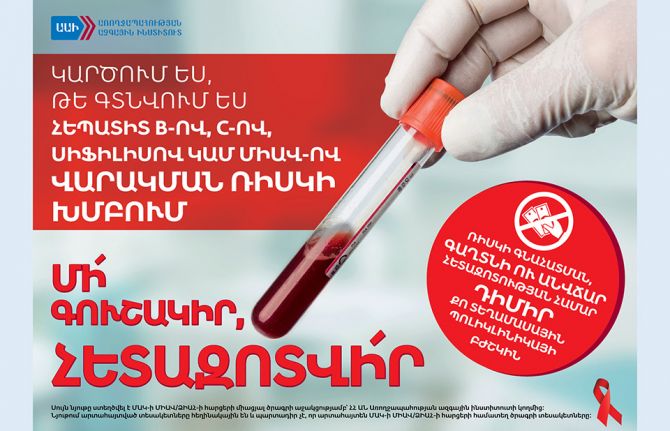
“Do not guess, get tested” - Free testing for HIV, syphilis, and hepatitis B and C in Yerevan
27 August 2020
27 August 2020 27 August 2020In Yerevan, the capital of Armenia, all polyclinics are now providing free, anonymous, and fast testing for HIV, Syphilis, Hepatitis B and C as part of the “Do not guess, get tested” campaign launched by the Ministry of Health and the Yerevan Municipality on World Hepatitis Day.
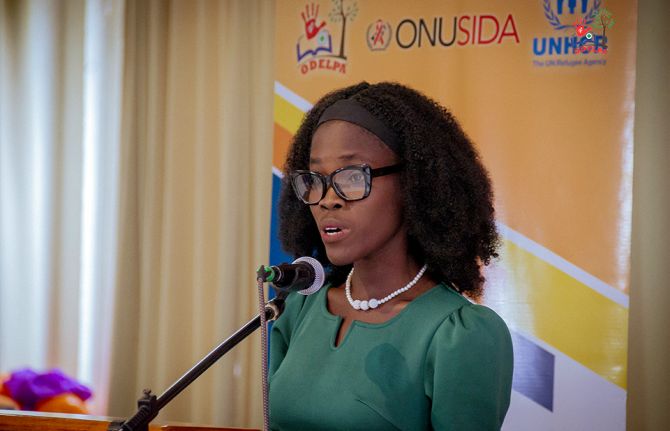
“It is an important signal to the population that we keep providing all necessary HIV services to people and that the COVID-19 pandemic has not stopped our prevention and testing work,” said Alexander Bazarchyan, Director of the National Institute of Health.
In preparation for this initiative, the Ministry of Health together with the National Institute of Health and the Municipality of Yerevan, conducted training sessions for medical staff in 20 polyclinics in Yerevan. More than 300 health workers—family doctors, infectious disease specialists, general practitioners, laboratory specialists, etc—received theoretical and practical information on “Management skills of Tuberculosis, Hepatitis B and C” and “HIV testing and counselling services in primary healthcare facilities”.
The activities continued during the COVID-19 epidemic through an educational website developed with support from UNAIDS. The site is a platform where specialists can post accredited online courses so that health professionals can continue their education for free.
In addition, rapid tests for HIV, Syphilis, Hepatitis B and C were purchased within the framework of the UNAIDS Regional Cooperation Programme (RCP) for Technical Assistance on HIV and other Infectious Diseases funded by the Government of the Russian Federation. The RCP aims to strengthen health systems, ensure better epidemiological surveillance of HIV, and promote the scale up of HIV prevention programmes among key populations at higher risk in Armenia, Belarus, Kyrgyzstan, Tajikistan, and Uzbekistan.
“We welcome such timely support as this initiative can facilitate access to testing for people through primary healthcare services and make another step towards achieving Armenia’s commitments to increase access to early diagnosis and treatment,” said Roza Babayan, UNAIDS Representative in Armenia.
Region/country
Related

Feature Story
Sex work during COVID-19 in Tanzania
25 August 2020
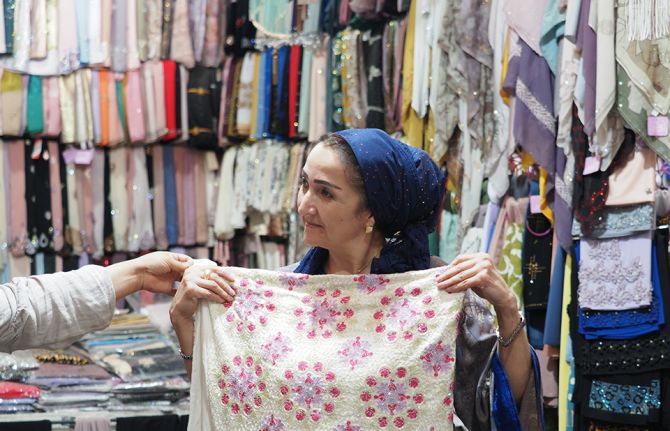
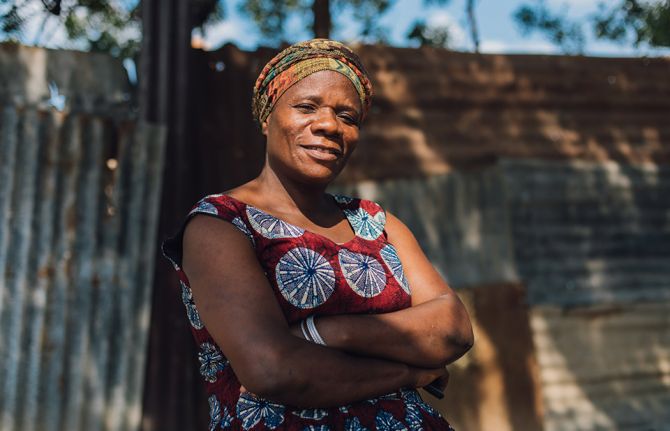
25 August 2020 25 August 2020“After COVID-19 kicked in, it has been too difficult to get customers,” says Teddy Francis John, a sex worker from Zanzibar. Since the outbreak of COVID-19, she has faced increased difficulties to earn an income to provide for herself and her two children.
“Everything has become tough and I had to start a small business of selling alcohol—local brew,” she says. The business also helps her meet new clients, as they come to her for drinks and are less vigilant about social distancing guidelines.
Ms John used to live and work in Zanzibar town, but to better earn an income and avoid paying rent, she decided to move to a more rural area. Here, she says, she can more easily find new customers for her local brew.
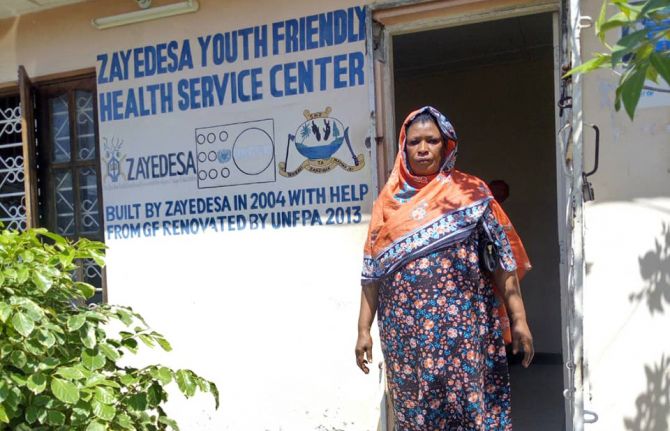
Rehema Peter is facing a similar situation, just on the other side of the ocean on Tanzania Mainland. She lives in the crowded suburb of Temeke in Dar es Salaam and works as a sex worker and volunteers as a peer counsellor for people living with HIV and for people who use drugs.
Her clients were regulars who used to come to her house, or she would visit those she could trust in their homes. But when COVID-19 broke out, they stopped coming.
“Coronavirus made life very hard. Payment at work used to be little and when COVID-19 came it reinforced the situation. On the side of my partners [clients], they stopped visiting and calling me. The very few who used to visit me often, I called them, but they said they have no money because of COVID-19, as some stopped going to their jobs,” says Ms Peter.
At her job as a peer counsellor she was offered fewer shifts, meaning a lower income. Because she is a former drug user, she has received some support through the Tanzania Network for People who Use Drugs (TaNPUD), which has been supported by UNAIDS to distribute food and hygiene items to people who currently use drugs and people in recovery.
“I just try to be calm and find other means [of income]. I’m searching for additional organizations that can help or support me anyhow. I also try to prepare soap and oil from the knowledge that TaNPUD gave me and I sell it,” says Ms Peter.
Continued services
Both Ms Peter and Ms John are living with HIV and are on HIV treatment. Due to the advocacy and assistance of UNAIDS and other partners of the Tanzanian government, disruptions to HIV services have been minimal in the country. This is felt by both women.
“During this time, it has become difficult to get services in government health facilities; unless you go to a private hospital where you must have cash. However, there is no problem at all in getting HIV-related services, including my treatment,” says Ms John.
Ms Peter say she can now get three months multi-month dispensing of antiretroviral treatment—even up to six months—since the healthcare staff do not want congestion in the clinics. This has helped both women in adhering to their treatment.
Increased stigma
Both Ms Peter and Ms John have experienced an in increase in the stigma and social exclusion they also face as sex workers and as women living with HIV during the COVID-19 outbreak.
“As some people know that I am living with HIV, they tease me. They say ‘prepare yourself for death. People like you never heal. You must prepare for your final journey’” recounts Ms Peter. She has faced discrimination in the community, but her family stands by her.
Ms John also faced increased gossip and mocking of her because of her work.
“People in my surrounding communities started mocking me and others. They gossiped as to how I would earn a living as there are not going to be customers because of the COVID-19 outbreak.” Says Francis John
Despite the COVID-19 outbreak being declared over in Tanzania and despite their continued efforts to find other means of livelihood, earning an income is still hard for the two women, due to continued social distancing regulations.
“[It] has been very difficult to provide this service and this harmed us economically. I know COVID-19 has affected the whole world but it has affected sex workers more because of the nature of our services; it involves proximity,” says Ms John.
Our work
Region/country
Related


Feature Story
A way to optimized HIV investments in the EECA region
25 August 2020
25 August 2020 25 August 2020As the Global Fund to fight AIDS, Tuberculosis and Malaria—one of the main donors for the HIV response in the last 20 years in Eastern Europe and Central Asia (EECA)—is moving away from funding the HIV response in EECA, the region is looking for ways to invest their available domestic resources in a much more cost-effective way.
“There are purely epidemiologic and economic arguments behind this transition,” said Dumitru Laticevschi, Regional Manager Eastern Europe and Central Asia Team, The Global Fund. “The economies here are considerably better for the same level of disease burden than the average in the world, that’s why it is expected that the region increasingly takes care of the epidemic by itself.”
The key challenge for the Global Fund, UNAIDS and other partners is to strengthen national responses and “to squeeze the problem to a size that is manageable for the governments to take over,” added Mr Laticevschi.
A series of HIV allocative efficiency studies conducted in 2014 in the region with support from the World Bank, UNAIDS Secretariat and some cosponsors, the Global Fund, USAID/PEPFAR and other partners, recommended countries to prioritize investment in the most cost-effective interventions to maximize health outcomes, including updating HIV testing and treatment protocols, reducing treatment costs, and optimizing service delivery. The studies were based on the Optima HIV mathematical modelling approach which has been applied in over 60 countries globally to help support HIV-related investment choices.
Recently, a new wave of the allocative studies was concluded in 11 countries of the region (Armenia, Azerbaijan, Belarus, Georgia, Kazakhstan, Kyrgyzstan, Moldova, Romania, Tajikistan, Ukraine, and Uzbekistan). Individual reports with a set of recommendations for each country, as well as a regional report with aggregated results from the eleven-country analysis are available here.
“We provided the technical support for these analyses,” said Sherrie Kelly, Team Lead HIV, TB, and Malaria Applications, Burnet Institute who supported the 2014 and 2019 studies in EECA. “We have the models in place and work with the national teams. The countries are the owners of the projects, data, and results. We are just the mathematical modelers.”
The modeling is informed by demographic, epidemiological, behavioural and other data, as well as expenditure estimates provided by national teams and available in the literature. The epidemic model is overlaid with a programmatic costing component and a resource optimization algorithm. Results are intensively discussed and validated by national teams and key stakeholders from respective countries. The UNAIDS Secretariat facilitated the entire process to ensure the capacity of national partners to facilitate optimized health spending was strengthened.
“We hope that the recommendations from the study will help our national partners to adjust National Strategic Plans and to focus on the most efficient, cost-saving interventions with maximum health outcomes and will not only save money, but will save people’s lives,” said Alexander Goliusov, UNAIDS Regional Director in EECA a.i..
Region/country
- Eastern Europe and Central Asia
- Albania
- Armenia
- Azerbaijan
- Belarus
- Bosnia and Herzegovina
- Bulgaria
- Croatia
- Cyprus
- Czechia
- Estonia
- Georgia
- Hungary
- Kazakhstan
- Kyrgyzstan
- Latvia
- Lithuania
- Montenegro
- Poland
- Republic of Moldova
- Romania
- Russian Federation
- Serbia
- Slovakia
- Slovenia
- Tajikistan
- North Macedonia
- Türkiye
- Turkmenistan
- Ukraine
- Uzbekistan

Feature Story
Strengthening the role of faith-based organizations in the HIV response
11 August 2020
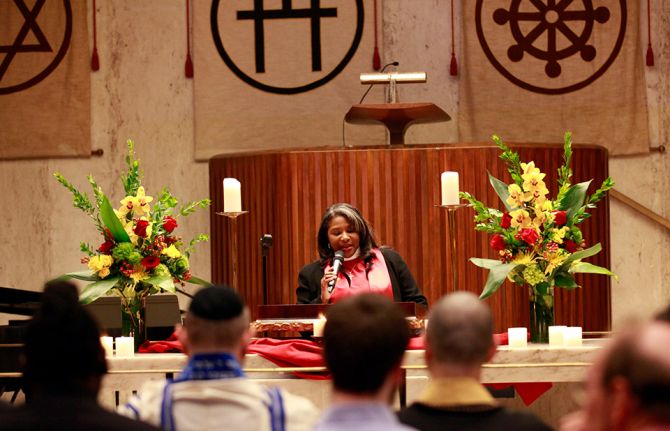
11 August 2020 11 August 2020Since the beginning, faith-based organizations (FBOs) have played an important role in the response to the HIV epidemic through their strong links with communities on the ground and their broad network of hospitals, clinics and other health facilities.
However, to unleash the full potential of these organizations, there is still a need to reinforce their capacities to adopt new policies and innovations, to improve their collaboration and coordination with partners in the HIV response and to further address HIV-related stigma and discrimination within faith communities.
The 2015 Lancet Special Edition on faith and health care highlighted two challenges:
- a lack of solid evidence about the scale, scope, reach, quality and effectiveness of FBO health service provision;
- significant gaps between certain aspects of faith and rights-based approaches to health care.
To address these challenges, the United States President’s Emergency Plan for AIDS Relief (PEPFAR) and UNAIDS in 2016 launched a two-year initiative to strengthen the capacity of faith-based leaders and organizations to advocate for and deliver sustainable HIV responses.
The new initiative
The new PEPFAR-UNAIDS initiative, launched in June 2020, aims to leverage global and country leadership by FBOs in the HIV response. It will build on achievements, results and lessons learned, maximising the use of capacity-building tools and resources developed from previous programmes.
The initiative is designed as a consortium of longstanding FBO partners, working together to build and combine their strengths, promote evidence-based policy and practice and strengthen advocacy efforts.
“More than ever, it is important that faith communities and leaders are strong voices for people,” says Shannon Hader, UNAIDS Deputy Executive Director, Programme. “This means, in a time of COVID-19, recognizing that a call to action on COVID-19 and a call to action on HIV should be complementary and synergistic—they are not in opposition to each other. We will rely on faith partners to be strong and true voices of support for people living with HIV.”
Implementing partners and focus countries
All implementing partners have a solid track record of successfully implementing HIV-related activities; of partnership with UNAIDS and PEPFAR; and of working with inter-faith partners globally and at country level:
The implementing partners are:
- Academic Consortium led by St Paul’s University (Limuru, Kenya);
- African Christian Health Association Platform;
- Caritas Internationalis;
- Inter-Faith Network of Religious Leaders Living with or Personally Affected by HIV (INERELA+);
- Islamic Relief Worldwide;
- World Council of Churches – Ecumenical Advocacy Alliance;
- World Council of Churches – Ecumenical HIV and AIDS Initiatives and Advocacy.
Country-level activities will be carried out in Cameroon, Cote d’Ivoire, Democratic Republic of Congo, Kenya, Nigeria, the United Republic of Tanzania, Uganda and Zambia.
FBOs will align their activities to Faith Action Plans in support of national HIV response strategies. Experience shows that such an alignment results in a better coordinated and sustained participation of the faith sector in national responses to HIV.
“Our ability to partner with faith communities is part of a sustainable approach to address both HIV and COVID-19,” says Sandra Thurman, Chief Strategy Officer at PEPFAR.
Global level activities are aimed at increasing collaboration, visibility, and coordination of the contribution of faith-based organizations to the HIV response. Events will include an HIV Interfaith Conference on the theme of Resilience and Renewal (22-24 September 2020), implementation of the commitments made in the Rome Action Plan on Paediatric HIV, and the engagement of faith partners in the development of the new UNAIDS global strategy.
Related
Feature Story
By any means necessary: defending human rights in Uganda in the time of COVID-19
22 September 2020
22 September 2020 22 September 2020Adrian Jjuuko heads up the team at Human Rights Awareness and Promotion Forum (HRAPF) in Kampala, Uganda.
He is the dictionary definition of an ally—a heterosexual lawyer who defends people who live on the margins of Ugandan society: lesbian, gay, bisexual, transgender and intersex (LGBTI) people, sex workers, refugees, people who use drugs and women who are survivors of domestic violence.
Mr Jjuuko founded HRAPF in 2008 to create awareness of human rights and provide legal support to marginalized people, mostly members of the LGBTI community.
“This is not the favoured job of a lawyer in Uganda,” he laughed. “When young graduates come out of law school, most would choose commercial litigation. I chose this. I chose it because I love it,” he added.
HRAPF started out as an organization that represented marginalized people but increasingly took on cases from members of the LGBTI community. Mr Jjuuko said that this is because, in Uganda, LGBTI people “are generally not treated like citizens with rights—not by law, culture or religion.”
Because of the stigma around the work that HRAPF does, “other lawyers don’t think we are real lawyers,” said Mr Jjuuko. “You live with the professional discrimination,” he sighed.
Uganda is one of 13 countries in the eastern and southern African region that criminalizes same-sex sexual relations. Under the Penal Code, “carnal knowledge against the order of nature” between two males carries a potential penalty of life imprisonment.
Evidence shows that the more marginalized, stigmatized and criminalized people are, the higher their vulnerability to HIV and violence.
Roughly one quarter of the 580 000 new HIV infections in the region in 2019 were among key populations and their sexual partners.
In sub-Saharan Africa, one in three transgender women have been attacked and 28% raped at least once in their life.
HRAPF represented the 14 gay men, two bisexual men and four transgender women (known as the COSF20) who were arrested in late March 2020 when police raided the Children of the Sun Foundation premises, an LGBTI shelter on the outskirts of Kampala. They were between the ages of 18 and 25 years and had been thrown out of their homes because of their sexual orientation and/or gender identify.
Police said the young people were violating social distancing rules that banned gatherings of more than 10 people in public spaces, restrictions imposed due to the lockdown in response to the COVID-19 outbreak.
However, they were not in a public place, but the place they called home.
Mr Jjuuko said this is one of many cases where COVID-19 restrictions are being used to violate human rights. The young people were arrested on the site on the suspicion of homosexuality and the charge was later changed at the police station to take advantage of the government restrictions.
It took Mr Jjuuko and his colleagues 43 days of applications, letters, meetings and court dates for HRAPF to be granted access to their clients; another two to actually see them; another five to get the charges dropped and the first 19 released, and yet another seven days for the final detainee to be released.
Mr Jjuuko and his colleagues had to hitch rides on cargo trucks en route to the prison, and use motorbikes and bicycles, to access their clients because of the restrictions placed on the operation of motor vehicles during the lockdown.
During the 50 days they spent in jail, the young people were subjected to gross human rights violations, such as beatings with wire, burning with pieces of firewood between their thighs, and, in one instance, an anal examination in a bid to “prove” homosexuality.
This is not the end, said Mr Jjuuko. HRAPF wants the prison authorities to dismiss the staff who perpetrated the violations and damages paid to the young men and women.
HRAPF’s work has turned from legal aid to humanitarian assistance, said Mr Jjuuko. The young people need food. A place to stay. It’s not enough to get them out of jail when they have no means and nowhere to go.
“The reason we do this is because no one else is doing it. There are basically no other legal aid service providers for LGBTI people. That is a feeling of contribution that you can’t take away.”
COVID-19 has made things even more difficult.
“We all need to come together and fight COVID-19 but we must not forget about marginalization and discrimination. How can we tailor our support to marginalized people? How do we protect people’s rights … think about people who need access to medicine and people who can’t use public transport? We need to think about the multiple dimensions of vulnerability,” he said.
UNAIDS continues to support the work of HRAPF to advance human rights and the right to health among key populations in Uganda. In 2020, it provided technical and financial support for a six-month project, which included sensitization meetings on HIV and human rights for key population groups from civil society, including information on the provision of free legal services to members of the community who are detained.
On the consequences of his work on his life, Mr Jjuuko shrugged and said, “It doesn’t matter. You just learn to live with it.” And in the same breath, he added,” As a lawyer, you must fight like a gladiator for your client to be protected.”
Our work
Region/country
Feature Story
Virtual training for antiretroviral therapy prescribers launched in Papua New Guinea
04 August 2020
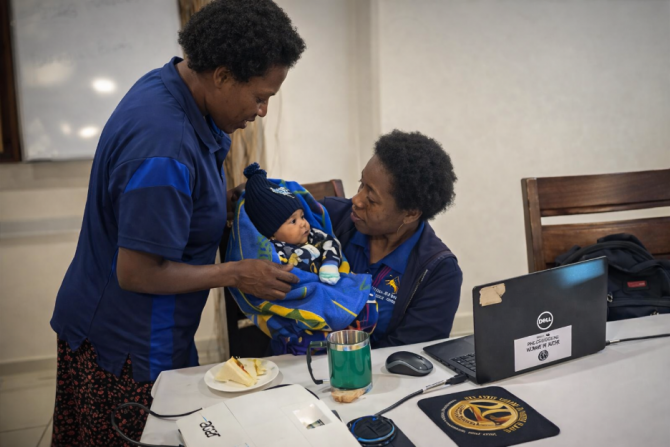
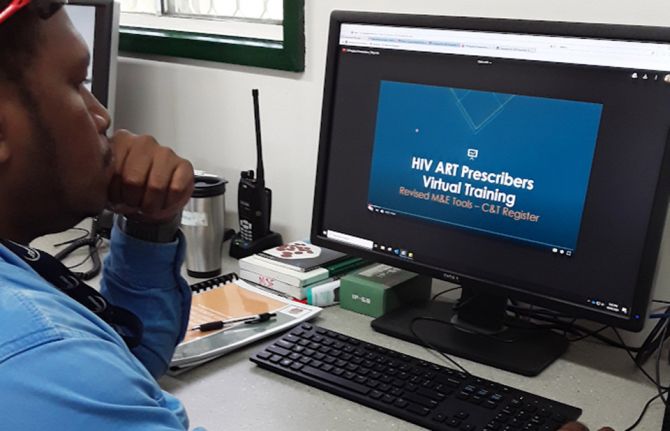
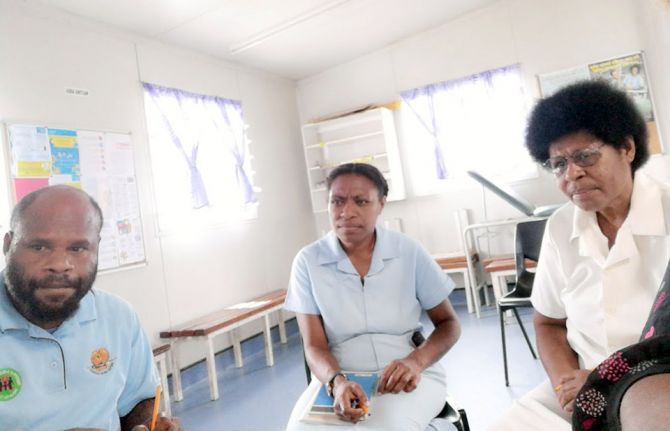
04 August 2020 04 August 2020The National Department of Health has launched the first-ever virtual training for prescribers of antiretroviral therapy in Papua New Guinea. Using Google Classroom, 21 video lectures with a total of more than six hours of content, covering HIV treatment, care and service delivery guidelines, as well as monitoring and evaluation tools, are provided to the learners. The content includes video lectures and associated assessment materials, which have to be completed within seven days after enrolment.
Thirty days since the launch, 105 participants have been successfully enrolled, of whom 70% had been unable to participate in any refresher training for the past three years.
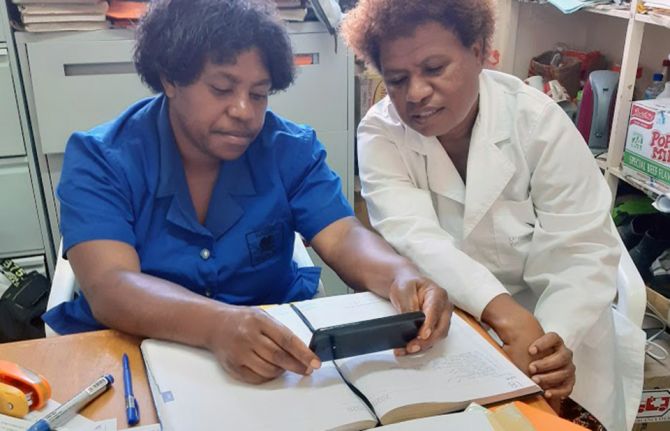
Google Classroom requires an Internet-ready gadget—a smartphone, a laptop or a tablet— Internet access and a valid email address to be enrolled. Since some antiretroviral therapy prescribers do not have an email address, some local clinics have set up onsite classrooms where multiple trainees can join the online course from one computer, learning as a group.
The National Department of Health has successfully got support from partners, including UNAIDS, the World Health Organization, USAID, United States Centre for Disease control, World Vision and FHI 360, to cover US$ 15 of Internet access per participant, using cards with a seven-day data plan from a nationwide Internet provider network.
“Crises can also be opportunities and the impending COVID-19 crisis pressed us to find an innovative solution. The virtual antiretroviral therapy prescribers training shifted the goal posts, showing us that we could respond effectively and offer solutions. I am so proud of the partners that supported us in this and now we also have a more cost-effective way of training across the enormous geographic barriers that we find here in Papua New Guinea,” said Peniel Boas, Manager, Sexually Transmitted Infection and HIV Programme, National Department of Health.
The participants provided positive feedback on the training. “I really enjoyed learning a lot of new information. I would recommend that any sexually transmitted infection/HIV refresher training be conducted in this manner in the future, to minimize costs and provide this opportunity to health-care workers who otherwise do not have the possibility to attend,” said a nurse from the Leguava Clinic in West New Britain Province.
“The training provides relevant content which is well presented by the facilitators. I enjoyed the quizzes at the end of each presentation. The bonus being that it doesn’t take the worker away from their worksite, it doesn’t incur travel costs and it allows the participants to learn at their own pace. Also, the fact that the facilitators are still available on the platform is a great opportunity for ongoing mentorship,” said a student from the Innanaka Clinic in Hela Province.
The team behind this initiative comprises members of the National HIV Technical Working Group, including the UNAIDS country office, and lecturers, content providers, online class moderators and others. Google Classroom is free for use and all materials are stored in Google Drive using a Google account.
The virtual trainings will be followed by supervisory visits and onsite mentoring to be conducted by the sub-teams of the National HIV Technical Working Group. Due to this successful experience, this format is now being considered for other trainings in Papua New Guinea.
“The quick and strategic action to offer the antiretroviral therapy prescribers training virtually has saved lives here in Papua New Guinea. Without it, we could not have effectively rolled out the new HIV treatments that are combating HIV drug resistance,” said David Bridger, UNAIDS Country Director for Papua New Guinea.
Region/country
Related

Feature Story
Celebrating the life of Inviolata Mbwavi, Kenyan AIDS activist
30 July 2020
30 July 2020 30 July 2020Kenyan AIDS activist Inviolata Mbwavi died on 29 July 2020 in Kakamega, Kenya, at the age of 48 years.
Ms Mbwavi was the first Chief Executive Officer of the National Empowerment Network of People Living with HIV in Kenya. At the time of her death she was the National Coordinator of the International Community of Women Living with HIV, Kenya Chapter (ICW-Kenya). ICW-Kenya exists to support an enabling human rights environment, promote gender equality and address the HIV-related vulnerabilities and needs of women and girls. ICW-Kenya also works to respond to HIV among gay men and other men who have sex with men and transgender people, supports legal frameworks enabling trade and intellectual property legislation for improved access to affordable essential medicines and commodities and campaigns against violence and discrimination against key populations.
For Ms Mbwavi, the responses to HIV and to other underlying social, economic and legal factors were equally important. She was uncomfortable with an HIV response that does not question why more girls than boys and more women than men are living with HIV in Kenya and the wider African continent decades after the advent of the epidemic.
Ms Mbwavi was an active member of a civil society coordination group on HIV and tuberculosis and collaborated with UNAIDS in pushing for an HIV response that values and recognizes the contribution of civil society and affected communities.
“Inviolata Mbwavi was a fierce advocate for gender equity, safety and dignity. She was a passionate activist and leader who broke barriers for women and for civil society and was one of the first women living with HIV to serve in a Country Coordinating Mechanism. Her leadership qualities and desire to serve were further demonstrated when she twice ran to be a member of parliament,” said Medhin Tsehaiu, UNAIDS Country Director for Kenya. “We give our condolences to her family and all who loved her.”