Feature Story
“We carry on”
28 February 2020
28 February 2020 28 February 2020“For five years I have been subjected to harassment and threats—rape threats, murder threats, vilification, character assassination, phone calls to my family, to my mom,” said Lebanese television anchor Dima Sadek.
To raise public awareness about sexual harassment and bullying in Lebanon, particularly against female journalists during the recent protests, the Arab Foundation for Freedoms and Equality—UNAIDS’ regional partner on rights and health—has produced a video that sheds light on this human rights abuse committed against many women in the country.
Made in partnership with the HIVOS Women Empowered for Leadership (WE4L) programme, with funding from the Dutch Ministry of Foreign Affairs, the video highlights cases of harassment and assault—reporters whose bodily autonomy has been violated, whose personal telephone numbers have been leaked and who subsequently received rape threats and pornography and who have been verbally and physically attacked while live on television.
“You don’t expect that someone could be this hurtful or that they could say such things. You don’t know them and they don’t know you, but because you differ on politics, they feel they are allowed to talk to you in this way,” said Layal Saad, a reporter.
Since similar attacks, including online bullying and harassment both online and offline, have also been reported by female protesters, the video also seeks to raise awareness about the everyday sexual harassment, bullying and violence that women in general are subjected to, emphasizing the need for policies that allow women to become leaders.
Diana Moukalled, a journalist, explained that legal protection against sexual harassment is needed, since at present there are no laws that criminalize sexual harassment in Lebanon. “Lebanese women are among the most politically marginalized in the world, not just in the region. We see women present on many levels, yet there is a sharp discrepancy between the role of Lebanese women and their representation,” she said.
The video’s title is We Carry On, echoing the sentiment of the many women who watched and reacted to it—a feeling of resilience in the face of adversity and a determination to achieve the social justice demanded by women in Lebanon.
Region/country



Feature Story
Russian blogger’s film raising awareness of HIV
20 February 2020
20 February 2020 20 February 2020A new film about HIV in the Russian Federation by YouTuber and journalist Yuri Dud is stirring people’s interest about the epidemic in the country.
Since its release on 11 February, the video has been viewed by more than 14 million people, and the number of online searches about HIV and HIV testing has skyrocketed. According to Google Trends, the number of searches on where to buy an HIV test has increased by 4000% since the launch of the video—the highest level of interest in HIV and HIV testing in the past five years.
In the film, published on his YouTube channel, Mr Dud talks to people living with HIV, activists, experts and journalists. Through his interviews, the film voices some of the taboos surrounding HIV in Russian society, including condom use, and looks into the drug use epidemic in the country, the services available for people who use drugs and the lack of sex education, among other things.
It is clear in the film that younger people still lack basic information about HIV—things like the difference between HIV and AIDS, the effectiveness of treatment or even how the virus is transmitted are still mysteries for many in the country. “You can touch people living with HIV, exchange clothes, swim in the same pool, drink from the same mug, cuddle, kiss. It's stupid to be squeamish about people living with HIV. It is much better to be squeamish about unprotected sex and drugs. These are still the two main modes of HIV transmission,” said Mr Dud.
The popularity of the film has prompted government officials to take a closer look at the HIV epidemic and response.
“Yuri Dud’s film about HIV is undoubtedly useful. It provides a lot of important information and motivates people to get tested for HIV,” said Oleg Salagai, Deputy Health Minister, in his Telegram channel. Mr Salagai emphasized how the film draws attention to the issue of the stigma endured by people living with HIV. “HIV is not a death sentence anymore. It is very important that people living with HIV have access to HIV treatment to live a healthy and fulfilling life,” he wrote.
Mr Salagai was not the only government official reacting to the video.
Alexei Kudrin, the Head of the Accounts Chamber of the Russian Federation, promised to carry out a review of the effectiveness of HIV prevention and care programmes in the country. “This year, the Accounts Chamber will analyse the effectiveness of government resources allocated to people living with HIV in the Russian Federation,” he said.
And the first Deputy Head of the State Duma Health Committee, Fedot Tumusov, invited members of parliament to watch the film and discuss to the HIV situation in the Russian Federation. He is also planning a round-table meeting in the State Duma to explore ways to improve access to HIV prevention and treatment.
“The public response to Mr Dud’s film is incredible. However, even such a successful action is not enough. We need consistent and long-term activities to raise HIV awareness coupled with programmatic actions to ensure access to HIV testing and treatment for all,” said Alexander Goliusov, Director, a.i., of the UNAIDS Regional Support Team for Eastern Europe and Central Asia.
Eastern Europe and central Asia, of which the Russian Federation is a part, has the fastest growing HIV epidemic in the world. Most new HIV infections in the Russian Federation are among key populations, including people who inject drugs, despite the well-documented power of harm reduction programmes, where available, to reduce new HIV infections—insufficient access to sterile injecting equipment and the unavailability of opioid substitution therapy are stymying efforts in the country to prevent HIV infections among people who inject drugs.
Watch
Region/country

Feature Story
New Investment Book highlights investment opportunities
13 February 2020
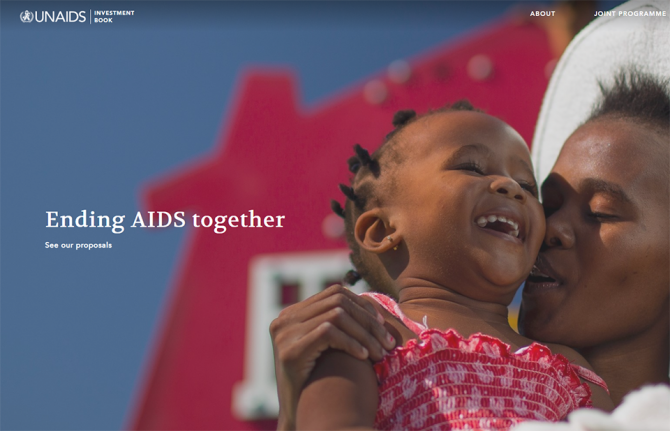
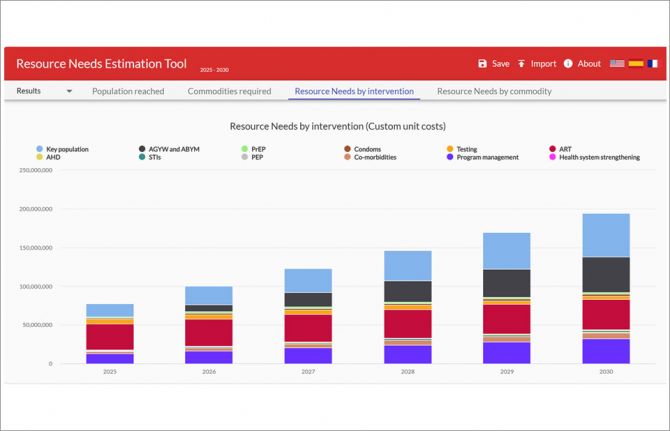
13 February 2020 13 February 2020The Investment Book, an online tool for UNAIDS donors that capitalizes on the unique value of UNAIDS, has been launched. Highlighting the opportunities that are available for partnership and donor investment, the Investment Book shows the impact of investment opportunities at the global, regional and country levels.
The Investment Book is filled with opportunities to support and partner with the Joint Programme in a variety of ways. Whether learning more about how the Joint Programme functions and partners at the country level, or learning more about opportunities to join forces around human rights or violence against women, each proposal tells an important part of the story of what it will take to end AIDS.
AIDS is unfinished business, and an investment in the Joint Programme is an investment in a future when AIDS is no longer a public health threat. As Winnie Byanyima, the Executive Director of UNAIDS, said, “The global response to HIV and the Joint Programme provide one of the strongest examples of the value of multilateralism and global solidarity.” Be part of making AIDS history. Partner with UNAIDS.
Feature Story
Advocacy toolkit for African first ladies launched
10 February 2020
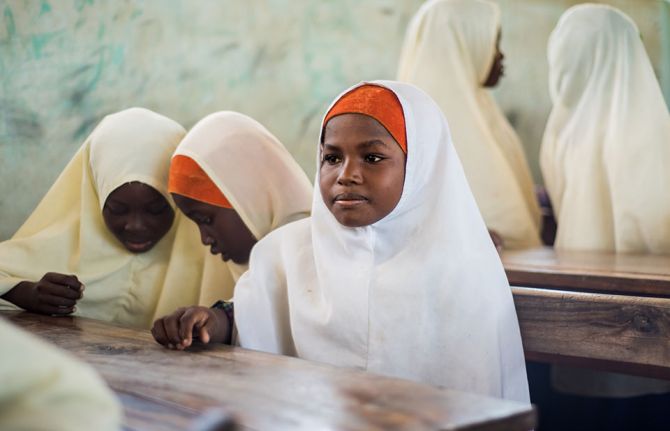
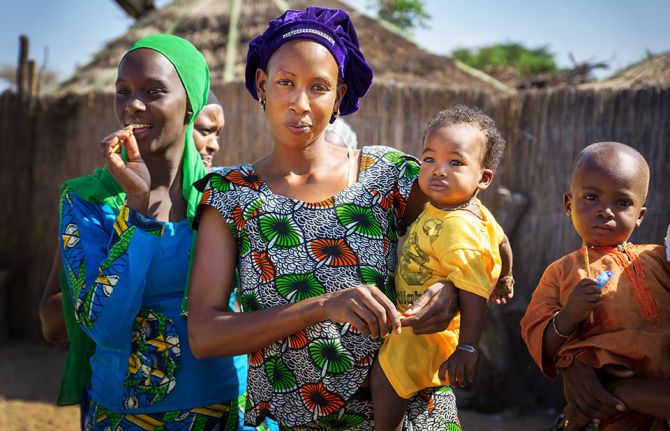
10 February 2020 10 February 2020An advocacy toolkit to support a campaign by the first ladies of Africa to end childhood HIV and keep mothers healthy has been launched. The toolkit was developed as part of the Free to Shine campaign, an initiative of the Organization of African First Ladies for Development (OAFLAD) and partners to address the growing complacency in the response to childhood HIV in Africa.
Important gains have been made in the AIDS response for women and children. An estimated 1.5 million new HIV infections among children aged 0–14 years have been averted since 2010 in Africa. The proportion of pregnant women living with HIV on antiretroviral therapy increased from 44% in 2010 to 84% in 2018. However, challenges remain across the continent. AIDS remains the leading cause of death among women of reproductive age. Only half of all children living with HIV have access to antiretroviral therapy, leaving 742 000 children who are neither tested not treated for HIV. Coverage of services to prevent vertical (mother-to-child) transmission of HIV has stalled in eastern and southern Africa and decreased in western and central Africa in the past three years.
The toolkit sets out three areas that the first ladies should focus their advocacy efforts on: keeping women and girls HIV-free; preventing vertical transmission of HIV; and finding missing children and adolescents living with HIV and ensuring that they receive HIV services. Showing how to take the advocacy focus areas forward, the toolkit sets out the background to the three focus areas and gives key messages. A framework for action outlines how the first ladies should use their unique position to raise awareness, convene stakeholders, take action and promote community leadership.
Speaking at the launch, Winnie Byanyima, Executive Director of UNAIDS, said, “We must focus on what is needed next to achieve progress, accelerate our efforts to keep women and girls HIV-free, prevent HIV transmission from a mother to her baby and find the missing children and adolescents living with HIV.”
“We have made critical strides in the fight to end AIDS, but there’s still so much more to be done. We are seeing mother-to-child transmission rates rising in several countries, and we have to prioritize these vulnerable populations. Only with stronger, targeted programmes and campaigns like Free to Shine can we put women and children’s needs at the centre and achieve a generation free of AIDS,” said Chip Lyons, President and Chief Executive Officer of the Elizabeth Glaser Pediatric AIDS Foundation.
OAFLAD, the Elizabeth Glaser Pediatric AIDS Foundation and UNAIDS launched the toolkit on 9 February in Addis Ababa, Ethiopia, during the general assembly meeting of OAFLAD.
Related



Feature Story
#InSpiteOf campaign reached more than a million people
29 January 2020
29 January 2020 29 January 2020#InSpiteOf, a social media campaign featuring the right of women living with HIV in eastern Europe and central Asia to live with dignity and respect, has reached more than a million people.
Each of the #InSpiteOf Instagram stories showed a different aspect of women living with HIV and challenged the stereotypes and myths that surround the virus. The stories focused on testing and treatment, motherhood and the adoption of children by people living with HIV, disclosing one’s HIV status to partners and children, enjoying the right to work, living with HIV in custody, being a migrant living with HIV, violence and drug abuse, and contributing to HIV education and prevention.
A common feature of all the women featured in the campaign is that they were supported at a critical time in their lives by their loved ones, women’s organizations or communities and are now not only living with HIV and challenging society’s stereotypes, but helping others.
“Mutual support, women’s leadership in preventing violence, protecting rights and dignity, and combating stigma and discrimination have always been and remain one of the most important aspects in countering the HIV epidemic,” said Svetlana Moroz, Chair of the Eurasian Women's Network on AIDS.
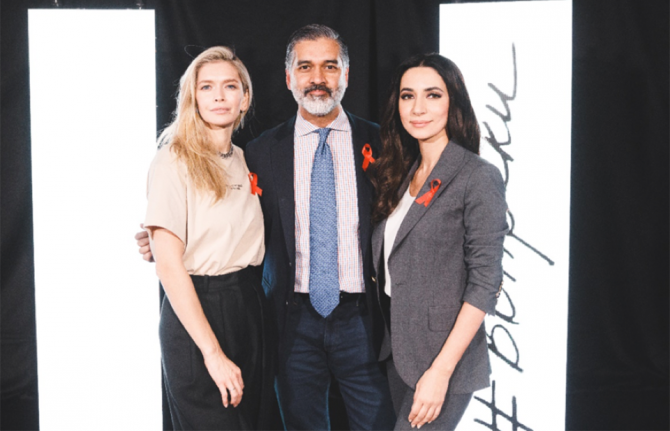
On the eve of World AIDS Day 2019, Odnoklassniki, one of the Russian Federation’s most popular social networks, hosted a live event in support of the #InSpiteOf campaign. Celebrities such as the singer Zara, Irina Starshenbaum, Lyubov Aksyonova and others voiced their support for the campaign and read poems, accompanied by music played by Anton Sevidov of the band Tesla Boy. Vera Brezhneva, the UNAIDS Goodwill Ambassador for Eastern Europe and Central Asia, also attended the event, at which she stressed the importance of speaking honestly and openly about HIV and ensuring that people get the treatment and support they need.
“Be sure to listen and share #InSpiteOf stories! They are not only about one’s right to live with dignity, to love and to be happy. They are also about these women’s amazing power, spirit and will to live despite all odds. Each one of us has her own #InSpiteOf challenge, so let us support those who made it and let us inspire those who still doubt their power,” said Ms Brezhneva.
“Gender norms and taboos regarding sexual and reproductive life, as well as gender-based violence, increase women’s risk of HIV infection. Then, after being diagnosed with HIV, women face stigma and discrimination, hide their status and do not seek help. This vicious circle can only be broken with the women themselves, their mutual support and leadership, as well as a change in society’s attitude to HIV and the people it affects,” said Elena Kiryushina, Gender Focal Point at the UNAIDS Regional Support Team for Eastern Europe and Central Asia.
The campaign was developed by the UNAIDS Regional Support Team for Eastern Europe and Сentral Asia jointly with the Eurasian Women’s Network on AIDS.
More campaign materials
Region/country
Related
Feature Story
Key population-led organizations delivering health services in Bangkok
27 January 2020
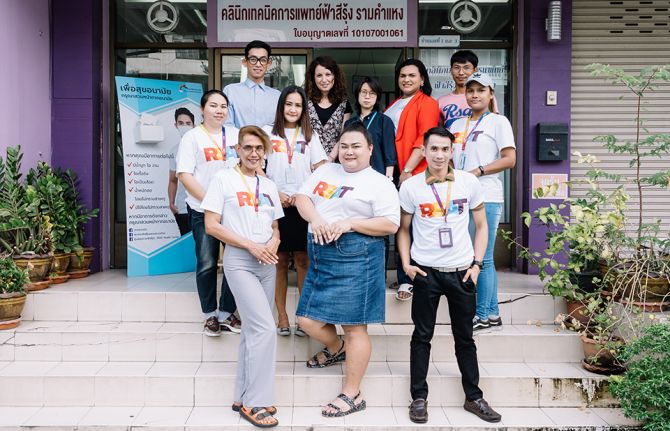
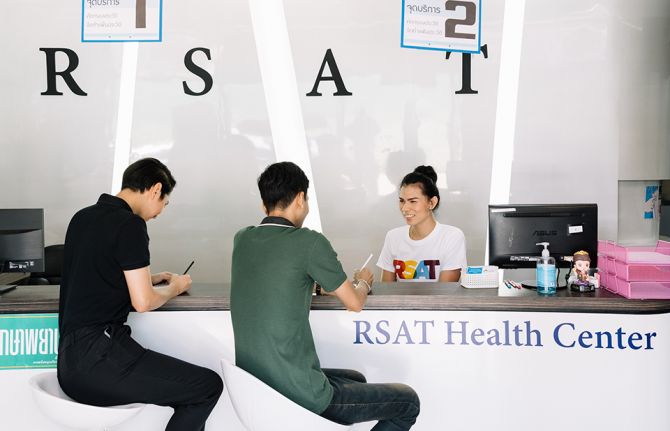
27 January 2020 27 January 2020Boy Somjai and Jam Chainukul (not their real names) are a young same-sex couple from Bangkok, Thailand. At the start of their relationship, they decided to take HIV tests for the first time. Looking for information online, their friends suggested the Rainbow Sky Association of Thailand (RSAT), a community-based HIV clinic located off a busy street in Bangkok.
RSAT, with four clinics and 10 drop-in centres in different cities across Thailand, serves as a one-stop service where gay men and other men who have sex with men and transgender people can access HIV prevention services and take part in HIV-related information sessions, with flexible service hours suitable for the lifestyles of many people from key populations.
Danai Linjongrat, the Executive Director of RSAT, said, “Access to HIV services for key populations is among the biggest challenges to the HIV response in the country. It is extremely important that key populations can access HIV prevention and treatment services without fear of discrimination.”
Mr Boy and Mr Jam, who now return to RSAT every three months for regular check-ups, said, “When we first visited the clinic, we were really nervous, as we were looking for a place that respects our confidentiality. Here we found more than an HIV clinic—we found a place we can trust, like a family. The health staff made us feel comfortable to share our story; they did not judge us and they understood our needs with an open mind.”
The success of RSAT is credited in part to its health workers being members of the populations they serve. RSAT has adopted the country’s key population-led health services model, in which people from key populations identify and meet the HIV and other health-related needs of their peers. “We understand the needs of our clients, what they want, where they live and how they feel, because our staff members are people from the communities,” says Mr Linjongrat.
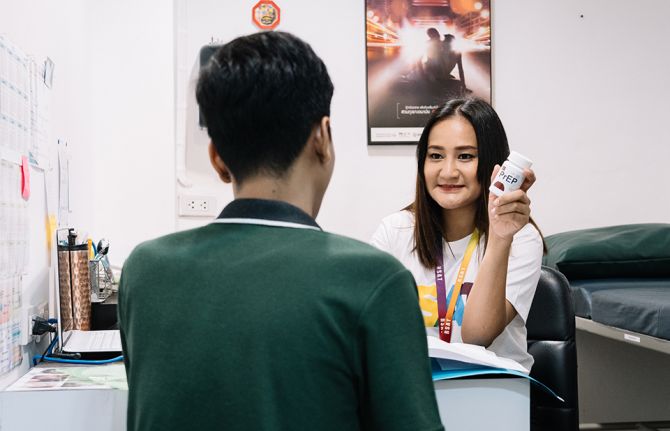
Community health workers provide needs-based and client-centred services, including pre-exposure prophylaxis (PrEP), legal consultations, harm reduction, screening for sexually transmitted infections, counselling and hormone level check-ups for transgender people. Depending on the outcome of a person’s HIV test, they are offered a referral for antiretroviral therapy or an in-depth discussion about taking PrEP, all in a non-judgemental and supportive atmosphere.
RSAT is one of seven community-based organizations in Thailand that provide PrEP services free of charge through lay providers under the Princess PrEP Project. Currently, 1200 people are accessing PrEP through RSAT clinics and drop-in centres. The Thai Red Cross AIDS Research Centre, with the support of the United States President’s Emergency Plan for AIDS Relief through the LINKAGES Thailand project, implements continuous capacity-building to ensure that community health workers can provide HIV services in accordance with national standards.
RSAT uses different ways to generate demand for and promote its programmes and to carry out outreach work. Phubet Panpet, Deputy Director at RSAT, said, “Depending on our target audience, we go to different places, such as saunas, entertainment complexes, schools and universities, to raise awareness about HIV prevention and encourage people to get tested for HIV.”
Kunpawee Isalam, a staff member of the outreach team in Bangkok, is a transgender person who understands the stigma and discrimination faced by the transgender community. “We plan outreach activities that we know transgender people will be interested in, with the aim of increasing their self-confidence. For many, it is so hard to feel they can get support, and they fear discrimination. RSAT provides a safe space and HIV prevention options,” she said.
RSAT uses social networking sites to reach out to young gay men and other men who have sex with men. Staff members register as users and create profiles on dating applications to share HIV-related information. “At the beginning of the conversation, the outreach worker explains about the clinic and engages people in a conversation related to HIV prevention,” said Mongkol Jaidee, a field officer. “I choose the location, see who is connected, and send them personal messages to introduce the services provided by the clinic. I normally receive positive feedback, and it is common for people to come back later with questions and visit us in the following days.”
Mr Linjongrat concluded, “We differ from other services by caring for people by looking into what they need and what we can do to help them. Community-led services are a proven strategy and an essential feature of the HIV response in Thailand.”
RELATED INFORMATION
Region/country
Feature Story
Empowering young people living with HIV to become agents of change in Thailand
23 January 2020
23 January 2020 23 January 2020There are approximately 24 000 young people aged 15–24 years living with HIV in Thailand. In 2018, young people accounted for nearly half of the 6400 new HIV infections in the country.
Thailand has made great strides in its AIDS response, providing antiretroviral therapy free of charge as part of its universal health coverage scheme. However, adolescents and young people living with HIV often fall out of care or do not receive the support they need to remain on treatment. Self-stigma, stigma and discrimination and transition from paediatric care to adult care are some of the challenges faced by adolescents and young people living with HIV.
To close this gap, three years ago the United Nations Children’s Fund (UNICEF) and other national partners led by the Thai Network of People Living with HIV created the Thai Network of Youth Living with HIV. The main objective was to empower adolescents and young people living with HIV to be agents of the change that they wanted to see in their lives. The network’s capacity was built to provide referral services, life-skills training and peer-to-peer support for adolescents and young people living with HIV.
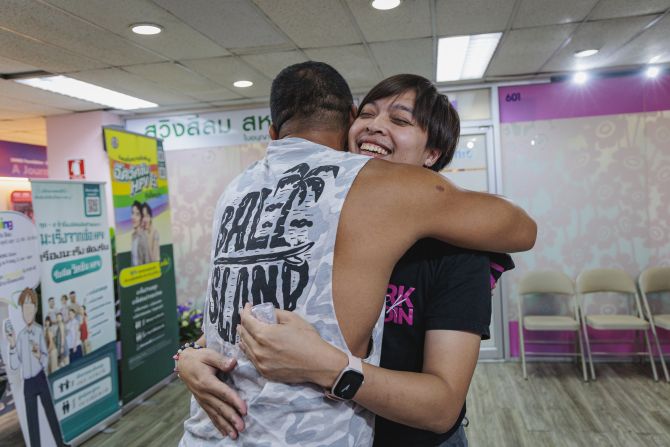
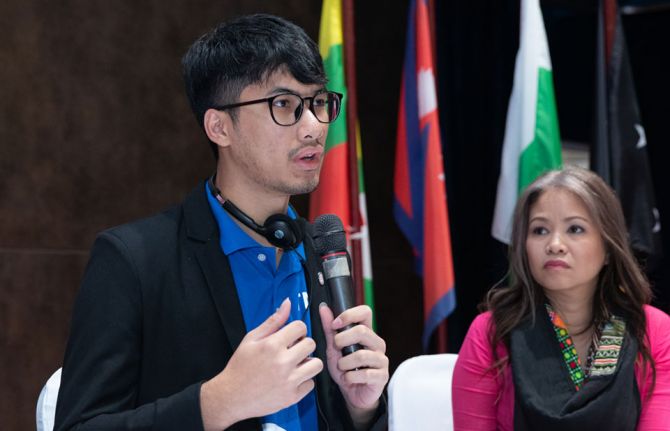
Kritthanan Ditthabanjong, one of the first active members, is now Head of Corporate Communication at the network. Studying to become a journalist, he also works as a content editor for websites and magazines in Thailand and is a well-recognized young leader. Mr Ditthabanjong represents the network at public events and in the media, voicing the needs of young people living with HIV.
“I have publicly disclosed my HIV-positive status because I want other people to learn from my experiences and to give young people the information they need to lead healthy and dignified lives. I feel confident to speak out because I have support from my friends and community,” he said.
With technical and financial support from UNICEF and other partners, and through a variety of platforms and strategies, the network offers emotional support around receiving an HIV-positive diagnosis, provides HIV information to reduce self-stigma, builds coping skills and creates a supporting network to tackle stigma and discrimination. “Young people living with HIV need emotional support and a community they can trust,” said Mr Ditthabanjong.
Trained young leaders with the network provide counselling for young people living with HIV and link them to health facilities, hospitals and community-led services for HIV treatment and care. The young leaders also accompany young people living with HIV to medical appointments and carry out follow-up home visits to help them adhere to treatment.
The network uses social media to reach out to young people, providing information on HIV and promoting self-acceptance. Initiatives such as the online campaign Growing Up with HIV offer safe spaces that enable young people to ask questions about different topics, including HIV prevention and safe sex, and share opinions and thoughts.
“Growing Up with HIV allows young people to be part of our community and make them feel they are not alone,” continues Mr Ditthabanjong.
Mr Ditthabanjong engages in other campaigns and social media initiatives with UNICEF that address young people in general in Thailand but also allow him to bring in the voices and perspectives of young people living with HIV. He has recently joined Dare to Dream, a public campaign created by UNICEF for Thai young people to voice their opinions on education and what is required to prepare them for the transition to adulthood. “From a shy adolescent who did not wish to speak and constantly glanced at his counsellor for approval a few years ago, Mr Ditthabanjong followed a path with us and he was one of nine motivational speakers at the Dare to Dream youth campaign, a role model for young people in his country,” said a UNICEF staff member.
Mr Ditthabanjong concludes, “One day I had an interview on social media. As soon as I came off, I received a text from a young person who had recently been diagnosed with HIV. “My mum and dad do not accept me, and I want to kill myself,” he said. I phoned him, met him and convinced him to join our network. Now this person is doing well. Our work is impacting people’s lives.”
Related information
Region/country

Feature Story
Supporting communities to be involved in the AIDS response in Thailand
20 January 2020
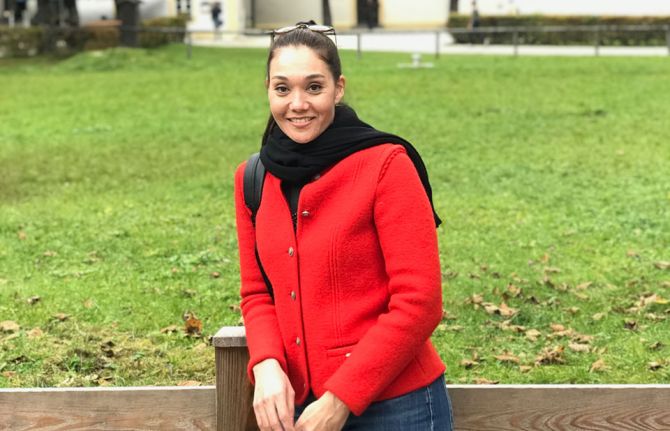
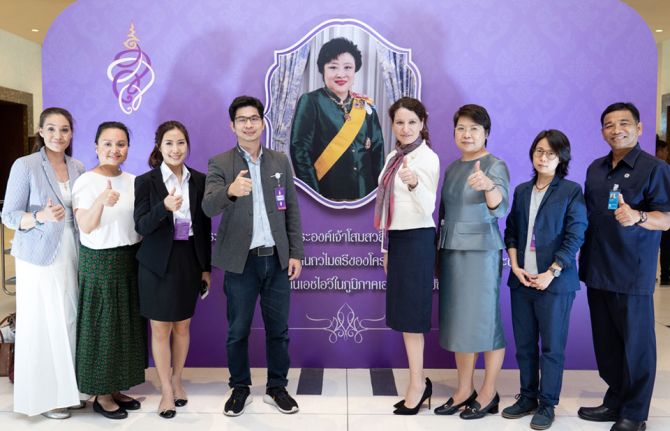
20 January 2020 20 January 2020The UNAIDS Country Office in Thailand, with a small team of three staff members, is located in Bangkok. Orawan Bettenhausen, the Administrative Assistant, has been part of the team for almost 20 years. “Being part of the UNAIDS family has empowered and transformed me into who I am today. I have been very fortunate to have had country directors who have coached me, and great colleagues and peers, both within and outside of UNAIDS, who have assisted, supported and inspired me,” she said.
Ms Bettenhausen recalls meeting a person living with HIV, a representative of the Thai Network of People Living with HIV, in her first weeks with UNAIDS. “I asked him about his life. When he finished talking, I was in tears,” she said. “To my surprise, he told me that neither he nor any other person living with HIV would want me to feel sorry for them. They just wanted to be accepted for who they are. He taught me a huge lesson, and I made a commitment to work for people living with and affected by HIV.”
Throughout the years, she has assisted the Country Director and the team to get communities, civil society organizations and people living with HIV meaningfully involved and engaged in the AIDS response. “As the Administrative Assistant , I do feel that I support our community partners in different ways, such as contributing to the execution of joint projects, facilitating logistic support to make sure communities can attend regional and national events and providing interpretation from Thai to English and vice versa. I feel I am giving community members the opportunity to overcome language barriers, to be present in decision-making spaces to voice their needs and showcase their work outside Thailand,” she explained.
Ms Bettenhausen has witnessed important changes in the AIDS response in Thailand. For example, she remembers UNAIDS implementing projects in collaboration with civil society organizations and facilitating dialogues between policymakers, HIV programme implementers and community representatives at a time when stigma and discrimination against people living with HIV and key populations was a major concern in the country.
Since 2015, Thailand has implemented the 3-by-4 Package for Stigma-Free Health Facilities, with comprehensive programmes to address and remove barriers to accessing health services. In 2019, the country announced the Thailand Partnership for Zero Discrimination, which goes beyond health settings and includes areas such as workplaces and the education system. UNAIDS has been involved since the outset of the initiative by providing technical assistance to formulate the zero discrimination strategy, to develop a monitoring and evaluation plan and to operationalize the strategy in a joint effort with the Thai Government and civil society.
“My contribution to this achievement was to provide continuous support to the Country Director, who played a critical role in linking stakeholders from different sectors and bringing them together, making sure that communities were always involved and enabled to speak up. Now our government counterparts work alongside civil society organizations. All key stakeholders are equal and come together to make decisions and move in the same direction. A true partnership!” said Ms Bettenhausen.
Ms Bettenhausen grew up in northern Thailand. Her passion for the public sector started in early childhood, as she watched her father improve the livelihoods of farmers and their families through his work as an adviser for the German Government and rural development donors. Later, while studying for a master’s degree in management, she realized business was not her calling and made the decision to write her dissertation on the Human Development Center, a nongovernmental organization working in the Klong Toey slum in Bangkok. The two months that she spent working in the slums and collecting data for her dissertation gave her insight into urban poverty, drug use, child abuse and HIV. “After I graduated, I joined the business world for two years, but I felt my vocation was to follow in my father’s footsteps and to work for people. Fate was on my side and I got a position with UNAIDS,” she said.
Ms Bettenhausen’s main challenge at the Country Office is to keep up with the various tasks, as administrative work is often time-consuming. Nevertheless, she believes that everything done with due diligence is contributing to making a difference. Her work is not only critical to ensuring that the UNAIDS Country Office can fulfil its mandate, but also key to achieving the goal of ending AIDS by 2030.
Region/country



Feature Story
Turning the tide of the HIV epidemic in Thailand
17 January 2020
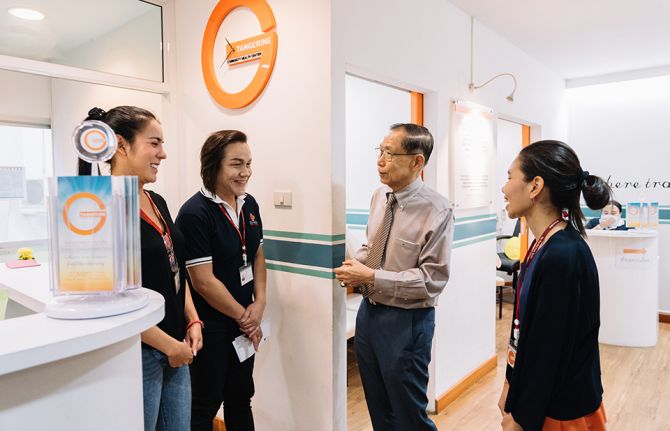
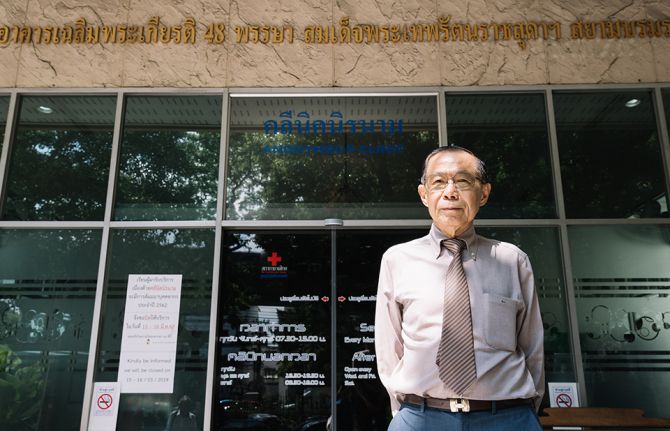
17 January 2020 17 January 2020It is a morning like any other at the Thai Red Cross AIDS Research Centre, a civil society organization operating under the umbrella of the Thai Red Cross Society. In a building in the heart of Bangkok, nurses, doctors, counsellors and peer educators are busy with their daily work, providing HIV services for the 200 people who attend the Thai Red Cross Anonymous Clinic every day for medical check-ups, HIV tests and HIV prevention services, including condoms and pre-exposure prophylaxis (PrEP).
When he was 35 years old, Praphan Phanuphak―the Director of the centre, which he co-founded in 1989―discovered the first case of HIV in Thailand. “It happened by accident. A patient was referred to me to investigate why he had a recurrent fungal skin infection,” he recalled. “In February 1985, this patient was admitted with pneumocystis pneumonia. During that month, another man was referred to the hospital with generalized cryptococcus infection. Both were diagnosed with HIV. Since then, I have devoted my life to treating people living with HIV and developing solutions to expand access to HIV services in the country.”
Mr Praphan remembers that in the early days of HIV the response in Thailand faced several challenges. At the time, Thai law required hospitals to report the names of people diagnosed with HIV to the Ministry of Public Health, which contributed to increasing stigma and discrimination against people living with HIV. In response, the Thai Red Cross established the Thai Red Cross Anonymous Clinic, Asia’s first anonymous clinic, and advocated with the Thai Government to remove the reporting law. The Anonymous Clinic remains the most renowned centre providing voluntary HIV testing in the country.
“Until the beginning of 2000, antiretroviral medicines were not available through public health facilities in Thailand, and many people living with HIV could not afford to buy them,” said Mr Praphan. He said that in 1996 the Thai Red Cross AIDS Research Centre was the first to provide free antiretroviral medicines as part of its clinical trials through the HIV Netherlands–Australia–Thailand Research Collaboration.
“After years of despair, a time of hope finally came. For that, I want to thank Her Royal Highness Princess Soamsawali, who stood by our side by setting up a fund for the prevention of mother-to-child transmission of HIV in 1996, several years before the Thai Government started its successful prevention programme,” said Mr Praphan.
The AIDS response in Thailand has changed dramatically over the years. In 2006, Thailand integrated its HIV services, including antiretroviral therapy, into its universal health coverage scheme. Since 2014 Thailand has provided antiretroviral therapy for all regardless of their CD4 level. Everyone can access treatment for free, and people living with HIV are offered treatment immediately after diagnosis.
However, many people are starting antiretroviral therapy late. “We have the medicines, but many people are not being diagnosed fast enough,” warned Mr Praphan. Despite tremendous progress, the HIV epidemic is not yet over in Thailand. HIV remains concentrated among key populations: almost 50% of new HIV infections in 2018 were among gay men and other men who have sex with men. Low uptake of HIV testing among key populations is related to the acceptability of services and stigma and discrimination, which hinder access to HIV diagnosis, prevention and care.
“From our experience, helping key populations to reach their peers and bring them to HIV drop-in centres, where they can be tested, is the best way to detect and diagnose people living with HIV early enough,” said Mr Praphan, who successfully advocated to amend Thai law to allow certified lay providers from key populations to provide a number of HIV services.
The Thai Red Cross AIDS Research Centre’s approach focuses on undertaking pilot projects to generate evidence to inform national planners and policymakers. That evidence provides a foundation for national acceptance and the roll-out of innovation on a national scale.
Taking the lead in reaching out to key populations, the centre has been offering PrEP to people at substantial risk of HIV since 2014 through projects such as the Princess PrEP Programme. In October 2019, Thailand introduced PrEP under its universal health coverage benefits package as a pilot phase in efforts to scale up PrEP nationwide.
Mr Praphan believes that policymakers and programme implementers should understand that, “We cannot continue to do business as usual. In Asia and the Pacific, several countries are still either sceptical or conservative in terms of promoting the necessary approaches to change the course of the HIV epidemic.” He thinks that the region cannot achieve the 90–90–90 targets by 2020 at the current pace. “We need to think out of the box and look at what other countries are doing that can be taken as a model. This is how we can move faster on our way towards ending AIDS as a public health threat.”
Region/country
Feature Story
UNAIDS Executive Director urges Uganda to do more domestically
09 January 2020
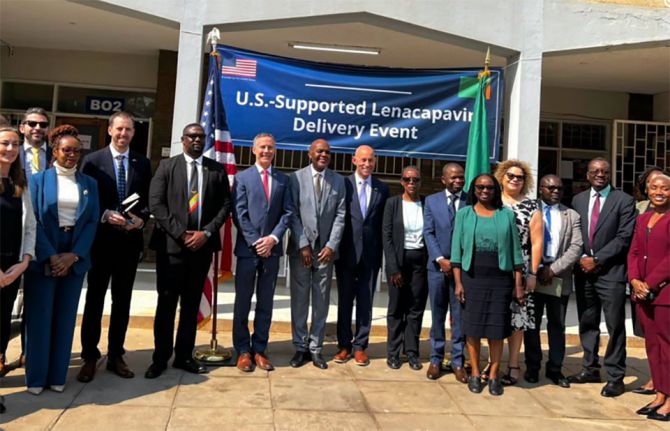
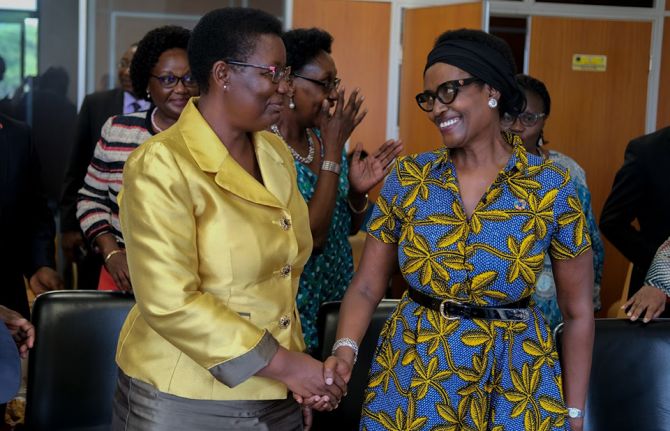
09 January 2020 09 January 2020The new Executive Director of UNAIDS, Winnie Byanyima, has visited the country of her birth, Uganda, on a working visit.
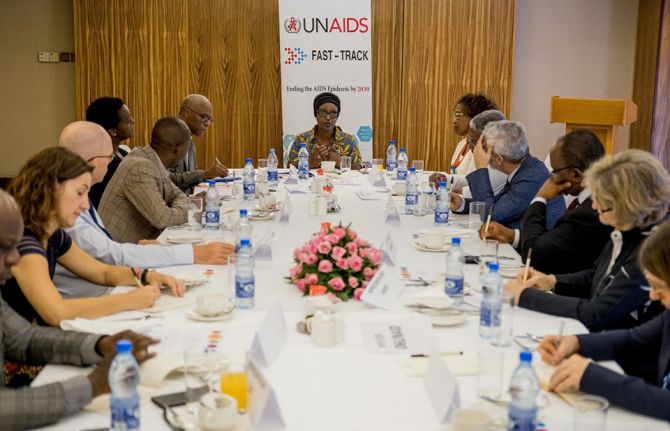
During her meeting with the Minister of the Presidency, Esther Mbayo, she commended the efforts of the President of Uganda, Yoweri Museveni, in the response to HIV. She highlighted the US$ 7 billion funding gap in the global AIDS response, saying more needs to be done domestically. “Today, Uganda has 93% of the AIDS response funded externally,” she said. “Our friends are the ones keeping us alive, but we cannot depend on them forever.”
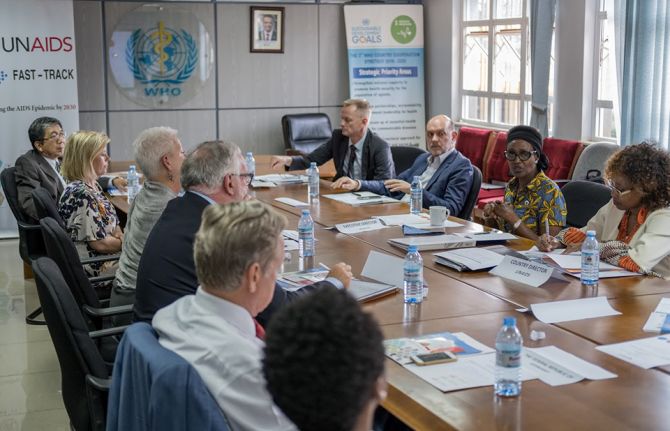
She added that many African countries, including Uganda, will soon become middle-income economies and therefore will receive less international aid. Throughout the day she reiterated the same message to United Nations staff, stakeholders and partners―find ways to overcome stagnating levels of funding and reduce financial waste, inefficiencies and corruption.
Ms Byanyima also emphasized the need to focus on women and girls in Africa. “More needs to be done to rectify gender inequalities and end gender-based violence,” she said.
In eastern and southern Africa, girls and young women are two times more likely to acquire HIV than their male counterparts. In Uganda, overall HIV prevalence stands at 5.7% and 34% of new infections are among young people aged 15–24 years.
She also noted that Uganda should not waiver in protecting the human rights of everyone, and should drop the current law on same-sex sexual relationships. She said that governments should not discriminate, saying that gay men and other men who have sex with men and sex workers should not be denied access to health care.
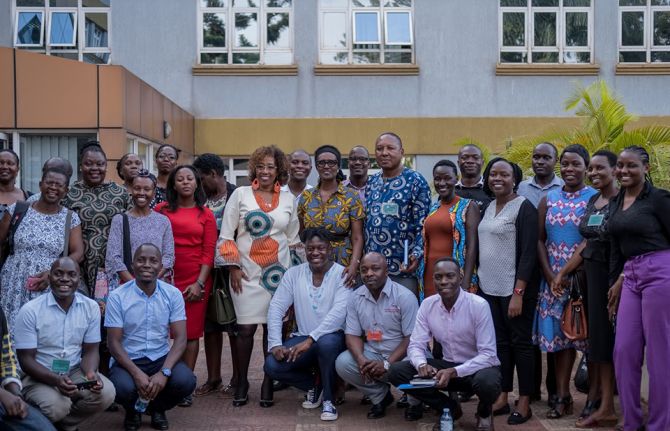
During a meeting with civil society, Ms Byanyima encouraged them to speak up, telling them “You are the voice of citizens and you should hold government and others accountable.”