Documents
Fast track: Ending the AIDS epidemic by 2030
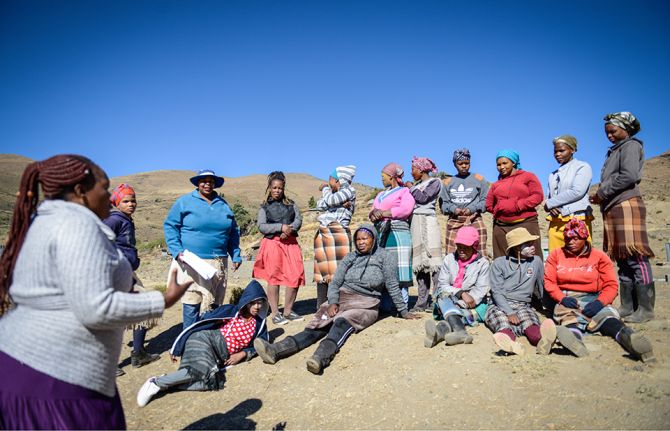
A new fast-track strategy proposes rapid and massive acceleration of HIV prevention and treatment programmes with a people-centred approach for ending the AIDS epidemic by 2030. This call and new commitments were made at a high-level side event entitled Fast track: Ending the AIDS epidemic by 2030.
Related
HIV Prevention 2030 Global Access Framework
31 March 2026
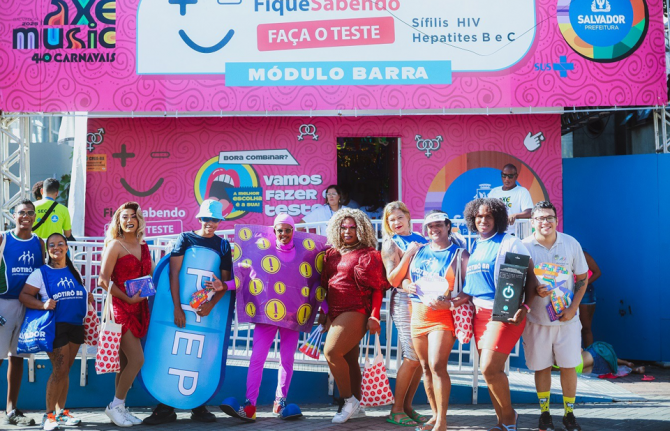 HIV ‘Prevention Hangout’ expands information and HIV services at Brazil’s 2026 Salvador Carnival
19 March 2026
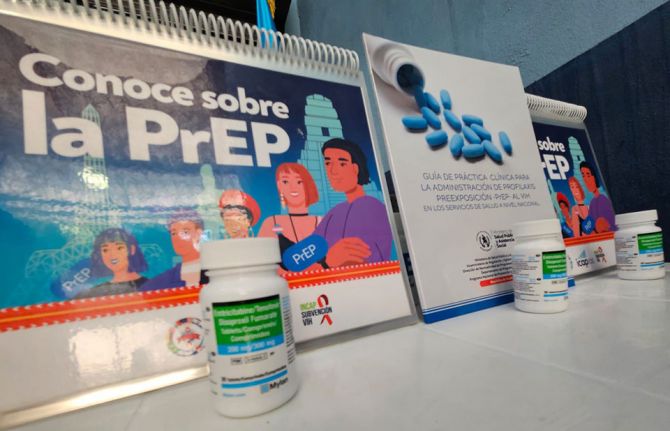 Multisectoral resilience to funding cuts in Guatemala
22 December 2025
What can modelling tell us about the scale-up of lenacapavir for pre-exposure prophylaxis?
17 December 2025
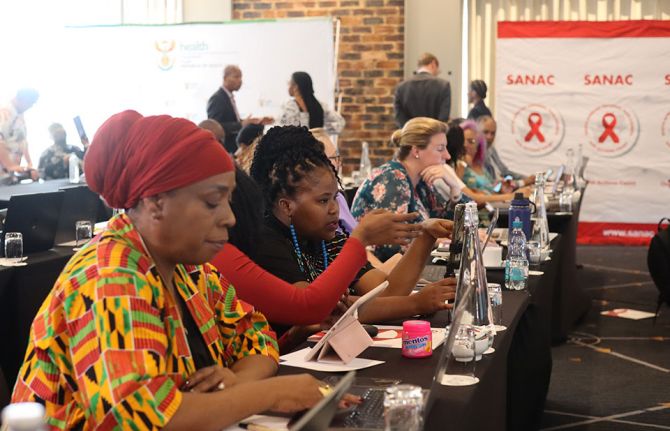 South Africa charts a new frontier by rolling out a twice-yearly injection which is almost 100% effective in preventing HIV
24 October 2025
 UNAIDS welcomes the announcement of new deals to make new HIV prevention medicines available and affordable for people in need
24 September 2025
What can modelling tell us about the scale-up of lenacapavir for pre-exposure prophylaxis?
18 September 2025
 UNAIDS welcomes new WHO guidelines on Lenacapavir
15 July 2025
Documents
Every child born free from HIV: Every woman and child with access to HIV treatment
25 September 2014

Update
Zero Mothers Die: bold new initiative launched at UN General Assembly event
22 September 2014
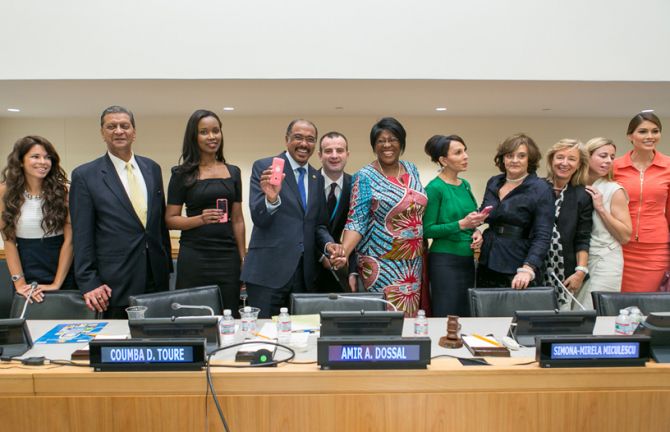
22 September 2014 22 September 2014Efforts to reduce high maternal and child mortality received a welcome boost with the launch of a new global campaign, Zero Mothers Die, at an official high-level side event held during the United Nations General Assembly in New York.
Unveiled at the 5th Women Leaders Forum on 22 September, the campaign seeks to ensure that all women and girls have universal access to information and services supporting maternal, newborn and child health. Zero Mothers Die intends to use information and communications technologies, including mobile technology, to deliver timely health-care information to women in need.
Participating in the launch of the campaign, UNAIDS Executive Director Michel Sidibé maintained that the initiative will focus on all pregnant women and new mothers, and will have as an aim preventing mother-to-child-transmission of HIV. He stressed that no mother would be left behind.
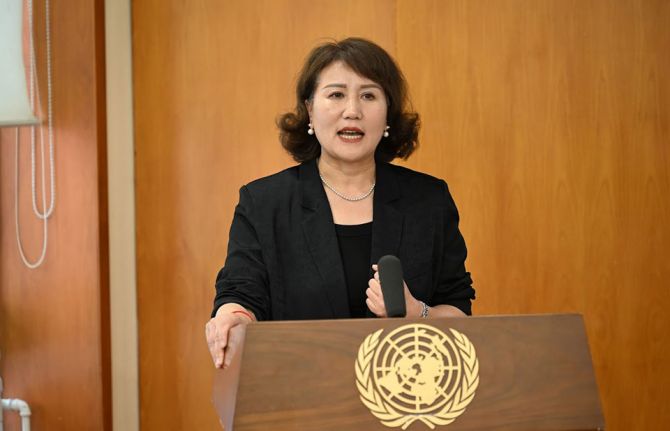
Yoo (Ban) Soon-taek, wife of the United Nations Secretary-General, gave the keynote address of the event, which brought together a range of global leaders, including a number of First Ladies. The new campaign contributes to the Every Women Every Child initiative launched by the United Nations Secretary-General Ban Ki-moon during the United Nations Millennium Development Goals Summit in September 2010.
Although significant progress has been made in reducing maternal mortality, it remains a critical issue. According to World Health Organization statistics, every day around 800 women die from complications related to pregnancy or childbirth and in 2013 289 000 women lost their lives.
The event was co-hosted by the Advanced Development for Africa Foundation and the Global Partnerships Forum, in collaboration with UNAIDS, the International Telecommunication Union, the Zero Mothers Die Consortium and the Geena Davis Institute on Gender in Media.
Quotes
"We have to revolutionize the HIV response and ensure that all women have access to the HIV services they need. It is a critical measure of progress made towards the UNAIDS vision of zero new HIV infections, zero AIDS-related deaths and zero discrimination. With your support and commitment we can ensure that zero mothers die."
"Every woman’s pregnancy must be considered special. We must invest in e-health and women for greater impact. No baby should die because the right information was not available."
Update
Faith communities commit to championing sexual and reproductive health
22 September 2014
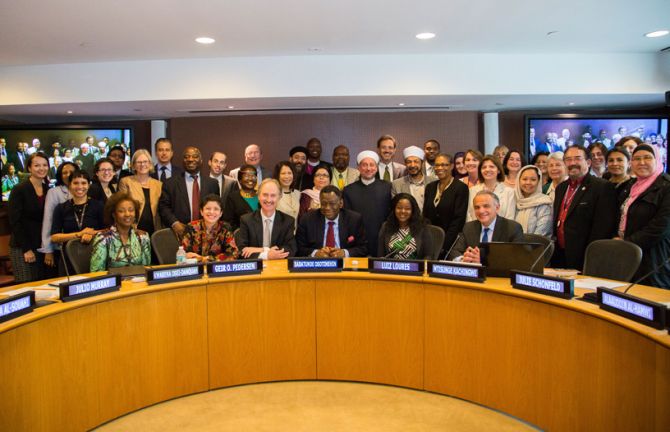
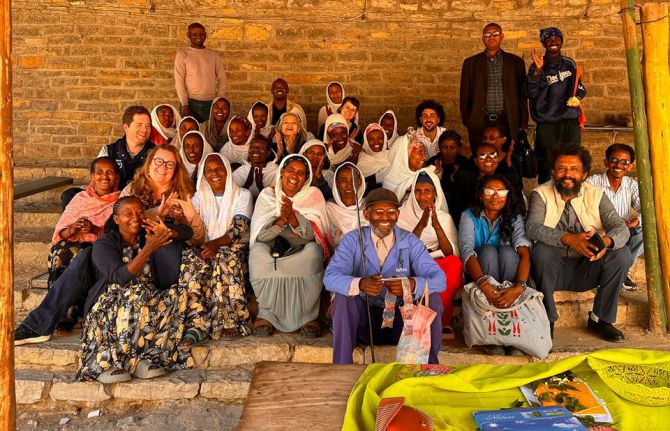
22 September 2014 22 September 2014The vital role of faith-based organizations in putting sexual and reproductive health firmly on the post-2015 development agenda was explored during a high-level side event at the United Nations General Assembly in New York.
Described as a “call to action”, the meeting, held on 18 and 19 September, brought together members of a broad range of faith communities from around the world, who were joined by representatives of the United Nations Population Fund, the Norwegian Agency for Development Cooperation and UNAIDS.
Participants discussed how to harness the influence of faith-based organizations and work with the United Nations system to help ensure that sexual and reproductive health and rights are central to the post-2015 sustainable development goals being debated by the General Assembly. This, it was argued, would build on the already active part many such organizations play in offering support in this critical sphere. Delegates agreed, for example, that the AIDS response has benefited tremendously from faith-based programmes in health service provision and community-based care, as well as in advocacy, the championing of human rights, gender equality and challenging stigma and discrimination.
It was acknowledged that the area of sexual and reproductive health and rights raises some contentious issues for a number of faith-based organizations, such as gender equality, contraception and sexuality education.
Quotes
"Faith-based organizations have been a tremendous partner in getting health services to women. Faith-based organizations go where the greatest need is and today are responsible for up to 60% of HIV treatment delivery in some communities around the world."
"We need an open and honest dialogue. We can change our culture even as we hold our values."
"Faith communities are strategic partners for sustainable development and the realization of human rights ... We recognize their critical role and we are committed to continuing to be strategic in our shared outreach to realize the post-2015 agenda."
"Too often by the time a young women comes to hospital she is already pregnant or raped; we can heal the wounds but the real problem is in the community. It’s about access to education. Most girls will never access formal education, but in any community there will be a religious leader. It’s the community, including religious leaders, who can provide the information. Young people are more likely to interact with someone from their own community."
Related
Documents
69th United Nations General Assembly
The 69th session of the United Nations General Assembly is taking place in New York from 16 September 2014 until 1 October 2014. UNAIDS is participating in a number of events.
Related
 Unlocking community actions in Uzbekistan
30 March 2026
HIV ‘Prevention Hangout’ expands information and HIV services at Brazil’s 2026 Salvador Carnival
19 March 2026
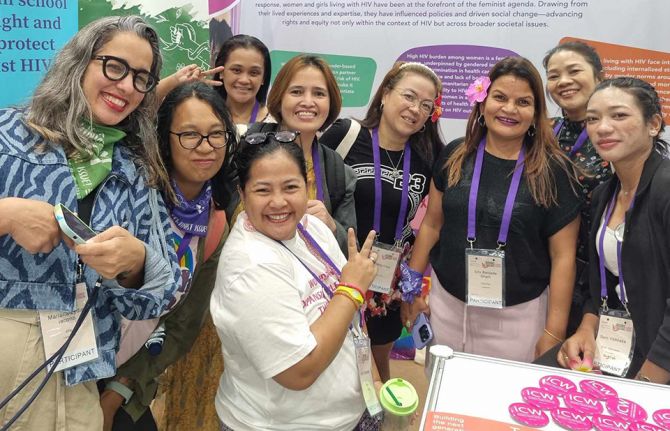 From violence to funding cuts, Asia Pacific women living with HIV face old and new challenges
18 March 2025