


Feature Story
UNAIDS saddened by the death of Valentin Pokrovsky, a Russian leader on HIV, medicine and pandemic preparedness
30 October 2020
30 October 2020 30 October 2020By Alexander Goliusov, Director, Regional Support Team for Eastern Europe and Central Asia
When I was a young epidemiologist working at the Soviet Ministry of Health, Valentin Pokrovsky was respected as someone who was bigger than life—a living legend. He was already respected as the Director of the Central Research Institute of Epidemiology, the leading centre in the Soviet Union for research and expertise on responding to epidemiological outbreaks.
In the mid-1980s, when growing numbers of AIDS cases were being reported in other countries, some hoped that HIV would never reach the Soviet Union. I remember Mr Pokrovsky speaking out publicly, reminding officials, health workers and the public that we all needed to treat HIV as a serious risk to health. In 1987, he led the medical team that diagnosed the first person with AIDS in Moscow. His public insistence that this was just the first diagnosed case of AIDS was critical to mobilizing the early response to HIV across the Soviet Union.
Even after the end of the Soviet Union, I remember how Russian health workers and policymakers still looked to Mr Pokrovsky for training, leadership and expertise. Epidemiologists who studied under him at the Institute of Epidemiology always inspired admiration and perhaps even a little jealousy. They were always some of the best trained epidemiologists in the Russian Federation. They were ready to be at the forefront of investigating outbreaks of HIV, anthrax or diphtheria. During each of these outbreaks, Mr Pokrovsky encouraged health workers, the Ministry of Health and local officials to follow the science, collect the data and save lives. During this period of transition, he was called on to lead the first Russian Academy of Medical Sciences, from 1992 to 2006. Long after many colleagues from his generation had already retired from official roles and research, he continued to run the Institute of Epidemiology, now part of the Russian Federal Service for Surveillance on Consumer Rights Protection and Human Wellbeing (Rospotrebnadzor).
During his 47 years of leadership at the Institute of Epidemiology, Mr Pokrovsky pioneered many areas of research and prevention, including the prevention of nosocomial infections. Long before HIV, hepatitis C, staphylococcus or COVID-19 were highlighted as high risks for hospital-based infections, he pioneered the national programme on the prevention of nosocomial infections.
When I got the sad news this morning that Mr Pokrovsky had passed away at the age of 91 years, I immediately remembered how generations of Soviet and Russian health professionals and people living with HIV benefitted from his wisdom and dedication. He maintained his advocacy and leadership on HIV, always pushing doctors and officials to collect data and advance research that would have a practical impact on saving lives. In my last conversation with him two years ago, he reminded me that there is no room for complacency:
“Now is not the time to doze off. We have to work much harder to get the HIV epidemic under control.” Valentin Pokrovsky, 1929–2020
Region/country
Related

Feature Story
Bringing HIV and COVID-19 testing services to hard-to-reach areas in Uzbekistan
30 October 2020
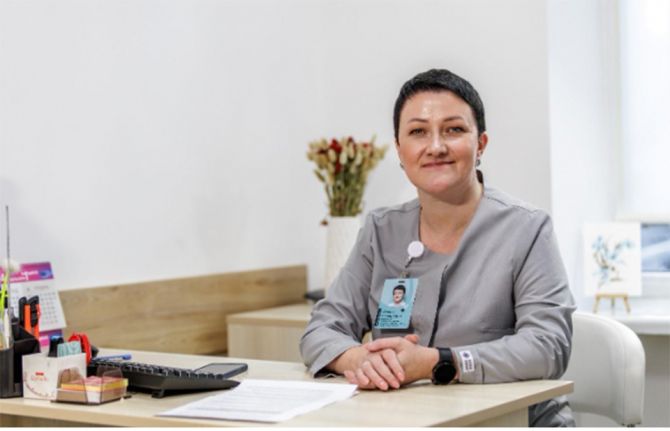
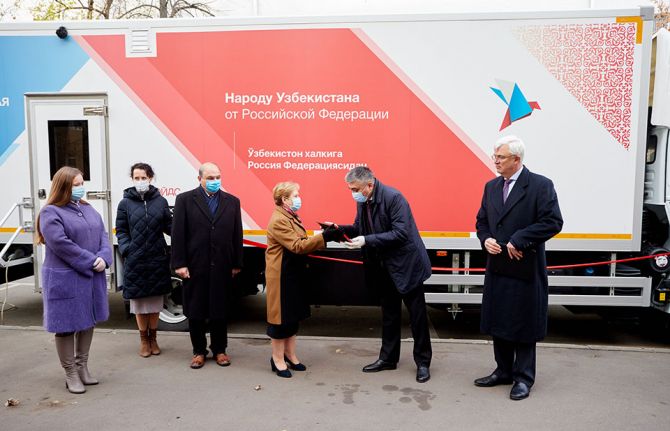
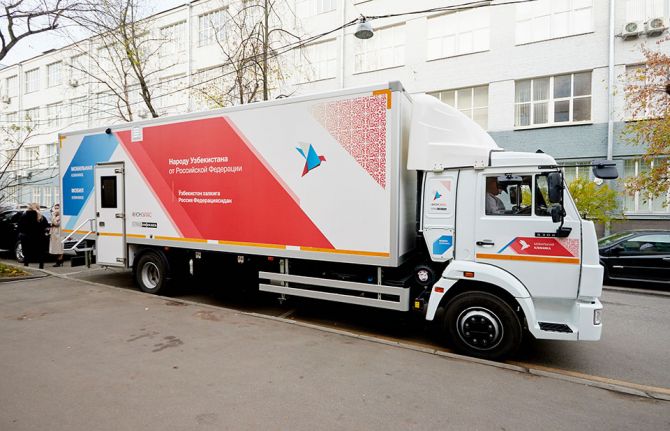
30 October 2020 30 October 2020The Russian Federation has donated a mobile clinic to Uzbekistan to provide primary health care for people in remote and hard-to-reach regions of the country, including testing for HIV, COVID-19 and other diseases.
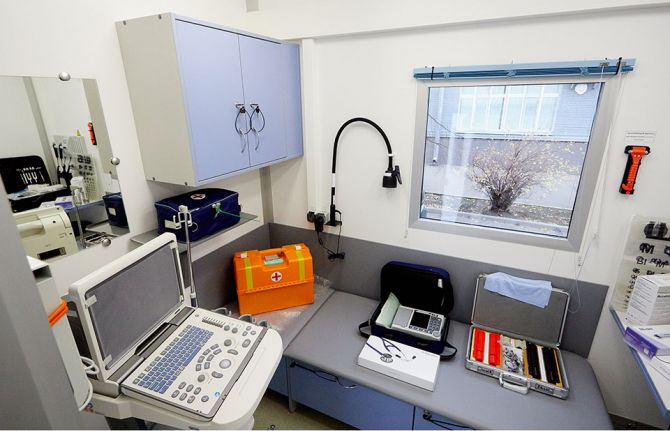
The mobile clinic is equipped with the latest medical equipment and diagnostic systems, including for HIV and COVID-19, and is ready to provide people with access to integrated HIV testing and counselling and other forms of medical diagnostics and treatment.
“Thanks to this programme, the citizens of Uzbekistan living in different regions of the country will be able to receive timely information about the symptoms and ways of transmission of infectious diseases, which has become more important than ever,” said Botirjon Asadov, Uzbekistan Ambassador to the Russian Federation.
The clinic was donated as part of a technical assistance programme supported by the Russian Government that is being implemented by UNAIDS in partnership with the Federal Service for Surveillance on Consumer Rights Protection and Human Wellbeing (Rospotrebnadzor) and the nongovernmental organization AIDS Infoshare.
The programme aims to strengthen health systems, ensure better epidemiological surveillance of HIV and promote the scale-up of HIV prevention programmes among populations at higher risk in Armenia, Belarus, Kyrgyzstan, Tajikistan and Uzbekistan.
“Our work in today’s coronavirus pandemic is more relevant than ever. We continue our cooperation to fight COVID-19 and fully support the efforts of the Uzbek authorities to normalize the epidemic situation in the country as soon as possible, and assure that the Russian Federation is ready to provide the necessary assistance,” said Irina Bragina, Deputy Head of Rospotrebnadzor.
To date, 12 mobile clinics have been donated—four to Tajikistan, three to Armenia and five to Kyrgyzstan. Apart from the primary health-care services and a range of HIV screening services, the clinics provide tests for COVID-19, viral hepatitis and sexually transmitted infections and obstetrics, gynaecology, cardiology and urology care. All the mobile clinics offer services free of charge. So far, more than 1.6 million people have used the services provided by the clinics.
“Mobile clinics today not only continue providing primary health-care services, including HIV testing, but also have come to the forefront to combat a new threat—COVID-19,” said Aleksandr Goliusov, Director, a.i., of the UNAIDS Regional Support Team for Eastern Europe and Central Asia.
Our work
Region/country



Feature Story
Community-led campaign encourages people living with HIV to start treatment
21 October 2020
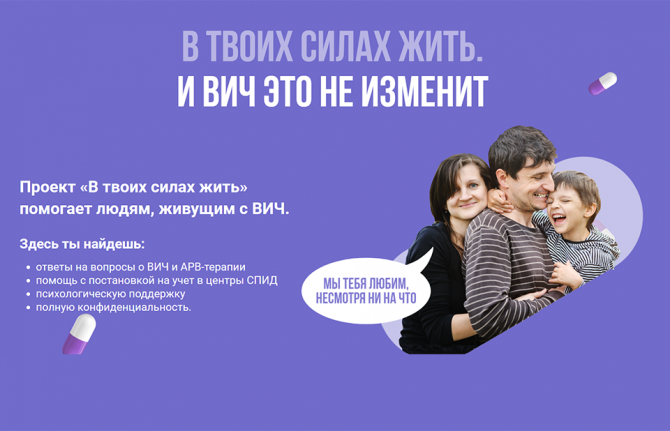
21 October 2020 21 October 2020A new community-led public information campaign, It is in Your Power to, aimed at encouraging people living with HIV to start antiretroviral therapy has been launched in the four largest areas of the Russian Federation.
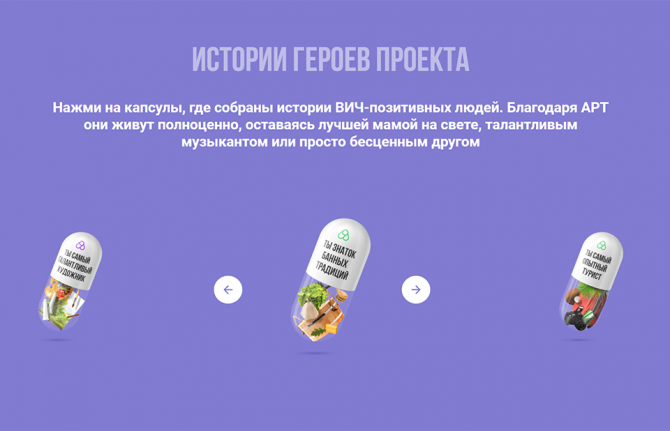
The campaign’s website has 12 “capsules” with inspiring stories told by people living with HIV. By “opening” the capsule, visitors can find out about people’s lives, find facts on antiretroviral therapy, ask questions and get help from peer counsellors on HIV-related issues.
All the stories deliver a message that being diagnosed with HIV does not define a person and that if people living with HIV start treatment they can live a long and productive life.
The campaign covers four major Russian areas—the Novosibirsk, Sverdlovsk and Chelyabinsk regions and the city of Saint Petersburg—where, according to the Federal AIDS Center of the Russian Federation, 200 000 people are living with HIV, about 20% of all registered HIV cases in the country.
“In the Sverdlovsk region, some people do not start treatment because they do not believe that HIV exists, some can’t accept their diagnosis, some are afraid of the side-effects of antiretroviral therapy and some have doubts about the effectiveness of the drugs. But the biggest obstacle is the fear of discrimination, fear of losing their job, fear of isolation. We believe we can address this by telling true stories of people living with HIV on treatment,” said Vera Kovalenko, Head of the New Life civil society organization.
The campaign was initiated and developed by several community-led civil society organizations, including Humanitarian Action (Saint Petersburg), the Humanitarian Project (Novosibirsk), Light of Hope (Chelyabinsk) and New Life (Sverdlovsk), with the support of a regional SOS_project funded by the Global Fund to Fight AIDS, Tuberculosis and Malaria and in close cooperation with other partners in the Russian Federation.
Denis Kamaldinov, Head of the Humanitarian Project, invited people to get help. “If you know you are HIV-positive but are not receiving treatment, please contact us for help. We will help with the registration at the AIDS centre. And the treatment is provided free of charge at the expense of the state,” he said.
“Our mission is to fight for every life, to give hope to everyone,” said Alexei Tananin, Head of Light of Hope.
Our work
Region/country

Feature Story
COVID-19’s impact on HIV vertical transmission services reversed
27 October 2020
27 October 2020 27 October 2020Recent data collection has shown that the COVID-19 pandemic has had a significant impact on HIV testing services, but the impact on HIV treatment has been less than originally feared. The impact on services for the prevention of vertical transmission of HIV (from mother to child) is mixed—by April, countries generally saw a decline in the number of women tested for HIV at their first antenatal clinic visit, but by June that decline had been reversed.
As of August 2020, the UNAIDS, World Health Organization and United Nations Children's Fund data collection exercise to identify national, regional and global disruptions of routine HIV services caused by COVID-19 had collected data on the prevention of vertical transmission of HIV from 43 countries, of which 17 countries reported data that enable the identification of trends.
To measure the impact of COVID-19 on vertical transmission of HIV services, a ratio was calculated relative to January—for example, if the number of women reached in April was the same as in January, the ratio is 1; if there was a decline, the ratio is less than 1.
All countries except Mozambique and Jamaica experienced declines in women tested for HIV at their first antenatal clinic visit in April compared to January. By June or July, 14 of the 17 countries were back to the February level of testing (all except Indonesia, Botswana and Sierra Leone).
Among the 15 countries reporting on treatment among pregnant women living with HIV, all but five have recovered to the February numbers of women receiving treatment (except Botswana, South Africa, Sierra Leone, Togo and Guatemala).
Feature Story
51st Union World Conference on Lung Health opens today as gains in reducing TB deaths risk being set back by COVID-19
20 October 2020
20 October 2020 20 October 2020The 51st Union World Conference on Lung Health opened today under the theme “Advancing Prevention”. In light of the COVID-19 pandemic, the conference is taking place virtually for the first time in its 100-year history. The event will feature cutting edge science around tuberculosis (TB), air pollution and tobacco control, but also deliver special sessions dedicated to COVID-19 and its intersection with lung health and infectious diseases. Speakers include Her Imperial Highness Crown Princess Akishino of Japan, President Bill Clinton, Shannon Hader, UNAIDS Deputy Executive Director and Divya Sojan—a nurse and TB survivor—among others.
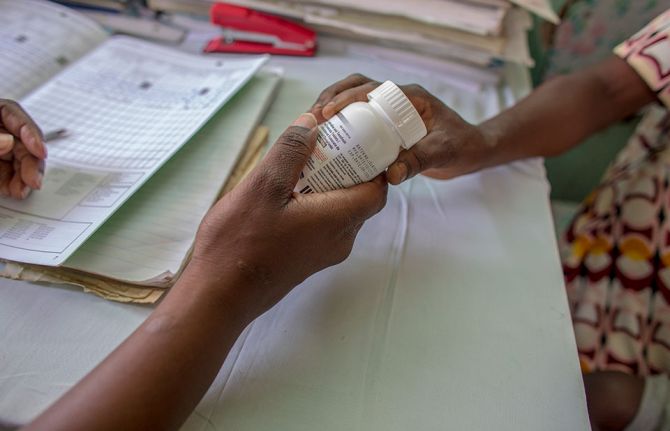
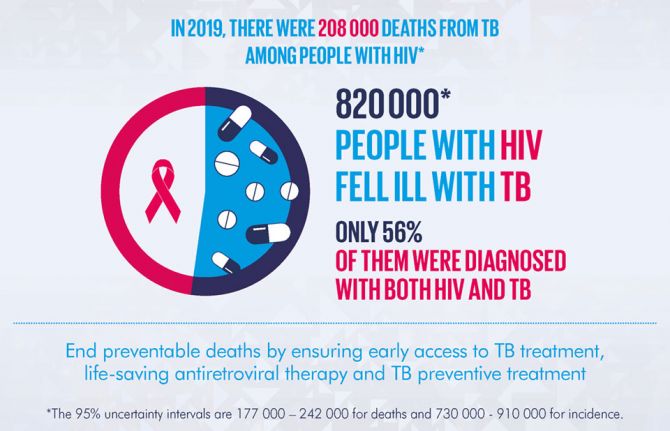
According to the World Health Organization (WHO) Global Tuberculosis Report 2020, there has been an encouraging 63% reduction in tuberculosis deaths among people living with HIV since 2010. This is approaching the 75% global target reduction adopted in the 2016 United Nations Political Declaration on Ending AIDS. However, the report also shows that TB remains the leading cause of death among people living with HIV, resulting in just over 200 000 deaths in 2019—30% of all AIDS-related deaths.
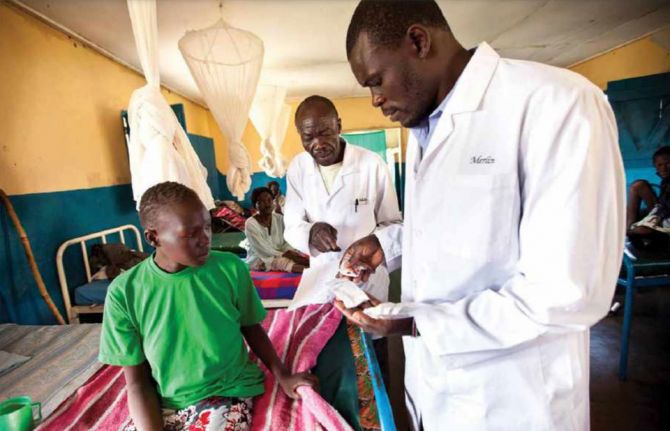
Less than half of the estimated 815 000 people living with HIV who developed tuberculosis disease in 2019 were found, diagnosed and reported to national programmes as receiving treatment for both conditions. The remainder are either missed by programmes, not diagnosed or treated appropriately, or their treatment is incorrectly reported. Once diagnosed however, at least 90% of people with tuberculosis knew their HIV status in over 80 countries and territories and 88% of people living with HIV on TB treatment received lifesaving antiretroviral therapy.
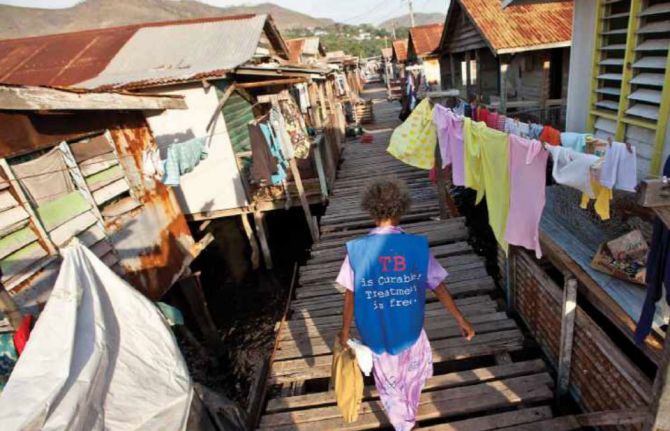
Tuberculosis is curable and preventable. Tuberculosis preventive treatment has been recommended by WHO since 2004 for all people newly diagnosed with HIV. It prevents tuberculosis disease and save lives. Until recently, coverage had been woefully inadequate. However, a combination of advocacy, political commitment, increased availability of shorter, more acceptable treatment options, adequate funding and community engagement has led to an impressive increase in the number of people living with HIV who received TB preventative treatment.
In 2019, WHO reported that 3.5 million people living with HIV started TB preventative treatment – compared with 1.8 million in 2018. The total for 2018 and 2019—5.3 million—already represents 88% of the 6 million target set for 2022 in the 2018 United Nations Political Declaration on Tuberculosis; suggesting that this target could be achieved ahead of schedule.
“It took decades to overcome health worker and community doubts, mobilize specific funding for TB preventative treatment and to invest in research for shorter, more effective and more acceptable treatment regimens,” said Shannon Hader, Deputy Executive Director of UNAIDS, “Now we should raise the target and increase access to and use of the best TB preventative treatment regimens for all in need.”
COVID-19 is already disrupting TB and HIV services, adding to the dual stigma that prevents people from accessing services; lockdown measures that are a further barrier to people being tested or collecting their treatment for TB and HIV and diverting human, financial and laboratory resources away from tuberculosis and HIV.
It has been estimated that globally, a three-month lockdown and a protracted 10-month restoration could lead to an additional 6.3 million people falling ill with TB and an additional 1.4 million TB deaths over the next five years. That would result in a setback of at least five to eight years in the fight against TB – bringing 2021 global TB incidence and deaths to levels not seen since 2013 and 2016 respectively – due to the COVID-19 pandemic.
“Now, more than ever, is the time for the HIV and TB communities to team up and call for investment in shorter treatment and prevention regimens and better infection control, supported by the socioeconomic and human rights protections people need,” said Shannon Hader, UNAIDS Deputy Executive Director. “Overcoming COVID-19, TB, HIV and future pandemics requires global solidarity. Together we must develop and equitably distribute combination prevention, including vaccines, and treatment to all—true universal access that prioritizes those who need it most.”
Our work
Shannon Hader's Opening remarks at the 2020 Lung Health conference
Feature Story
COVID-19’s impact on HIV treatment less severe than feared
16 October 2020
16 October 2020 16 October 2020While recent data collection has shown that the COVID-19 pandemic has had a significant impact on HIV testing services, the impact on HIV treatment is less than originally feared.
As of August 2020, the UNAIDS, World Health Organization and United Nations Children's Fund data collection exercise to identify national, regional and global disruptions of routine HIV services caused by COVID-19 had collected treatment data from 85 countries, of which 22 countries reported data over a sufficient number of months to enable the identification of trends.
To measure the impact of COVID-19 on HIV treatment services, a ratio was calculated relative to January—for example, if the number of people on treatment in April was the same as in January, the ratio is 1; if there was a decline, the ratio is less than 1.
Only five countries reported monthly declines in the number of people on treatment after April—these include Zimbabwe in June, Peru and Guyana in July, the Dominican Republic in April, and Sierra Leone in May through to July. The remaining 18 countries did not show a decline and some countries showed a steady increase (e.g. Kenya, Ukraine, Togo and Tajikistan).
One challenge in interpreting trends in the number of people currently on treatment is that many countries have a three-month lost-to-follow-up definition. This means that people who disengaged from treatment in April may only be counted as not on treatment in July.
Among the 22 countries with trend data on numbers newly initiating treatment, all countries except Jamaica showed declines for at least one month or more relative to January. Only around eight of those countries showed a rebound in the number of people newly initiating treatment between January and July.
Our work
Feature Story
COVID-19 impacting HIV testing in most countries
13 October 2020
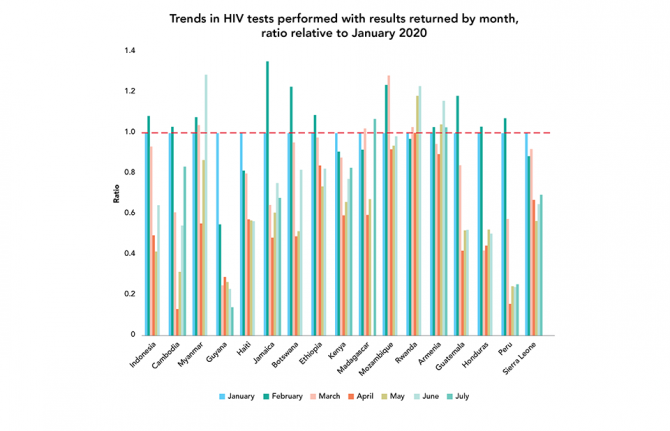
13 October 2020 13 October 2020Monthly data routinely reported to UNAIDS on disruptions to HIV testing and treatment services have found significant decreases in HIV testing services in nearly all countries with available data.
Since the start of the COVID-19 pandemic, UNAIDS, the World Health Organization and the United Nations Children's Fund have collected data from countries through an online platform (https://hivservicestracking.unaids.org) to identify national, regional and global disruptions of routine HIV services caused by COVID-19.
Fifty-six countries reported at least one month of HIV testing data to the platform between January and July 2020, with 17 supplying enough data to calculate trends over time. To measure the impact of COVID-19 on HIV testing services, a ratio was calculated relative to January—for example, if the number of tests in April was the same as in January, the ratio is 1; if there was a decline, the ratio is less than 1.
Large, sustained decreases in HIV testing services have been seen across all countries except Rwanda, with reduced services reported for most countries starting in April. Five countries, Myanmar, Mozambique, Madagascar, Rwanda and Armenia, have rebounded to pre-COVID-19 testing levels, while in other countries, such as Guyana and Peru, testing remains low.
Our work

Feature Story
Chinese young people take centre stage on HIV prevention
13 October 2020
13 October 2020 13 October 2020“There were no such diseases back in the day! AIDS came into being only because of college kids like you messing around,” shouted an old man at a group of students who were speaking to people about HIV prevention at China’s West Lake beauty spot. “Behave yourselves! We don't need to listen to your rubbish!”
In 2020, almost three years later, Zhao Honghui, the group leader and a medical student in his third year at Zhejiang University, still remembers every word, but he knew he didn’t do anything wrong. “I wanted to tell the old man that actually new HIV infections among old people are also increasing,” he said. “And that hatred and denial are never the solution to HIV.”
Recently, Mr Zhao had the opportunity to say what he had wanted to say and speak about all the experiences, good and bad, he had as a HIV prevention volunteer, speaking to a live online audience of more than 71 000 people from across China.
He and five other young HIV volunteers joined an online dialogue on youth and HIV organized by UNAIDS and Tencent, a Chinese technology company, one of a series of youth dialogues organized by the United Nations in China and Tencent to mark International Youth Day and the United Nations’ 75th anniversary that enabled Chinese young people to speak their minds about the Sustainable Development Goals.
In China, according to government statistics, new HIV infections among young people aged 15–24 years have been on the rise over the past few years. By inviting young volunteers to share their stories, the UNAIDS dialogue aimed to raise awareness among young people about the risk of HIV infection, tell them how to protect themselves and other people and encourage more young people to engage in HIV prevention work.
Mei Junyan, a second-year student from the South China University of Technology, shared his experience as a peer educator on sexuality education and HIV prevention. Sun Yinghui, from Zhongshan University, told the audience how her medical research team had looked at COVID-19’s impact on people living with HIV and how to help them address the challenges. “I see hope because the dialogue made me realize that I’m not alone in this battle,” said Ms Sun. “It’s an inspirational dialogue for all of us who are devoted to HIV prevention,” said Mr Mei.
They also had good interactions with the guest speakers. UNAIDS China Goodwill Ambassador Huang Xiaoming, an actor, said it was not easy to be a volunteer. The Director of the Chinese Association of STD and AIDS Prevention and Control, Hao Yang, encouraged all the participants to continue what they are doing. He said peer education is complementary with school education and he encouraged students to do more volunteer work.
One special guest was Andy Liu (not his real name). He contracted HIV five years ago, when he was 21 years old. Now he has an undetectable viral load after taking and adhering to antiretroviral therapy and has become a volunteer to help other people living with HIV. Unfortunately, however, he felt that had to turn his camera off to hide his identity, as stigma against people living with HIV is still prevalent in China. A touching moment came at the end of the dialogue when Mr Huang told Mr Liu that he hoped that one day he would not be afraid to show his face. He said he believes that day will come soon and he will continue to speak for people living with HIV and to advocate against stigma and discrimination.
Mr Zhao hopes the youth dialogue will become an annual event where young HIV volunteers can exchange ideas. “This dialogue is useful for us to know what other volunteers are doing and to learn from each other. I thank UNAIDS for providing this platform and I hope it can become a regular event,” he said.
Amakobe Sande, the UNAIDS Country Director for China, said that UNAIDS is committed to serving young people, together with the Chinese Government and community-based organization partners. “I hope the young people at today’s dialogue will inspire more people to join our efforts too. Together we can achieve an HIV-free generation. We can end AIDS as a public health threat.”
Region/country
Feature Story
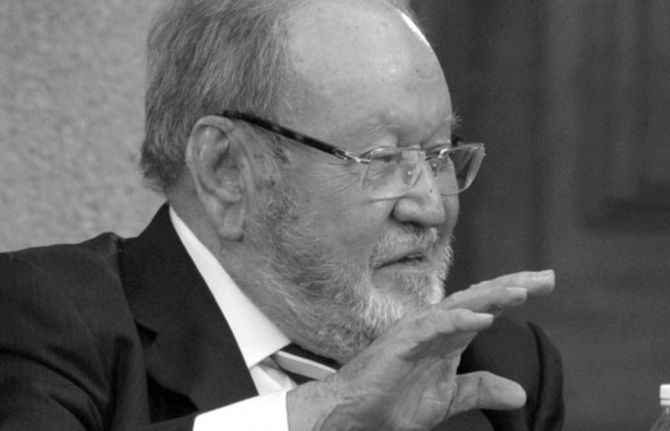
UNAIDS saddened by the death of Guillermo Soberon
14 October 2020
14 October 2020 14 October 2020UNAIDS is saddened by the death of Guillermo Soberon Acevedo on 12 October at the age of 94 years. He leaves behind a long list of accomplishments in his home country, Mexico, in the education and health sectors. He was the architect of modern public health in Mexico and served as the Rector of Mexico’s National University through difficult times, from 1973 to 1981.
Under his leadership as the Minister of Health from 1982 to 1988 he secured the constitutional right to health for all Mexicans and created the National Institute of Respiratory Diseases, which has become today vital for people with the new coronavirus. He also established the National Institute of Public Health and created around 800 health centres and general hospitals.
Dr Soberon led the AIDS response in Mexico in the early 1980s from the Ministry of Health and started public debates on prevention campaigns that included the use of the word “condom”, proudly confronting fundamentalist groups in the country. He is also known for spearheading Mexico’s health response to the 1985 earthquake.
When he led the National Bioethics Commission from 2004 to 2009 his work included the right to health and the role of homophobia in limiting effective health responses.
He was a great friend of UNAIDS. His vision to host the SIDALAC initiative, funded by the World Bank, which became a UNAIDS collaborative regional project as soon as the Joint Programme started to operate, allowed the flourishing of a programme that contributed to strengthening the AIDS response throughout Latin America and the Caribbean. He was also a member of the UNAIDS Human Rights Committee at the beginning of its operation.
Region/country
Feature Story
Lessons from the Ashodaya PrEP project in India
07 October 2020
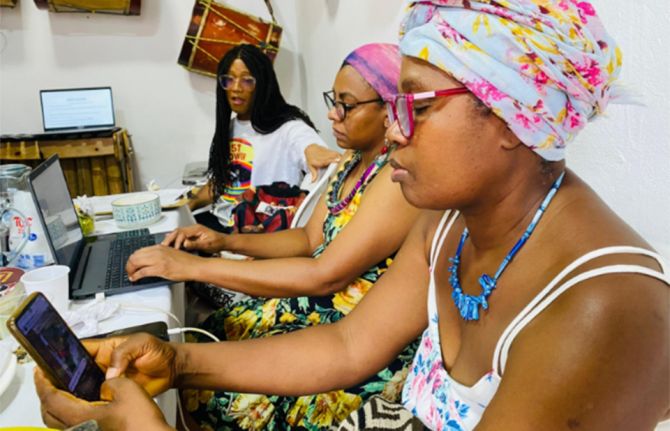
07 October 2020 07 October 2020The Ashodaya pre-exposure prophylaxis (PrEP) demonstration project for female sex workers in south India has shown how PrEP and HIV prevention programmes can be strengthened and their implementation accelerated beyond pilot projects.
While PrEP has been shown to be highly efficacious, with nearly 100% protection if it is taken as directed, delivering a successful PrEP programme is challenging. HIV prevention efforts among sex workers have traditionally focused on condom use, and while a range of successful programmes have contributed towards the decline in new HIV infections in the Asia–Pacific region, sex workers still experience a disproportionate burden of infection. In 2019, 9% of the estimated 300 000 new HIV infections in the Asia–Pacific region were among sex workers and globally the relative risk of HIV infection is 30 times higher among sex workers than among the general population.
PrEP is a relatively recent addition to the range of HV prevention options available. It involves someone who is HIV-negative taking antiretroviral medicines prior to possible exposure to HIV. Although recommended by the World Health Organization (WHO) for all people at substantial risk of HIV since 2015, PrEP is inaccessible to the majority of key populations, including sex workers, and their partners in the Asia and the Pacific region. There is limited evidence on PrEP use among women, and particularly among female sex workers, in Asia and the Pacific.
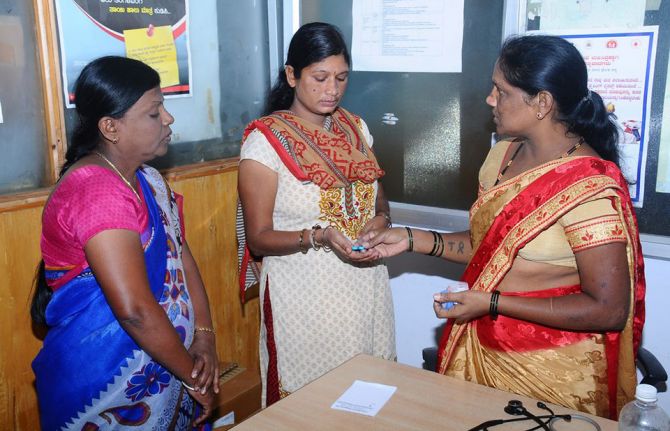
The Ashodaya PrEP demonstration project was one of two community-led and community-owned initiatives to provide PrEP to female sex workers supported by the Bill & Melinda Gates Foundation (the other was led by the Durbar Mahila Samanwaya Committee Kolkata). Sex workers in India had been concerned by the fact that, although condom use was high, some sex workers still acquired HIV.
“Our project shows that community-led PrEP delivery can be effectively integrated into the existing HIV prevention and care services for sex workers and result in high retention and adherence. Policymakers need to consult with us, listen to us and trust us as we know what works for us and how to make it work. We have an obligation to make PrEP available as an additional prevention tool in a safe and sustainable way and we are advocating for that,” said Bhagya Lakshmi, Secretary of Ashodaya Samithi.
The PrEP demonstration project, which began in April 2016 and ended in January 2018, reported good results. High levels of continuation on PrEP were reported, with 99% of the 647 participants completing the 16 months of follow-up. For women, it is critical to take PrEP daily to maintain protection. Although adherence was only 70% at month three, this increased to 90% at month six and was 98% in the final month of the project. Self-reported adherence was verified in the blood of a subset of participants at months three and six.
The project not only helped to dispel some common fears about PrEP but showed benefits in bridging the prevention gap. Rather than undermining condom use, it remained stable. Condom use was high for occasional clients, at approximately 98%, but lower for repeat clients (87–96%) and regular partners (63%). There were also no increases in symptomatic sexually transmitted infections and no cases of HIV acquisition during the follow-up period.
Several factors contributed to the success of the Ashodaya PrEP project, including:
- Fully integrating PrEP into an existing range of health services, outreach and community mobilization. This approach recognized that PrEP is not just a medicine or a standalone service but is part of a prevention and health package, including sexual and reproductive health services.
- Communities leading the way: planning, implementation and monitoring.
- Preparing the community and ensuring ongoing engagement. An intensive process of community preparedness and ongoing engagement allowed sex workers to make informed decisions about participation.
- Addressing excluded groups early. Recognizing that many community members would miss out, the community was proactively informed that not all members would be eligible for PrEP under the demonstration project, given the limited places and scope.
- Prioritizing continued engagement over perfect adherence. Drawing on Ashodaya’s existing network of peer outreach workers allowed for individualized adherence support strategies to best meet the needs of PrEP users, both in terms of scaling up support when dips in adherence were observed and through referrals to Ashodaya’s comprehensive package of health and social services beyond PrEP.
“We cannot stop new HIV infections in Asia and the Pacific if we stick to business as usual,” said Eamonn Murphy, Director, UNAIDS Regional Support Team for Asia and the Pacific. “PrEP answers an unmet need and expands the prevention options for people at substantial risk of HIV. We need to scale up PrEP as an additional effective HIV prevention intervention. The principles of the Ashodaya PrEP demonstration project is a model not only for India but for the entire region. The lessons learned from the project are critical to informing the way forward in the prevention agenda.”
From conceptualization to planning, implementation and monitoring, the Ashodaya PrEP project was a community-led process. In 2018, the pilot project ended and analysis of the results was completed with support from UNAIDS India and WHO. Since then, Ashodaya has trained a cadre of community members as advocates for PrEP in partnership with the All India Network of Sex Workers and with support from AVAC. Ashodaya, with support from UNAIDS, WHO, the Durbar Mahila Samanwaya Committee and the All India Network of Sex Workers, is also continuing to advocate for PrEP with the Indian National AIDS Control Organization (NACO). Ashodaya is also exploring opportunities for community social franchising and marketing of PrEP to further support access. NACO has developed a draft national PrEP policy and guidelines. The community is eagerly waiting for the resumption of PrEP services.