

Feature Story
Community networks extend arms to connect people to medicine in Viet Nam
17 April 2020
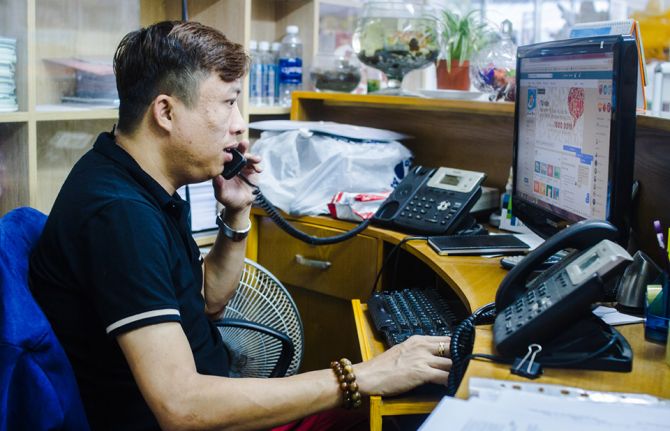
17 April 2020 17 April 2020When the Vietnamese Government introduced social distancing mid-March 2020 to respond to COVID-19, Binh Nam (not his real name), already on distance learning from his college since February, lost his part-time job at a small company. He decided to leave Ho Chi Minh City, which had a cluster of confirmed COVID-19 cases, to settle back in his home town, about 300 kilometres away.
“Going home seemed like the best option for me at the time,” Mr Nam said.
He arrived at his parents’ home just before buses shuttling people back and forth across the provinces stopped. With stricter lockdown measures taking effect in early April, he realized he was in a bind. He would run out of HIV treatment.
“I considered going to a local HIV clinic, but feared my HIV status would be disclosed,” he said. “I also could not buy antiretroviral medicine at private clinics because that would clear out my savings.”
And he definitely did not want to ask his parents, because they didn’t know he was living with HIV.
“I felt desperate,” he said. As a last resort, Mr Nam texted a man who runs a social media channel on HIV information, education and counselling that he follows.
Upon learning of Mr Nam’s situation, Nguyen Anh Phong, a representative of the Viet Nam Network of People Living with HIV (VNP+) in the south of Viet Nam and co-founder of the Lending a Helping Hand Fund, mobilized some funds to get him an antiretroviral therapy refill.
“This was among the first calls for help that made us notice more and more people were stuck in their home province with a limited amount of antiretroviral medicine,” Mr Phong said.
He and his VNP+ peers decided to form a group on one of the most popular social media chatting platforms in Viet Nam to find ways to connect people and help them collect medicine at clinics other than their own. More than 150 community members joined the group across the country.
Community feedback filtered back to the Viet Nam Authority for HIV/AIDS Control (VAAC) at the right time as it was drawing up emergency contingency plans. It was dealing with a hospital closed because of a temporary COVID-19 quarantine in Hanoi, so people couldn’t access HIV services or treatment. And with so many people stranded in the provinces, something had to be done.
VAAC issued new guidelines on HIV care and treatment during the pandemic developed with technical support from the United States President’s Emergency Plan for AIDS Relief, the Global Fund to Fight AIDS, Tuberculosis and Malaria and the United Nations.
“We invited the Viet Nam Network of People Living with HIV to join our technical discussions and to give us feedback because they know the challenges faced by people living with HIV,” said Phan Thi Thu Huong, VAAC Deputy Director in charge of HIV care and treatment.
The guidelines allow for multimonth antiretroviral therapy refills for all people on HIV treatment and for the provision of pre-exposure prophylaxis and tuberculosis medicines.
Provinces have been assigned focal points and hotline numbers for people who experience unusual symptoms.
More importantly, the standard referral requirements were eased in order to allow clients temporary access to alternative HIV clinics for antiretroviral therapy refills. VAAC also proactively resolved procurement challenges in order to avoid stock-outs, so Mr Nam and others could access HIV clinics of their choice for refills.
Viet Nam’s HIV epidemic is concentrated mostly among gay men and other men who have sex with men, transgender women, people who inject drugs and female sex workers and their intimate partners, with a rising HIV prevalence among gay men and other men who have sex with men .
“I believe that by joining hands, we can help all people get their refills so that no one misses their treatment because of COVID-19,” said Mr Phong.
Working hand in hand and getting results is what communities do best, according to Marie-Odile Emond, the UNAIDS Country Director for Viet Nam. “These networks are pillars of peer support and resilience and now more than ever they’re like an extended arm of the public health sector,” she said.
Resources
Region/country

Feature Story
Building peace through sustainable initiatives
16 April 2020
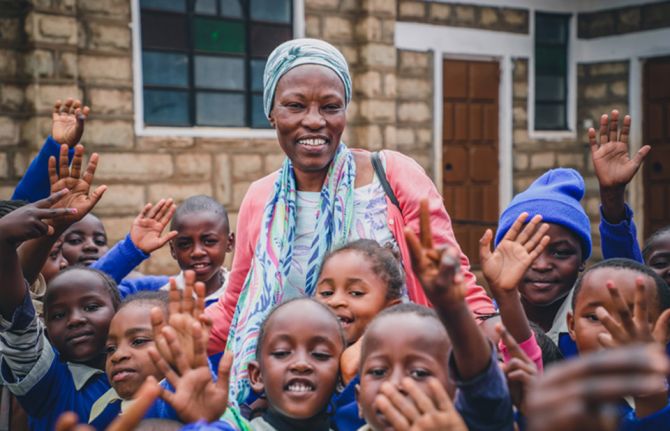
16 April 2020 16 April 2020“Peace is not merely the absence of war—it is when people have access to resources that enable them to meet their basic needs so they can live their life with dignity. If people have no nutritious food, if children do not go to school, if there is a conflict, then they are not at peace. COVID-19 came to remind us about it,” said Karambu Ringera, the founder and President of the International Peace Initiatives in Kenya.
Ms Ringera says that peace is holistic—even though her organization focuses on women living with HIV and AIDS-related orphans, she believes that it is also working for peace.
Her work started back in the early 2000s, when Ms Ringera was a student in the United States of America. When she returned to her home town in Kenya, Meru, for the summer holidays, she met a group of women, some of whom had recently lost their husbands. Most of the women didn’t know the cause of death of their husbands, but since AIDS-related deaths in Kenya were at their peak then, Ms Ringera suspected the reason. She encouraged the women to find out their own HIV status so as to not follow in their husbands’ footsteps.
Moved by the plight of many of the women she met, many of whom couldn’t afford to send their children to school or access HIV treatment, when back in the United States Ms Ringera arranged a cultural event, at which Kenyan food was served and people could learn about African culture. She collected US$ 400—enough to send seven children to school.
“I love the proverb about not just giving a person a fish, but teaching them how to fish,” she said. She wanted to help more children at home in Kenya, but, said Ms Ringera, “I wanted to go beyond just being someone who came to study poor women, create a solution for them and ask them to implement it.” For her, it was important for the women to understand that they could help themselves.
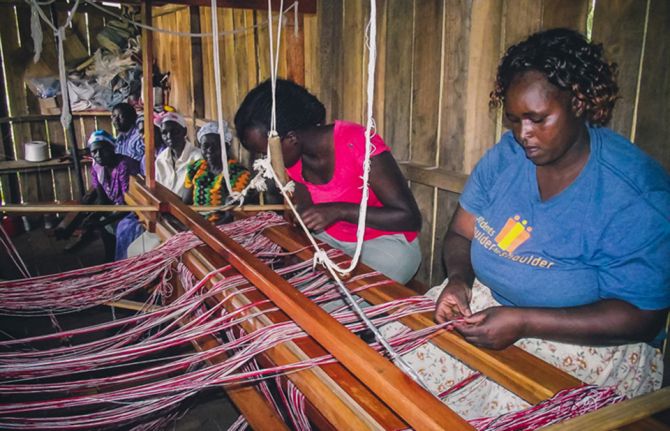
The women decided that they would make jewellery, which could be sold at her cultural fundraising events. At the same time, women started developing more skills, such as weaving and catering, so they could start their own businesses and support themselves.
Nearly two decades later, Ms Ringera runs a nongovernment organization that provides sustainable initiatives for orphans, women living with HIV, survivors of violence and communities with the tools and resources they need to move on from violence, poverty and crisis to stability and self-reliance.
In the beginning, many of the women who work at the International Peace Initiatives couldn’t afford a US$ 3 school uniform for their children. Today, Ms Ringera is proud that many have put their children through university. “People even in vulnerable circumstances can transform their lives. We have women and children, young people, to show that this is possible. We need to create interventions that inspire people to save themselves,” she said.
In the time of COVID-19, though, Ms Ringera is worried.
“We will need a good strategy to survive as a family,” she said. “Since 2009, when our children’s home was opened, this is the first time that we closed its doors to visitors. We did this immediately after hearing the news about the new coronavirus.”
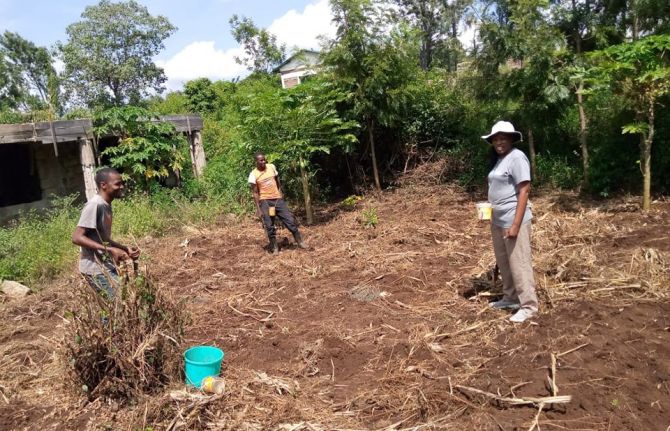
The children’s home is home to 76 children, who need to be fed three times a day. Ms Ringera thinks that sustainability is key—Ms Ringera and her team are planting crops, keeping chickens and trying to collect a store of food for at least three months. “I feel that more and more, people need to create their own sustainable systems where they are, so that during challenges like this, at least they can have their own food locally,” she said.
Resources
Region/country
Feature Story
When will men stop thinking that women’s bodies are their property?
09 April 2020
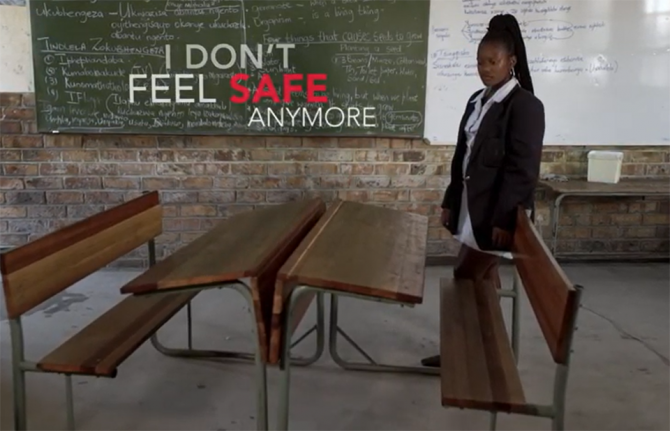
09 April 2020 09 April 2020Restrictions in movement, social isolation and increased socioeconomic pressures around the world have led to an increase in violence against women and girls since the start of the COVID-19 pandemic. As the United Nations Secretary-General António Guterres said, “Peace is not just the absence of war. Many women under lockdown for COVID-19 face violence where they should be safest: in their homes.”
Before the COVID-19 outbreak, at least one in three women and girls experienced physical and/or sexual violence, one of the most widespread human rights violations in the world. In areas with a high prevalence of HIV, intimate partner violence has been found to increase the risk of women acquiring HIV by 50%. Ending violence against women and girls must be a priority everywhere.
The United Nations has asked that governments dedicate funding in national COVID-19 response plans for domestic violence shelters, increased support for call-in lines, including text services, so reports of abuse can take place discreetly, online legal support and psychosocial services for women and girls. As UNAIDS knows well, these services are usually run by civil society organizations and community-led networks, which now need financial support more than ever. Finally, shelters should be designated as essential services and kept open, in the same way that pharmacies and food shops are.
When hundreds of millions of women and girls continue to be subjected to abuse and violence, it comes at a huge cost to themselves and to their families, communities, societies and economic development.
“We need to break this vicious cycle of violence, abuse and inequality,” said Winnie Byanyima, UNAIDS Executive Director, in a recent opinion piece. She added that there can be no impunity and survivors must be heard and justice must be done.
Video
Our work
Related
Feature Story
New innovations map to strengthen the response to COVID-19
08 April 2020
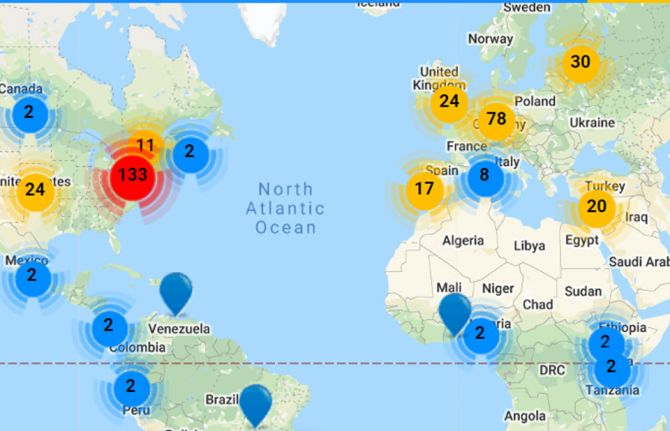
08 April 2020 08 April 2020A Coronavirus Innovation Map has been launched by StartupBlink together with the Health Innovation Exchange—a UNAIDS initiative to leverage the potential of innovations to improve the health of all—and the Moscow Agency of Innovations.
The map is a directory of hundreds of innovations and solutions globally that could support and strengthen the response to COVID-19, helping people to adapt to life during the COVID-19 pandemic and to connect innovators so they can collaborate on solutions.
The map provides information on five categories: prevention, diagnosis, treatment, information and life and business adaptation. As part of the prevention category, for example, the directory highlights the Track Virus app, which shows where the virus has spread in Israel, and a test kit to detect COVID-19 developed by E25Bio that will be able to deliver results in half an hour.
The directory also shows ways in which people can get medicines without leaving their home—telehealth and home medicine delivery solutions will be just as relevant for COVID-19 as for the AIDS response.
The information category shows how people can get timely and accurate information about the crisis and innovations, while the life and business adaptation category shows how people can adapt by doing things virtually—in only a short amount of time, schools and universities have switched to e-learning and home offices have replaced onsite offices.
The map is designed to provide information to government officials, venture capitalists, entrepreneurs and others to support the response to COVID-19 and address the pandemic and its impact.
“We are facing a challenge like never before and we need to work together to bring the best of ideas to beat the virus. The Coronavirus Innovation Map aims to provide a platform for innovators, every one of us, to collaborate and engage with the response,” said UNAIDS Director of the Office of Innovation, Pradeep Kakkattil.
“You can share ideas on the platform or reach out to innovators through the platform. We have seen a number of existing tools and innovations already being repurposed for COVID-19 with great success and believe that the platform will help bring new solutions faster into the hands of those at the forefront of the response,” added Eli David, CEO of StartupBlink
Over 500 innovations have already been received on the platform and the Health Innovation Exchange will produce a report on shortlisted innovations to be shared with country partners for the COVID-19 response.
Our work
Feature Story
A tribute to Maeve Kennedy Townsend McKean
09 April 2020
09 April 2020 09 April 2020In the 15 years since I went public with my diagnosis of HIV, it remains daunting to stand in front of a new audience and share my story. Though I expect them, I have never quite gotten used to the disbelief and shock I see in people’s eyes, the jaws gone slack, the overwhelming empathy. Because we have come such a long way in the journey against HIV, my story now is a happy one, meant to inspire people to know more, do more, support more so we can reach all those who still need access to prevention, testing, treatment. I do what I do because I hope others will feel more comfortable getting tested and treated for HIV if they see someone who has been healed, who is still embraced by their family, friends, colleagues and community.
And yet, while I have done it many times, and it’s a story with a positive bent, each time I share it publicly my heart pounds and my mouth runs dry. Early in my days of disclosure, a friend suggested I look for a smiling face in the crowd, someone who looked strong and positive, so I could absorb their energy and stay calm and upbeat even as I was full of fear.
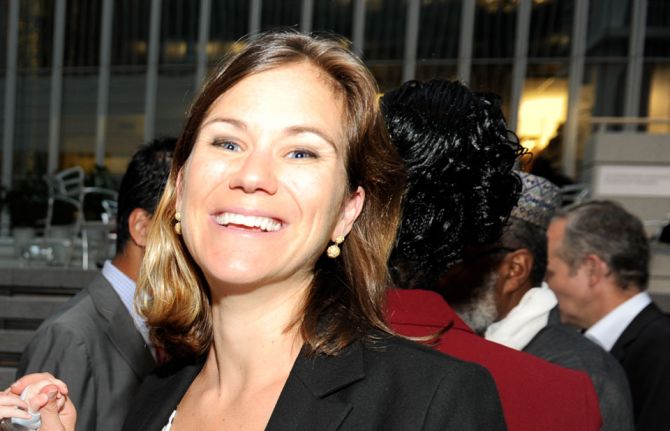
Recently, the Atlantic invited me to a talk for World AIDS Day in Washington, DC, and I was particularly nervous. Having been at UNAIDS for nearly six years at the time, I was out of practice having my personal journey with HIV be the focus of my work. I knew a lot of people in the audience, professionally, but not personally. As I took the stage, I found myself shaking. I sat down, straightened the creases in my pants and scanned the room hoping for an encouraging looking face.
And then I saw Maeve. She smiled that radiant, confident smile that could say so many different things, as needed, in any moment. She seemed to understand that this was different, that it was personal, and that I was afraid. She nodded. And just like that, I was fine. I took a deep breath and told a room full of strangers and professional colleagues about what it’s like to live with HIV, to face the fear of death, the stigma, the treatment, the guilt that you have survived and others have not.
These last days, mourning her loss, I remembered a conversation I had with Maeve about the idea of survivor guilt. She pointed out that those of us who work daily to protect and extend the lives of others shouldn’t feel guilty, but rather, responsible—it was an idea that came from the AIDS community. I loved that idea. Survivor guilt became survivor responsibility to me because of Maeve.
Maeve’s amazing contributions to social justice, to global health, to policies that made people’s lives safer, longer, happier and healthier are multitudinous. A public health and human rights lawyer, Maeve’s deep commitment to immigrants, refugees, women and children, including issues of violence, and rights for lesbian, gay, bisexual, transgender and intersex people, was rarely matched. She inspired so many of us and served as a role model in myriad ways. Many words have been said about her contributions by many who knew her longer or better than I did. But perhaps because I knew her less well, and yet felt that she was there deeply, personally, profoundly for me when she could sense I needed it, several times, I can uniquely appreciate some of Maeve’s finest qualities. She had an almost extrasensory perception of what was needed, especially in delicate moments. She shared her strength, her courage, and in doing so, made difficult things seem possible, doable.
From Capitol Hill in the United States of America, where she worked for Senator Dianne Feinstein, to the Peace Corps in Mozambique, where she was a volunteer, to the United States Department of Health and Human Services and the United States President’s Emergency Plan for AIDS Relief, where she served in various roles for President Barack Obama, Maeve’s ability to advance social justice was remarkable. Her lifelong commitment to public service was infused with her effervescent spirit, her indefatigable energy and that famous smile, capable of lighting up a whole room and lifting your heart.
It is difficult to describe the loss one feels when someone like Maeve leaves us. The world hardly makes sense. Why would someone so talented, so helpful, so selfless, so beautiful in every sense be taken so early? It raises all kinds of existential questions. And creates a new type of survivor guilt in those of us who were not taken instead. But remembering that conversation I had with Maeve and, in her honour, instead of being sad, I will recommit myself to the work with an even deeper sense of responsibility to carry on, to continue to try to extend the kinds of elemental forces for good she so often instigated.
A granddaughter of the late Senator Robert F. Kennedy and grandniece of former President John F. Kennedy, Maeve embodied the best qualities of a global humanitarian. The effects of her efforts will be felt for generations to come. It will take many of us working together to fill the gaps left by Maeve. But she lives on through and in us. I know I, for one, whenever I think something is too hard, or too daunting, will conjure her smile, see her nod and simply get on with it, as I know she would do.
Maeve worked with many UNAIDS colleagues over the last decade and was a strong ally of the organization. UNAIDS deeply mourns her loss and the whole of its global staff extend our heartfelt condolences to her family.
Regan Hofmann, Director, a.i., United States Liaison Office, UNAIDS
Region/country
Related
 Government ensures continuity of treatment in Malawi
10 February 2025
Feature Story
Living with HIV under lockdown
07 April 2020
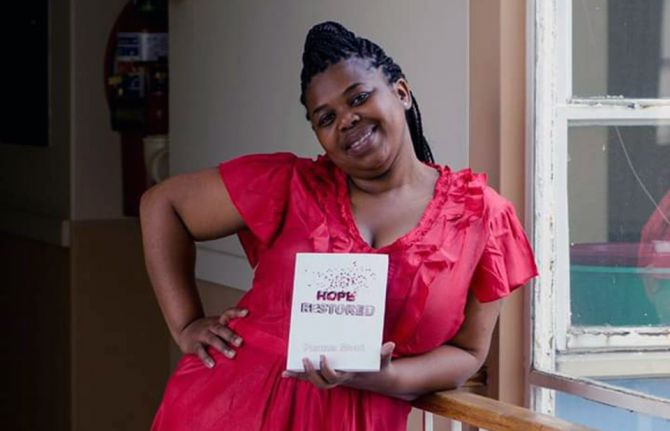
07 April 2020 07 April 2020Pumza Mooi is worried. A resident of Port Elizabeth, South Africa, she is one of 2.5 million people in the country living with HIV but not currently on antiretroviral therapy.
“I’ve decided that I have to start,” said Ms Mooi. “No matter how strong my CD4 count or how low my viral load, it will never be as good as on HIV treatment. It is something I must do for myself, for my children and for those who look up to me. I am scared of getting sick,” she said.
Ms Mooi’s decision to start HIV treatment comes at a time of uncertainty for people with a compromised immune system, owing to the risk of a severe COVID-19 infection. There is currently no evidence that people living with HIV have any greater risk of acquiring COVID-19, but there is concern that a COVID-19 infection could be more severe for people living with HIV who are not taking antiretroviral therapy.
South Africa is under a 21-day lockdown to try to slow the spread of COVID-19 and Minister of Health Zweli Mkhize has urged everyone to take precautions to prevent infection, emphasizing the importance of everyone knowing their HIV status, getting tested and immediately starting treatment should they test positive.
“The thought of catching COVID-19 frightens me,” said Ms Mooi. “It is scary to think that I already have one virus [HIV] that my body is dealing with. I am asking myself, is my body strong enough, is my immune system strong enough?”
Ms Mooi acquired HIV many years ago, when the prevailing advice was to commence treatment if the patient experienced a reduction in their CD4 count, thus falling ill. She has been monitoring her status ever since. In 2016, the World Health Organization published new guidelines recommending lifelong antiretroviral therapy for all children, adolescents and adults, including all pregnant and breastfeeding women living with HIV, regardless of their CD4 cell count. In other words, anybody diagnosed with HIV should start treatment straight away.
UNAIDS is actively monitoring the impact of COVID-19 and working with networks of people living with HIV, the government and development partners to ensure that the concerns of people living with HIV are heard and reflected in the COVID-19 response. This includes identifying constraints on health services, encouraging longer, multimonth prescriptions of antiretroviral medicine and helping communities to provide solutions.
Social networking
Life under lockdown is especially difficult for people living in informal settlements and UNAIDS has recognized the challenge of achieving self-protection, social distancing and containment in such areas. Added to this are fear-inducing and inaccurate reports about the coronavirus. “There is a lot of information going around but not all of it is true,” Ms Mooi said. “I am reminding people that the government has given us a WhatsApp number where we can get good information, and not to worry about other information. If it is true, the government will tell us.”
Luckily, Ms Mooi has a robust support network after she shared her HIV status online many years ago. “I know I will be looked after,” she says. She moderates Facebook and WhatsApp support groups for people living with HIV that have dozens of members, ranging in age from a 16-year-old born with HIV to a woman of 62 who has lived with HIV for many years.
Over the past few years, many in the group have shared their experiences of living with HIV and their experiences of taking HIV treatment, confronting stigma and discrimination and staying motivated. Their consensus is that taking and adhering to HIV treatment is the best option, Ms Mooi said.
Right now, there is a new topic in the groups. “They are worried about COVID-19,” Ms Mooi said. “I tell them don’t worry, stay home and practice good hygiene.” For the time-being, everyone knows they will have to sit tight and take care of each other remotely, to get through extended isolation.
The group fosters discussion mostly among women, although men are listening in. “I get messages from men asking why we don’t discuss issues affecting them, but if they don’t disclose they won’t always get the help they need,” she says. “I encourage men to share their stories and let us help each other.”
Looking ahead
Like most, Ms Mooi is already looking forward to being able to move about more freely again and to start HIV treatment. She is doing what she can to look after her family and to encourage her networks of people living with HIV. “We are doing the things we are told to do, like washing our hands and keeping away from other people, and just praying and hoping for the best,” she said.
Our work
Region/country
Related
Feature Story
Ensuring that people living with HIV in the Philippines have access to treatment during COVID-19
08 April 2020
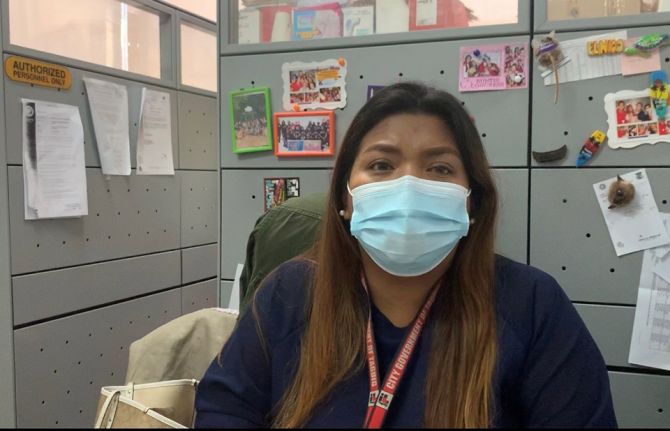
08 April 2020 08 April 2020The COVID-19 pandemic and the lockdown imposed by the Government of the Philippines to curb the spread of the disease are impacting the lives of people living with HIV across the country, creating a serious challenge to accessing life-saving antiretroviral therapy. To help address those challenges, civil society organizations have come together to support people living with HIV to access treatment.
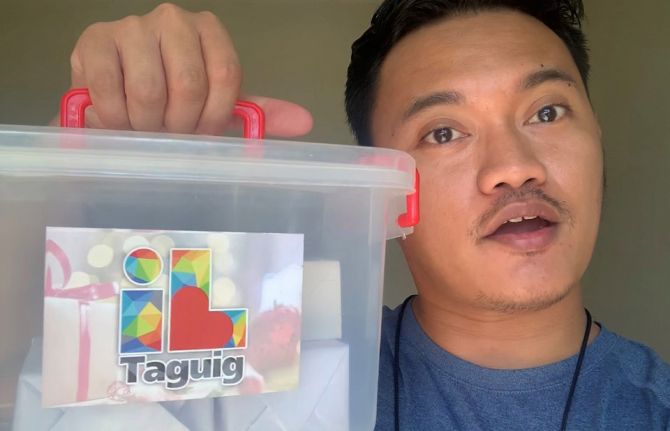
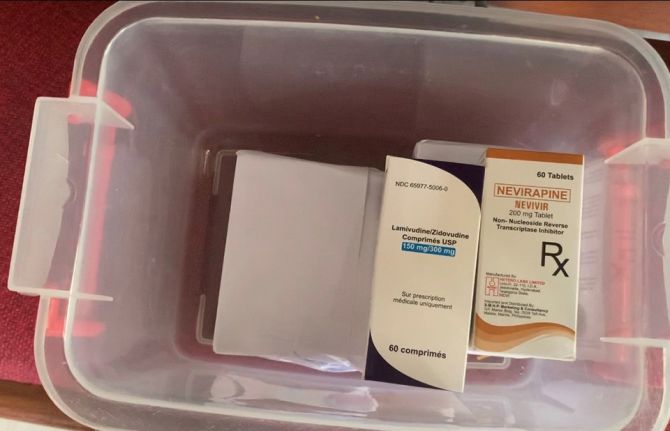
Through a coordinated community-led mechanism, Network Plus Philippines, Pinoy Plus Advocacy Pilipinas, the Red Whistle and TLF Share Collective, are working together in the implementation of a new guideline issued by the Department of Health. The new guideline directs local authorities to ensure that people living with HIV can collect their medicine at the nearest HIV clinic and encourages the use of courier services for the pick-up and home delivery of antiretroviral therapy in order to avoid the risk of increased exposure to COVID-19.
“For many people living with HIV, accessing antiretroviral therapy from the nearest treatment hub is a welcome development. However, the nearest facility may not be within walking distance, and public transportation has been restricted. To be able to reach the HIV clinic, some need to pass through checkpoints, where they fear disclosure of their HIV status, as a few have already reportedly experienced,” said Richard Bragado, Adviser of Pinoy Plus Advocacy Pilipinas, an organization of people living with HIV, and the Administrator of Network Plus Philippines, the national network of organizations of people living with HIV.
The Red Whistle, a platform that raises awareness about HIV, has mobilized a pool of 40 volunteers to collect antiretroviral therapy refills from treatment hubs and deliver them to people across the country. TLF Share Collective, a civil society organization working on the sexual health, human rights and empowerment of lesbian, gay, bisexual, transgender and intersex (LGBTI) people, tapped the volunteers of its partner community-based organizations to deliver antiretroviral therapy.
“People living with HIV are displaced by the pandemic. Some lost their source of income and had to return to their original residence after losing their jobs. Ensuring uninterrupted treatment is not to be compromised. This is an integral part of our work on human rights,” said Anastacio Marasigan, Executive Director of TLF Share Collective.
Home delivery is made possible through a joint effort of civil society organizations and health facilities. “We ask treatment hubs to issue a letter of authorization to show to the checkpoint authorities that the driver is delivering essential medications. We are also working with local authorities to avoid unintended disclosures of confidential information of our clients at the checkpoints,” said Benedict Bernabe, Executive Director of the Red Whistle.
To identify the nearest treatment hubs, lists of antiretroviral therapy clinics have been disseminated through different channels, with the Red Whistle partnering with MapBeks, an online LGBTI mapping community, to create the Oplan #ARVayanihan, a map that includes all treatment hubs and primary HIV care facilities.
People living with HIV can share and ask for information through different platforms. Among them is the PLHIV Response Center, established by Pinoy Plus Advocacy Pilipinas to link callers with services. The hotline disseminates information about treatment hubs available and gives advice on how to access antiretroviral therapy.
TLF Share Collective has developed a tool to monitor the delivery of antiretroviral therapy by the community volunteers. The organization also developed frequently asked questions cards and consolidated existing hotline numbers.
“UNAIDS has regularly coordinated with civil society organization since the beginning of the COVID-19 outbreak, providing technical guidance and ensuring synergy with the efforts of the government,” said Louie Ocampo, UNAIDS Country Director for the Philippines.
The United Nations Development Programme and UNAIDS have developed a rapid survey to assess the different issues affecting people living with HIV in the Philippines. In addition to access-related issues, the results of the survey show the urgent need to protect human rights and facilitate access to mental health and social protection services. The findings have been shared with the government in order to ensure that actions are based on the constantly evolving situation in the context of the COVID-19 pandemic.
Our work
Region/country
Feature Story
Supporting transgender people during the COVID-19 pandemic
06 April 2020
06 April 2020 06 April 2020The COVID-19 pandemic has disrupted people’s lives around the world, including those of many marginalized people, who suddenly face additional burdens and vulnerabilities.
Many areas in Indonesia, which as of 6 April had 2491 confirmed cases of COVID-19 and 209 deaths, have put in place measures, such as physical distancing, to curb the spread of COVID-19. While effective in responding to the disease, many people have been impacted by the effects of physical distancing on the economy.
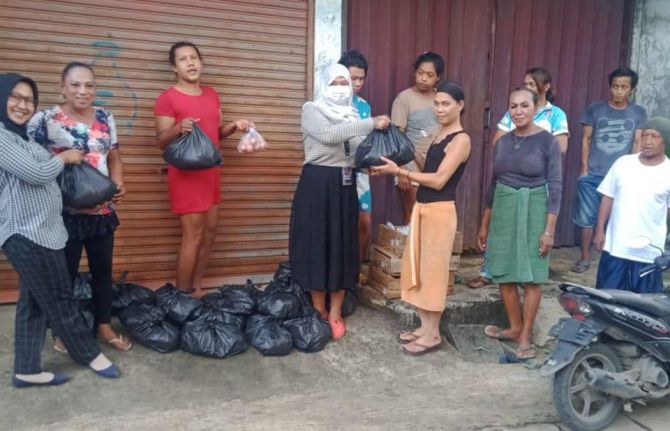
Out of 1000 people living with HIV and members of key populations surveyed by the Indonesian Positive Network, more than 50% are experiencing severe impacts on their livelihoods, including many transgender women. Sanggar Swara, a civil society organization of young transgender women in Jakarta, conducted a rapid assessment that found that more than 640 transgender people in greater Jakarta have lost their jobs, leaving them unable to support themselves. “On several occasions when the distribution of basic food staples took place, many of them could not access it as they do not have their identity cards on hand or simply due to their gender identity,” said Kanzha Vinaa, the head of Sanggar Swara.
Seeing the critical need for support, the Crisis Response Mechanism (CRM) Coalition, fronted by the civil society organizations LBH Masyarakat, Arus Pelangi, Sanggar Swara and GWL Ina, with support from UNAIDS Indonesia, decided to raise funds for the transgender community. “Since 28 March, we spread the information about the fundraising to communities and partners. Our plan was to collect the funds and distribute them to transgender women in need, with support from focal points in the areas,” said Kanzha Vinaa.
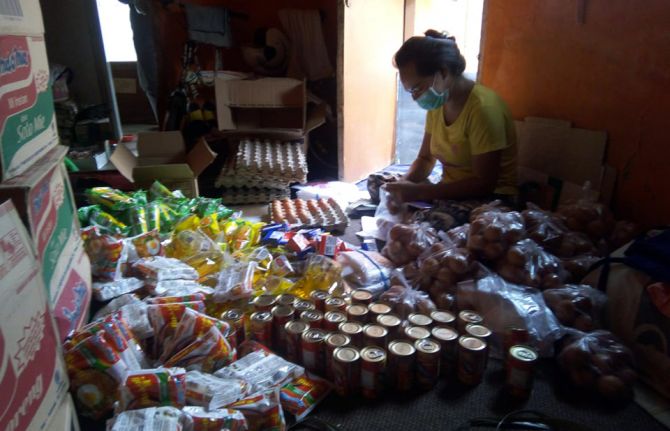
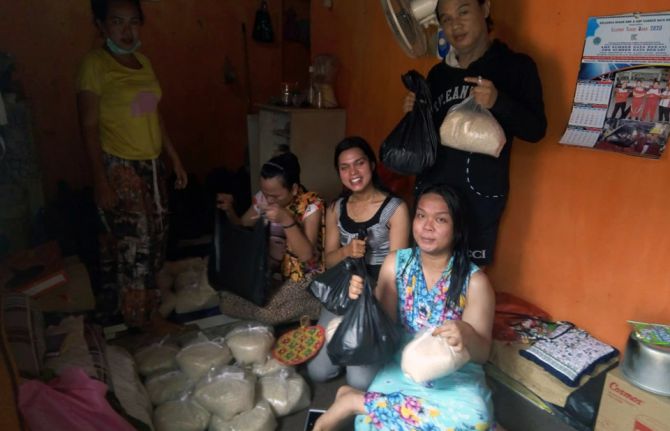
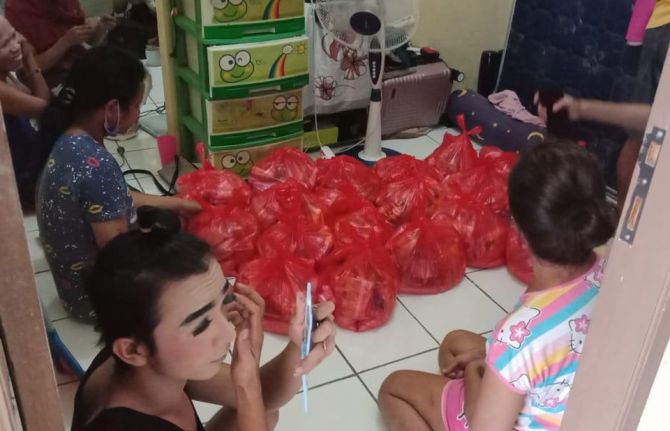
In less than a week, the CRM Coalition had collected more than IDR 67 000 000—around US$ 4100—and distributed food and hygiene packages to more than 530 transgender women in greater Jakarta. The packages cover the basic needs for one week. Ryan Kobarri, the head of Arus Pelangi, said, “Initially we only expected our close networks to respond to this call for donations. We were elated to see that the support and enthusiasm was much more than we expected. Not just from local networks, but even international networks gave their support. Someone even donated 100 kg of rice!”
Although there is uncertainty over how long the current COVID-19 situation will last, it is very likely that the need will persist in the coming weeks and months. The CRM Coalition continues to welcome donations from all around the world in order to keep the community afloat during these difficult times.
Since its establishment in 2018, the CRM Coalition has worked to coordinate and mobilize resources to respond to the persecution and discrimination faced by lesbian, gay, bisexual, transgender and intersex people in Indonesia, one of the most vulnerable communities in the country.
Donations to help keep this vital work going can be made by PayPal at paypal.me/kanzha or through Ryan Kobarri at ryan@aruspelangi.or.id.
Our work
Region/country
Feature Story
A tribute to Gita Ramjee
01 April 2020
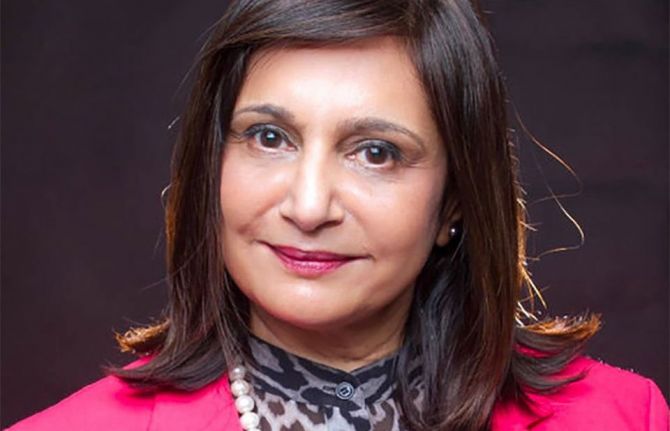
01 April 2020 01 April 2020On 9 March, I checked out of my hotel in Brazil. We had just finished a fascinating meeting on the integration of HIV with other health programmes and diseases. There was plenty of elbow-bumping and embarrassed smiles about the lack of embraces with Brazilian and global colleagues. We knew the wave must be coming, but the beaches still looked beautiful. We even really did drink Corona beer with supper.
I was excited and booked to go straight on to Boston for the 2020 edition of CROI, the conference on retroviruses and opportunistic infections. Apart from the consistently high quality of the science presented at CROI, I always love the corridors. There was always plenty of time to meet up with friends and colleagues, many of whom have been together over the past 25 years or more of the HIV pandemic. I saw Gita Ramjee at every meeting, and was looking forward to seeing her again.
Tragically, it was not to be. My phone pinged with an email announcing that the conference was no longer happening in Boston, but would be delivered virtually.
Gita was already in London on her way to the meeting from South Africa. Hearing that CROI was “virtualized”, Gita was delighted to stay on in London for a few more days. She was spending more time in London lately because she wanted to be with her sons and grandson, who live there. She visited the London School of Hygiene and Tropical Medicine, where she holds an honorary professorship for her work on HIV prevention trials. My colleagues there tell me that she was on her usual good form—kind, collaborative, straightforward and full of integrity and determination to make things happen. She flew back to South Africa that weekend and gave a talk at the London School remotely on 17 March. Two weeks later, she died, one of the first deaths from COVID-19 in South Africa.
Gita is an extraordinary testament to resilience and determination. She was born in Uganda and escaped from the Idi Amin regime. She continued her schooling in India and then went to university in the United Kingdom. There she met her future husband, a South African, also of Indian heritage. She moved to the Transvaal with him, but hated the segregated life, which contrasted so obviously with the more open society she had found in the United Kingdom. So they moved to Durban, which suited them better, and she began to build the two pillars of her life—her family and her career.
Her career as a strong leader of research on HIV prevention, specifically on women, particularly underprivileged women and sex-workers, has brought her global acclaim—lifetime scientific awards for excellence from South Africa, an Outstanding Female Scientist Award from the European Development Clinical Trials Partnerships, honorary degrees. To me, she was always a friendly face and someone to meet and talk to, not only about the science, but also about our sons and grandsons, London, Durban and beyond.
The COVID-19 wave is breaking over us now, and its power is awesome. Gita was a very early casualty of the African epidemic because she was a global superstar. Her death is a stark warning. Millions of poor people living in southern and eastern Africa, many of them living with HIV, are now facing a devastating challenge. The weak health and social systems, the dependence on piece work, the crowded housing, the lack of water and electricity all make it a horrible prospect. The death toll will rise steeply, in part because of direct infections with the virus, but even more so because of the impact on the overstretched health systems and weak social protection safety nets. How are the millions of scared people living in crowded, shared accommodation and dependent on their daily wages to buy food expected to maintain physical distance?
Gita believed in and fought for the rights and welfare of sex workers. Back in 2007, she told the Guardian newspaper, “The stories they used to tell us were horrific. That’s when I knew I wanted to be involved in the prevention of HIV infection in women.” I know that she would want us to step up and meet the challenge of COVID-19, not only as a public health crisis, but even more so as a challenge to inequity, poverty and lack of global solidarity.
Peter Godfrey-Faussett, Senior Science Adviser, UNAIDS
Our work
Related
Feature Story
People living with HIV in the Republic of Moldova to receive free home delivery of antiretroviral therapy
02 April 2020
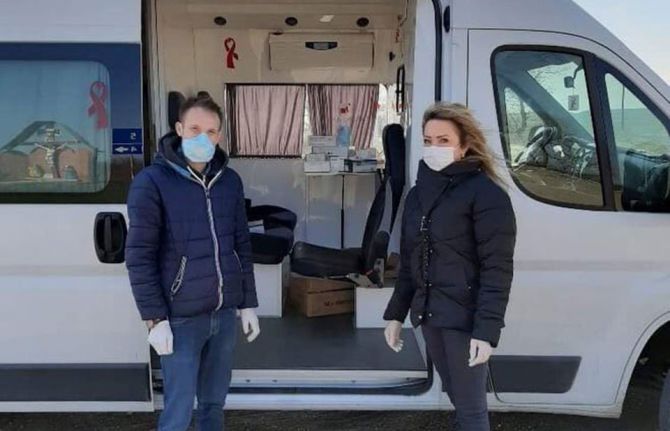
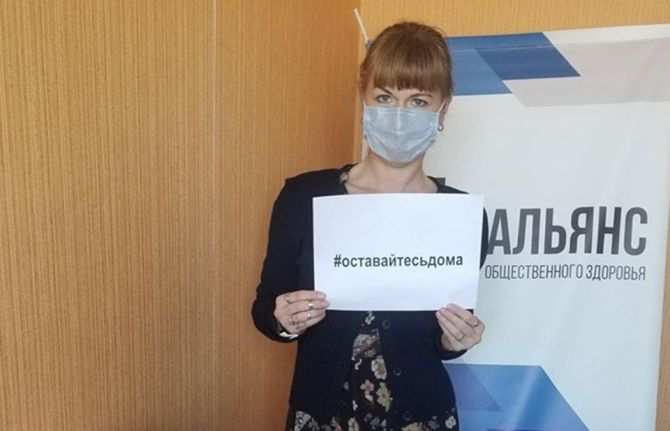
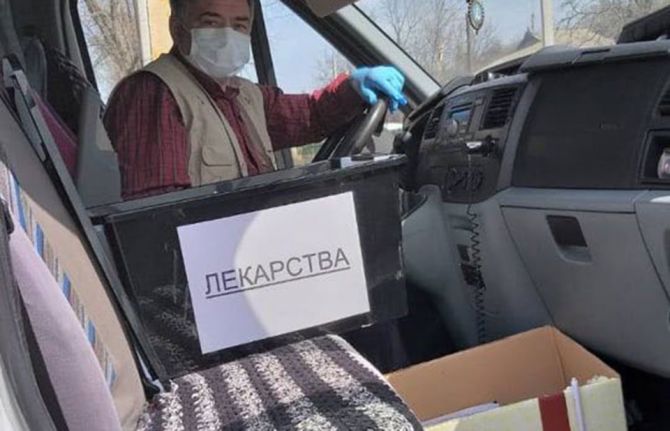
02 April 2020 02 April 2020From 17 March, following the government’s declaration of a state of emergency in response to the COVID-19 pandemic, around 800 people living with HIV in the Republic of Moldova have been receiving antiretroviral therapy at home for free.
A team of social workers and people from the four regional centres for people living with HIV are ensuring the timely delivery of the medicines and are giving information on protection against COVID-19. The social workers, trained by the World Health Organization, explain how to prevent the transmission of the coronavirus, identify its symptoms and take the necessary action in the event that people contract COVID-19.
The emergency measures put in place by the government will initially last until 15 May and include limitations on people leaving their homes except for going to work, buying medicines and food and walking their pets.
AIDS activists agree that the decision will help to avoid the risks encountered by people living with HIV associated with travelling by public transport and going to health centres to get their medication. Most importantly, it will help to avoid interruption of HIV treatment.
“We had to find the most effective solution to this problem, and we are proud that the representatives of the national AIDS programme found a solution,” said Ruslan Poverga, General Director of the Positive Initiative. “The medical sector, social services and nongovernmental organizations are doing everything possible to provide people living with HIV with access to treatment and reduce their risk of coronavirus disease.”
In the Republic of Moldova, more than 6000 people living with HIV are receiving HIV treatment, which they usually get from eight treatment facilities around the country, including prisons. In order to provide the medicines in people’s homes, the National HIV Programme Management Unit developed an algorithm to assess the risk of people living with HIV not being able to access their medicines, taking into account distance from the treatment facilities.
Identifying an efficient solution and obtaining all necessary political support and approval, as well as designing the algorithm and starting the implementation of the programme within one week of work, was made possible owing to the leadership of the Ministry of Health, Labour and Social Protection, the National HIV Programme Management Unit and the Positive Initiative. UNAIDS and the World Health Organization bureau in the Republic of Moldova provided guidance and technical and financial support to ensure the efficient implementation of the initiative.
“The delivery of antiretroviral medicines to people living with HIV in remote, rural and other areas of the Republic of Moldova, where there are no HIV treatment centres, through the involvement of nongovernmental organizations and regional centres for people living with HIV, is an amazing solidarity and mobilization effort by all partners,” said Svetlana Plamadeala, UNAIDS Country Manager for the Republic of Moldova.