


Feature Story
“You’re welcome!”
30 March 2020
30 March 2020 30 March 2020“You’re welcome!”
Sunny Dawson (not his real name) jumped with joy when he received his medicine from Bai Hua. “You're an angel sent by God,” he said to him.
Mr Dawson is an English teacher at a school in a small town in northern China. In January, he went on a vacation to his home country in south-east Asia, but his journey back to China turned out not to be as easy as his journey out. The coronavirus outbreak that started in December 2019 in Wuhan, Hubei Province, and quickly swept across China has posed big challenges to everybody’s life. But because he is living with HIV, the challenges for him were probably greater.
Rushing back to China
News about the outbreak in China hit the headlines in Mr Dawson’s home country during his vacation. “All my family objected to me going back to China,” he said. But he loves China and wanted to go back. “I needed to rush back before flights were stopped,” he said. His family conceded, his father giving him a big bag of face masks before his departure.
He thought he was fully prepared, but when his flight landed, he could feel that things were different. All the passengers had to have their temperature checked, one by one. Mr Dawson was wearing heavy clothes that day and was sweating a little—his temperature read 37.6 degrees Celsius. He and some other passengers were sent to a nearby hospital for further tests.
He tested negative for COVID-19, but soon after learned from the head teacher of his school that the small town he works in has been put under lockdown—he couldn’t go back to where he worked.
Since he is living with HIV, he needs to take antiretroviral medicine every day. He had only taken a one-week supply with him on his vacation, though, and it was running out.
BaiHuaLin alliance of people living with HIV comes in to help
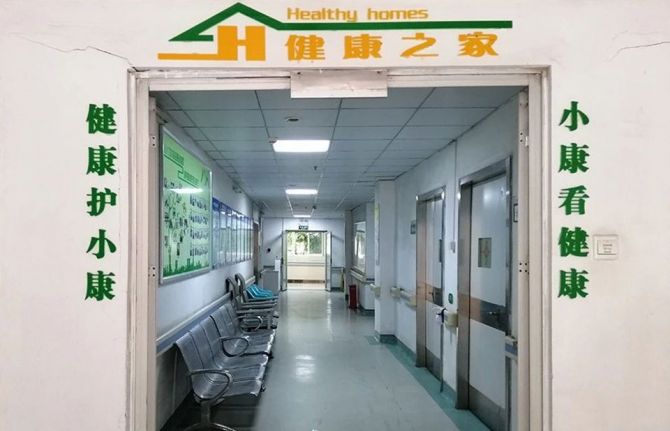
Mr Dawson remembered Bai Hua , the founder of the BaiHuaLin alliance of people living with HIV, a community-based organization dedicated to supporting people living with HIV, including help with refills of medicine. BaiHuaLin was the organization that reached out to him when he was scared and lonely after being diagnosed with HIV a year before.
The coronavirus outbreak left many people like Mr Dawson at risk of running out of their medicine because they were stranded away from their usual HIV service provider. The BaiHuaLin alliance helps people in need of HIV medicine to get their refills by using an extensive network of volunteers that covers the whole country and extends globally. “Too many people need refills these days. We are terribly busy,” Bai Hua said.
When he received Mr Dawson’s call for help, he told him to come to his office immediately to pick up the seven-day refill he had requested. However, only a few days later he had to return for more because his stay in Beijing had been extended indefinitely. “My colleagues told me not to go back in the near future because the shops are closed under the lockdown,” he said. This time, Bai Hua gave him a month’s refill.
A strong partnership
The UNAIDS Country Office in China also felt the impact of the COVID-19 outbreak on people living with HIV. “We received messages on social media from people living with HIV, expressing their frustration and desolation and seeking help,” a UNAIDS staffer said.
Because of HIV-related stigma, when faced with the risk of the disruption of medicines, people living with HIV often choose to keep their anxiety to themselves, afraid to reveal their status. “Some people say they would rather die than disclose their HIV status,” Bai Hua said. “One person sneaked out of his village and walked 30 kilometres to get the medicine.”
The UNAIDS Country Office in China has been working to ensure that the rights of people living with HIV are fully protected. In addition to giving out information, UNAIDS also actively works with the government and community-based organizations in China in order to ensure that people living with HIV get medicine refills.
Special pick-ups and mail deliveries of HIV medicines arranged by UNAIDS have reached more than 6000 people living with HIV in Wuhan.
Best yet to come
Mr Dawson finally got back home to the small town in northern China after staying in Beijing for more than two weeks. Still under quarantine, he misses an old man in the park near his apartment. “He was my calligraphy teacher. He always goes to the park, writing Chinese calligraphy on the ground,” he said. He gave Mr Dawson a piece of calligraphy, beautifully framed, that is now hung on the wall of his sitting room.
“I look forward to the day when the virus is gone,” he said, “So I can visit my friends and learn calligraphy in the park.”
Resources
Region/country

Feature Story
Thai hospitals to provide three- to six-month supplies of antiretroviral therapy
25 March 2020
25 March 2020 25 March 2020Hospitals in Thailand are to dispense antiretroviral therapy in three- to six-month doses in order to prevent people living with HIV from running out of medicines and to reduce their need to access the health system during the COVID-19 pandemic.
The new policy, endorsed by the National AIDS Commission, which is chaired by the Deputy Prime Minister and Minister of Health of Thailand, will be implemented throughout the country, reducing the risk of exposure of people living with HIV to COVID-19 and reducing the burden on the health system and clinical personnel.
People living with HIV who are on antiretroviral therapy under the National Health Security Office (NHSO)—which accounts for 70% of all people living with HIV receiving antiretroviral therapy in the country—are already benefiting from the implementation of this measure. Hospitals under NHSO are extending the length of prescription of antiretroviral therapy for people with a stable HIV condition—people living with HIV who have taken antiretroviral therapy continuously for at least one year, who have suppressed viral loads, who haven’t presented side-effects and who are not pregnant.
“The National Health Security Office has confirmed that there are sufficient supplies of antiretrovirals for all people living with HIV on treatment across the country,” said Rataphon Triamwichanon, the Assistant Secretary-General of NHSO.
“Beneficiaries of the Social Security Insurance Scheme will be able to obtain at least a three-month supply of antiretroviral therapy during the COVID-19 pandemic,” said Amphan Thuwawitm, the Deputy Permanent Secretary of the Ministry of Labor.
Starting from October 2020, NHSO and the Social Security Insurance Scheme will unify the medicine prescription guidelines under the Universal Health Coverage Scheme to allow prescription of a six-month supply of antiretroviral therapy for all eligible people living with HIV.
“UNAIDS applauds Thailand’s leadership and collective efforts from all partners, resulting in timely decisions on implementing multimonth supplies of antiretroviral therapy to support people living with HIV,” said Patchara Benjarattanaporn, UNAIDS Country Director for Thailand. UNAIDS is working closely with the Ministry of Public Health, NHSO, the Ministry of Labor and the Thai Network of People Living with HIV to advocate for the adaptation of the same policy for all health insurance schemes, including private hospitals.
“Through our community members across Thailand, we are monitoring to ensure that hospitals and health-care staff are taking on the implementation of the new policy and are successfully providing multimonth doses of antiretrovirals,” said Apiwat Kwangkeaw, Chairman of the Thai Network of People Living with HIV. “Our peer educators, as members of the Continuum of Care Centre, have also started raising awareness about COVID-19 among people living with HIV and informing them on the precautions they should follow to prevent COVID-19 infection,” add Mr Apiwat.
The Thai Red Cross AIDS Research Center (TRCARC), a civil society organization under the umbrella of the International Red Cross, with support from Her Royal Highness Princess Soamsawali, the UNAIDS Goodwill Ambassador for HIV Prevention for Asia and the Pacific, has also taken important measures to continue to guarantee timely access to HIV prevention services for vulnerable populations.
“We don’t want that the COVID-19 situation becomes a challenging factor that deters people from taking an HIV test. Among the measures we are implementing, we have set up a visible platform outside our Anonymous Clinic with a screening system for every client, where we check temperature and any respiratory symptoms. Our laboratory staff members and counsellors have moved out from the clinic to the platform, where they provide HIV testing and prevention supplies like condoms, post-exposure prophylaxis and pre-exposure prophylaxis (PrEP), as needed. For those who are already on PrEP, we organize home delivery, which clients can request online,” said Nittaya Phanuphak, Chief of Prevention at TRCARC.
All the measures being taken in Thailand will contribute to avoiding potential disruption to HIV prevention, testing and treatment services during the COVID-19 pandemic and to ensuring that people living with HIV and key populations are not left behind.
COVID-19 and HIV
Feature Story
Talking about a revolution
24 March 2020
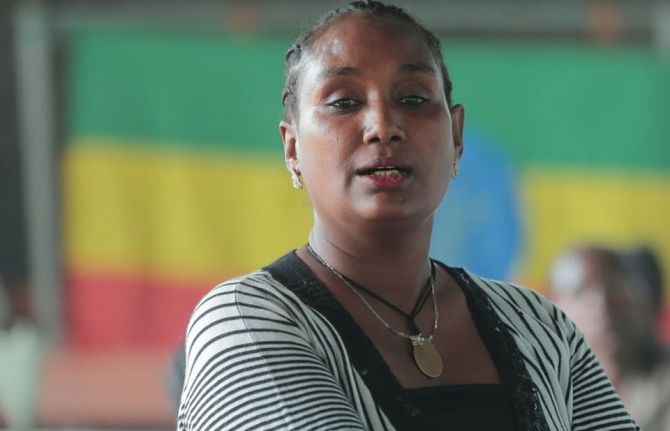
24 March 2020 24 March 2020It is no surprise that Birknesh Teferi’s first name means “revolution” in Amharic, the language spoken in Ethiopia. She exudes passion and self-pride; she’s the picture of health and well-being.
Her journey to this point in her life is indeed revolutionary—a story of resilience, hope and transformation. She has beaten tuberculosis (TB), survived cervical cancer and is living positively with HIV.
Ms Teferi was diagnosed with HIV and TB in 2003, a time when information about HIV, TB and sexual and reproductive health in Ethiopia was scarce and stigma and discrimination high.
According to the World Health Organization (WHO), Ethiopia is one of the 48 high-burden TB countries globally. In 2018 in the country, 165 000 people fell ill with TB and there were 27 000 deaths; 2200 of which were among people living with HIV.
After waiting 15 days for her test results, while the health-care worker went on leave, Ms Teferi was told that she was “positive”.
“I thought it was good news. I hugged the nurse in relief, only for her to tell me that being HIV-positive meant I had the virus,” she said.
Ms Teferi successfully underwent the WHO recommended treatment for TB—directly observed treatment short-course (DOTS)—which cured the TB but did not help her with her struggle to accept her HIV status.
“What followed was a period of hurt and heartbreak … Waiting for death,” she recalled of the aftermath of her diagnosis.
She describes herself then as a “drifter.” She did not disclose her HIV status because of stigma and worked as a sex worker to make ends meet.
“If a client had a condom, we would use it. If he didn’t, we didn’t. I tried to use them, but I had no money to buy them. That’s how I developed a sexually transmitted infection.”
During the treatment of the infection, Ms Teferi was diagnosed with cervical cancer and was referred from one health facility to the next, often in different towns.
She eventually found a “caring” doctor and had an operation to treat the cancer. “I was in so much pain, I couldn’t sit. I was miserable,” she remembers.
But when Ms Teferi started to take HIV treatment in 2008, her life slowly changed. She started to look after herself more. She insisted on condom use with her clients.
She met a group of women living with HIV from the Tilla Association of HIV-Positive Women in Hawassa, Ethiopia. The association focuses on capacity-building and training and support of women living with HIV. It runs an embroidery centre as an income-generating activity for women living with HIV, where Ms Teferi now works.
“I am now free of drifting. Life is so much better. If people feel that it is possible to live, possible to work, then life can change,” she said.
For the first eight months of her time at the centre, the manager assigned her a volunteer to help her with her physical recovery from her operation. For the first time, she had support from other women who understood what it was like to be her.
The women at the centre invited her to watch a film about living positively with HIV. “That movie gave me hope,” she says. “I started to learn more about HIV from my manager. I gradually got relief, better medical services and Tilla supported me financially and emotionally.”
While Ms Teferi is on HIV treatment and has been cured of TB, there are millions of people worldwide who still lack access to prevention and treatment for both conditions. TB is the leading cause of death among people living with HIV globally.
In 2018, there were an estimated 1.2 million TB deaths, 251 000 of which were among people living with HIV—this is a 60% reduction from 620 000 in 2000. Between 2000 and 2018, TB treatment alone averted an estimated 48 million deaths among HIV-negative people and TB treatment supported by antiretroviral therapy averted an additional 10 million deaths. However, progress is slow and needs to be accelerated in order to end TB by 2030 as part of the Sustainable Development Goals.
“TB is curable and preventable,” said Aeneas Chuma, the Director for the UNAIDS Regional Support Team for Eastern and Southern Africa, a.i. “It is critical in this moment of history, in the context of the global COVID-19 pandemic, that we ensure that people living with HIV who are diagnosed with TB have uninterrupted access to HIV and TB treatment. UNAIDS is working with governments and community partners to ensure that we adapt to a rapidly changing health context, with kindness, compassion and humanity.”
Resources
Region/country
Related


Feature Story
Innovative and people-empowered approaches to end TB deaths
25 March 2020
25 March 2020 25 March 2020There is clear urgency for bringing quality and effective tuberculosis (TB) prevention, treatment and care closer to communities. These efforts should entail empowering communities to use innovative community-based TB services, which have been shown to have a high impact and to be cost-effective.
There has been an unprecedented global mobilization to support countries to end the TB epidemic. These efforts saw the scaling up of TB treatment for an additional 7 million people in 2018 and a reduction in TB-related deaths among people living with HIV by 52% since 2010.
Significant progress has been made towards reaching the United Nations High-Level Meeting on Tuberculosis target of 6 million people living with HIV accessing TB prevention services by 2022—1.8 million people living with HIV started TB preventive treatment (TPT), which reduces their risk of developing active TB disease, in 2018.
However, there are major issues of concern. During 2018, a total of 1.5 million lives were lost to TB, including 251 000 among people living with HIV, which is a third of that year’s 770 000 AIDS-related deaths. Around 10 million people fell ill with TB, 9% of whom were coinfected with HIV. We are still far away from reaching the global target of reducing TB deaths among people living with HIV by 75% by the end of 2020. While the estimated number of new TB cases among people living with HIV in 2018 was 862 000, only 56% of them were aware of their TB status. Less than half of the people living with HIV who newly initiated antiretroviral therapy in 2018 reported also initiating TPT.
More people-centred and community-based approaches that bring services closer to people in need are real game-changers and need be scaled up. For example, as an alternative to the six-month daily TB treatment regimen requiring patients to visit a clinic daily and be monitored by health-care workers that is implemented in some countries—the so-called directly observed therapy (DOT) approach—many programmes are experimenting with digital adherence technologies.
The medication event monitoring box approach involves the patient’s medicines being in a box—a signal is sent to the clinic each time the patient opens the box to access his or her TB medicines. The video DOT method involves patients recording themselves and sending a daily medication update video to their clinic.
These technologies are user-friendly and reduce the time that people are away from their regular activities and reduce the cost of daily transport to the clinic. They provide people with autonomy and empower them to manage their treatment and their health in their home while being monitored for treatment adherence, as well as improving access by vulnerable groups and reducing stigma.
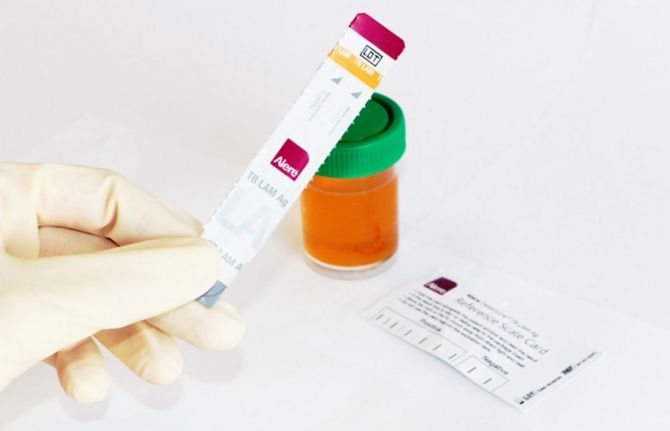
The LF-LAM (lateral flow urine TB mycobacterial lipoarabinomannan) is a simple rapid point of care urine test that the World Health Organization recommends as a game-changer and as a part of a diagnostic algorithm for people living with HIV. It allows the testing of adults and children in health facilities and community-based settings. To date, however, only seven countries among 30 high-burden countries are implementing the LF-LAM tests.
Newer shorter regimens for TPT, such as three months of weekly rifapentine and isoniazid, have been increasingly available owing to recent price reductions and policy shifts. The regimens have fewer side-effects than longer regimens and higher rates of completion. Communities play a key role in supporting people living with HIV to initiate and complete TB preventive treatment, monitor side-effects and seek care for early signs or symptoms of TB.
“Especially in this time of COVID-19, we absolutely need to move on innovative models that allow people to continue their care at home. This means putting in place the quality and supports that people can access virtually, by telephone and in the community. It means delivery models that recognize and respond to the daily constraints on people’s lives and putting the tool directly in their hands to succeed. Let’s empower people to stay connected, continue their care and access additional supports including facilities when they matter most,” said Shannon Hader, the Deputy Executive Director, Programme, of UNAIDS.
Resources
Related
Feature Story
Strengthening services for violence against women and HIV in Indonesia
27 March 2020
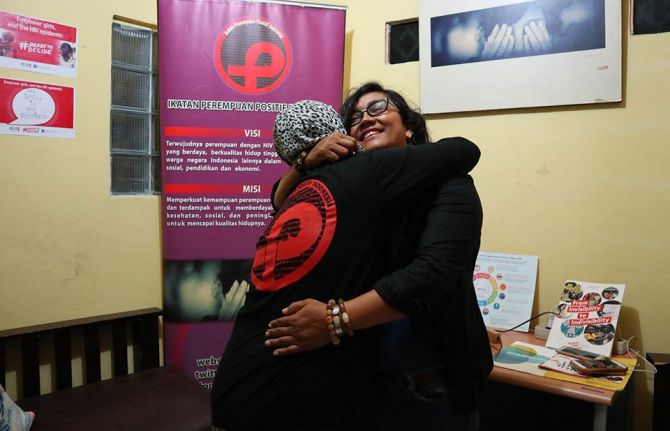
27 March 2020 27 March 2020Nining Ivana, the local coordinator of the Indonesia Positive Women Network (IPPI), Jakarta, was shocked when she received a voice message from one of the network’s new members.
In the message, Mutiara Ayu (not her real name) said that she had been beaten by her husband and abused by her husband’s family when they discovered that both her and her son were living with HIV. Research by IPPI in 2011 found that, like Ms Ayu, more than 28% of its members across Indonesia had experienced violence from their partners and family members because of their HIV status. It is known that women who are victims of sexual abuse are also at a higher risk of contracting HIV.
To address the linkages between HIV and violence against women, IPPI is holding a series of workshops to better integrate services for HIV care, support and treatment and against violence against women across eight cities in Indonesia. IPPI members who are survivors of violence, local HIV service workers from public health clinics and managers of women’s shelters have been attending the workshops, at which the results of the IPPI’s research are disseminated, needs are discussed, experiences are shared and a local action plan to better integrate both services is decided upon.
“I heard stories from HIV service providers at public health clinics. They couldn’t understand how a woman living with HIV had such a low CD4 level despite routinely visiting the clinic. Apparently, her husband banned her from taking her antiretroviral medicine. They know that these women are more likely to be victims of violence, but they do not know where to refer them to, since there is no standard operating procedure beyond their health care,” said Chintya Novemi, the person in charge of integrating services for HIV and violence against women at IPPI.
In addition to HIV care, support and treatment services, women living with HIV who are victims of violence may need counselling for trauma and legal aid should they decide to pursue litigation. Through its HIV & Violence against Women Services Integration Project, IPPI aims to bridge this gap. When there is not a formal relationship or mechanism, or it is not clear, informal referral mechanisms made by local stakeholders could save a woman’s life.
“After meeting with workers from services for HIV and violence against women at the workshop, it became clearer to me where I should refer IPPI members who encountered violence and how we should handle their cases,” said Ms Ivana, who joined the workshop in Jakarta.
Upon finishing the series of workshops, IPPI hopes to disseminate the results to national stakeholders, including the National Commission on the Elimination of Violence against Women, the Ministry of Health, the Ministry of Law and Human Rights and others. The ultimate goals are to gather evidence regarding these interlinked issues and advocate for a national standardized mechanism to protect women living with HIV from all forms of gender-based violence.
Region/country
Feature Story
Community members are driving the AIDS response in northern Myanmar
26 March 2020
26 March 2020 26 March 2020Saung Moon was 15 years old when he first injected drugs. “I went out with some people who were using heroin and they persuaded me to try,” he said, puffing on a traditional Myanmar cigarette while squatting around a small fire with his friends.
Mr Moon, now 20 years old, lives in Putao, a remote area at the northern tip of Myanmar. Small rural communities are scattered around the mountainous region, part of the foothills of the Himalayas. But this lush and pristine environment is home to a severe drug epidemic fuelled by the availability of cheap heroin in the region. Widespread injecting drug use is resulting in high rates of HIV and hepatitis B and C infection.
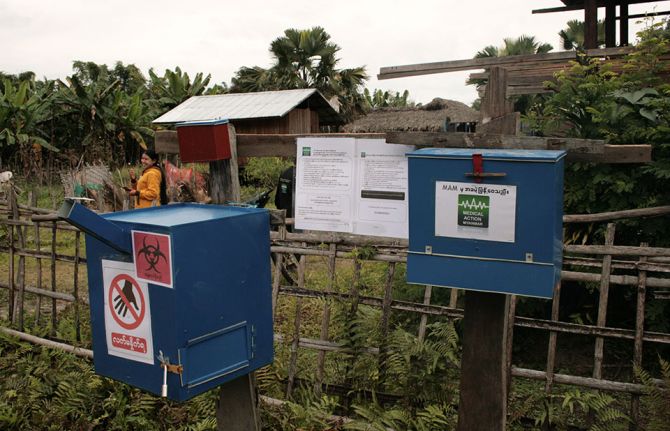
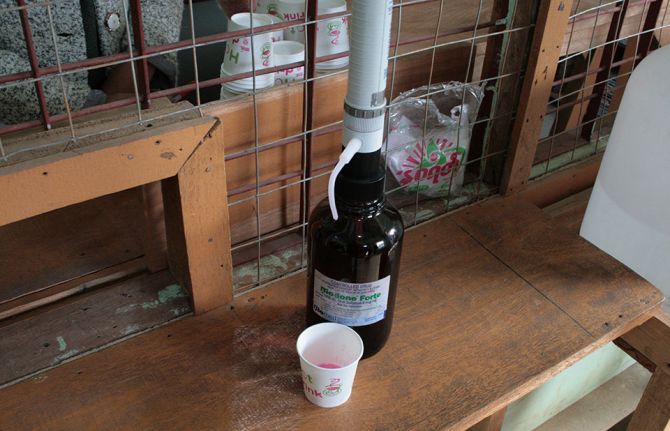
Mr Moon and his friends were huddled around the fire at one of the two Medical Action Myanmar (MAM) facilities in the Putao district. The clinic is a satellite centre of the national AIDS programme and provides services—including needle–syringe exchange, HIV counselling and testing, HIV treatment and care, primary health care, testing and treatment of sexually transmitted infections and family planning—to people who inject drugs. The clinic also refers heroin users to the local hospital for opioid substitution therapy, since only government facilities are currently allowed to distribute methadone in Myanmar.
Mr Moon and his friends feel at ease at the clinic. Some are there to return their used needles and syringes and get clean ones, others to test for HIV or access their HIV treatment. Whatever the reason, health-care workers at the clinic take the opportunity to talk to them and train some of them as peer educators.
“If peer pressure is one of the main causes for heroin use initiation, the same principle applies when it comes to advising about the dangers of injecting drugs and how to prevent HIV transmission,” said MAM’s Medical Director, Cho Myat Nwe.
Raising awareness among people who use drugs is the first step in responding to the drug-related HIV epidemic—there isn’t a more effective way than sharing information and life skills among peers. “At school, we only received a brief talk about drugs, but nothing on HIV,” said one of Mr Moon’s friends. “With the information and training we have received at the clinic we can talk to our friends and provide them with important information to prevent infection.”
Engaging people who use drugs is only half of the challenge. The other half is reducing the stigma and discrimination they encounter in their daily lives.
According to Mrs Cho, people who use drugs are not very popular in their communities. The villagers do not understand why nongovernmental organizations focus their activities on people who use drugs and not on the general population. MAM is therefore working in the communities, providing general health care and discussing drug use and HIV, explaining why services for people who use drugs will have a positive effect on the community as a whole.
Services difficult to access
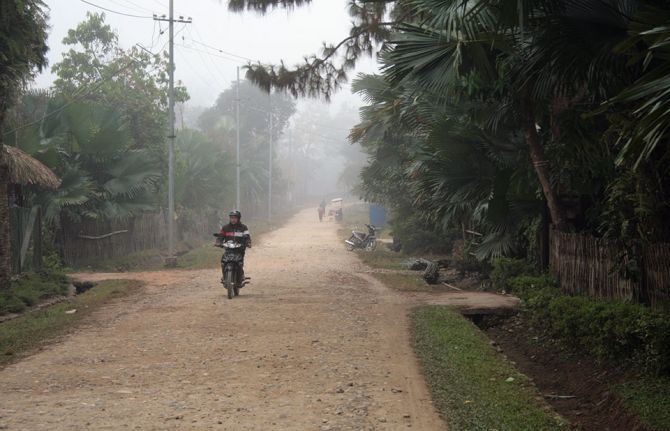
For most people who use drugs in Putao, getting to the clinic is a problem. The remoteness of the villages—some of them are as far as seven days away from the nearest health facility by foot—the poor infrastructure and the lack of public transport makes accessing services very difficult, especially during the rainy season. This leads to relatively high levels of people on long-term treatment stopping their treatment, including HIV treatment and opioid substitution therapy. “The problem is always transportation to come to the clinic or to the health centre to access methadone,” said another of Mr Moon’s friends. “We don’t have the money or the means of transportation to go to the hospital every day.”
MAM has mobile clinic teams visiting other villages in the district. The clinics stay open at night to make access easier, conduct outreach sessions and provide information on harm reduction and HIV prevention where people who use drugs gather. That’s how Mr Moon and his friends got to know about the clinic and the health options available to them. However, the reach of the mobile clinic is limited.
Community health volunteers are making a difference
Community health volunteers, who provide a wide range of health services in the villages, have made a real difference to the ability of people to access services.
The volunteers were originally trained by MAM staff to test and treat malaria. People with fever would visit them. They would then perform a simple test and if positive for malaria they would provide treatment immediately. According to the health authorities, the volunteers were part of a successful effort that led to a decline in the malaria rate among those reporting fevers in Putao from 4.2% in 2015 to 0% in 2019.
Now trained twice a year, their services have grown beyond malaria testing and treatment to include counselling for HIV, needle–syringe exchange, tuberculosis referrals, sexual and reproductive health services and the referral of severely ill patients to government hospitals.
Despite their limitations, community health volunteers are bringing health services and information much closer to people and are reaching out to a population that would be otherwise very hard to reach. Their work is greatly contributing to the decentralization of services and is helping to unblock an overstretched health system.
While still insufficient to cover the needs of the community, the response to HIV in Putao links community health volunteers, a nongovernmental organization clinic and a township hospital providing antiretroviral therapy and opioid substitution therapy. As such, it is an example of a strategy that can be further expanded for wider coverage in nearby localities.
The predominantly rural nature of injecting drug use in the country poses challenges for how to effectively deliver harm reduction services. While Myanmar has unique examples of how to adapt programmes to local contexts, there is an urgent need to evaluate the public health outcomes and impact of such innovative and adapted responses in the coming months as the country gears up to further intensification of its AIDS response with support from the Global Fund to Fight AIDS, Tuberculosis and Malaria, the United States President’s Emergency Plan For AIDS Relief and Access to Health.
Resources
Region/country


Feature Story
Chains of solidarity and kindness during the COVID-19 outbreak
20 March 2020
20 March 2020 20 March 2020Getting calls at all hours of the day is not unusual for Liu Jie, the Community Mobilization Officer in the UNAIDS Country Office in China. Because of the COVID-19 outbreak in China, the whole office has been active in helping people living with HIV to continue to access treatment, especially in Hubei Province, where the pandemic was first reported. Recently, Ms Liu was surprised when she had a call from Poland.
"A Chinese man introduced himself, saying he is stranded and will run out of HIV medicine in two days,” Ms Liu said.
With travel restrictions closing down more and more countries, the man could neither return home nor access medicine. Not knowing what to do, he reached out to a Chinese community-based organization, the Birch Forest National Alliance, and through them contacted UNAIDS in Beijing, she explained.
He, like countless other people abroad, was caught in limbo by the fallout from the COVID-19 outbreak. Days earlier, the UNAIDS Country Office in China had helped another Chinese person living with HIV access medicine while stuck in Angola. In both cases, colleagues in Beijing reached out to UNAIDS country offices and the Community Mobilization Team in Geneva, Switzerland. The UNAIDS Country Director for Angola reached out to the Angolan Network of AIDS Service Organisations and the person accessed medicine in no time.
For the case in Poland, Jacek Tyszko, a Polish native and part of the UNAIDS Community Mobilization Team, knew exactly what to do. “Because we have been in touch with regional networks of people living with HIV in central and eastern Europe, I made one call,” Mr Tyszko said.
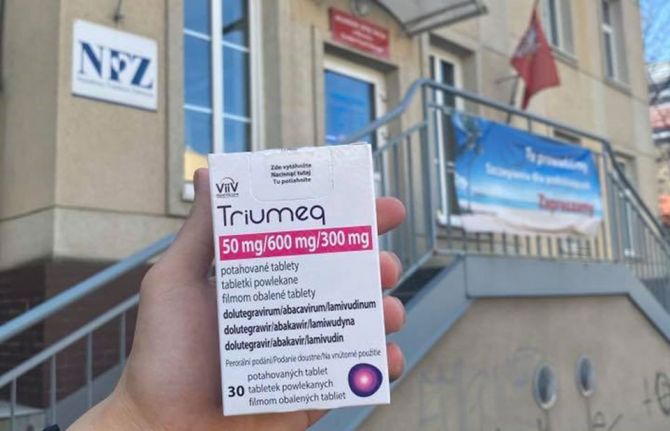
Anna Marzec-Boguslawska, head of the National AIDS Center in Poland, quickly agreed to follow up. She has always been very responsive, which allows us to move quickly on the ground. Twenty-four hours later, Ms Liu received a photo of a man holding up a box of medicine in front of a grey building. Minutes later her phone rang.
“It was the same Chinese guy calling again from Poland,” she said. “He was crying with joy, saying he had his medicine and that was a picture of him just now.”
She added, “He kept saying how he could not believe that we made the impossible possible.”
The Director of the Birch Forest National Alliance, Bai Hua, also thanked UNAIDS. “This case really reflects that UNAIDS is rooted among the communities,” he said.
Resources
Related
Feature Story
The volunteer driver in Wuhan
24 March 2020
24 March 2020 24 March 2020On the day of China’s Lantern Festival, 8 February, Shen Ming was making sweet dumplings, the traditional festival delicacy, at his home in Wuhan in China’s Hubei Province. From time to time, he would raise his head to watch the local news on the television to get the latest on the COVID-19 outbreak.
His paid particular attention to the new traffic restriction measures. Unlike most people in the city, who stayed indoors all day because of the lockdown, Shen Ming needed to go out almost every day—he is a volunteer who is driving people living with HIV to pick up their medicines from hospitals during the outbreak.
Shen Ming had planned to drive someone to Jinyintan Hospital in the afternoon. Just enough time to have the sweet dumplings, he thought. As the water began to boil, his phone rang. A colleague from the Wuhan Lesbian, Gay, Bisexual and Transgender Center asked him if he could drive another two people to get their medicine right away. He said yes. “You see,” he said. “It will save me a lot of time because I can drive three people to the hospital in one go.”
He switched off the hob and put on a protective suit and mask. “Never mind the sweet dumplings. I can cook them later,” he said. “Besides, I can have a video call with my parents while I’m having the dumplings in the evening.”
A new year away from home
It was more than two weeks since Wuhan, the epicentre of the COVID-19 outbreak, was locked down. An uncomfortable silence hung over the city, which appeared deserted, in stark contrast to the energy of the city before the outbreak.
Shen Ming had had totally different new year plans. He had booked a flight to his home town in Zhejiang Province and had even bought some spicy local delicacies for his parents as new year gifts. “They are more accustomed to sweet food, but I want them to try something different,” he said.
Two days before his flight, Shen Ming got a text message from his boyfriend. “How are you?” the message read. “I got bad news: my father has been diagnosed with COVID-19. And my mother and I both have a high fever too. We are all on the way to the hospital and will stay there if there are beds for us.”
Shen Ming offered his condolescences to his boyfriend, and the next day went to see his doctor. He was relieved to be told that he was not infected, but was advised to stay in Wuhan for observation—he never thought that the coronavirus would be the reason for his first new year away from his family.
So, you are also HIV-positive, like us?
His first passenger was from Shanghai. Wuhan was put under lockdown just as he was about to leave. Soon, he found his HIV medicine running out. “If the medicine of people living with HIV is disrupted, their health will suffer. It might be inaccurate, but I can feel their fear, anxiety and dispair,” Shen Ming said.
Thanks to a directive from China’s National Center for AIDS/STD Control and Prevention, people living with HIV can receive medicine refills wherever they are. All they need is a letter from their service provider. However, they faced a challenge, as taxis and public transport services were stopped during the lockdown.
A survey jointly conducted by UNAIDS and the BaiHuaLin alliance of people living with HIV, a community-based organization in Beijing, shows that nearly 65% of the respondents in Hubei Province had difficulty getting their medicines during the lockdown. With most medical staff concentrating on COVID-19, community-based organization such as the Wuhan Lesbian, Gay, Bisexual and Transgender Center asked for volunteers like Shen Ming to transport people living with HIV to pick up their medicines.
On his first drive, Shen Ming put on three face masks and rolled down the car window to reduce the possibility of getting infected. His trip was to the same hospital that looked after people affected by COVID-19. He was nervous when arriving at the hospital, but to his relief the HIV clinic and the COVID-19 clinic were far apart. The Wuhan Lesbian, Gay, Bisexual and Transgender Center gave him a protective suit after learning that he didn’t have adequate protective equipment, and he eventually became more relaxed.
He would walk to the clinic with his passengers and wait there until they got their medicine. Afterwards, they would have a chat. “So, you are also HIV-positive, like us?” almost all of them would ask Shen Ming. He isn’t. “It doesn’t matter,” he said. “AIDS is just a chronic disease. The care for people living with HIV goes beyond the community of people living with HIV.”
“I will probably stay here”
It was late when he got back home after driving the three people to the hospital on the day of the Lantern Festival. Hungry, he turned on the hob and cooked noodles. This is the first time that Shen Ming hadn’t had sweet dumplings on the Lantern Festival, but he was happy because he got to meet his boyfriend, albeit briefly.
“I will continue my volunteering work until they don’t need me. It would be best if I’m not needed,” he said with a smile on his face.“I will probably stay in this city. I’ll buy a house when the epidemic is over, and build a home here.”
Resources
Region/country
Feature Story
Mining, drugs and conflict are stretching the AIDS response in northern Myanmar
23 March 2020
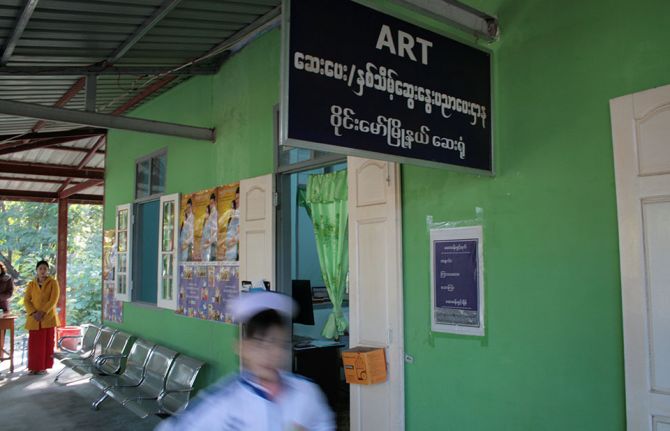
23 March 2020 23 March 2020“People who inject drugs can access harm reduction services and HIV treatment, but they still don’t go for them. Why?” asked Deputy Director-General of Communicable Diseases of the Myanmar Ministry of Health and Sports, Thandar Lwin, while searching for ways to respond to the drug-related HIV epidemic in northern Myanmar.
One of the most affected regions is the northern most state of Kachin, where, according to government statistics, 72% of new HIV infections occur among people who inject drugs.
Bordering China on the east and India on the west, Kachin State reports the highest prevalence of HIV in the country, at 2.8%—the national HIV prevalence is estimated at 0.57%. The state is home to only 3% of the country’s population, but to 23% of all the people who inject drugs in Myanmar, whose HIV prevalence is more than 40%.
The reasons for such a concentrated epidemic among people who use drugs are varied. Mining, particularly for jade, illicit drug cultivation, production and trafficking, limited education and access to health services, and armed conflict are some of the obstacles to an effective response to the epidemic in the area.
Heroin and methamphetamine are widely available in towns and rural areas. The drugs are used by those who work long hours in mines and plantations, or for recreational purposes by children as young as 14 years, who can inject several times a day.
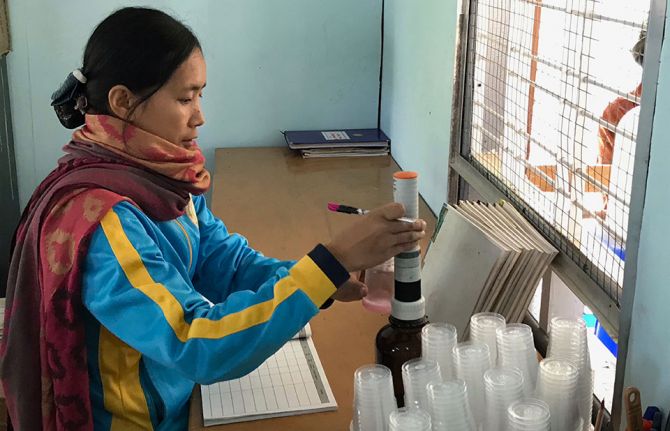
In response, the government is providing HIV and harm reduction services at its health facilities and through a network of satellite clinics and drop-in centres run by nongovernmental organizations working with community health volunteers. Together, they provide, or refer people to, a wide range of services, including peer counselling, testing and treatment, needle–syringe programmes, opioid substitution therapy, condoms and treatment of sexually transmitted infections.
However, even with a government willing to support harm reduction services, the magnitude of the drug use problem is stretching capacity. Although there is political will, and financial resources are available, there is an urgent need to better understand the reasons why services are not always reaching the people who need them the most.
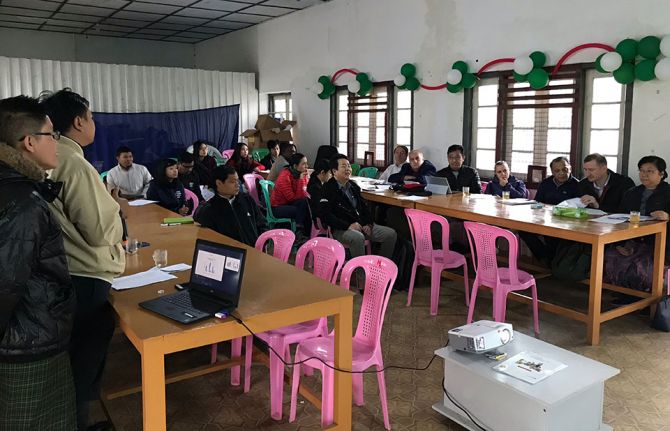
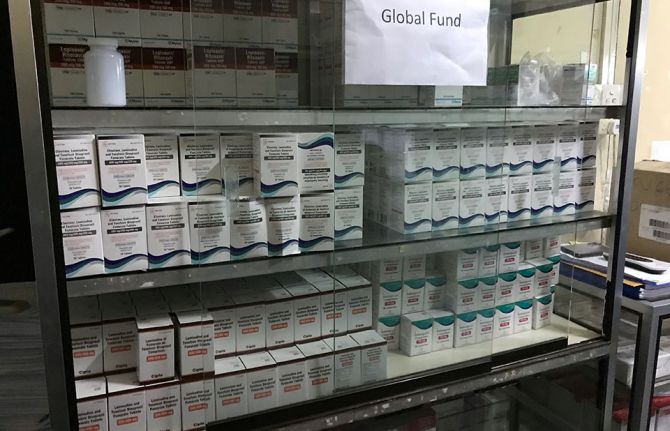
For that reason, a delegation led by the Government of Myanmar and the Global Fund to Fight AIDS, Tuberculosis and Malaria (Global Fund)—the biggest funder of the AIDS response in the country—together with the technical partners, UNAIDS and the World Health Organization, and the principal recipients, the United Nations Office for Project Services and Save the Children, visited the area to see how programmes are being implemented and to find alternative ways to effectively deliver services.
“Programming in this context requires partnership, collaboration and innovative approaches to ensure that the investments and activities have an impact in such a demanding environment,” said Izaskun Gaviria, Senior Fund Portfolio Manager at the Global Fund.
The visit showed that a good multipartner national response to HIV is producing results in parts of the country, but is falling short in areas affected by poverty and because of the availability of cheap drugs, a mobile population following seasonal work and long-standing ethnic conflicts. It also showed that policy changes are urgently required in order to improve access to opioid substitution therapy, antiretroviral therapy and other health services, including needles and syringes and naloxone for overdose management.
Fifty-nine per cent of people who use drugs in Myanmar were tested for HIV in 2016, rising to 74% in 2018. However, there is a gap between the number of people who test positive for HIV and the number of people who start on antiretroviral therapy. Many of the people either not initiating treatment or stopping are mobile seasonal workers, who come from within and beyond Kachin State.
The need for confirmatory HIV tests to be made at public health centres and the fact that people must have several mandatory counselling sessions before treatment can be initiated may also be contributing to the high percentage of people who test positive but are not yet accessing treatment. The Ministry of Health and Sports has issued a directive stating that all designated public sector services can initiate antiretroviral therapy. However, more reforms are required to bring health care to people who use drugs, who face legal challenges and, often, hostility in local communities.
The government has for a long time demonstrated a genuine interest in providing harm reduction services to people who inject drugs. Sterile needles and syringes can be obtained from health services run by nongovernmental organizations and rural drop-in centres, and some villages even have needle–syringe dispensers. However, the two syringes per user per day falls short of the actual daily injection average, and the needles and syringes are not distributed proportionally where the people who inject drugs live.
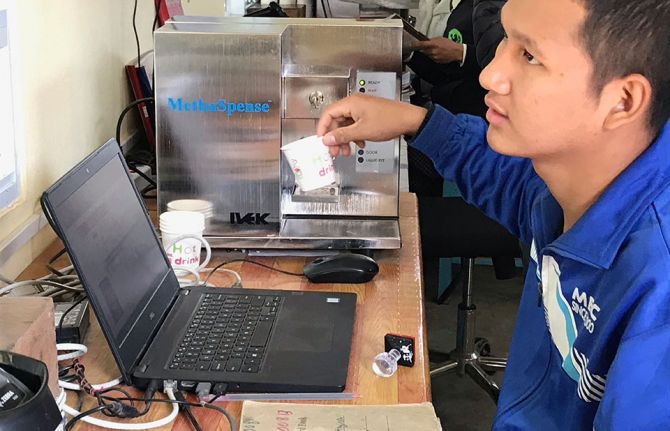
Furthermore, the fact that only public health facilities are authorized to provide opioid substitution therapy is hindering efforts to reach out to the people who need it. Transportation costs and remoteness are other obstacles to people who use drugs accessing their daily dose of methadone. Even the take-home dose, which the government is piloting among qualifying users, requires people to travel long distances to access it.
Perhaps the biggest challenge, however, remains the stigma and discrimination faced by people who use drugs and the resistance to harm reduction, especially needle–syringe programmes, at the local level from law enforcement agencies and faith-based antinarcotic drug groups in Kachin State. A lack of understanding of the concept of harm reduction, including the mistaken belief that the distribution of needles and syringes encourages drug use, is at the root of the stigma and discrimination. Police crackdowns and anti-drug operations by faith-based organizations contribute to driving people who inject drugs underground, away from harm reduction services.
The visit also brought to light an increasing hepatitis C epidemic among people who inject drugs. Testing for hepatitis C has revealed an estimated prevalence as high as 80% in at least one township among people who inject drugs. But despite this staggering percentage, there is currently no widescale hepatitis C treatment available. This, however, is something that the Global Fund is now considering to include in the next grant cycle following discussions with health officials and partners, together with an improved needle–syringe programme, the use of buprenorphine as an alternative to methadone and the introduction of pre-exposure prophylaxis. The United States President’s Emergency Plan for AIDS Relief is also contributing to funds for some of these innovations. But perhaps one of the most urgent improvements required is the creation of a unique code identifier, with sufficient safeguards for confidentiality, in order to provide patients with the treatment and services they need no matter where they are in the country.
Overall, and despite the many challenges, Myanmar is showing steady progress in its response to HIV thanks to a well-coordinated multipartner response. An extensive investment of resources by the Global Fund and other donors, as well as an increase in domestic funding, has led to a substantial scale-up of services across the country, which has resulted, according to the government, in the number of new HIV infections dropping by 31% from 2010 to 2018. Eighty per cent of people living with HIV in Myanmar know their status and the percentage of people living with HIV who have access to antiretroviral therapy rose from 1% in 2005 to 70% in 2018.
Nonetheless, the capacity of the government and nongovernmental organizations to deliver services seems to be reaching its limits. According to the UNAIDS Country Director, Oussama Tawil, “Key elements to expand the provision of services would include allowing task-shifting towards primary health-care providers, community health volunteers and the wider local community, improving linkages and integration of public and nongovernmental organization services and investing in human resources.”
The situation in Kachin State as well as other neighbouring states with similar characteristics, such as Shan North and Sagaing, has shown that there is an urgent need to adapt the AIDS response to specific locations and populations, but also that socioeconomic contexts have to be addressed for public health approaches to succeed. “Unless we address the underlying family livelihood issues and wider health consequences, and adapt to the local realities related to mining, economic interests and drug use, existing services won’t be enough,” said Mr Tawil.
Region/country


Feature Story
Norway’s community organizations ensuring health, dignity and rights
17 March 2020
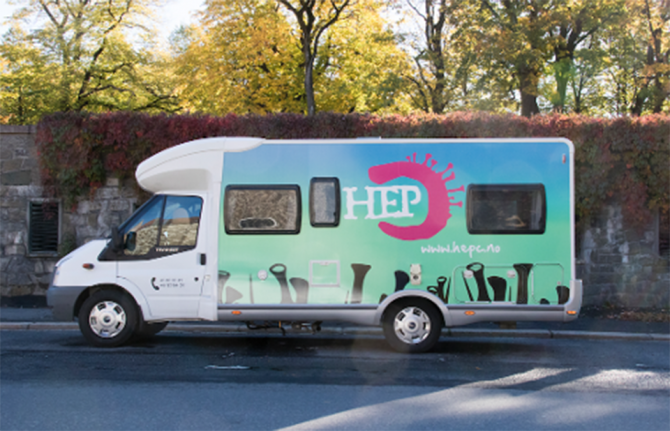
17 March 2020 17 March 2020It was a very different morning bus ride for UNAIDS Executive Director Winnie Byanyima as she boarded the hepatitis bus in Oslo, Norway, to hear more about the work of ProLAR, an organization that supports people who use drugs. ProLAR provides a range of services, including opioid substitution therapy and testing for HIV and hepatitis C. It is also active in calling for changes in drug policy and promotes evidence-informed policy that involves the affected communities.
“We welcome people who use drugs into a warm, safe space. Here we can talk, get to know each other then take the necessary tests,” explained Ronny Bjørnestad, Managing Director of ProLAR.
According to the European Monitoring Centre for Drugs and Drug Addiction, around 9000 people who inject drugs lived in Norway in 2019, many in the two largest cities, Oslo and Bergen. In 2015, the Norwegian Government presented a new action plan addressing substance use and addictions that prioritizes prevention, early intervention, treatment and aftercare for people who use drugs. In 2018 the European Centres for Disease Control reported that there were only six new diagnosis of HIV among people who inject drugs in Norway.
Ms Byanyima also visited Sjekkpunkt, a free and anonymous testing service in Oslo for HIV and other sexually transmitted infections that caters for gay men and other men who have sex with men. Rolf Martin Angeltvedt, Director of Helseutvalget, said that, “Checkpoint does not say “no” to anyone who wants to come in to talk and take a test. We offer free, anonymous and rapid testing.”
New HIV infections among gay men and other men who have sex with men have been declining steadily in Norway in recent years. In Norway the most commonly reported mode of HIV transmission in 2018 was heterosexual transmission.
Following the visit to Sjekkpunkt, Ms Byanyima met with representatives of civil society organizations working in Norway on issues concerning people living with and affected by HIV. The dialogues centred around sex work, chemsex, ageing, youth, lesbian, gay, bisexual, transgender and and intersex people and migration. In Norway, civil society groups play a critical role in addressing the AIDS epidemic by supporting prevention, treatment and care efforts.
“The leadership of networks and peer-led organizations working to support people living with, and affected by, HIV is instrumental. More than ever, the role of civil society is critical to removing barriers to health, dignity and the enjoyment of human rights. I encourage you to build bridges with civil society organization in other regions of the world. We must work together to reverse the disturbing trend of shrinking space and lack of funding for civil society or we will fail to reach the target of ending the AIDS epidemic by 2030,” said Ms Byanyima.