
Feature Story
Botswana’s First Lady visits UNAIDS to drive change for young women
24 October 2018
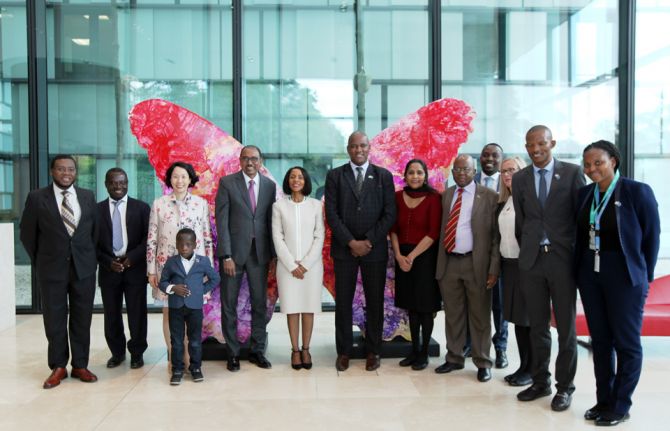
24 October 2018 24 October 2018The First Lady of Botswana, Neo Masisi, visited UNAIDS headquarters in Geneva, Switzerland, on 24 October to discuss improving health outcomes for young people, especially adolescent girls.
The First Lady met the Executive Director of UNAIDS, Michel Sidibé, and UNAIDS staff members.
“We can work jointly to address issues affecting 8-18-year-olds to ensure that the future generation that will lead and build Botswana is healthy, HIV-free and is equipped with life skills,” said Ms Masisi.
Botswana has made important gains towards ending the AIDS epidemic, but action is needed to curb the recent rise in new HIV infections, particularly among young people—a total of 14 000 people became newly infected with HIV in 2017. Women and girls are particularly vulnerable: 67% of women experience gender-based violence and teenage pregnancy stands at 9.7%.
Ms Masisi has been advocating for the empowerment of adolescent girls and young women to reduce their vulnerability. She listed social protection grants, economic programmes and promoting sexual and reproductive health as vital so that women live healthy and fulfilling lives.
“You are in a strategic position to be a champion and driver of change for young women,” said Mr Sidibé. “UNAIDS is committed to support you and Botswana.”

Feature Story
Young people have a say in Fiji
19 October 2018
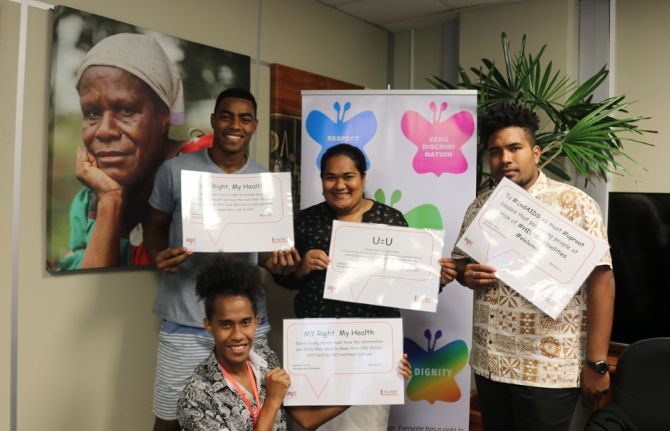
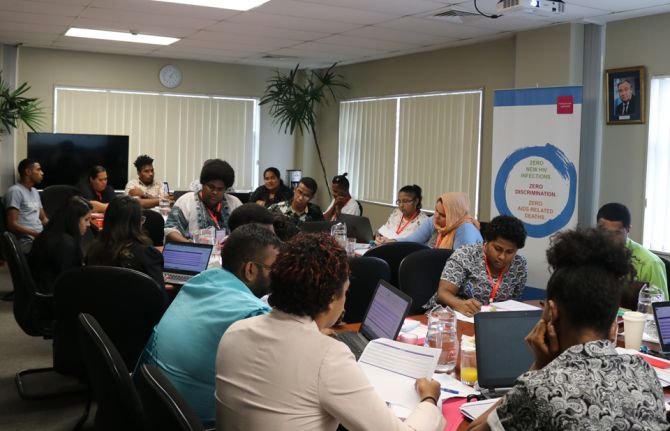
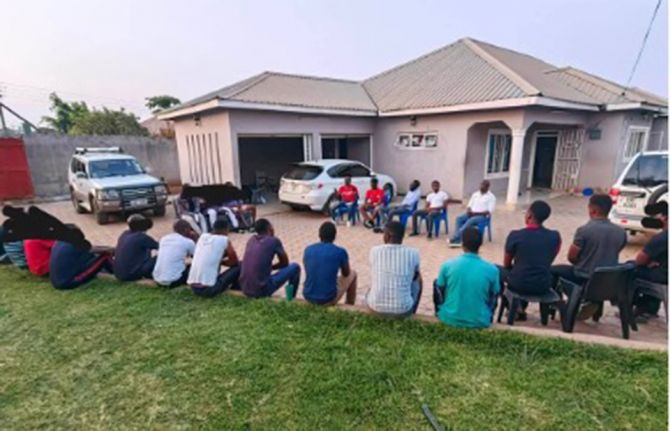
19 October 2018 19 October 2018Twenty-four young people gathered in Suva, Fiji, to take stock of the country’s progress in meeting the commitments in the 2016 United Nations Political Declaration on Ending AIDS and to identify what puts young people at risk of HIV.
The participants recognized that Fiji has taken important steps to establish laws and policies that enhance young people’s access to sexual, reproductive and HIV services. However, they noted that there are many factors that jeopardize young people’s health, including stigma and discrimination, limited access to condoms and a lack of harm reduction programmes for young drug users.
“Many young people have basic knowledge about HIV, its transmission and prevention. Many of them are not aware that antiretroviral treatment exists. It is critical that young people have access to information which is detailed and are informed on where they can obtain it,” said Swastika Devi, from the Reproductive Family Health Association of Fiji.
Greater technical and financial support for participation by young people in community responses to HIV was identified as important. The consensus from the group was that capacity-building of youth leaders should be supported, including leaders from communities, key populations and people living with HIV, in order to enhance their engagement in advocacy and decision-making.
The participants also agreed to form a sexual and reproductive health and rights youth network, which will finalize an advocacy road map focusing on their priority issues, which are youth-friendly services at clinics, developing a standard package of youth-centred services and comprehensive sexuality education that goes beyond puberty. The network has established contact with the Ministry of Health and Medical Services and Fiji’s national steering committee for World AIDS Day to strengthen youth-focused activities for World AIDS Day.
“The #UPROOT consultation has given us the reality of how the commitments in the 2016 United Nations Political Declaration on Ending AIDS affect young people in Fiji,” said Renata Ram, UNAIDS Country Director for Fiji. “Young people continue to be left behind in the AIDS response, despite being the age group most affected by the epidemic. The future of the HIV epidemic in Fiji will be determined by how we package our services towards young people. Failing to do so will push us further from ending AIDS.”
The consultation was part of the #UPROOT youth-led political agenda, launched by the PACT, a global coalition supported by UNAIDS of more than 80 youth organizations and networks working on HIV to respond to the barriers that put young people at risk of HIV. Similar #UPROOT meetings have taken place in Panama, Cameroon and Ghana.
Related information
Region/country


Feature Story
Defending opioid substitution therapy services in Kazakhstan
19 October 2018
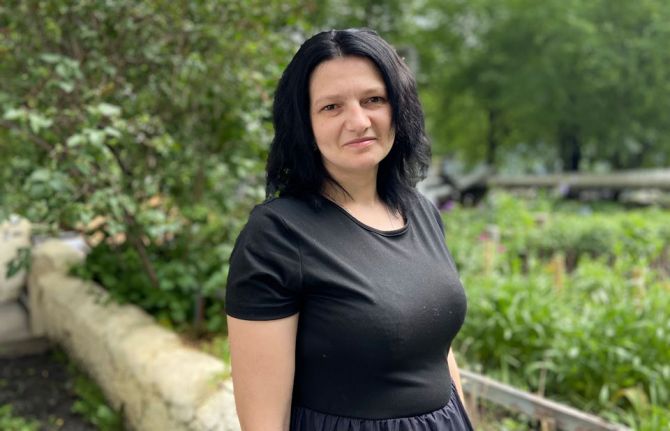
19 October 2018 19 October 2018To defend her access to life-saving opioid substitution therapy, Marzhan Zhunusova overcame her fear of flying and, for the first time, took a flight to Astana, the capital of Kazakhstan. She was visiting the city to take part in a country-wide mobilization of people accessing the country’s harm reduction pilot programme, with people from all over Kazakhstan publicly showing the importance of opioid substitution therapy.
After injecting drugs for more than 25 years, Ms Zhunusova had lost hope for a better life. “When I first heard about opioid substitution therapy, I thought that it may be the way out and that it could help me. Drugs, my HIV-positive status, I thought my life was over. I’m 45 years old and only now thanks to methadone have I started to live life fully.”
The campaigners marched in Astana on 27 June and were joined by activists from other groups, including people living with HIV and gay men and other men who have sex with men.
The people who mobilized for the event share similar backgrounds. Their use of drugs may have deprived them of their health and their dreams. Some do not have jobs or have served time in prison. Many are isolated from society and the majority are living with HIV.
Ibrahim Dolgiev tried drugs for the first time in the 1970s, when he was 22 years old. “After many years of trying to stop using drugs, for the past year I’ve been in the opioid substitution therapy programme. It has been a salvation for me. My life has changed dramatically for the better, and for the first time in many years I can get through the day without heroin,” he said.
The people taking part in the mobilization came together to express their hope that the opioid substitution therapy programme will remain and that it will be further expanded.
In partnership with international and national partners, UNAIDS provided the Government of Kazakhstan with evidence-informed arguments on the effectiveness of opioid substitution therapy in controlling the HIV epidemic among people who use drugs.
“Access to opioid substitution therapy is one of the main factors enhancing adherence to antiretroviral therapy among people who use drugs,” said Alexander Goliusov, the UNAIDS Country Coordinator in Kazakhstan.
“Over the past three years, people who use drugs in the opioid substitution therapy pilot project in Pavlodar demonstrated 100% adherence to antiretroviral therapy,” said Zhannat Musaevich Tentekpayev, Chief Doctor of the Pavlodar AIDS Centre.
Unfortunately, however, the future of the programme in Kazakhstan remains uncertain, and no one has been enrolled in the programme since December 2017.
At the end of June 2018, a government commission announced that the pilot programme would continue, but that it would not be expanded to other regions of the country. An investigation into the cost-effectiveness of the programme is under way and the results will be presented by November. The Kazakhstan Union of People Living with HIV has appealed to the President of Kazakhstan not to close down the programme, noting that support for effective national responses to HIV is critical to making progress towards the 90–90–90 targets.
"While the law enforcement agencies are deciding whether the opioid substitution therapy programme is appropriate or not, the number of people accessing the programme remains very limited. The programme has to be not only maintained, it must exit its pilot status and be available and accessible everywhere in Kazakhstan for people who inject drugs,” said Oksana Ibrahimova, the coordinator of the Kazakhstan Union of People Living with HIV.
Today, there are 13 opioid substitution therapy centres in Kazakhstan, in nine of the 16 regions of the country. Since the beginning of the programme in 2008, more than 1000 people have been enrolled. Currently, 322 people are enrolled in the programme, the majority of whom have stopped using drugs, become employed and are enjoying a family life.
Related information
Region/country
Related
Feature Story
Race to ensure that people living with HIV get treatment after Central Sulawesi earthquake
19 October 2018
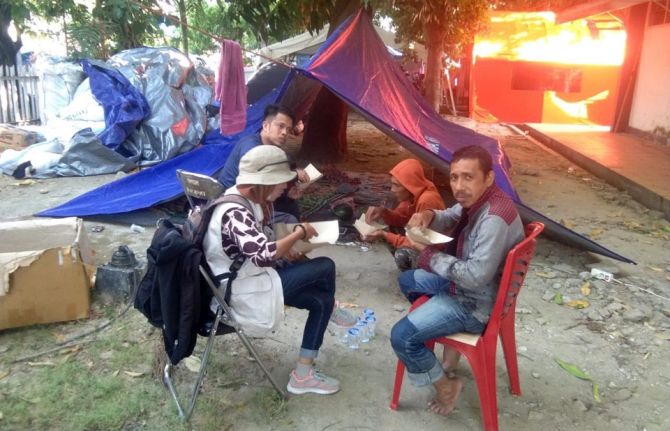
19 October 2018 19 October 2018On 28 September, Central Sulawesi, Indonesia, was struck by a powerful earthquake and a subsequent tsunami. Thousands of people are known to have died and tens of thousands of people have been displaced. In the event of a major humanitarian disaster, the basic needs of people are always difficult to fulfil—this is especially true for people living with HIV in Central Sulawesi.
The hospitals in the town of Palu are heavily damaged but remain operational. There are still stocks of antiretroviral therapy in those hospitals, but there are concerns about how long those stocks will last. Before the disaster, according to government data, there were an estimated 1913 people living with HIV in Central Sulawesi, with 334 people, including three children, on antiretroviral therapy.
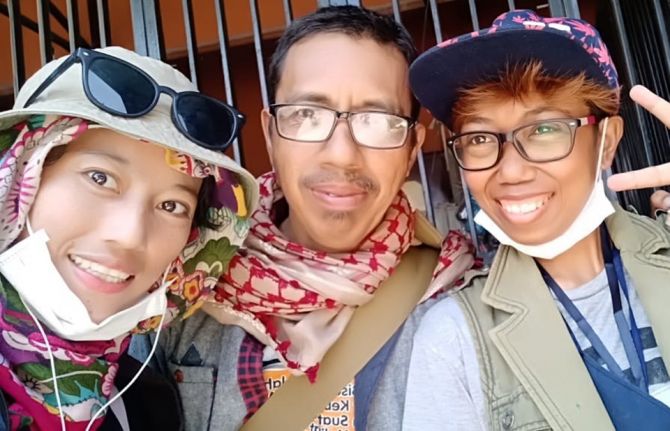
People in the region have been rallying as champions for people living with HIV. Yuli works for the Indonesia AIDS Coalition, a civil society organization monitoring support for antiretroviral therapy, in Makassar in South Sulawesi, Indonesia. On 2 October, while on her way to Donggala, a region affected by the earthquake, to check on her family, she heard from her employer about severe disruptions in the supply of antiretroviral medicines in Palu.
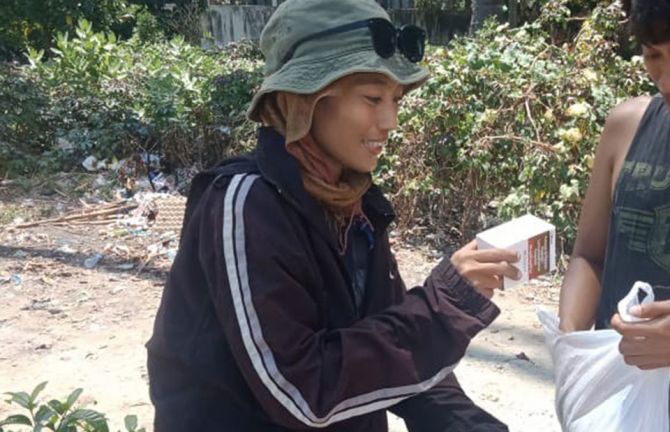
Yuli and her colleagues headed to Palu to provide help, contacting hospitals and other service providers to gather the remaining stocks of antiretroviral medicines to distribute to those in need. Her mission quickly became a commitment to support the HIV response in Palu, including helping in contact tracing and providing social support for people living with HIV in the region.
“The reason I’m still here more than two weeks after the disaster is because it is impossible to see the conditions and not lend a helping hand,” Yuli said, explaining that, in addition to antiretroviral medicine, people in Central Sulawesi need support for their basic needs and psychosocial support.
By 16 October, 92 out of the 344 people previously on antiretroviral therapy had accessed a one-month supply of antiretroviral medicines, either from Yuli and her team or directly from clinics.
“My main concern is that I want to make sure that even though the disaster happened, people living with HIV still get access to antiretroviral therapy and not stop their treatment,” Yuli said.
UNAIDS and partners in the region have joined together as the National Core Team for HIV Response in Humanitarian Settings. The team is actively working to support the HIV response in the affected areas, trying to find out the status of the people living with HIV yet to be found and ensuring the distribution of antiretroviral medicines to those who need them. A command post for HIV has been established in Palu, with a team monitoring the availability of antiretroviral medicines in the affected region.
“HIV is often overlooked in emergency situations. We must work hard to ensure that people living with HIV are not forgotten in times of need. We applaud the quick initiative and commitment of Yuli and her fellow outreach workers and will continue to provide them with support,” said Krittayawan Tina Boonto, UNAIDS Country Director for Indonesia.
The UNAIDS office in Indonesia has mobilized resources to fund six field visits by peer supporters for people living with HIV to Palu to provide immediate assistance. UNAIDS will also conduct a full needs assessment for HIV, tuberculosis and malaria in Central Sulawesi to develop funding requests for medium- and long-term assistance and will establish contingency plans for use in the event of future disasters in Indonesia.
Region/country

Feature Story
UNAIDS revises its policy on adoption, paternity and surrogacy leave
15 October 2018
15 October 2018 15 October 2018UNAIDS has revised its internal adoption and paternity leave policy and introduced new rules on surrogacy leave, marking an important step in ensuring a more inclusive working environment.
The revised policy includes the extension of adoption leave from eight to 16–18 weeks, depending on the number of children being adopted, the extension of paternity leave from four to 16 weeks and the introduction of 16 weeks of leave for a single birth by surrogacy and 18 weeks for multiple births by surrogacy.
The new policy is the result of concerted advocacy efforts by the UNAIDS Secretariat Staff Association (USSA), in collaboration with UNAIDS management, and is one of the commitments made in the recently launched UNAIDS Gender Action Plan 2018–2023.
“The revised policy will allow fathers to spend more time with their families at a critical stage in life,” said a staff member who will soon become a father. “Men can and have to play an important role in childcare and actively challenge gender norms that pass most responsibility for childcare onto women,” he said.
Adopting a more equitable policy framework that supports caregiving by both men and women can help in overturning perceptions that women of childbearing age are potentially too expensive or an absentee risk when compared with similarly qualified men.
“The UNAIDS Secretariat Staff Association welcomes this important milestone in our internal policy framework, which will not only bring direct benefits to staff who will become parents, but to all staff, as it challenges pervasive gender norms,” said Pauliina Nykanen-Rettaroli, USSA Chair.
The introduction of specific leave for births by surrogacy reflects UNAIDS’ commitment to diversity. “It doesn´t make a difference if you become a parent by natural birth, adoption or surrogacy; you still become a parent and should be entitled to the same benefits,” said a staff member. “This policy reflects the organization’s commitment to be as inclusive as possible and walk the talk of what it advocates for, which is dignity and respect for all,” she added.
“In our new Gender Action Plan, we committed to adopting a single parental leave policy and I am proud that UNAIDS has now delivered on this. All parents should be supported to spend time with their children. By supporting this, UNAIDS is contributing to shifting the burden of care and advancing gender equality,” said Gunilla Carlsson, UNAIDS Deputy Executive Director, Management and Governance.


Feature Story
Germany: taking a human-rights based approach to injecting drug use
16 October 2018
16 October 2018 16 October 2018People who inject drugs often have one or more associated health issues. Drug use and mental health issues often coexist and drug use can increase the risk of contracting infections. Among people who inject drugs, for example, the risk of acquiring to HIV is 22 times greater than for people in the general population. People who use drugs are also widely stigmatized and marginalized, putting them out of reach of health and social services.
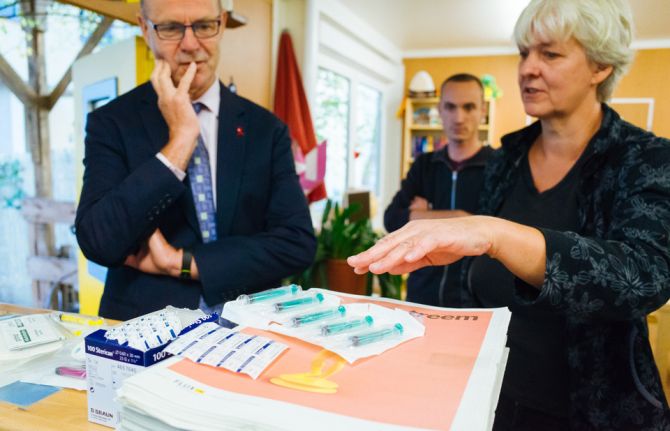
In line with Germany’s efforts to take a people-centred, human rights-based approach to health, the non-profit organization Fixpunkt has begun offering a safe haven for people who inject drugs. Fixpunkt provides a wide range of services, including support for people who are on opioid substitution therapy, counselling for mental health and social problems, basic health services, sterile injecting equipment and supervised drug consumption rooms and professional assistance in the event of overdose.
Controversial life-savers
For people who inject drugs, supervised drug consumption sites are a lifeline. They are also a critical entry point into the wider health and social support system. Currently, supervised drug consumption sites are available in six of the 15 federal states in Germany. The state of Baden-Württemberg, for example, has just decided to create the legal provisions to allow the facilities and the first supervised consumption room is about to be opened in the city of Karlsruhe.
However, in the nine other federal states legal barriers currently prevent the provision of these potentially life-saving services. “More political and financial support is needed to fulfil the real potential of safe injection sites. For people who use drugs, living on the streets, these are life-saving facilities. They often do not have access to medical, health and other social services. In these facilities they can establish contact and trust and find help to change their situation,” said Astrid Leicht, Director of Fixpunkt.
The Deputy Executive Director, a.i., of UNAIDS visited one of Fixpunkt’s mobile sites on 15 October to see the impact of the services they provide. “This is an important step forwards for Germany. By taking a people-centred approach and ensuring that people who inject drugs have access to harm reduction and other health services, such as safe injection sites, Berlin will be able to stop new HIV infections among people who inject drugs and reduce the harms related to injecting drug use. More projects like Fixpunkt are need to ensure that no one is left behind.” The biggest challenge, he learned, is that there are not enough facilities or resources to provide optimal opening hours or accompanying outreach work within the neighbourhoods and communities.
Sylvia Urban, board member of Aktionsbündnis gegen AIDS and of Deutsche AIDS-Hilfe, said, “The decisions in Baden-Württemberg and Karlsruhe are ground-breaking. We hope that the remaining states and many cities will follow. These facilities save lives and prevent HIV infections. From a public health and HIV prevention perspective, there is no good reason not to provide supervised drug consumption rooms.”
High demand in southern Germany and Bremen
Supervised drug-consumption rooms are desperately needed in, for example, Mannheim, the city with the highest number of drug-related deaths in proportion to inhabitants, as well as in Stuttgart, Munich, Nuremberg, Augsburg and Bremen, which have high numbers of preventable drug-related deaths.
Worrying situation in eastern Europe
UNAIDS and the World Health Organization recognize that supervised drug consumption facilities are a particularly important intervention. Yet, in eastern Europe there are very few facilities of this kind and in some countries, including the Russian Federation, there are virtually no harm reduction services provided at all amid a context of rising new HIV infections.
“Supervised drug-consumption facilities and harm reduction programmes are crucial components of HIV and hepatitis prevention. The tools and interventions to end the epidemics are all available, but many governments prevent their implementation,” said Sylvia Urban, from Deutsche AIDS Hilfe. “Only with services to minimize the negative health impacts of drug use can the HIV epidemic be stopped. In order to achieve this, legal and other barriers, including stigma, need to be removed.”
Resources
Region/country
Feature Story
Better integration of mental health and HIV services needed
10 October 2018
10 October 2018 10 October 2018World Mental Health Day is observed on 10 October each year. This year, UNAIDS is highlighting that governments need to do more to integrate mental health and HIV services.
People living with HIV are at a greatly increased risk of developing mental health conditions, often suffering from depression and anxiety as they adjust to their diagnosis and adapt to living with a chronic infectious disease.
People living with mental health problems can also be at higher risk of HIV. The risks are exacerbated by low access to information and knowledge of HIV, including how to prevent it, injecting drug use, sexual contact with people who inject drugs, sexual abuse, unprotected sex between men and low use of condoms.
“HIV affects the most vulnerable and marginalized in society, who are also disproportionally affected by mental health issues,” said Michel Sidibé, Executive Director of UNAIDS. “By integrating HIV and mental health services we will be able to reach more people with the specialist care and life-saving support they urgently need.”
Currently, very few health services are addressing the HIV-related needs of people living with mental health issues or the mental health issues of people living with HIV. This situation needs to change. Studies conducted over five continents have estimated that HIV prevalence among people living with severe mental disorders could be between 1.5% in Asia and up to 19% in Africa.
People living with HIV can experience mental health issues that can affect quality of life and stop them seeking health care, adhering to treatment and continuing in care. Studies across 38 countries show that 15% of adults and 25% of adolescents living with HIV reported depression or feeling overwhelmed, which could be a barrier to adherence to antiretroviral therapy.
In addition, treatment itself can cause a wide range of side-effects on the central nervous system, including depression, nervousness, euphoria, hallucinations and psychosis. Studies in Africa found a 24% prevalence of depression among people living with HIV.
Identifying mental health issues among people living with HIV is critical; however, far too often those go undiagnosed and untreated. There are many reasons for this, all of which need to be addressed. People may not want to reveal their psychological state to health-care workers for fear of stigma and discrimination and health-care workers may not have the skills or training to detect psychological symptoms or may fail to take the necessary action for further assessment, management and referral if symptoms are detected.
Mental health services should ensure access to voluntary and confidential HIV testing and counselling for people who may be at increased risk of HIV. Primary health-care providers must be trained to recognize and treat common mental health and substance-use disorders and refer people to expert care.
Prevention, testing, treatment and care services must meet the complex medical, psychological and social needs of people affected by HIV and mental health issues, which can be best managed through integrated programmes. Integrated approaches need to be across sectors and involve social, legal, health-care and educational services and engage community-based organizations.
Integrating mental health and HIV programming prevents new HIV infections and improves the health and well-being of people living with and affected by HIV.
Related

Feature Story
Francophone parliamentary network reiterates its commitment to respond to AIDS, tuberculosis and malaria
12 October 2018
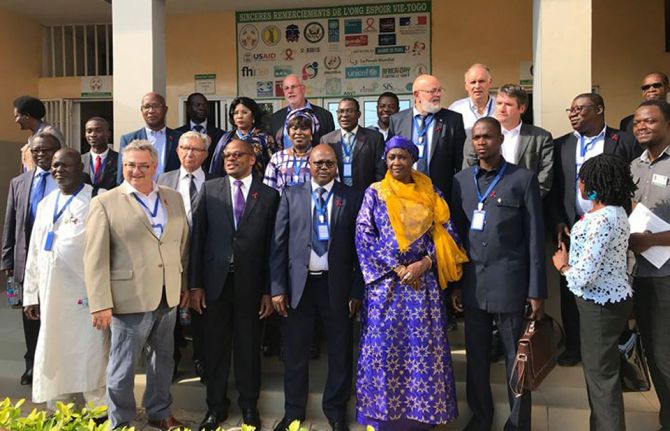
12 October 2018 12 October 2018The Parliamentary Network to Fight AIDS, Tuberculosis and Malaria reaffirmed its commitment to increase funding to end the three diseases at its annual meeting in Lomé, Togo, held on 4 and 5 October. The network committed to urge the heads of state and government of the Francophonie to advocate for increased funding during the sixth replenishment conference of the Global Fund to Fight AIDS, Tuberculosis and Malaria, which will be held in Lyon, France, in October 2019.
“UNAIDS recognizes the important initiatives of French-speaking parliamentarians at both the national and international levels, as well as the advocacy and efforts of the Parliamentary Network to Fight AIDS, Tuberculosis and Malaria,” said Christian Mouala, UNAIDS Country Director for Togo.
The network, which is affiliated to the Parliamentary Assembly of the Organisation internationale de la Francophonie, also agreed that it will focus on the reform of punitive laws that perpetuate HIV- and tuberculosis-related stigma and discrimination.
“The responses to AIDS, tuberculosis and malaria require the commitment of all: national ministries of health, researchers, funders and, of course, parliamentarians. Only by pooling our efforts and with the strength of our parliaments and our members can we hope to, one day, overcome these epidemics,” said Didier Berberat, President of the Network to Fight AIDS, Tuberculosis and Malaria and Councillor for States, Switzerland.
UNAIDS has a cooperation agreement with the Parliamentary Assembly of the Organisation internationale de la Francophonie, which is due to be renegotiated this year.
Region/country

Feature Story
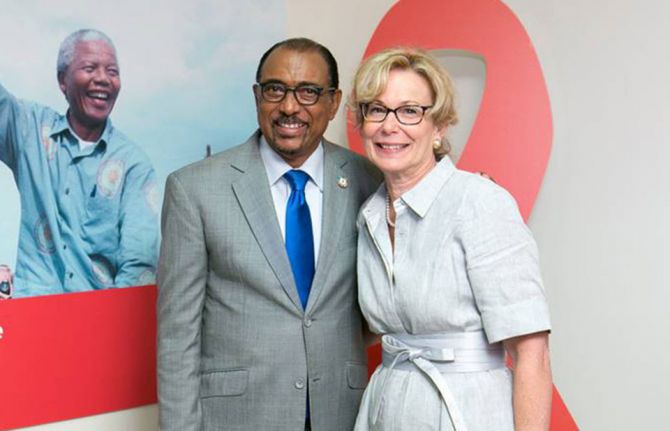
PEPFAR: the first 15 years
28 September 2018
28 September 2018 28 September 2018First announced during the 2003 State of the Union Address by the then President, George W. Bush, the United States President’s Emergency Plan for AIDS Relief (PEPFAR) is celebrating its 15th anniversary in 2018. Over the past 15 years, PEPFAR has dramatically changed the landscape of the global response to HIV, and bipartisan support across successive administrations since its launch has continued to ensure that PEPFAR expands it work towards controlling the AIDS epidemic.
Launched with an initial budget of US$ 15 billion over its first five years, PEPFAR has gone on to commit US$ 70 billion to the AIDS response. The funding has had remarkable results: in 2017, PEPFAR was supporting 13.3 million of the 21.7 million people living with HIV on treatment, including 1 million children, and in May 2018 announced that more than 14 million were on treatment.
PEPFAR has funded major HIV prevention programmes. The preventative effect of voluntary medical male circumcision on HIV transmission has been ramped up by funding more than 15.2 million circumcisions since 2003. Prevention of mother-to-child transmission of HIV services have ensured that 2.2 million babies have been born HIV-free, while 85.5 million people have accessed HIV testing services, allowing the people taking the tests to start on treatment or access HIV prevention services to stay HIV-free.
PEPFAR’s work with children orphaned or otherwise made vulnerable by HIV resulted in more than 6.4 million children being supported by PEPFAR in 2017, while the PEPFAR DREAMS programme saw new HIV infections among adolescent girls and young women drop by 25–40% in those locations in which the programme was implemented.
On 27 September PEPFAR published its 2018 progress report, showing the progress made one year into its 2017–2020 strategy. PEPFAR supports the AIDS response in 53 countries—of those, 13 are already on track to control their HIV epidemics by 2020, while many more could still do so through scaling up resources and policies to ensure access to HIV prevention and treatment services.
“The contributions of PEPFAR have transformed the lives of people living with or affected by HIV around the world,” said Michel Sidibé, Executive Director of UNAIDS. “We are very proud of our longstanding partnership and look forward to continuing to work closely together to deliver results for men, women and children, particularly the most marginalized.”
Region/country
Feature Story
Building faith-based partnerships to end AIDS and TB among children and adolescents
28 September 2018
28 September 2018 28 September 2018Faith-based organizations have long played a critical role in the response to tuberculosis (TB). Many faith-based health service providers have implemented effective TB/HIV responses modelled on decades of work on TB. Today, faith-based organizations are delivering effective, high-quality TB/HIV services that complement national public health programmes in the countries most affected by TB and HIV.
Successful TB/HIV responses address both the biomedical and the social determinants that underpin these illnesses, such as poverty, inequality, situations of conflict and crisis, compromised human rights and criminalization. Children and adolescents are particularly vulnerable to infection and the impact of TB/HIV on their families. Because they have positions of trust at the heart of communities, faith-based organizations can provide services and support that extend beyond the reach of many public sector health systems.
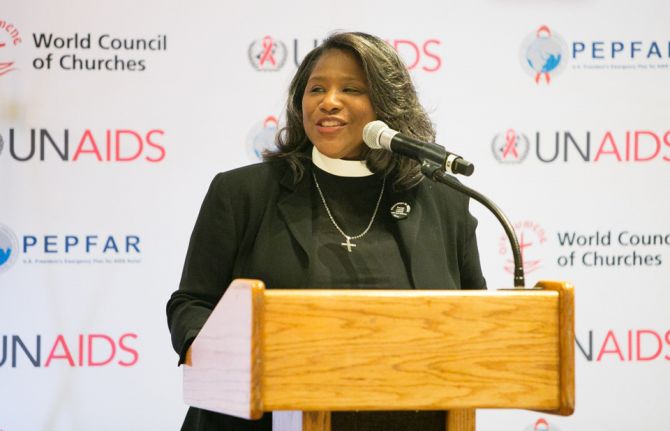
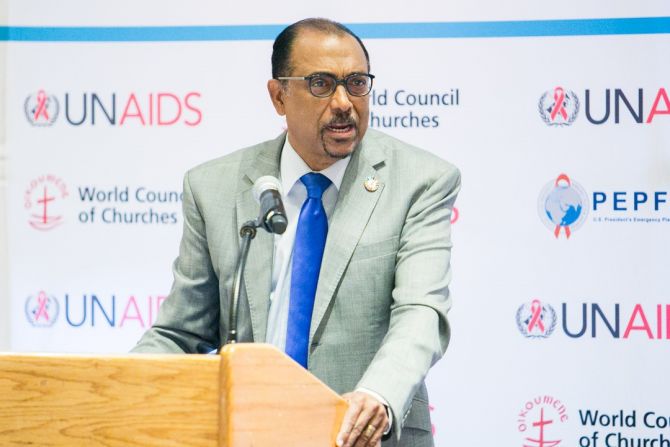
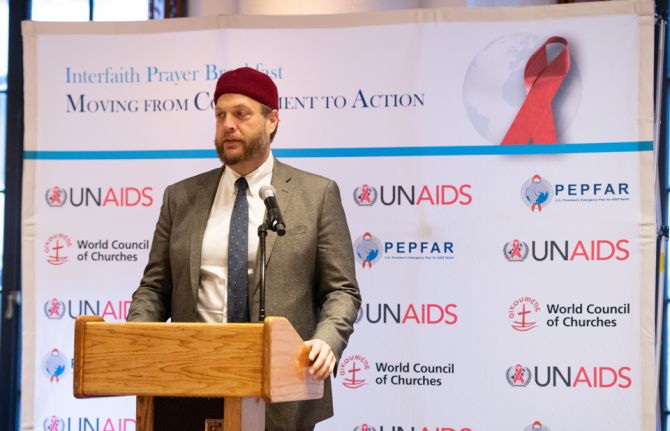
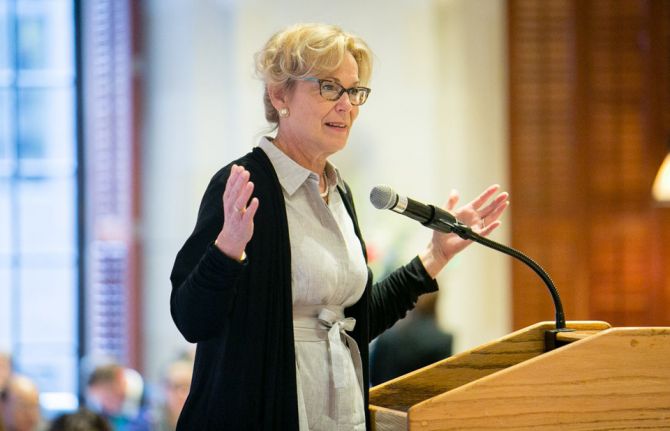
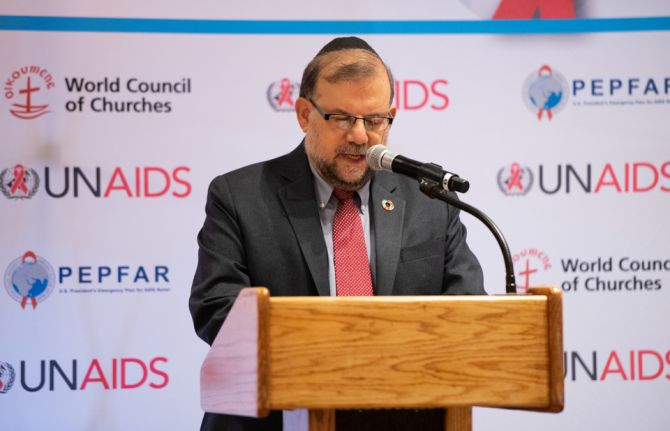
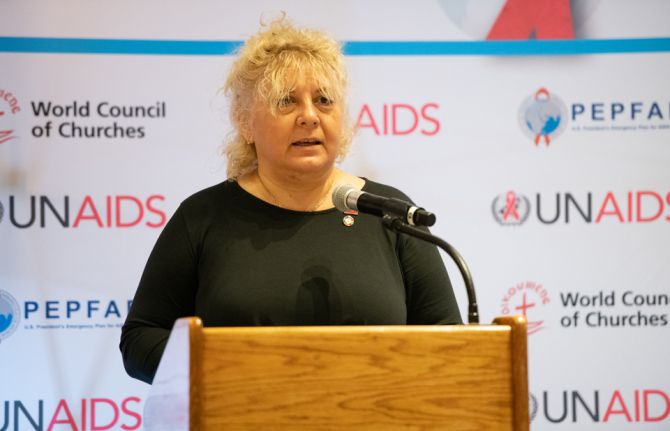
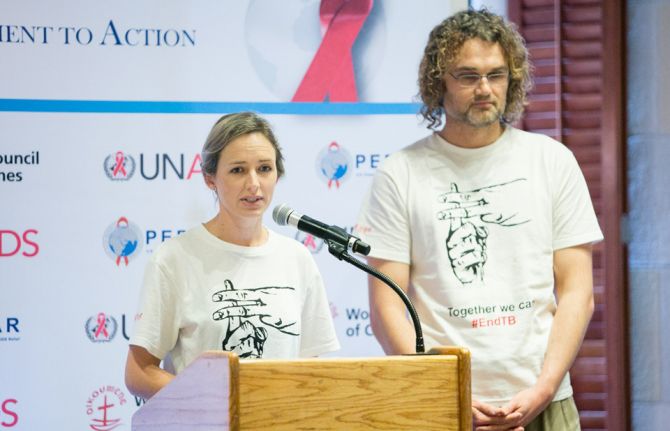
To provide an opportunity to strengthen relationships and forge new partnerships, on 27 September the World Council of Churches–Ecumenical Advocacy Alliance, in collaboration with UNAIDS, the United States President’s Emergency Plan for AIDS Relief (PEPFAR) and the United Nations Interagency Task Force on Religion and Development, hosted an interfaith prayer breakfast on the sidelines of the 73rd Session of the United Nations General Assembly in New York, United States of America. Keynote speakers and table discussions focused on the outcomes of the United Nations High-Level Meeting on Tuberculosis, which took place on 26 September, and examined how the longstanding experience of faith-based organizations in responding to TB/HIV can support the new declarations agreed by Member States during the historic high-level meeting.
The participants included faith leaders and health service providers from different religious traditions. Survivors of multidrug-resistant TB brought a powerful sense of urgency and reality to the discussion. The participants renewed their call to national governments to not only maintain, but increase, support in order to end AIDS and TB as public health threats by 2030.
Quotes
“We are grateful for the advocates who call us out when things don’t go well and hold us to account. I leave here this week grateful that when the community of faith come together with governments and funders we can achieve our goals. You make us proud.”
“We need each other. Faith leaders, please help us to end stigma and discrimination. It is unacceptable that 660 children die of tuberculosis each day; 90% of children who die from tuberculosis worldwide are untreated. And just 50% of children living with HIV are on treatment. What is most important is working together with compassion, love, generosity, empathy and kindness—with these, we will change the face of the HIV and tuberculosis epidemics together.”
“For many of us, this is both personal and real. My husband’s grandfather died of tuberculosis when his father was young. Our hope is that this breakfast will strengthen old relationships and build new partnerships to address tuberculosis and HIV with concrete actions that will bring abundant life to all.”
“I saw on the X-ray the big hole in my lung and thought, why did I get multidrug-resistant TB? I had dedicated my life to caring for people. Later, I was fortunate to get on a trial of the first new tuberculosis drug in 40 years. It saved my life and I can now continue to speak and advocate so that many more can live.”
“Our response to tuberculosis and AIDS would not have been and will not be the same as it is today without the faith community and now there are five critical actions we need to take together. Educate, advocate and fight stigma. Continue to fight for patient-centred care. Give voice to the voiceless, especially the children. Advocate for resources to end tuberculosis and HIV. Continue to push to make yourselves a part of the discussion.”