


Feature Story
Voices of activists for transgender rights
29 March 2018
29 March 2018 29 March 2018For the Transgender Day of Visibility, UNAIDS talked to transgender activists about the challenges they face and the importance of improving the visibility of transgender people.
Erika Castellanos is a transgender woman from Belize who recently moved to the Netherlands to work at GATE (Global Action for Trans Equality) as the Director of Programmes. She has been engaged in transgender and HIV advocacy at the local, regional and international levels.
What are the challenges that transgender people face?
Transgender people are subjected to stigma, discrimination, hate and violence—the number of transgender deaths because of hate crimes is alarming. In many parts of the world, being transgender is criminalized, which makes transgender people invisible in those places and forces them underground.
Many people do not understand what transgender people are, which translates into fear, the cause of stigma and discrimination. From their childhood, transgender people frequently experience rejection by their families, friends and society, finding themselves ostracized.
Why do you think it is important to give visibility to transgender people?
Visibility is power. Only when given visibility can we raise our voices and advocate for the enjoyment of our human rights. Visibility gives us presence, visibility gives us a voice. Ultimately, visibility gives us hope for a better life. Transgender people are an integral part of society who can no longer be ignored.
What do you think of the representation of transgender people by the media?
Almost all media coverage of transgender people is negative, demeaning or focused on the high murder rates and violence that our communities experience. While it is necessary to highlight the violence, negative and demeaning media coverage that dehumanizes transgender people only serves to perpetuate that violence. By portraying transgender people as objects of ridicule, media coverage places our community in further danger of social isolation, rejection from friends and family and violence.
Rena Janamnuaysook is a Thai transgender advocate at the Thai Red Cross AIDS Research Centre. She has extensive local, national and international experience working with HIV organizations.
What are the challenges that transgender people face in your country?
Thai transgender people face multiple challenges. Our country has no gender recognition law. Stigma and discrimination remains a barrier and leads to inequality. A survey conducted in 2015 by the Thai Transgender Alliance and Transgender Europe reported that 50% of transgender people who participated in the survey had a negative experience with health-care providers. In addition, transgender people experienced physical violence and harassment from families and in school and the workplace.
Why do you think it is important to give visibility to transgender people?
It is important to give visibility to transgender people as transgender people are less visible in all aspects of life—family, education, employment, health and the law. The International Day of Transgender Visibility raises public awareness of the needs of transgender people.
How easy is for transgender people in your country to get tested for HIV and get treatment?
A survey conducted by the Thai Ministry of Public Health in 2014 showed that 15% of health-care workers believed that HIV-positive transgender women should be ashamed of their gender identity and HIV status. This resulted in stigma and discrimination in public health facilities and prevented transgender people accessing health-care services, including HIV testing, treatment and support.
MORE ON TRANSGENDER DAY OF VISIBILITY
The Transgender House: a community centre for transgender people in Buenos Aires
Kirit Solanki is an Indian politician who represents the Ahmedabad West constituency of Gujarat.
Can you tell us about your work with transgender people in India?
I trained as a doctor and became a surgeon. A patient came in and said that she had difficulty going to the bathroom. I realized that she was a transgender person and her sex change operation had not been properly done, effectively blocking her urethra. After a successful insertion of a catheter, word got around that I had saved the woman’s life. I suddenly had queues of transgender women come to my clinic with similar conditions.
What did you observe regarding treatment and care for transgender people?
I saw that so many transgender people needed various operations, but I found out that many of them were avoiding clinics and hospitals. When I finally got them to the hospital, they settled in the female ward. Within a day, the other patients complained, so the hospital sent them to the men’s ward. They fared no better there. That’s when it really dawned on me how pervasive discrimination against transgender people is.
What are you and other members of parliament trying to do?
It took 10 years for the Indian parliament to pass the HIV/AIDS bill, which makes life-saving treatment a legal right and criminalizes anyone who discriminates against someone based on their HIV status. We also have reintroduced a transgender persons bill to ensure zero discrimination, legal recognition and access to social services for India’s transgender community. It’s time for people to change their attitude and respect transgender people
Watch video

Feature Story
It’s about the people we serve: UNAIDS staff connecting the world
29 March 2018
29 March 2018 29 March 2018“Partnerships, partnerships, partnerships,” said Inge Tack. “That’s what motivates me every morning.”
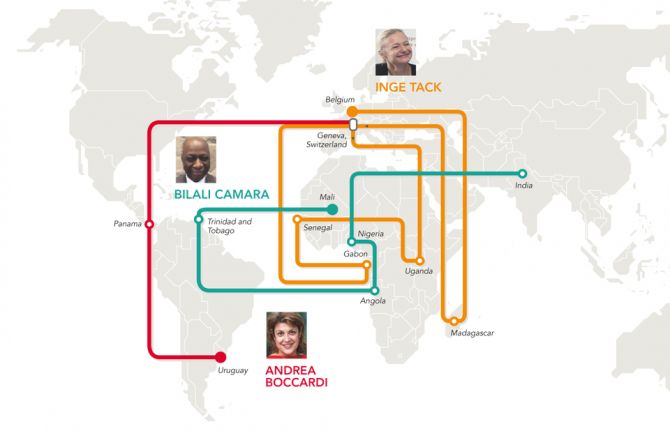
Partnerships are also her background. When she joined UNAIDS in 1999, she worked on a new initiative, the International Partnership against AIDS in Africa, which involved getting buy-in from governments, the private sector, the United Nations and communities. She then moved to Uganda as the Technical Adviser helping the national AIDS commission with its various constituencies. Ms Tack then headed to western Africa, to the UNAIDS regional bureau to become the Partnerships Adviser.
“I travelled to many of the 19 countries in that region, where travelling is not easy, but I loved the job,” she said. “Supporting country offices, being the broker and convener at the regional level for governments, regional economic communities, donors and people living with HIV in a challenging environment was definitely a huge learning experience,” Ms Tack said. Gaining everyone’s trust was key, she added. She also relished the role because UNAIDS’ neutrality and expertise, she explained, made it the go-to office for HIV.
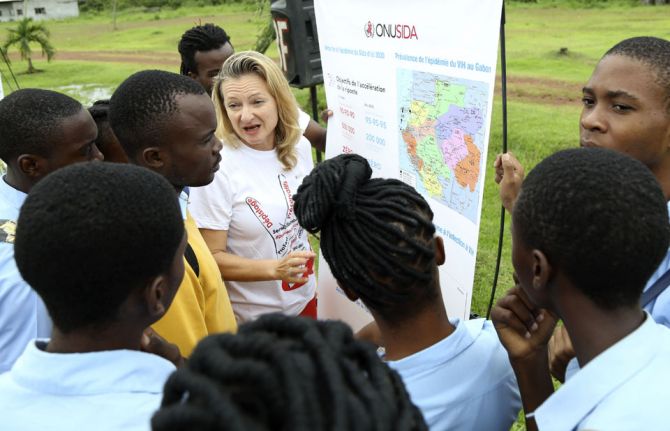
In 2012, Ms Tack became UNAIDS Country Director in Gabon, allowing her to zero in on one country. “I was the boss of a very small team, but with an enormous scope to do it all,” she said. The variety thrilled her.
“I never had a dull day in Gabon,” she said describing a typical day, which could take her to the presidential palace in the morning, an HIV workshop in the afternoon and an evening meeting discussing health with investors.
Aside from partnerships, she forged real connections with people.
“At the end, it is all about people, giving them hope and encouraging them to help each other,” Ms Tack said. A lot of young people have limited opportunities, so she became a sort of cheerleader for them.
In one case, a young mother living with HIV came to her office saying she could no longer bear her life. Ms Tack sensed that the young woman could perhaps share her story with other teens. “It blew me away how she recounted her tale and connected to people,” she said. Slowly but surely, the young woman gained confidence. The Gabon office helped launch a network for young people living with HIV to raise awareness about HIV prevention and to guide people on adhering to treatment. “And you know what?” she asked. “That woman now has become a community health worker, paid for by the local mayor’s office,” she said beaming.
Ms Tack’s new job in the Programme Partnerships and Fundraising Department has brought her back to Geneva, Switzerland, closer to her native Belgium. Fundraising has changed so dramatically that she wanted to come back to headquarters and refresh her skills. “I believe it’s important to match funds to real country needs,” she said. She also thinks that UNAIDS needs to innovate more on raising funds. Looking up from her computer, she said, “When I feel like I have gotten a good handle on that, then I can return to the country level and put it into implementation!”
UNAIDS staff work in 79 country offices and six regional offices and at its headquarters in Geneva. It also has liaison offices at the United Nations Headquarters in New York and in Washington, DC, United States of America, and at the African Union in Addis Ababa, Ethiopia. The nearly 700 staff members come from 123 countries and more than 60% of the staff work in the field.
Bilali Camara joined UNAIDS in 2008 in Trinidad and Tobago as a Regional Monitoring and Evaluation Adviser. “I had to establish a strong network at national levels across the Caribbean,” he said. This involved a lot of sharing of lessons and problem-solving, he explained. When he moved to Angola as the Country Director, his networks involved fewer people, but he networked tirelessly. He’s particularly proud of having connected a basketball coach with a radio director to air zero discrimination messages. For the next campaign he asked a famous musician, a transgender singer, to help. As a result, he said, they reached thousands of people with HIV awareness messages.
Mr Camara reiterated this endeavour when he became the Country Director in Nigeria. In this instance, he explained, the real push involved lowering the number of babies becoming infected with HIV. Too few pregnant women knew their HIV status and their babies were being missed by HIV services. “We had to reach people, and the best way to do that was contacting them by phone,” Mr Camara said. UNAIDS Nigeria partnered with a telecom company and millions of people received HIV prevention text messages. “With that momentum, HIV testing became part of the prenatal care package in the country,” he said.
Mr Camara said that what keeps him moving forward is people tell him that they appreciate what UNAIDS has done.
Forward and onward he has gone. Mr Camara just became the UNAIDS Country Director in India. What has struck him so far is how involved the key populations are in the AIDS response. “The level of ownership here has truly impressed me,” Mr Camara said. “When it comes to public health, if communities lead the way, then that is a sign of success.”
Success for Andrea Boccardi saw her start out as an obstetrics and gynecology doctor advising Uruguayan Army peacekeeping operations and learning about the HIV policy and programming of the United Nations Department of Peacekeeping Operations. She now focuses on gender-based violence and the elimination of discrimination.
“It’s a dream come true,” she said. “I now have the opportunity to implement the UNAIDS vision of zero discrimination in health-care settings.” Standing in her office, her walls decorated with certificates and photos of Uruguay, Panama and Geneva, she explained how privileged she has felt to have moved around the world and departments.
In 2003, UNAIDS hired her as an HIV Adviser on Security and the Humanitarian Response in Latin America, ending her career as a military doctor. She recalls that her past job came in useful when she trained United Nations peacekeeping troops deploying to Haiti and the Congo.
Two years later she transferred to Panama. Ms Boccardi helped open the UNAIDS regional office, working on programming and technical support. “I did a lot of running around trying to make sure that we were on top of human rights, prevention, treatment and universal access to health,” she said, sighing at the thought of what that entailed.
When her rotation came up, Ms Boccardi said she wanted to move beyond policy and work towards the UNAIDS global prevention agenda to bring change on the ground. Her transition to headquarters in Geneva was seamless. She described her daughters having a tougher time with the French homework, but overall loving the independence that the vast Swiss bus and train system gives them.
In the past 10 years, nearly 500 staff have participated in mobility and more than 400 staff have been reassigned to multiple duty stations. In 2018, about 30 staff members will move from their current posts to new posts.
After working on prevention, Ms Boccardi recently joined the Human Rights and Gender Team.
Pointing to the Spanish words engraved at the bottom of a framed pre-Columbian small gold frog by her desk that read, “Leader, guide, friend”, Ms Boccardi said this had become her mantra in life to balance work, family and friends.
More in this series: UNAIDS staff share global experience on AIDS through criss-crossing the world
Related
Feature Story
Using social media for a gender-transformative response to HIV
21 March 2018
21 March 2018 21 March 2018During an event held on the sidelines of the 62nd Session of the Commission on the Status of Women, political leaders and activists from the women’s movement and HIV advocacy groups discussed new strategies to engage women and girls in the AIDS response.
Highlighting how technology and media, in particular social media, could be used to enhance the leadership of young women, the participants also discussed how to achieve gender equality in the AIDS response.
The meeting showcased the #WhatWomenWant campaign and how it used social media to mobilize for the United Nations General Assembly High-Level Meeting on Ending AIDS in 2016. As part of the campaign, a feminist blog series, a platform for young female leaders to share their expertise and priorities, was developed. Using WhatsApp groups and Twitter chats, young women were engaged and accessed information on the UNAIDS global guidance on comprehensive HIV prevention. The consultation and sharing using social media resulted in #WhatWomenWant: HIV prevention that works for adolescent girls and young women.
“We have a new generation of young women leaders who use social media to amplify and integrate a feminist leadership to ensure sustainable and transformative results in the AIDS response,” said Catherine Nyambura, from FEMNET, a regional organization of African feminists based in Kenya.
Also during the event, entitled Accountability in Action: Putting Women and Girls in all their Diversity at the Center Through New Social Media, a new report by the ATHENA Network—a global network of 70 partners in more than 35 countries dedicated to advancing gender equality, realizing human rights and building community leadership in the HIV response—was launched. #WhatWomenWant: a toolkit for putting accountability into action gives examples of how to effectively inform and engage young women through digital tools such as WhatsApp, Twitter and Facebook. It also aims to bring a gender-inclusive perspective into developing and implementing policies and programmes and to ensure that young women, including young women living with HIV, can access and contribute to these processes.
“We are looking to digital tools and technologies to evolve the monitoring and accountability agenda in the AIDS response. Our experience can now be shared globally and in real time, unlocking a new world of how we might learn together and deliver,” said Tyler Crone, from the ATHENA Network.
“UNAIDS welcomes the strengthened focus on accountability that has been generated through the #WhatWomenWant campaign. Together, we are committed to working hand in hand to enhance the meaningful participation of women, with a focus on making human rights and gender equality a reality at all levels of the AIDS response,” said Gunilla Carlsson, Deputy Executive Director of UNAIDS.
The meeting, held on 19 March at the United Nations Headquarters in New York, United States of America, was organized by UNAIDS in partnership with the ATHENA Network and #WhatWomenWant partners.
Feature Story
Checking HIV data at every step
22 March 2018
22 March 2018 22 March 2018No disease has the same level of timely and accurate data collection, analysis and distribution as HIV. With credible and up-to-date data, countries and the international community can plan effective AIDS responses. They can focus services on the locations and populations that most need them, increasing impact and decreasing costs.
The responsibility for producing what is acknowledged to be the gold standard information on the global HIV epidemic rests with UNAIDS. For the information to be useful, though, it must be credible. And to be credible, it must be collected properly, thoroughly checked and proven to be accurate.
All HIV-related estimates published by UNAIDS are based on data collected in the countries and communities where the people who are living with and affected by HIV reside. In each country, teams of experts—epidemiologists, demographers, monitoring and evaluation specialists and others—use UNAIDS-supported software called Spectrum once a year to make estimates of the number of people living with HIV, the number of new HIV infections, the number of AIDS-related deaths, the coverage of antiretroviral therapy, etc. The data files produced by the software in the countries are then sent to UNAIDS.
How the data are estimated depends on the nature of the HIV epidemic in the country. In countries where HIV has spread to the general population, data are obtained from pregnant women attending antenatal clinics. In the past, only a sample of pregnant women who went to one of a network of clinics would be tested for HIV as part of surveillance efforts. Increasingly, however, countries have moved to using programmatic data about the level of HIV infection among all pregnant women tested at health facilities. These data, combined with data from nationally representative population-based surveys—which have broader coverage and include men, but are conducted less frequently—are used in the model, together with a set of assumptions, to calculate HIV prevalence, HIV incidence, AIDS-related deaths, the coverage of antiretroviral therapy and more.
Other countries have low-level HIV epidemics. If HIV transmission occurs mainly among key populations (people who inject drugs, sex workers, gay men and other men who have sex with men, transgender people and prisoners), data from HIV prevalence studies—which are usually focused on key populations—are most often used to calculate national estimates and trends. Estimates of the size of key populations are being calculated in more and more countries. If studies are not available, estimates are made based on data from the local region and with agreement among experts. Other sources of data—including population-based surveys and testing of pregnant women—are used to estimate HIV prevalence among the general population. HIV prevalence and the number of people on antiretroviral therapy are then used to derive national HIV trends. An increasing number of countries are using the number of deduplicated HIV case reports to estimate HIV incidence.
UNAIDS doesn’t just take data from countries uncritically and publish, though. The files submitted by the countries are reviewed by UNAIDS to ensure that the results are comparable across regions and countries and over time.
There is also ongoing validation of the Spectrum outputs with other data to check how accurately the estimates match with reality. For example, researchers compared Spectrum data with data on women attending antenatal clinics, census data and population survey data from a study in Manicaland, Zimbabwe. The Spectrum estimates of HIV incidence and prevalence were found to be generally in good agreement with the data, although some discrepancies were found.
In 2016, UNAIDS compared the quantities of medicines exported by generic medicine producers and found those to be broadly similar to programmatic reports of medicine usage and stocks in countries. Also, the recent Population-Based HIV Impact Assessments surveys allow a comparison of the coverage of antiretroviral treatment, as they collect self-reported adherence to antiretroviral therapy and also aim to measure the presence of antiretroviral medicines directly in blood samples. In many countries, the resulting coverage confirms the coverage reported by programmatic data—where results don’t seem to concur, further investigations at the facility level are undertaken. Such research and triangulations help to make data more precise and refine the Spectrum model.
How well estimates on access to antiretroviral medicines agree can be seen in the two graphs on HIV treatment in South Africa. The first shows how close the procurement data for antiretroviral medicines match the number of people reported to be accessing the medicines. The second shows how the UNAIDS estimate of the percentage of people living with HIV accessing HIV treatment agrees with the percentage estimated by the South Africa Human Sciences Research Council in 2012.
There are several situations in which UNAIDS won’t publish data, because of uncertainty around the quality of the information. For example, UNAIDS does not give estimates in some countries that have concentrated epidemics of mother-to-child transmission of HIV and of the number of children living with HIV unless there is proper supporting evidence. Where historical data can’t back up trends in HIV incidence, UNAIDS doesn’t publish the past data. And UNAIDS also doesn’t publish country estimates if further data or analyses are needed to produce valid estimates.
The integrity of UNAIDS data is also ensured through an annual update of the Spectrum model. The model is refined as new data become available, such as updated information on the probabilities of mother-to-child transmission of HIV, the age at which children start antiretroviral therapy, age and sex patterns of HIV infection, the effectiveness of antiretroviral therapy in reducing mortality and incidence, etc. These changes in the model can, however, lead to changes in estimates for both the current year and past years, resulting in the need to issue a full new set of historical data each year.
By continually refining the data collection and validation process, UNAIDS is making sure that the data it publishes continue to be valued and respected by the people and organizations that are working towards ending AIDS by 2030.
AIDSinfo
Publication
Resources
Related




Feature Story
Concert to support the work of UNAIDS in South Africa
20 March 2018
20 March 2018 20 March 2018Acclaimed Japanese violinist Rennosuke Fukuda took to the stage with the United Nations Orchestra in Geneva, Switzerland, on 17 March at a special event to raise funds for the work of UNAIDS in South Africa and to celebrate the centenary of the birth of Nelson Mandela.
“Nelson Mandela helped to break the silence around HIV. Today there are 4.2 million people on treatment in South Africa. In 2000, there were just 90 people on treatment through public sector facilities. We need leaders like this to support us to end the AIDS epidemic,” said Michel Sidibé, Executive Director of UNAIDS.
South Africa has the largest HIV epidemic in the world. In 2016:
- 7.1 million people were living with HIV in South Africa.
- 270 000 people became newly infected with HIV.
- 110 000 people died of AIDS-related illnesses.
Michael Møller, Director-General of the United Nations Office at Geneva and Honorary President of the United Nations Orchestra, welcomed the guests to the event and spoke of the qualities of Mr Mandela, which resonate today more than ever. “The power of constructive action and ideas, the importance of reason and argument, of forgiveness and reconciliation, the need for compromise—without undermining the core principles of dignity and equality,” he said.
During the evening, the 800-strong audience was transported on a journey to the wild Scottish coastline in The Hebrides overture by Felix Mendelssohn before being whisked into the world of The Thousand and One Nights as depicted by Nikolaï Rimsky-Korsakov in his Symphonic Suite, Scheherazade. Mr Fukuda, who won international acclaim after being awarded first prize in the junior category of the prestigious Menuhin Competition in 2014, gave an outstanding rendition of the famous violin concerto by Mr Mendelssohn.
“Both Nelson Mandela and Yehudi Menuhin were giants of the 21st century. They were great friends and had similar philosophies, similar beliefs,” said Gordon Back, Artistic Director of the Menuhin Competition. “Yehudi Menuhin once said, the antidote to violence is simple, just listening instead of shouting, seek to understand and communicate with each other.”
Yehudi Menuhin met Mr Mandela in 1996 when Mr Menuhin travelled to Johannesburg, South Africa, with more than 200 violins to give to young South Africans from disadvantaged backgrounds with the aim of teaching them music as part of the Violins for Africa programme. The two inspirational figures shared many humanist values.
“Nelson Mandela could move hearts and move minds, change the way we view others, deal with issues of discrimination,” said Sello Hatang, Chief Executive of the Nelson Mandela Foundation. “As we play music tonight, in his honour, may we give hope to those who just want to be given the opportunity to live.”
The event was organized by the United Nations Orchestra in partnership with UNAIDS, the Menuhin Competition and the South Africa Permanent Mission to the United Nations in Geneva.
South Africa’s Ambassador to the United Nations in Geneva, Nozipho Joyce Mxakato-Diseko, also attended the event, along with the Ambassadors of Benin, Botswana, Djibouti, Ethiopia, Namibia, Sierra Leone and Switzerland. The concert is part of a series of events being held in Geneva during 2018 to mark the centenary of the birth of Mr Mandela.

Feature Story
A big year ahead for TB
19 March 2018
19 March 2018 19 March 2018The year 2018 is critical for the international community as it pushes progress towards ending the global tuberculosis (TB) epidemic by 2030 as part of the Sustainable Development Goals.
In September 2018, United Nations Member States will come together in New York for the United Nations High-Level Meeting on Tuberculosis to show their political leadership and commitment to ending TB by 2030. Some of the main challenges in the response, including the need for equity and to ensure vulnerable groups have access to TB services, will be addressed at the high-level meeting, as will the need to make TB testing and treatment available through primary health-care services and the urgent need to mobilize resources.
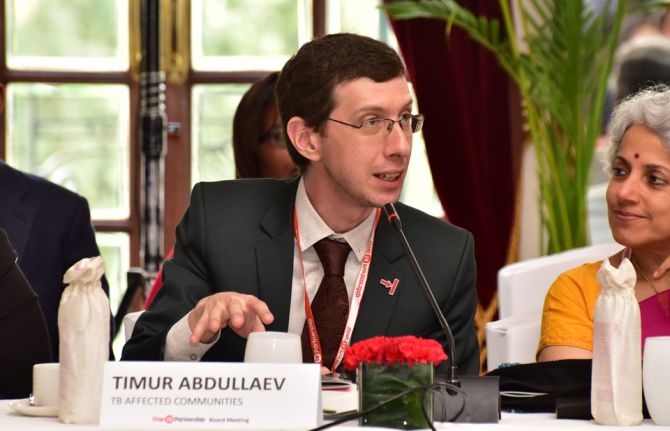
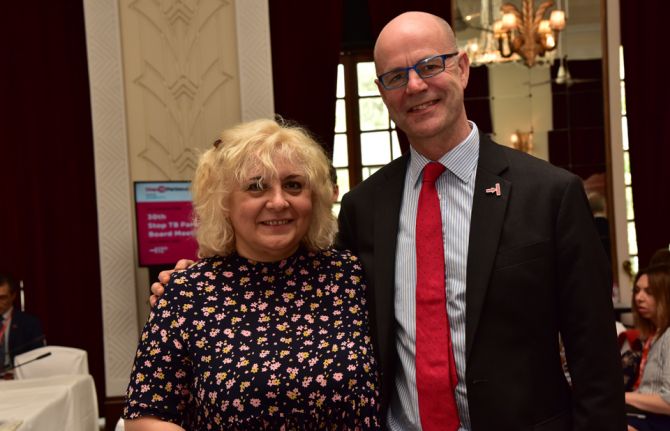
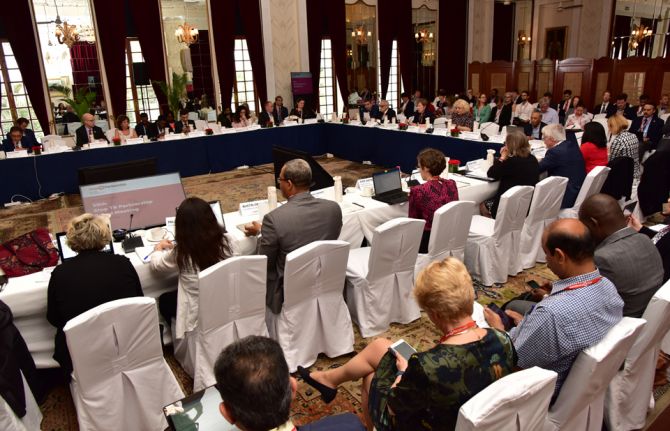
In preparation for this historic event—the first ever United Nations high-level meeting on TB—leaders from across the globe converged in New Delhi, India, on 14 and 15 March, for the End TB Summit, part of which was the 30th Stop TB Partnership Board Meeting.
A large number of global leaders on TB gathered at the meeting. J. P. Nadda, the Union Minister of Health and Family Welfare, India, said during the event, “We will ensure that commitments to end tuberculosis made are fulfilled. Achievement of the goals will need innovations as well as new implementation ideas. India stands committed to support neighbouring countries in the fight against the disease.”
In 2016, the estimated funding gap for TB programming was US$ 2.3 billion. In addition, there was a US$ 1.2 billion shortfall in TB research and science. The urgent need for increased investments in innovation will be highlighted in the lead-up to the high-level meeting as part of efforts to bring 21st century diagnostics and treatments and a vaccine to the response to TB.
“Leaders across the globe need to seize this opportunity, make bold commitments and take a resolve to see the end of tuberculosis on a fast track. Actions to follow the commitments will need bold actions by health ministries, other ministries, the private sector, civil society and communities,” said Isaac Folorunso Adewole, the Minister of Health of Nigeria.
TB has been around for thousands of years, yet TB still remains a major global health crisis. The World Health Organization estimated that in 2016 around 1.3 million people died of TB and that a further 400 000 people living with HIV died from TB/HIV coinfection (reported globally as AIDS-related deaths).
“We cannot eliminate tuberculosis with only a top-down approach. We must work together to empower communities to support the fight against tuberculosis. This movement must go far beyond the medical community,” said Soumya Swaminathan, the Deputy Director-General of the World Health Organization.
People living with HIV are particularly affected by TB. One in 10 TB cases occurs among people living with HIV and one in four TB deaths is associated with HIV. Despite being preventable and curable, in 2016 TB was the ninth leading cause of death worldwide.
“There are a lot of people still not accessing treatment. We need to look at strategies to increase access to care, particularly for those most marginalized and not accessing care right now,” said Tim Martineau, the Deputy Executive Director, a.i, at UNAIDS.
UNAIDS and the Stop TB Partnership have a long-standing collaboration working together to advocate for, monitor and support programmes for people and countries affected by the joint global TB and HIV epidemics. The Stop TB Partnership Board provides leadership and direction, monitors the implementation of agreed policies, plans and activities of the partnership and ensures smooth coordination among Stop TB Partnership components.
Related
Feature Story
The need for a holistic approach to women and HIV
16 March 2018
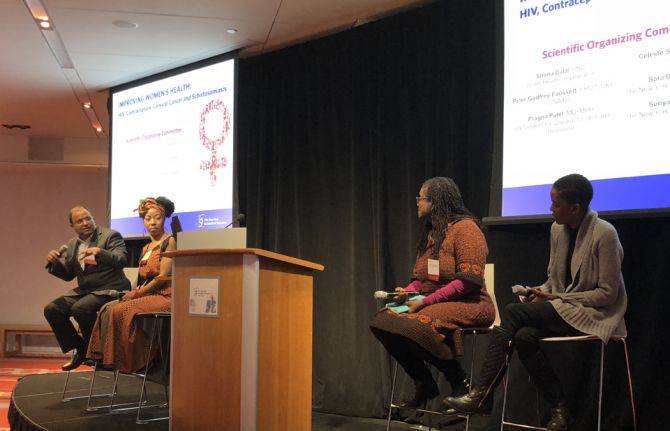
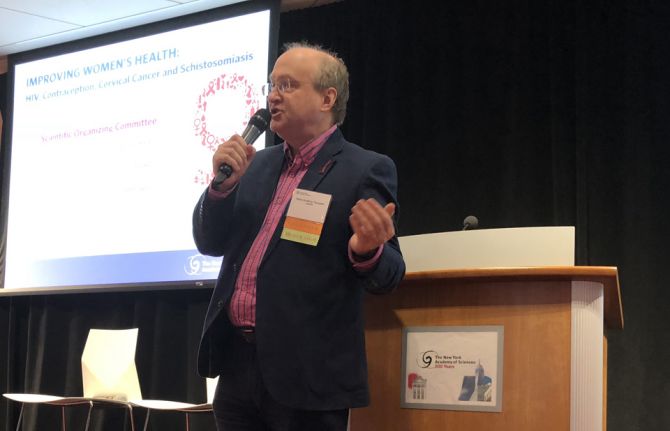
16 March 2018 16 March 2018It has long been recognized that the response to HIV can’t exist in isolation, but must be integrated within a broader health and development agenda. A daylong event set out to understand better how three areas critical to women living with HIV—cervical cancer, hormonal contraception and female genital schistosomiasis (FGS)—intersect.
The importance of taking a holistic approach to girls and women and their sexual and reproductive health and rights was a central theme of the event. Held on the sidelines of the 62nd session of the Commission on the Status of Women, the event highlighted the possibilities of recent technological and medical advances to improve women’s health.
Setting the scene, Ebony Johnson, from the Global Coalition on Women and AIDS, said, “Too often women are unheard, forgotten, underserved, improperly researched—I invite and implore you to go in a new direction so that change truly comes.”
Women living with HIV are more likely to have the human papillomavirus (HPV) and are five times more likely to develop cervical cancer, which kills approximately 250 000 women each year. To emphasize the scale of the problem, Vikrant Sahasrabuddhe, of the National Cancer Institute, United States National Institutes of Health, noted that, “In the past 20 minutes of the presentation, 20 women were newly diagnosed with cervical cancer and 10 women died from cervical cancer.”
A disease that mostly affects low- and middle-income countries, where 90% of all new diagnoses and deaths occur, cervical cancer is, however, preventable through the HPV vaccine and treatable if diagnosed early.
New technology has been developed to screen women for HPV DNA or tell-tale proteins that are the signs of cervical cancer. And new tools are allowing early treatment even in clinics with limited resources. The event heard how global partnerships, including the United Nations Joint Global Programme on Cervical Cancer Prevention and Control, which UNAIDS is a part of, are committed to reducing the burden of disease, and how national HIV programmes are at the forefront of efforts to roll-out these new services to women living with HIV in order to lessen the toll that cervical cancer continues to take worldwide.
While giving women the opportunity to control how many children they have, and when, concern has been raised about long-lasting injections of a progestogen, specifically depot medroxyprogesterone acetate (DMPA). Studies have suggested that DMPA may be associated with an increased risk of HIV acquisition. Currently, more than 150 million women worldwide use hormonal contraception and there is a high proportion of women using injectable hormonal contraception in sub-Saharan Africa, where there is also high HIV incidence.
A large-scale trial—the Evidence for Contraceptive Options and HIV Outcomes (ECHO) study—which is hoped to settle the uncertainty of DMPA use and HIV risk association, is ongoing. The difficult decisions that will need to be made should the study confirm the elevated risk for HIV from the use of DMPA were discussed by the participants —the decisions will clearly have to be balanced against the known benefits of a highly effective contraceptive and will affect millions of users.
“Both HIV and unintended pregnancy remain global health priorities. As we discover the potential risk of hormonal injectable contraceptives for HIV acquisition, women need accurate information to be able to exercise informed contraceptive choices,” said Nelly Rwamba Mugo, from the Kenya Medical Research Institute.
FGS, also known as bilharzia, is a disease that is often neglected, but affects some 55 million girls and women. With FGS, bleeding during sex results from lesions in the vaginal walls and ulcers in the cervix. These lesions put women who live with FGS at a higher risk of contracting HIV. However, cheap and effective treatment in childhood of girls who are infected with the parasite that causes FGS can stop its development later in life.
“Genital inflammation increases the risk of HIV acquisition. We need more research on coinfections, treatment of schistosomiasis and related HIV prevention strategies to help form policies that protect women’s health,” said Pragna Patel, from the United States Centers for Disease Control and Prevention.
How to scale up treatment and prevention options, and how to ensure synergy between HIV programmes and schistosomiasis control programmes in a country, were key areas of focus during the day’s discussions.
Throughout the day, how to integrate rights, services and HIV was a recurrent theme. Speakers from UNAIDS, the World Health Organization, research centres and hospitals stressed the need to seek out synergies and collaborate in order to build a cross-cutting AIDS response.
“The symposium provided a great opportunity for a wide range of people, from community activists to laboratory scientists and from young students to scientists and experienced policy-makers, to share and discuss their breadth of perspectives,” said Peter Godfrey-Faussett, Senior Adviser, Science, at UNAIDS.
The event, Improving Women’s Health: HIV, Contraception, Cervical Cancer and Schistosomiasis, was held on 15 March at the New York Academy of Sciences in New York, United States of America.
Feature Story
Improving data on key populations
14 March 2018
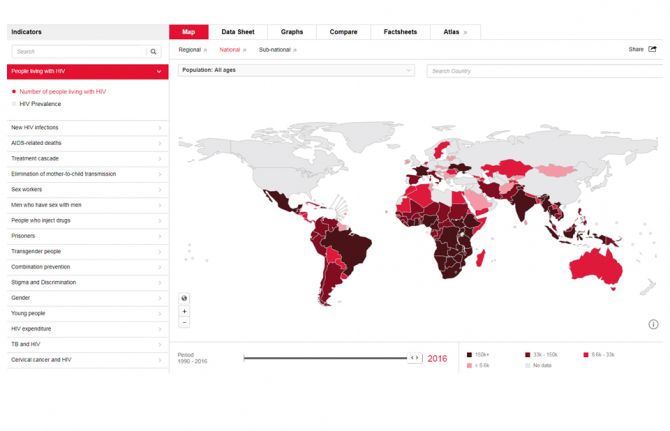
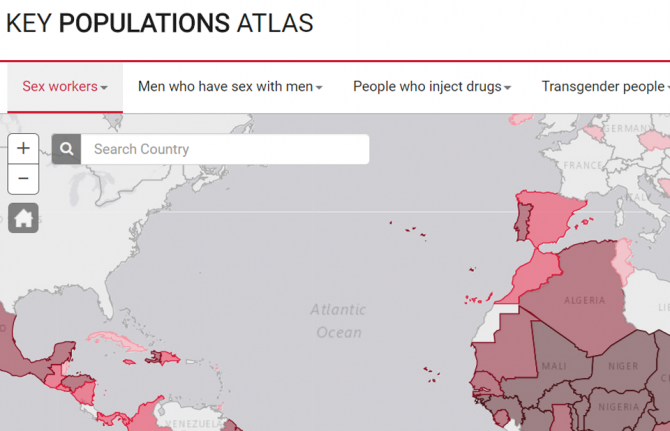
14 March 2018 14 March 2018UNAIDS has relaunched its Key Populations Atlas. The online tool that provides a range of information about members of key populations worldwide—sex workers, gay men and other men who have sex with men, people who inject drugs, transgender people and prisoners—now includes new and updated information in a number of areas. And in addition to data on the five key populations, there are now data on people living with HIV.
Chief among the new data is information on punitive laws, such as denial of the registration of nongovernmental organizations, and on laws that recognize the rights of transgender people. The overhaul of the site was undertaken in consultation with representatives of civil society organizations, including the International Lesbian, Gay, Bisexual, Trans and Intersex Association, which supplied some of the new data on punitive laws.
Data on the number of users of Hornet—a gay social network—in various countries has been made available for the atlas by the developers of Hornet, while Harm Reduction International supplied information on the availability of harm reduction programmes in prisons.
“Having data on the people who are the most affected by HIV is vital to getting the right HIV services available at the right locations” said Michel Sidibé, the Executive Director of UNAIDS. “The Key Populations Atlas allows UNAIDS to share the information we have for the most impact.”
The Key Populations Atlas is a visualization tool that allows users to navigate country-specific subnational data on populations particularly vulnerable to HIV. Data are presented on, for example, HIV prevalence among people who inject drugs in 11 sites in Myanmar, key populations sizes, antiretroviral therapy coverage among gay men and other men who have sex with men in 13 sites in India and specific prevention services and preventive behaviours. Updated data on many indicators that were obtained through the Global AIDS Monitoring exercise undertaken in 2017 is now available on the website.
Over the coming weeks, information on people living with HIV will be expanded, with new indicators being added, and data from the 2018 Global AIDS Monitoring will be added when available later in the year.
Key Populations Atlas

Feature Story
UNAIDS staff share global experience on AIDS through criss-crossing the world
19 March 2018
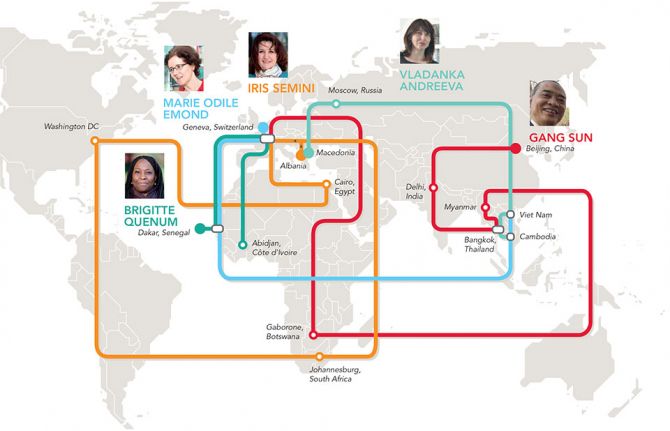
19 March 2018 19 March 2018When Marie-Odile Emond first arrived in Cambodia, she didn’t realize that some of the UNAIDS/International Labour Organization policy on HIV in the workplace she had heard discussed, years back, at the global level would be something she would see implemented.
“It seemed so abstract and yet here I was seeing it in practice,” she said, referring to health and human rights protection for workers, notably sex workers, which involved the Ministry of Labour, the community and the United Nations. “As the Country Director, I facilitated the dialogue and training for that to happen,” Ms Emond said, “and now it serves as an example for other countries.”
She now heads the Viet Nam Country Office, which she said offered another set of challenges and opportunities.
“I have found it really interesting to alternate between global, regional and country offices, because each offers a window to a part of our strategy,” Ms Emond said. Rattling off the many countries she has worked in at UNAIDS, she laughed and said, “Oh, and before UNAIDS, I worked in Armenia, Burundi, Liberia and Rwanda.”
In her opinion, meeting so many committed people from all walks of life and building bridges with them has been enriching. It’s made all the difference, according to her, in the AIDS response. “I play the coordinator, but I also had an active role in making people believe in themselves,” Ms Emond said.
Country Director Vladanka Andreeva said that her moves within UNAIDS were a huge change each time. She has served across two regions in different roles and credits her professional growth to her colleagues and the various communities she has interacted with.
“In every new post there was a challenge to quickly adapt to it, establish relationships with stakeholders and make a contribution,” she said. “You really have to hit the ground running.” Her role as the Treatment and Prevention Adviser in the UNAIDS regional office in Bangkok, Thailand, before going to Cambodia, really stands out for her. Ms Andreeva provided technical advice and assistance to strengthen HIV programmes across the region. This involved facilitating knowledge and sharing best practice, in and between countries, on innovative delivery models to scale up access to evidence-informed services.
She added that, from the former Yugoslav Republic of Macedonia to Cambodia, “my family and I explored the cultural heritage of our host countries, tasted some of the most delicious pho, tom yum and amok, and made friends from all over the world.”
She thanked her husband and daughter for being fantastic partners in the journey, since moving every four to five years is no small task. UNAIDS staff move routinely from one duty station to another, criss-crossing the world throughout their careers.
Her real pride is seeing her 17-year-old daughter, who was six when they started living abroad, become a truly global citizen, with such respect for diversity.
Gang Sun echoed many of Ms Andreeva’s points. “Because we interact with so many stakeholders, from the private sector to government to civil society, I have learned to always show respect and always listen,” he said.
For him, the journey started in the field in China, India and Thailand, followed by Myanmar and Botswana, before starting his new job at UNAIDS headquarters in Geneva, Switzerland, in 2017. He described that adapting to different cultures has kept him on his toes. “Overall, in my career I have seen every challenge as an opportunity and I have gained in confidence,” he said.
What fascinated him the most was the differences between working in high HIV prevalence countries and in countries where the epidemic was concentrated among key populations. In his new role at headquarters, he now taps into his expertise gained along the way as well as that of so many colleagues within UNAIDS and the World Health Organization.
“Despite all my experience, I still have more learning to do,” Mr Sun said.
The Côte d’Ivoire Country Director, Brigitte Quenum, jumped at the opportunity to go to the field after more than five years in Geneva. As the Partnerships Officer with francophone countries at UNAIDS headquarters, she said she learned a lot about how the UNAIDS Joint Programme functioned. That has helped her in her current role working hand in hand with Cosponsors, financial partners and civil society.
Before working in Geneva, she worked in the western and central Africa regional UNAIDS office in Dakar, Senegal. “I have gone full circle, and that has been very rewarding, because I know how the entire organization functions,” Ms Quenum said. Reflecting on the recent change in her life, aside from adjusting to the muggy coastal weather and the sheer population size of Abidjan, Côte d’Ivoire—the city has as many people as all of Switzerland—she said, “Being on the ground gives one’s job more of a sense of urgency, but I think it’s because we have daily contact with the multiple communities we’re serving.”
More in this series: It’s about the people we serve: UNAIDS staff connecting the world
Related
Feature Story
Human touch and targeted screening help to reduce HIV outbreak in Athens
16 March 2018
16 March 2018 16 March 2018Greece experienced a large increase in 2011 in the number of new HIV infections among people who inject drugs. The number of new diagnoses in Athens usually hovered around 11 per year, but shot up to 266. For the first time, injecting drug use and sharing needles became the main source of new HIV infections in Greece, according to the Medical School of the National and Kapodistrian University of Athens.
In response, the university, along with the Greek Organisation against Drugs and other nongovernmental organizations, launched a programme to “seek, test, treat and retain”, under the name Aristotle, in order to put a halt to the outbreak.
Their first challenge was finding people who inject drugs and identifying if they were HIV-positive.
“Many lived on the streets, some had been in prison and in many instances they were migrants with no knowledge of Greek,” said Vana Sypsa, Assistant Professor of Epidemiology and Preventive Medicine at the National and Kapodistrian University of Athens and a lead on Aristotle, along with Angelos Hatzakis, Meni Malliori and Dimitrios Paraskevis.
She explained that because of the economic recession, people lost their jobs and shared injecting equipment with other people, and homelessness crept up. In addition, she added, sterile syringes were hard to come by and opioid substitution therapy centres had long waiting lists. The Aristotle programme used a coupon system so that peers could recruit people to come in for an HIV test in return for a stipend.
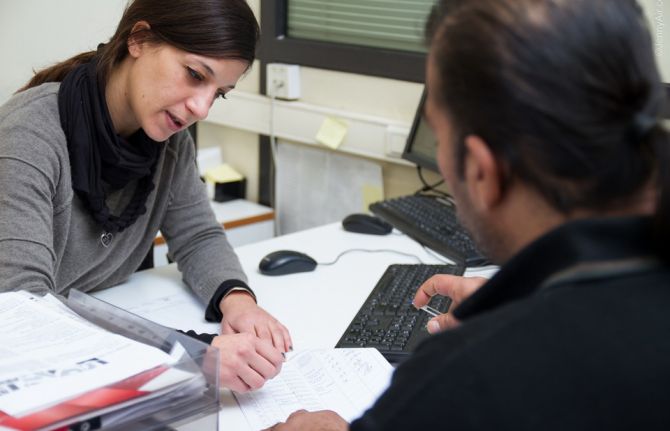
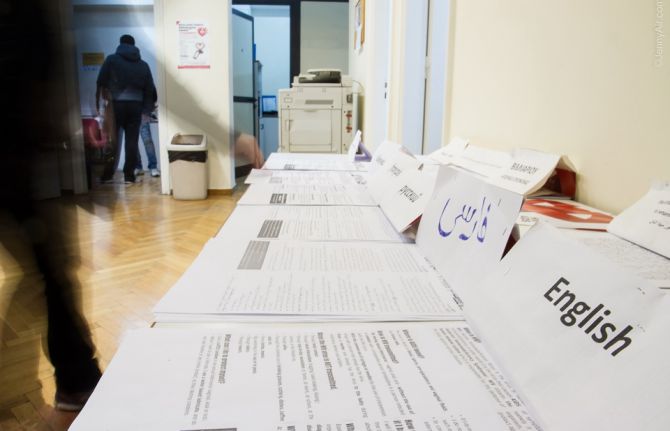
Ms Sypsa explained that the centre provided food, as well as condoms and syringes. Positive Voice, an association of people living with HIV, helped with HIV counselling, while Praksis focused on facilitating language services and identity papers for migrants.
Nikos Dedes, the head of Positive Voice, said that it played an active role during the diagnosis and referral part of the programme. “We guided them through the maze, which increased the retention of people,” he said. Mr Dedes believes that Aristotle contributed to raising awareness of HIV among people who inject drugs. “For many, HIV was a wake-up call to dealing with their drug addiction,” he said.
The programme had five rounds of recruitment in 2012 and 2013, with some participants taking part in more than one round. Aristotle’s services were provided to more than 3000 people. About 16% of the participants tested positive for HIV and had the opportunity of immediate access to antiretroviral therapy, with social workers arranging appointments. They also had priority access to opioid substitution therapy.
Ms Sypsa said that even before the end of the programme, there was a 78% decline in new HIV infections in Athens.
“Aristotle averted 2000 new HIV infections and we noted a decrease in high-risk behaviour among people injecting drugs at least once a day,” Ms Sypsa said.
She added that aside from containing an outbreak, all those involved in the programme were proud to have changed the lives of many people, linking them to HIV care and treatment.
The programme’s success drew a lot of attention. After the end of the programme, “People kept stopping by the site, looking for Aristotle employees. We had become a reference point for them,” she said.
Five years later a new programme is being started, but this time with an aim to increase care and treatment for HIV and hepatitis C for people who inject drugs.
And Mr Dedes is ecstatic, because this time Positive Voice is an integral part of the programme, with a budget. A new partner has also joined—the liver patient association Prometheus will spearhead the response to hepatitis. Mr Dedes said, “This is a true testament to the success of the programme—incorporating people from the communities.”