


The Rudra Béjart's School of Dance with the pianist Melodie Zhao presented an exclusive performance about gender equality and women’s empowerment created to commemorate the International Women’s Day. Copyright: valerielacaze.com

Throughout the evening the audience saw different pieces created by a variety of choreographers. Copyright: valerielacaze.com
Feature Story
The Rudra Béjart's School dances for gender equality
14 March 2014
14 March 2014 14 March 2014On the eve of International Women’s Day, UNAIDS, the Hotel InterContinental Genève and the Rudra-Béjart School of Dance came together to promote health equity and to ensure that women and girls living with HIV are not left behind.
The Rudra Béjart's School of Dance with the pianist Melodie Zhao presented an exclusive performance about gender equality and women’s empowerment created to commemorate the International Women’s Day (8 March). "For this event, I asked my staff to create choreographies that show the ‘men-women, harmony’ theme,” said Michel Gascard, Director of the Rudra Béjart's Dance School.
Throughout the evening the audience saw different pieces created by a variety of choreographers ranging from classical and improvised dances to songs in Russian—a reminder that the Women's Day date stems from the empowerment of the women in Russia in 1917.
“This event is an illustration of how the world of art, the private sector and the United Nations can join forces in support of women and girls living with HIV,” said Mariangela Simao, Chief of rights, gender and community mobilisation division at UNAIDS. “If we want to achieve our vision of zero new HIV infections, zero AIDS-related deaths and zero discrimination we need many partners and friends from different sectors,” she added.
The celebration is one of the events planned for 2014 as part of the joint UNAIDS and the Hotel InterContinental Genève campaign ‘Where History is Made’—which aims to raise awareness and funds for the elimination of new HIV infections among children and keep mothers alive.
“Since launching our joint campaign in December, we at the InterContinental and many of our guests feel part of the global AIDS response”, said Jürgen Baumhoff, General Manager of the Hôtel InterContinental Geneva. “It has inspired us to be more actively involved with UNAIDS to achieve an AIDS-free generation.”
Gender inequality, including gender-based violence is a key risk factor for HIV among women. As a result, women and girls bear a disproportionate burden of the HIV epidemic. Globally, young women aged 15–24 are most vulnerable to HIV, with infection rates twice as high as in young men. According to UNAIDS, every hour 50 young women are newly infected with HIV and up to 45% of adolescent girls around the world report that their first sexual experience was forced.
The Rudra Béjart's School of Dance is a private international free school sponsored by Sandoz, Béjart Ballet Lausanne, Loterie Romande, Fondation Leenaards, Béjart, Jaquet Droz.
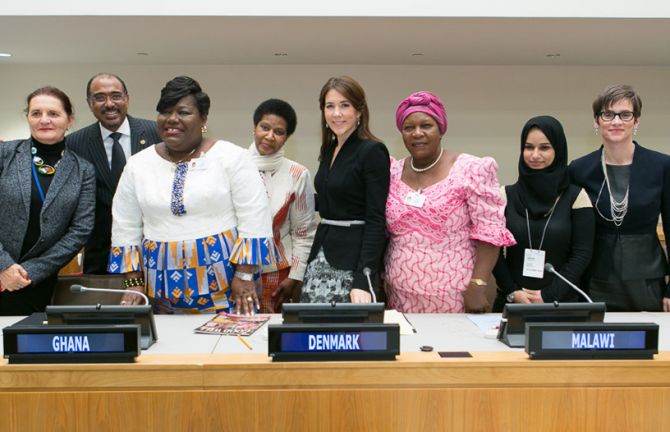
In efforts to address the complex linkages between violence and HIV, the Executive Director of UNAIDS Michel Sidibé has called on governments and communities to take concerted action on ending violence against women. Mr Sidibé made the call at a high-level panel on HIV, Gender Equality, and Sexual and Reproductive Health and Rights organized by UNAIDS during the 58th Commission on the Status of Women held in New York.
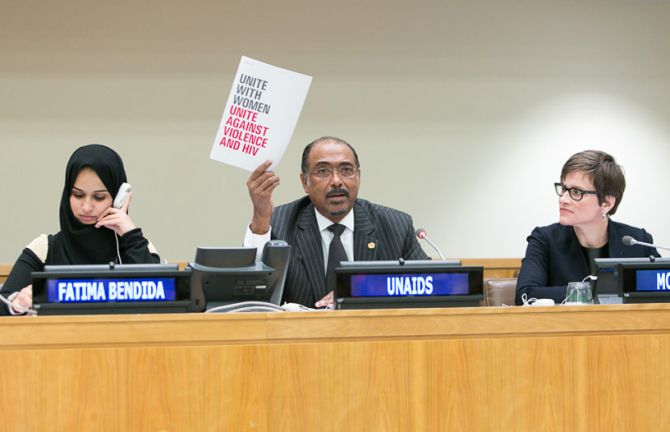
Mr Sidibé launched a UNAIDS Advocacy Brief: Unite with women unite against violence and HIV. The brief outlines five core reasons to prevent violence against women; violence against women is a human rights violation; women who experience violence are more likely to acquire HIV; women living with HIV are more likely to be subjected to violence; women most vulnerable to HIV are also most vulnerable to violence; and that violence undermines the HIV response by creating a barrier to accessing services.
Feature Story
Uniting against violence and HIV
12 March 2014
12 March 2014 12 March 2014Studies have shown that intimate partner violence can increase the risk of HIV infection by around 50% and that one in three women experience violence by their intimate partner during their lifetime. There is also evidence that violence, or the fear of violence undermines access to treatment, care and support services for women living with HIV.
In efforts to address the complex linkages between violence and HIV, in a statement, the United Nations Secretary-General Ban Ki-moon called on the world to do more, “We must take action to end violence against women and girls and ensure that they have the sexual and reproductive health and rights that they deserve. Violence has a drastic impact on the health of women and children and is inextricably linked to a higher prevalence of HIV. That is why I have made ending violence against women and girls a top priority for the United Nations.”
The Secretary-General’s call was amplified at the high-level panel Linking HIV, gender equality and sexual and reproductive health and rights as part of the Every Women Every Child initiative, and the post-2015 social justice agenda organized by UNAIDS during the 58th Commission on the Status of Women held in New York. “Not only is violence against women an extreme human rights violation, it also makes women more vulnerable to HIV infection,” said Michel Sidibé, Executive Director of UNAIDS. “Post-2015 is the opportunity to ensure all women and girls reach their full potential, without the threat of violence, risk of HIV infection and violation of their sexual and reproductive rights.”
The event, chaired jointly by Mr Sidibé and the Executive Director of UN Women Phumzile Mlambo-Ngcuka, encouraged dialogue around the critical need for women-centred efforts to end the AIDS epidemic; the advancement of sexual and reproductive health and rights for women; gender equality and women’s empowerment; and zero tolerance for gender-based violence. “The single most important strategy in dealing with HIV is empowering women and protecting their rights,” said Ms Mlambo-Ngcuka.
Panellists included HRH the Crown Princess Mary of Denmark, Ministers of Gender Equality from Ghana, Malawi, Brazil and a representative for young women living with and affected by HIV from Algeria. "In my region, discrimination is a societal phenomenon. We must continue to act to eliminate discrimination—it’s the key to the end of the AIDS epidemic,” said Fatima Bendida, El Hayet Network of People Living with HIV, Algeria.
The panellists also elaborated on the importance of addressing stigma and discrimination. They stressed the need to end violence against women for their own health, as well as to prevent new HIV infections. They also emphasized the particular focus needed on young women and girls to ensure they have access to comprehensive sexuality education that all women living with HIV have access to treatment, care and support, within a rights-based and social justice framework.
“It is essential that we achieve universal access to integrated sexual and reproductive health information, education and services, fully addressing HIV, based on gender equality and with zero-tolerance for gender-based violence,” said HRH Crown Princess Mary of Denmark, Patron of UNFPA and Member of the High Level Task Force for the International Conference on Population and Development
The panellists also highlighted poverty as a driver of HIV and sexual and reproductive ill-health and recognised equity in access to services as a key focus for development for women. They also emphasized the continued need to secure funding for the most marginalized in societies.
Ms Nancy Mahon, Executive Director of the M·A·C AIDS Fund moderated the event at which Mr Sidibé launched a UNAIDS Advocacy Brief: Unite with women unite against violence and HIV. The brief outlines five core reasons to prevent violence against women; violence against women is a human rights violation; women who experience violence are more likely to acquire HIV; women living with HIV are more likely to be subjected to violence; women most vulnerable to HIV are also most vulnerable to violence; and that violence undermines the HIV response by creating a barrier to accessing services.
The discussions at the panel event were an important milestone in the ongoing post-2015 debate, underlining the central role women living with HIV need to play in the discussions around the post-2015 debate.

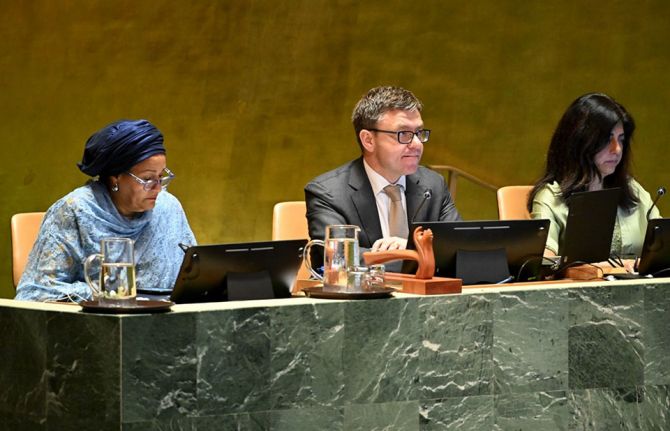
The United Nations Secretary-General Ban Ki-moon met together with his team of United Nations Special Envoys on HIV/AIDS to discuss their strategic directions for the year ahead. UNAIDS Executive Director Michel Sidibé also participated in the meeting that took place on 10th March 2014 at the United Nations Headquarters in New York.
Feature Story
UN Secretary-General meets with Special Envoys on HIV/AIDS
12 March 2014
12 March 2014 12 March 2014The United Nations Secretary-General Ban Ki-moon met together with his team of United Nations Special Envoys on HIV/AIDS to discuss their strategic directions for the year ahead. UNAIDS Executive Director Michel Sidibé also participated in the meeting that took place on 10th March 2014 at the United Nations Headquarters in New York.
Welcoming his second meeting with the Special Envoys on HIV/AIDS since their appointment in 2012, the Secretary-General thanked them for their continued commitment and well-coordinated leadership and advocacy. Mr Ban said, “I commend you all for your excellent work in 2013 and am very pleased to learn that you are working closely with other Special Envoys, Special Representatives and Rapporteurs to advocate for and create synergies between your work. I am also happy to learn that you have worked closely with UNAIDS to develop specific strategic directions for 2014.” Mr Ban also welcomed the latest member of the team, Speciosa Wandira-Kazibwe.
“They are a dedicated and cohesive team and have been instrumental in advancing efforts to achieve the Millennium Development Goals,” said Michel Sidibé Executive Director of UNAIDS. “They also greatly support the Secretary-General and his call for a life of dignity for all and leaving no one behind.”
The Special Envoys on HIV/AIDS are formed by Speciosa Wandira-Kazibwe, Special Envoy for Africa; Michel Kazatchkine, Special Envoy for Eastern Europe and Central Asia; J.V.R. Prasada Rao, Special Envoy for Asia and the Pacific; and Edward Greene, Special Envoy for the Caribbean.
“We have an effective team with great coherence, and a deep understanding of regional specificities and global issues, and are able to work across areas of development beyond HIV,” Mr Ban added.
Their main areas of work are prioritizing to ensure the prominence of HIV in thematic areas are on drug policy, human rights, stigma and discrimination and the empowerment of women and girls.
Related
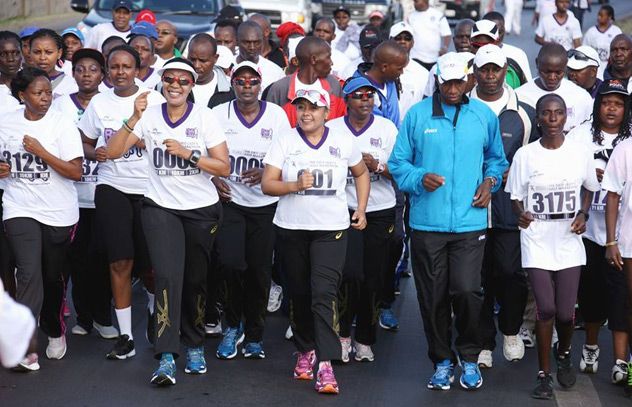
First Lady of Kenya runs half marathon to end new HIV infections among children and improve the lives of mothers.
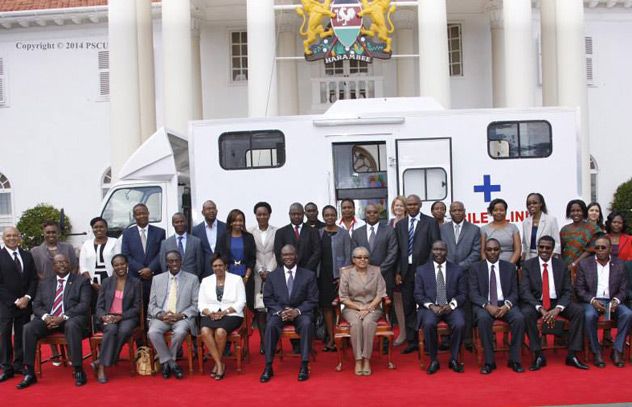
The First lady with representatives from private sector companies that provide support to the ‘Beyond Zero Campaign’.
Feature Story
First Lady of Kenya runs half marathon to end new HIV infections among children and improve the lives of mothers
11 March 2014
11 March 2014 11 March 2014The First Lady of Kenya, Margaret Kenyatta, participated on 9 March in the First Lady’s half marathon to raise awareness and resources for the ‘Beyond Zero’ campaign—an initiative to stop new HIV infections among children and improve the lives of mothers.
More than 30 000 participants including cabinet secretaries, members of the parliament, governors and their spouses, professional athletes, diplomatic corps and United Nations representatives took part in the 21-kilometre run in Nairobi, Kenya.
The First Lady congratulated the participants for their commitment to ending new HIV infections among children and keeping their mothers alive. “Today we ran to make sure we have an HIV-free generation in this country,” said Ms Kenyatta.
The funds raised during the half marathon will be used to scale up maternal and child health services, including purchasing of mobile clinics for the 47 counties throughout Kenya.
Receiving the First Lady at the finish line was the President of Kenya, Uhuru Kenyatta, who stressed the government’s full support for the initiative. “We want to ensure that we bring about a complete end to maternal deaths and to infant mortality as a result of children and mothers being unable to access proper care,” said President Kenyatta.
Since its launch in January 2014, the First Lady’s ‘Beyond Zero’ campaign and its Foundation have raised more than US$ 1 million during several events. For example, ahead of the marathon, the First Lady hosted a fund-raising breakfast at the statehouse with approximately 20 private sector companies where she unveiled the first of the 47 mobile clinics. On 13 April, the First Lady will participate in the London Marathon to raise visibility at a global level and mobilise additional resources for the campaign.
According to the 2013 estimates and projections from the government of Kenya, an estimated 9 400 babies were born with HIV in the country in 2013. HIV-related complications accounted for 15% of all deaths among children under the age of 5 in the same year.
James Macharia, the Cabinet Secretary in the Ministry of Health, said that it was unacceptable that 15 mothers and 270 children below 5 years die every day in Kenya largely from preventable causes. He congratulated the ‘Beyond Zero’ campaign and Foundation for making meaningful contributions in advancing maternal and child health in the country.
Related


The annual Conference on Retroviruses and Opportunistic Infections (CROI) was held in Boston, US from 3-6 March 2014. Every year CROI provides an opportunity for researchers from around the world to come together and share the latest developments in HIV research and development.
Feature Story
New advances in HIV research and development
10 March 2014
10 March 2014 10 March 2014The annual Conference on Retroviruses and Opportunistic Infections (CROI) was held in Boston, US from 3-6 March 2014. Every year CROI provides an opportunity for researchers from around the world to come together and share the latest developments in HIV research and development. Several interesting areas of research which were presented at this year’s conference and UNAIDS spoke to Professor Salim S. Abdool Karim, Director of the Centre for the AIDS Programme of Research in South Africa and Chair of UNAIDS Scientific Expert Panel for an overview of the main highlights in HIV prevention, treatment and cure research.
Q. Professor Karim, we heard of many exciting developments coming out of this year’s conference what did you see as the main advances in HIV prevention research?
A. The conference hosted a range of great presentations on AIDS treatment, prevention and cure. There was a strong theme on HIV prevention at this year’s CROI, focusing on how to improve effectiveness of antiretroviral (ARV) pre-exposure prophylaxis (PrEP). Studies over the last 3 years have provided enough evidence to demonstrate that antiretroviral drugs like tenofovir are effective. However, the ARVs being used for PrEP not taken as prescribed. At this year’s CROI, we saw a concerted move to find formulations that would have better adherence. To this end, a study of GSK-744LA, a long acting injectable which could transform PrEP from daily pill-taking to 3 monthly injections, showed good protection in monkeys. Another strategy to improve adherence is the development of a new vaginal ring, which has both the contraceptive and anti-HIV properties.
Q. There was also much talk about cure for HIV—what was your take on that?
A. The Mississippi baby is now just over 3 years old and has been off ARVs for more than 2 years but remains negative on the highly sensitive ELISA and PCR tests, strengthening the evidence that this child may be cured. The second child presented at the meeting is a 9 month baby who was thought to be cured. Unfortunately, it is not a possible to determine whether this child is indeed cured because the child is still on ARVs and it is not possible to determine if negative HIV tests are due to temporary viral suppression or to viral eradication.
Q. Vaccine development also seems to be advancing—what do you see as the next major step in vaccine research?
A. In vaccine science, several broadly neutralising antibodies have been identified and some have even been shown to be effective in preventing, treating or curing infection in monkeys. The next step is to assess what effect these antibodies would have in the human body.
Q. Is there anything else in the pipeline we should look out for?
A. Yes, I am very impressed in the findings of gene modification approaches to treating HIV. I think this new technology has great potential.
Related
 An HIV vaccine: who needs it?
21 July 2021
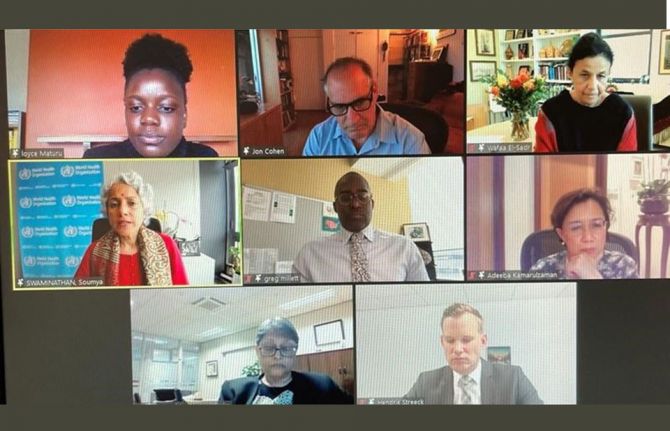 Science, HIV and COVID-19—where are we headed?
08 June 2021
Press Release
UNAIDS Protect the Goal campaign tour kicks-off in South Africa
05 March 2014 05 March 2014GENEVA/JOHANNESBURG, 5 March 2014—The Joint United Nations Programme on HIV/AIDS (UNAIDS), in cooperation with the Tobeka Madiba Zuma Foundation (TMZF) and the South African Football Association Development Agency (SDA), have announced the kick-off of the Protect the Goal world tour. Protect the Goal, which was first launched at the 2010 FIFA World Cup in South Africa, is a campaign to raise awareness around HIV prevention and encourage young people to get actively involved in both the national and global response to HIV.
“I'm honored to join forces with SDA and UNAIDS in the AIDS response," said Madame Tobeka Madiba Zuma, whose foundation is a co-sponsor of the Protect the Goal campaign. "I want to help reach as many young people around Africa as I can. While we need to begin with HIV awareness, we also need to deliver HIV testing and treatment to many young people who need our help."
The official world tour kick-off event was held at the Soccer City Stadium, the largest stadium in Africa, during the South Africa-Brazil international friendly game. The world tour will continue its journey through the five African countries—Algeria, Cameroon, Côte d’Ivoire, Ghana, and Nigeria—whose national teams have qualified for the 2014 FIFA World Cup in Brazil.
The event also provided an opportunity to announce Kweku Mandela and Ndaba Mandela as global spokespersons for Protect the Goal. The objectives of the campaign are to use the popularity and convening power of sport to unite the world for the goal of an AIDS-free generation. The campaign also raises awareness and support for UNAIDS’ vision of zero new HIV infections, zero discrimination and zero AIDS-related deaths.
“We are proud to be working with our South African partners in a rapidly evolving environment for mobilizing the global football community against AIDS,” said Dr. Djibril Diallo, Senior Adviser to the Executive Director of UNAIDS.
The campaign has garnered support from around the world. UNAIDS has signed cooperation agreements with the Confederation of African Football (CAF), Confederation of North, Central America and Caribbean Association Football (CONCACAF), South American Football Association (CONMEBOL), and Asia Football Confederation (AFC).
In Africa, UNAIDS and partners, including youth leaders, have disseminated HIV prevention messages on large electronic screens to football fans in stadiums and fan zones during games, including the Orange Africa Cup of Nations, Africa’s most prestigious football tournament.
In Asia, UNAIDS, in cooperation with the Asian Football Confederation and the Asian Development Bank, are engaged in a partnership to enhance awareness of HIV, improve access to HIV prevention and treatment, and work to eliminate HIV-related stigma and discrimination in five pilot countries, Myanmar, Cambodia, Philippines, Malaysia, and Thailand.
CONCACAF, the Confederation of North, Central American and Caribbean Association Football, has also promoted the campaign in the framework of major sporting events. During the Gold Cup soccer tournament the captains of the national football teams of the United States and Panama pledged to raise awareness of HIV in the football community.
Globally, an estimated 5.4 million adolescents and young people are living with HIV, and 1.8 million are eligible for HIV treatment. Millions of young people living with HIV do not know they living with the virus, and every day, approximately 2100 adolescents and young people become newly infected, which accounts for 36% of all new HIV infections globally.
As part of the Protect the Goal Campaign, UNAIDS, TMZF, SDA and Grassroot Soccer, a South African-based, non-profit organization that uses football to educate young people about HIV, will stage a promotional event at the Alexandra Football for Hope Centre on 6 March. The centre provides young people with a safe space to learn about HIV prevention. As part of the event branded footballs of the Protect the Goal campaign will be distributed to underprivileged communities.
Campaigns
Campaigns
Press centre
Download the printable version (PDF)
Press Release
IFRC and UNAIDS join forces to reach 15 million people with HIV treatment by 2015
04 March 2014 04 March 2014GENEVA, 4 March 2014 – The International Federation of Red Cross and Red Crescent Societies (IFRC) and the Joint United Nations Programme on HIV/AIDS (UNAIDS) have signed a Memorandum of Understanding to advance efforts in scaling up access to HIV testing and treatment. The IFRC and UNAIDS will combine expertise and capacity to support the implementation of UNAIDS’ Treatment 2015 initiative and develop a community model for delivering scaled-up access to HIV treatment.
In the 2011 Political Declaration on HIV and AIDS, United Nations Member States committed to working towards ensuring 15 million people living with HIV have access to antiretroviral treatment by 2015. By the end of 2012, around 10 million people had access to the lifesaving treatment—three quarters were in Africa
“Red Cross and Red Crescent volunteers deliver health services to millions of people, including some of the most marginalized people in hard-to-reach communities,” said Michel Sidibé, Executive Director of UNAIDS. “By supporting the volunteers, engaging people living with HIV and strengthening community-based services I strongly believe we will be able to exceed the target of reaching 15 million people with treatment by 2015.”
It is estimated that only half of all people living with HIV are aware of their HIV status, highlighting the urgent need to expand access to HIV testing services. Voluntary and confidential HIV testing is central to UNAIDS’ Treatment 2015 initiative. The initiative outlines three fundamental pillars essential to reaching the 2015 target; Demand––increasing demand for HIV testing and treatment services; Invest––mobilizing resources and improving the efficiency and effectiveness of spending; and Deliver––ensuring more people have equal access to HIV testing and treatment.
"The community health workforce has the capacity to provide almost 40% of HIV service-related tasks,” said Bekele Geleta, Secretary General, IFRC. “Our decades of experience in HIV testing campaigns, treatment adherence and compliance will inform a successful community service delivery model like the one we are developing in Kenya, Malawi and Nigeria. The solution is at hand but the time to invest in decentralized services is now if we are to avert millions of deaths by 2015 and beyond.”
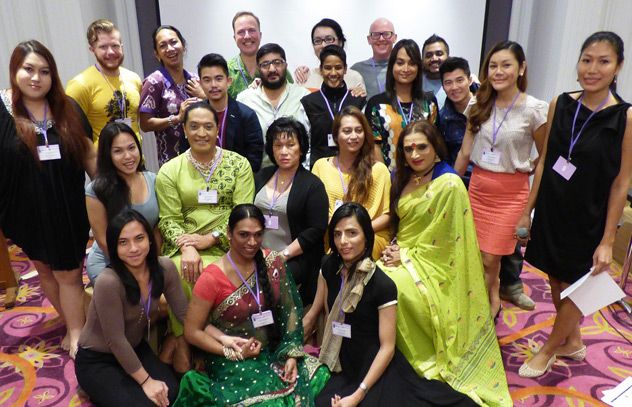
From 18-20 February, APTN brought together community delegates and experts from eleven countries for a regional community consultation on transgender issues to Bangkok, Thailand in partnership with the Being LGBT in Asia regional initiative and the Asia and the Pacific regional offices of UNDP, UNAIDS, UN Women, WHO and USAID. Credit: UNAIDS/H.Nhan
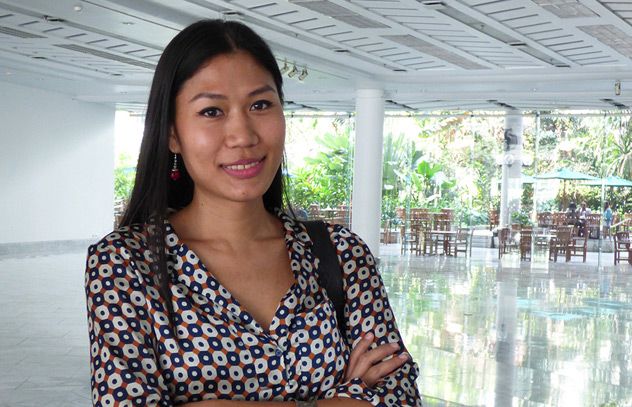
Natt Kraipet, Coordinator for the Asia Pacific Transgender Network (APTN). Credit: UNAIDS/H.Nhan
Feature Story
An agenda in transition: raising the profile of transgender and HIV issues in Asia and the Pacific
04 March 2014
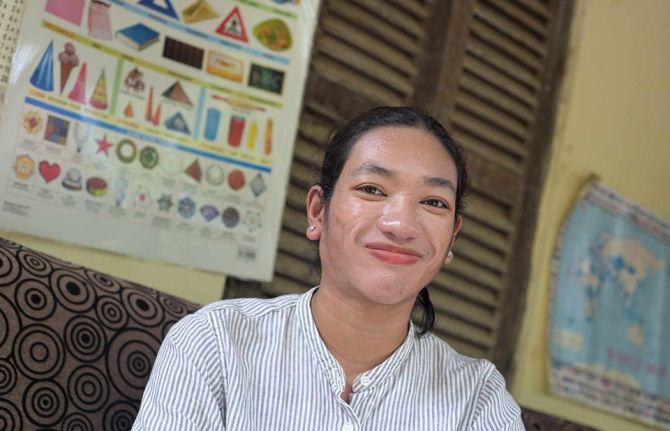
04 March 2014 04 March 2014It only takes a minute with the new Coordinator for the Asia Pacific Transgender Network (APTN), Natt Kraipet to see her determination and drive for bringing issues of transgender rights and health to the forefront in the region.
“This is an important time for transgender people to be in the spotlight. We are too often invisible within societies and especially within health settings and yet we face significant rights and health challenges—including high risk of HIV infection,” said Ms Kraipet.
From 18-20 February, APTN brought together community delegates and experts from eleven countries for a regional community consultation on transgender issues to Bangkok, Thailand in partnership with the Being LGBT in Asia regional initiative and the Asia and the Pacific regional offices of UNDP, UNAIDS, UN Women, WHO and USAID.
Featuring participation from China, Hong Kong, India, Indonesia, Japan, Nepal, New Zealand, Philippines, Singapore, Thailand and Tonga, the consultation aimed to develop a set of steps and actions that APTN could take with partners, to address and prioritize specific human rights and health needs of transgender women and men.
“Much more evidence and knowledge is needed to be able to ensure services and programmes are reaching transgender people most effectively. That’s why we need to be included in public fora where we can highlight challenges and solutions,” Kraipet said.
Research and data on HIV risk and prevalence among transgender people is limited regionally, but some studies have found that transgender women are 50 times more likely to acquire HIV than adult males and females of reproductive age in the general population[1]. Examples of available national surveillance data in some countries in Asia and the Pacific indicate high HIV prevalence among transgender women in cities, for example: 30% in Jakarta, Indonesia, 23% in Port Moresby, Papua New Guinea, 18% in Maharashtra, India and over 10% in Bangkok, Chiang Mai and Phuket in Thailand.
However, focused programmes and initiatives for transgender people are largely lacking in national responses to HIV. And where they do exist, HIV prevention efforts are estimated to reach less than half of the transgender people who need the services.
Critical obstacles to progress
A central focus of the community consultation examined how health and social systems are often not adapted to the realities and needs of the community, particularly in resource-poor settings. Many transgender women and men report lack of technical knowledge among health personnel to advise or deal with transgender issues such as information on hormones, transition operations, psycho-social support, side-effects and if and how antiretroviral treatment can be combined with treatment linked to transgender transition.
“Absence of experts in health services in low-resource areas can lead transgender people ‘underground’ to undertake transition operations and hormone treatment within non-regulated settings—which in turn can lead to greater health complications and increase vulnerability to HIV,” said Steve Kraus, Director of UNAIDS Asia and the Pacific.
Issues such as lack of transgender-specific data, and punitive legal and policy environments were also highlighted as critical obstacles keeping transgender people from accessing health and HIV services.
Signs of success
A number of legal developments and programmes in Asia and the Pacific are showing encouraging signs of progress. In Bangladesh, Nepal and Pakistan several rulings have been made and/or legislation introduced which recognize transgender status for identification and paves the way for transgender people to access social and health rights. In Thailand, transgender identity is increasingly taken into consideration within work and education settings.
The strengthening of APTN and fellow organizations in the region also provides important opportunities. APTN’s efforts have been buoyed with new funding received from the Robert Carr Fund which was secured with support from UNAIDS Asia and the Pacific.
“We want APTN to be a real platform for transgender people; to be a concrete organization that promotes diversity and helps first at the community level,” Ms Kraipet explains. “I am determined that we will see important progress for transgender people and on HIV issues in our region over the next years,” she said.
[1] Winter, S. Lost in Transition: Transgender People, Rights and HIV Vulnerability in the Asia-Pacific Region. Bangkok: United Nations Development Programme and the Asia Pacific Transgender Network; 2012.
© UNAIDS/H.Nhan — in Bangkok, Thailand.
Feature Story
Celebrating dignity and respect for all
03 March 2014
03 March 2014 03 March 2014Tolerant, compassionate and peace-loving people around the world lent their hearts and voices to raise awareness and celebrate Zero Discrimination Day for the first time on 1 March 2014. The day was an unprecedented opportunity for people in every corner of the world to promote and celebrate everyone’s right to live a full and productive life with dignity—no matter what they look like, where they come from or whom they love.
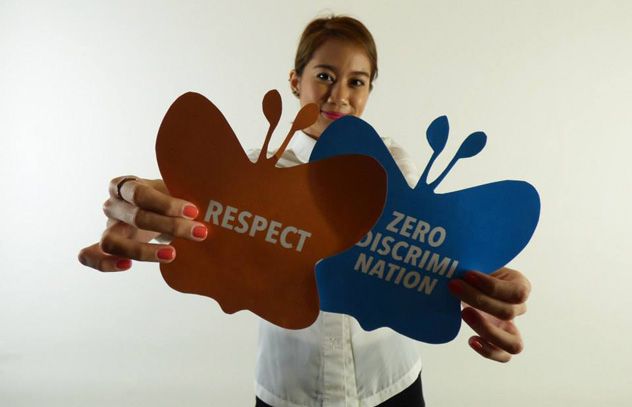
The zero discrimination campaign reached out hundreds of thousands of people with tens of thousands actively pledging their support. From the President and First Lady of Gabon, the First Lady of Chad and Oscar-winning actors to school children in Guatemala and Moldova. From medical doctors and patients, to religious leaders, ambassadors and celebrities. People from every corner of the world expressed their solidarity by sharing their stories and their butterfly photos––the transformative symbol for zero discrimination.
“As First Lady of Gabon, as a mother, as a woman, as Commissioner of the UNAIDS - Lancet commission, I say NO to discrimination and I call for zero discrimination, tolerance and compassion in Africa and all over the world,” wrote Sylvia Bongo Ondimba.
Using social media platforms, many in this new social movement called for protection of the most vulnerable—people who face discrimination because of their race, religion, nationality, sexual orientation or identity, disability, gender or age.
“If you're reading this, and are going through pain, injustice or inequality, my words won't change your reality. But please hang on, and know that you have a friend in all of us” wrote James Chau, UNAIDS Goodwill Ambassador for China.
Messages were received from advocates representing affected communities, youth, government officials, media, UN officials and many other people from all walks of society.
“All around the globe there are kids and adolescents being teased just because they are different. Instead, we should encourage schools to accept and make visible the wide range of cultures living in our classrooms,” wrote Sebastián Arriagada, Teacher education student from Chile. “If there is any solution to discrimination, and I deeply believe there is, I can bet it all starts with our countries' education systems.”
The largest mobile telephone service provider in Malawi promoted zero discrimination by sending messages to its subscribers on 1 March. “We are happy that we are able to help mobilise communities to create awareness around Zero Discrimination Day which advocates for tolerance and compassion,” said Dina Mahamat Amadou, Acting Managing Director of Airtel Malawi.
People can continue to show support for zero discrimination by going to the Facebook page http://www.facebook.com/zerodiscrimination, using #zerodiscrimination hashtag on Twitter or submitting photos with a butterfly sign on Tumblr http://zerodiscrimination.tumblr.com/.
Zero Discrimination Day will be celebrated each 1 March.
Press Release
Countries around the world celebrate Zero Discrimination Day
01 March 2014 01 March 2014UNAIDS is inspired by the incredible response to the first Zero Discrimination Day
GENEVA, 1 March 2014—People from all walks of life and in every region of the world are commemorating Zero Discrimination Day with a wide range of activities. UNAIDS called for the annual event, which is being celebrated for the first time on 1 March.
“Hatred of any kind must have no place in the 21st century,” said the United Nations Secretary-General Ban Ki-moon.
“Discrimination is a violation of human rights. It is immoral, hurtful and dehumanizing. Yet too many people around the world continue to face unfair, harmful or violent treatment simply because of the circumstances of their birth or environment,” said Dr John Ashe, President of the General Assembly.
UNAIDS Executive Director Michel Sidibé has expressed his appreciation for the outpouring of support for the campaign. Working with Nobel Peace Prize winner and UNAIDS Global Advocate for Zero Discrimination Daw Aung San Suu Kyi, UNAIDS launched the #zerodiscrimination campaign in December 2013 on World AIDS Day.
“For all who seek a more just world, for all who strive for peace and prosperity—let us start by stopping the inequality and discrimination happening around us,” said Mr Sidibé.
Many government ministries, lawmakers, business leaders and international organizations are supporting the zero discrimination campaign.
“Institutionalized discrimination is bad for people and for societies,” said Dr Jim Yong Kim, President of the World Bank Group. “Widespread discrimination is also bad for economies. There is clear evidence that when societies enact laws that prevent productive people from fully participating in the workforce, economies suffer.”
“Achieving zero discrimination is critical for the success of the AIDS response. The International Labour Organization (ILO) is fully committed through its Getting to Zero at Work campaign,” said Guy Ryder, Director-General of ILO.
“Eliminating discrimination is the one step that can enable the world to achieve the UN General Assembly's 2011 target of a 50 per cent reduction of HIV infection among people who use drugs by 2015," said UNODC Executive Director Yury Fedotov. "Take that step, say yes to #zerodiscrimination, commit, transform and let's reach the target."
The butterfly is widely recognized as a sign for transformation and the campaign has adopted it as the symbol for zero discrimination. People have supported the campaign by taking photographs holding up the butterfly symbol in places across the globe, including snowy mountain tops, office cubicles, amusement parks, fire stations and the world famous carnival in Rio de Janeiro, Brazil. At a commercial shopping complex in Kandy, Sri Lanka, campaign supporters are organizing a mass photography shoot with the zero discrimination symbol.
The Asia-Pacific Transgender Network has used the occasion of Zero Discrimination Day to produce in partnership with UNAIDS a powerful video about the transgender experience. The Pan Caribbean Partnership against HIV and AIDS is holding a series of country-level and regional dialogues with government, civil society, business and religious groups, as well as young people, on the importance of building solidarity for everyone. The Youth Taekwondo Association of Tajikistan is holding an event called “Sport against stigma and discrimination.”
Many celebrities have recorded video messages or taken photographs with the butterfly, including the global Indian icon and UNAIDS International Goodwill Ambassador Aishwarya Rai Bachchan, the popular Russian science commentator and naturalist Nikolai Drozdov and the highly acclaimed musician from Mali and International Goodwill Ambassador Toumani Diabaté. The international television broadcaster CNN is supporting the campaign and many local and regional media outlets are featuring discussions on zero discrimination. In Pakistan, Radio Pakistan and PTV World, the country’s only English channel, hosted talk shows with people from key groups who often face discrimination.
More information is available at:
http://www.unaids.org/en/resources/campaigns/20131126zerodiscrimination/
https://www.facebook.com/zerodiscrimination
http://zerodiscrimination.tumblr.com/
#zerodiscrimination