Feature Story
Towards a life of dignity for people living with disabilities
15 February 2022
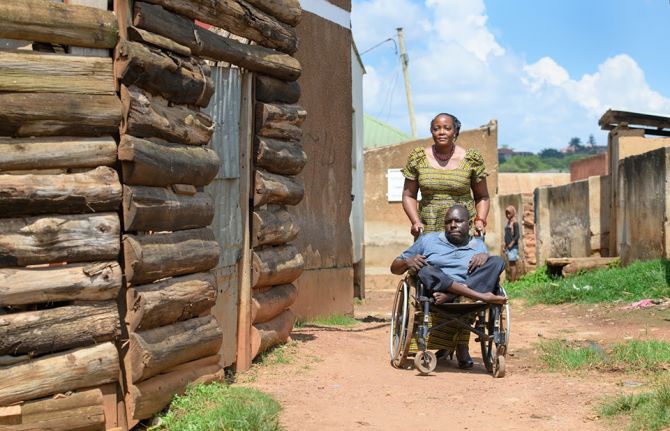
15 February 2022 15 February 2022Arriving at a health centre but not being able to physically access it. Needing information about your health but not being able to read it. Asking your doctor for family-planning advice but having to have the advice translated into sign language by a third party, resulting in a lack of confidentiality and privacy. These are only a few of the challenges faced by the 1 billion people who live with disabilities worldwide when trying to access health-care services. However, people living with disabilities have the same right to health as everyone else.
Disability prevalence is rising, owing to ageing populations and the increase in chronic health conditions, among other factors. Through long-term access to antiretroviral therapy, living longer with chronic HIV is increasingly possible, but may occur alongside other co-morbidities and the risk of disability.
People living with disabilities are at a heightened vulnerability of poverty, legal and economic inequalities, gender-based violence, sexual exploitation and abuse, exclusion from health care and human rights violations, all of which increase their risk of contracting HIV. In western Africa, women and girls living with disabilities may fall victims to harmful myths such as virgin rape—the belief that having sex with a virgin living with a disability will cure HIV—and other sexual violence supposed to bring wealth or power to its perpetrator.
Young people living with disabilities are also at greater risk. Because of the expectation that they are not sexually active, young people living with disabilities are often omitted in discussions about comprehensive sexuality education and excluded from sexual and reproductive health services.
It is within this context that the Governments of Norway and Ghana and the International Disability Alliance (IDA) will be holding the second Global Disability Summit on 16 and 17 February in Accra, Ghana. The first Global Disability Youth Summit will also take place on 14 February, co-hosted by IDA, the United Nations Children’s Fund and Atlas Alliance.
“Since the last Global Disability Summit, as a result of the COVID-19 pandemic the situation of the most vulnerable groups of society has deteriorated —and in particular, people with disabilities have suffered heightened violence, exclusion and disarray. Our mission is to turn words into actions to realize the rights of persons with disabilities everywhere,” said Anne Beathe Tvinnereim, Minister of International Development, Norway.
Data from sub-Saharan Africa suggest that there is an increased risk of HIV infection of 1.48 times among men and 2.2 times among women living with disabilities compared to those without disabilities. In western Africa, several studies have shown that HIV prevalence among people living with disabilities was on average two to three times higher than among the general population.
“Young people with disabilities, estimated to be 200 million around the world, want tailored health care, inclusive education, access to employment, and better access to new technologies. They are agents of change of their own future—and we stand ready to hear them and support them,” said Hon Kwaku Agyeman-Manu, Minister of Health of the Republic of Ghana.
The COVID-19 pandemic has made the situation worse. Because of interrupted health services and lockdowns, women living with disabilities in particular are suffering acute financial pressure—many are raising children on their own and hence are even more likely to experience sexual violence.
UNAIDS has long advocated for a three-track approach to advance the inclusion of people living with disabilities in HIV responses:
- Disability-specific activities and mainstreaming disability across all aspects of HIV responses.
- The authentic participation and active involvement of people living with disabilities in all elements of programmes.
- Disability-inclusive policies, programmes and implementation strategies that ensure appropriate funding and resources.
Specifically, UNAIDS is advocating for five actions:
- More research and better disaggregated data—the world needs to know and understand the health needs of all people living with disabilities at a more granular level.
- Adequate funding to be allocated to mainstreaming disability across systems for health and disability-sensitive HIV services. Services need to be accessible to all and respond to the specific vulnerabilities and needs of people living with disabilities.
- The international community must commit to the meaningful inclusion of people living with disabilities and their representatives at all levels of policies and programmes, from design to planning, implementation, monitoring and evaluation. It must also invest in strengthening the capacities of community-based organizations led by people living with disabilities and delivering services to people living with disabilities.
- Policymakers and health providers must guarantee rights-based, people-centred, non-discriminatory health services. Traditional or cultural stigma needs to be rectified by appropriate training and the sensitization of health-care staff around disability.
- Global leaders must address the intersecting structural determinants, such as poverty, exclusion and gender-based violence, that further aggravate the vulnerability of people living with disabilities. Only interventions that end entrenched inequalities and establish more supportive environments can improve the overall health of people living with disabilities and give them a chance of a life lived in dignity.
Ending AIDS without including people living with disabilities is impossible.
“I hope, along with the summit’s organizers, that governments, policymakers and organizations around the world will commit to change and come together to create a more inclusive society,” said Angela Trenton-Mbonde, UNAIDS Country Director for Ghana.
Related
Feature Story
Many key populations avoid health services
21 February 2022
21 February 2022 21 February 2022Discriminatory experiences within health-care settings can be especially common and pernicious. Country data reported to UNAIDS show that the proportions of people belonging to key populations who avoid health-care services due to stigma and/or discrimination remain disconcertingly high. Across all key populations, at least one in three reporting countries stated that more than 10% of respondents avoided health care, including three in four countries for people who inject drugs.
Removing laws that harm, such as laws on sex work, same-sex sexual relations, the use or possession of drugs for personal use and the non-disclosure, exposure or transmission of HIV, is one way of overcoming stigma and discrimination and hence increasing the uptake of services by key populations.
Our work
Related


Feature Story
“Play with your heart”— Kazakh women living with HIV tell their stories from the stage
14 February 2022
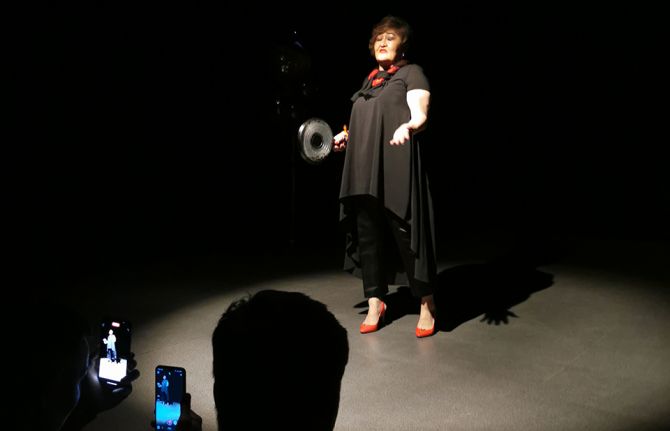
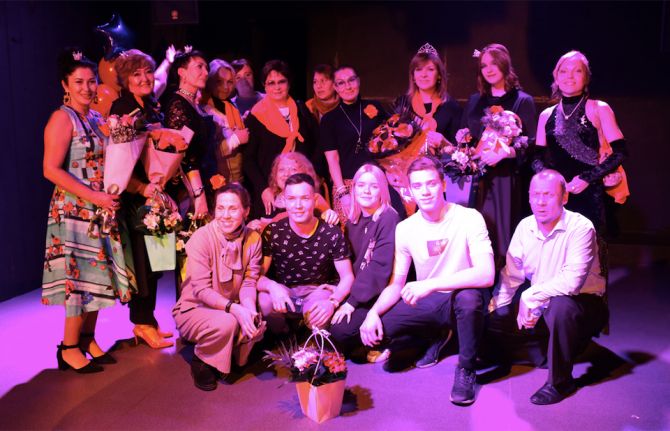
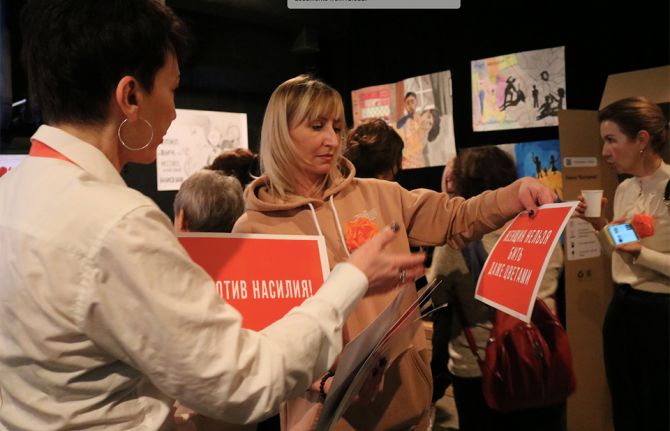
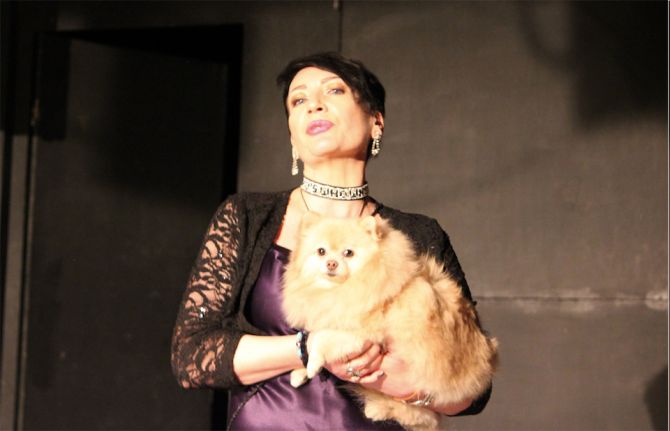
14 February 2022 14 February 2022The ARTiSHOCK Theatre in Almaty, Kazakhstan, recently premiered an extraordinary performance: all its actresses were women living with HIV, ex-prisoners and women who use drugs. They played the role of women who faced stigma, discrimination and violence, an echo of their own life stories.
The performance, the script for which was written by female activists, was the idea of the Revanche Center for Comprehensive Care (also known as the Revanche Foundation), supported by the UNAIDS Country Office for Kazakhstan and the Eurasian Network of Women Living with HIV.
“The idea of a social theatre was a dream that has finally become a reality,” said Anna Kozlova, a social worker for the Revanche Foundation. “We decided to talk about the experience of violence. After all, it is not only physical or sexual. To be rejected by society and discriminated against is also violence, but psychological.”
Nadezhda Plyaskina, the play’s director, said that it was not easy to work with the aspiring actresses. “I was afraid: these women have such considerable life experience; what can I teach them? In addition, it was necessary to teach acting in a way that did not hurt: they are all vulnerable. Each rehearsal revealed them to me as real, amazing, wonderful people. I told them: “Play with your heart.””
And they played with their hearts, telling their stories of imprisonment, abuse, stigma, loneliness and hope. The performance was a great success and was widely covered by Kazakh media.
Ms Kozlova began using drugs when she was 17 years old, which landed her in prison for 17 years. “All women who come out of prison are already victims. They are broken, vulnerable, don’t know how to live, where to go. They need help to become strong.” Four years ago, she went to the Revanche Foundation for help, and there she found a job, a family and a purpose. “I know from my experience that things can change,” she said.
Zulfiya Saparova has been living with HIV for 15 years; she is on antiretroviral therapy and works as a peer consultant for Equal to Equal Plus. She faced abused and violence and tells her story from the stage. “My heroine in the performance comes on stage holding a frying pan. This story is imprinted in my memory: my neighbour constantly walked around with black eyes. She was beaten by a drunken husband. Once her daughter came to visit her, and a black eye appeared on the husband’s face—she had protected her mother by beating him with a frying pan.”
Natalya Kovaleva, a social worker for the Revanche Foundation, spent eight years in prison. Her last term was three years and compulsory treatment for drug addiction. Currently, she works with young people who use drugs on HIV prevention. “If it wasn’t for the Revanche Foundation, I would either be behind bars or dead,” she said. “I have a mission here.”
The heroine she plays faces physical and psychological violence, total control, prohibitions and beatings. “I don't want to arouse pity, so I played a strong, independent woman who refuses to endure bullying. All this was in my own life,” said Ms Kovaleva.
The Revanche Foundation helps women in difficult situations, including women living with HIV, women who use drugs, children who lived in orphanages and former prisoners.
Elena Bilokon, the director of the Revanche Foundation, says that her work is focused on the most vulnerable and socially unprotected women, as there are no state support programmes for them. “Yes, the state provides patients with HIV drugs, but there is no psychosocial and social support. This year alone, 285 women living with HIV applied for our help,” she added.
“There is a clear link between violence against women and HIV. Studies show that women living with HIV are more likely to have experienced violence, and women who have experienced violence are more likely to be living with HIV,” said Gabriela Ionescu, the UNAIDS Country Director for Kazakhstan. “For this reason, UNAIDS highlights the need to address violence against women as a key human rights issue and the need to provide support to the most vulnerable women, including social and psychological help.”
The next performance will take place on 1 March, Zero Discrimination Day. The activists also plan to perform the play in several prisons in Kazakhstan.
Region/country
Related

Feature Story
Four years of the Fast-Track cities project—what have we achieved and learned, and what is next?
21 February 2022
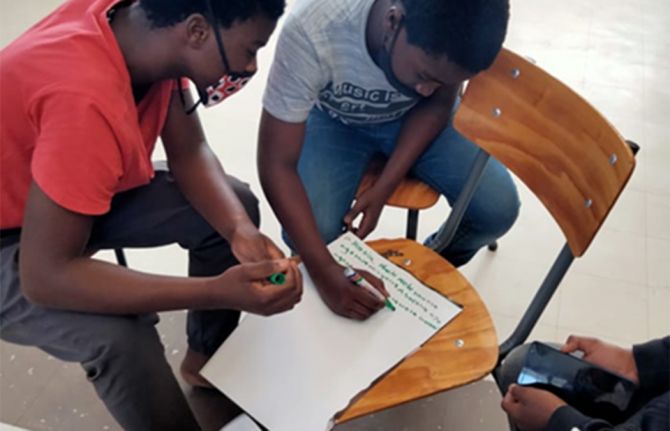
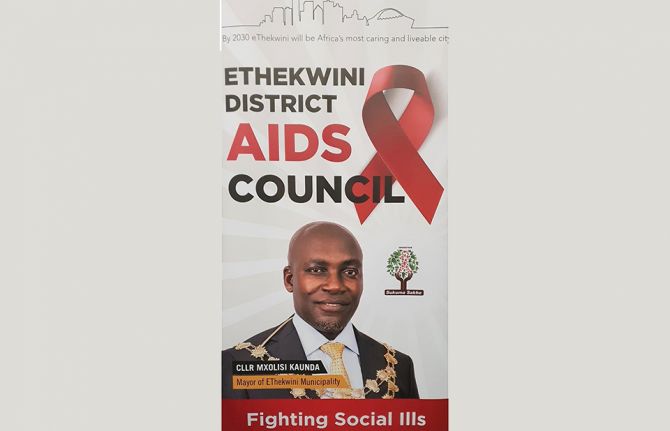
21 February 2022 21 February 2022Implementation of the joint UNAIDS–International Association of Providers of AIDS Care (IAPAC) Fast-Track cities project started in 2018 under the management of UNAIDS and IAPAC, with financial support from the United States Agency for International Development. Recognizing the important role that cities play in achieving national and global HIV targets and in ending AIDS by 2030, the project aims to provide essential and strategic technical support to 15 high-burden cities to accelerate their HIV responses. The 15 cities (Blantyre, eThekwini, Jakarta, Johannesburg, Kampala, Kigali, Kingston, Kinshasa, Kyiv, Lagos, Lusaka, Maputo, Nairobi, Windhoek and Yaoundé) account for about 3 million people living with HIV. The project is implemented in close collaboration with local governments and stakeholders and takes into account the local contexts, epidemics and priorities. Technical support is provided for the development and implementation of city HIV strategic plans, creating an enabling environment for optimized HIV service delivery, strengthening data collection, analysis and use and building clinician and community capacity to facilitate service optimization and to eliminate stigma in health-care facilities.
Implementation over the past four years has achieved important results and led to significant changes at the city level. With the sustained support and commitment of mayors and city leaders, the project has catalysed action at various levels. Improved coordination, strengthened partnerships, civil society engagement and innovation to reach key and vulnerable populations have led to an increased uptake of HIV services, and cities have showed leadership during the COVID-19 pandemic to ensure that services continued to be delivered. Improved strategic information and monitoring and evaluation systems are now allowing cities to track the HIV response and to report on their epidemics. Close to 10 000 people have been reached with IAPAC-led training activities.
During a recent UNAIDS webinar, UNAIDS country staff providing support to four of the participating cities shared some of their experiences.
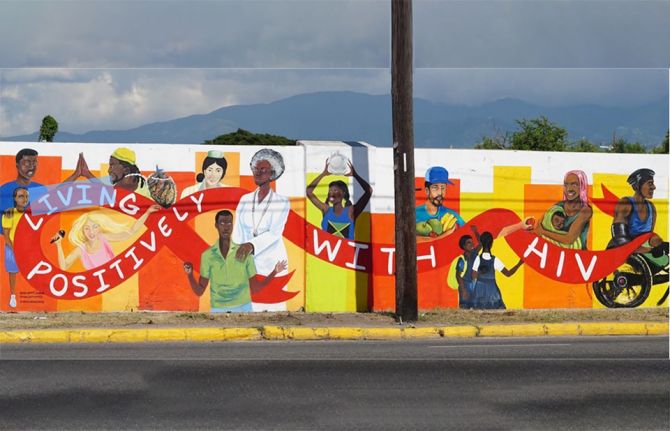
The city of Kingston, Jamaica, home to 35% of all people living with HIV in the country, is implementing activities to address some of the remaining challenges related to laws and policies that have affected society.
“One of the routes that we have taken through the Fast-Track cities project is to work more closely at the community level, as this is where we see the biggest challenge related to stigma and discrimination,” said Ruben Pages Ramos, UNAIDS Community Support Adviser for Jamaica.
In an attempt to address stigma, UNAIDS, in partnership with the Jamaica Network of People Living with HIV, initiated stigma-free spaces to sensitize the public and to ensure that places of business, health, education, justice, entertainment and worship are respectful, inclusive and transformative. Kingston municipality has been declared as the first stigma-free space in Jamaica and the mayor is committed to make Kingston a stigma-free city.
In eThekwini (Durban), South Africa, the National Association of Child Care Workers was contracted as part of a community project to support children and young people in Inanda, the largest township in Durban. The main objective was to reach children and young people with HIV services, ensuring that people living with HIV remain in care, and to address stigma in the community.
“This catalytic project achieved amazing results, and if taken to scale we could do amazing things,” said Miriam Chipimo, UNAIDS Fast-Track Adviser, South Africa.
Key results during a short, five-month, period of implementation included the initiation of four community action groups for young people to provide counselling and behaviour change communication support, reaching close to 2500 young people with HIV testing services (with people who are HIV-positive initiated on antiretroviral therapy), while close to 2000 community members were reached with anti-stigma messages on HIV, tuberculosis and COVID-19.
Through the mayor’s office and the department of health, key stakeholder engagement and linkages to United States President’s Emergency Plan for AIDS Relief and community-based organization activities in Inanda were also supported.
In Lusaka City, Zambia, the Fast-Track cities project has been catalytic in strengthening the coordination mechanisms for a multisectoral approach to the HIV response in the city. Lusaka has established a Project Technical Committee with representation from the District HIV and AIDS Committee, the District Medical Team, civil society, HIV implementing partners, networks of people living with HIV and the Key Population Consortium.
“Given the legal environment in Zambia, it’s very difficult to bring the lesbian, gay, bisexual, transgender and intersex and sex worker communities to the table, but under the Lusaka City Fast-Track project they have been brought together and they engage with civic leaders, the management teams and various stakeholders,” said Kenneth Mwansa, UNAIDS Community Support Adviser for Zambia.
Recognizing the need for innovative approaches to reach populations at higher risk of HIV, Lusaka City has also established and capacitated an Innovations Team, with representation from sex workers, lesbian, gay, bisexual, transgender and intersex people, people living with HIV and adolescent and young women organizations.
Linked to the development of a five-year strategic action plan to guide the city’s HIV response, a functional monitoring and evaluation unit was established, for the first time in the city, to coordinate HIV data collection at the district level and to better monitor the HIV epidemic and response.
Coordination of the HIV response in Kampala, Uganda, has improved owing to the full functionality and involvement of the Division AIDS Committee, while strong partnerships have been built with the Kampala Capital City Authorities (KCCA) and the Alliance for Mayors and Municipal Leaders on AIDS in Africa.
As part of the activities to reach and engage key populations and young people in Kampala, maps were produced on key population-friendly HIV services within the city, and a mobile app was launched in 2021 to increase the uptake of HIV prevention and treatment services among key and vulnerable populations. KCCA staff and key population representatives participated in the development of the app and were trained in its use. The app is hosted on the official city website to ensure sustainability. “In addition to the mapping of services, the app includes a section on recommendations and review of services. It also provides information by type of services, such as pre-exposure prophylaxis, for example,” said Tseday Alemseged, from the UNAIDS Country Office for Uganda.
Additionally, activities are ongoing in Kampala to sensitize the community around HIV prevention, vulnerability to severe COVID-19, equity and stigma and discrimination.
Good practices and strategic information from the other participating cities are being published on the Fast-Track cities interactive map, available at https://fasttrackcitiesmap.unaids.org/.
The project will continue until mid-2023. Lessons learned from the project will be used to inform the development of an action framework to guide and support the HIV response in urban settings, in line with the Global AIDS Strategy 2021–2026: End Inequalities, End AIDS.
Resources
Related
Feature Story
“They [the transgender community] don’t have to be products. They can be producers too”
23 February 2022
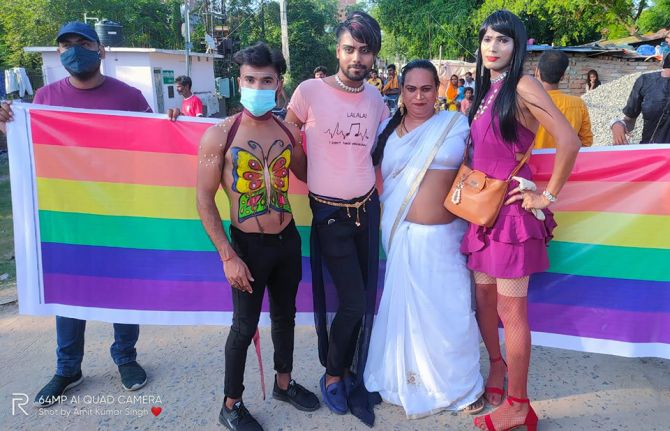
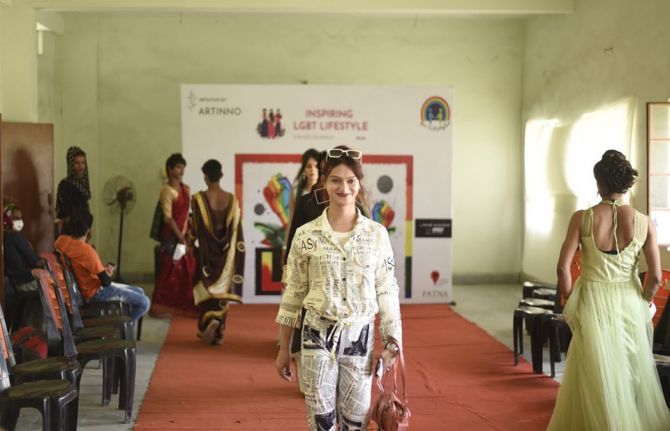
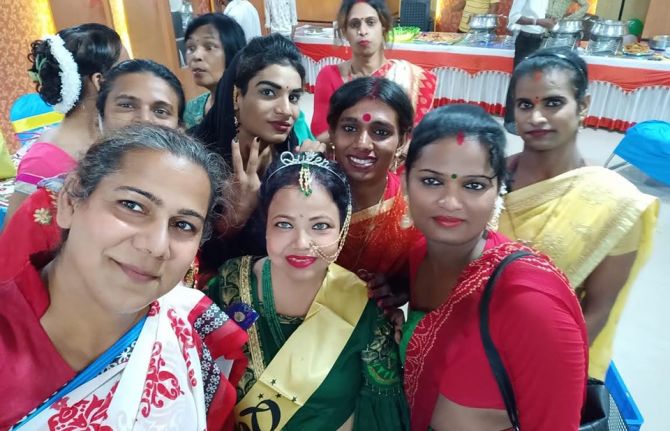
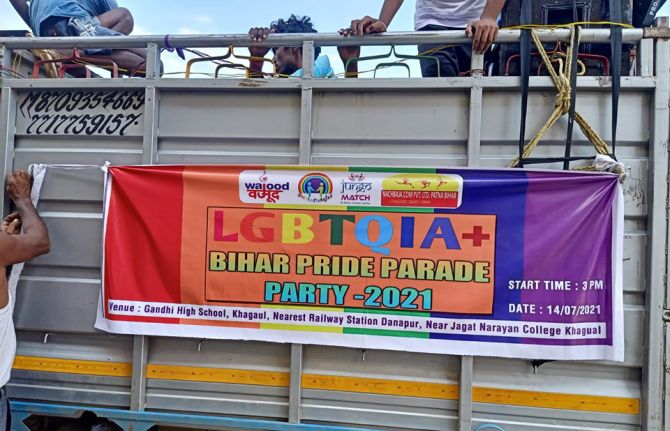
23 February 2022 23 February 2022Nachbaja.com is one of the first transgender-led start-ups in India. One of seven grantees of the UNAIDS Solidarity Fund from India, it is an artist aggregator platform that aims to empower talented artists from the transgender and wider lesbian, gay, bisexual, transgender and intersex (LGBTI) community across the country. Since Nachbaja.com’s start-up in 2017, the aim has been to leverage India’s growing event organization market to set up direct linkages between artists and customers, alleviating the need for brokers, who may take a share of the artists’ income.
Operational in an offline capacity primarily so far in Uttar Pradesh and Bihar, the start-up has shown the way for economic empowerment to many among the transgender community. Leveraging the grant received through the UNAIDS Solidarity Fund in 2021, Nachbaja.com aims to create a first-of-its kind online app that will allow artists and customers to register directly and enable them to receive fair and complete remuneration for their services. The journey of Nachbaja.com has symbolized the amalgamation of innovation with determination and has already brought change even before its implementation.
One of the key figures behind the social enterprise is Reshma Prasad, the founder of Nachbaja.com, an activist and advocate for the rights of the transgender community in India. For this interview, Ms Prasad joined us virtually from Nachbaja.com’s new office, which her team has now set up using the grant received from the Solidarity Fund. When asked how she felt about this office, Ms Prasad said with a smile, “Earlier, we didn’t even have a place. Now, we can call our community members, customers and other partners to this office. This is developing faith among these stakeholders. If we can develop the app successfully, I think it will be revolutionary for the community.”
Ms Prasad has been actively engaging the community, leading economic empowerment projects such as the production of sanitary pads, which were distributed among slum-dwellers in Bihar, and spreading awareness about the rights of the transgender community in India. She said that the idea of leading a start-up started brewing in her mind when she saw the first few community engagement activities spark interest and motivation among community members to do more.
In India, it is common for members of the transgender community to perform in events. In fact, Ms Prasad notes that they have been a historical part of the culture of India. However, due to the relatively unorganized nature of the work, she said that brokers or agents normally take a significant share of the artists’ income. In 2017, she decided to set up Nachbaja.com to connect artists to customers directly (and digitally), allowing them to take ownership of their skills and services without the need for a broker.
From 2017 to being able to register the start-up in 2020, the journey was long and arduous for Ms Prasad. In 2017, she applied to the Government of Bihar’s Start-Up Ideas scheme and her application was accepted. While she received support from the government, she was unable to register the company due to the need for a Permanent Account Number (PAN) Card, which at the time only included two gender options, male and female. At that time, Ms Prasad realized that the issue was bigger than herself—she was fighting a battle for the community. A legal petition was filed by her, which was successful in making provisions for transgender people to acquire a PAN Card in India. Ms Prasad became the first transgender woman to have a PAN Card in her name. Overcoming this challenge was not just a victory for Ms Prasad and Nachbaja.com, it had a ripple effect across the transgender community in India. About the opportunities this reform presents, she said, “So far, over 1 to 1.5 lakh [100 000 to 150 000] members of the transgender community have received a PAN Card. They can now successfully open bank accounts, purchase property and take out loans.”
The next challenge for her were the hardships imposed by the COVID-19 pandemic. With events coming to a standstill during the lockdown and limited-capacity events being run after the lockdowns, there was initial apprehension. But just like any other challenge, the community was able to tackle it with the use of some innovation. Nachbaja.com recorded videos of artists’ performances and screened them through a projector virtually during events.
“The COVID-19 pandemic wasn’t an easy time for us. Events came to a halt and, with that, our source of income. But when Nachbaja.com came up with the idea to screen our performances through a projector virtually, we were relieved. We could use our talents to continue earning a livelihood without putting ourselves at risk of catching the virus,” said Hansika, an artist associated with Nachbaja.com.
Discrimination and prejudice are battles that the transgender community fight every day. Ms Prasad believes that the reason we still do not see many transgender-led enterprises is because of misplaced apprehension about them. Through Nachbaja.com, she hopes to set an example that a social enterprise, when supported economically, can generate sustainable economic and social value. She wants people to realize that, “They [the transgender community] don’t have to be products. They can be producers too.”
Ms Prasad’s vision for the distant future of Nachbaja.com is for it to become a community-driven online platform that also encompasses infotainment. She hopes to connect with communities of LGBTI people, sex workers and people living with HIV and to promote user-generated content on the app. She has also discussed adding information on HIV awareness and prevention on the platform.
Chandni, another artist from the transgender community associated with Nachbaja.com, is optimistic about the potential of an online app, since it would alleviate the need for agents, who charge large commissions. She said, “When the app comes to fruition, we would be able to interact with customers and other artists directly so that they can see us for who we are. Moreover, we would not need to travel long distances to get our payments and negotiate, since everything would be online.”
Ms Prasad is confident about the potential of the app due to the growth of online apps in India. So far, her team has spoken to about 27 app developers in India to find someone who can align with their vision. The next immediate goal for the team is to find someone who understands not only the technological expectations but also the nuances of the community in order to deliver the best product possible.
The app development is the next step in this journey of innovation, creativity and determination that fuels Nachbaja.com.
Related
Feature Story
Stronger Africa–Europe partnerships key to advancing education and health rights of adolescent girls in Africa
18 February 2022
18 February 2022 18 February 2022Adolescent girls and young women in sub-Saharan Africa continue to be disproportionately affected by the AIDS epidemic. Approximately 4200 adolescent girls and young women in sub-Saharan Africa acquire HIV every week. In 2020, five in six adolescents aged between 15 and 19 years newly acquiring HIV in the region were girls. An estimated 23 300 adolescent girls and young women died from AIDS-related illnesses in 2020 in sub-Saharan Africa, making it the second leading cause of death of adolescent girls and young women after maternal mortality in sub-Saharan Africa. The figures represent lives disrupted and lost as AIDS remains a public health threat to survival, well-being, human rights and fundamental freedoms.
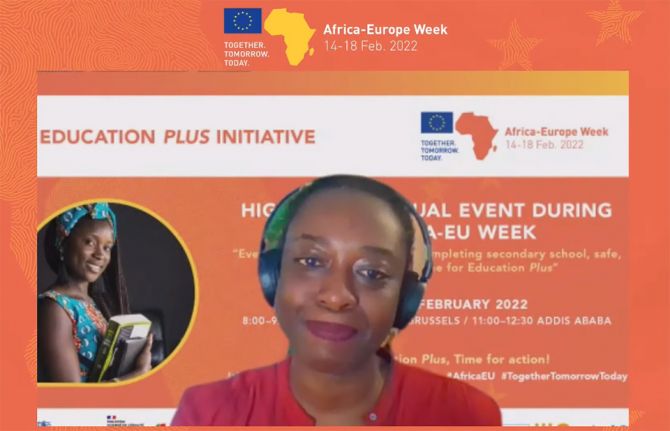
At an African Union–European Union pre-summit event, Adolescent Girls in Africa Completing Secondary School, Safe, Strong, Empowered: Time for Education Plus, speakers called for robust action to respond to the impact of the COVID-19 pandemic on girls’ education in Africa.
The event, held as part of the Education Plus initiative, drew participants from the African Union, the European Union, African champion countries (Benin and Sierra Leone), the cosponsoring Governments of Finland, France, Portugal and Spain, the Global Network of Young People Living with HIV and the United Nations co-lead agencies.
The Education Plus initiative, launched in 2021 and co-led by UNAIDS, the United Nations Educational, Scientific and Cultural Organization, the United Nations Population Fund, the United Nations Children’s Fund and UN Women, responds to the aggravated risk of HIV infection, high incidences of teenage pregnancy, sexual and gender-based violence and early marriage as well as school-to-work transitions, by calling for the completion of quality secondary education by adolescent girls and young women in Africa. Through the initiative, countries will work to guarantee free and universal access to quality secondary education while providing a Plus package to protect health rights and deliver on gender equality and the empowerment of girls and young women in Africa.
As a high-level political advocacy drive, the Education Plus initiative rallies for accelerated action and investments to prevent HIV, centred on the empowerment of adolescent girls and young women and the achievement of gender equality in sub-Saharan Africa, with secondary education as the strategic entry point.
The pre-summit event reflected on old and emerging challenges to the education and health rights of adolescent girls and young women and the opportunity for countries on both continents to collaborate and make transformative changes.
Quotes
“The newly identified highly transmissible HIV variant is an urgent reminder that we cannot drop the ball on AIDS. The data are alarming, particularly for adolescent girls and young women in Africa and other marginalized groups and communities. Every week, 4200 adolescent girls and young women in sub-Saharan Africa are newly infected with HIV.”
“The biggest problem we have now is more on the transition from primary to post-primary. That’s why the work on secondary education is extremely important. Looking at the learning environment and how we make it conducive for girls, how we mobilize communities and society around social norms that are hampering access and continuation of education and how we find ways for girls to catch up from the impact of COVID-19.”
“Education is at the heart of collective Africa–Europe. The European Union will pay particular attention to the inclusion of girls and women and to reducing gender disparities in enrolment, progression and retention in education and lifelong learning.”
“We need to work together so that we do not lose the gains over the last decades. In moving forward, girls and young women must all acquire—at the minimum—secondary education. The universal secondary education package should entail providing the necessary skills and competencies to address the issues they face, such as sexual harassment, rape, early pregnancy, early marriage, discrimination at work, limited livelihood opportunities.”
“In Benin, we commit to investing in full and equal access to education for both girls and boys. This is enormous, but it is a smart investment. Maintaining girls in school contributes to preventing new HIV infections, early marriage and unwanted pregnancies. The Education Plus initiative has the potential of transforming the lives of adolescents and young women, strengthening society and the nation.”
“Stigma and discrimination in education and health settings for young people in all their diversity is not new. The situation has been protracted because we are not angry enough; if we were, the issues would have been addressed with more urgency. Retain focus on ensuring that adolescent girls and young women in all their diversity are ethically and meaningfully engaged in development.”
“The rights of women and girls and quality inclusive education are top priorities in our development policy. This also means a focus on sexual and reproductive rights, comprehensive sexuality education and freedom from gender-based violence and harassment. These are top on our agenda for cooperation in our new Africa strategy towards stronger political and economic partnership with African countries and the African Union.”
“We are currently finalizing the Education Plus national operational plan, aligned to the National Development Plan and the Education Sector Plan. Because of our experience from Ebola, we saw that a lot of girls were getting pregnant, and we were able to strengthen messages on sexual and gender-based violence on radio and also passed the radical inclusion policy, which allows pregnant girls back to school so that they don’t drop out.”
“Access to health care is a fundamental human right, inalienable and non-negotiable. We need to change the paradigm if we want to change the status quo. We all know that to do so, education is an absolutely fundamental axis.”
“We need young women-led programmes that put girls and young women as key players to the change they want to see. When young women are part of the solution, it empowers them and gives them a purpose of advancing change and transforms not only their lives but also the lives of their peers.”
“Spain is part of the global partnership for education and finances programmes. In this we see that for every additional year that a girl stays in the education system, her income will increase between 10% and 20% for the remainder of her life.”
“Promoting young people’s access to health services and universal access to sexual and reproductive health and rights is a fundamental constituent of health care in Portugal. We focus on overcoming a set of barriers that make access to such services easier and less awkward for young people, including boys and girls.”
Watch
Related
 Government ensures continuity of treatment in Malawi
10 February 2025

Feature Story
UNAIDS saddened by the death of Joe Muriuki
18 February 2022
18 February 2022 18 February 2022By David Chipanta, UNAIDS Senior Adviser, Social Protection
Joe Muriuki was a son of the African soil, born and raised in Kenya, a local, national and global advocate for the right of people living with HIV to access life-saving HIV treatment free from stigma and discrimination. In 1987, he became the first Kenyan and among the first of all people living with HIV in Africa to share publicly that he was living with HIV.
Mr Muriuki died from oesophagus cancer-related complications on 14 February 2022, having lived a healthy life with HIV for more than 36 years, thanks to his access to life-saving HIV treatment and through living his life with a sense of purpose.
Mr Muriuki fought against AIDS-related stigma and discrimination in his native Kenya at a time when an HIV diagnosis was thought to mean imminent death. He offered a testimony that a healthy life with HIV was possible. He formed the first support group of people living with HIV in Kenya, the Know AIDS Society, to encourage people living with HIV to overcome fear, stigma and discrimination and to advocate for changing policies and laws to remove AIDS-related stigma and discrimination.
After his HIV diagnosis, stigma and discrimination forced Mr Muriuki to leave his job, and he returned to his home city, Nyeri, to await his death. In Nyeri, the stigma and discrimination he experienced stopped him from opening a bank account. However, he overcame the obstacles in his path and decided to dedicate his life to a crusade against HIV. His courage and conviction to openly disclose his HIV status, and to fight AIDS-related stigma and discrimination, were heroic.
His campaigning also formed the foundation of Kenya’s national AIDS response, prompting the government to declare AIDS a national disaster before establishing the National AIDS Control Council in 1999. Mr Muriuki was also active globally, advocating for access to life-saving HIV treatment for people living with HIV in Africa and their greater involvement in the AIDS response. He served in the Network of African People Living with HIV, the Global Network of People Living with HIV, the International Treatment Preparedness Coalition and the Pan African Treatment Movement, among other organizations, advocating with candour for equitable access to HIV treatment for people living with HIV in Africa.
Although Mr Muriuki’s HIV was virally suppressed, from 2018 he struggled with cancer, eventually dying from its complications. He was worried that the AIDS response was ignoring noncommunicable diseases and in his work with Kenya’s HIV Tribunal he pushed for noncommunicable diseases to be brought to the forefront of the AIDS response.
Mr Muriuki will be sorely missed by his family, friends and colleagues in Kenya and around the world.
Watch
Region/country
Related

Feature Story
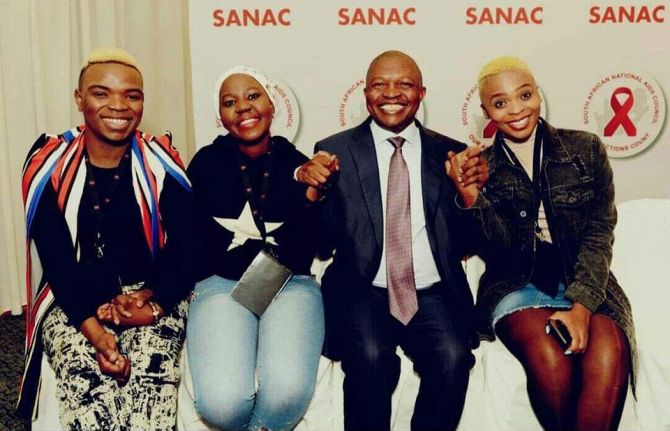
UNAIDS saddened by the death of Leonora Mathe
17 February 2022
17 February 2022 17 February 2022By Tabita Ntuli, UNAIDS Community Support Adviser, South Africa
If one word could define Leonora Nontokozo Mathe, AIDS activist and champion of key population rights, it is ubuntu—an African word with deep meaning that describes the character of people who recognize their shared humanity and humility. Born with HIV, Ms Mathe died this week after a long struggle with pneumonia.
Born and raised in Bulawayo, Zimbabwe, Ms Mathe was a phoenix who rose from the ashes after losing both of her parents at the tender age of 12 years. Ms Mathe was no ordinary person; she was an unforgettable icon who challenged HIV for the 31 years of her life. A quiet revolutionary, like still waters running deep, she was shy in her mannerisms, yet her advocacy spoke volumes. She knew how to listen attentively and was even better at speaking and expressing her mind in a way that advocated for the rights of people living with HIV.
Ms Mathe was a mother, sister and friend, a devoted advocate and champion of key population rights who was so softly spoken, loving and supportive. To know her personally meant you were exposed to her cheer and comical nature, for she was always cracking jokes and no one could hold back from laughing at some of the things she would say. She had the ability to make everything seem manageable, no matter how big or seemingly scary it was, and she spoke so candidly about her journey with HIV.
Ms Mathe travelled the world with her advocacy, visiting Namibia, Uganda, Rwanda, Morocco, Spain, the United Arab Emirates, Qatar, the Netherlands and Belgium, to name just a few of the countries she travelled to. A visionary and a leader who was starting her own organization, Hashtag InSolidarity, with the purpose of being more instrumental to key populations, she had partnered with a 14-year-old to help raise 100 000 crayons for needy kindergartens through a project called the Crayon Craze.
She wanted so much to empower women and girls through her organization and was in the implementation stages when her health became more challenging.
For the past three years, Ms Mathe was in and out of hospital, battling with pneumonia, yet she spoke which such lightness and understanding. She would say things like, “You know this body of mine has been through so many challenges due to being born with HIV, nothing shocks me any more about it, I just have to keep on fighting for my kids and my dreams to manifest before I die.”
Her dreams are as valid today as they were when she was alive. She experienced so many challenges with establishing her organization and trying to source funding and wanted to work with women living with HIV who are passionate about helping other women.
“Leonora Nontokozo Mathe was a tireless and passionate activist and leader who dedicated her life to championing the rights of people living with HIV and key populations and the empowerment of women and girls,” said Eva Kiwango, UNAIDS Country Director for South Africa. “We share in the sadness and offer condolences to her family and all who knew and loved her. She will be sadly missed.”
Ms Mathe was exceptional, phenomenal, wonderful, gifted and talented. A fiery soul whose light burned so brightly, particularly on key population matters, on which she unapologetically spoke about issues that needed urgent attention and addressing.
A light that burned so beautifully shall never be forgotten—her legacy lives on.
Region/country
Feature Story
Networks led by young people in Asia and the Pacific find ways to adapt to COVID-19 and deal with uncertain futures
09 February 2022
09 February 2022 09 February 2022Health systems and communities have been pushed to the breaking point by the COVID-19 pandemic, a pandemic that the world was woefully unprepared for. Two years on, networks of key populations and people living with HIV are still at the forefront of the COVID-19 response, working to ensure that communities have access to timely and undisrupted HIV services. Among them is Youth LEAD, the network of young key populations in Asia and the Pacific, which in 2020 established the YKP COVID-19 Emergency Relief Fund to support initiatives led by young people in Asia and the Pacific.
One of the beneficiaries is Ya_All, an organization for young lesbian, gay, bisexual, transgender and intersex (LGBTI) people based in Manipur, India. “The second COVID-19 wave hit north-east India really hard, as it did across the country. We saw health-care systems collapse in front of our eyes. This greatly affected our work as we saw more and more young key populations experience delays in accessing HIV prevention services and saw an increase in mental health issues,” said Sadam Hanjabam, the founder and Chief Functionary of Ya_All. Thanks to the YKP COVID-19 Emergency Relief Fund, Ya_All supported 300 young LGBTI people and members of other key populations to access telecounselling services in five districts to help them with depression and other mental health issues.
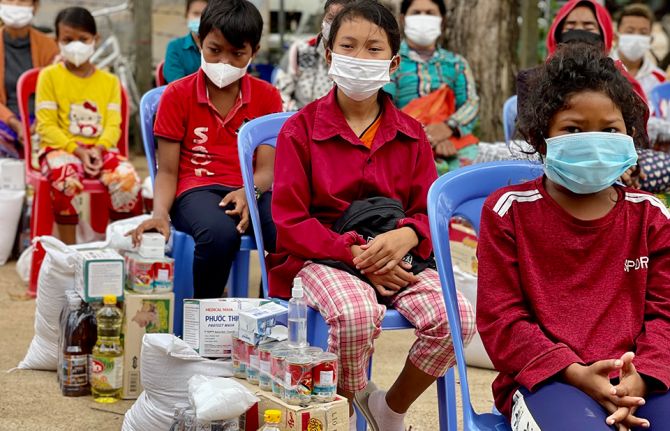
Since the outset of the COVID-19 pandemic, the YKP COVID-19 Emergency Relief Fund has helped organizations led by and serving young people implement programmes that ensured young key populations and people living with HIV were not left behind in the HIV and COVID-19 responses. This included providing essential food and supplies of personal protective equipment, information on HIV and COVID-19 prevention and continued access to HIV prevention and treatment services, including mental health services. It also included establishing harm reduction programmes, distributing seed funding for businesses led by transgender people, providing housing and supporting digital and peer-led initiatives.
Funded through the Robert Carr Fund, the AIDS Health Care Foundation and the UNAIDS Regional Support Team for Asia and the Pacific, the YKP COVID-19 Emergency Relief Fund has supported more than 20 projects from 15 organizations led by young people across the region, and has made a considerable difference to the lives of young key populations.
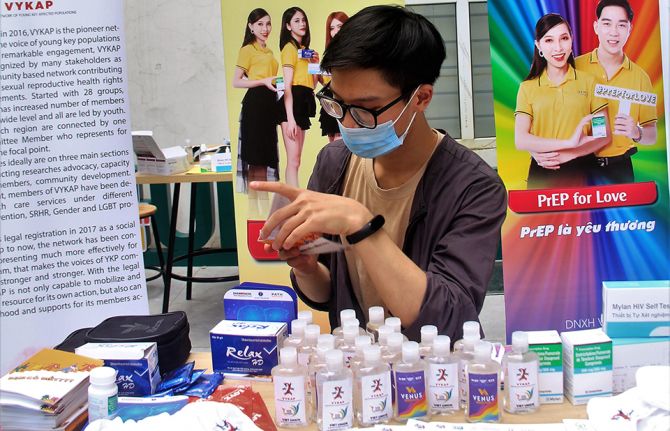
The Viet Nam Young Key Populations Network is one of the beneficiaries of the fund in Viet Nam. Even though the country was in complete lockdown for a substantial period, with a seed grant the network managed to produce HIV and sexual and reproductive health and rights digital educational content for young people at risk of HIV, distributing harm reduction materials to 15 provinces across the country.
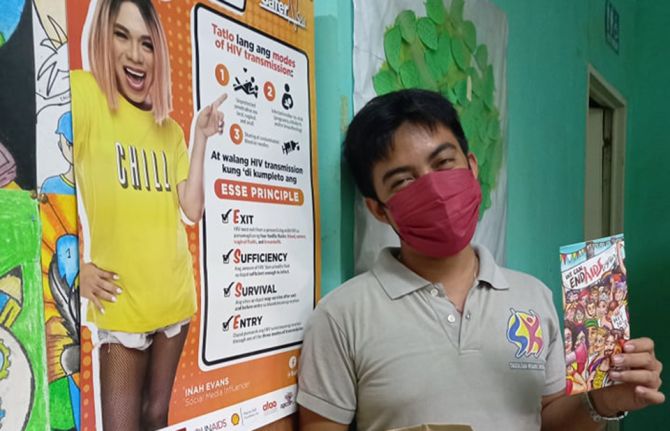
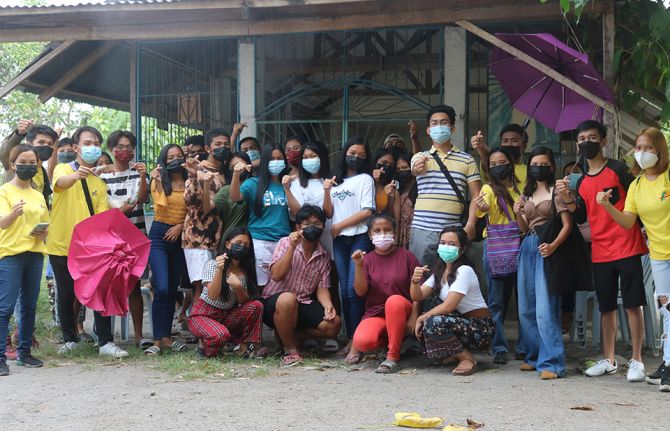
Similarly, YPEER Pilipinas, another beneficiary of the fund, trained 1000 young people on HIV combination prevention strategies and screened more than 900 young people for HIV. With a small grant, they were able to scale up the #GetCondomPH Programme, which resulted in successfully distributing more than 11 000 condoms across the Philippines.
In Cambodia, KHANA has given mental health support training to more than 70 LGBTI leaders. The training accelerated ongoing mental health peer support to key affected populations who were experiencing mental health issues. “Online counselling sessions on how to cope with mental health issues were incredibly helpful. The YKP COVID-19 Emergency Relief Fund was an effective mechanism that allowed us to provide timely support to young people in need of HIV prevention and other health services,” said Phorng Chanthorn, Senior Coordinator at KHANA.
These few examples out of the many show that young people, communities and civil society play a crucial role in pandemic responses, helping HIV programmes rebound and adapt to COVID-19 rapidly. Still, these efforts have not been easy. “Youth networks are trying to find ways to recover, adapt and effectively lead in this new funding landscape that has resulted in greater competition for donor funding. Many programmes, including this one, showcase the impact and necessity of supporting youth-led HIV programmes and initiatives. However, it’s not enough,” said Vanessa Monley, Programme Officer at Youth LEAD.
In 2020, young people accounted for 26% of new HIV infections in Asia and the Pacific. In some countries, close to half of new HIV infections were among young people, and one in three members of young key populations do not know their HIV status.
“It is critical to find innovative ways to continue to scale up access to HIV services for young key populations in the context of COVID-19, ensuring that we do not give up achieved gains, and to respond to the additional issues that have come with the pandemic, such as mental health and social support issues. UNAIDS is fully committed to supporting responses led by young people and ensuring their sustainability as we work collectively to end AIDS by 2030,” said Taoufik Bakkali, Director, a.i., of the UNAIDS Regional Support Team for Asia and the Pacific.
Our work
Region/country
- Asia and Pacific
- Australia
- Bangladesh
- Bhutan
- Brunei Darussalam
- Cambodia
- China
- Democratic People's Republic of Korea
- Federated States of Micronesia
- Fiji
- India
- Indonesia
- Islamic Republic of Iran
- Japan
- Kiribati
- Lao People's Democratic Republic
- Malaysia
- Maldives
- Marshall Islands
- Mongolia
- Myanmar
- Nauru
- Nepal
- New Zealand
- Pakistan
- Palau
- Papua New Guinea
- Philippines
- Republic of Korea
- Singapore
- Solomon Islands
- Sri Lanka
- Thailand
- Timor-Leste
- Tonga
- Tuvalu
- Vanuatu
- Viet Nam
- Samoa

Feature Story
Fostering creativity to recover better from COVID-19
08 February 2022
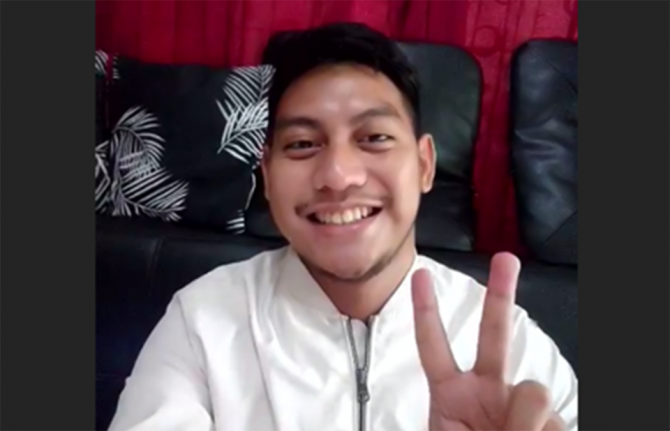
08 February 2022 08 February 2022“Throughout the COVID-19 pandemic, I started seeing people around me getting laid off and many struggled to find new jobs. Many people, myself included, started to consider starting our own businesses to sustain our livelihoods in this challenging time,” said Abraham, who is a member of a young key population community in Jakarta, Indonesia.
People in vulnerable groups have been facing huge hardships during the COVID-19 pandemic. According to a survey conducted by the Crisis Response Mechanism Consortium in 2021, 79% of lesbian, gay, bisexual, transgender and intersex respondents were not working owing to the COVID-19 pandemic.
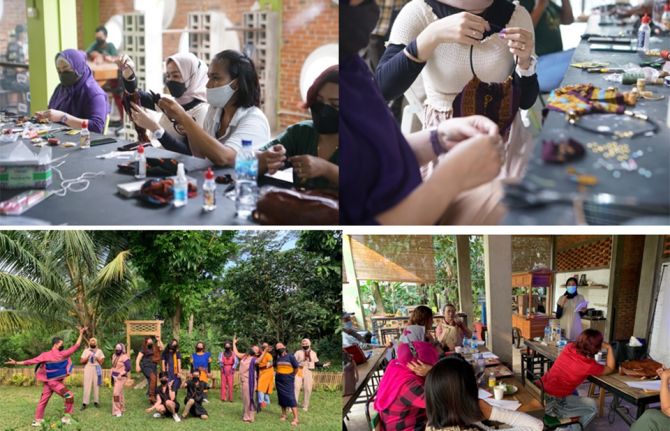
As an effort to support the livelihoods of people living with HIV and key populations, the International Labour Organization (ILO) and the UNAIDS Country Office for Indonesia partnered to conduct a training programme for more than 40 participants on fashion design and production and entrepreneurship from July to November 2021.
“As soon as I heard about this training, I was immediately intrigued because I am interested in fashion and I’m always open to try new things,” said Abraham, who was one of the participants of the training, which was facilitated by the Yayasan Rame Rame Jakarta and Kami Latu Initiative nongovernmental organizations. Classes, both online and face to face, were given on colour theory, pattern development, product development, strategic marketing, financial management, product story-making and product-making.
“I was very excited to be a part of the training and I had a lot of fun! The lessons were very useful for someone like me who is interested in starting my own small business, especially through e-commerce platforms. I gained business skills that are vital to entrepreneurship, such as marketing, calculating profits and understanding our products,” reflected Abraham. “And I also enjoyed that there were some practical sessions where we learned how to use the sewing machine to make accessories and to be creative in refurbishing traditional fabrics or plain old materials to create new improved fashion items.”
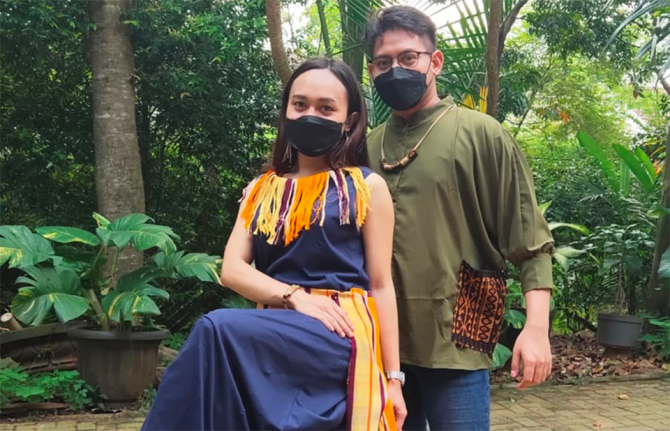
During the training programme, Abraham made earrings, bracelets and clothes alongside other enthusiastic participants. The camaraderie of the participants was strong, especially as they gathered for a fashion show and photo shoots to display their creations. Abraham stressed that these kinds of trainings are beneficial for key population communities and that, “While such training isn’t exclusively needed for key populations, it isn’t always the case where trainings provide a safe space to express oneself freely without fear of judgement.”
In addition to participants from communities of people living with HIV and key populations, workshops were also held for women in two villages in East Nusa Tenggara, namely Nggela and Manggarai Barat. The workshops provided them with skills that complement their traditional cloth (tenun) weaving, such as design skills to develop fashionable products using Indonesia’s traditional fabric and entrepreneurship skills, in an effort to improve their incomes and livelihoods.
Krittayawan Boonto, the UNAIDS Country Director for Indonesia, said, “As we enter the third year of the COVID-19 pandemic, vulnerable communities, such as people living with HIV and key populations, still need continued support and assistance to recover from economic hardships.”
In 2022, UNAIDS and the Yayasan Kusuma Buana nongovernmental organization will work together to ensure the participation of people living with HIV and key populations in the entrepreneurship trainings. Ms Boonto continued, “The entrepreneurship trainings offered through this joint United Nations project provide opportunities for vulnerable populations to apply their talents and find creative solutions to overcome challenges.”
The training programme is part of the activities under the United Nations COVID-19 Response and Recovery Fund for Employment and Livelihood, implemented jointly in Indonesia by ILO, UNAIDS, the United Nations Development Programme and the Office of the United Nations High Commissioner for Refugees.