


Feature Story
UNAIDS Solidarity Fund helps female sex workers in Ghana
04 February 2022
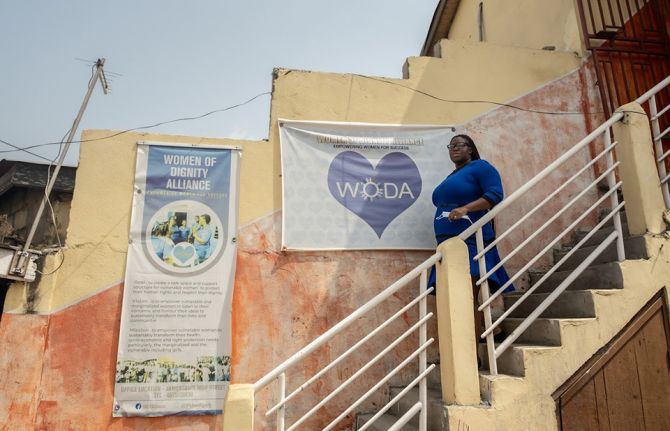
04 February 2022 04 February 2022Growing up in Jamestown, one of the oldest districts of Accra, Ghana, Susana Dartey saw the daily abuse and exploitation faced by female sex workers, which inspired her to set up the Women of Dignity Alliance (WODA) to empower female sex workers and fight the inequalities they face.
“Since sex work is illegal in Ghana, our members have been faced with a lot of abuse and cannot report this due to the fear of being arrested,” says Mrs Dartey, who serves as the Executive Director of WODA. WODA has grown from one member in 2016 to a team of 16 staff members, comprised of current and former female sex workers. “Belonging to the same neighbourhood, I found my voice through theatre and realized that I could use the same methodology or technique to give a voice to these women,” she added.
In Ghana, there are two categories of female sex workers—so-called roamers and seaters. Roamers are mobile and travel to clients, whereas seaters are stationary and work out of their homes or brothels. In 2020, HIV prevalence among female sex workers in Ghana was estimated to be 6.9%.
The COVID-19 pandemic has been challenging for sex workers in Ghana, with lockdown restrictions hampered their ability to work. Sex workers in the country have also reported feeling left out of the official support being given to society as a whole during the pandemic.
In the face of these obstacles, Mrs Dartey is determined to empower female sex workers to become role models for women in their community through the Women Empowered Through Social Entrepreneurship project, which is supported by the UNAIDS Solidarity Fund.
To address the socioeconomic problems brought about by the COVID-19 pandemic, WODA is nurturing promising social enterprises that are established, led, sustained and scaled up by the sex workers themselves, with the aim of empowering up to 400 sex workers, either directly or indirectly.
The three areas addressed by the programme are training on sustainable income generation, facilitation of COVID-19 prevention among sex workers and creating an opportunity for sex workers to be agents of change within their communities.
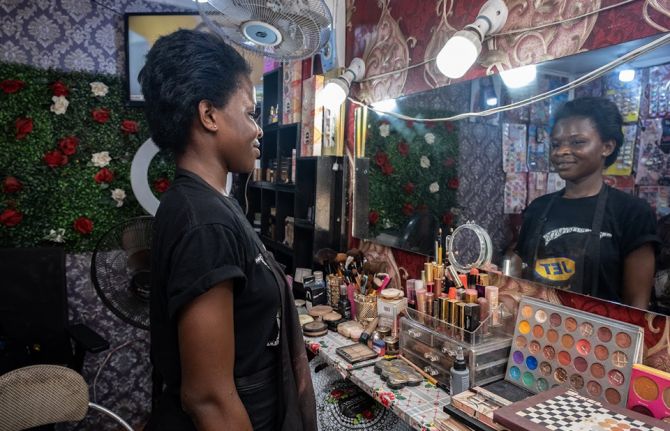
Mrs Dartey explained how the sex workers are undergoing training in skills as diverse as beauty treatment, soap-making, confectionery production, breadmaking and floral decoration. The beneficiaries of the project are educated in the operating practices of social enterprises and are given opportunities to learn entrepreneurial skills from experts.
“As a roamer for eight years, I have never experienced the kind of hardship COVID-19 has brought to my work. Before COVID-19 set in, I could make up to 230 Ghana cedis daily, but these days it’s very difficult to even make 50 Ghana cedis. When Susana informed me about the UNAIDS Solidarity Fund supported initiative, I was so glad. I love to make ladies look good, so I am eagerly looking forward to acquiring skills in pedicure, manicure and make-up artistry to earn a livelihood,” said one of the beneficiaries.
A part of enabling key populations and vulnerable communities to survive the hardships brought about by the COVID-19 pandemic is to support sustainable income-generating solutions that emerge from those communities. The UNAIDS Solidarity Fund was established to highlight the ingenuity of key populations by enabling access to finance for establishing sustainable social enterprises.
“My hope is to bring these women together to set up a goal for themselves. This project is looking at their future and at the end of the project the sex workers will have set up social enterprises that belong to them,” said Mrs Dartey when asked about her hopes for the project.
A beneficiary of the project who aspires to establish a make-up studio said, “I met Susana in the early part of 2021 and that was the beginning of a new me. Through WODA, I can now boast of some skills in make-up artistry and wig cap-making.” She also calls for sex work to be legalized. “I want sex work to be made legal so that the police will stop arresting and abusing us,” she added.
Region/country
Related
 Impact of US funding cuts on HIV programmes in Ghana
08 April 2025
Feature Story
Consultation calls for the global AIDS response to build on emergency adaptations to COVID-19, tackle structural barriers and ensure that country programmes fully recover from COVID-19 disruptions and end AIDS
03 February 2022
03 February 2022 03 February 2022As the Omicron variant surges through communities and health systems already stretched to the breaking point by two years of COVID-19, HIV programme managers and community representatives gathered virtually to review efforts to keep the AIDS response on track and propose ways to better overcome the challenges caused by two clashing pandemics.
“The COVID-19 pandemic has disrupted health services worldwide, at different times and in different ways, and it continues to do so,” UNAIDS Deputy Executive Director, Programme, a.i., Eamonn Murphy said at the opening of the consultation. “But at the same time we’re hearing great successes. Stories and data of impressive resilience and programmatic rebound are increasingly being documented and researched.”
The participants identified the most effective innovations that have allowed HIV services to continue to reach those who need them the most and proposed follow-up research and actions that can help guard against future waves of COVID-19 infections.
“We have learned so much over the past two years of the COVID-19 pandemic. Anticipating the worst, countries and communities rallied effectively to adapt and maintain most HIV services. These global efforts have meant that although there have been gaps and disruptions to services, and some catch-up will be needed, most people living with HIV continued successfully on treatment,” said Meg Doherty, the World Health Organization (WHO) Director of Global HIV, Hepatitis and STI Programmes.
Networks of people living with HIV and key populations at higher risk of HIV infection warned that the often life-saving adaptations made to HIV services have not addressed the stigma, discrimination and structural barriers they face in their day-to-day lives. In addition, COVID-19 has left many even more vulnerable to depression, violence and other harms.
“People are working hard to ensure that treatment is still available and accessible, but people have also lost livelihoods during COVID-19, and they have taken on additional community and family responsibilities,” said Florence Anam, a Programme Manager at the Global Network of People Living with HIV (GNP+). “Strengthening of community systems of health, and the integration of mental health and psychosocial support is more important now than ever. We need to focus on reducing inequities and ensuring that people are economically empowered enough to meet their basic needs as much as possible.”
Country data collected by UNAIDS, WHO, the Global Fund to Fight AIDS, Tuberculosis and Malaria (Global Fund) and the United States President’s Emergency Plan for AIDS Relief (PEPFAR) show that HIV service disruptions were most severe during the first lockdowns that many countries put in place in early to mid-2020. A combination of movement restrictions and health systems overwhelmed by COVID-19 cases cut off many people living with HIV from the daily medicines they need to stay healthy. HIV testing, the enrolment of people newly diagnosed onto treatment and the provision of HIV prevention tools such as condoms and pre-exposure prophylaxis nearly ground to a halt. Voluntary medical male circumcision, health services for transgender people and other elective medical procedures were suspended altogether in many countries.
Prolonged service interruptions could have led to a wave of AIDS-related illnesses and deaths, undermining decades of efforts to contain the HIV virus. Programmes across the world scrambled to find new ways to reach people living with HIV and the key populations who are at highest risk of HIV infection.
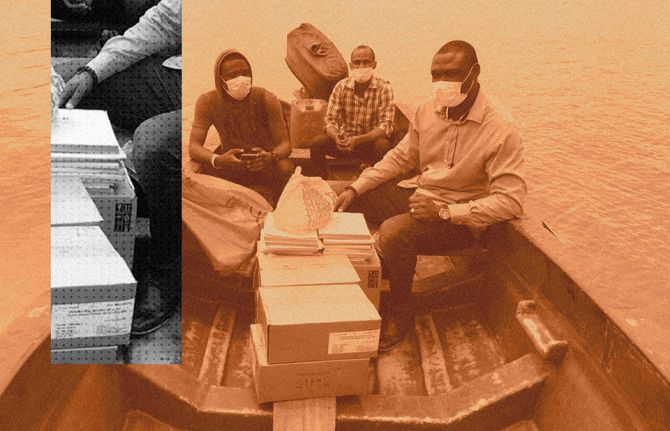
These measures included working with affected communities to deliver antiretroviral medicines door to door and to increase the quantity of medicines provided during each visit in order to reduce the frequency of medical appointments. This multimonth dispensing of antiretroviral medicines has been recommended by WHO since 2016, as it is easier for the patient and reduces the workload of the health system.
Most HIV treatment programmes quickly rebounded after adaptations were put in place.
“The data show that most national HIV treatment programmes in low- and middle-income countries responded with extraordinary resilience to protect 20 years of hard-earned gains through rapid adoption of COVID-19 adaptations,” said Siobhan Crowley, Head of HIV at the Global Fund. “The strong HIV services platform and highly engaged HIV civil society are well poised to serve as an important foundation for integrated services to tackle COVID-19 and other public health threats, but increased investment from all stakeholders is needed to sustain and build on these impressive achievements.”
Irum Zaidi, the Deputy Coordinator at the Office of the United States Global AIDS Coordinator, stressed that the strengthening of health information systems and the adoption of people-centred approaches in the years before COVID-19 was critical to the rapid reaction to the challenges created by the new pandemic.
“Over the past four years, PEPFAR and partner country governments collaborated to implement WHO policies and adaptations for providing people-centred clinical HIV services,” Ms Zaidi said. “These adaptations were rapidly scaled during COVID-19, establishing a flexible service delivery environment to keep individuals on lifelong antiretroviral therapy during COVID-19 surges. Granular real-time data along with PEPFAR’s commitment provided a path forward to support governments and beneficiaries during this unprecedented time.”
Efforts to expand access to a relatively new and promising HIV prevention option—antiretroviral medicines pre-emptively taken by people at higher risk of infection, known as pre-exposure prophylaxis, or PrEP—were also rapidly adjusted to overcome COVID-19 challenges. Those adaptations have included the shifting of clinical consultations to telemedicine and outdoor settings, the use of social media for virtual adherence support and home delivery of PrEP pills. Expansion of self-testing for HIV has helped to maintain the expansion of both PrEP and HIV treatment.
“We need to keep building the resilience that HIV services have shown by prioritizing person-centred differentiated service delivery in response to challenges posed by COVID-19,” said Adeeba Kamarulzaman, the President of the International AIDS Society.
The consultation looked ahead to a future where the COVID-19 response transitions from an acute pandemic phase to a more sustained control programme, similar to the responses to HIV, tuberculosis and other infectious diseases.
The participants agreed that, even within a best-case scenario, it will be important to build on emergency adaptations by establishing a more enabling environment for the populations who currently struggle to access services, and to ensure that HIV programmes can fully recover from COVID-19 shocks and reach the global goal of ending the AIDS pandemic by 2030.
“Perhaps one of the silver linings of the COVID-19 pandemic is how it sparked innovation and inspired their rapid adoption by countries and communities. These will have not only a positive and durable effect on the HIV response but offer models for others to adapt in tackling other health challenges,” said Wafaa El-Sadr, the founder and Director of ICAP.
The consultation, held on 1 and 2 February, was co-organized by UNAIDS, WHO, the Global Fund, PEPFAR, the International AIDS Society and ICAP at Columbia University.

Feature Story
The importance of engagement of community organizations to ensure the sustainability of HIV services in eastern Europe and central Asia
02 February 2022
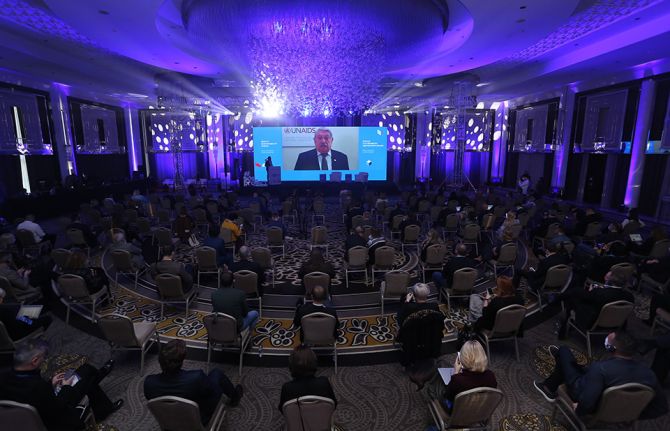
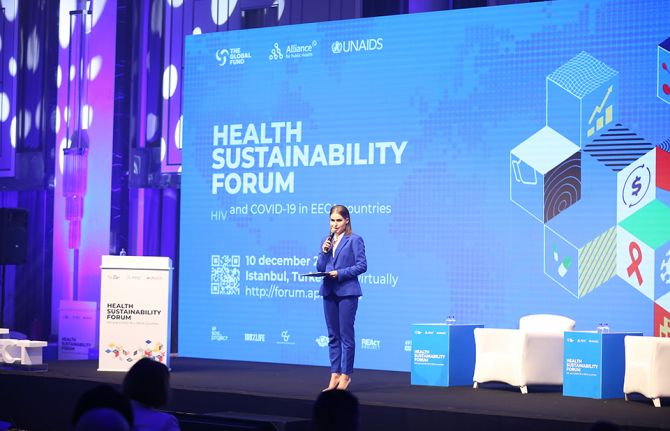
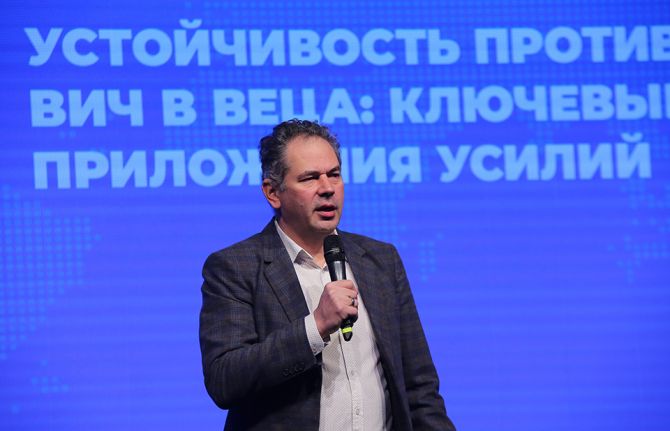
02 February 2022 02 February 2022Participants from 21 countries in central and eastern Europe and central Asia and the Balkans met in December 2021 in Istanbul, Turkey, for the International Health Sustainability Forum: HIV and COVID-19 in Eastern Europe and Central Asia.
The participants discussed the most efficient means to ensure the sustainability of AIDS programmes and the role of community organizations in providing uninterrupted HIV services during the COVID-19 pandemic in the region.
The results of a three-year project implemented by the Alliance for Public Health in a consortium with 100% Life (formerly the All-Ukrainian Network of People Living with HIV), the Central Asian Association of People Living with HIV and the Eurasian Key Populations Coalition, with the participation of a wide range of partners, were also presented and reviewed. The project was funded by the Global Fund to Fight AIDS, Tuberculosis and Malaria (Global Fund) and was supported by UNAIDS.
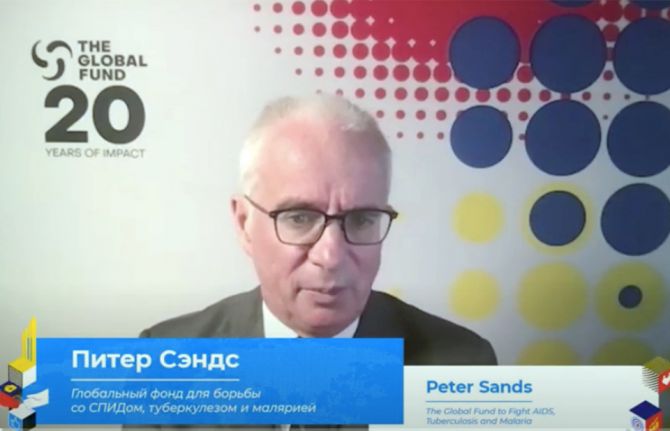
Addressing the forum, Peter Sands, the Executive Director of the Global Fund, highlighted the key elements of successful AIDS programmes in the region, among them “systems, not project-based interventions,” the meaningful engagement of communities and their ownership of the HIV response and removing human rights barriers.
“Increasing public funding of HIV services through social contracting mechanisms, which was a rare case a few years ago, has now become an important component of a systemic response to the HIV epidemic in many countries of the region,” said Andriy Klepikov, the Executive Director of the Alliance for Public Health. He noted that over the past three years public funding of HIV services through social contracting mechanisms in the region amounted to more than US$ 30 million. “This is one of the most important achievements of the joint efforts of community organizations and governments in the region.”
However, as the participants noted, to sustain this success an appropriate legal framework, the support of governments and the strengthening of initiatives made by communities are needed.
Several cities across the region have produced impressive results due to the leadership of local governments that have not only taken responsibility for developing and funding municipal AIDS programmes, including services for key populations, but also through the involvement of community organizations in their implementation.
Thus, systematic work by the city government in close cooperation with community organizations saw Odesa, Ukraine, achieve the 90–90–90 targets. “Odesa has managed to change the strategy for HIV testing and treatment. Our experience has already received recognition from the international community. And we are ready to share our best practices and successes,” said Gennadiy Trukhanov, the Mayor of the city.
The experience of the Republic of Moldova was presented by Fadei Nagachevsk, the Vice-Mayor of Chisinau, and Ruslan Poverga, from Initiative Positiva, who demonstrated the importance of close interactions between city governments and community organizations to ensure the accessibility of services for key populations. Mr Poverga also noted that the integration of peer consultants and social workers in public institutions helps to ensure the sustainability of services.
The best practices of municipal responses to the HIV and COVID-19 epidemics of Kyiv, Ukraine, Osh, Kyrgyzstan, Podgorica, Montenegro, Kragujevac, Serbia, Bern, Switzerland, Prague, Czechia, and Istanbul, Turkey, were also presented.
According to Sergiy Dmitriev, an international expert on public health, civil society organizations have also played a leading role in reducing the prices of antiretroviral medicines by monitoring the procurement cycle and budget and attracting generic suppliers. The price of an annual course of first-line antiretroviral therapy has decreased to US$ 131—the average cost of first-line antiretroviral therapy in nine countries in the region was US$ 192 in 2017. Most of the savings on purchases, about US$ 119 million, remained within AIDS programmes.
Another critical area where community organizations have been playing an increasingly important role in the region is community-led monitoring of human rights violations. The results of work on the REAct system (a human rights violation monitoring system) were presented: during 2020 and 2021, more than 6000 cases of human rights violations and cases of stigma and discrimination were registered in seven countries.
Among the most frequent offences in the region are violence by law enforcement officials, denial of access to medical services, disclosure of medical data and stigma in health-care settings, as well as physical violence against women by their partners and relatives. Based on an analysis of all cases, civil society organizations, together with lawyers and governmental partners, developed recommendations for countries that will form the basis for further advocacy.
“Community-led organizations have become leaders in providing people-centred, human rights-based HIV services in the majority of countries in eastern Europe and central Asia,” said Alexander Goliusov, Director, a.i., UNAIDS Regional Support Team for Eastern Europe and Central Asia. “Their meaningful engagement in decision-making processes and financial sustainability provided by government funding are the key for an effective response to HIV and COVID-19 and for future pandemics.”
The forum video is available: in Russian and English
https://www.youtube.com/watch?v=gCVqVUKAJmo
https://www.facebook.com/AlliancePublicHealth/videos/4581620981957116
Region/country
- Eastern Europe and Central Asia
- Albania
- Armenia
- Azerbaijan
- Belarus
- Bosnia and Herzegovina
- Bulgaria
- Croatia
- Cyprus
- Czechia
- Estonia
- Georgia
- Hungary
- Kazakhstan
- Kyrgyzstan
- Latvia
- Lithuania
- Montenegro
- Poland
- Republic of Moldova
- Romania
- Russian Federation
- Serbia
- Slovakia
- Slovenia
- Tajikistan
- North Macedonia
- Türkiye
- Turkmenistan
- Ukraine
- Uzbekistan

Feature Story
New report highlights vital role of community-led organizations in pandemic response and preparedness
28 January 2022
28 January 2022 28 January 2022In a new UNAIDS report, Holding the line: communities as first responders to COVID-19 and emerging health threats, organizations led by and for people living with HIV and key populations detail their efforts to respond to the colliding pandemics of COVID-19 and HIV. Drawing on qualitative survey data spanning 225 community-led organizations across 72 countries, the report provides a snapshot of the organizations’ work during early 2020 to sustain the HIV response while supporting their communities through the COVID-19 pandemic. The report also illuminates the high-priority actions that are still urgently needed to ensure the continuity of HIV-related services, as well as the sustainability of the community-led organizations providing them.
In community members’ own words, the report tells a story of the phenomenal resourcefulness of community-led organizations to mobilize when and where governments could not. Their stories show that organizations led by and for people living with HIV and key populations, including women and young people, have leveraged in-depth HIV knowledge into broader pandemic expertise. In the face of service interruptions, health commodity shortages, curfews and severe funding gaps, the organizations adapted rapidly to continue providing HIV-related services.
Community-led organizations reported becoming more involved in distributing antiretroviral medicines and self-testing kits, negotiating with government officials to ensure that medicines would be accessible and personally delivering them to beneficiaries. Many organizations also reported shifting their services online, as well as relying on telephone and email contact for personal counselling and monitoring of health status, with some even making home visits in urgent circumstances. Material support, including food packages and income supplements, was mobilized and distributed to those in greatest need.
Organizations also undertook COVID-19-related service provision. They began outreach to community members and the broader public to raise awareness about COVID-19 and share information about how people could protect themselves. They detected and responded to rising levels of gender-based violence, providing assistance and support to survivors. They also distributed masks, soap and hand sanitizer, and constructed handwashing facilities. When the cost and availability of masks and soap became an issue, many community-led organizations reported finding innovative ways to produce these items themselves.
However, the majority of these organizations were distressed that their absence—especially from planning and decision-making processes—was resulting in the failure of national COVID-19 responses to address the needs of their communities. They repeatedly expressed deep concern about the economic impact of lockdowns and travel restrictions on their beneficiaries. They also highlighted continuing difficulties in obtaining personal protective equipment and travel approval, public transport or private vehicles for their staff.
Organizations reported shouldering extremely heavy burdens with little external support. Intense funding gaps left staff in these organizations exhausted and working nights and weekends to fundraise, usually unsuccessfully, with some even turning to their own personal salaries and savings to help their communities.
Community-led organizations are at the heart of a people-centered, human rights-based public health response. UNAIDS has repeatedly called for support and funding for community-led infrastructure, emphasizing that communities urgently need the space and the resources to lead.
“Community-led organizations have guided us through two pandemics, first the AIDS pandemic and now COVID-19,” said Winnie Byanyima, Executive Director of UNAIDS. “Their central and critical role in providing services at the heart of communities, reaching the most vulnerable, must be recognized and valued. Collectively, we must do more to support them financially, engage them meaningfully in decision-making processes and ensure they have all the resources they need to continue their work in responding to HIV and COVID-19 and for future pandemics.”
Where public health systems have engaged community-led networks and organizations and empowered those most affected by pandemics, they have been more successful at countering disinformation, ensuring the continuity of health services and protecting the rights and livelihoods of the most vulnerable. This is what it means to put people at the centre of pandemic responses.
In order to ensure the sustainability of a community-led HIV response, the report calls for five measures to be adopted as a matter of urgency:
- Community-led organizations must be fully included and integrated into national pandemic responses, including the continuing COVID-19 responses. This cannot be limited to consultation and should take place at the level of policy development, planning, design and evaluation of interventions.
- Short-term emergency funding must be mobilized and made readily available to community-led organizations.
- A stable, long-term funding base must be established to enable community-led organizations to function effectively.
- The information base on the work of community-led organizations must be expanded and deepened through systematic documentation, identification of good practices and information-sharing.
- Continuity of HIV-related services must be guaranteed, including through expanding funding to community-led organizations and establishing collaborative arrangements between community-led organizations and medical facilities to ensure sustainability of the HIV response through COVID-19 and future pandemics.
Related





Feature Story
Love and condoms: broadcast on the importance of condoms in eastern Europe and central Asia
05 January 2022
05 January 2022 05 January 2022On the eve of World AIDS Day, the Russian language social media network OK.RU hosted a live broadcast, Telling the Truth, as part of an education project that has been run by UNAIDS and the United Nations Educational, Scientific and Cultural Organization since 2015. The show was organized in collaboration with a popular magazine, Domashniy Ochag, and was devoted to the use of condoms and the link to the HIV epidemic in eastern Europe and central Asia.
During the broadcast, which was watched by more than 1 million people, experts and celebrities discussed the most common myths, misconceptions, difficulties and fears connected to condom use.
Before the broadcast, an online survey of 1050 people aged 18 to 60 years was conducted on what Russian Internet users think about protection against sexually transmitted infections and what they consider to be safer sex. The study found that 87% of respondents had had sex without a condom, with older respondents reporting higher rates of sex without a condom.
“HIV has already reached the general population in this region. Almost 70% of all new HIV infections have been linked to heterosexual sex in recent years. At-risk people include single women aged more than 35 years and men and women who no longer worry about contraception and therefore do not use a condom,” said Natalya Ladnaya, Senior Researcher at the Central Research Institute of Epidemiology, Rospotrebnadzor.
Among the reasons for unprotected sex, the respondents most often named “awkwardness of discussing it with a partner”, which was reported by 41% of the respondents. In addition, “trust in a partner” (35%), “discomfort during intercourse” (20%), “fear of spoiling romance” (31%) and “fear of being misunderstood by a partner” (19%) were listed among the reasons for not using a condom.
Appearing on the broadcast was Masha Godlevskaya, who has been living with HIV for 22 years. She works as a peer consultant for the EVA Association, which provides HIV services. She explained that many women who go to the EVA Association for a consultation are embarrassed to carry condoms because of the stereotype that having a condom available means that they are available and ready for sex.
“Both women and men are victims of this story,” said Ms Godlevskaya. “If a man insists on having sex without a condom, the woman should be ready to say: “I don’t want to. I don’t want to offend you, but no sex without a condom.””
“We help women believe in themselves, work with a psychologist, fight back against their abusers, build new relationships where they can discuss everything frankly. I want our women to be able to defend their bodies, their rights, and be able to take their lives into their own hands,” she added.
Vera Brezhneva, UNAIDS Goodwill Ambassador for Eastern Europe and Central Asia, noted that many women vulnerable to HIV were born in the time of the Soviet Union, when there was no promotion of safer sex. “I didn’t know about HIV at all. Most of us at that time were afraid of pregnancy only. We believed in love as if love protects you from everything. We were not told that a condom is not protection against men or women but protection against infections.”
Ms Godlevskaya shared her story of becoming infected with HIV. “I was 16 years old. He was my first love, and, as it seemed to me then, the last one. It was a serious relationship, there was trust and we knew nothing about the need to use a condom.”
Marina Travkova, a family psychologist and sex therapist, noted that adolescents are vulnerable to HIV and other sexually transmitted infections. “They need help. There is nowhere to get reliable information. I am in favour of compulsory sex education in high school and for condoms to be available in school toilets. I always remind my sons before they go out: wallet, phone, brain, condom,” she said.
For a significant part of the population, especially young people, the cost of condoms is too high, noted Ms Ladnaya. “We are discussing these issues with partners, and we hope that there will be government programmes to support the production of condoms. There are nongovernmental organizations that provide condoms for free, but I believe that they should be available at every step,” she said.
Discussing the perception that sex with a condom is worse than sex without one, the reason that people often do not use condoms, the panellists noted that comfort might be related to the quality and size of a condom, as well as insufficient knowledge of how to use a condom and lubricant correctly.
Grisha Tumanov, a journalist and blogger and author of the Man, Where Are You Going? podcast, commented on a viewer’s question: “Is a condom needed if it’s love, which presupposes mutual trust.” He noted that, “We don't have a culture of speaking on sensitive topics, what you expect from relationships, including sexual relationships. And love does not absolve one of responsibility. This does not happen in adulthood. You are responsible for each other.”
Our work
Region/country
- Eastern Europe and Central Asia
- Albania
- Armenia
- Azerbaijan
- Belarus
- Bosnia and Herzegovina
- Bulgaria
- Croatia
- Cyprus
- Czechia
- Estonia
- Georgia
- Hungary
- Kazakhstan
- Kyrgyzstan
- Latvia
- Lithuania
- Montenegro
- Poland
- Republic of Moldova
- Romania
- Russian Federation
- Serbia
- Slovakia
- Slovenia
- Tajikistan
- North Macedonia
- Türkiye
- Turkmenistan
- Ukraine
- Uzbekistan
Feature Story
New indicators added to Key Populations Atlas
06 January 2022
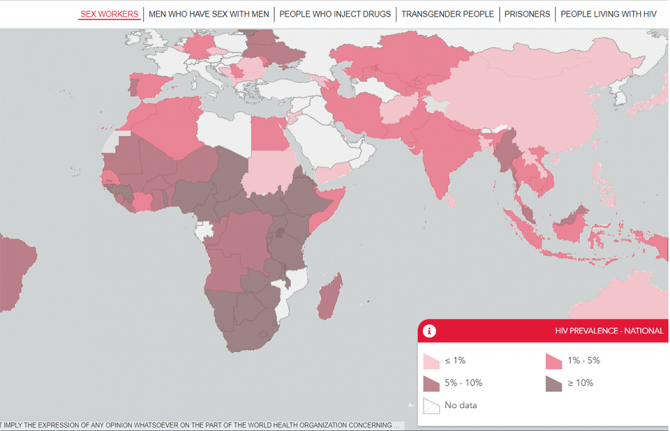
06 January 2022 06 January 2022The UNAIDS Key Populations Atlas is an online tool that provides a range of information about members of key populations—sex workers, gay men and other men who have sex with men, people who inject drugs, transgender people and prisoners—worldwide, together with information about people living with HIV.
Information about gay men and other men who have sex with men has been expanded with the inclusion of 11 new indicators from the EMIS and LAMIS projects. Under funding from the European Commission, EMIS-2017 collected data from gay men and other men who have sex with men in 50 countries between October 2017 and January 2018. LAMIS is the Latin American version of EMIS and finished data collection across 18 additional countries in May 2018.
The 11 new indicators shown in the Key Population Atlas—on syphilis, symptomatic syphilis, gonorrhoea, symptomatic gonorrhoea, chlamydia, symptomatic chlamydia, sexually transmitted infections testing, syphilis partner notification, gonorrhoea partner notification and hepatitis A and B vaccination—were chosen because of their high relevance to the communities.
Community-led and community-based infrastructure is essential for addressing the inequalities that drive pandemics such as the AIDS and COVID-19 pandemics, as well as for ensuring the continuity of health services and protecting the rights and livelihoods of the most vulnerable. The EMIS and LAMIS findings will be important for informing civil society organizations working on sexual health, HIV prevention and sexual minority rights and for policymakers, non-community prevention planners, epidemiologists and modellers.
“To leave no one behind, we need people-centred data collection that spotlights the inequalities that are hampering access to services. It is critical to understand who are the most affected and unable to access services. This will enable the European Commission, European Union Member States and civil society and community organization alike to address the specific needs of gay men and other men who have sex with men,” said Jantine Jacobi, the UNAIDS representative to the European Union.
Civil society and community-based organizations, especially those led by key populations, can complement traditional health systems’ pandemic responses, but this requires that they be treated as full partners—involved in governing, designing, planning and budgeting pandemic responses––with the technical and financial support to do so effectively.
The findings of the new indicators will help to increase the role of partnerships and communities across each country and will serve as the basis for decision-making and policy planning. For example, in Ireland, the EMIS-2017 National Report acknowledges that, “there has been an increase in HIV and STI testing compared to previous surveys and this is in some part due to the positive interventions carried out by stakeholders and the MSM [men who have sex with men] community in response to findings from previous surveys. Some of these positive interventions in relation to HIV testing can also be attributed to the increased availability of community testing.”
Our work
Feature Story
Empowering people who inject drugs in Uganda
18 January 2022
18 January 2022 18 January 2022The hardships caused by the COVID-19 pandemic have magnified the challenges that people who use drugs face.
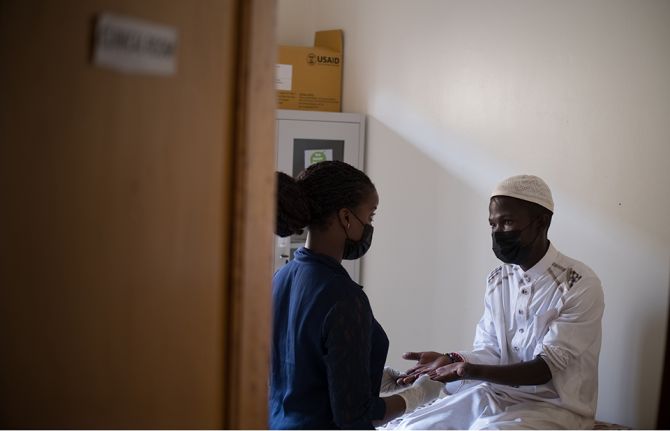
In Uganda, during the COVID-19 lockdowns there was limited access to HIV treatment and other health services, including access to medically assisted therapy, which provides daily doses of methadone to people who use drugs. Access to support systems, such as drop-in centres, was also affected.
“During the COVID-19 lockdown, access to medically assisted therapy for a daily dose was really hard for me, since movement was restricted and we required permission from the area local council. However, getting permission for a travel permit from the local council was very hard and took time, so it became challenging to sustain without access to these crucial services,” said Nsereko Joshua (not his real name), who is currently undergoing medically assisted therapy.
An analysis conducted by the Uganda Harm Reduction Network (UHRN) in July 2020 on the effects of the COVID-19 pandemic showed a decline in access to condoms, pre-exposure prophylaxis, counselling, psychosocial support, HIV testing, sexual and reproductive health services and legal aid services. It also highlighted a 25% increase in human rights violations reported among people who inject drugs during the COVID-19 lockdown. Issues included an increase in arrests and detentions, gender-based violence and eviction from their houses by the police at night.
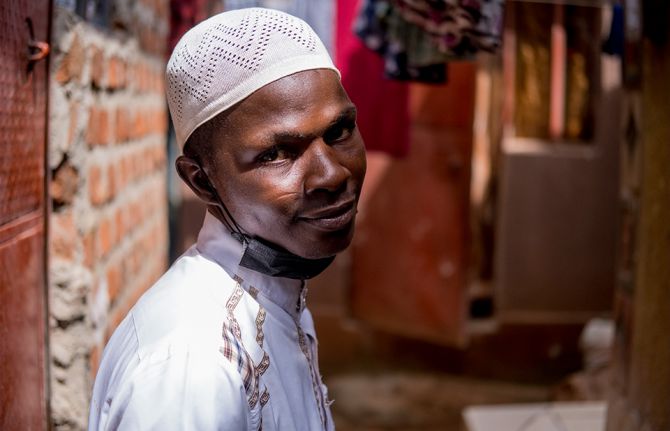
When the UNAIDS Solidarity Fund for key populations was announced in December 2020, Wamala Twaibu, the founder and Chairperson of the Eastern Africa Harm Reduction Network and UHRN, saw an opportunity to empower people who inject drugs. He envisioned a transformed community that could support one another when in need, managing their own income sources.
“I was an injecting drug user for more than seven years, and I know what a drug user goes through daily. My aspiration is to improve the health, human rights and socioeconomic well-being of people who use drugs,” he said.
Mr Twaibu noted that injecting drug use and drug dependence often have long-term impacts on a person’s socioeconomic status and health outcomes. The lack of work skills, past criminal histories, stigma and discrimination and the criminalization of drug use are some of the main issues that people who inject drugs face regularly.
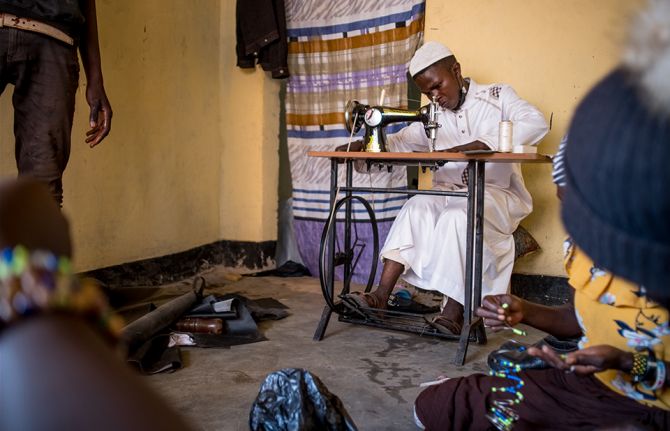
UHRN applied for the UNAIDS Solidarity Fund grant to kickstart the Empowered PWID Initiative for Transformation (EPIT) project, which was awarded in 2021. Through the EPIT project, community members currently on medically assisted therapy will be equipped with skills in craft-making for a sustained livelihood. Mr Twaibu noted that knowledge and skills in small-scale business management for people who inject drugs will form the core of the project.
About 80 people who inject drugs on medically assisted therapy will be engaged in the EPIT project, clustered in 16 cohorts with five members in each cohort and with at least six women-led cohorts across the five divisions of Kampala.
To ensure the sustainability of the initiative, a “Save, take and return” approach will be used. This strategy encourages beneficiaries to save some of the profits of the social enterprises every day, which they can get back after a few months.
“This fund looks at the socioeconomic empowerment of key populations, led by the affected community. That is the catch. Community ownership of the initiative is important because nothing for us without us,” said Mr Twaibu. “Change is possible when we support each other without discrimination and stigma. I wish to see a transformed and empowered people who inject drugs community that can support one another when in need,” he added.
Thinking about the effects of the COVID-19 pandemic so far, Mr Twaibu worries that the next wave of COVID-19 might affect the programme. However, he envisions a fully established and functional craft-making programme in the five divisions of Kampala and a scale-up in other regions where UHRN works.
Now that he is a part of the EPIT project, Mr Joshua expresses hope for a brighter future. “I yearn to have a complete recovery from drug addiction, and I believe that medically assisted therapy will do this for me,” he said. “And I believe the EPIT programme will give me an opportunity to develop and demonstrate my readiness for my recovery with the ability to earn something for my survival and for transport to seek my treatment. I think even after this programme, the skills will help me to sustain my family and myself as well.”
Our work
Region/country
Related

Feature Story
Co-creating a new global initiative to end AIDS among children, adolescents and their mothers
10 December 2021
10 December 2021 10 December 2021A global consultation process to co-create a new initiative to eliminate vertical (mother-to-child) transmission of HIV and end AIDS among children was launched by the UNAIDS Joint Programme and partners at the 2021 International Conference on AIDS and STIs in Africa in Durban, South Africa.
Previous global partnership initiatives, such as the Start Free, Stay Free, AIDS Free framework increased HIV treatment coverage for pregnant women living with HIV from 45% in 2010 to 85% in 2020 and reduced new HIV infections among children by 54% over the same period. Despite these successes, children, adolescents and mothers have been disproportionately impacted by HIV and left behind by the global AIDS response.
In 2020, there 150 000 new HIV infections among children, mostly occurring because adolescent girls and women could not access or continue with the HIV testing, prevention and treatment services they need throughout pregnancy and breastfeeding. One of the most glaring disparities is our failure to meet the needs of children living with HIV. While 85% of pregnant women living with HIV were receiving HIV treatment, only 54% of children living with HIV were on treatment in 2020. Only 40% of children living with HIV had viral load suppression, compared to 67% among adults. Almost half (46%) of the 1.7 million children living with HIV are not receiving life-saving HIV treatment and 60% are aged five to 14 years.
The session was opened by two powerful voices from affected communities. Dudu Dlamini, from the Sex Worker Education and Action Trust South Africa, highlighted the intersecting challenges, stigma and discrimination faced by mothers living with HIV who are also from key populations. Miriam Hisasha, from the Uganda Network of Young People Living with HIV/AIDS, is a young mother living with HIV who noted that young women often do not have the power or knowledge to make positive choices.
The need for urgent action at the community, national, regional and global levels was explained by Meg Doherty, from the World Health Organization. Ms Doherty outlined what needed to be done differently by a new global initiative to bring about rapid change for children, adolescents and mothers living with or affected by HIV.
The global consultation process, including an online survey, was launched. All partners and stakeholders were encouraged to take part in the survey before 20 December.
National and provincial department of health officials from Nigeria and South Africa gave powerful presentations on their successes and also their needs for support to achieve better services to eliminate vertical transmission and end AIDS among children.
Many conference participants and technical and implementing partners gave statements of support for the new initiative during the discussion session.
Shannon Hader, the UNAIDS Deputy Executive Director, Programme, concluded the session by emphasizing that a new global initiative should place children, adolescents and mothers at the centre, not just as recipients but as leaders of the HIV response. Leadership from all levels will be essential to build political commitment, create and share innovative responses and establish mutual accountability. Strengthened community-led and community-based action will increase impact and support workers on the pandemic front lines. Better collection and use of data will help targeted action. Human-rights and societal enablers must be meaningfully addressed to achieve comprehensive impact. Equitable access to innovative health technologies for children and pregnant and breastfeeding women should be prioritized. The time to act is now in order to end AIDS among children, adolescents and mothers.
Quotes
"Progress in ending AIDS in children and mothers has stalled due to ingrained inequalities and disparities, but the solutions are already out there. Experiences of transformative strategies, ‘surges’ of innovative programs engaging communities and delivering rapid results need to be shared and amplified, so that countries can reach all women and children in need. It is time to come together and co-create an innovative new coalition that will boost and support urgent community and country action for and with children, adolescents and women.”
“Children continue to be left far behind by innovations in HIV prevention, testing and treatment. In addition, gaps in reaching at-risk pregnant and breastfeeding adolescents and women living with HIV with much needed HIV prevention and treatment services persist. PEPFAR is committed to joining a renewed global partnership to urgently end AIDS in children and mothers.”
“As adolescent girls, we face many challenges that make it harder for us to protect ourselves from HIV and early pregnancy. Sometimes, we do not have the power or knowledge to make positive choices.”
“While great progress has been made to reduce new HIV infections in children, we still had 150 000 children born with HIV in 2020. This is unacceptable, because every one of these infections is preventable. A prolonged COVID-19 pandemic is deepening the inequalities that lead to more infections among children. Much more needs to be done to scale up needed antenatal and postnatal HIV services for women and their children, particularly in west and central Africa and among key and vulnerable populations. We are failing to detect many paediatric infections because of limited scale up of point-of-care technologies for early infant diagnosis and prompt treatment initiation for those that are infected. We are failing to avert new infections due to limited progress in integrating service delivery systems that protect mothers—especially young mothers—and infants throughout the breastfeeding period. The Global Fund is committed to working with the global community to address these challenges and reach our common goal to eliminate these preventable HIV infections in children.”
Our work
Related
Feature Story
The need for wider implementation of people-centred differentiated service delivery for HIV testing and treatment in Africa
10 December 2021
10 December 2021 10 December 2021Despite the remarkable progress made in the AIDS response in Africa, considerable gaps and challenges remain for achieving the 95–95–95 testing and treatment targets by 2025 and putting the continent on track to ending the AIDS epidemic by 2030. UNAIDS, the World Health Organization (WHO) and partners came together at a satellite session at the 2021 International Conference on AIDS and STIs in Africa to discuss how differentiated service delivery can bring the world closer to the targets.
People-centred differentiated service delivery is critical to accelerating access to and uptake of HIV testing and treatment services. While the COVID-19 pandemic has made many countries adapt HIV services to include delivery outside health facilities and by communities, and by scaling up multimonth dispensing of HIV and other medicines, it has also revealed a lack of resilience in key areas of systems for health, including the ability to ensure uninterrupted supplies of medicines and commodities, adequate funding for community-led organizations to provide services and support and the provision of integrated services for multiple health conditions. These adaptations and gaps have underlined the feasibility and importance of delivering differentiated, decentralized, integrated and community-based models of testing and treatment services across different settings.
During the session, representatives of ministries of health and communities, programme implementers, researchers and development partners highlighted ways in which differentiated service delivery has enhanced national efforts to reach their testing and treatment targets for all relevant population groups. They also presented new partnerships, tools, policies and best practices, and called attention to important policy shifts and innovations for scaling up differentiated service delivery, such as targeted community testing and self-testing for HIV, wider spacing of antiretroviral therapy dispensing and clinic visits, community antiretroviral therapy distribution and peer support for linkage to and retention in care for key and vulnerable populations.
“We see huge differences in testing and treatment uptake in different populations across different settings in Africa. For example, children are lagging behind adults, men are lagging behind women, and key populations living with HIV are lagging behind the general population of people living with HIV. Ensuring people- and community-centred differentiated service delivery approaches that respond to barriers to access and the diverse needs across all relevant populations together with conventional facility-based service delivery is critical to leaving no one behind,” said Ani Shakarishvili, UNAIDS Special Adviser, Access to Treatment, Care and Integration.
In April 2021, WHO released new guidelines on HIV prevention, testing, treatment, service delivery and monitoring. Updated service delivery recommendations include the initiation of antiretroviral therapy outside of the health facility, clinic visit spacing and dispensing of antiretroviral therapy every three to six months. The criteria for when a person is eligible to benefit from differentiated service delivery for HIV treatment have also been updated.
“The changes that have been made allow more people to access differentiated services for HIV treatment earlier in order to support their retention in care, meeting their needs and preferences and moving away from one-size-fits-all to more person-centred approaches,” said Clarice Pinto, a consultant on differentiated service delivery for HIV treatment at WHO.
On implementing and scaling differentiated models in countries, Anthony Ashinyo, the Deputy Programme Manager for the National AIDS/STI Control Programme in Ghana, underlined the need for multisectoral collaboration and partnerships between the government, implementers and communities to increase the uptake of differentiated service delivery.
“I see us being in the driving seat. I see us strengthening the influence of people living with HIV, recipients of care and affected communities in the design and implementation of national strategies and plans, so that they adequately reflect and respond to our lived realities and needs,” said Elsie Ayeh, the President of the Network of Persons Living with HIV/AIDS, Ghana.
The session concluded with the launch of a call to action to leave no one behind by scaling up differentiated HIV testing and treatment service delivery in Africa.
Read more about the session and watch pre-recorded presentations on differentiated service delivery from the speakers here.
Our work
Region/country
- West and Central Africa
- Benin
- Burkina Faso
- Burundi
- Cameroon
- Cape Verde
- Central African Republic
- Chad
- Congo
- Côte d'Ivoire
- Democratic Republic of the Congo
- Equatorial Guinea
- Gabon
- Gambia
- Ghana
- Guinea-Bissau
- Guinea
- Liberia
- Mali
- Mauritania
- Niger
- Nigeria
- Sao Tome and Principe
- Senegal
- Sierra Leone
- Togo
- Eastern and Southern Africa
- Angola
- Botswana
- Comoros
- Eritrea
- Ethiopia
- Kenya
- Lesotho
- Madagascar
- Malawi
- Mauritius
- Mozambique
- Namibia
- Rwanda
- Seychelles
- South Africa
- South Sudan
- Eswatini
- Uganda
- United Republic of Tanzania
- Zambia
- Zimbabwe
Feature Story
Empowering sex workers through social enterprises
08 December 2021
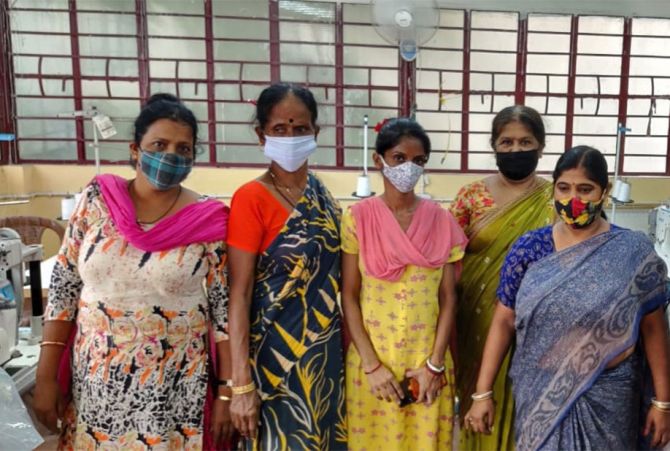
08 December 2021 08 December 2021For Ruma Khatri, the social entrepreneurship initiative by Usha Multipurpose Cooperative Society Limited is an opportunity to earn a livelihood in the face of the COVID-19 pandemic and the resulting income loss.
“I have been working with the sex worker community supported by Usha Multipurpose for the past 10 years. I work at the parlour instituted by Usha. But due to the COVID-19 pandemic restrictions, I took part with the community in the production of sanitizer and masks through Usha to earn supplemental income. Through this social entrepreneurship project, I hope to set an example and further empower the sex worker community,” Ms Khatri said. Established with the support of the UNAIDS Solidarity Fund, Usha Multipurpose’s social entrepreneurship initiative engages sex workers in producing masks, hand sanitizer and personal protective equipment kits in Kolkata, India.
Sex workers in several parts of the world have faced a huge economic impact due to COVID-19-related restrictions on physical contact and movement. Additionally, the criminalization of sex work in many countries has disproportionately given way to stigma, discrimination, violence and inability to access essential health-care services. Sex workers have also been left out of financial and social support schemes by many governments. These factors, among others, make it challenging for sex workers to engage in supplemental income generation activities.
In response to these challenges, several grantees of the UNAIDS Solidarity Fund are supporting the economic capacity of sex workers across five pilot countries. The Solidarity Fund was set up to provide grant seed funding to empower social entrepreneurs from key populations to scale up existing or develop new business initiatives that can generate sustainable economic value and social impact for their communities.
In northern Uganda, the sex worker and lesbian, gay, bisexual, transgender and intersex communities supported by the Health and Rights Initiative (HRI) recently produced their first set of shea-based products and acquired new machinery to scale up production. Through comprehensive market analysis, they identified the potential of processing shea-nut seeds to create value-added products, such as lotions, bathing oils, soaps and hair oils.
“Small-scale production and sales of shea nut products change the outlook for the members of the sex worker community. Through the support of the UNAIDS Solidarity Fund, our organization can act as a safety net to protect the business and community members as they implement the joint enterprise,” said Lucy Akello, the Executive Director of HRI.
Above, beneficiaries of HRI with shea-based products produced through their social enterprise. Credit: Health Rights Initiative
While production of tangible items is one aspect, the Alliance of Women Advocating for Change (AWAC), also in Uganda, is empowering more than 20 adolescent girls and young women, especially those living with disabilities, to set up social enterprises built on skills such as tailoring and designing. Talking about the Make Her Visible project, Macklean Kyomya, the Executive Director of AWAC, said, “Adolescents and young women, including those with disabilities, are at particular risk due to the socioeconomic impact of COVID-19. Risks include heightened destitution, violence, stigma and discrimination. The Make Her Visible project supports their economic capacities to help them better respond to these challenges.” The young sex workers are also being trained in financial management involving credit and savings along with business plan development to effectively manage these enterprises.
Above, young women being trained in tailoring as a part of the 'Make Her Visible' social entrepreneurship project of AWAC. Credit: Alliance of Women Advocating For Change
Creating strategic market linkages has been the focus of India-based Asha Darpan, a female sex worker-led community-based organization that is creating micro-entrepreneurs out of sex workers based in Mumbai. Their Shakti project is focused on empowering women between the age of 18 and 49 years from urban and semi-urban settings and living in lower-middle class and poor environments to establish their own footwear manufacturing business. Devta Metri sees growth in the future of these enterprises. She said, “No one foresaw the COVID-19 pandemic. The need for sustainable income sources for the sex worker community was amplified when we saw a loss in income sources. My hope is to see our social enterprise grow. In the next few months, our aim is to increase sales of footwear we produce, make a name for Asha Darpan and provide a sustainable income source for the members.”
These are thoughts echoed by Sanyu Hajjara Batte, the Executive Director of Lady Mermaid, which is supporting 168 female sex workers organized in 10 Women-Up groups in Uganda. “We have to support sex workers’ entrepreneurship skills if we truly want to create supplemental income sources for the community. Lady Mermaid is working to rebuild the sex worker community from COVID-19 pandemic effects through economic recovery programmes,” said Ms Batte. Through the grant received by the Solidarity Fund, sex workers are being trained in setting up demand-based social enterprises in areas including food selling, renewable charcoal-making, briquette-making, liquid soap-making and baking, among others. The initiative supports government registration, financial management and implementation to ensure sustainability of the enterprises.
Above, beneficiaries of Lady Mermaid engaged in briquette-making as a part of supplemental income generation through social entrepreneurship. Credit: Lady Mermaid
The Solidarity Fund grantees clearly highlight the ingenuity and leadership role that key population-led organizations and networks play when it comes to building community resilience and supporting communities during the pandemic. As the COVID-19 pandemic remains intertwined with daily realities, communities must be at the centre of pandemic response and preparedness. The response calls for critical action grounded in human rights principles, to protect the health and rights of sex workers. The provision of seed funding enables innovative business ideas owned by key populations to flourish and the creation of sustainable supplemental revenues to empower key populations most affected by the pandemic.