


Feature Story
The power of transgender visibility in Jamaica
12 November 2019
12 November 2019 12 November 2019“Is it safe to do their work?” Renaè Green and Donique Givans go silent for several seconds. “I am still scared,” says Ms Green, the Associate Director for Policy and Advocacy at TransWave Jamaica. “I don’t like to go to certain spaces. If anyone wants to participate in one of our campaigns, we explain the risks. You don’t know what kind of backlash you might experience.”
Ms Givans, who is the organization’s community liaison officer, knows this all too well. She wasn’t up front about her gender identity with her father when she began becoming more visible in her advocacy work.
“He doesn’t want anything to do with me now,” she says, her voice shaking a little. “He told me to go and not to come back to his house. So, we do let people know they might have difficulties.”
TransWave was formed in 2015 following a lesbian, gay, bisexual and transgender health and gender-based violence training, conducted by WE-Change and supported by the Jamaica Forum for Lesbians, All-Sexuals and Gays and Jamaica AIDS Support for Life.
TransWave’s Executive Director, Neish McLean, is the only transgender man at the helm of a Caribbean transgender organization. Recently Mr McLean discussed his personal journey publicly, exploring issues ranging from the distinction between gender identity and sexuality to top surgery. This is largely unchartered territory in a Caribbean nation famed for its social conservatism.
“For a long time, people actually said that transgender people didn’t exist in Jamaica because people could not put a face to them or identify anyone who was transgender. Now we have so many people who identify. It has helped in terms of explaining who transgender people are,” explains Ms Green.
In addition to increasing transgender visibility, TransWave advocates on a wide range of subjects that affect the community—the lack of access to transgender-oriented housing, education and employment, for example, as well as initiatives to reduce poverty and violence. HIV is a huge challenge. A 2018 Integrated Biological and Behavioral Surveillance Survey conducted by the University of San Francisco found that 51% of Jamaican transwomen tested were living with HIV.
TransWave advocates strongly for all members of the community to access health care.
“Many are aware that they are HIV-positive but don’t seek treatment. They are just waiting to die. People cannot stomach not being able to live their lives as their real selves and won’t put themselves through the distress of going to a clinic,” says Ms Green. “It becomes difficult because all eyes are on you and you are putting yourself at risk for people to attack or hurt you,” explains Ms Green.
In July, UNAIDS Jamaica supported TransWave’s Transgender Health and Wellness Conference. The event helped launch a toolkit on how health-care providers can provide holistic, non-discriminatory services, along with dialogue around the rights and inclusion of transgender people. The organization has also met some employers to gauge the degree of acceptance for the inclusion of transgender workers.
Ms Givens paints a mixed picture of what life is like for transgender people in Jamaica.
“It is very difficult, but people try to align themselves with society’s gender norms. They might do a little makeup to feel comfortable, but they don’t go heavy. Some workplaces allow people to be themselves, but you don’t have transwomen wearing skirts,” she said.
Public transportation is often challenging. When TransWave books a taxi, for example, they are never sure if the driver will be tolerant. Renting an apartment can be a landmine. Lower-priced housing often means living in a less safe area. Landlords and neighbours can be judgemental.
At the extreme, homelessness remains a major problem, with some young transgender people being thrown out of their homes before they even become teenagers. This is often the starting point for a frightening array of vulnerabilities, including a lack of schooling, poor job prospects and bad health, with some turning to sex work.
Asked about their hopes for the future, Ms Givans and Ms Green list adequate funding for TransWave and being able to further their education. Ms Green adds that she would like to emigrate.
“But not everybody wants to leave Jamaica and not everybody should leave,” she says pointedly. “That’s why we are working so hard. So that we can get to a point where everybody is accepted.”
Related

Feature Story
Former Welsh Rugby Captain Gareth Thomas speaks passionately about confronting HIV-related stigma
11 November 2019
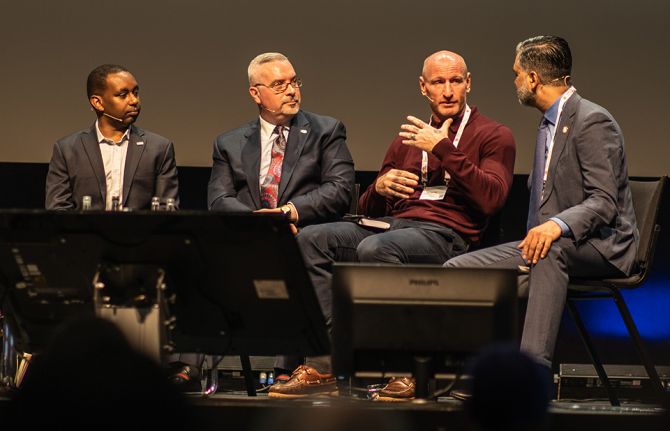
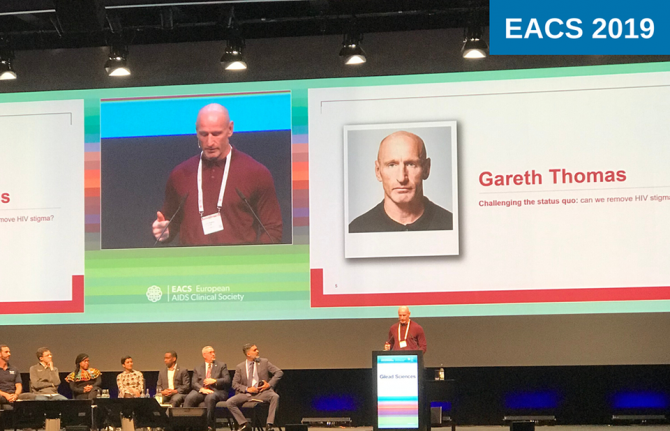
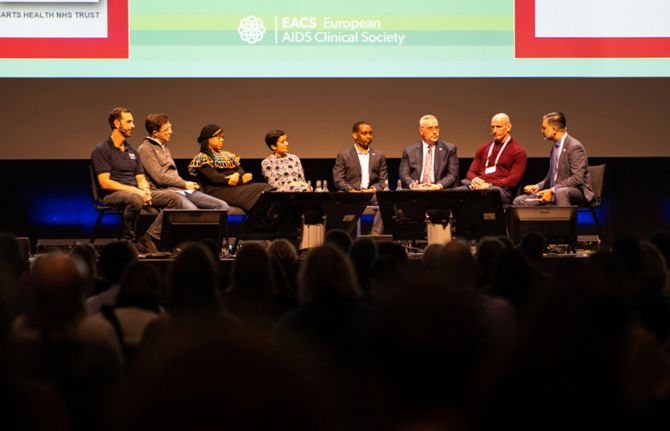
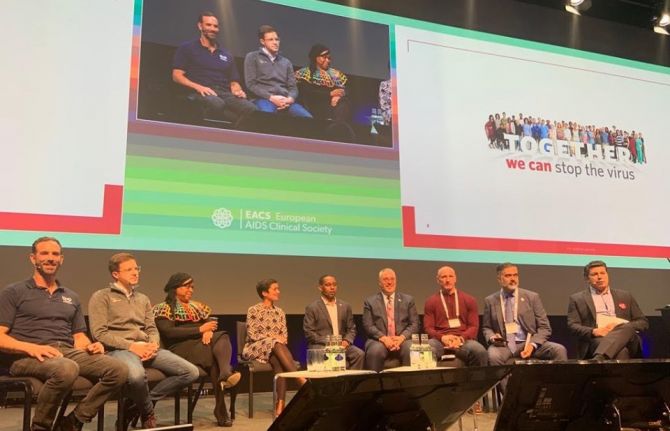
11 November 2019 11 November 2019Welsh rugby ace Gareth Thomas has spoken out about the urgent need to confront HIV-related stigma head on. Speaking at a special event during the 17th European AIDS Conference, which was held in Basel, Switzerland, from 6 to 9 November, Mr Thomas said that he wants to help create an environment that breaks stigma and where people can make educated decisions based on facts and be free to talk openly about HIV.
It was the first time that the former Welsh rugby captain had spoken in front of an audience about his decision to publicly disclose his HIV status. He talked of the overwhelming reaction and public support following his disclosure and the airing of the BBC documentary he made about living with HIV, which included footage of him completing the International Iron Man triathlon in Wales.
He spoke of his determination to show people that living with HIV can also mean living a long, fit and healthy life and that medical advances now mean that with access to effective treatment, people living with HIV cannot transmit the virus, advances that he said not enough people know about.
“I wanted to challenge stigma head on,” said Mr Thomas. “I wanted people to see that I was capable of swimming two and a half miles in the sea, cycling 112 miles and running a marathon with HIV. If I can do that, we can do anything. Since that day, I have received nothing but support and love.”
The event was moderated by the Director of the UNAIDS Eastern Europe and Central Asia Regional Support Team, Vinay Saldanha, and shone a spotlight on the power of partnerships to advance progress towards ending AIDS. The participants included a panel of international experts working in the field of community-led organizations, funding, international partnerships and activists living with HIV.
Advocate Bruce Richman, Founder and Executive Director of the Undetectable = Untransmittable (U = U) campaign, spoke about the importance of U = U to overcome the stigma experienced by people living with and affected by HIV and how the campaign has become a public movement to break down fear and misunderstanding around HIV.
“U = U sets people living with HIV free from the fear of transmission,” said Mr Richman. “We have been living with and dying from HIV stigma for over 35 years. U = U builds our partnership to end that stigma.”
Head of the sexual health charity the NAZ Project in London, United Kingdom, Marion Wadibia spoke of how partnerships can offer culturally specific sexual health services to people being left behind. “We need to integrate race into all our work,” she said.
She was joined by other panellists who talked about the importance of using bolder business unusual approaches to end AIDS in all communities and populations. Rageshri Dhairyawan, of Barts Health NHS Trust, London, cited Soul Sisters as an example of a partnership that provides support for women who are experiencing domestic abuse for sexual health services and HIV prevention. “Violence against women and girls is a leading driver of HIV transmission,” said Mr Dhairyawan.
The event, entitled Together We Can, was organized by Gilead Sciences. The conference joined together leading HIV experts, scientists, researchers, activists and communities of people living with HIV to discuss the latest progress towards ending AIDS in Europe.
The conference gave special attention to the growing HIV epidemics in eastern Europe and central Asia, examined progress towards the 90–90–90 targets, looked at cities and municipalities that have joined the Fast Track cities partnership, discussed models of care for people living with HIV as they get older and tacked eliminating HIV-related stigma and discrimination.
Webcasts, presentations and ePosters of the 17th European AIDS Conference are available on the European AIDS Clinical Society Resource Library for a period of three months.
Related

Feature Story
Promoting gender equality in Brazil step by step
30 October 2019
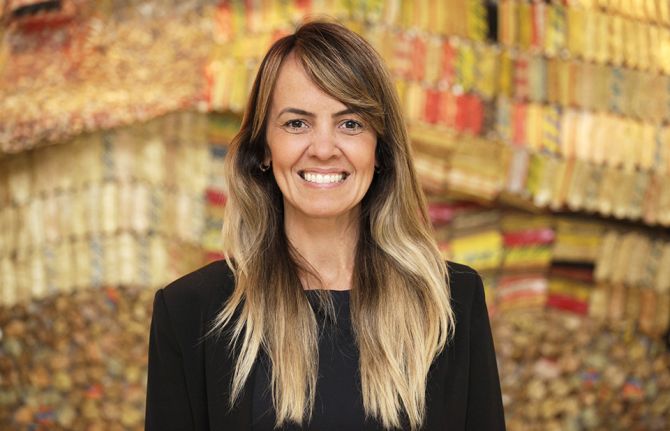
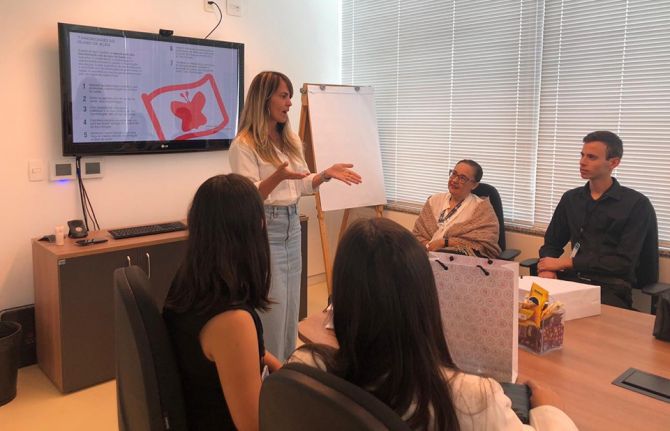
30 October 2019 30 October 2019Daniela de Barros, a Finance Assistant in the UNAIDS Country Office in Brazil, is also a UNAIDS Gender Focal Point for Latin America and the Caribbean.
She traces her interest and motivation to helping others and promoting equality back to a good deed in her childhood. “It was one of those dream-come-true situations. When my sister and I were younger, my parents couldn’t afford to pay for ballet classes. But their best friend’s sister ran a ballet studio and, one day, she invited us to start taking classes free of charge. From that point on, I never stopped dancing.” Ms de Barros says that dance has taught her to be disciplined, organized, focused and connected “body and soul” to her life and work.
“Besides all these important skills that I use all the time as a professional and as a mother of adolescent twins, I have also taken another important lesson from my ballet classes: I have learned how to connect with myself and meet my potential and my inner power,” she said. “Isn’t this what we want from such an important initiative like the UNAIDS Gender Action Plan? Empowerment and transformation for all women inside and outside this organization?”
From her role overseeing financial, administrative and operational aspects of the UNAIDS Country Office, Ms de Barros has seen that change management is crucial for maintaining staff motivation. “Although change generates some insecurity, in the end it can be a breath of fresh air. I have learned to recognize that change is important for organizations.”
Ms de Barros believes it is time that women were encouraged to be confident about achieving their goals. “The Gender Action Plan we have inside UNAIDS not only reinforces our self-confidence and courage, it also inspires men to support the women they work with,” she said.
Ms de Barros is sure that “UNAIDS chose her,” rather than the other way around. “I studied international relations and always wanted to work for the United Nations, but I confess I had never heard of UNAIDS until a friend of mine told me I should apply for the position,” she said. “I have grown a lot and learned so much from UNAIDS.”
She says that turning 40 years old has come with some significant changes for her and she now wants to engage in projects that can transform lives. For more than six months she’s been teaching ballet to other women and is just about to start what she describes as “a recently-born old wish”: teaching dance to young kids and adolescents from poor communities in Brasília, where she lives.
“I like to think of ballet as the realization of a Buddhist thought that says we see our external world from within, and that by working on our internal perspective, we can change the world outside. It is the power of dance and where it can take us. And this is what I want to teach children and women through the project.”

Feature Story
Desperately seeking an HIV cure: Belgian research centre studies viral rebound
17 October 2019
17 October 2019 17 October 2019Growing up, Linos Vandekerckhove loved biology, so it seemed an obvious choice to go to medical school. After two years of practising internal medicine, in 2001 he had a chance to spend a year in South Africa.
“Here I was, in the eye of the storm, where most days one person would come to the clinic and die within 48 hours from an AIDS-related illness,” he said.
He returned to his native Belgium shaken. “It was really shocking to me, because in Europe treatment was readily available, so suddenly I felt like some people pay a very high price.”
IS THERE A CURE FOR HIV? There is no cure for HIV. However, there is effective treatment, which, if started promptly and taken regularly, results in a quality and length of life for someone living with HIV that is similar to that expected in the absence of infection.
FREQUENTLY ASKED QUESTIONS ABOUT HIV AND AIDS
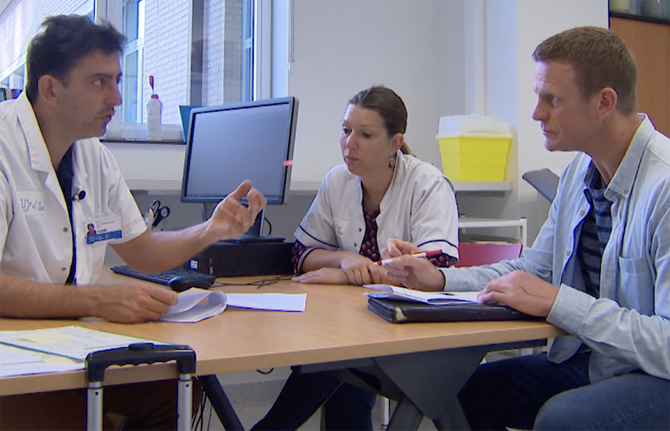
Not wanting to plunge back into a hospital setting, he opted to work for a few days a week in an HIV virology laboratory. After getting his PhD, he wanted to continue researching HIV, so he joined the Ghent University Hospital in Belgium. After a few years of working with patients, he finally had more time to spend on research. In 2009, he started his own laboratory, the HIV Cure Research Center Ghent, and a year later he spent five months in San Francisco, United States of America, to familiarize himself with research on a cure.
“The sabbatical helped me gain momentum,” he explained. His research laboratory now employs 20 people.
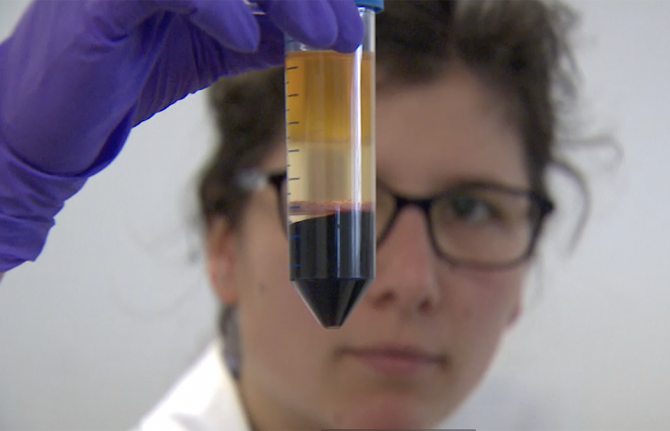
Recently, his team completed a study with 11 people living with HIV. It involved pausing antiretroviral therapy so that scientists could observe viral rebound.
“An ethics committee had to validate the study and, of course, we held a patient forum to analyse the stress factors associated with taking people off treatment and the subsequent tests on them,” Mr Vandekerckhove said. His team made sure that the eight to nine procedures would be minimally invasive and carried out in a day, so that the volunteers could return to work after two days. To minimize any further disruption, technical assistants went to each person’s home to regularly gather blood samples.
“We wanted to involve the volunteers as much as possible and show our support from A to Z,” he said.
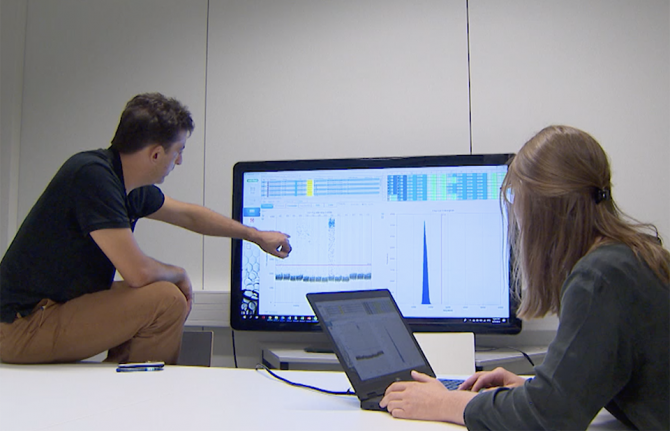
Two patterns surfaced from the study. Viral rebound, which took 15–36 days, occurs randomly. The team found more than 200 independent rebound events, from the gut to the lymph nodes to “just about everywhere where immune cells are present.”
Mr Vandekerckhove’s team also found that, depending on where the virus rebounded in a part of the body, the virus had evolved with its own individual make-up, like a barcode or a fingerprint. The researchers found different viruses, showing that they are not all the same single virus that has emerged from a reservoir, but rather multiple re-emergent events.
“We analysed 30 barcodes per cell type and about 400 barcodes per person,” he said.
That’s when they asked for help from virologists and statisticians.
“Our study revealed that having a medicine that would only target the lymph nodes is wrong. What this shows is that you need to focus on many organs, not just one,” Mr Vandekerckhove said.
UNAIDS Science Adviser Peter Godfrey-Faussett congratulated the HIV Cure Research Center Ghent. “Such detailed work advances our understanding of reservoirs where HIV “hides” while treatment suppresses the virus in the blood,” he said.
In his opinion, the research highlights the many challenges of the virus, since HIV can rebound from a wide range of reservoirs. “This is why a clear understanding of the nature of the reservoirs is so important to find a cure.”
Mr Vandekerckhove remains very positive, pointing to how gene therapy used to be science fiction but is now a reality.
“We need to bring the world of research to the world of patients,” he said. In his mind, a cure is one of the many facets of HIV that we cannot overlook.
Fellow Belgian Jonathan Bossaer couldn’t agree more. Ten years ago, he became very ill in South Africa and soon found out he had contracted HIV. After many years of feeling lost, a friend’s death made him realize he had to change.
“I was able to free myself of the frustration and shame that I had been living with for almost eight years and let go,” Mr Bossaer said. He founded a charity to raise awareness about HIV stigma. “Positively Alive has three main objectives: educate people about HIV, normalize HIV and help end HIV by raising funds,” he explained.
Half the funds go to a South African orphanage and the other half to Mr Vandekerckhove’s research centre. “Ending the HIV and AIDS epidemic is an enormous challenge and research for a cure and a vaccine needs our full support,” he said.
Pausing a bit, Mr Bossaer said, “The fight is far from over, but we are on the right path.”
Related


Feature Story
Putting HIV prevention back at the centre of Brazil’s LGBTI pride
17 October 2019
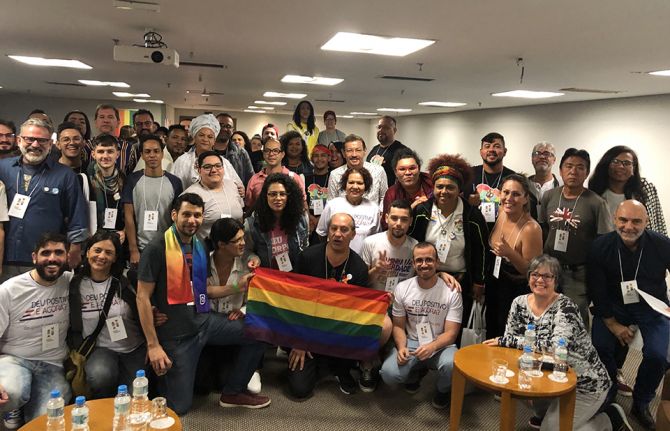
17 October 2019 17 October 2019In June 2019, more than 3 million people took to the streets of São Paulo, Brazil, to celebrate lesbian, gay, bisexual, transgender and intersex (LGBTI) pride and to mark the 50th anniversary of the Stonewall riots, a turning point in the struggle for LGBTI rights. For gay entrepreneur Almir Nascimento, 2019 marked a return to involvement in the event’s organization after a 20-year break.
What prompted Mr Nascimiento’s pride comeback was a rising unease about the increasing number of new HIV infections in Brazil among young people, especially among young gay men and transgender women. For many years, he thought that the mobilization of the 1990s and the arrival of antiretroviral therapy would be enough to end the HIV epidemic.
“The epidemic was at its height when I first joined pride as one of the organizers in 1999 and 2000. Back then, it seemed to me that we had made significant achievements, and I thought it would be enough to stop HIV”, recalls Mr Nascimento. “But four to five years ago, I began to notice that a lot of young gay, bisexual and transgender people were getting infected with HIV again, and even worse they were dying of AIDS-related illnesses at a really young age. This situation motivated me to come back and support the parade organizers in promoting an open discussion about HIV and AIDS inside our community.”
In 2018, there were around 900 000 people living with HIV in Brazil, with new HIV infections up by more than 20% since 2010. While HIV prevalence in Brazil among the adult population is estimated to be 0.5%, among transgender people it stands at around 30% and among gay men and other men who have sex with men at round 18.3%.
Mr Nascimento is the owner of a gay sauna in São Paulo and says he has always made efforts to ensure that his customers have the knowledge and tools to prevent HIV and other sexually transmitted infections. He partners with the São Paulo health authorities to distribute free condoms, for example. More recently, health researchers have been welcomed to the sauna to recruit people interested in participating in pilot programmes for PrEP (pre-exposure prophylaxis), a pill that can prevent people becoming infected with HIV.
“There is no denying that gay men and transgender people are the most affected populations here in Brazil. And I realized that the lesbian, gay, bisexual and transgender parades, including the São Paulo one, no longer had effective HIV initiatives within their associations,” he says. “Because of that, we decided to call a meeting with the 27 parades representing each of Brazil’s state capitals and a dozen others from the most important cities in São Paulo State. Altogether, we estimate they reach over 18 million people every year.”
Because the numbers are so huge, Mr Nascimento believes there is not only an opportunity but also a responsibility to convey HIV prevention and zero discrimination messages to the LGBTI community.
“There is still resistance among some parade organizers to link the festivities with AIDS-related discussions because of the fear of stigma and discrimination. But everyone is together during these events and we must take advantage of that to generate candid discussions to educate people about HIV prevention, which can save lives.”
With the support of the UNAIDS office in Brazil and other key partners, Mr Nascimento and the São Paulo LGBT Pride Parade Association are now preparing for the third LGBTI Youth Health and Prevention Meeting, to be held in November.
“After our first meeting in 2017 focusing on HIV prevention among young lesbian, gay, bisexual and transgender people, over a fifth of the participating parade associations have now started the same discussions in their cities. That’s what we want: that every pride president learns how to conduct them and that they hold their own meetings during pride week and indeed throughout the year.”


Feature Story
Empowering young Brazilians to talk to their peers about HIV
11 October 2019
11 October 2019 11 October 2019New HIV infections in Brazil increased by more than 20% between 2010 and 2018, so it’s crucial that young Brazilians start talking about HIV and learn how to protect themselves. That’s the aim of a project led by the United Nations Children’s Fund (UNICEF).
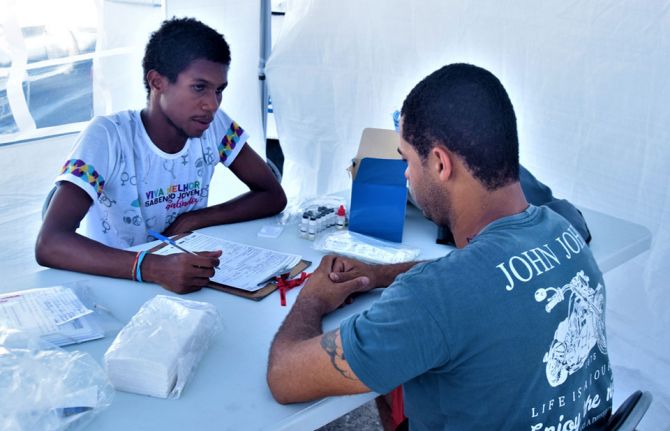
Swiping through one of his social media accounts, Jonas da Silva checks out the latest parties and public events in Salvador. He is also chatting online with other young people. They talk about sex, how and if they use condoms with their partners, what they know about HIV prevention and if they have been tested for HIV.
“What’s cool about the project is that we have young people talking to young people. We use our language and slang to address HIV,” he says. “This connection is vital. We can see they trust us, and this is when we know we have touched them with the information they need.”
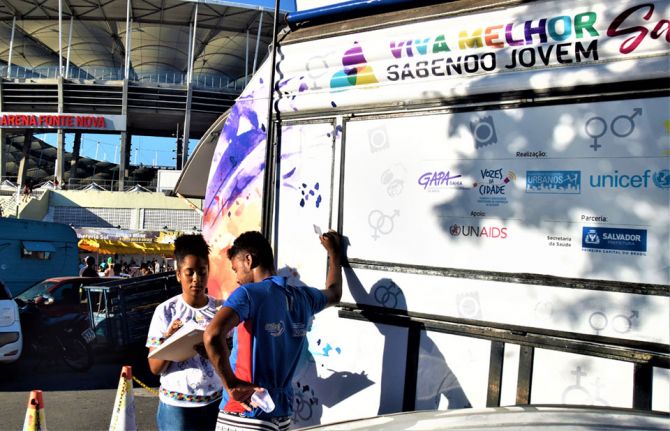
He and another 30 young people have been trained to work as volunteers in the Viva Melhor Sabendo Jovem (VMSJ) Salvador project. Their goal is to raise awareness among other young people about the importance of HIV testing and prevention. For that, they need to be where their peers are—online and on the street.
The project follows the calendar of traditional street parties and festivals, especially those that attract a large concentration of young people. It also responds to specific demands from key populations by mapping public gatherings where young lesbian, gay, bisexual, transgender and intersex people hang out. With a colourful small truck—the Test Truck—Mr da Silva and his co-volunteers can provide privacy for people who want HIV counselling and testing.
Since the project launched in August 2018, more than 1000 young people aged between 16 and 29 years have been tested for HIV in around 30 outings for the truck. As part of a strategy to promote testing among adolescents and young people, the volunteers also facilitate workshops on HIV and other sexually transmitted infections and host talks about sexuality and sexual health in schools. These events reached more than 400 students in the first six months of the project.
“The VMSJ Salvador peer education methodology makes it possible to engage more young people in these activities. It also helps them to become aware of the importance of HIV prevention and care,” said Cristina Albuquerque, Chief of Health and HIV/AIDS for UNICEF in Brazil. “Young people who get tested during our activities congratulate the initiative and complain that they have very few of these opportunities around town.”
In 2018, according to Ministry of Health estimates, young people aged between 15 and 24 years represented almost 15% of all new HIV diagnoses in Salvador.
“For us, too, the volunteers, this experience is important because we also start to take better care of ourselves, to apply these prevention methods to our lives and to pass the message on to those around us, to our friends and family,” said Mr da Silva.
The project is implemented in partnership with GAPA Bahia―one of the oldest nongovernmental organizations dealing with HIV issues in the country―and counts on the support of the UNAIDS office in Brazil. The young volunteers all went through a rigorous selection process before undergoing a training programme that included topics such as human rights, counselling and information on HIV and other sexually transmitted infections. They were also trained on community-based programmes, the functioning of the public health system and HIV services available in Salvador. The initiative includes a continuous training strategy on related topics.
“One of the most important things I have learned is that we have to respect each other’s choices and that we are here only to assist with information and inputs that we consider most appropriate to that person’s history and behaviour”, said Islan Barbosa, another of the volunteers.
“The project represents an important response to HIV testing demands in the city, especially among key populations, who very often avoid using public health facilities for that purpose. We are taking HIV testing to where these people are,” said Ms Albuquerque.
Feature Story
Two decades of engagement in the response to HIV in Brazil
14 October 2019
14 October 2019 14 October 2019Seven years after finding out that he was living with HIV, Jair Brandão was waiting for a medical appointment in a clinic in Recife, north-east Brazil, when a fellow patient informed him he could access psychosocial support at a nearby nongovernmental organization. Although it had taken him many years to accept his HIV status, he needed just three sessions of counselling to realize that he was meant to become an HIV activist.
“I was thrilled and scared at the same time, because I didn’t understand much about political spaces, nor about AIDS and health policies. I didn't know how to engage in political discussion,” recalls Mr Brandão, who two decades later is one of Brazil’s most influential HIV activists. “First, I had to accept myself as a person living with HIV, and this was one of the challenges. And then learn about the virus, take care of myself. Only after that did I start to learn about social and political issues.”
Mr Brandão says he believes that being an activist is natural for him. “Some people are born for that,” he says. “Being an activist is about being restless and not accepting injustices and violations of rights. I think I was born with this gift because I always led processes, even without knowing it was activism, and I was always concerned about helping and empowering others.”
After participating in three of the four United Nations high-level meetings on AIDS and in the 2018 high-level meeting on tuberculosis, Mr Brandão knows how difficult it is to engage in dialogues with other civil society peers and country representatives. His mother tongue is Portuguese, which is not an official United Nations language. “Speaking a foreign language is a major issue for us in Brazil, so we have to know at least Spanish. Very few activists know English fluently enough to be able to make interventions in these spaces.”
In July 2019, Mr Brandão was among the nongovernmental organization delegates at the High-Level Political Forum on Sustainable Development in New York, United States of America, representing RNP+ (the Network of People Living with HIV and AIDS) and his own nongovernmental organization, Gestos: Soropositividade, Comunicação e Gênero.
“It is essential for civil society to participate in the national implementation and monitoring processes of the 2030 Agenda for Sustainable Development effectively. We cannot achieve the Sustainable Development Goals without the full participation of civil society,” he says. “Defending the AIDS agenda also requires discussing other equally important and cross-cutting issues.”
Through his role as Project Adviser at Gestos and as a member of RNP+, Mr Brandão also leads the People Living with HIV Stigma Index 2.0 project in Brazil. With his peers at Gestos and other national networks of people living with HIV, and with the support of the United Nations Development Programme and UNAIDS, he helped train 30 people on interviewing techniques in seven Brazilian cities. In two months, they gathered information about HIV-related stigma and discrimination by conducting around 1800 interviews. The initial results will be released before the end of November.
“This process strengthened the activists who conducted the interviews because they could listen to and experience the stories that many people have been through and could not until now share with anyone,” he recalls. “We are in the fourth decade of the AIDS epidemic and still there is a lot of stigma and discrimination. The Stigma Index 2.0 is an instrument which gives us evidence of that in Brazil. We will be able to advocate for stigma-free, zero discrimination HIV policies and services.”
Mr Brandão says he believes in the power of collaboration and partnership to achieve social progress.
“The solidarity and spirit of community that helped create the AIDS movement must come back in our actions and hearts,” he says. “Rethinking strategies and creating new ways to bring about change is fundamental. Empowering new activists, especially young people, is critical. Young people need to be welcomed and open to receive information from experienced AIDS activists. It’s time to join forces, not to be divided.”
Feature Story
Investing in communities to make a difference in western and central Africa
09 October 2019
09 October 2019 09 October 2019Home to 5 million people living with HIV, western and central Africa is not on track to ending AIDS by 2030. Every day, more than 760 people become newly infected with HIV in the region and only 2.6 million of the 5 million people living with HIV are on treatment.
Insufficient political will, frail health systems and weak support for community organizations―as well as barriers such as HIV-related criminalization―are the most significant obstacles to progress. A regional acceleration plan aims to put the region on track to reaching the target of tripling the number of people on antiretroviral therapy by 2020 and achieving epidemic control. While progress has been made, that progress is not coming fast enough. Children are of particular concern―only 28% of under-15-year-olds living with HIV in the region have access to antiretroviral therapy.
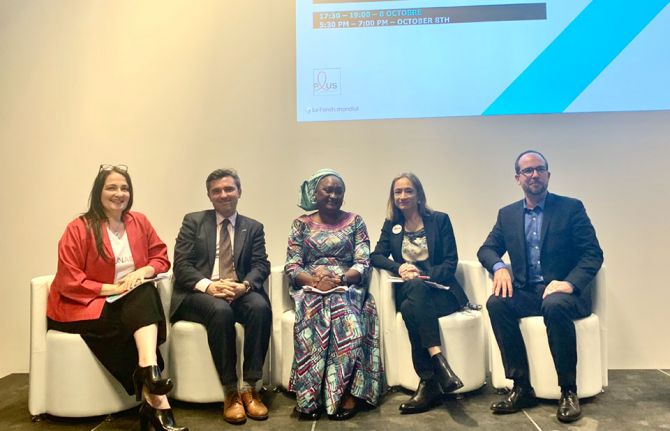
“We need policies and programmes that focus on people not diseases, ensuring that communities are fully engaged from the outset in designing, shaping and delivering health strategies,” said Gunilla Carlsson, UNAIDS Executive Director, a.i., speaking at the Global Fund to Fight AIDS, Tuberculosis and Malaria Sixth Replenishment Conference, taking place in Lyon, France, on 9 and 10 October.
There are many examples of how investing in communities can make a difference. “The response is faster and more efficient if it is run by those who are most concerned,” said Jeanne Gapiya, who has been living with HIV for many years and runs the ANSS nongovernmental organization in Burundi.
Community-led HIV testing and prevention is effective, particularly for marginalized groups. “Most of the people tested by communities were never reached before and this shows how community organizations are unique and essential,” said Aliou Sylla, Director of Coalition Plus Afrique.
Reducing the number of new HIV infections among children and ensuring that women have access to the services they need remains one of the biggest challenges in the region. Networks of mothers living with HIV who support each other to stay healthy and help their child to be born HIV-free have been shown to be an effective way of improving the health of both mothers and children.
“Our community-based approach works. In the sites where we work we have reached the target of zero new HIV infections among children and all children who come to us are on treatment,” said Rejane Zio from Sidaction.
Financing remains a concern and although total resources for the AIDS response have increased, and HIV remains the single largest focus area for development assistance for health, domestic investments account for only 38% of total HIV resources available in western and central Africa, compared to 57% worldwide. Greater national investments reinforced by stronger support from international donors are needed to Fast-Track the regional response. Bintou Dembele, Executive Director of ARCAD-Sida, Mali, said, “We have community expertise, but we lack the funds to meet the need.”
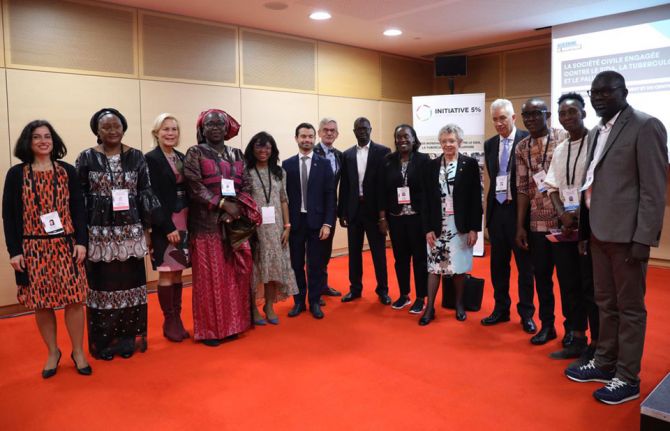
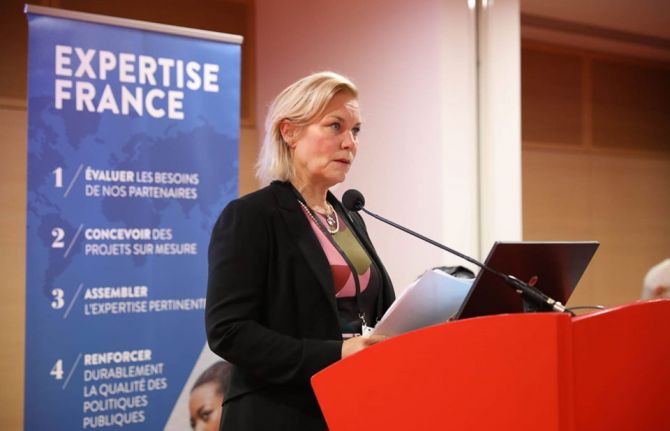
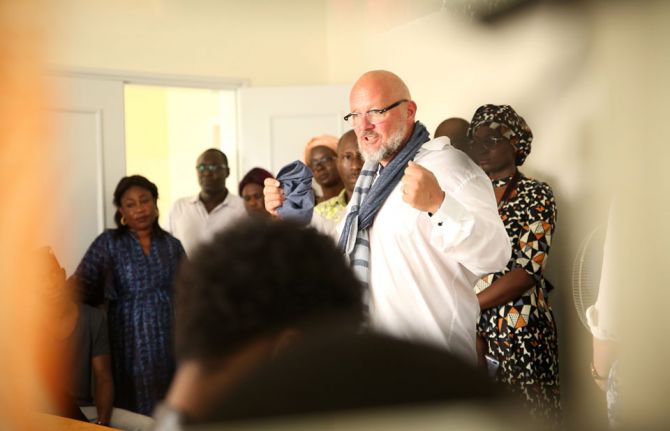
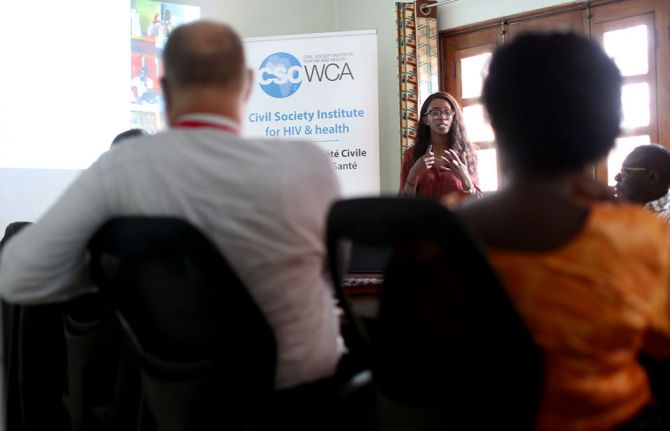
Support is growing for community-based approaches in the region. Recognizing the importance of community-led work, Expertise France and the Civil Society Institute for Health and HIV in Western and Central Africa announced a new partnership on 9 October. “The institute brings together 81 organizations from 19 countries aiming to ensure better political influence at the global and country levels and to galvanize civil society expertise in programme delivery. This partnership is a recognition of our essential contribution,” said Daouda Diouf, Director of Enda Sante and head of the steering committee of the institute. “The situation in western and central Africa remains a priority. It is clear that community-based approaches are agile and appropriate for responding to pandemics,” said Jeremie Pellet from Expertise France.
Shifting to a people-centred approach has been at the core of reforms in the region. A growing regional resolve to accelerate the response and to strengthen community-led approaches that have been proved to work provides hope for the future of the HIV epidemic in western and central Africa.
Related

Feature Story
UNAIDS and Luxembourg―working together in western and central Africa
09 October 2019
09 October 2019 09 October 2019Western and central Africa continues to lag behind the rest of Africa in preventing and treating HIV, leaving millions of people vulnerable to HIV infection and 2.4 million people living with HIV without treatment. Following calls to action made at the 2016 United Nations High-Level Meeting on Ending AIDS and the July 2016 African Union summit, UNAIDS and partners launched a plan to accelerate efforts to stop new HIV infections and ensure that everyone in the region has access to life-saving treatment.
Although resources available in western and central Africa to respond to HIV increased by 65% between 2006 and 2016, reaching an estimated US$ 2.1 billion, most countries remain highly dependent on donors. However, international funding is declining and current investment levels are far lower than what is actually needed to make a sustainable change.
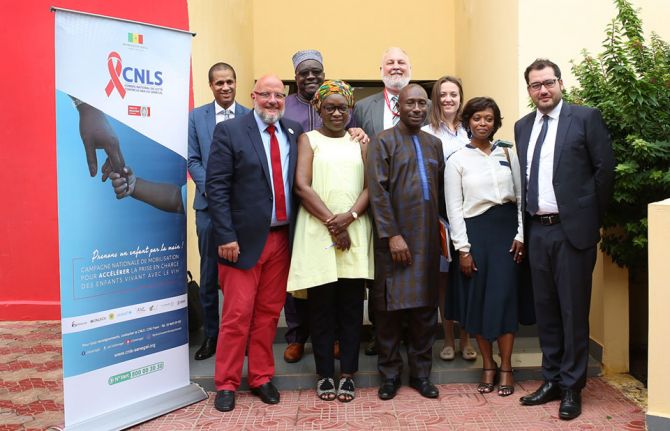
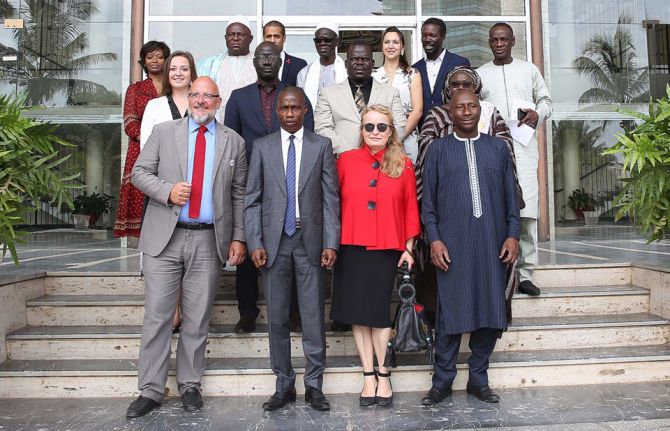
Luxembourg is one country that remains committed to investing in western and central Africa. Marc Angel, Chair of the Foreign Affairs and Development Committee in the Luxembourg Parliament and UNAIDS Champion for the 90–90–90 Targets, joined UNAIDS on a recent visit to Senegal to see how Luxembourg’s contribution to UNAIDS for the acceleration of the AIDS response in western and central Africa was helping to make a difference.
Supported by funding from Luxembourg, UNAIDS and partners have established the innovative Civil Society Institute for HIV and Health in West and Central Africa. The institute acts as a coordinating mechanism for around 80 nongovernmental organizations working in the interests of people affected by HIV in 20 countries across western and central Africa.
One such group is CEPIAD, the first centre for harm reduction for people who inject drugs in western Africa. The medical staff and social assistants are pioneers in the region, treating people who use drugs with a public health approach rather than judgement. In Mbour, at the treatment centre for key populations, Mr Angel heard from people who had injected drugs in the past, who shared their personal stories of how the centre had helped them to reintegrate with their families and society.
“Only by including key populations can the 90–90–90 targets be reached,” said Mr Angel. “Senegal’s public and civil society actors have to continue working hand in hand towards this objective. For Luxembourg’s development cooperation, the human rights dimension in the fight against AIDS and in global health is key. Together with UNAIDS we need to ensure that voices from communities are being heard, working all over the country, in particular with vulnerable populations, including children.”
Mr Angel also visited the paediatric treatment ward of the Albert Royer Hospital, where he met young people living with HIV. They shared their experiences of treatment for HIV, which is allowing them to live normal lives. He noted the progress made in stopping new HIV infections among children in Senegal and the important work done around sexual and reproductive health and HIV to prevent new HIV infections among adolescents.
During meetings with the Minister of Health and Social Action of Senegal, Abdoulaye Diouf Sarr, and the Secretary-General of Senegal’s National AIDS Committee, Safiatou Thiam, Mr Angel praised Senegal for decreasing the national HIV prevalence.
However, he also highlighted areas of concern, including the high HIV prevalence among key populations, emphasizing that access to treatment for key populations was instrumental to ending AIDS by 2030. He also advocated for an increase in national resources to respond effectively and sustainably to HIV in Senegal.
Region/country
Related

Feature Story
How London’s first dedicated HIV ward changed the AIDS response
03 October 2019
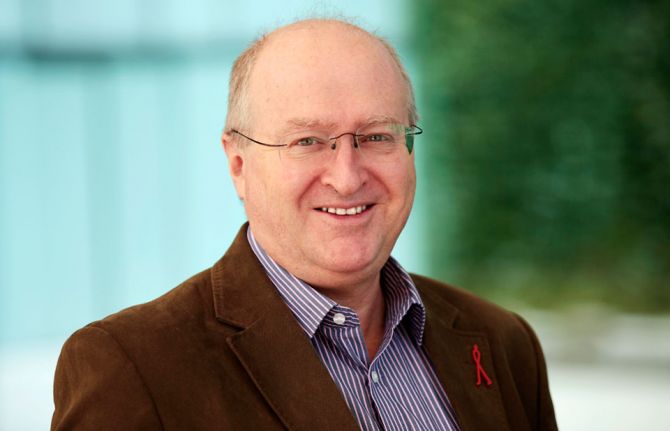
03 October 2019 03 October 2019Opened in 1987 by Princess Diana, the Broderip Ward at the Middlesex Hospital in London was the United Kingdom’s first ward dedicated to caring for HIV patients. UNAIDS Senior Adviser on Science, Peter Godfrey-Faussett, worked on the Broderip Ward as a newly qualified doctor and remembers it as an intense and highly emotional period.
What are your first memories of HIV?
I was finishing my medical training in London when the first reports of what would subsequently be called HIV and AIDS came out. We had no idea then of the unprecedented nature of what was happening. As a medical student approaching my final exams, my concern was to know the facts, but it was clear to me even then that many of these “facts” were not yet understood. After qualifying, I soon found myself working at the Hospital for Tropical Diseases in London and on the Broderip Ward at the Middlesex Hospital.
How did London’s medical professionals react to this new health challenge?
The organization of services for HIV varied in different parts of London. The staff at the sexual health clinics, or departments of genitourinary medicine, as they were called then, were establishing outpatient services with counselling, support and care for people living with HIV. But these teams were generally not well equipped to provide care for people who had to be admitted to hospital. In each hospital, a different specialist team took on the care of the ever-expanding population of people living with, and dying from, HIV. Many of those needing care had pneumonia, often caused by pneumocystis. Others had persistent severe diarrhoea, neurological problems or skin diseases, including Kaposi's sarcoma.
We had an amazing team led by Steve Semple and worked in close collaboration with the staff at James Pringle House, one of the dedicated sexual health clinics in London. Steve Semple was a respiratory physician with an expertise in the normal regulation of breathing. In other parts of London, the leaders were gastroenterologists, immunologists or infectious disease physicians.
We were all learning quickly how best to care for a wider range of infections, cancers and other conditions, all while coming to understand the social networks and behaviours of our mostly gay patients.
It must have been a difficult time
It was, of course, a hugely sad time. We could treat many opportunistic infections and provide counselling and support, but HIV was almost invariably lethal in those days and we saw so many young men, who were often at the forefront of the lively and creative communities that made London such a great city, fade away gradually or deteriorate more suddenly and die.
As a medical student and young doctor, most of the people that I had treated were reaching the end of full productive lives, but here on the Broderip Ward were people of my own age, reading the same books, going to the same operas and plays. It was often hard to remain clinically detached. I can remember so many of them so clearly. And so many of their loved ones and families.
How did the opening of the Broderip Ward change the way people were cared for?
The nurse in charge of the ward, Jacqui Elliott, was a wonderful woman. Along with Steve Semple, she encouraged us all to break the mould and provide care in a very different way. Back then, hospitals were quite old fashioned and regimented. The matron and the consultant were at the point of a huge pyramid, and often the patients were near the bottom!
Right from the start we engaged with the patients and their partners, and, where necessary, turned a blind eye to regulations. The ward was the only one in the hospital to have additional fridges full of delicious meals that people brought in for their partners, often shared with other patients and the health team!
In those days, there were payphone kiosks at the end of long cold corridors in the hospital and hospital gowns were hideous affairs that tied up loosely at the back. We were the first ward to install a phone on the nurses’ desk so that patients could make calls more easily. We encouraged people to wear their own clothes and dressing gowns and to come and go from the ward as they wished. Everyone on Broderip worked around the clock. Our parties were the ones that everyone in the hospital wanted to come to.
We were learning, and no doubt we made mistakes, but we were certainly among the first medical professionals to listen to our patients and to try to provide what they needed.
And did clinical care change?
The dedicated ward was quickly a focus for teams from all over the teaching hospital. Whenever something new or strange occurred, we had a network of the best specialists in every medical discipline. The weekly clinical meeting attracted clinicians from all over the hospital and from the other hospitals in London and elsewhere.
As a junior doctor it was terrifying having to present each complicated patient to the assembled experts and seek their inputs. But I think the medical care that our patients received was at the cutting edge. We had strong relationships with the psychosocial counselling teams and with the palliative care team, who worked hard to make dying as comfortable as possible. We were, of course, trying out new antiretroviral medicines. Many of our patients were in the early trials of zidovudine, and some patients did improve.
How did patients, their friends and families and staff on the ward cope?
Each patient was an individual with his (or occasionally her) particular relationships with friends, lovers and family. For some, however, admission to the Broderip Ward was the first time that people had acknowledged their sexuality within their family, and they were also having to deal with coming to terms with HIV and the implications of impending death. The staff on the ward had to be constantly aware of who knew what and who could meet whom. Some patients preferred their family not to know on which ward they were being cared for. One of our jobs on the ward was to facilitate disclosure and counsel patients and their partners and families as they came to terms with their situation. We also had a team of make-up artists to help camouflage the visible signs of Kaposi’s sarcoma and dieticians who aimed to optimize people’s nutrition. There was always a strong sense of camaraderie and plenty of opportunities for laughter as well as tears.
How did the United Kingdom’s approach to HIV change in the 1990s and beyond?
The arrival of increasingly effective antiretroviral therapies changed everything. Early treatments were toxic and hard to manage, with specific needs for some pills with food, some without, some needing to be kept in the fridge and some needing an alarm clock to take in the middle of the night. But they worked.
Patients in hospital began to realize that they were not going to die in the next year or two. The United Kingdom’s amazing health system, the National Health Service (NHS), and the wide network of sexual health clinics, meant that professional, high-quality care and treatment was accessible to everyone at no cost. London has always been a centre for travel and migration and the diagnosis and treatment of sexually transmitted infections were exempt from any questions about residence or immigration status. Even for hospital care, the rules could be interpreted to allow everyone to be treated.
The other huge development was that grass-root community organizations sprung up and were funded. People among the African diaspora supported each other and became more organized and vocal. Services in different parts of London catered to different population bases, so that in our hospital many of our patients were gay men, whereas in east London there was a much larger population of women, usually African. Inevitably, people's challenges reflected the social context in which they lived, as well as the gender-specific clinical aspects of HIV.
More recently, some of the systems that made the United Kingdom so open to people living with HIV have changed. Funding for the sexual health clinics and community organizations is tighter, and the restrictions on who is eligible for NHS treatment are enforced more rigorously. On the other hand, most United Kingdom cities remain vibrant, tolerant places and the gay community especially has pushed for earlier and better diagnosis, treatment and prevention. Stigma is certainly still there, but I believe most people can find a clinic and a team that welcomes and supports them through the challenges of living with HIV.
There is such an array of treatment and prevention options available today, is the HIV epidemic over in the United Kingdom?
We are making exciting progress, and each year sees a fall in the number of new HIV infections, particularly in London and the other big cities. Outbreaks will continue, recently among people who inject drugs in Scotland. Ongoing stigma and denial prevent people from all communities, and particularity the African diaspora, from getting tested and accessing effective treatment or prevention promptly.
And, of course, people need treatment for life. So even as the number of new infections falls, we will need ongoing care and support and good surveillance for many more years.