Feature Story
Interviews with the candidates for WHO Director-General
18 May 2017
18 May 2017 18 May 2017At the upcoming World Health Assembly, which will take place in Geneva, Switzerland, from 22 to 31 May, the new Director-General of the World Health Organization will be elected. For the first time, and after a selection process that started in September 2016, all World Health Organization Member States will cast their vote for one of the three final candidates for the position.
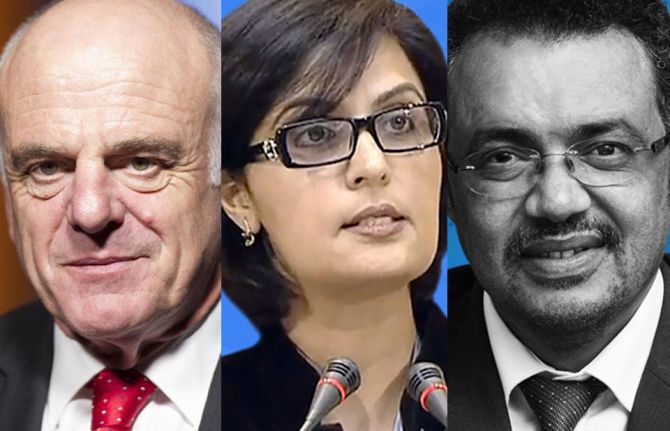
Since their nomination, all three candidates have been presenting their ideas and vision around health-related topics. The three final candidates, David Nabarro, Sania Nishtar and Tedros Adhanom Ghebreyesus, have spoken to unaids.org about the AIDS epidemic and global health.
Question: As Director General of WHO, what will be your three priorities to advance progress in ending AIDS by 2030 as part of the Sustainable Development Goals?
DAVID NABARRO
The first priority must be to stop tackling HIV/AIDS as an isolated issue and make services for people affected by HIV/AIDS an integral part of universal health coverage, and also linked with services for other chronic diseases.
The second is to review the lessons of work to empower people at risk of HIV/AIDS using a Sustainable Development Goal (SDG) lens and then use the information derived from this review as a basis for mainstreaming HIV-related action across all the SDGs (see below).
Just as the AIDS movement redefined public health between 2000 and 2015, it now needs to help bring public health into the SDGs with a completely new narrative. This narrative must emphasize the interconnections between the SDGs and the need to leave no one behind, and show that health is central to achieving this.
SANIA NISHTAR
To defeat the epidemic, the World Health Organization (WHO) needs to continue work in partnership and push the ambitious agenda approved at the United Nations General Assembly High-Level Meeting on Ending AIDS. Universal access to early safe treatment—getting to universal coverage still needs a lot of work—and countries need support to be able to work out how to deliver lifelong treatment. WHO will strive to be sure that we are on top of the evidence and able to fail fast and fix fast as new evidence sheds light on how to reach people and sustain them on treatment to reduce the community viral load.
Only then can we expect to curb transmission. For prevention—while we now have some effective interventions to programme—we still need to add to our toolkit and WHO will work to ensure new evidence and experience is brought into programmes as quickly as feasible. Addressing HIV requires universal health coverage for the core evidence-based package, a rights-based approach and an understanding of the key role of social determinants.
With that in mind we need to focus on ending transmission. This means continuing to promote universal testing and treatment, with a focus on the most vulnerable groups, including adolescent girls and people who use drugs, understanding the value of pre-exposure prophylaxis and, of course, ultimately we need a vaccine.
WHO’s role in this is to continue to provide evidence-based policy guidelines and build up our toolkit to make progress towards universal health coverage. We know that countries are struggling to implement the existing guidelines. WHO needs to continue to bring rigor, evidence and a public health approach to the response so that we can provide practical and clear guidance on how to deliver services in different contexts (rural, urban) and to those people that don’t normally have contact with the health system.
WHO also needs to support countries to have the data and management systems in place to deliver a real-time public health response, with a view to actually preventing transmission.
TEDROS ADHANOM GHEBREYESUS
Over the last 20 years, we have made tremendous progress on combating AIDS. I commend the advocacy and leadership role of UNAIDS in achieving these results and coordinating and harmonizing the United Nations system’s response to the AIDS epidemic. If elected as Director-General, I will have the following three priorities as part of the health sector AIDS response.
First, I will champion efforts to sustain the progress we have made so far without complacency and to renew our commitments to end AIDS as a public health problem by 2030. The global commitment for the Sustainable Development Goals offers a profound opportunity to tackle the structural, social and economic changes needed to end AIDS. I will ensure the World Health Organization (WHO) is part and parcel of these efforts, working alongside UNAIDS, the United Nations system, Member States, civil society and community groups.
Second, my topmost priority as Director-General of WHO will be universal health coverage, and I will work to ensure that each person living with HIV has access to the HIV prevention, treatment and care services they need. We will give due emphasis to HIV prevention and addressing comorbidities, such as HIV-associated tuberculosis, as well as the growing concern of noncommunicable diseases. Universal health coverage will also help key HIV populations, such as sex workers, men who have sex with men, people who inject drugs, transgender people, migrants and adolescents, reach HIV prevention, treatment and care services. WHO will provide Member States with the normative tools, guidance and support they need to implement these policies.
And finally, I would prioritize building strong, community-based health systems which can design and implement locally tailored prevention and treatment programmes. This will include strengthening primary health-care systems to deliver HIV prevention, treatment and care. Ensuring investment in health systems will not only help us manage HIV/AIDS, it will also support our efforts to prevent and treat other communicable and noncommunicable diseases, as well as prevent and respond to future health emergencies.
READ INDIVIDUAL INTERVIEWS
 |
||
| DAVID NABARRO | SANIA NISHTAR | TEDROS ADHANOM GHEBREYESUS |
Question: How important do you feel the lessons learned in the AIDS response are in shaping the future of global health?
DAVID NABARRO
The response to AIDS taught us a great deal, and was extremely important in shaping global health. First of all, it taught us to focus on the people and patients, as opposed to the medical condition or the virus. By shifting the focus in this way, the movement was effective in engaging civil society and a wide range of actors in combatting the condition, and, importantly, also the stigma attached to it. The second important issue brought to light in the AIDS response was ensuring that all persons at risk—whatever their place in society—were able to have full access to the services they needed: leaving no one behind. Hard work was done to ensure that HIV status, a person’s gender, sexual preference or substance use should never be an excuse for discrimination, which is certainly crucial to all global health areas of work. Thirdly, the AIDS response demonstrated the importance of multistakeholder and intersectoral approaches and broke new ground in providing a good model of how to work in an integrated way across agencies on complex health issues within the United Nations.
SANIA NISHTAR
The AIDS response more than any other has taught us four critical lessons for the future of global health. The power of ambition, power of community engagement, the benefits of a multisectoral response and lessons to reorient acute-care health systems towards chronic disease management.
On the first point, the AIDS community was one of the first to push for universal access. Seen as heretical at the time, the AIDS community said everyone, everywhere can and should be treated. Through South–South cooperation antiretrovirals were made accessible to those that needed them most and millions of people are now alive because of it.
Second, the AIDS response has shown us that the community matters and health is everybody’s business. Community health workers trained in treatment literacy were key to breaking down social stigma and encouraging people to get tested and to take up treatment.
Thirdly, the AIDS response has shown us the power of partnership and while the outcome of a disease may be a health outcome (e.g. people get sick or die) prevention and treatment on a universal scale requires engagement of all players—government, private sector, faith-based organizations, community-based organizations, civil society, academia—and all sectors—education, food security, water and sanitation, transportation.
In the fourth place, the scale-up of services in lower-income countries has created the first large-scale continuity care programmes. Although HIV and chronic noncommunicable diseases (NCDs) are thought of as different challenges, there are many commonalties, as far as the health systems response is concerned, since the availability of treatment has transformed HIV into a chronic condition. HIV programmes have developed the systems, tools and approaches needed to support continuity of care. These lessons can help in mainstreaming the management of NCDs in country health systems planning.
Overall, we have also learned that we cannot see any disease area in isolation—to address HIV/AIDS we need an effective, strong system, which means people, funding, hardware, leadership and data to drive decision-making.
Our experience with HIV has shown us the shortcomings of systems built around one-time episodic care and that success is only possible when the beneficiary and the provider embark on a journey together as part of the continuum of care. As countries are grappling with a declining burden of communicable disease and a rise of NCDs, we need to build strong health systems that are sustainable and more responsive. This requires a long-term view focused on both people and systems.
TEDROS ADHANOM GHEBREYESUS
I have no doubt that the lessons we learned in the AIDS response have been critical to shaping the future of global health, both in terms of what we need to do and how we need to do it. The AIDS response first and foremost taught us the importance of political advocacy, community mobilization and determination to overcome despair with ambition and solidarity. The lessons of the AIDS response showed us the value and power of multistakeholder engagement and that we cannot address a health issue at its root only by focusing on the health sector. We also learned that with global solidarity we can innovate and mobilize dramatic domestic and international resources for health, which not only had a profound impact on HIV, but also on the broader health system. For example, when I was a Minister of Health of Ethiopia, we created a 2% HIV Solidarity Fund (a pool fund of 2% salary contributions of civil servants) to initiate our HIV treatment programme. Particularly in the face of changing political climates, we need this type of creativity, commitment and multisectoral response as we work to place universal health coverage at the centre of the implementation of all Sustainable Development Goals.
Question: As the AIDS response has scaled up to reach millions, one of the key challenges has been the lack of community health workers and the capacity of the health system to deliver services at the scale. How will you address the challenge of building up the health system to prepare for the next disease outbreak and to meet current health challenges including AIDS and non-communicable diseases?
DAVID NABARRO
Governments are increasingly focused on how best to develop health-care infrastructure and staffing so that all people are enabled to access essential health care while—at the same time—ensuring that there are appropriate facilities within which care can be offered to persons who have or are at risk of HIV/AIDS, providing them with health services and lifestyle information. Governments seek to ensure that procurement mechanisms for AIDS medicines work well and enable people in need to access the medicines and take them as directed. They also work hard to ensure the necessary political support to ensure that health infrastructure is rolled out in ways that are sensitive to the needs of people living with HIV. The services offered should take account of the reality that people living with HIV may well end up developing noncommunicable diseases. To this end, national authorities in several countries are looking for ways to incorporate AIDS care within the programmes for chronic diseases. All governments will wish to encourage regional and global collaboration on funding, on technical assistance, on ensuring access to medicines and diagnostics and on securing access to vaccines as they become available.
SANIA NISHTAR
Here you raise three separate but important issues: the lack of health workers, the need to deliver services at scale and the challenge of building health systems, and how best to prepare for the next disease outbreak.
First, community health workers form the backbone of health services in many countries—in many cases the health workers are women. We must do better in remunerating these women on time for their work, as a pure volunteer model is not sustainable in the long run if we want to retain this part of the workforce. More broadly, implementation of the recommendations of the High-Level Commission on Health Employment and Economic Growth will work well, both for addressing health workers’ shortages as well as economic growth and health systems strengthening, overall.
I have always believed that strong health systems can deliver on any disease-specific goal. In fact, this has been the message of my book, Choked Pipes. In addition to disease-specific targets, strong and effective systems can also be crucial for the response to pandemics. I will ensure WHO embarks on a course to strengthen the international framework to coordinate and consolidate efforts towards the achievement of universal health coverage, with health systems strengthening as one of its key features. This will also include efforts to overcome systemic barriers and address collusion in health systems, and provide technical support to countries to develop new stewardship mechanisms to tap the potential of providers of services in the non-state sectors, which play a predominant service delivery role in many parts of the world. Under my leadership, WHO will promote universal health coverage as a health policy goal for all countries, and will help ministries of health galvanize commitment at the head of state level. Embracing universal health coverage means building on previous commitments to primary health care and including long-term social policy commitment, domestic resource allocation and a move linking coverage for essential services to financial risk protection.
Finally, on disease outbreaks, there are actions to be taken both in countries as well as within WHO. WHO must work more effectively with Member States to enhance their core public health capacities as demanded by the International Health Regulations. Improvement in disease surveillance will improve health planning, and quick detection and response to outbreaks will save lives. Internally within WHO a new Health Emergencies Programme has been initialized, which I am strongly supportive of and which I will strengthen as a priority.
TEDROS ADHANOM GHEBREYESUS
Scaling up community health workers and health system capacity must be a fundamental component of our efforts to achieve universal health coverage, which will be my topmost priority if elected as Director-General. These efforts can build on the tremendous progress made and experiences gained in the last two decades tackling HIV, tuberculosis, malaria, neglected tropical diseases, and child and maternal mortality. As part of this effort, we also need to strengthen primary health-care systems with integrated community engagement to address communicable and noncommunicable diseases, such as cancer, heart disease, chronic respiratory diseases, diabetes and injuries. These efforts will help not only to deliver evidence-based health promotion, prevention, treatment and rehabilitation services, but also to enhance prevention, detection, response and recovery efforts for health emergencies.
As Director-General, I will build on my first-hand experience addressing this capacity gap in Ethiopia to support Member States and national health authorities’ efforts to develop and implement policies aimed at ensuring universal health care. In Ethiopia, for example, our flagship Health Extension Programme deployed nearly 40 000 community health workers in every village of the country. HIV prevention was one of their key activities—a focus which has resulted in a 90% reduction of new HIV infections between 2001 and 2012. WHO has a key role to play in sharing these types of lessons learned across countries. It also needs to help build and maintain partnerships among the diverse group of players involved in global health—country governments, donors, the private sector, civil society and academics—to overcome barriers to achieving universal health coverage, including improving access to quality diagnosis and care, essential drugs and financial protections. Finally, I will also work to put and keep universal health coverage on the agenda at the highest political levels possible, maintaining the political will and resources needed to achieve these goals.
Question: How will you ensure that people affected by HIV especially key populations-such as sex workers, gay and other men who have sex with men, people who inject drugs, transgender people and migrants are not left behind in efforts to achieve universal health coverage.
DAVID NABARRO
I see many examples of health professionals, civil society, faith groups, the United Nations and others with an interest working with governments with a view to reducing the stigma in relation to persons who are at risk of HIV and reducing the extent to which they are subject to discrimination that results in their not being able to have proper access to care. To be better able to do this work, health professionals and other stakeholders need support so that they can practice in ways that reduce stigma and discrimination, need access to evidence, need to be able to interact with the general public and need to be able to work closely with each other in solidarity, as it can be challenging and difficult work associated with setbacks as well as successes.
SANIA NISHTAR
Everyone has a right to health. As with all areas of its work, while recognizing the criticality of national sovereignty, to fulfil its mandate of health for all, WHO must also be the steward and champion of both the right to health and a human rights approach to health.
The 2030 Agenda and the Sustainable Development Goals reaffirm the responsibility of Member States to “respect, protect and promote human rights, without distinction of any kind as to race, colour, sex, language, religion, political or other opinions, national and social origin, property, birth, disability or other status,” signalling a renewed commitment to human rights in the coming global health and development agenda.
Throughout my work as a doctor, in government, civil society, academia and working with international agencies, I have always based my work on the foundation that everyone has the right to quality health services. It was this strong grounding that led me to set up an innovative financing facility in Pakistan that assists the poorest and most marginalized communities to avoid catastrophic expenses when accessing health. I will continue to walk the walk on the right to health as Director-General of WHO.
TEDROS ADHANOM GHEBREYESUS
Our efforts to achieve universal health coverage need to prioritize the needs of the vulnerable and marginalized. Specifically, I believe WHO must champion mechanisms to meaningfully listen to, learn from and engage these groups. This engagement—and what we learn from it—should then be at the centre of our efforts to mobilize resources and hold authorities accountable for the health of all, regardless of age, gender, income, sexual orientation or religion. In addition, it will be essential to improve our evidence base around effective ways to reach the most vulnerable and most marginalized. New research can help us develop data-driven and results-oriented solutions, which will help us maximize the impact of interventions we invest in. Part of this effort will also require us to build and improve the infrastructure for data collection and ensure that the data we collect are used to inform policies. Lastly, WHO is ideally positioned to address inequality in health care, and, if I am elected Director-General, I will be a strong voice and committed champion to ensuring everyone has the right to health care.
Question: What does UNAIDS mean to you?
DAVID NABARRO
UNAIDS is a very important expression of the spirit and solidarity with which we all need to work together to empower actions that will lead to a reduction of the disadvantage and suffering experienced by people who are at risk of HIV and AIDS, as well as those who are actually affected by the disease. It has had a powerful influence on the behaviour not only of the United Nations system but of the whole community of actors engaged in ensuring equitable access to requirements for HIV/AIDS prevention, diagnosis and treatment.
SANIA NISHTAR
UNAIDS was one of the first examples of a partnership that harnessed the strengths and core competencies of all the United Nations agencies. Under the stewardship of UNAIDs, the United Nations has driven an ambitious agenda, and collectively we have pushed farther and faster towards ending the epidemic—ambitious goals for access to treatment and prevention of mother-to-child transmission of HIV are being met in some countries, and, for the first time, epidemic control and ending transmission seems as possible in a handful of African countries hardest hit.
UNAIDS has also played a key role to keeping a human rights-based approach to our response and ensuring that access to critical prevention and treatment is extended to key populations at risk, including harm reduction for intravenous drug users, and adolescents. UNAIDS has also led the way on how we in health can work with multiple actors—civil society, communities, volunteers and the private sector—to improve coordination and to better leverage the skills, experiences and resources of partners.
TEDROS ADHANOM GHEBREYESUS
I will start with a personal note. It has also been a great pleasure and honour to have had a chance to chair the Programme Coordinating Board (PCB) during my time as Ethiopia’s Minister of Health in 2009–2010, and to consider UNAIDS a close partner for more than a decade. It was during my time on the PCB that UNAIDS increased its focus on health systems strengthening and HIV prevention, including country ownership—setting the stage for our universal health coverage efforts. We also worked to implement the new UNAIDS mission statement, which outlined its priorities and vision for the future.
I believe UNAIDS’ provocative leadership has been critical in addressing the AIDS epidemic and converting it from a death sentence to a chronic health condition. Its global role has not only garnered the highest political support for the AIDS response, but also ensured the voices of those affected by HIV and their families are at the centre of the response, including placing civil society within its governance structure. I believe consolidating these experiences will be useful to tackle the structural, social and economic changes needed to end AIDS as part of the Sustainable Development Goals. I also take note of the recent recommendations of the Global Review Panel on the Future of the UNAIDS Joint Programme Model.
If elected Director-General of WHO, I would look forward to continuing our work together and our close partnership.
Resources
Feature Story
Germany—ending AIDS by 2020
12 May 2017
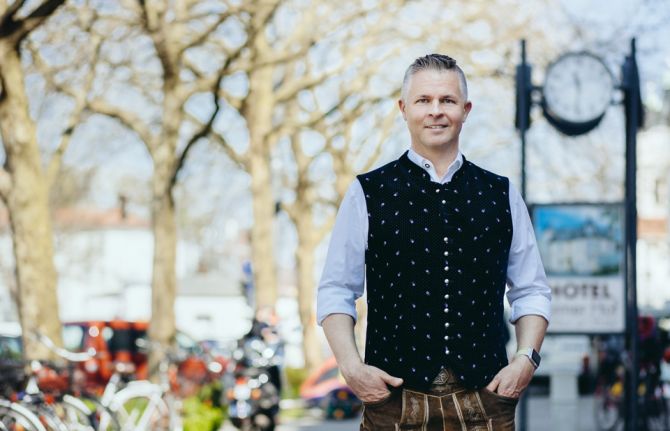
12 May 2017 12 May 2017Sitting in his Mini Cooper, sporting traditional Bavarian lederhosen and a smart black waistcoat, Maik is a picture of health. It is hard to believe that nine years ago he was fighting for his life.
Maik is a 43-year-old engineer and test driver for a large German car manufacturer. He speaks slowly and softly, “Back then I didn’t think I’d ever drive a car again.”
Nine years ago Maik had left his doctors baffled. He had lost 30 kilos, and had become very ill. At the back of his mind, Maik knew he might have HIV—as a gay man he knew he was at higher risk of infection, but he was careful, and his last HIV test, 10 years ago, was negative. But he was worried. “I had the old pictures of AIDS in my head,” he said. “I was very scared.”
Despite the unmistakable symptoms, his doctor didn’t offer him an HIV test, but sent him home with throat lozenges for his mouth infection. “For me,” said Maik “This was proof enough that I didn’t have HIV.”
It was only when he was referred to a specialist that the possibility of HIV was raised and Maik was offered an HIV test. The results came back positive. Maik had HIV and his immune system was weakening. “I thought, I’m going to die because I didn’t have the courage to take an HIV test.”
At home he gave his partner the choice. “Either leave now or stay and watch me die.”
His partner stayed and Maik was given antiretroviral therapy.
Incredibly, just six weeks later, he was back at work. “I have been improbably lucky,” said Maik. He now works a full 40-hour week and makes time for sport.
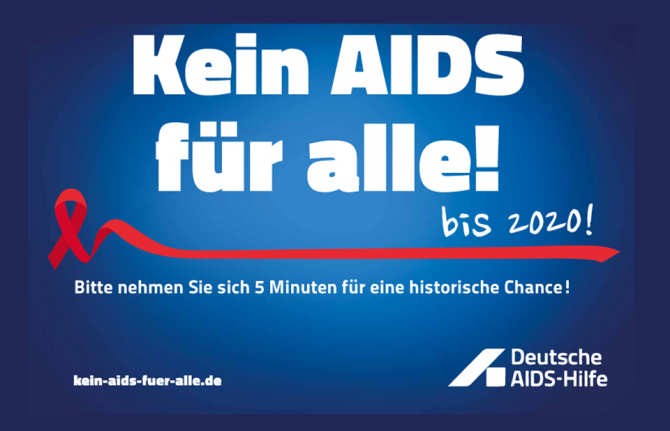
Maik has shared his story to inspire and encourage others to test for HIV as part of the campaign by the German nongovernmental organization Deutsche AIDS-Hilfe to end AIDS in Germany by 2020. The campaign, Kein AIDS für Alle, aims to stop new HIV infections and ensure that by 2020 no one in Germany will develop AIDS.
“Ending the AIDS epidemic is within reach for Germany and ensuring that people know their status and can access treatment is critical to reaching that goal,” said Michel Sidibé, Executive Director of UNAIDS.
HIV in Germany (2015 data from Robert Koch Institute)
85 000 people are living with HIV
72 000 people know their HIV-positive status
60 700 people are on antiretroviral treatment
3200 new HIV infections
<500 AIDS-related deaths
HIV treatment has been available in Germany for more than 20 years, preventing the onset of AIDS and allowing people living with HIV to live longer, healthier lives. However, it is estimated that every year more than 1000 people in Germany develop AIDS because of late diagnosis or because they are not accessing treatment.
“There are many reasons why people don’t take an HIV test. Some think they’re not at risk, even doctors don’t always recognize the need to test for HIV,” said Silke Klumb of Deutsche AIDS Hilfe. “There’s also still a huge fear of stigma and discrimination in Germany. And, unfortunately, not everyone has access to HIV services; undocumented migrants, for example, are one group that is being left behind.”
The Kein AIDS für Alle campaign will inform people about the risks of HIV infection and show that a positive test for HIV is not a death sentence, but the first step to living a long and healthy life.
“Don’t wait until it's too late,” affirms Maik. “Get tested regularly. A positive HIV diagnosis is a dramatic experience. But you can live well with HIV, providing you get treatment.”
HIV is the virus that causes HIV infection. AIDS is the most advanced stage of HIV infection.
The campaign will aim to eliminate stigma and discrimination around HIV and encourage members of key populations to access HIV prevention, testing, treatment and care services through innovative initiatives. There will also be support for doctors as part of efforts to improve timely diagnosis of HIV.
Deutsche AIDS Hilfe is an independent, non-profit association with 120 autonomous member organizations, including AIDS and drug treatment service organizations, HIV prevention projects, gay and lesbian centres and housing and home care projects. Together, they are committed to HIV prevention, treatment care and support and advocacy around HIV in Germany.
As part of efforts to achieve the commitments in the 2016 United Nations Political Declaration on Ending AIDS, UNAIDS is working to support community-led service delivery and build the capacity of civil society organizations to deliver HIV prevention, treatment and care services based on a non-discriminatory approach that respects, promotes and protects human rights.
Campaign
Partner
Related article
Region/country

Feature Story
Love makes a family: UNAIDS commemorates International Day against Homophobia, Biphobia and Transphobia
16 May 2017
16 May 2017 16 May 2017This year’s International Day against Homophobia, Biphobia and Transphobia (IDAHOT) focuses on the family, including the role of families in the well-being of their lesbian, gay, bisexual, transgender and intersex (LGBTI) members and respect of the rights of LGBTI families.
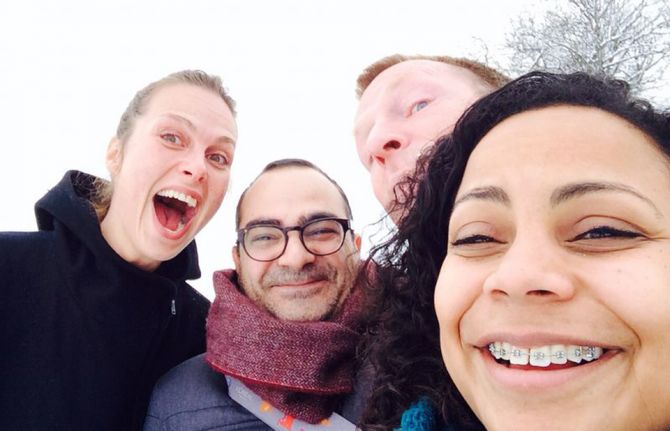
UNAIDS has been a strong supporter of LBGTI equality and has been a champion of the cause within the United Nations system. To celebrate the diversity of families at UNAIDS, we have talked to LGBTI staff about what family means to them.
Shane Hebel
When I think of family I think of my chosen family, friends who became loved ones through our shared experiences, joys and trials. We support each other, we push each other to be our best selves, we help each other move. These people have taught me that families come in all forms and that love can exist boundlessly among those you choose to surround yourself with, even if they aren’t tied to you by blood.
Chris Mallouris
Family for me means safety, unconditional love and acceptance for who I am, acceptance when I succeed and acceptance when I fail. As we grow older, our family expands from those with whom we are linked genetically to those who come to our lives by mutual choice. In the last few years, it has been heart-warming to see LGBTI people in some regions of the world celebrate publicly their definition of family. But it has also been heart-breaking to see LGBTI people in other regions losing their families, being persecuted and having their lives threatened by those who should be there to protect them and love them unconditionally. Families protect each other, they don’t turn against one another for being born LGBTI.
Carlos Passarelli
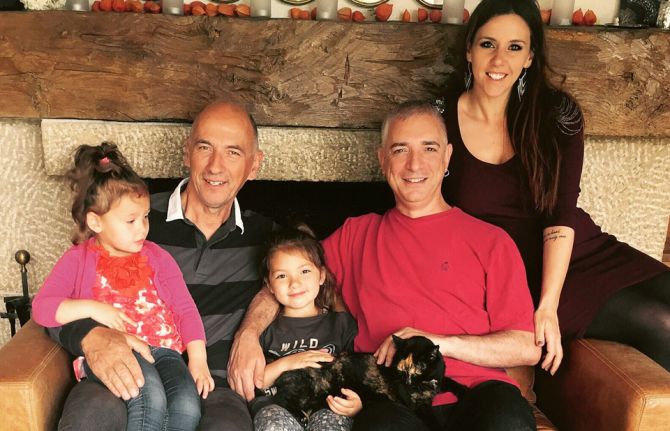
When I met Marc, almost three years ago, I always acted as if his kids, his grandchildren, and his stepsons were his family, not mine. One day, Manon, his daughter, introduced me to a colleague of hers, presenting me as her “stepfather”. I must admit that I was touched by her spontaneity. Her three daughters, Marc’s grandchildren, also treat me as the partner of their grandfather, and it is very natural to them. And then I realized that Marc and I were more than a couple: we were part of the same family, including my own family in Brazil. And I felt good about that.
Alberto Stella
The family is the primary social context for growth development of the person in its wonderful diversity. My family has been growing along my journey: I found my son in Africa and my partner in central America and we got married in Argentina. Today, we are a family, a refuge that provides security, love and a real possibility of fully exercising human rights. No matter how the family is composed, what makes family functional is the strength of ties.
UNAIDS’ policy
Starting in 2009, UNAIDS actively promoted the equal recognition of marriages and unions at the United Nations system level. UNAIDS was one of the pioneers in extending benefits to staff members who entered a civil union or marriage recognized by a competent legislative authority, irrespective of the staff member’s nationality. The United Nations Secretariat and other entities later adopted a similar policy in 2014. UNAIDS was also one of the first United Nations organizations to establish a diversity policy. UNAIDS’ Policy on Diversity and Inclusion makes specific reference to same-sex partnerships and UNAIDS’ policy of zero tolerance for discrimination.
UNAIDS staff member
Family to me is my immediate family, but it’s also the many gay and lesbian friends I have made over the years. The two are essential to my life. I have the unconditional love of my parents, who accept me for who I am, a lesbian, but they stay silent about my life and lifestyle. That is why I feel a reassuring sense of community with my gay friends. At UNAIDS, the sense of acceptance has been overwhelmingly positive and I wish everyone could work in such an environment. No labels, no stigma.
UNAIDS staff member
A few months ago, I delivered training on sexual orientation and gender identity in western Africa. I shared with the participants my experience of coming out to my family in my twenties and then pursuing a life and a career. One of the participants asked me if there had been a nongovernmental organization that had helped me when I came out. The question caught me off guard. I realized that it presupposed that I had been rejected by my family and that I must have needed external help to survive. I replied that I did not need any help because as soon as I came out I was embraced, reassured and supported by my family at all times. This made me reflect on how fortunate I am to have my parents and siblings, to have been born in a time and in a place where that family was possible, and to have been resilient enough to come out to my family and to society without much fear. I know these factors are not a reality for all LGBTI youth worldwide, and for that we need to continue advocating for universal human rights, education, services and justice.
To celebrate IDAHOT 2017, UNAIDS has released a video message (https://youtu.be/DGbO0qt7EQo) by Michel Sidibé, UNAIDS Executive Director, on the diversity and importance of all families.
Mr Sidibé in the video statement said, “Families come in all shapes and sizes … we all have a responsibility to respect and protect one another.” He added, “Ending AIDS means we need to end the stigma and discrimination of lesbian, gay, bisexual, transgender and intersex people.”
Feature Story
India to provide HIV treatment to all who need it
01 May 2017
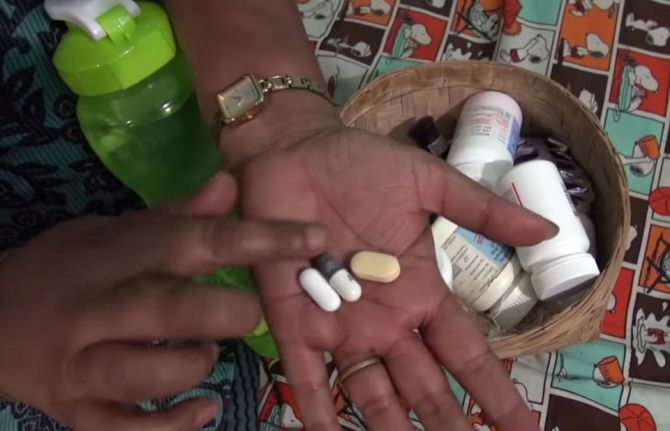
01 May 2017 01 May 2017Veena has been living with HIV for more than 15 years. The community educator, who lives in Bangalore, India, has been on HIV treatment for more than a decade and says antiretroviral medicine has given her back her health and happiness.
“This medicine is very good. I am very happy,” said Veena. “My life has changed. I am learning three languages and working.”
There are 2.1 million people living with HIV in India, which has the third largest HIV epidemic in the world. On 28 April, during an event in New Delhi, Jagat Prakash Nadda, the Minister of Health and Family Welfare, announced a new test-and-treat policy that commits to providing access to HIV treatment for everyone living with HIV in the country. Prior to the change in policy, people living with HIV could only access antiretroviral medicine for free if their CD4 cells had decreased to less than 500 cells/mm3.
Mr Nadda also said that the ministry’s 90–90–90 strategy will identify 90% of people living with HIV, place 90% of people identified as living with HIV on treatment and ensure that 90% of people on treatment have sustained viral load suppression. “This strategy will offer us an opportunity to work towards our commitment made during the United Nations High-Level Meeting on Ending AIDS.”
People living with HIV in India often access treatment late. This was the case for Veena when she began taking medicine.
“I had lost a lot of weight and I had a high fever. I was tired and I couldn’t work,” said Veena. Initially she did not respond well to treatment, but slowly her weight started to increase and her immune system became better.
UNAIDS has called on all countries to provide HIV treatment to anyone who tests positive for HIV, because treatment keeps a person living with HIV healthy and has the double benefit of stopping the transmission of the virus to other people.
“The Government of India is showing bold leadership and commitment to people living with HIV,” said Steve Kraus, Director of the UNAIDS Regional Support Team for Asia and the Pacific. “This new policy will bring life-saving treatment within reach of more than one million people living with HIV. It will keep individuals, families and communities healthy and productive and ensure that India ends its AIDS epidemic by 2030.”
To rapidly scale-up treatment, India will rely on its network of facilities spread across the country providing HIV services. Rolling out the new policy will also entail strengthening the procurement and supply chain management system as well as sustained community participation.
According to the country’s national AIDS programme, annual AIDS-related deaths declined by 54% between 2007 and 2015, while new HIV infections dropped by 32%. As more people living with HIV follow Veena onto treatment, the double benefits of antiretroviral medicines are expected to lead to a further decline in deaths and new HIV infections.
Veena has managed what she never thought possible: watch her daughter grow into a young adult.
“My life has a future. I don’t have a proper education, but my daughter has completed her degree. She is working. She is an empowered woman,” said Veena.
UNAIDS is working with countries to ensure that 30 million people living with HIV have access to HIV treatment by 2020.
Multimedia
Region/country


Feature Story
Posters at Red Cross and Red Crescent Museum depict the AIDS response through the years
03 May 2017
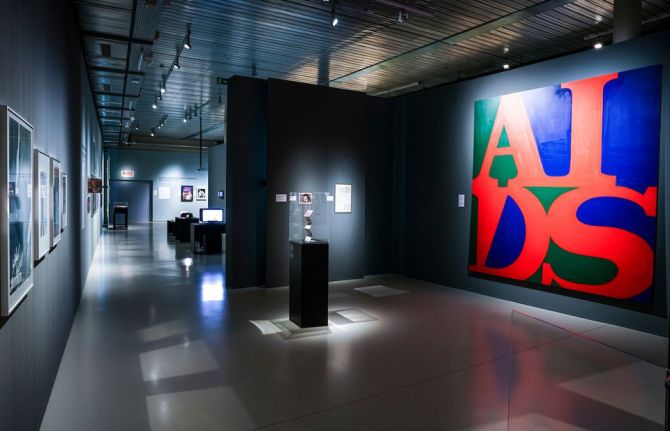
03 May 2017 03 May 2017An exhibition at the Red Cross and Red Crescent Museum in Geneva, Switzerland, traces the AIDS response through posters and art from around the world over the past 30 years. The Fight against AIDS in Images explores the evolution of how HIV has been portrayed in campaigns encompassing sexuality, politics, stigma and HIV prevention—from using an image of a skull to the red ribbon, from depicting HIV as a death sentence to showing people living positively with HIV and from spreading fear to using humour.
“The point of our exhibition is not the disease itself, but all the communication materials around it,” said the Red Cross and Red Crescent Museum Director, Roger Mayou. “The many posters are a true mirror of society through the ages.”
The exhibition begins with Nan Goldin photographs from the mid-1980s as part of the first thematic, Other People’s Disease, highlighting how HIV was seen at the time to be concentrated among key populations.
The second theme, Silence is Broken, highlights how civil society and public figures raised their voices to address HIV. The iconic image of the pink triangle with the saying “Silence = Death” dates back to 1987 and was a part of the New York AIDS Coalition to Unleash Power (ACT UP) campaign.
Next comes AIDS and the Media. The death in 1990 of an American boy named Ryan White, who was infected with HIV by contaminated blood, crystallized the fact that the virus can affect anyone. More women and heterosexual couples appeared on posters and many countries crafted messages for national campaigns, as shown by the German posters from 1990 that emphasize “Don’t give AIDS a chance”.
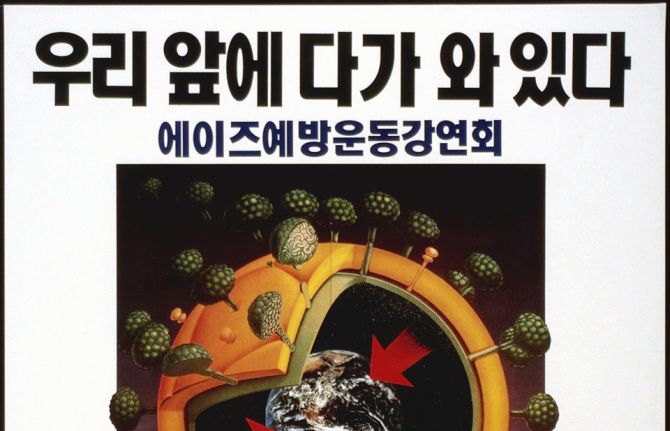
The Virus, the second to last theme, focuses on explaining the science behind AIDS. A rendition of a normal T-cell and an HIV-infected T-cell by the Cancer Institute in 1991 has the slogan “Visualize this”. An Algerian World AIDS Day poster from 1994 likens the virus to mines floating in the ocean with a tagline “Protect the family”.
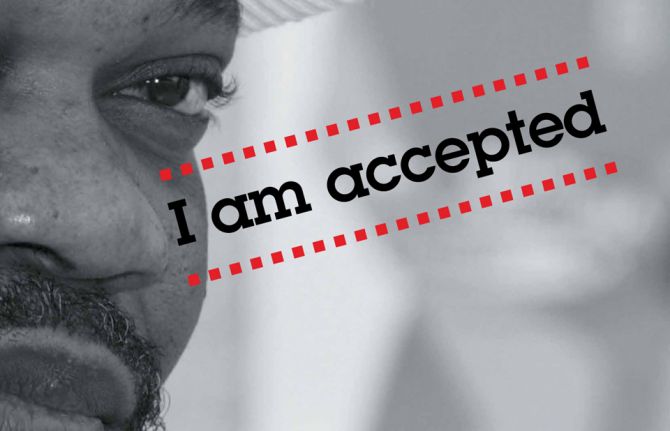
The last theme, Living Together, introduces the fact that, with the advent of antiretroviral medicines in 1996, HIV need not be fatal. As a result, the Swiss Stop Sida (End AIDS) campaign began to incorporate a “Love life” message on their posters in 2005. A black and white UNAIDS World AIDS Day poster shows a close-up of a man with the tagline “I am accepted”—part of the I am Living My Rights campaign stressing the normality of living life as an HIV-positive person.
“HIV has become invisible, a fatigue has almost set in,” Alexandra Calmy from the HIV unit at the Geneva University Hospitals said. “And yet 2.1 million people are infected with HIV every year, so it is important to talk about AIDS, and this exhibition does just that.”
UNAIDS is working with countries towards ending the AIDS epidemic by 2030 as part of the Sustainable Development Goals.
Resources
Region/country

Feature Story
UNAIDS appoints Pia Wurtzbach as Goodwill Ambassador for Asia and the Pacific
03 May 2017
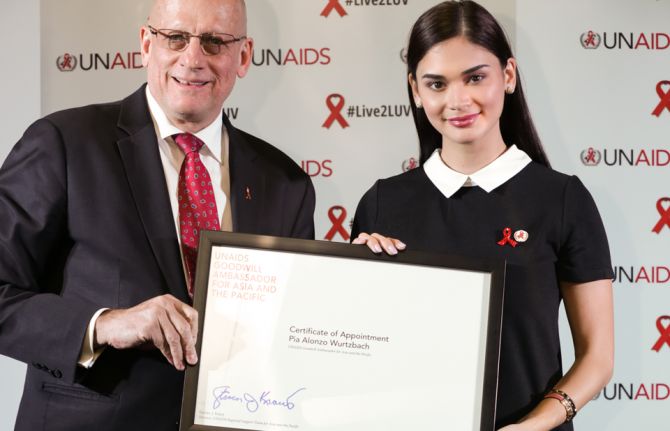
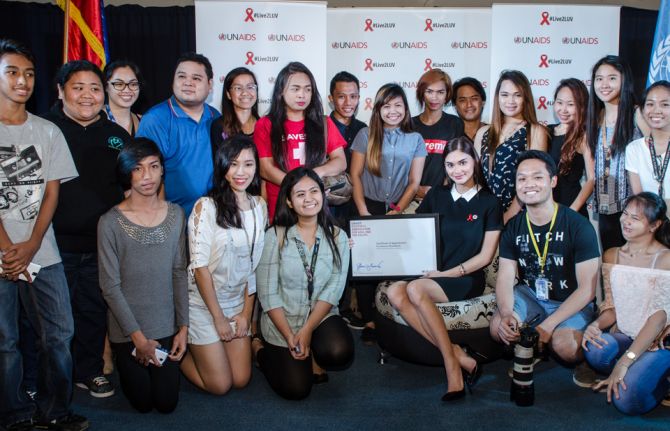
03 May 2017 03 May 2017UNAIDS has appointed Pia Wurtzbach, Miss Universe 2015, as a Goodwill Ambassador for Asia and the Pacific. The announcement was made at a special event with students at Ateneo de Manila University in Quezon City, Philippines.
“I am very happy to be a UNAIDS Goodwill Ambassador for Asia and the Pacific,” said Ms Wurtzbach. “I’m overwhelmed. It’s been a dream of mine to work with the United Nations. I will do my best. I will use my voice for this cause.”
In her new role, Ms Wurtzbach will raise HIV awareness among young people and promote zero discrimination towards people living with HIV and key populations, including men who have sex with men and transgender people.
“Many young people still do not have the skills and knowledge to protect themselves from HIV,” said Steve Kraus, Director of the UNAIDS Regional Support Team for Asia and the Pacific. “With her huge popularity among young fans and immense following on social media, Ms Wurtzbach will amplify our efforts and help end the AIDS epidemic in the region.”
Ms Wurtzbach has been actively involved in humanitarian affairs, speaking out against cyberbullying and supporting people living with HIV, as well as the lesbian, gay, bisexual, transgender and intersex (LGBTI) community. During her reign as Miss Universe, she had an HIV test in front of cameras to encourage people to know their HIV status, and attended the United Nations General Assembly High-Level Meeting on Ending AIDS in New York, United States of America.
The appointment event was attended by young people from different universities in the Metro Manila area, as well as representatives of the United Nations, government officials, the media and the Act!2030 Philippines network and other community groups representing young people and key populations.
The Asia and Pacific region has made progress in its HIV response, with new infections dropping by 5% among people of all ages between 2010 and 2015. However, in 2015, young people accounted for 37% of new HIV infections and data analysis indicates that there is a significant epidemic of HIV among an increasingly younger group of gay men and other men who have sex with men in urban areas of South-East Asia and China.
Surveys conducted in eight countries in Asia found that comprehensive knowledge of HIV among young people is low, increasing their vulnerability to HIV. UNAIDS and its partners are conducting an HIV awareness campaign for youth on social media with the hashtag #Live2LUV and Ms Wurtzbach will be helping to promote this campaign as part of her new advocacy role.
Region/country
- Asia and Pacific
- Australia
- Bangladesh
- Bhutan
- Brunei Darussalam
- Cambodia
- China
- Democratic People's Republic of Korea
- Federated States of Micronesia
- Fiji
- India
- Indonesia
- Islamic Republic of Iran
- Japan
- Kiribati
- Lao People's Democratic Republic
- Malaysia
- Maldives
- Marshall Islands
- Mongolia
- Myanmar
- Nauru
- Nepal
- New Zealand
- Pakistan
- Palau
- Papua New Guinea
- Philippines
- Republic of Korea
- Singapore
- Solomon Islands
- Sri Lanka
- Thailand
- Timor-Leste
- Tonga
- Tuvalu
- Vanuatu
- Viet Nam
- Samoa

Feature Story
Belarus: Reducing harm, preventing new HIV infections
12 April 2017
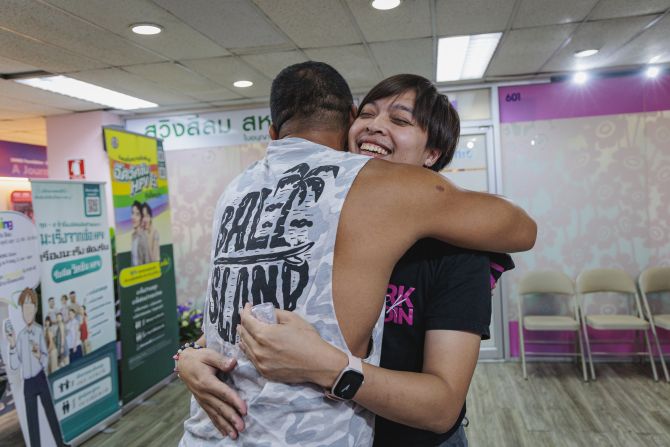
12 April 2017 12 April 2017Victoria is a nurse who provides opioid substitution therapy (OST) to 50 people a day. The OST programme in Belarus started in 2007 as a pilot project with a grant from the Global Fund to Fight AIDS, Tuberculosis and Malaria. Today, the programme has grown to 19 sites across the country providing OST to nearly 900 people; however, that is less than 5% of people who use opiates in the country.
Thirty-seven per cent of all people accessing OST in Belarus are living with HIV. Victoria says that OST helps people living with HIV who used to inject drugs to keep taking their antiretroviral therapy. People who are HIV-negative also rely on the programme to avoid HIV infection through injecting drug use.
The OST programme in Belarus is available to adults dependent on opioids. It includes the provision of methadone, regular medical check-ups, psychological support and the services of social workers. Eugene Halubitski has been the head of the OST programme at a clinic in Minsk since 2010. He provides medical and psychological support to many clients, including Sergey.
Sergey first enrolled in the OST programme in 2009. Since then he has found a job, got married and became a father. A 2014 study found that every US$ 1 invested into OST saves around US$ 6 from the consequences of drug dependence, such as crime, unemployment, the provision of antiretroviral therapy and AIDS-related deaths.
People who adhere to OST programmes come every day to a clinic to take a dose of methadone, which helps to alleviate their dependence on opioids.
The World Health Organization recommends increasing OST coverage to 40% of people who inject drugs in order to lower the number of new HIV infections.
The financing of harm reduction in Belarus is steadily transitioning from the Global Fund to Fight AIDS, Tuberculosis and Malaria to domestic resources. OST is almost completely funded by the state.
Thirteen years ago, Alexander took part in a rehabilitation programme. Today, he is a psychologist and helps others to recover from drug dependence through peer counselling, meditation and psychotherapy. His experience shows that a life free from drugs is possible.
During a visit to Belarus, UNAIDS Executive Director Michel Sidibé met with the staff and clients of an OST centre in Minsk, where he congratulated the work of the centre’s staff.
He said, “I can say with confidence that this is one of the best opioid substitution therapy programmes I have visited. It provides comprehensive and holistic serves which are people centred.”
Clients shared personal testimonies with Mr Sidibé. “They believe in their future now. The opioid substitution therapy programme respects people’s dignity and restores social capital,” he said.
He added that, “We see that the harm reduction programme in Belarus works and needs to be scaled up.”
The evidence of the effectiveness of harm reduction is the basis for a comprehensive package of interventions for preventing the spread of HIV and reducing other harms associated with drug use.
Photo credits: UNAIDS/Alexandr Konotop
Related stories
Region/country
Feature Story
Pre-exposure prophylaxis now available in Scotland
11 April 2017
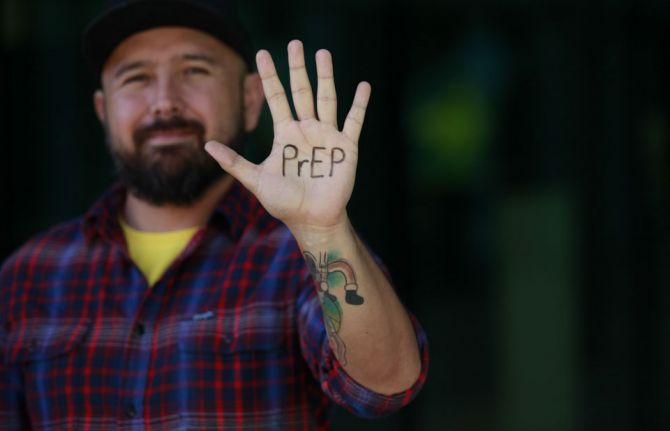
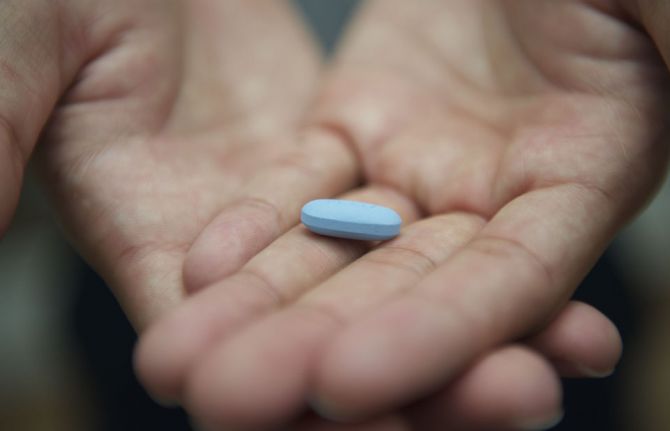
11 April 2017 11 April 2017The National Health Service (NHS) in Scotland, United Kingdom, announced on 10 April that pre-exposure prophylaxis (PrEP) would become available in Scotland.
PrEP is taken as a daily pill to significantly reduce the chances of contracting HIV. UNAIDS recommends PrEP use by people who are HIV-negative but at higher risk of becoming infected. The people who can benefit most from PrEP include gay men and other men who have sex with men, transgender people, sex workers and serodiscordant couples before the partner living with HIV becomes virally suppressed.
Since government estimates show that a large proportion of new HIV infections in Scotland are among gay men and other men who have sex with men, the introduction of PrEP could make a significant impact on the number new HIV infections in Scotland.
PrEP has been made available in a number of countries around the world as choice for HIV prevention. It cannot currently be obtained from the NHS in the rest of the United Kingdom, but can be accessed from some private clinics.
Countries agreed in the 2016 United Nations Political Declaration on Ending AIDS to reach 3 million people with PrEP by 2020.
Region/country

Feature Story
Learning skills for life in Namibia
10 April 2017
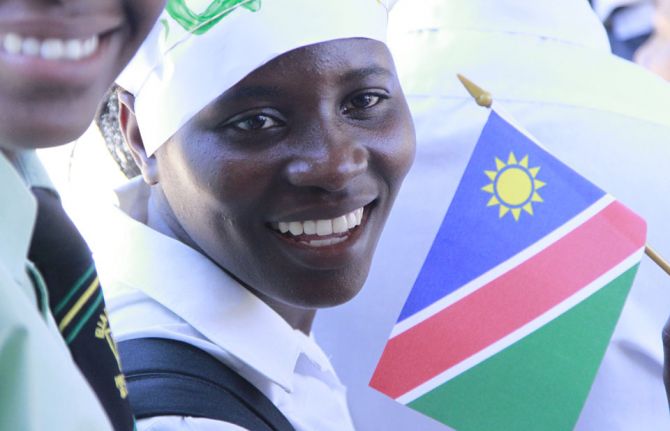
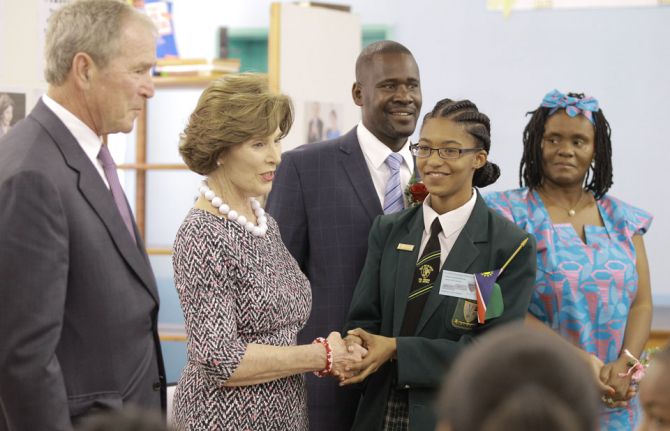
10 April 2017 10 April 2017During their visit to Namibia, President George W. Bush and Ms Bush visited the Ella du Plessis High School in Windhoek to see how students are learning the life skills they need to help them make responsible decisions as they transition into adulthood.
The students had a lively discussion with their high-profile guests, explaining how the classes helped to teach them respect for others and expose them to sensitive issues, such as unintended pregnancy, HIV infection and gender-based violence. Answering a direct question from President Bush, male students in the class said the classes taught them respect for young women.
The First Lady of Namibia, Monica Geingos, and the Executive Director of UNAIDS, Michel Sidibé, accompanied President Bush and Ms Bush on the visit. Mr Sidibé praised President Bush for setting up the United States President’s Emergency Plan for AIDS Relief.
“When President Bush established the United States President’s Emergency Plan for AIDS Relief in 2003, just 50 000 people in Africa were accessing medicines to keep them healthy and alive,” said Mr Sidibé. “Today, more than 12 million people in Africa, and 18 million globally, are accessing antiretroviral medicines.”
President Bush encouraged young people to get tested for HIV, learn how to protect themselves from the virus and get treatment if necessary.
During the visit, Ms Bush announced that the Laura Bush Foundation for America’s Libraries planned to fully stock the Ella du Plessis High School’s library. The first books donated were a book of paintings by her husband and her daughter Jenna’s book called Ana’s story: a journey of hope.
The school’s life skills class is part of the First Lady of Namibia’s Be Free campaign, which encourages young people to talk about sensitive issues facing them and to seek help and guidance to help them navigate life choices.
When Pres Bush set up @PEPFAR in 2003 50K ppl in #Africa had access 2 life-saving meds. Today 12M in #Africa are on treatment. #legacy pic.twitter.com/cJ9TvINVa3
— Michel Sidibé (@MichelSidibe) April 6, 2017
Region/country
Related


Feature Story
Ghana—addressing the barrier of stigma and discrimination for women
27 March 2017
27 March 2017 27 March 2017Patience Eshun, a widowed grandmother from Ghana who lost her daughter last year to HIV, knows how destructive HIV-related discrimination can be. “My daughter refused to go hospital to receive medicines. My daughter died because of the fear of stigmatization and discrimination,” she said.
Ms Eshun is one of thousands of widows living in Ghana who have experienced the effects of stigma and discrimination on people living with HIV. Ms Eshun and a group of women joined UNAIDS Deputy Executive Director Jan Beagle at a dialogue organized through the Mama Zimbi Foundation (MZF)—a nongovernmental organization that seeks to empower and support widows through its Widows Alliance Network (WANE) project—to discuss the challenges faced by widows and women living with HIV.
Ms Beagle visited Ghana to engage with the government and other stakeholders in light of Ghana’s Chairmanship of the UNAIDS Programme Coordinating Board.
In Ghana, women are among the people most affected by HIV. Prevalence among women aged 15–49 is nearly double that among men of the same age (2.0% versus 1.3%). Widows are among the poorest women in Ghana—their poverty is linked to the deprivation of their rights and lack of access to justice through discriminatory customs, traditions and religious codes. Widows in Ghana are often faced with legal regulations that do not support the protection of their rights. Widows regularly lose land and possessions and are evicted from their homes once they lose their spouse. For widows living with HIV, stigma and discrimination is often exacerbated.
Responding to these challenges, Akumaa Mama Zimbi, a Ghanaian women’s rights leader, television and radio talk show host, launched a network (WANE) to support sustainable socioeconomic development for widows. The project equips widows in Ghana with employable skills, human rights education, reproductive health and social integration programmes. Through WANE, more than 400 widow groupings have been formed in Ghana, with membership swelling to more than 8000 nationwide. The organization also provides small income generating and training workshops for widows in dressmaking, bread baking, beekeeping and small-scale farming.
“We are passionately committed to striving for advocacy of a comprehensive policy and legal direction for elevating the standards of widows, and all women, in Ghana. We need to empower women, and make sure men are also fully part of the discussion—we need to work together for a better future,” Ms Zimbi said.
During the meeting, Ogyedom Tsetsewah, a Queen Mother (traditional community leader) and advocate for women’s rights, explained that if a widow is facing injustice, she has little or no recourse within her community and within the courts, and that traditional leaders have an important role to play. “There is a clear role for traditional leaders in advocating with the national political leadership on the situation of widows and the critical importance of investing in social protection of widows to allow them to contribute to community resilience,” she said.
Women and young people shared their experiences of HIV-related discrimination and hardship. It was a very honest discussion, where many women shared their own impressions of experiencing friends being stigmatized and discriminated against, even by themselves.
Ms Beagle commended the courage and resilience of the widows, while reflecting that, “Widows living with HIV often face triple discrimination: because they are widows, because they are women and because of their HIV status. Through economic empowerment, they become self-reliant and even leaders in their communities, can build awareness of HIV and stand up against stigma and discrimination.”
MZF is currently working on establishing a permanent location to provide vocational training, human rights education, reproductive health and social integration programmes for the daughters of vulnerable widows in Ghana. This initiative when implemented will provide skills and jobs for more than 3000 vulnerable young women.