

Feature Story
Addressing the impact of the COVID-19 pandemic on the AIDS response
10 June 2021
10 June 2021 10 June 2021A panel that met on the sidelines of the United Nations High-Level Meeting on AIDS, Addressing the Impact of the COVID-19 Pandemic on the AIDS Response and Building Back Better for Pandemic Preparedness, examined how the responses to HIV and COVID-19 can contribute to building multisectoral preparedness and response systems through providing concrete examples of innovations and policy and structural changes introduced in the context of COVID-19.
The panellists, comprising leaders, experts and representatives of community organizations and networks of affected people, addressed how to improve pandemic preparedness and response, and health-care systems more broadly, in the pursuit of the Sustainable Development Goals.
The speakers shared ideas and recommendations to help mobilize political leadership, solidarity and support for ending AIDS by 2030 and for stronger pandemic preparedness for the future. They went on to look at how innovation and technology can address the bottlenecks to achieving Sustainable Development Goal 3 (good health and well-being) through digital health infrastructure and agile, differentiated delivery models. The panellists also addressed the importance of community-led responses in delivering health for all, and reflected on the importance of across- and within-country solidarity in ensuring equitable access to health and socioeconomic support.
Quotes
“HIV setbacks because of COVID-19 would not have happened with more effective protective policies and laws. National sovereignty should not be used against populations in need, but laws should be applied to protect communities.”
“Adaptable institutions like the United States President’s Emergency Plan for AIDS Relief can provide important foundations to protect against future shocks. Countries around the world have been investing in their health systems—looking to future pandemics, we need to focus on prevention as well as preparedness to respond.”
“We need to explore new institutional arrangements to encourage effective multilateralism. All countries need to respond more effectively to best practices, and, for example, learn from the impact of community engagement and leadership in HIV responses.”
“Men who have sex with men, sex workers, transgender people, people who inject drugs and prisoners are particularly vulnerable to HIV and frequently lack adequate access to HIV services. In the context of COVID-19, we must make an extra effort to ensure they access all of the HIV services they need.”
“Pandemic preparedness must be a priority for the African continent. Africa has the largest HIV burden in the world and the pandemic in Africa has disrupted essential services and these disruptions could indirectly kill more than COVID-19 itself.”
Our work
Related
Feature Story
Gender equality and justice critical for ending AIDS
10 June 2021
10 June 2021 10 June 2021On 10 June, representatives of the United Nations, Member States, young women’s movements and civil society laid out strategic pathways for advancing gender justice and women’s rights and agency at a thematic panel, Advancing Gender Equality and Empowering Women and Girls in the AIDS Response, held during the United Nations High-Level Meeting on AIDS.
Despite significant progress in the HIV response, the epidemic continues to take a heavy toll on women and girls. This was an opportunity to reflect on the realities of women and girls in all their diversity in the context of the HIV response and to share forward-looking recommendations on gender equality.
The event came on the heels of a new global pledge by world leaders to reduce the annual number of new HIV infections and AIDS-related deaths, eliminate new HIV infections among children, end paediatric AIDS and eliminate all forms of HIV-related discrimination by 2025. Governments missed the targets made in 2016 to reduce the number of adolescent girls and young women aged 15–24 years becoming newly infected with HIV to 100 000 per year by 2020.
Phumzile Mlambo-Ngcuka, the Executive Director of UN Women, noted the enormous work yet to be done, especially with the challenging convergence of gender-based violence, COVID-19 and HIV, with increased levels of violence against women and girls during lockdowns, spiking by up to 500% in some countries.
Nadine Gasman, President of the National Institute for Women, Mexico, shared best practices from Mexico, where municipal authorities and civil society have worked together to improve access to comprehensive quality HIV services for left-behind populations, such as transgender people, and integrated HIV and sexual and reproductive health services for women living with HIV as well as for gay men and other men who have sex with men and people who inject drugs.
The panel noted that many women, girls and gender-diverse communities at higher risk of and living with HIV are being left behind in HIV testing, treatment and care services. Women and girls continue to face intersecting forms of discrimination, stigma, violence and criminalization.
Particular concern was raised about adolescent girls and young women in sub-Saharan Africa, who remain at intolerably high risk of HIV. In 2020, six in seven new cases of HIV among adolescents between the ages of 15 and 19 years in the region were among girls. The participants stressed the importance of leveraging education, particularly girls’ completion of quality secondary education, as a powerful entry point for accelerating HIV prevention, gender equality, an inclusive environment free of stereotypes, economic empowerment and preventing gender-based violence.
Education Plus, a bold new initiative co-led by the heads of UNAIDS, UN Women, the United Nations Population Fund, the United Nations Educational, Scientific and Cultural Organization and the United Nations Children’s Fund that is calling for high-level political action for the empowerment of young women and girls in sub-Saharan Africa to urgently reduce HIV was hailed as a timely and much needed response. Many emphasized the need to put gender justice at the heart of the HIV response and the sustained meaningful engagement and inclusion of adolescent girls and young women in decision-making at all levels.
The calls to action stressed the importance of scaling up investments in gender-transformative interventions and support for young people’s movements and leadership in the HIV response, legal and policy reforms in parental consent requirements that undermine the right to health of adolescents, the protection of the sexual and reproductive health and rights of all women and adolescent girls and urgently scaling up comprehensive HIV prevention programmes as well as engaging men and boys in transforming harmful gender norms and promoting positive masculinities.
Quotes
“We are closer to ending AIDS than ever before, but HIV is not over, with unacceptably high new HIV infections among adolescent girls and young women in sub-Saharan Africa. Through Generation Equality we will take urgent action on key issues, including women’s bodily autonomy and gender-based violence, working in solidarity through an intergenerational coalition of governments, civil society, feminist and youth organizations, the private sector, philanthropy and international organizations. By working together to address gender inequalities we can drive systemic and lasting change.”
“Now is the time for all of us in the global community to come to grips with the intersecting exclusions and inequalities that perpetuate this crisis. We need radical and rapid transformation of harmful gender norms and practices. But to make that happen, we must give those most affected by HIV a louder voice in our conversations, so they can contribute to the solutions.”
“Criminalization and punitive laws and policies based on sexual activity, sexual orientation and gender identity, drug use and HIV status further expose adolescent girls and young women from key populations to extreme levels of violence, stigma and discrimination. Such laws and policies only drive them further from accessing the HIV prevention and treatment services they need, with little if any recourse to gender and social justice for violations of their rights.”
“We need to enhance our collaborative initiatives between the communities and the schools and realize that the school is a microcosm of what society looks like. The school and the classroom are a reflection and mirror of our communities, and communities mirror what is happening in the classrooms. I implore all of us to make that investment now in adolescent girls, young women and boys as well.”
‘’Any discussion about women’s agency and full participation in decision-making to strengthen HIV prevention and the AIDS response must be anchored in fulfilling a core element of women’s empowerment that cuts across their education, health and economic security: that is, the full respect and protection of their sexual and reproductive health and rights.”
Our work
Feature Story
Global HIV Prevention Coalition reinforces the need for leadership and decisive action
14 June 2021
14 June 2021 14 June 2021Forty years into the HIV epidemic, despite there being a range of HIV prevention interventions, none of the recommended HIV prevention packages have come close to being delivered to half of the people who need them.
But there have been successes in reducing new HIV infections among the most vulnerable populations where rights-based multisectoral action has been taken, where data-driven solutions have been promoted and resourced and where the voices and contributions of the most affected communities have been leveraged.
On the sidelines of the United Nations High-Level Meeting on AIDS, a side event, No Prevention, No End: The Importance of Leadership for HIV Prevention, saw the participants—political, technical and community leaders and donors—address the gaps in HIV prevention, discuss the most effective ways to invest in and develop HIV prevention programmes and share experiences of successful country-level action.
Nguyễn Thanh Long, the Minister of Health of Viet Nam, shared an example. A threefold decrease in HIV prevalence among people who inject drugs in Viet Nam was principally a result, he said, of considering drug addiction as a medical condition requiring treatment and not as a crime. Introducing this perception into legal policy documents, including the Government Decree and the Law on HIV/AIDS Control, enabled the initiation and scale-up of comprehensive harm reduction programmes for people who inject drugs.
Adolescent girls and young women account for one in four new HIV infections in sub-Saharan Africa, yet dedicated HIV prevention programmes are present in only a third of high HIV burden districts. According to Pascalle Grotenhuis, the Dutch Ambassador for Women’s Rights and Gender Equality, who also drew on her experience as the Ambassador of the Netherlands to Mozambique, the time is ripe for pragmatism and common sense in strengthening sexual and reproductive health services for young people, with sexual health at the core, offering dual protection against sexually transmitted infections, including HIV, and unwanted pregnancy. Above all, sexuality education for young people must be recognized as a life-saving intervention, she said.
Quotes
“Forty years into the epidemic, we can’t lean on the excuse that prevention is complicated, it is not. We all have to raise our voices and speak truth.”
“The most remarkable options developed by science will not end the epidemic. Our leadership, our policies and programmes that are grounded in the communities we seek to serve provide choices to people.”
“The law shows the standard which the public are expected to observe. Above all, the law says that discrimination against LGBTQ communities is wrong. It recognizes that prejudice kills whereas equality saves lives and makes everyone safer. That is the case for decriminalization.”
“HIV prevention and sexual and reproductive health services are critical to the lives of every young woman and girl. These services should be free, they should be fully integrated, should be delivered at scale and tailored to meet the holistic needs of young women. New commodities and prevention technologies should be rolled out and made available to every young woman. Having these tools will mean nothing if they don’t get into the hands of young women.”
“We are together in this quest for zero new HIV infections and our leadership that can turn this epidemic. Our commitment for HIV prevention must be translated into funding at an adequate scale for impact, and we must invest in national stewardship and coordination support so that HIV prevention programmes do not fragment into the piecemeal projects that we sometimes see in countries.”
Our work

Feature Story
What responses to HIV and COVID-19 in Asia and the Pacific led by civil society can teach us
11 June 2021
11 June 2021 11 June 2021COVID-19 continues to threaten the gains made in the HIV response and has brought inequalities to the forefront, but civil society and community-based organizations in Asia and the Pacific have been quick to respond to the pandemic. From the start, networks of people living with HIV and key populations responded to the global health crisis by coming up with innovative courses of action.
A side event organized on the margins of the United Nations High-Level Meeting on AIDS showcased best practices of community-led responses to COVID-19 and HIV prevention in Asia and the Pacific.
It was noted that, since the onset of the COVID-19 pandemic, key population networks have rapidly mobilized volunteers and partners to assist people affected by COVID-19, ensured the continuity of HIV services and found new ways to adapt to the new normal with online-based interventions.
For example, the Asia Pacific Network of Sex Workers responded to the pandemic by modifying its existing programmes to meet the urgent needs of the sex worker community, such as by reallocating funds to subsidize transport costs for sex workers living with HIV to ensure their access to HIV treatment services.
Other regional networks, such as the Asia Pacific Transgender Network, the Asia Pacific Network of People Living with HIV and Youth LEAD, established emergency relief funds to provide emergency food supplies, housing and rent, transport, protective gear, including personal protective equipment, masks, sanitizer and sanitary products for the most affected communities.
In several countries, community-led organizations of people who use drugs delivered door-to-door provisions of antiretroviral therapy and harm reduction services, including opioid substitution therapy and sterile needles and syringes. These experiences have been compiled by the Asia Pacific Network of People who Use Drugs in a best practice report to advocate for the full and equal participation of people who use drugs within the HIV response.
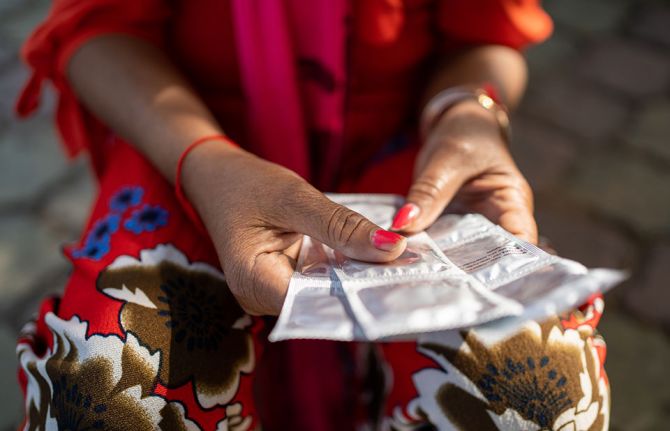
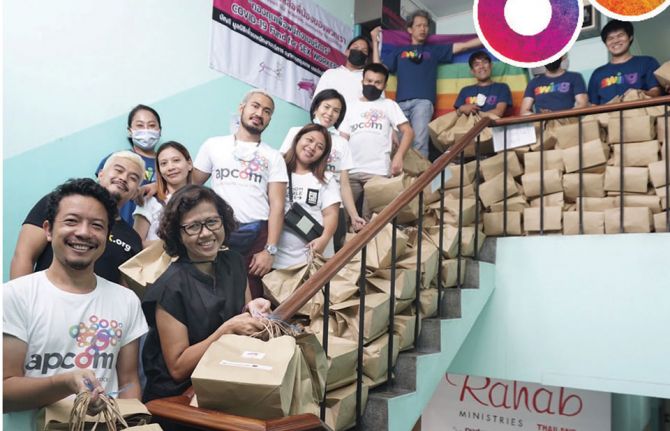
The panellists also heard about the Australian Federation of AIDS Organisations, which in its national and community-led responses has been supporting community-based HIV testing, working directly with clinics run by the community for the community. Also, APCOM, a regional network for gay men and other men who have sex with men based in Bangkok, Thailand, implemented a condom promotion campaign during the COVID-19 pandemic, known as #PartyPacks, where key populations can order online (for free) packages containing condoms, lubricant and information on harm reduction.
The speakers agreed that service delivery needs to be modernized, domestic investment should be increased and services led by key populations should be integrated into national health systems.
The panellists highlighted that dealing with the colliding pandemics of HIV and COVID-19 requires working in unison and solidarity.
Quotes
“While the journey has not been smooth, one of Australia’s key learnings is that the voices of the community are essential. Communities of people living with HIV and those populations at high risks and young people—communities who, if we are to really make a difference, must have a central role in sharing the view of those most affected by HIV with national governments.”
“Thailand’s effort on HIV/AIDS is one area where civil society plays a particularly vibrant role in our country. We recognized that the collaboration of different sectors, especially civil society and the network of people living with HIV, is one of the most important factors in Thailand’s success in controlling the spread of HIV and AIDS.”
“The valuable experiences of communities reflect their long-standing active participation in the response to the HIV epidemic. This is exhibited in the way they continue to innovate at the forefront of the response to HIV and, most recently, address the intersectionality that emerged out of having to respond to the impact of COVID-19 as well.”
“Key populations are widely recognized as the pioneers and leaders of the HIV response. Since the emergence of HIV, key populations have led the way in pioneering effective prevention responses, sharing their knowledge and skills with the community as well as providing essential care and support.”
“Community-led organizations are the most effective way to reach sex workers during emergencies as they are capable of providing therapy assessment, identifying priority areas and allocating the resources for various types of relief for sex workers. This is facilitated by an established peer-to-peer model that is led by the trust and knowledge of peer outreach programmes, which is also able to deliver emergency aid to the most in need.”
Our work
Region/country
- Asia and Pacific
- Australia
- Bangladesh
- Bhutan
- Brunei Darussalam
- Cambodia
- China
- Democratic People's Republic of Korea
- Federated States of Micronesia
- Fiji
- India
- Indonesia
- Islamic Republic of Iran
- Japan
- Kiribati
- Lao People's Democratic Republic
- Malaysia
- Maldives
- Marshall Islands
- Mongolia
- Myanmar
- Nauru
- Nepal
- New Zealand
- Pakistan
- Palau
- Papua New Guinea
- Philippines
- Republic of Korea
- Singapore
- Solomon Islands
- Sri Lanka
- Thailand
- Timor-Leste
- Tonga
- Tuvalu
- Vanuatu
- Viet Nam
- Samoa
Feature Story
Addressing inequalities to end AIDS: 10 years to 2030
10 June 2021
10 June 2021 10 June 2021HIV is fuelled by inequalities. A panel, Addressing Inequalities to End AIDS: 10 Years to 2030, held on the sidelines of the United Nations High-Level Meeting on AIDS on 9 June, brought together a passionate mix of grass-roots activism and experience, academic wisdom, evidence-informed strategic guidance and experience from United Nations Member States and UNAIDS to discuss this urgent issue.
All the panellists underlined the need for urgent, evidence-informed and transformative action to unlock social enablers and to end the social, economic, racial and gender barriers—which include punitive laws, policies and practices, stigma and discrimination based on HIV status, sexual orientation and gender identity, and other human rights violations—that create and deepen the inequalities that perpetuate the HIV pandemic. They shared strategies and action for ending the HIV epidemic based on lived experience and backed by lessons from four decades of the HIV response.
The panellists underlined lessons from HIV and COVID-19 that have shown the world that unless all countries, communities and individuals access the benefits of science and technology without stigma and discrimination, benefit from fair taxation and equitable distribution of wealth and are respected in all their diversity, epidemics will continue to rage.
The participants heard that six out of seven new adolescent HIV infections in sub-Saharan Africa are among girls—Winne Byanyima, the Executive Director of UNAIDS, noted that this was because of inequalities of power. The participants also heard, though, that strong political commitment to ensure that prevention services were available at the community level, with a special focus on reaching adolescent girls and young women and their partners, saw Eswatini successfully meet its HIV prevention targets.
Jeffrey Sachs, a professor at Columbia University, in the United States of America, reminded the participants that well laid out goals and time-bound and evidence-informed plans must be matched by adequate financing, without which poorer nations and poorer communities even within rich nations will not enjoy good health and well-being.
The powerful testimony of Abhina Aher, a transgender activist from India, spoke of the multiple, intersecting and dynamic inequalities faced by a person who does not conform to the social norms of mainstream Asian society.
Thanks @benphillips76 let’s unite to end inequalities #HLM2021AIDS #HLMAids2021 https://t.co/bhwY7nf0UZ
— Abhina Aher (@meisabheena) June 9, 2021
All the participants underlined the centrality of enabling laws and policies and of the need for comprehensive sexuality education to empower young people to make informed decisions about relationships and sexuality and navigate a world where gender-based violence, gender inequality, early and unintended pregnancies, and HIV and other sexually transmitted infections still pose serious risks to their health and well-being.
Interventions from representatives of the Bahamas, Germany, Mexico, Spain and the United Kingdom of Great Britain and Northern Ireland underlined the urgency of an HIV response that addresses gender inequalities and protects and enables human rights.
In summary, it was concluded that inequalities both feed and drive the HIV epidemic as well as other diseases, but that inequalities should be fought with the right policies, strategies and legislation in order to end AIDS by 2030 and at the same time strengthen pandemic preparedness.
Quotes
“Universal health coverage will not be achieved without sexual and reproductive health and rights. We need to ensure interventions that safeguard women’s and girls’ right to their own bodies and lives, which includes access to safe and effective contraceptives and HIV testing without third-party consent.”
“Giving communities accurate information about HIV, encouraging relationships that empower women and men to make healthy decisions and addressing some of the social norms that discriminate against women and girls can finally put an end to HIV-related stigma and discrimination.”
“We have the tools and services that can prevent people from being prey to stigma and discrimination. What we need is not new knowledge, what we desperately need is a different politics to guarantee that everyone, everywhere has an equal and appropriate right to health and dignity. I am a transwoman, a woman of colour, blind in one eye, a woman without a womb or vagina, Asian, and also a former sex worker. You peel one layer and there are more layers for discrimination based on my gender, sexuality, sexual orientation, profession—inequalities that can impact my life and my access to HIV services.”
“In a pandemic—AIDS, COVID-19 and beyond—viruses feed on inequalities. When we ignore inequalities, virus spread in the shadows and we get outbreaks. So, we have to ask: are young women seeing the same reductions in new infections as others? Do gay and transgender communities have the same viral suppression? Do the poor have access to the same HIV technologies and easy access to care? The United Nations has not, in the past, focused enough on inequalities. We are shifting. From now on, we will measure success by how fast the inequality gaps are narrowing. Leaders don’t really have much of a choice: you can either fight inequalities or fail on ending AIDS.”
Feature Story
Resources and funding for an effective AIDS response
10 June 2021
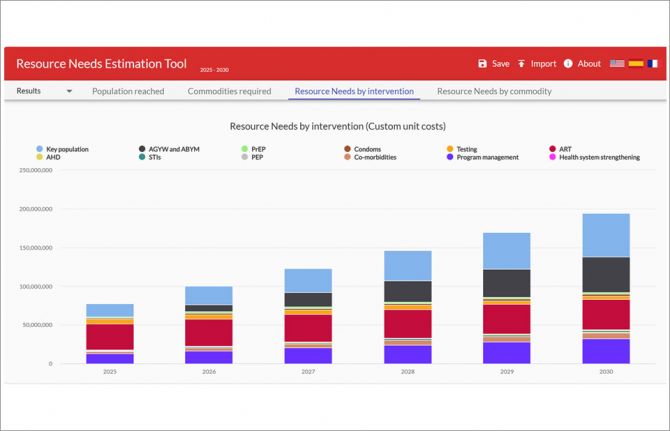
10 June 2021 10 June 2021The goal of putting the HIV response on a secure financial footing is a work in progress, with uneven results around the globe towards ensuring a sustainable, fully funded, effective, equitable and gender-sensitive HIV response. The 2020 target to mobilize at least US$ 26 billion for the HIV response was not met. Other targets, such as implementing efficiency measures to optimize the use of existing resources and to clear bottlenecks in scaling up services, were also missed.
A panel, Resources and Funding for an Effective AIDS Response, held on the sidelines of the United Nations High-Level Meeting on AIDS, deliberated on how to reach a sustainable, fully funded, equitable and effective HIV response in a challenging environment for health and development resources.
The panellists surveyed the current situation and key actions for the road ahead, addressing several questions: What does a sustainable, fully funded, equitable and effective HIV response look like? How can the necessary funding levels be secured in the challenging resource environment that we face? What steps can and should we take to improve the impact/effectiveness of the available resources? Are there opportunities that need to be better leveraged within the HIV response, the broader health agenda and the broader development agenda? How can we ensure that we invest in the right interventions for the right populations and places to meet the new global targets and achieve the collective goal of Sustainable Development Goal 3?
Key actions identified by the panellists to guide future efforts include the following:
- Better targeting interventions to achieve equity and impact based on diverse and locally specific needs and goals.
- Approaches and measures to secure the necessary funding mixes, including ongoing international support and appropriate and sustainable domestic funding, and improved equity and efficiency in using those resources.
- Better integration of HIV into other health and development efforts, including universal health coverage, health system strengthening, pandemic preparedness and response and enablers, such as education and social protection, and to better link and leverage those efforts to maximize impact for people living with, at risk of or affected by HIV.
- The importance of ensuring that critical cross-cutting factors, such as gender-sensitivity, eliminating inequalities, leveraging data and prevention, are appropriately supported and integrated throughout.
- The need for shared responsibility, which calls for countries that can pay for their own responses to do so fully, and for those without the ability to pay, to be supported by donors as part of global solidarity.
The panel also examined how investments in the HIV response can help to reduce vulnerabilities and societal inequalities and how to catalyse more effective social spending using a rights-based, people-centred model that empowers individuals and communities.
Finally, the panel situated the discussion in the broader development and fiscal contexts by exploring the economics of HIV, as well as how to tackle inequalities and use people-centred HIV responses to put us on track to reach Sustainable Development Goal 3. It addressed the costs of inaction and complacency, not only for the HIV response but also across the Sustainable Development Goals. Looking at fiscal realities, the panellists provided a broader analysis of the current situation and thoughts on the way forward for protecting and expanding the much-needed fiscal, budgetary and policy space through measures such as tackling public debt distress, tax injustice and illicit financial flows.
Quotes
“In the face of these diversity of challenges, we must remain clear and focused on what must be done to meet the challenge we are here to discuss today. Political leadership, community-led responses and global solidarity must mobilize and effectively use US$ 29 billion dollars annually by 2025 to accelerate progress towards achieving the targets.”
“There is a need to increase our investments in effective prevention and prioritize targeted screening, especially for key populations and vulnerable groups.”
“We all know this epidemic is fuelled by inequity, by discrimination, by human rights-related barriers, by gender-related barriers and we must address those barriers with money and political leadership.”
“We need to make a case for human capital investments in health, including HIV, education and social protection during stimulus and austerity.”
“We have tools that work, but we must use them wisely. Investment is smart and effective only if it is genuinely tailored to the diverse lived experiences. Evidence is essential, accompanied by the obligation to act accordingly.”
Our work
Feature Story
Young key populations from Asia and the Pacific claiming their space at the 2021 High-Level Meeting on AIDS
11 June 2021
11 June 2021 11 June 2021Since the United Nations High-Level Meeting on Ending AIDS in 2016, the young key populations’ movement and its visibility have grown considerably in Asia and the Pacific. Through their engagement with national and regional networks of key populations, more and more young people have taken up space in decision-making processes and in mobilizing resources to support local and national organizations. However, despite those important efforts, more needs to be done to meaningfully engage young key populations in the HIV response as leaders, beneficiaries and partners.
UNAIDS data from 2019 alarmingly shows that 27% of all new HIV infections in Asia and the Pacific were among young people. Young gay men and other men who have sex with men accounted for 52% of all new HIV infections among young people. Overall, 99% of new HIV infections among young people were among young key populations and their partners.
A side event held on the sidelines of the United Nations High-Level Meeting on AIDS, held in New York, United States of America, and online from 8 to 10 June, looked at the progress made and challenges in the HIV response and emphasized the critical role of young people in leading change and promoting successful and innovative approaches to the HIV response.
The speakers and panellists stressed that significant barriers exist for young key populations to access HIV testing, treatment and prevention services and routine sexual and reproductive health and rights services in the region. Those barriers include a limited availability of differentiated HIV services for young key populations, stigma and discrimination, punitive laws and other legal barriers that leave young key populations on the margins and out of reach of HIV services. The COVID-19 pandemic continues to widen existing inequalities and service gaps, but thanks to the engagement of community-led organizations, populations at higher risk of HIV, including young key populations, were able to access essential HIV and health services.
The speakers and panellists noted that young people are showing us the way to revolutionize HIV prevention and increase the uptake of HIV services by implementing new strategies and innovations that cater to the specific needs of young people. During the COVID-19 pandemic, organizations led by and serving young people, such as the Lighthouse Social Enterprise in Viet Nam and the Human Touch Foundation in India, have been at the forefront of the HIV response, providing HIV services in partnership with the local government to the communities that need them the most.
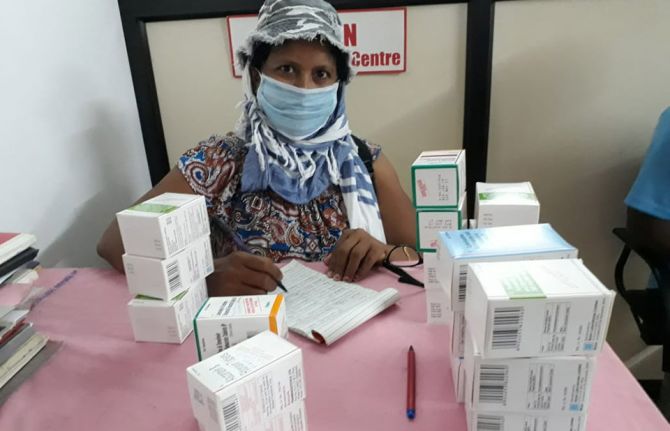
The team at the Human Touch Foundation, a community-based organization in Goa, India, that provides care and support to adolescents living with HIV has, since the start of the COVID-19 pandemic, organized volunteers to deliver antiretroviral therapy to people’s doorsteps. Moreover, the organization played a critical role in getting the local government to waver public transport costs to ensure that people living with HIV had access to treatment. With the increased anxiety and depression brought on by the COVID-19 pandemic, the Human Touch Foundation offered psychosocial support services to adolescents living with HIV, both in the form of online counselling and in-person consultations.
Similarly, the Lighthouse Social Enterprise, a lesbian, gay, bisexual, transgender and intersex (LGBTI) organization led by young people based in Hanoi, Viet Nam, has been instrumental in providing differentiated service delivery to young key populations during the COVID-19 pandemic. Some of the services it provides at its clinic include HIV counselling and testing, post-exposure prophylaxis, pre-exposure prophylaxis and antiretroviral therapy. The Lighthouse Social Enterprise also established a referral service to ensure that young key populations are linked with other health services, such as sexually transmitted infection testing and treatment, mental health support and harm reduction services. What makes the Lighthouse Social Enterprise unique is that the clinic is entirely run by young people. Health-care workers are given training by the Lighthouse Social Enterprise team on LGBTI and key population needs and issues in order to ensure that services are youth-friendly and free from stigma and discrimination. Last year, the Lighthouse Social Enterprise provided services to more than 3000 members of young key populations in Viet Nam.
The side event was an opportunity for different organizations led by and serving young people working on HIV-related issues to share experiences and define common strategies to keep HIV on the political agenda at the national and municipal levels.
Quotes
“What we have learned from the AIDS response is that the voices of communities are key. Many types of youth-led and peer-led programmes provide safe and inclusive platforms for young people and affected communities, to connect, share their experiences, access information and, more importantly, shape responses.”
“Young key populations do play a vital role in the HIV response, yet they continue to be marginalized and are often seen as beneficiaries of programmes, rather than leaders and implementers. It’s essential that young key populations are empowered and meaningfully engaged if we are to end AIDS by 2030.”
“A lot of young key populations lack the fundamental knowledge on HIV and sexual health and do not have adequate information on HIV testing, including harm reduction. Lighthouse implemented Internet-based interventions during COVID-19 and provided differentiated service delivery for young key populations to ensure they had access to youth-friendly HIV services.”


Feature Story
First Lady of Côte d’Ivoire sponsors national consultation on paediatric HIV and tuberculosis
11 June 2021
11 June 2021 11 June 2021Despite the great progress made since the early days of the HIV epidemic, the HIV response for children is still lagging behind the response for adults.
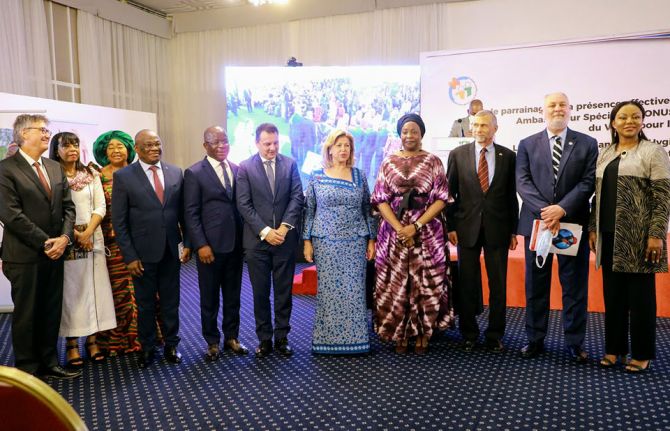
Children living with HIV are particularly susceptible to tuberculosis (TB), one of the leading causes of AIDS-related deaths. In 2020, according to government statistics, 9400 people died of AIDS-related illnesses in Côte d’Ivoire, including 800 children under the age of 14 years. There were 21 000 people under the age of 15 years living with HIV in the country—only 49% had access to antiretroviral therapy. How to correct such an inequality was the question at the heart of a national consultation on paediatric HIV and TB that was held from 8 to 10 June in Abidjan, Côte d'Ivoire.
The consultation, Acting Together for a Generation without AIDS and Tuberculosis, was aimed at improving the prevention and management of HIV and TB among children and adolescents in Côte d’Ivoire.
In her opening speech, Dominique Ouattara, the First Lady of Côte d’Ivoire, called for “The development of an ambitious road map that will enable Côte d'Ivoire to achieve its commitments.” She invited all the participants to engage in a dialogue on the challenges and priority actions needed, and to discuss the roles, responsibilities and contributions of each partner.
The consultation is part of the Confessional Initiative, a UNAIDS and United States President’s Emergency Plan for AIDS Relief initiative that is organizing national consultations and training in Cameroon, Côte d’Ivoire, Kenya, Nigeria and the United Republic of Tanzania.
“The consultation presented the national situation regarding diagnosis, treatment and prevention of HIV and tuberculosis among children, identified the key challenges, outlined the solutions, priority actions and resources needed to improve the national roll-out of optimal paediatric HIV and tuberculosis treatment and diagnosis and identified good practices for replication through civil society and faith-based organizations,” said Patrick Brenny, the Director for the UNAIDS Regional Support Team for Western and Central Africa.
The targets in the 2016 United Nations Political Declaration on Ending AIDS and in Start Free, Stay Free, AIDS Free for paediatric AIDS have not been met. Globally, during 2020 an estimated 160 000 children acquired HIV, far from the global 2020 target of 20 000. Modelling has also shown that the COVID-19 pandemic could have a major impact on new HIV infections among children in sub-Saharan Africa.
Ms Ouattara appealed to the 350 participants to work towards reducing inequalities and asked all stakeholders to join forces to achieve certification of the elimination of mother-to-child transmission of HIV. “Today, in 2021, no child should die of AIDS or tuberculosis in our country," she added.
Region/country

Feature Story
Costa Rica joins Global Partnership for Action to Eliminate all Forms of HIV-Related Stigma and Discrimination
07 June 2021
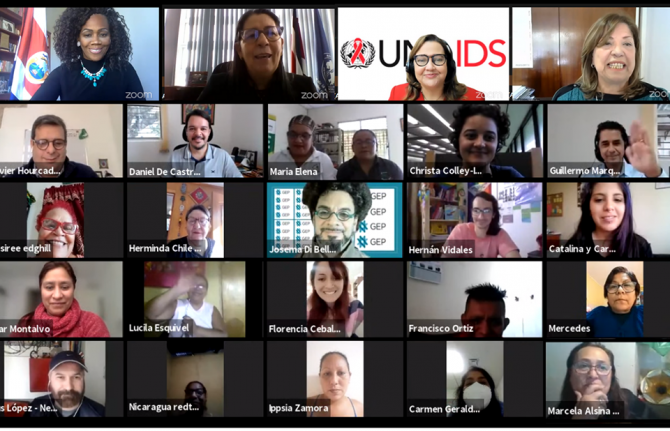
07 June 2021 07 June 2021Costa Rica has joined the Global Partnership for Action to Eliminate all Forms of HIV-Related Stigma and Discrimination. At a United Nations High-Level Meeting on AIDS side event on 7 June, the Vice President of Costa Rica, Epsy Campbell Barr, emphasized the country’s commitment to human rights by highlighting that a comprehensive and effective HIV response needs to include the human rights of people living with HIV.
Costa Rica is the third signatory to the global partnership in the Latin America and Caribbean region, joining Jamaica and Argentina.
The side event, Latin America and the Caribbean on the Road to Eliminating HIV-Related Stigma and Discrimination, was co-organized by the regional coordinator of the global partnership, RedTraSex (the Sex Workers Network for Latin America and the Caribbean), the Global Network of People Living with HIV and the Governments of Jamaica and Costa Rica, with the support of UNAIDS.
Five year ago, the 2016 United Nations Political Declaration on Ending AIDS recognized the HIV epidemic as a human rights challenge. Member States expressed concern about HIV-related stigma and discrimination around the world and about the regulatory and legal frameworks that discourage and prevent people from accessing HIV-related services.
The Global Partnership for Action to Eliminate all Forms of HIV-Related Stigma and Discrimination was created in 2017. The initiative has the goal of catalysing and accelerating the implementation of commitments made to end HIV-related stigma and discrimination by United Nations Member States, United Nations agencies, bilateral and international donors, nongovernmental organizations and communities.
Countries have made commitments on ending discrimination in various international conventions, and have made further promises at the regional and national levels. The global partnership supports countries in transforming those promises into reality through policies, programmes and practices that strengthen health and HIV-related rights.
Through the regional coordination of RedTraSex, the global partnership supports an open and ongoing dialogue in the regional civil society networks with the goal of strengthening national coordination platforms and representation, with a focus on people living with, at risk of or affected by HIV.
Quotes
“We understand that eliminating stigma and discrimination is a fundamental part for us to make society aware of the impacts of HIV and to have a permanent drive that allows us prevention and equal access to all services. Eliminating stigma and discrimination means guaranteeing the rights of all people.”
“Today I am deeply moved because 30 years ago I started my activism and I never thought I would be in a panel with such women—because that also makes me deeply proud as a feminist—starting this great revolution together. We need to be considered as a subject of law and not only as an object of research.”
“The new global AIDS strategy provides guidance on the focus we must have: ending inequalities. And to do that, we need to identify the drivers of those inequalities, and stigma and discrimination are among them.”
Region/country

Feature Story
Science, HIV and COVID-19—where are we headed?
08 June 2021
08 June 2021 08 June 2021A side event at the United Nations High-Level Meeting on AIDS, being held in New York and online from 8 to 10 June, has highlighted the science relevant to the new UNAIDS global strategy and targets and the changing scientific environment that will take the world to 2030, the Sustainable Development Goal target date for ending AIDS.
At the event, Science, HIV and COVID-19—Where are we Headed?, Jon Cohen, a leading science journalist, moderated a panel discussion that included Anthony Fauci, the Chief Medical Adviser to the President of the United States of America, Loyce Maturu, an activist working for Zvandiri in Zimbabwe, Soumya Swaminathan, the Chief Scientist at the World Health Organization, and other leading HIV scientists.
In the complexity and multidimensional nature of the global AIDS response, science has been a constant force, moulding and adapting how the world reacted. A similar role for science has been seen in the other ongoing pandemic—COVID-19. The side event was an opportunity to discuss the role of science and to review major and emerging scientific themes that will influence the trajectory of the HIV pandemic in the approach to 2030.
Mr Fauci emphasized the importance of long-term engagement and investment in surveillance and basic sciences to increase preparedness for future pandemics, noting that we must focus on building trust in science and explaining how knowledge evolves through the accumulation of reliable data that can alter clinical and public health guidance. The COVID-19 pandemic has taught us lessons in efficiency and in accelerating the translation of basic science into effective interventions, he said. However, we must address the challenges of access, intervention pricing and social biases that limit our global impact. He concluded that both the HIV pandemic and the COVID-19 pandemic have the power to strengthen the global community, and he committed the United States to being a global leader and reliable partner in those efforts.
Greg Millett celebrated the amazing fall in new HIV infections in several places, such as London, Denmark and Australia, where pre-exposure prophylaxis (PrEP) and effective testing and treatment is really working for gay men and other men who have sex with men. He highlighted the importance of recent scientific advances that have led to new technologies, such as HIV self-tests and new PrEP modalities.
A major theme was around equity. For both COVID-19 and HIV, the participants noted that we must ensure that all people in all countries reap the benefits of science. Commentators in the audience reiterated that this is even more important given the participation of so many people across so many countries as the altruistic participants in the research that has led to the exciting new tools for HIV prevention and vaccines for COVID-19. And Mr Millet pointed out that we are all interrelated and interconnected. HIV infections and other diseases are, of course, in no way limited to national boundaries.
Loyce Maturu reminded everyone that young people are central to the HIV response. Young people are often left behind and treated as end users of services that are not specifically designed to suit their lifestyles. She acknowledged that science was the reason that she was with us, healthy, beautiful and empowered after falling sick with HIV-related illnesses as a child and witnessing the death of both her mother and brother from HIV. Young people need to be central to science and brought to the tables that set the research priorities.
Quarraisha Abdool Karim, and others, exhorted political leaders not to “drop the ball” for HIV. We need to finish the job and not allow the huge challenges of dealing with it deflect us.
All the participants pushed for HIV programmes to be based firmly on scientific evidence, and Wafaa El Sadr noted that the evidence base comes not only from biomedical laboratories and large clinical trials, but also from implementation and the social sciences. The Co-Chairs of the upcoming International AIDS Society Science Conference, in July 2021, Adeeba Kamarulzaman and Hendrik Streeck, hoped that the high-level meeting would be a boost for stronger engagement with science—registrations for the conference are as high as ever, despite the COVID-19 restrictions. Mr Streeck called for a massive effort to bring thousands of HIV vaccine scientists together in one huge effort, similar to the collaboration around the Large Hadron Collider or even the Manhattan Project.
In an optimistic conclusion, Ms Swaminathan hoped that the proven success of the scientific collaboration that has produced multiple COVID-19 vaccines so quickly should be a stimulus for greater enthusiasm and investment in collaborations to end not just AIDS but also other major public health challenges, such as tuberculosis, malaria and noncommunicable diseases.
Quotes
“We must ensure that we reach all sectors of our local and global communities, in particular those that are sceptical, disadvantaged or historically exploited.”
“Please make sure that young people and adolescents are seen as decision-makers, and not just as end users. We need a bottom-up approach to ensure that research and science are driven by communities to deliver what everyone needs.”