

Feature Story
Tuberculosis testing gap among people living with HIV is narrowing
15 February 2021
15 February 2021 15 February 2021The risk of developing tuberculosis among the 38 million people living with HIV in 2019 was 18 times higher than in the rest of the world’s population. Tuberculosis remains the single largest cause of premature death among people living with HIV.
Scale-up of antiretroviral therapy and improvements in the integrated delivery of HIV and tuberculosis services have reduced tuberculosis-related deaths among people living with HIV by 69% globally, from 678 000 in 2000 to 208 000 in 2019. Among the 131 countries that reported data to UNAIDS and the World Health Organization in 2020, 48.9% of the estimated 815 000 people living with HIV who developed tuberculosis (incident cases) received treatment for both HIV and tuberculosis.
The tuberculosis testing gap—the gap between the number of people living with HIV who are estimated to have tuberculosis and the number of people living with tuberculosis who have tested positive for HIV—is narrowing. However, the 456 426 tuberculosis cases among people living with HIV that were notified in 2019 represented just 56% of the estimated number of incident tuberculosis cases among people living with HIV that year. Among people living with HIV who were notified tuberculosis cases, 88% were on antiretroviral therapy in 2019.
Estimated global number of incident HIV-positive TB cases compared with the global number of notified new and relapse tuberculosis cases known to be HIV-positive and the global number of tuberculosis patients started on antiretroviral therapy, 2004-2019
Our work
Related
Feature Story
People living with HIV in Kyrgyzstan have won the right to adopt
12 February 2021
12 February 2021 12 February 2021At the end of January 2021, the Kyrgyzstan Constitutional Court decided to exclude HIV from the list of diseases that prevent people from adopting children or becoming guardians or foster parents. The barrier to parenting for people living with HIV in the country had been in effect for many years.
The change—brought about by a joint effort of activists, lawyers and human rights defenders, but primarily by people who personally suffered from discrimination and fought for their rights—is a victory against stigma and discrimination against people living with HIV in Kyrgyzstan.
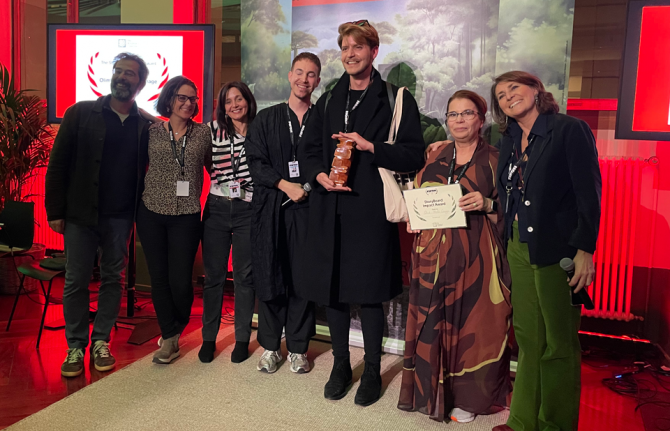
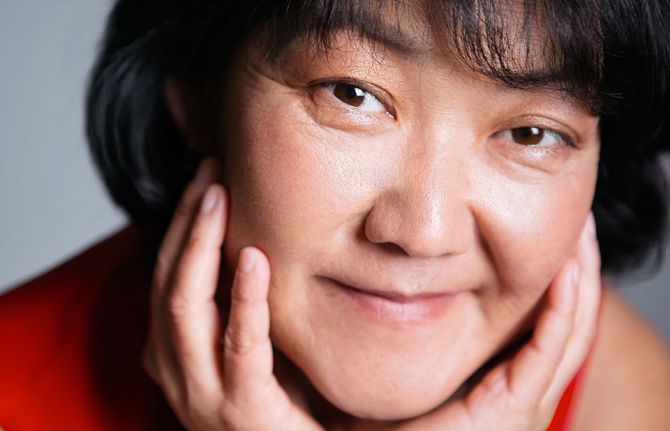
Baktygul Israilova, pictured above and who leads the Country Network of Women Living with HIV, is one of those who were affected. Several years ago, she wanted to adopt a child. “At that time, I did not fully understand the depth of the problem. I thought that if I prepared all the necessary documents, submitted them to the right department, they would consider me and make a positive decision,” Ms Israilova said. “I am a mother of two wonderful girls, I have a job, a stable job, so at that time it seemed that everything should be on my side.”
When she found out that she could not adopt a child because of her HIV status, she was shocked. “I’m used to the fact that people living with HIV are constantly discriminated against, but why can’t they become parents and give their love and care to a child from an orphanage?” she said.
At that time, Ms Israilova was starting on her path in HIV activism. “Until that time I was always afraid of something, at first my HIV status. I was worried for my girls, I was worried that I would not find a job, I was afraid that people would not understand me, I was worried that I would not achieve anything in my life. But then I became tired of being afraid. It was a turning point in my life. It was then that I openly declared my HIV status and became the first woman in the country openly living with HIV.”
According to the Kyrgyzstan National Statistical Committee, in 2019 there were more than 2000 children and adolescents under the age of 18 years who were left without parental care, of which 592 were orphans.
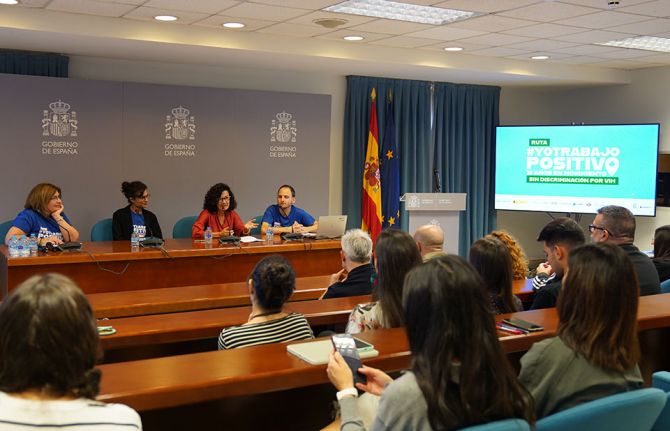
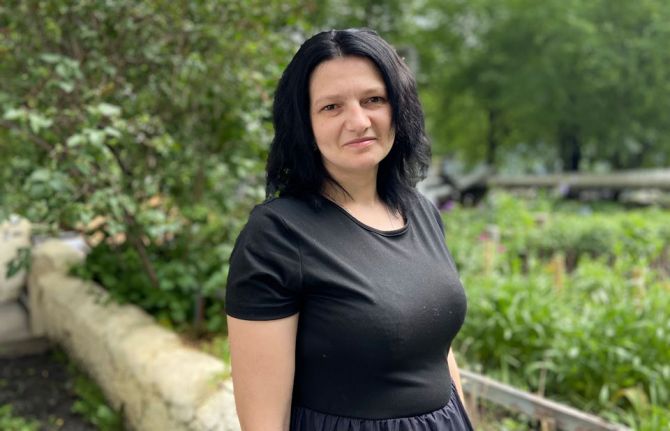
In 2018, Ms Israilova met Svetlana Izambayeva, pictured above, an activist from the Russian Federation who is living with HIV and who became one of the first women in the Russian Federation to declare her HIV status openly. Ms Izambayeva had extensive and successful experience in the struggle for the right to adopt in her home country and helped and advised the women in Kyrgyzstan in their battle.
A similar case was being considered by the Kyrgyzstan courts in which the Kyrgyz lawyer Ainura Osmonalieva and lawyers from the Adilet legal clinic were trying to help a woman living with HIV to get custody of her nephew after the death of his mother.
The activists joined forces and resources and studied the entire existing legal framework, international obligations, ratified conventions and the United Nations Political Declaration on Ending AIDS, which the country had committed to implement. The process lasted for two years. Activists from other countries, particularly from the Eurasian Women’s Network on AIDS, helped to collect evidence. The activists highlighted examples of changes in legislation in three eastern European countries—the Republic of Moldova, the Russian Federation and Ukraine. The UNAIDS Country Office in Kyrgyzstan supported the advocacy efforts of the Country Network of Women Living with HIV at all stages and provided technical support to strengthen its organizational and advocacy capacity.
Ms Israilova said that when she had to speak and defend her position before the Constitutional Court judges, she was ready for any developments. “Even if we were given a negative decision, we would not have given up, but tried again and again to achieve a result where every person living with HIV can adopt or become a guardian of a child.”
“When we received a positive decision, I came home and told my girls about what we had achieved. They have long dreamed of a brother and even came up with a name for him. My girls are my light, which illuminates my path. I have managed to achieve a lot in life thanks to the fact that I have them. Now I must prepare all the necessary documents to give happiness to another child,” said Ms Israilova.
Photos: November 2019. Credit: UNAIDS
Region/country
Related
 Women, HIV, and war: a triple burden
12 September 2025
Feature Story
Making a mark on the COVID-19 pandemic: joint efforts to meet the needs of young key populations in Asia and the Pacific
10 February 2021
10 February 2021 10 February 2021Ralph Ivan Samson, the President of Y-PEER Pilipinas, and his team of young volunteers have been working tirelessly throughout the COVID-19 pandemic to supply antiretroviral therapy to young people struggling to get refills. “How could I sleep at night knowing that community members were depressed and anxious about their refills. I had young people texting me they were down to their last couple of pills,” said Mr Samson, remembering the initial COVID-19 outbreak in the Philippines in March 2020. It was at this moment that he knew he had to do something.
Throughout the region, civil society organizations like Y-PEER Pilipinas began looking into ways of overcoming the barriers and challenges that prevent young people from accessing HIV services due to COVID-19 restrictions. For example, Y-PEER gained support from local governments with special travel passes to enable the delivery of antiretroviral therapy from the hospital straight to the doorsteps of young people living with HIV.
Y-PEER Pilipinas was one of several beneficiaries of the COVID-19 Emergency Relief Fund, a regional small-grants programme established by Youth LEAD to support initiatives led by young people across Asia and the Pacific during the COVID-19 pandemic. The COVID-19 relief fund supported 12 organizations led by young people in nine countries with various projects, including the delivery of antiretroviral therapy, hygiene products, opioid substitution therapy, emergency supplies and food, cash transfer programmes for businesses run by transgender people and housing for key populations.
Youth LEAD’s efforts to mobilize resources during the early days of the pandemic are a testament to young people rising up to the occasion and working in coordination with regional partners of the HIV response in Asia and the Pacific. In their efforts to raise funds, Youth LEAD relied on the findings of a regional assessment on the needs of young key populations and young people living with HIV during the COVID-19 pandemic conducted by the Inter-Agency Task Team on Young Key Populations Asia Pacific (IATT on YKP), a regional coordinating platform comprised of United Nations agencies and young key populations regional networks. The results of this assessment helped to inform the IATT on YKP and its regional and national partners on ways to support organizations led by young key populations during the COVID-19 response. The evidence gathered through the survey was used to inform preparedness response plans and local strategies on providing timely information on COVID-19 prevention, supporting the delivery of antiretroviral therapy and tackling stigma and discrimination.
With the support received from Youth LEAD, Mr Samson and his team of volunteers provided condoms and lubricant and emergency supplies to young key populations and young people living with HIV across several provinces in the Philippines. The programme is known online as #GetCondomsPH, and a similar initiative led by young people from the COVID-19 Emergency Relief Fund supported the delivery of antiretroviral therapy to people’s doorsteps in Goa, India.
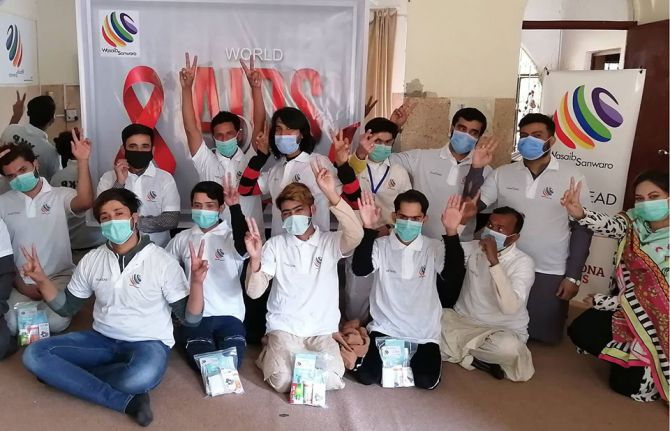
Aadi Baig, Programme Manager, and his team at Wasaib Sanwaro, an organization that works with gay men and other men who have sex with men and male sex workers in Pakistan, have also benefited from the COVID-19 Emergency Relief Fund. Mr Baig revealed a troubling picture of how the COVID-19 pandemic has made things worse for key populations. “The pandemic has created a greater divide among people, socially and economically, and has uncovered the lack of social security and protection programmes for key populations.”
With the support received, Wasaib Sanwaro donated food and supplies to key populations and provided basic HIV and COVID-19 training. Although there are limited funding schemes for organizations of young people across the region to access grants, regional networks of young people, such as Youth LEAD, Y-PEER and YVC, and the coordinated response by the IATT on YKP, which in 2020 was co-chaired by the UNAIDS Regional Support Team for Asia and the Pacific, the APCASO nongovernmental organization and the United Nations Development Programme, have stepped in to provide support.
As part of the work of the IATT on YKPs, a website that pools together COVID-19 resources for young key populations and showcases how young people have stepped up to respond to the COVID-19 pandemic was developed. The website also focuses on resources on the mental health of young key populations and the well-being of adolescents and young people at higher risk of HIV.
The most crucial aspect of all these activities was visibility, the visibility of young people, to ensure that young key populations and young people living with HIV had a voice during the pandemic. To keep the issues and needs of young key populations on the top of the advocacy agenda in the region, the IATT on YKP, with support from the UNAIDS Regional Support Team for Asia and the Pacific and Youth LEAD, held the first Spill the T with YKPs webinar—an online panel with young people from across the region that offered a platform for young people to talk about their initiatives and their roles in the COVID-19 response. The series continued through the collaboration of the IATT on YKP with partners and explored issues of young people’s leadership, mental health and sexual and reproductive health and rights.
Our work
Region/country
- Asia and Pacific
- Australia
- Bangladesh
- Bhutan
- Brunei Darussalam
- Cambodia
- China
- Democratic People's Republic of Korea
- Federated States of Micronesia
- Fiji
- India
- Indonesia
- Islamic Republic of Iran
- Japan
- Kiribati
- Lao People's Democratic Republic
- Malaysia
- Maldives
- Marshall Islands
- Mongolia
- Myanmar
- Nauru
- Nepal
- New Zealand
- Pakistan
- Palau
- Papua New Guinea
- Philippines
- Republic of Korea
- Singapore
- Solomon Islands
- Sri Lanka
- Thailand
- Timor-Leste
- Tonga
- Tuvalu
- Vanuatu
- Viet Nam
- Samoa

Feature Story
How was a COVID-19 vaccine found so quickly?
09 February 2021
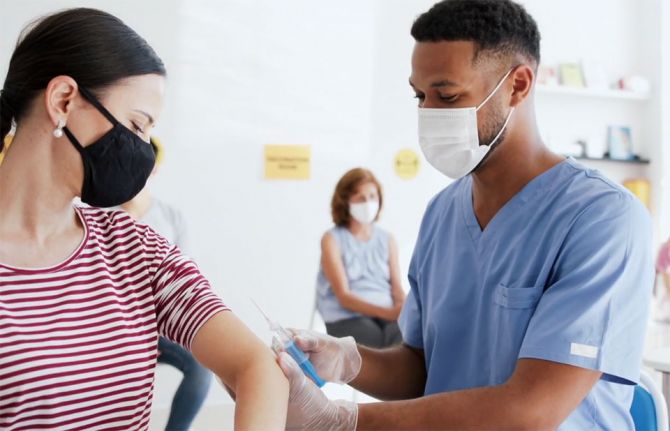
09 February 2021 09 February 2021As COVID-19 vaccination begins around the world, UNAIDS spoke to Peter Godfrey-Faussett, UNAIDS Senior Science Adviser and Professor of International Health and Infectious Diseases at the London School of Hygiene and Tropical Medicine, about what is holding up an HIV vaccine.
Many people are asking, “How was a COVID-19 vaccine found so quickly?”
The SARS-CoV-2 virus, which is the virus that causes COVID-19, jumped from animals into humans in 2019. Whereas for HIV, that jump occurred 100 years ago in around the 1920s, and it became a problem in the 1980s when it started spreading among humans to a much greater extent.
The reason we’ve seen such a push on the COVID-19 vaccine is because of the urgency. In 2020, COVID-19 has infected almost 100 million people on the planet. COVID-19 has already killed 2 million people in 2020.
So, this urgency comes about, despite the fact that we’ve seen dramatic changes in everybody’s life, with changes to travel and social distancing and masks and hand washing and sanitizer, and yet we've still seen a rapid rise in infections. This produces a huge urgency to make a vaccine. And, of course, it has a massive economic impact.
HIV and SARS-CoV-2 are quite different, right?
There are fundamental differences between SARS-CoV-2 and HIV. Although they are both viruses, SARS-CoV-2 is a very simple infection. The disease can be complicated, and sometimes mysterious, but almost everyone infected with SARS-CoV-2 develops antibodies to the spike protein and this neutralizes the virus and leads to recovery with a clearance of the virus.
In contrast, almost everybody infected by HIV develops antibodies and we use those antibodies in regular HIV tests. But, unfortunately, very few clear the infection and those antibodies are not sufficient to neutralize the HIV. The HIV envelope, which is more or less like a spike, is a complex structure on the surface of the virus. It’s coated with sugars and the active site is deep inside, so it’s hard to engage with it.
Over time, as people are infected with HIV some people do develop antibodies able to neutralize HIV, but that can take many years, and furthermore HIV is a retrovirus—that’s why we talk about antiretrovirals. A retrovirus is a virus that copies its genetic code and integrates it into the human genetic code. And as it copies, it copies its genetic code, but it doesn’t do it accurately, it makes many mistakes. What that means is that the envelope protein and the HIV itself is constantly changing, shifting its shape, making it difficult for antibodies to protect against it, so even the neutralizing antibodies from one individual often fail to neutralize the virus from a different individual.
We have now found some so-called broadly neutralizing antibodies, as in antibodies that neutralize many different strains of HIV. And those are the antibodies that people are studying at the moment and trying to see whether or not they protect people from catching different strains of HIV. They could be an important part of the process for developing a vaccine against HIV if we could get broader neutralizing antibodies to be generated before the HIV infection occurred.
Finally, we have to remember that, unlike COVID-19, or maybe partly unlike COVID-19, HIV depends a lot on T-cells—the other half of the human defence system. The human immune system has antibodies, but it also has so-called cellular immunity, which is led by T-cells, and that’s much harder to study and much more varied and it also makes HIV difficult and different from COVID-19 when it comes to developing a vaccine.
How much money is being invested in HIV vaccines?
Each year for the past decade we’ve invested around US$ 1 billion in research and development to try to produce an HIV vaccine. Is that a lot or is it not enough? It’s about 5% of the global HIV response budget. There has been some limited success. Back in 2009 there was great excitement when a vaccine candidate in Thailand did produce some protection against HIV infection, but not enough for it to be taken into widescale production.
And then over the next decade, subsequent trials have taught us a lot about the immunology, about the way human bodies and immune systems interact with HIV, but they haven’t led to a reduction in new HIV infections. Hope is currently resting on two large studies that are in the field at the moment, and there are many other candidates in the pipeline. So, I think there is hope, but we clearly won’t have a vaccine in the short term in the way that we have with COVID-19.
COVID-19 has taken the headlines—what about other infectious diseases?
In Africa, tuberculosis, malaria and HIV each kill more than five times as many people per year as COVID-19 has killed in Africa this year. These are huge problems and they've been going on for a long time. We have a vaccine against tuberculosis, the BCG vaccine, first used 100 years ago, starting in 1920, but unfortunately it doesn't really protect against the common adult forms of tuberculosis. Just recently, new vaccines have been discovered against both tuberculosis and malaria, but they don’t work particularly well. There are discussions about whether to scale them up because they only have a protective efficacy of 30% or less.
The good news is that a new malaria vaccine has just gone into big phase three trials in Africa, and in fact it’s produced by the same setup that has produced the AstraZeneca Oxford COVID-19 vaccine, so the hope is that the research that’s being done on COVID-19 vaccines may act as a shot in the arm for all the other important infectious disease killers that actually kill many, many more people in Africa and other resource-constrained parts of the world.
Watch: UNAIDS Science Adviser explains some differences between HIV and COVID-19
Watch: UNAIDS Science Adviser explains some differences between HIV and COVID-19
Our work
Related
Feature Story
Provision of services for domestic violence uneven
08 February 2021
08 February 2021 08 February 2021Violence impacts the lives of women and girls, people living with HIV and key populations in myriad negative ways. National authorities and civil society representatives in dozens of countries reported to UNAIDS in 2019 that various provisions and services were in place to protect the health, safety and security of survivors of domestic and sexual violence. However, the degree to which policies and legislation are implemented and enforced—including their coverage and quality—varies widely.
Prevention efforts are also lagging significantly, as evidenced by the high levels of intimate partner violence reported in surveys conducted around the world. Surveys conducted in 46 countries between 2014 and 2018 show that 19.7% of ever-married or partnered women and adolescent girls (aged 15 to 49 years) experienced physical and/or sexual violence by an intimate partner in the past 12 months.
Countries with service delivery points providing appropriate medical and psychological care and support for women and men who have experienced sexual violence, countries with available data, 2019
Countries with provisions related to domestic violence, countries with available data, 2019
Related
Feature Story
“Maybe I am the lucky one”
03 February 2021
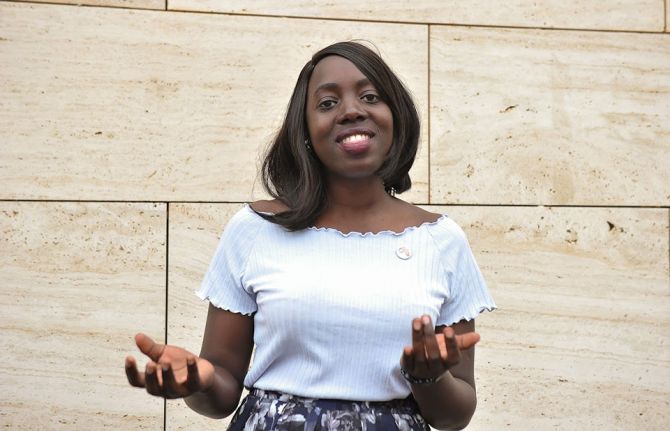
03 February 2021 03 February 2021A spontaneous HIV test that yielded a positive result changed Martha Clara Nakato’s life forever. When Ms Nakato, who lives in Uganda, found out she was living with HIV, she was 14 years old and had never had sex.
“I accompanied my twin brother only to support him to take up the test. I didn’t know taking one too would change my life forever,” she says as she recalls her shock and confusion at her result.
Her brother’s HIV test came out negative.
Ms Nakato soon discovered from her father that she was born with HIV. She is the only one of her eight siblings who contracted HIV from her mother. She lost her mother to AIDS-related illnesses when she was just five years old.
“I don't know why this had to happen to me. Maybe I was the lucky one; maybe there was a purpose meant for me. When I look back, I now know the only way you can find your purpose in life is to think about that one thing that hurt you the most,” Ms Nakato says.
Ms Nakato has transformed her pain to power and works as a human rights defender and HIV advocate with the Uganda Network of Young People Living with HIV/AIDS (UNYPA).
In 2019, she was recognized as one of the Global Fund to Fight AIDS, Tuberculosis and Malaria’s five faces that championed the worldwide sixth replenishment campaign.
“I do a lot of mentorship and motivational speaking,” says Ms Nakato, who uses her own story to demonstrate how adherence to HIV treatment can help people living with HIV live a full and healthy life.
Much of Ms Nakato’s advocacy and mentorship involves interacting with young people in their communities with in-person dialogue. Following the COVID-19 outbreak, she had to rethink how to reach young people while adhering to the social distancing measures that followed because of the pandemic.
“Most of those engagements that involved face-to-face were not able to happen. Looking at young people in the rural areas who don’t have access to the Internet or a smartphone, we really had challenges reaching out to them,” Ms Nakato says.
However, Ms Nakato and her team realized the importance of reaching out to young people on social media platforms, such as Facebook, to get her message across.
UNAIDS provides financial and technical support to the annual Y+ beauty pageant and youth summit, events that are organized by UNYPA. The pageant crowns a Mr and Miss Y+, encouraging young people living with HIV to come together, celebrate their beauty and address HIV-related stigma and discrimination.
During the COVID-19 outbreak, UNAIDS ensured that community-based organizations such as UNYPA had access to national platforms—for instance, the national COVID-19 national secretariat—so that organizations could engage in dialogue with the government and thereby provide better relief and food support to communities in need.
Ms Nakato was born in 1996, a time when HIV treatment was inaccessible in Uganda. In that year alone, 34 000 children between the ages of 0 and 14 years acquired HIV.
Today, 95% of women living with HIV in Uganda have access to services to prevent vertical (mother-to-child) transmission of HIV. There has been a significant drop in vertical transmission and the country has achieved an 86% reduction in HIV infections among children since 2009.
“I don’t want to give birth to a child who is HIV-positive or see any other young woman do so. We now have the power to prevent this from happening, not like many people in the past who didn’t have that chance,” she says.
As an AIDS activist, Ms Nakato has plans for herself and society, hoping to see an AIDS-free world. She stresses the importance of adhering to HIV treatment to help make that a reality.
“One thing I know is that I am the proof of treatment. I am proof of what self-love is,” she says.
UNAIDS provides financial and technical support to the annual Y+ beauty pageant and youth summit, events that are organized by UNYPA. Above, Nabanoba Vivian Alice and Niwamanya Hillary, winners of the Y+ beauty pageant. Kampala, Uganda, October 2019. Credit: UNAIDS
Our work
Region/country
Related
UNAIDS, WHO and Unitaid bring manufacturers and governments together in Geneva as HIV financing enters a new era
14 September 2026
 Remembering King Oyo’s heartfelt leadership for young people and the fight to end AIDS
04 September 2026
 Built on trust - Community-led HIV responses in Thailand
26 August 2026
Feature Story
We are off track to meet the 2020 targets on the number of voluntary medical male circumcisions
01 February 2021
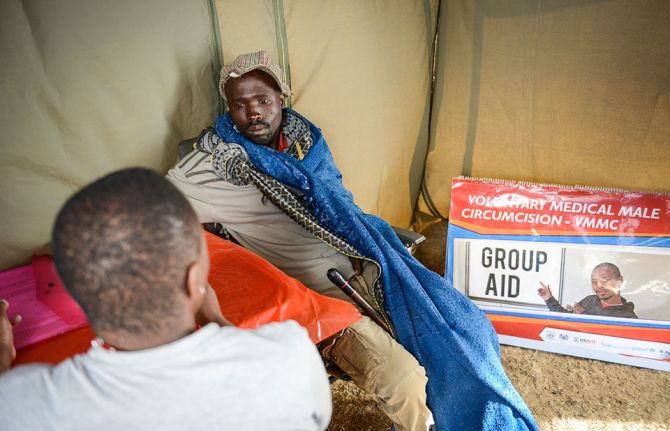
01 February 2021 01 February 2021Voluntary medical male circumcision provides lifelong partial protection against female-to- male HIV transmission, reducing heterosexual male vulnerability to HIV infection by approximately 60%.
Voluntary medical male circumcision can also act as an entry point for providing adolescents 15 years and older and adult men in settings with generalized epidemics with broader health packages to improve their health outcomes. When combined with high levels of treatment coverage and viral suppression, evidence shows that the impact of voluntary medical male circumcision is particularly significant.
However, annual circumcisions in the 15 priority countries have remained relatively stable since 2017, falling short of the annual amounts needed to reach the 2020 target of 25 million additional circumcisions since the beginning of 2016.
Our work
Feature Story
Central African Republic: producing HIV estimates in the context of crisis
28 January 2021
28 January 2021 28 January 2021The presidential and legislative elections in the Central African Republic on 27 December 2020 were meant to mark the consolidation of democracy and bolster economic and social recovery in a country tormented by decades of conflict and humanitarian challenges. However, the electoral process has given way to a serious political and military crisis, with the resurgence of armed conflict and a blockade of the main trade and supply routes to the landlocked country by rebel groups.
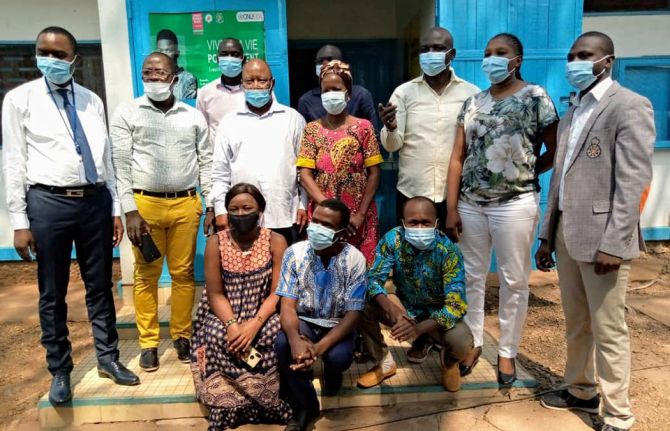
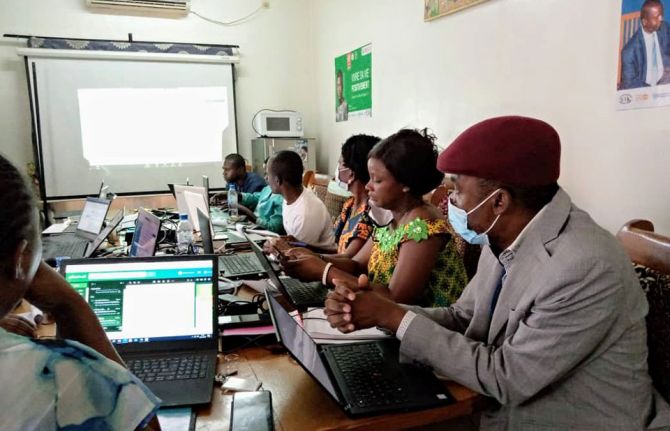
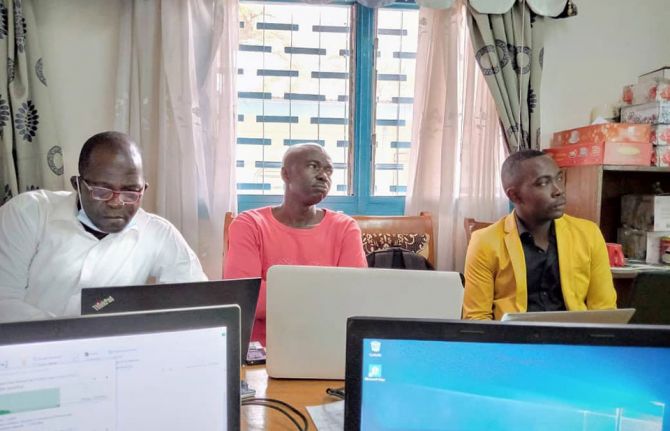
It is in this context of crisis, and in the aftermath of bloody clashes between armed groups and government forces on the outskirts of the capital, Bangui, that the UNAIDS country office in the Central African Republic hosted a workshop to produce HIV estimates for the country from 18 to 22 January. This important annual exercise is conducted by UNAIDS with national authorities in all regions of the world to provide countries and HIV stakeholders with essential data on the pandemic and the response.
Marie Charlotte Banthas, the Director of Disease Control at the Ministry of Health, oversees HIV and tuberculosis treatment programmes in the Central African Republic. Over the past three years, her services have been at the forefront of efforts to accelerate access to antiretroviral therapy from some 25 000 people on treatment in 2016 to more than 48 000 in June 2020. A former head of monitoring and evaluation at the Ministry of Health, she considers the HIV estimates workshop a priority, despite the deteriorated security situation. “There is no effective response to HIV without data. We need to hold this workshop to provide the country with reliable data to better guide our efforts and improve the care of our patients,” she said.
Civil society also considers HIV estimates as a crucial endeavour. Bertille Zemangui is the President of the National Network of Free Girls, a sex workers’ organization representing key populations. To attend the HIV workshop, Ms Zemangui had to travel long distances each day through sensitive areas. The increased cost of public transport due to the crisis was not enough to discourage Ms Zemangui and other workshop participants. “The current situation is difficult. Everything has become expensive: transportation, food. But we have to be there to make our voice heard because it is sex workers and other key populations that are most affected by HIV in the Central African Republic,” she said. According to data from a 2019 survey, HIV prevalence among sex workers is 15% and 6.5% among gay men and other men who have sex with men, compared to 3.5% among all adults in the country.
For security reasons, the estimates workshop was moved to the UNAIDS office and participation was reduced to national and international experts and members of civil society. “This workshop provided us with a clearer idea of the magnitude and trajectory of the epidemic for 2021. These are essential to measuring our progress towards achieving the 95–95–95 goals,” said Marcel Massanga, the Deputy National Coordinator of the National AIDS Control Council. The workshop also served to identify approaches to improve the quality and completeness of HIV data in the Central African Republic. Thus, the participants agreed on the need to integrate HIV data into the District Health Information System 2 (DHIS2) platform with a view to strengthening the health system.
There are concerns that the volatile security situation could jeopardize the Central African Republic’s efforts to accelerate its HIV response. In 2020, the country launched an ambitious National HIV Strategic Plan 2021–2025, which aims to eliminate discrimination, halve new HIV infections and ensure that 95% of people living with HIV access antiretroviral therapy by 2025. “It will not be possible to achieve these ambitious goals without peace and stability. Already we have information that in several areas people living with HIV have fled into the bush and are without treatment. We must quickly implement contingency plans to respond to these emergencies,” said Patrick Eba, the UNAIDS Country Director for the Central African Republic.
Our work
Region/country
Feature Story
Hand sanitizer donated by Reckitt Benckiser to people living with HIV
25 January 2021
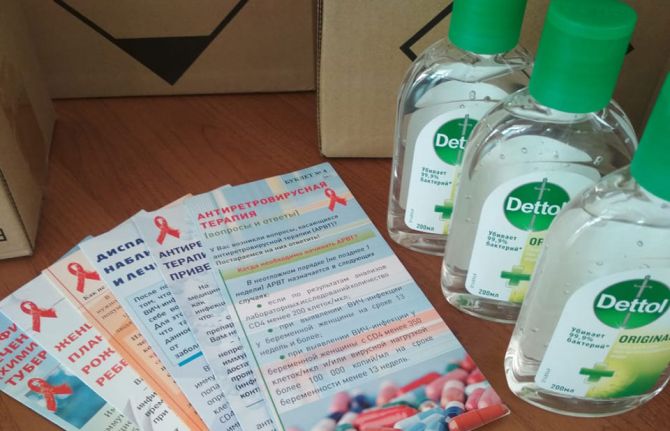
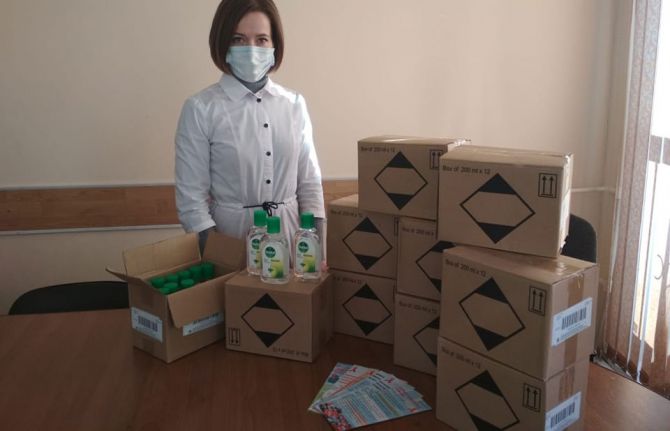
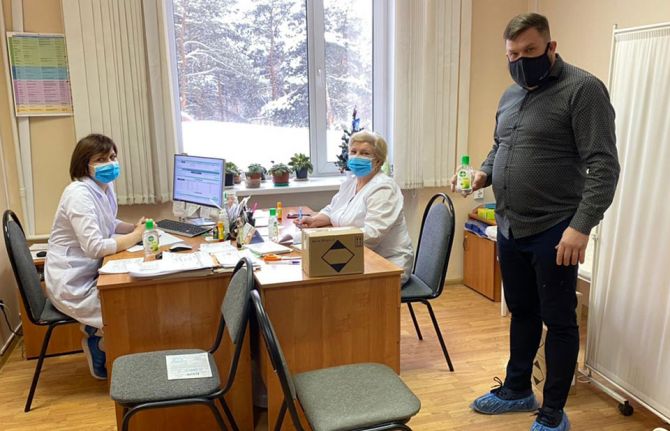
25 January 2021 25 January 2021Russian HIV community centres in Moscow, Voronezh, Kaluga, Kursk, Orel and Vladimir have received 35 000 bottles of Dettol hand sanitizer donated as part of an initiative by Reckitt Benckiser. The donation was made in the light of the increasing COVID-19 pandemic in the country and the increase in other viral diseases, and is a joint effort of the Reckitt Benckiser office in the Russian Federation and the UNAIDS Regional Support Team for Eastern Europe and Central Asia. The nongovernmental organizations Medical Volunteers, Volunteers to Help Orphans and Center Plus also partnered in the initiative, distributing the donations to the community centres.
“This is very timely support for people from key populations, those who are at risk and work on the front lines of the fight against both pandemics, HIV and COVID-19, as well as those who do not have an opportunity to take care of themselves on their own,” said Vladimir Mayanovsky, head of Center Plus.
A study conducted by the Central Research Institute of Epidemiology of Rospotrebnadzor (the Federal Service for Surveillance on Consumer Rights Protection and Human Wellbeing), in cooperation with the Treatment Preparedness Coalition with the support of UNAIDS, found that the number of people living with HIV with COVID-19 markers was four times higher than that of HIV-negative respondents. And people living with HIV were two times less likely than HIV-negative respondents to be tested for coronavirus and less often sought medical help, even if they had symptoms.
The study also found that the majority of respondents living with HIV were found to have a higher risk of contracting COVID-19, owing to the significant number of infections in their neighbourhood and their low level of use of personal protective equipment, and underestimated their personal risk of COVID-19 disease. Hand sanitizer can help to protect people from contracting the coronavirus.
“Reckitt Benckiser’s mission is to protect, heal and nurture, creating a cleaner and healthier world. In the countries where we operate, we strive to promote the idea of a responsible attitude to health and consider hygiene to be the basis of a healthy lifestyle. Keeping hands clean is one of the most important simple habits. For Reckitt Benckiser, this is more than a business, it is a contribution to a healthier and happier future,” said Igor Radakovich, the General Director of Reckitt Benckiser Healthcare in the Russian Federation, Ukraine and the Commonwealth of Independent States countries.
“UNAIDS welcomes and supports such initiatives from the private sector in the fight against the colliding epidemics. We are ready for further cooperation with Reckitt Benckiser in the field of health. We share Reckitt Benckiser’s vision given in its slogan for educational initiatives in the Russian Federation, “Your health is your responsibility”, not only in terms of COVID-19 prevention but also HIV prevention by the promotion of condom use,” said Alexander Goliusov, Director, a.i., of the UNAIDS Regional Support Group for Eastern Europe and Central Asia.
Region/country
Related
Feature Story
New guidance on ethical HIV prevention trials published
27 January 2021
27 January 2021 27 January 2021UNAIDS and the World Health Organization have published updated guidance on ethical considerations in HIV prevention trials. The new guidance is the result of a year-long process that saw more than 80 experts and members of the public give inputs and is published 21 years after the first edition appeared.
“UNAIDS is committed to working with the people and populations affected by HIV, promoting and protecting their rights,” said Peter Godfrey-Faussett, UNAIDS Science Adviser. “This guidance sets out how to carry out ethical trials on HIV prevention while safeguarding the participants’ rights during scientific research and promoting the development of new HIV prevention tools.”
With 1.7 million people becoming newly infected with HIV in 2019, there is still an urgent need to develop new ways of preventing HIV and make them available so that people can protect themselves from the virus. While new methods of preventing HIV have been developed over the past few years, for example pre-exposure prophylaxis, taken orally, in the dapivirine ring or in long-acting cabotegravir injections, the demand for easy-to-use and effective HIV prevention tools remains strong.
However, the need to develop new HIV prevention methods needs to be balanced with the need to protect the people who participate in scientific studies of the safety and efficacy of the prevention tools.
Research on people is governed by a well-established framework of ethical standards. The new report sets out in 14 guidance points the ethical standards for research on HIV prevention and upholds and explains the universal principles of ethics for research involving people in ways that are relevant to the participants and to developments in research for HIV prevention.
“The World Health Organization must ensure that policymakers and health implementers keep ethics at the heart of their decision-making. This collaboration with UNAIDS in convening a wide range of stakeholders for the review is a model for the future development of ethics guidance,” said Soumya Swaminathan, Chief Scientist at the World Health Organization.
The ethical considerations surrounding HIV prevention research are complex. Research must be conducted with the populations for which the new methods might have the most impact—such as key populations and adolescent girls and young women in locations where there is a high incidence of HIV—but members of those populations often live in situations that make them vulnerable to discrimination, incarceration or other harm, which can limit their participation in research and makes ethical research more challenging. The updated guidance seeks to set out how to ethically incorporate the needs of the people who could most benefit from HIV prevention research.
The updated guidance includes a number of key revisions to the previous edition. The importance of community members being involved at all stages of research projects is highlighted—there must be an equal partnership among research teams, trial sponsors, key populations, potential participants and the communities that live in settings where trials are taking place.
The issue of fairness, with an inclusive selection of study populations without arbitrary exclusion on the basis of characteristics such as age, pregnancy, gender identity or drug use, is emphasized. The guidance also underlines contexts of vulnerability—people and groups should not be labelled as vulnerable, but rather the emphasis should be on the social or political contexts in which people live that may render them vulnerable.
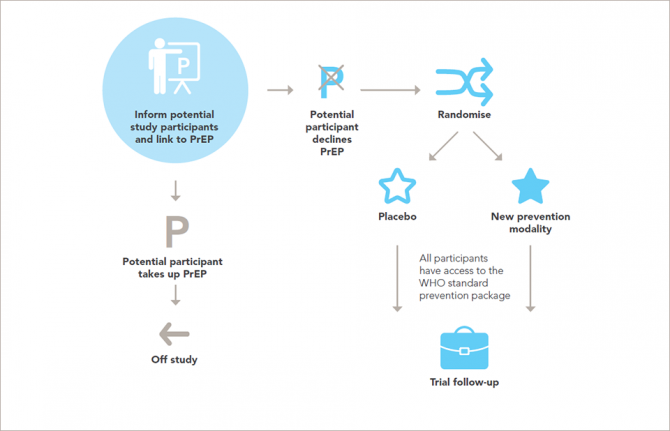
That researchers and trial sponsors should, at a minimum, ensure access to the package of HIV prevention methods recommended by the World Health Organization for every participant throughout the trial and follow-up is set out in the updated guidance, along with the need for post-trial access by participants to products that are shown to be effective.
“This revised guidance will support all stakeholders in designing and conducting ethically and scientifically sound HIV prevention trials that advance the AIDS response towards the goal of zero new HIV infections,” added Mr Godfrey-Faussett.
This guidance document is also available in Portuguese.