Feature Story
A life spent in the AIDS response
17 May 2019
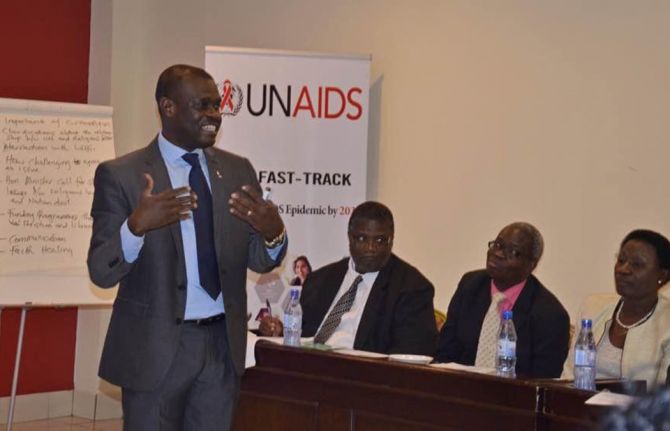
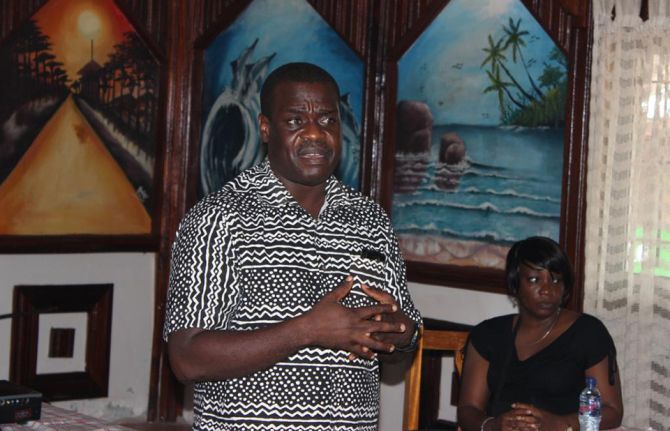
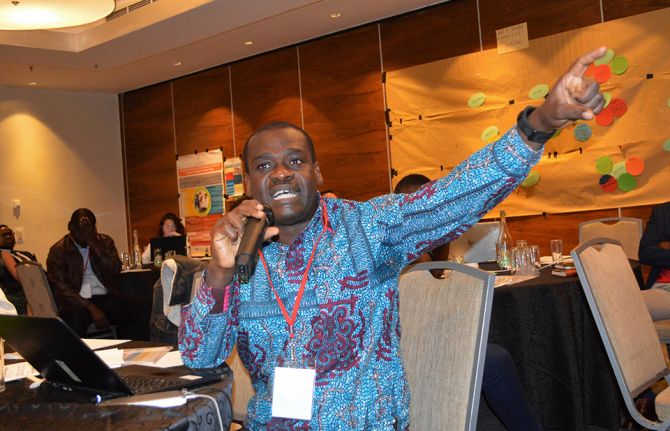
17 May 2019 17 May 2019Isaac Ahemesah has been involved in the AIDS response for almost 25 years, the last 16 of which were spent working for UNAIDS in various positions across Africa. His most recent assignment has been as a Fast-Track Adviser in the UNAIDS Country Office in Malawi.
Mr Ahemesah’s interest in the AIDS response started in 1995, when he was studying social work at university in Ghana. As part of his studies, he was required to carry out field work at the local hospital, where there was a hospice for the many people dying from AIDS-related illnesses.
“At that time, there was no treatment for HIV. There was nothing for people living with HIV at all,” he says. “I didn’t know what I was getting myself into,” he continues. I just knew I needed to help.”
This was the beginning of his long involvement in the AIDS response. He started his professional career at the Catholic Relief Service as an HIV and AIDS Programme Officer and went on to join UNAIDS in 2003 in the UNAIDS Country Office in Ghana. Since then, he has held various positions, including Institutional Development Adviser, Human Rights, Gender and Community Mobilization Adviser in Liberia and currently Fast-Track Adviser in Malawi.
Having survived the terrorist attack on the United Nations complex in Abuja, Nigeria, in 2011 and the outbreak of Ebola in Liberia in 2013, Mr Ahemesah remains undeterred in his passion for a people-centred AIDS response.
“People living with HIV need their voices to be amplified in a way that affords them dignity and respect. Everyone needs access to HIV prevention, treatment, care and support services that are free from stigma and discrimination. We need to ensure that no one is left behind,” he continues. “UNAIDS provides me with an opportunity to turn these important principles into reality.”
Among the achievements he is most proud of during his time in Malawi is the advocacy work that he and his colleagues have been able to carry out with partners such as the United Nations Development Programme and civil society organizations. Together, they worked on the country’s HIV and AIDS Management and Control Act in 2018 to strike out or amend all provisions that criminalized people or discriminated against certain groups. This partnership ensured that the final legislation was consistent with international human rights standards and in line with model laws developed by the South African Development Community and Law Commission.
The new law has helped to create an enabling environment in which HIV services can be provided to everyone in Malawi, including lesbian, gay, bisexual, transgender and intersex people and female sex workers, who are at higher risk of acquiring HIV than the general population.
“The changes to the legal environment have allowed UNAIDS and its partners to work more openly and effectively with key populations such as sex workers and lesbian, gay, bisexual, transgender and intersex (LGBTI) people,” says Mr Ahemesah. “Six LGBTI community-led organizations are now officially registered, which means they can apply for funding, follow training opportunities and be run as fully functional organizations.”
Mr Ahemesah is happy that Malawi is making good progress towards reaching the AIDS targets, including the 90–90–90 targets. There are around 1 million people living with HIV in Malawi, of whom 90% know their HIV status. It is estimated that 71% of people living with HIV are now on treatment and that 61% of people living with HIV have suppressed viral loads.
Advances against HIV have contributed to an increase in the country’s life expectancy, from 46 years in 2000 to 64 years in 2018. Malawi was also the first country in Africa to adopt the Option B+ strategy, which ensures that pregnant women living with HIV have immediate and lifelong access to treatment to ensure that they stay healthy and that their children remain HIV-free.
During the 15 years he has spent working at UNAIDS, Mr Ahemesah has occupied many different roles. His experience will stand him in good stead as he prepares to leave Malawi later this year to take up his next assignment, as the UNAIDS Country Director in Sierra Leone, but it is his passion and commitment to improve the lives of people living with and affected by HIV that continue to be his most valuable attribute.
Region/country
Related
 “Who will protect our young people?”
02 June 2025
 Impact of US funding cuts on HIV programmes in Malawi
15 April 2025
Feature Story
Declaration of the Rights of People Affected by Tuberculosis launched
16 May 2019
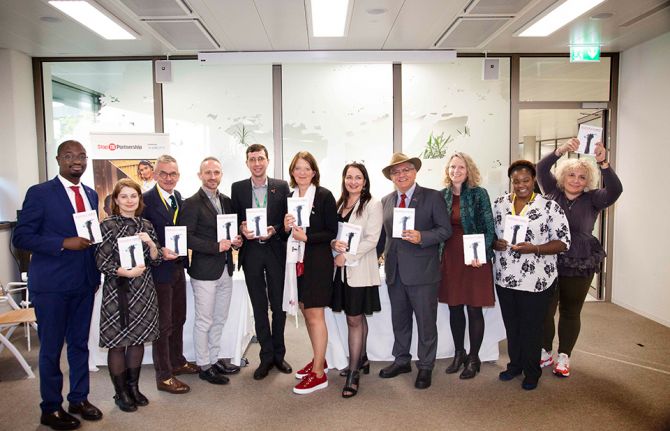
16 May 2019 16 May 2019Tuberculosis (TB) is the world’s number one cause of death from an infectious disease and remains the leading cause of death among people living with HIV, despite being preventable and curable. Reacting to the unacceptable burden of disease and death caused by TB, a new network of TB survivors and affected communities, called TB People, compiled the Declaration of the Rights of People Affected by Tuberculosis, with the support of leading human rights lawyers and the Stop TB Partnership.
The declaration, launched on 14 May at the Global Health Campus in Geneva, Switzerland, will guide countries to implement the commitments made at the 2018 United Nations High-Level Meeting on Tuberculosis and will inform the last board meeting of the Global Fund to Fight AIDS, Tuberculosis and Malaria (Global Fund) before its replenishment meeting in Lyon, France, in October.
“Too many people have been buried whose lives could have been saved if their rights had been protected,” said Maurine Murenga, communities representative on the board of the Global Fund. “Too many children have survived and been cured of tuberculosis only to be forced to sit isolated on one side of their classroom with their classmates on the other side,” she added.
The lack of human rights protections makes people more vulnerable to developing TB disease, negatively affects their ability to access effective treatment and exposes them to stigma and discrimination by the very fact of having TB. TB-related human rights violations include failures to diagnose or treat people properly, restricted access to health information by people living with TB and shackling prisoners accessing TB treatment in hospital.
For the first time, the rights of people affected by TB that are enshrined in existing global and regional human rights laws are listed in one declaration alongside an explanation of their relevance for people affected by TB. This innovative declaration aims to inform and empower people and communities affected by TB to be able to claim and protect their right to a life free from TB and when necessary to ensure equitable access to quality TB prevention, diagnosis and treatment, free from stigma and discrimination.
“Communities must be put at the centre of the response to tuberculosis ”, said Shannon Hader, UNAIDS Deputy Executive Director, Programme, adding that, “People have the right to science and to be empowered to demand access to the most effective tuberculosis medicines, diagnostics and vaccines—those available now and those we’re striving to create for the future.”
The declaration also seeks to ensure that governments and other service providers are aware of their commitments and obligations to protect and promote the rights of people affected by TB.
During the launch of the declaration, many TB survivors, activists and partners shared stories about how TB and the denial of their rights had directly affected them or their families, including Tedros Adhanom Ghebreyesus, the Director-General of the World Health Organization, whose brother almost died from TB for fear of the stigma that surrounds the disease.
Rhea Lobo from TB People described her harrowing experience of having bone TB. The report on her initial bone samples was lost for several months. She was denied a copy of the results so that she could not seek a second opinion and had to resort to smuggling the results out to photocopy and return them. A new doctor discovered that she had been given the wrong treatment dose for six months, putting her at risk of developing drug-resistant TB.
The declaration was dedicated to the memory of Dean Lewis, a tireless activist for the rights of people living with TB and people who use drugs, who had suffered several episodes of TB. Dean was among the core group who conceived and compiled the declaration but died before its completion, owing to the lack of the health services he needed.
Related information
Related
Feature Story
UNAIDS and UN Women working together in Malawi
07 May 2019
07 May 2019 07 May 2019One of the 11 UNAIDS Cosponsors, UN Women is working closely with UNAIDS to improve the lives of women and girls worldwide. In Malawi, for example, UNAIDS and UN Women have partnered to reduce the impact of gender-based violence and mitigate the risk of HIV infection among women and girls.
“UN Women is the youngest of the UNAIDS Cosponsors, and we are delighted to work closely with UNAIDS and other partners under the UNAIDS Unified Budget, Results and Accountability Framework 2016–2021,” says Clara M.W. Anyangwe, the representative of UN Women in Malawi. The Unified Budget, Results and Accountability Framework (UBRAF) is a UNAIDS instrument that maximizes the coherence, coordination and impact of the United Nations response to HIV by combining the efforts of the UNAIDS Cosponsors and UNAIDS Secretariat. Its principal aim is to allocate financial resources to catalyse country-level action in the AIDS response.
With UBRAF funding, UN Women in Malawi has teamed up with an impressive number of partners, including UNAIDS, the Ministry of Gender, Children, Disability and Social Welfare, the National AIDS Commission, the National Law Commission, the United Nations Development Programme, the Malawi Network of AIDS Service Organizations and civil society to implement a project that aims to enhance the national response to sexual and gender-based violence, harmful practices, sexual and reproductive health and rights and HIV.
“Working together as UNAIDS Cosponsors is just a better approach,” says Ms Anyangwe. “There is no single agency that can help the country to achieve the UNAIDS 90–90–90 targets. Instead, each agency has a comparative advantage that they bring to the table. In this case, UN Women brings in the gender dimension and UNAIDS its expertise in the HIV response.”
Malawi has made great progress in reducing new HIV infections. In 2017, there were 39 000 new HIV infections, a 40% reduction since 2010, but 9500 of those were among adolescent girls and young women between the ages of 15 and 24 years. That is more than double the number among men of the same age group.
The project has produced a perception study on the prevailing gender norms that increase violence against women and girls and their risk of HIV infection in Malawi, such as rite of passage practices, sexual cleansing, child marriage, marriage by proxy and transactional sex. An indicator framework has been developed from the findings that will be used to track progress of Malawi’s National Strategic Plan for HIV and AIDS.
An important part of the project is to engage with traditional leaders, including those who facilitate rite of passage practices, and mother and father groups. As a result of the engagements, a framework has been developed that links partners in the local HIV, sexual and reproductive health and rights and sexual and gender-based violence response to monitor and address harmful cultural practices that occur during local rites of passage ceremonies.
A series of intergenerational dialogues that brought together young people, people living with HIV and traditional and faith-based leaders revealed that issues such as lack of access to youth-friendly HIV and sexual and reproductive health and rights services, peer pressure, stigma and discrimination and gender-based violence need to be addressed in order to increase young people’s resilience and empower them to protect themselves against HIV infection.
“We also leveraged UN Women’s global He for She campaign to engage men and boys as partners of women and girls. We were looking particularly to foster a positive masculinity. How can we use masculinity to protect women and girls against harmful practices?” said Ms Anyangwe.
During the dialogues, more than 100 men and boys took the pledge to be He for She champions to promote gender equality and reduce HIV and sexual and gender-based violence. The human rights approach embedded in the project has seen laws and policies that relate to HIV and gender translated into local languages and widely disseminated in affected communities.
Ms Anyangwe insists that leveraging the specific expertise of partners under the UBRAF umbrella is reaping rewards in Malawi.
“It has also been great to have UNAIDS as a member of the Country Coordinating Mechanism of the Global Fund to Fight AIDS, Tuberculosis and Malaria. UNAIDS’ involvement in these mechanisms benefits us all,” she says.
“We really value UN Women’s continued support and partnership in ending HIV and gender-based violence in Malawi,” says Thérèse Poirier, UNAIDS Country Director for Malawi. “It has been beneficial to work as One UN so we don’t confuse our national counterparts by coming in and working separately on different areas of these interconnected and multilayered epidemics,” she said.
Region/country
Feature Story
Recognizing the achievements of the Thai Red Cross AIDS Research Centre
02 May 2019
02 May 2019 02 May 2019The Thai Red Cross AIDS Research Centre (TRC-ARC) has been at the forefront of the response to HIV since the early days of the epidemic, when its director, Praphan Phanuphak, diagnosed Thailand’s first case of HIV, in 1985. Since then, it has continued to develop and promote innovative prevention and treatment approaches, including pre-exposure prophylaxis (PrEP), same-day antiretroviral therapy and key population-led health services.
Located in Bangkok, Thailand, the TRC-ARC is an organization that sits under the umbrella of the Thai Red Cross Society. The Thai Red Cross has been a leading organization in the country’s response to HIV through projects implemented with partners and funded through the United States President’s Emergency Plan for AIDS Relief (PEPFAR).
Since the end of 2014, the TRC-ARC has been offering PrEP to people at higher risk of becoming infected with HIV through projects including the Princess PrEP programme, which is strongly supported by Her Royal Highness Princess Soamsawali. The Princess PrEP programme provides free PrEP services through community-led organizations such as the Service Workers in Group (SWING) Foundation, the Rainbow Sky Association of Thailand, Mplus, CAREMAT and SISTERS. The TRC-ARC also offers members of those community groups comprehensive training on health-care provision, sustainable financing, evaluation and quality control.
Since 2017, the TRC-ARC has also been offering same-day antiretroviral therapy to improve retention in care and adherence to treatment. People who test positive for HIV are initially prescribed a two-week supply of medicine and are then referred to other health facilities to continue their treatment.
Another significant achievement has been the creation of the Tangerine Clinic, the first in the country to offer health care and counselling tailored towards transgender people. The clinic is managed by transgender people and staffed by gender-sensitive medical professionals. It provides sexual and reproductive health-care services, psychosocial counselling, hormone counselling and therapy, HIV testing services and referrals for treatment.
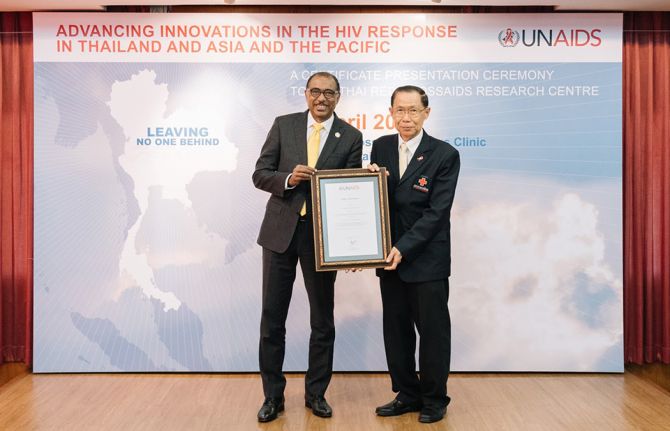
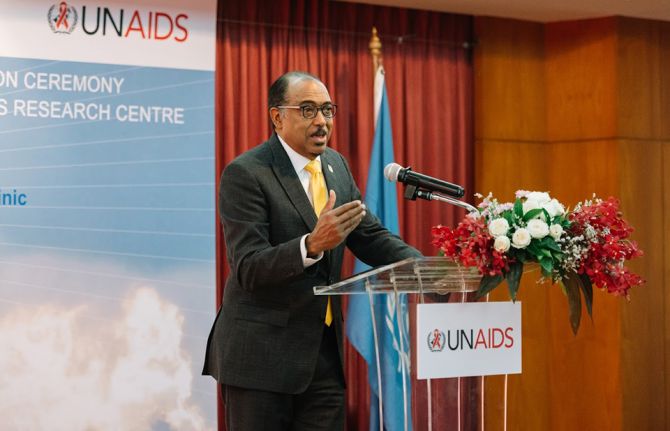
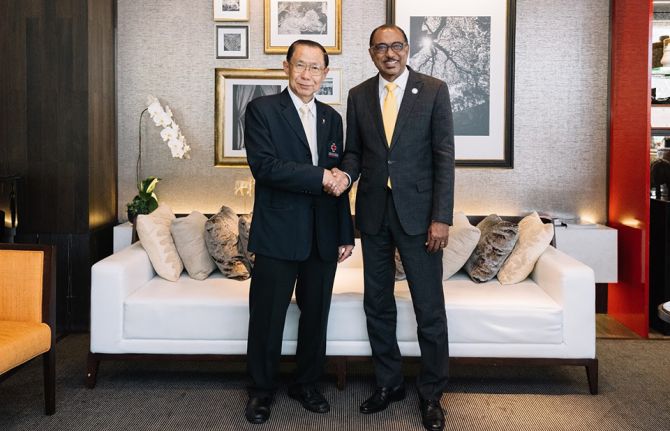
During his recent visit to Thailand, the Executive Director of UNAIDS, Michel Sidibé, paid tribute to the work of Mr Praphan and the TRC-ARC at an event organized by UNAIDS and attended by representatives of the Thai Ministry of Public Health, the Thai Ministry of Foreign Affairs, PEPFAR, USAID, United Nations development partners and civil society organizations.
“The Thai Red Cross AIDS Research Centre has played a key role in developing and promoting innovative and effective prevention and treatment approaches to HIV for more than 30 years,” said Mr Sidibé, “Its contribution expands beyond Thailand, being a catalyst for change across the Asia–Pacific region,” he said.
Mr Praphan thanked UNAIDS for recognizing the achievements of the TRC-ARC and said its work would continue until the end of the AIDS epidemic. “I accept this recognition on behalf of all the people working with me at the Thai Red Cross and in the community to ensure that no one is left behind. We have demonstrated how science, integrated into the community level, can bring health care to the most marginalized groups of people.”
Region/country
Related
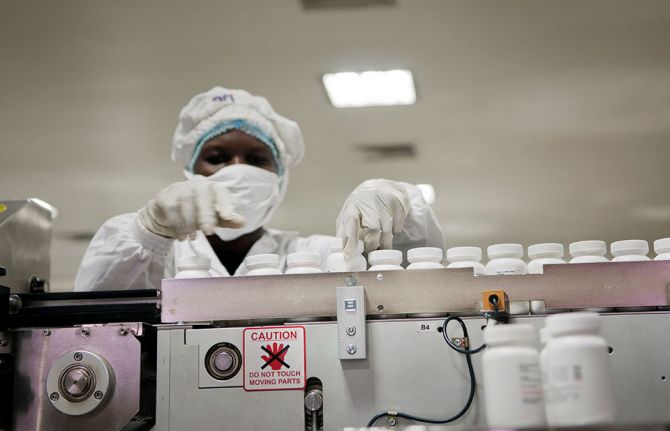 UNAIDS, WHO and Unitaid bring manufacturers and governments together in Geneva as HIV financing enters a new era
14 September 2026
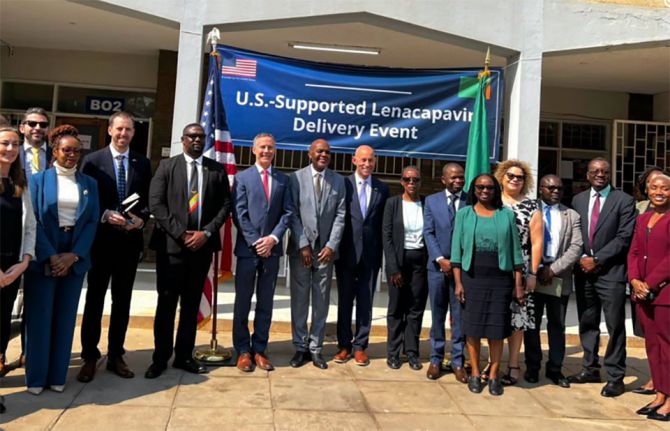 UNAIDS works with partners and communities to support Zambia's rollout of Lenacapavir to prevent new HIV infections
09 September 2026
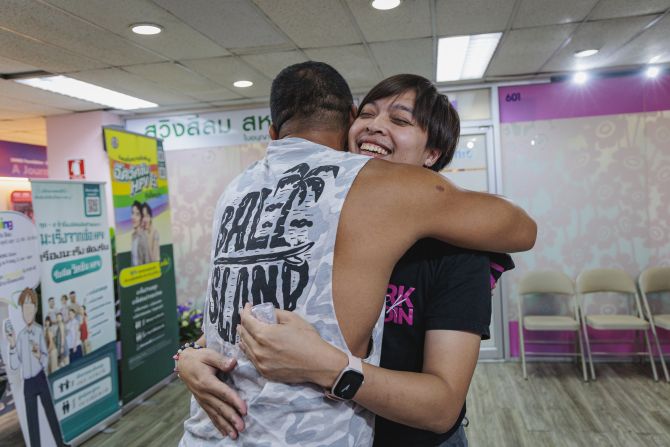 Built on trust - Community-led HIV responses in Thailand
26 August 2026
Feature Story
Not enough condoms
29 April 2019
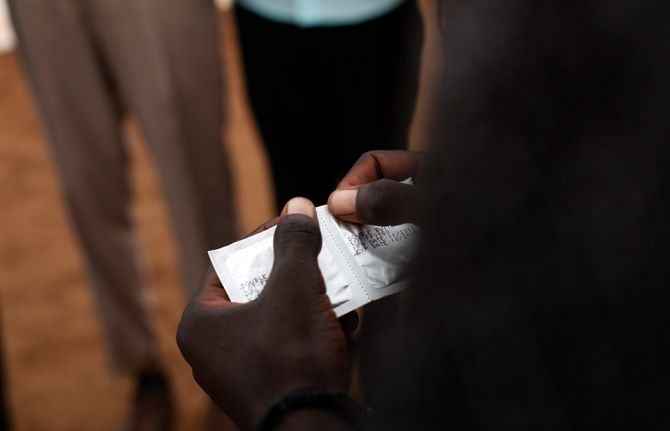
29 April 2019 29 April 2019Condoms, if easily available and used consistently and correctly, are one of the most effective and inexpensive methods available to reduce the sexual transmission of HIV and other sexually transmitted infections and to prevent unintended pregnancy. Despite this, condoms are still not sufficiently available to those who need them in many countries with a high burden of HIV.
The estimated condom need in 47 countries in sub-Saharan Africa in 2015 was 6 billion male condoms; however, only an estimated 2.7 billion condoms were distributed.
Related information

Feature Story
Keeping up the momentum in the global AIDS response
24 April 2019
24 April 2019 24 April 2019During a visit to South Africa, UNAIDS Executive Director, Michel Sidibé, has warned that the global AIDS response is at an inflection point, at which gains to date could easily be reversed unless urgent efforts are made to reach targets for 2020 and achieve ambitious goals for the decade beyond.
In a meeting with South Africa’s Minister of Health, Aaron Motsoaledi, Mr Sidibé congratulated the country on its progress made to date and encouraged the government to accelerate action to reach ambitious targets that will put the HIV response on a sustainable path to ending the AIDS epidemic by 2030. Mr Sidibé said it was time to fully leverage the power of communities to close the remaining gaps to the UNAIDS 90–90–90 treatment targets.
In a meeting with the First Lady of South Africa, Tshepo Motsepe, Mr Sidibé encouraged her to use her voice and outreach capacity to empower people who lacked visibility and access to services, particularly emphasizing the importance of adolescent girls to have access top the human papillomavirus vaccine to prevent cervical cancer.
Ms Motsepe indicated her willingness to engage on national and international issues for the sake of social development. “Health is not simply the absence of disease,” she said. “Some call me the First Lady, some call me the President’s spouse, but whatever you call me I am a social worker for South Africa.”
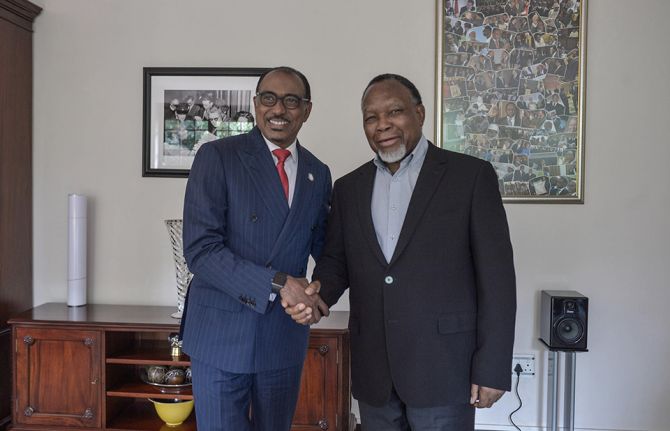
Mr Sidibé also met with former South Africa President Kgalema Motlanthe and urged him to keep people alert to the serious risks of losing momentum in the AIDS response and especially the need to engage more men in HIV testing and sustained treatment.
Mr Motlanthe, who is a member of the Champions for an AIDS-free Generation in Africa, expressed his appreciation for the efforts of Mr Sidibé over the course of his career, including as UNAIDS Executive Director. He noted that Mr Sidibé has repeatedly identified and advocated for crucial steps to advance the AIDS response.
“Your timing has always been spot-on,” he said.
While in Johannesburg, Mr Sidibé addressed the directors of UNAIDS country offices across eastern and southern Africa. He reminded them of the primary purpose of UNAIDS—to serve the needs of people living with HIV and those at risk of infection. As a health organization, he stressed that UNAIDS plays a unique role in advocating for the rights of vulnerable people, engaging strongly with civil society and insisting that nobody should face discrimination for how they live or who they love.
“UNAIDS is not an organization driven by logistics or materials,” he said. “It is an organization that puts people at the centre.”
“The AIDS response, especially in eastern and southern Africa, offers lessons and approaches to ensure sustainability through political leadership, resource mobilization and community engagement,” he continued.
“With people behind you, you can really make the world better.”
Region/country

Feature Story
Urgent action needed to address HIV in Haut-Mbomou, Central African Republic
15 April 2019
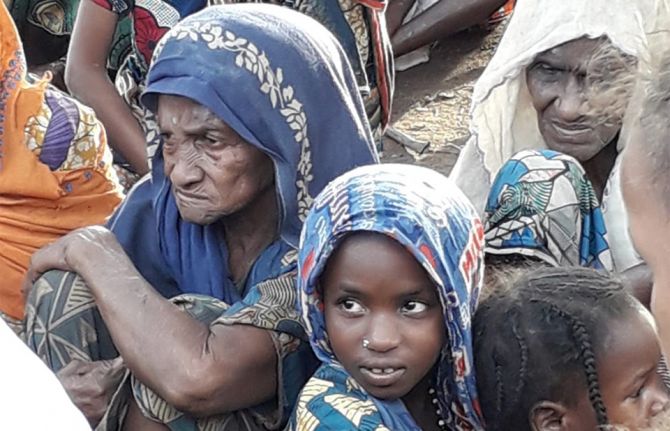
15 April 2019 15 April 2019On the border between South Sudan and the Democratic Republic of the Congo, Haut-Mbomou is the province worst hit by HIV in the Central African Republic, with HIV prevalence at 11.9% compared to a national average of 4%.
Initially spared by the conflict that engulfed the country in 2013 and 2014, since 2018 Haut-Mbomou has seen fighting between rival armed groups, continued insecurity and a large-scale displacement of people. More than 47 000 people have been displaced by insecurity and violence in the province, adding to a population of some 3500 refugees from South Sudan and the Democratic Republic of the Congo.
Alerted by accounts of persistent medicine stock-outs, substandard care for people living with HIV and barriers to access to HIV and health services owing to insecurity, a joint mission of the Central African Republic Ministry of Health, the National AIDS Council, the World Health Organization, the Office of the United Nations High Commissioner for Refugees and UNAIDS visited Haut-Mbomou from 8 to 12 April. Located 1000 km from the capital, Bangui, the province is among the most underserved by health and social services. Half of the health facilities in the province are closed owing to a lack of personnel or rundown facilities.
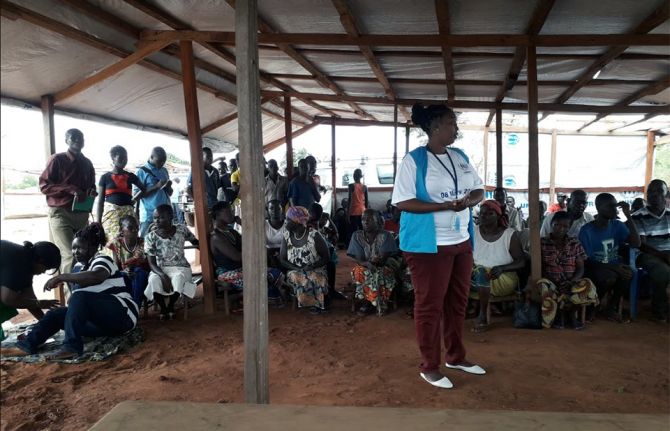
In the towns of Obo and Zemio, the mission met with local authorities, health-care providers, religious and community leaders, internally displaced people, refugees and people living with HIV. “This joint mission brings together the breadth of national and United Nations expertise to offer practical solutions to the challenges of HIV and health in this critical province,” said Patrick Eba, UNAIDS Country Director for the Central African Republic.
The mission noted the impact of insecurity on the population and on access to health and other services. The main routes of supply are closed and violence outside the urban centres greatly limits access to medicines, food and other essential commodities.
The Obo District Hospital, the main health-care facility in the province, lacks basic laboratory testing equipment, including for blood safety or tuberculosis screening. Access to antiretroviral medicines is greatly limited by regular stock-outs. The absence of CD4 count measurement, viral load testing and other biological tests for people on antiretroviral therapy limits the quality of care for host populations and refugees. The mission was also concerned by the absence of HIV prevention and sensitization efforts, including the unavailability of condoms.
“How can we live in dignity when we face constant stock-outs of antiretroviral therapy and the hospital staff treat us badly? Many people who are on treatment are sick with opportunistic infections, but the hospital cannot give us anything,” lamented a frail, middle-aged woman living with HIV in Obo, who also bravely spoke out against discrimination.
Access to food is increasingly a problem because insecurity limits farming, fishing and hunting and hinders the ability of humanitarian agencies to deliver nutritional support. For vulnerable people living with HIV, including refugees and displaced people, access to food and nutritional support is essential for antiretroviral medicine adherence and effectiveness.
In Zemio, the mission spoke with members of community groups established by Médecins Sans Frontières as part of an innovative programme to facilitate access to antiretroviral medicines. Group leaders collect and dispense antiretroviral medicine to members who live far from hospitals. The group members highlighted that barriers to their access to medicines included roadblocks, insecurity and extortion by armed groups. The mission held a dialogue with communities and leaders of the main armed group in Zemio to emphasize the need for unhindered access to health-care facilities.
The mission showed the complex nature of the challenges facing the HIV response in a context such as that in the Central African Republic, which is characterized by insecurity, population displacement and a collapsed health-care system. Those challenges call for urgent attention and action on the part of the government, the United Nations and others to address emerging and chronic health and HIV challenges. “Addressing these challenges is essential to show that these populations are not forgotten” said Wilfrid Sylvain Nambei, the Minister Coordinateur of the National AIDS Council. “Swift action following this mission will reinforce confidence in the government and its partners and it will advance our efforts to build peace, reconciliation and reconstruction that leaves no one behind.”
Region/country
Related


Feature Story
Côte d’Ivoire signals renewed will to tackle issue of user fees for HIV services
16 April 2019
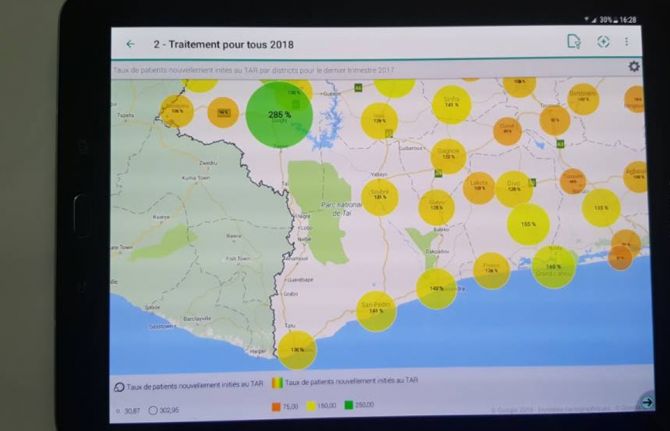
16 April 2019 16 April 2019The Government of Côte d’Ivoire has signalled its commitment to stop people being charged for accessing HIV testing and treatment services, declaring that it will strictly apply previously announced decisions to prevent people living with or affected by HIV being asked to pay user fees.
A note circulated by the Ministry of Health has reminded all service providers that costs for HIV testing and treatment services should not be charged to people accessing those services. The directive applies for all services for pregnant and breastfeeding women, all HIV testing services, tests for viral load suppression and the prescription of antiretroviral medicines for people living with HIV.
The directive also reminds service providers that children under the age of 15 years should have free access to health services and that young women aged 15–24 years should have free access to primary health care, HIV testing and family planning services.
In several countries, the issue of user fees has been identified as a major barrier to testing people for HIV, to treating people living with HIV and to retaining people in treatment and care.
The renewed commitment of Côte d’Ivoire to confront the issue of user fees followed discussions between the President of Côte d'Ivoire, Alassane Ouattara, and the former President of Botswana, Festus Mogae, who visited the country in March in his capacity as Chairperson of the Champions for an AIDS-Free Generation in Africa.
Following their discussions, the government also announced its intention to increase domestic funding for the AIDS response by US$ 10 million in the next budget.
During his meeting with the President, Mr Mogae congratulated Mr Ouattara and the First Lady, Dominique Ouattara, for their personal commitment to ending the AIDS epidemic as a public health threat by 2030. Ms Ouattara is UNAIDS Special Ambassador for the Elimination of Mother-to-Child Transmission and the Promotion of Paediatric Treatment of HIV.
At the conclusion of his mission, Mr Mogae underlined the importance of accelerating the response to the epidemic. “We cannot be complacent and allow the huge improvements that we have made so far to be lost. If we stop now, we will lose everything we have already invested and achieved. The entire nation must be mobilized to ensure that no one is left behind,” he said.
There were 500 000 people living with HIV in Côte d’Ivoire in 2017, with around 46% accessing HIV treatment.
Region/country
Feature Story
Cyclone Idai flood survivors ‘just want to go home’
18 April 2019
18 April 2019 18 April 2019Bangula settlement in Nsanje District, in the south of Malawi, is an arduous five kilometre walk from the border with Mozambique.
It is a walk that approximately 2 000 Mozambicans have made since they were displaced a month ago by the floods caused by Cyclone Idai. The settlement is also a temporary home to approximately 3 500 Malawians from surrounding villages who were also displaced.
Being predominately a small holder farming community, their homes, belongings and livelihoods were all washed away by the floods. They are now at Bangula, waiting for the earth to dry so they can go home and begin rebuilding their lives.
The emergency response to assist the 81 000 people in the district affected by the floods is being coordinated by the Government of Malawi, the United Nations, development partners and non-governmental organizations.
Upon arrival at the settlement, heads of households are provided with mats and blankets to sleep on and maize meal to cook.
Women and children are housed in 21 tents to the rear of the settlement, while others sleep under open industrial sheds, on concrete floors under tin rooves.
On a visit to the camp, Michel Sidibé, UNAIDS Executive Director, heard that while some amenities are being provided, there is not enough shelter for everyone and there is no lighting at night, which exacerbates vulnerabilities, especially of women and children.
It is well known that sexual and gender-based violence against women and children is heightened in emergency settings such as the one at Bangula. People also spoke of a lack of adequate nutrition, access to clean water and sanitation as well as their experiences of stigma and discrimination.
The small clinic at the settlement mostly focuses on primary health care and offers antenatal and postnatal services, HIV counselling and testing, refills of HIV treatment and psycho-social support.
While at the settlement Mr Sidibé spoke to a group of people living with HIV who had come to the settlement for shelter. They spoke of how, when the floods came, they tried to keep their HIV treatment safe from the water.
“When the floods came, my house was destroyed. But I managed to reach for my plastic bag where I keep my ARVs, because it is one of my most precious possessions,” said Sophia Naphazi, who resides in Jambo village in the district.
Elizabeth Kutenti, another women living with HIV, spoke of how her pills were safe because she keeps them in the roof. “They are my life,” she said.
The support people at the settlement need to return home is modest. “We need three things: a plastic sheet to cover what is left of our homes; maize seeds to plant and a hoe. Then we can go home,” said Miliam Moses.
“The level of resilience I have seen today is just amazing,” said Mr Sidibé. “The most important message I have heard today is one of hope.”
Mr Sidibé was accompanied by Atupele Austin Muluzi, Minister of Health and Population in Malawi. He thanked the UN agencies and the government departments supporting coordinating in the emergency response.
“We need continued support so that all the people in this settlement get the help they need so they can return home and live in dignity,” he said.
Region/country
Related
 Communities, authorities and UNAIDS coordinate to maintain HIV care during emergencies in Colombia and Venezuela
23 September 2026
UNAIDS, WHO and Unitaid bring manufacturers and governments together in Geneva as HIV financing enters a new era
14 September 2026
Built on trust - Community-led HIV responses in Thailand
26 August 2026
Feature Story
Women lead to reduce the impact of HIV and gender-based violence in the Middle East and North Africa
23 April 2019
23 April 2019 23 April 2019According to the World Health Organization, about one third of women worldwide have experienced violence. In some regions, women who have experienced physical or sexual intimate partner violence are 1.5 times more likely to acquire HIV than women who have not experienced such violence. Among marginalized populations, such as sex workers or transgender women, a high prevalence of violence is linked with higher rates of HIV infection.
In the Middle East and North Africa (MENA) region, UNAIDS estimates that around 220 000 people are living with HIV. New infections were up by 12% between 2010 and 2017 and AIDS-related deaths increased by 11% over the same period. The stigma and discrimination associated with HIV as well as high levels of gender-based violence are preventing several countries from making progress against the epidemic. Gender-based violence in the region is strongly associated with harmful gender norms and stereotypes.
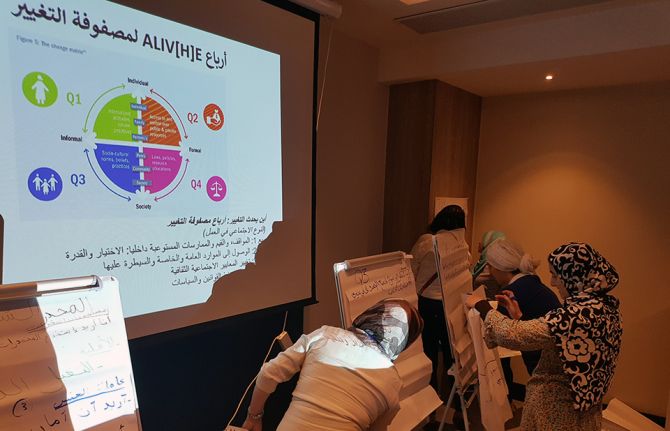
In 2018, the LEARN MENA project was launched to provide women with a platform to share experiences and explore the linkages between gender-based violence and HIV in the region. Underpinning the project is the Action Linking Initiatives in Violence against Women and HIV Everywhere (ALIV(H)E) framework, a research project that collates evidence on what works to prevent violence and builds women’s awareness to understand and address linkages between violence against women and HIV.
Through community dialogues led by MENA-Rosa, a regional network of women living with or affected by HIV, women are strengthening their own understanding of the root causes of violence and the links with HIV. The dialogues have highlighted the fact that gender inequality is at the centre of violence against women and an increased risk of HIV infection. For example, through the dialogues it was revealed that some women had never been to school. Many had experienced early or forced marriage. Many women acquire HIV from sexual violence, including within their own marriage.
“Violence is everywhere. Over time, and as you get older, you get to see it as normal,” said an Algerian woman participating in one of the dialogues.
The participants described multiple forms of violence across different settings, including in health-care settings, which impede their access to health care, including to HIV prevention and treatment services.
So far, the project has been implemented in seven countries―Algeria, Egypt, Jordan, Lebanon, Morocco, Sudan and Tunisia.
Findings from the project are helping women living with and affected by HIV to advocate for an improved response to the epidemic in the region and for measures to reduce the impact of violence against women. The dialogues have amplified the voices of marginalized women living with and affected by HIV, encouraging decision-makers and partners to build strengthened national community responses. UNAIDS is supporting countries to implement the recommendations and action plans developed from the project.
“MENA-Rosa leaders have learned through this painful process that violence against us should be denounced and not brushed under the carpet,” said Rita Wahab, Regional Coordinator of MENA-Rosa. “Empowerment will help women in all their diversity to know and understand their rights. Our advocates will move forward to expose the links between violence against women and HIV. Gender equality starts at home, grows in society and blossoms in the legal environment.”
LEARN MENA is implemented by UNAIDS, Frontline AIDS and MENA-Rosa, with funding support from USAID. Additional technical support is provided by the Salamander Trust, the lead author of the ALIV(H)E framework.